The best road cycling routes around Outeiro Da Cabeça
4.9
(21)
659
riders
40
rides
Road cycling routes around Outeiro Da Cabeça traverse a landscape characterized by rolling hills, coastal stretches, and historical towns. The region offers varied terrain, from the Atlantic coastline to inland rural areas with agricultural fields and small villages. Elevation gains on routes indicate a consistently undulating profile, providing a balanced challenge for road cyclists.
Best road cycling routes around Outeiro Da Cabeça
- The most popular road cycling route is Óbidos Castle – Praia de São Martinho do Porto loop from…
Last updated: July 22, 2026
5.0
(2)
41
riders
102km
04:26
730m
730m
Moderate road ride. Good fitness required. Some segments of this route may be unpaved and difficult to ride.
5.0
(1)
26
riders
109km
04:48
930m
930m
Hard road ride. Very good fitness required. Some segments of this route may be unpaved and difficult to ride.

Sign up for free
5.0
(1)
19
riders
113km
05:12
1,200m
1,200m
Hard road ride. Very good fitness required. Mostly well-paved surfaces and easy to ride.
15
riders
85.3km
03:55
880m
880m
Moderate road ride. Good fitness required. Mostly well-paved surfaces and easy to ride.
9
riders
55.4km
02:29
540m
540m
Moderate road ride. Good fitness required. Some segments of this route may be unpaved and difficult to ride.
Get access to more routes and recommendations from other explorers.
Sign up for free
Already have an account?
Our route recommendations are based on thousands of hikes, rides, and runs completed by other people on komoot.
Start today with a free account
Your next adventure awaits.
Login or Signup
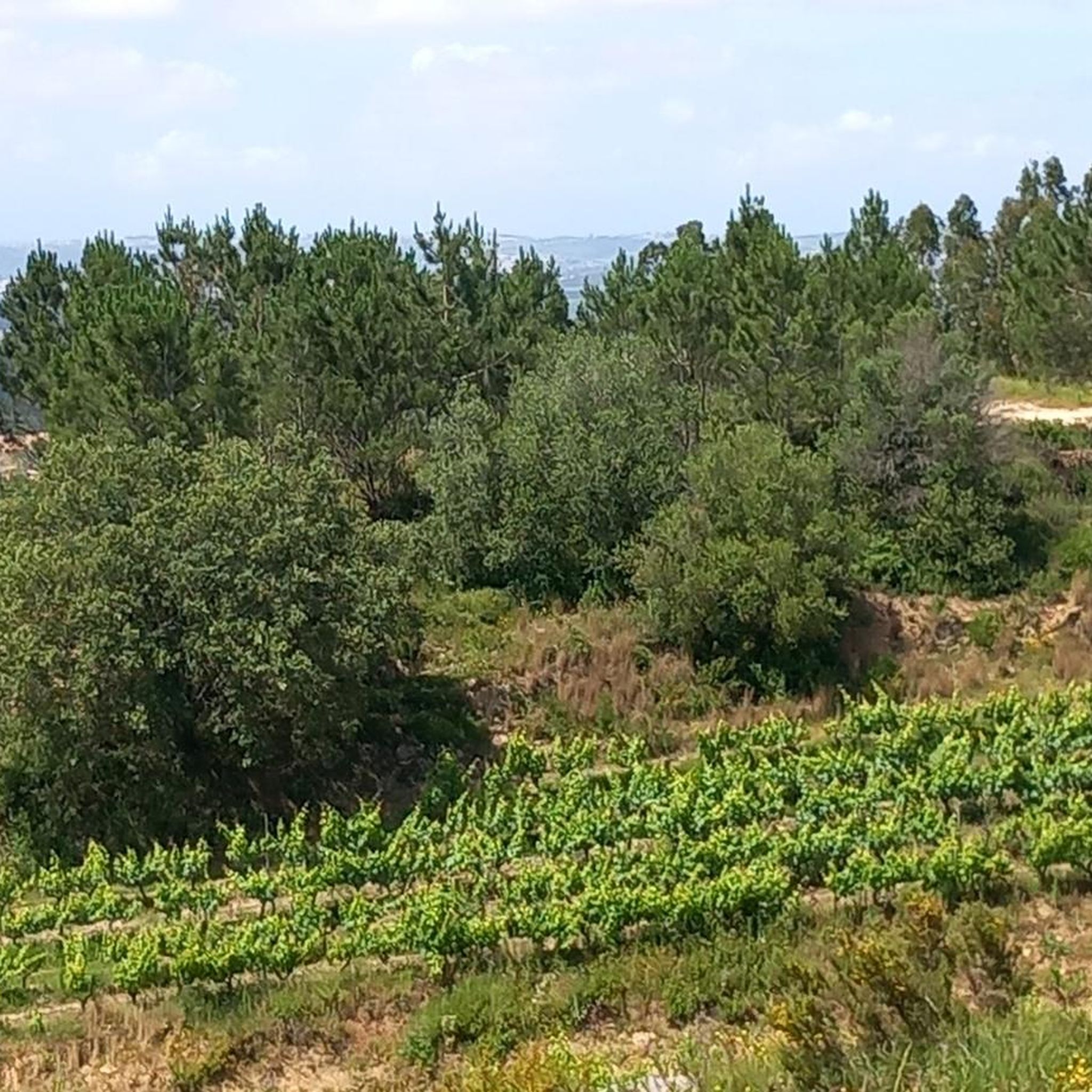

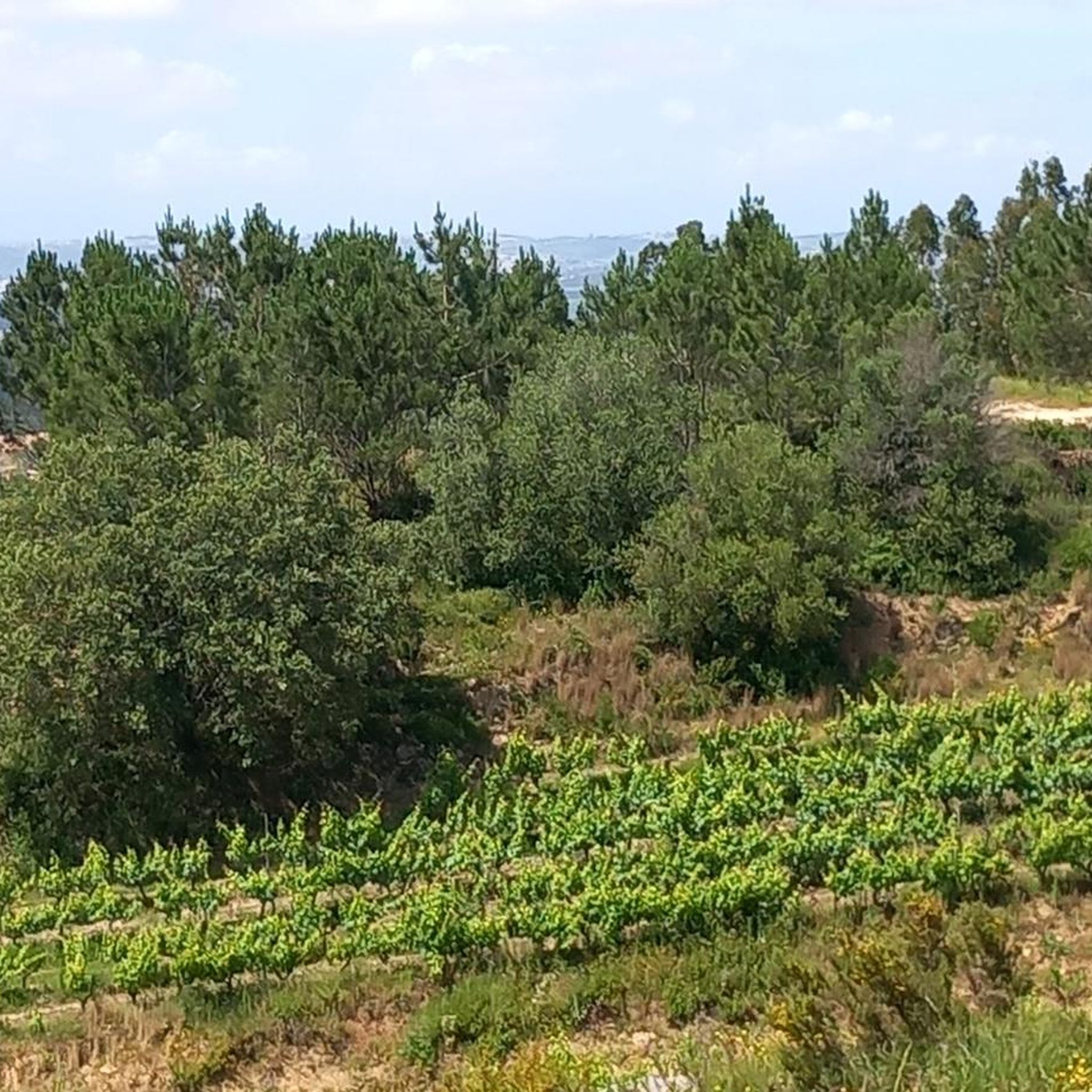
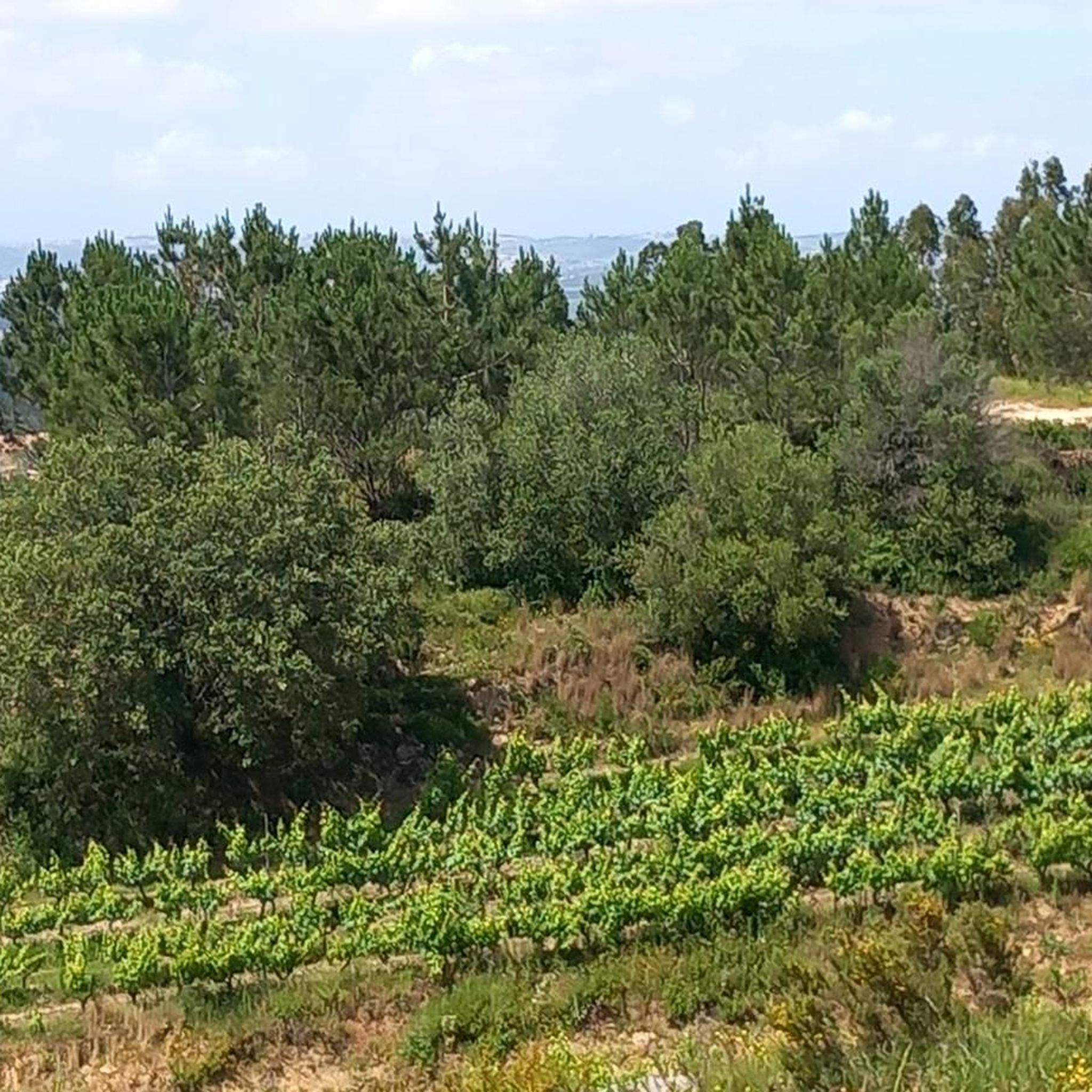
Tips from the Community

An entrance in the city wall, with some tile panels that I loved seeing.
6
0
Beautiful photos. Thank you 🙏
6
1

The Sanctuary of Senhor Jesus da Pedra is located in the parish of Santa Maria, in the municipality of Óbidos, in the western region of Portugal. The Sanctuary was classified as a Monument of Public Interest in 2013.
1
0

The castle of Torres Vedras is an important part of Portuguese history. It was a strategic point in the fight against the Moors and later against Napoleon. The castle was conquered in 1147 by Afonso Henriques, the first king of Portugal.
2
0
Today I was lucky and was able to visit the ruins as well.
2
0

Salt is extracted from shallow, concrete or stone pans of varying sizes, where saltwater drawn from a well is conveyed through ditches. Currently, the water is pumped by a motor and distributed according to a system that is generally accepted and respected (not always) by all the owners. Drainpipes, threshing floors, and wooden salt storage houses complete the complex known as the Rio Maior Salt Pans. According to technicians, a large and deep rock salt mine, traversed by an underground stream that feeds a well, makes the extracted water salty, seven times saltier than seawater. The salt is obtained from its exposure to the sun and wind, and the resulting evaporation of the water. This salt is deposited at the bottom of the pans, which are then piled up in pyramid-shaped heaps to dry until harvest. The process is rudimentary and similar to that used in seaside salt mines. The only difference is the picturesque valley that surrounds them, the well, the unique style of the sailors (as the men who work in the salt mines are known), the wooden houses and the country air that you breathe.
0
0

The Castelo de Óbidos is a medieval castle and symbolically towers over the town of Óbidos. The fortification is likely of Roman origin, but the region was settled even earlier, in prehistoric times. Its eventful history over the decades can be found here: https://www.burgen.de/burgen-und-schloesser/portugal/castelo-de-obidos/ In the 20th century, the Castelo de Óbidos was found completely in ruins. Starting in 1932, the castle underwent the first consolidation, reconstruction, and restoration work. It was restored to accommodate state guests – the first Portuguese state accommodation in a historic building. Therefore, the interior of the castle is unfortunately no longer open to visitors.
4
0
The Porta da Vila is the city's main gate. It consists of two low, staggered gates to prevent a direct cavalry charge, as was often the case with Gothic Portuguese castles. Between the gates is a small balcony that served as a prayer room, with beautiful blue and white tiles (azulejos) from 1740 depicting the Passion of Christ. Street performers often play there because of the acoustics.
5
0
Frequently Asked Questions
How many road cycling routes are available in Outeiro Da Cabeça?
There are over 40 road cycling routes around Outeiro Da Cabeça, offering a diverse range of experiences for cyclists of all levels.
Are there road cycling routes suitable for beginners in Outeiro Da Cabeça?
Yes, Outeiro Da Cabeça offers 7 easy road cycling routes. These trails provide a gentler introduction to the region's beautiful landscapes.
What kind of terrain can I expect on road cycling routes around Outeiro Da Cabeça?
The region is characterized by rolling hills, coastal stretches, and historical towns. Routes often feature an undulating profile, combining Atlantic coastline views with inland rural areas, agricultural fields, and small villages.
Are there challenging road cycling routes for experienced cyclists?
Yes, for experienced cyclists seeking a challenge, there are 10 difficult routes. An example is the Salinas de Rio Maior – Pink House with Bougainvillea loop from Ramalhal, which covers 113.4 km with significant elevation changes.
What are some notable viewpoints or attractions along the road cycling routes?
Many routes pass by interesting sights. You might encounter viewpoints like the Serra de Montejunto Watchtower or the Salvé Rainha Viewpoint. Other attractions include the Blue Terracotta Army Sculptures or the historic Windmills of Serra de Montejunto.
Are there any circular road cycling routes in the area?
Yes, many of the routes around Outeiro Da Cabeça are designed as loops, allowing you to start and finish in the same location. For example, the Óbidos Castle – Praia de São Martinho do Porto loop from Ramalhal is a popular circular option.
What do other road cyclists enjoy most about road cycling in Outeiro Da Cabeça?
The area is highly rated by the komoot community, with an average score of 4.9 stars from over 10 reviews. Cyclists often praise the varied terrain, combining historical landmarks with scenic coastal sections and quiet rural landscapes.
What is the typical duration for road cycling routes in Outeiro Da Cabeça?
Route durations vary significantly based on distance and difficulty. For instance, a moderate route like the Entrance to Quinta de Sant'Ana loop from Ramalhal takes around 2 hours 30 minutes, while longer, more difficult routes can take over 5 hours.
Are there any routes that combine historical sites with natural beauty?
Absolutely. Routes like the Óbidos Castle – Foz do Arelho Beach loop from Ramalhal offer a blend of historical landmarks, such as Óbidos Castle, with stunning coastal views and natural scenery.
What is the best time of year for road cycling in Outeiro Da Cabeça?
The region generally offers pleasant conditions for road cycling for much of the year. Spring and autumn provide mild temperatures, while summer can be warm, especially inland. Winter conditions are typically mild, making it possible to cycle year-round, though some coastal winds might be present.
Are there any facilities or picnic areas along the routes?
Yes, you might find facilities such as the Montejunto Rural Campsite or the Picnic Area of Serra de Montejunto, which can be convenient stops during your ride.
Most popular routes around Outeiro Da Cabeça
Most popular attractions around Outeiro Da Cabeça

Get inspired with the komoot mobile app


Explore more
Browse the best Road cycling routes in other regions.
