Attractions and Places To See around Póvoa Da Isenta - Top 20
Attractions and places to see around Póvoa Da Isenta offer a blend of historical significance and rural landscapes within the municipality of Santarém. This Portuguese civil parish is characterized by its plateau location, surrounded by olive groves and agricultural land. The area provides insights into traditional rural life, with a history rooted in livestock and cultivation. Póvoa Da Isenta's natural features, including its position within the Tajo main Lower - Zezere river catchment, make it suitable for outdoor exploration.
Best…
Last updated: May 4, 2026
Pina Manique Palace
Highlight • Monument
Translated by Google •
Tip by

Ponte D. Luís I of Santarém
Highlight • Bridge
It was inaugurated on September 17, 1881 …
Translated by Google •
Tip by

Sign up now to discover places like this
Get recommendations on the best single tracks, peaks, & plenty of other exciting outdoor places.
Sign up for free
Cathedral of Santarém
Highlight • Religious Site
Translated by Google •
Tip by

Paúl de Manique do Intendente.
Highlight • Lake
Translated by Google •
Tip by
Hoopoe Mural by Bordalo II, Rua 1º de Novembro, Santarém
Highlight • Monument
Translated by Google •
Tip by
Sign up for free to discover even more attractions around Póvoa Da Isenta.
Sign up for free
Already have an account?
Start today with a free account
Your next adventure awaits.
Login or Signup
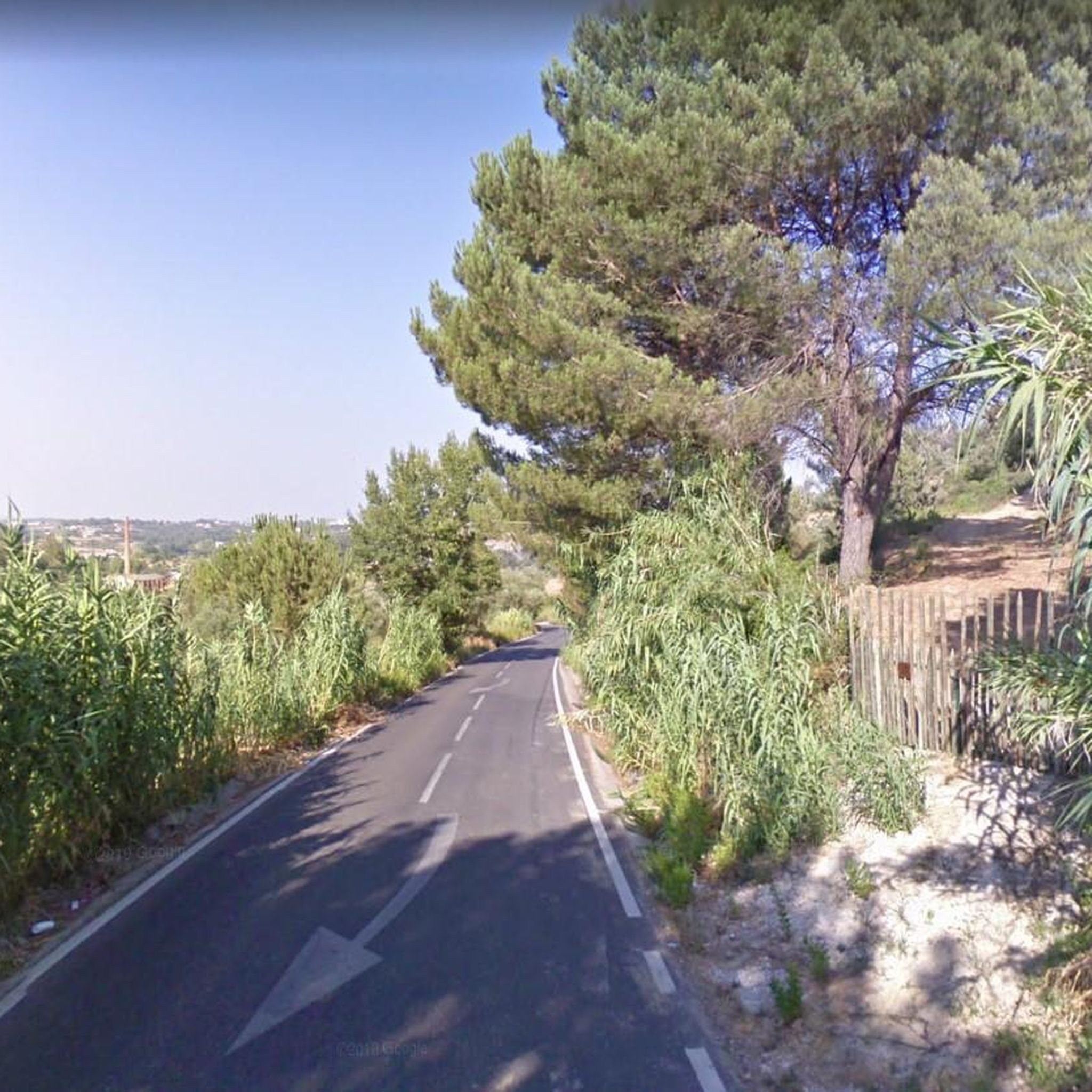

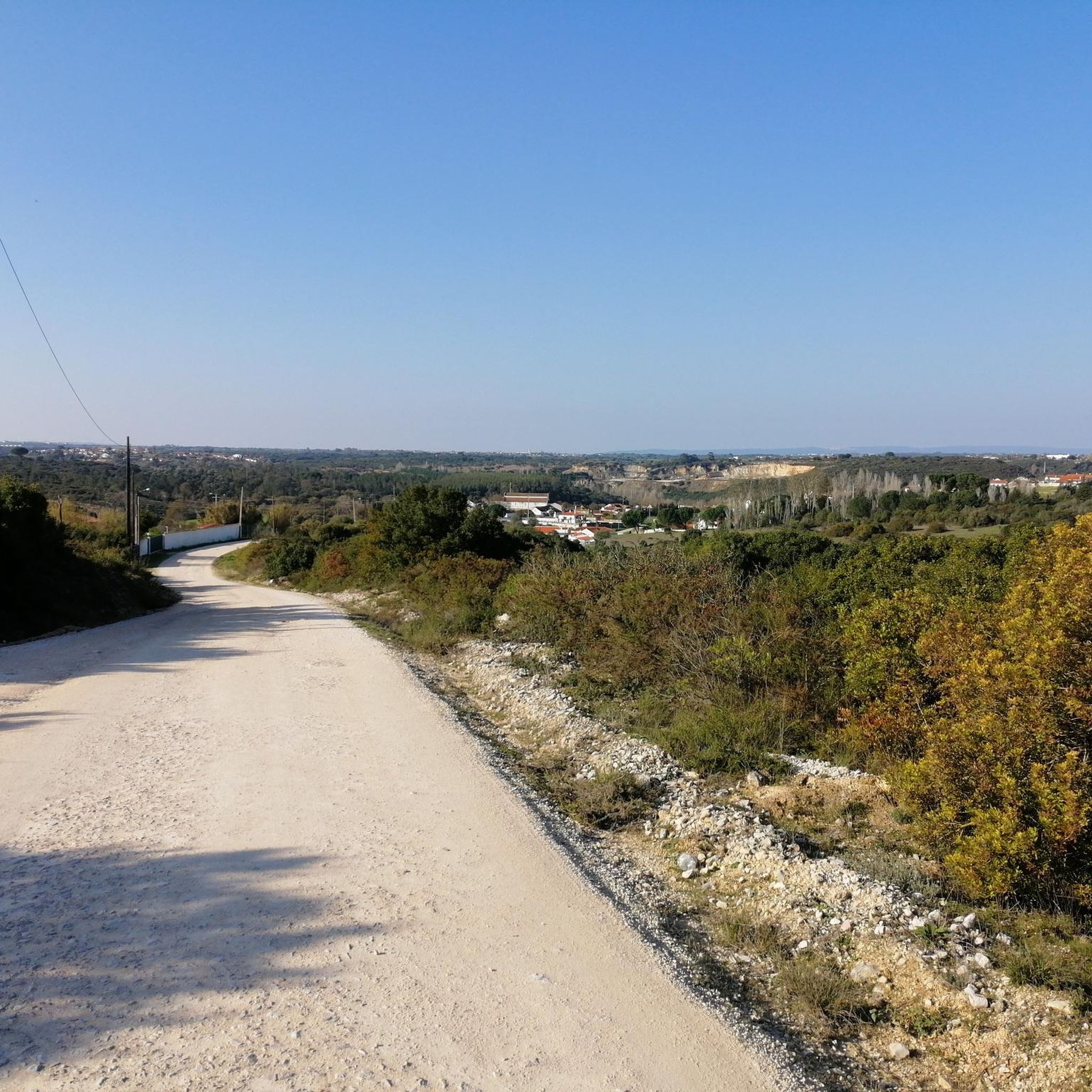
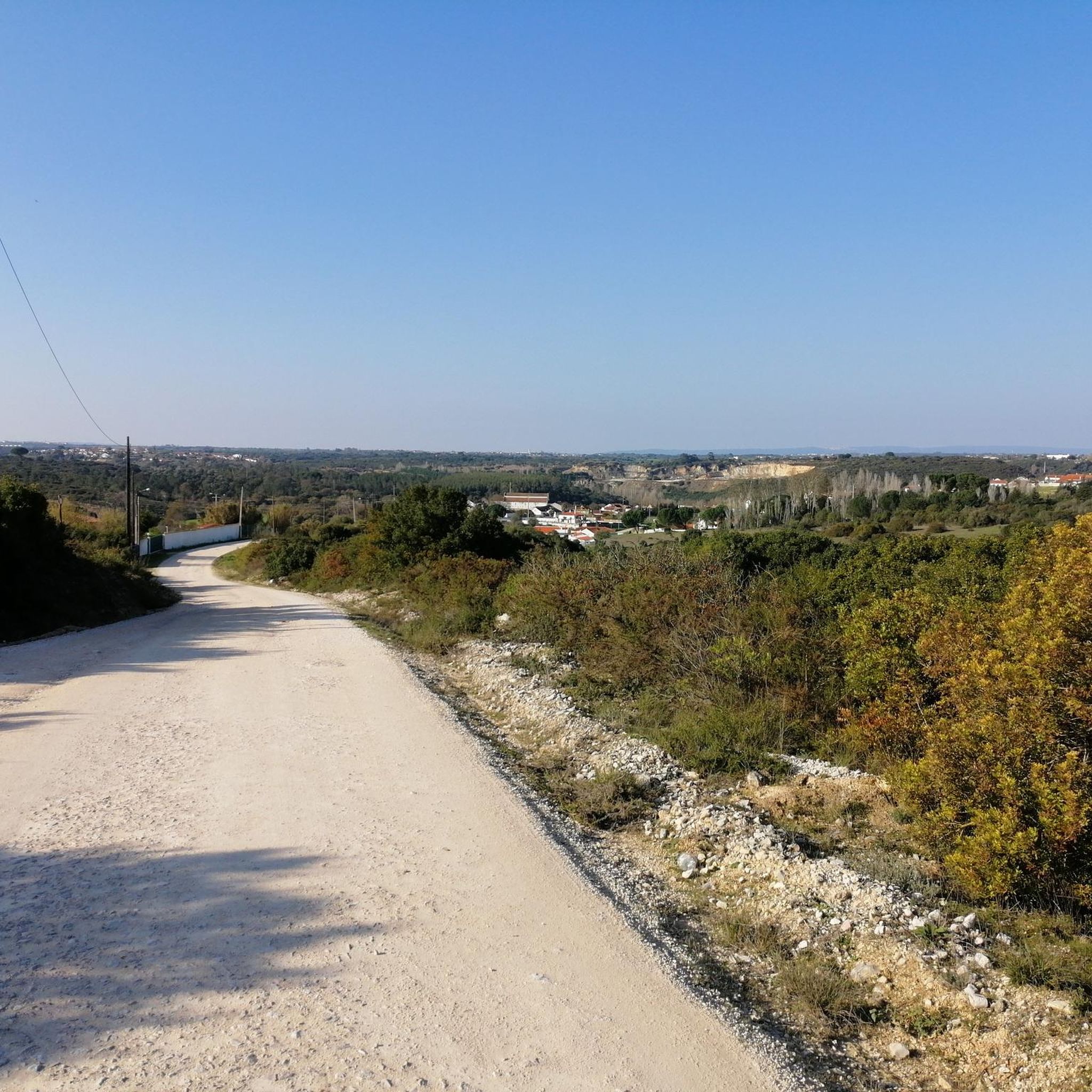
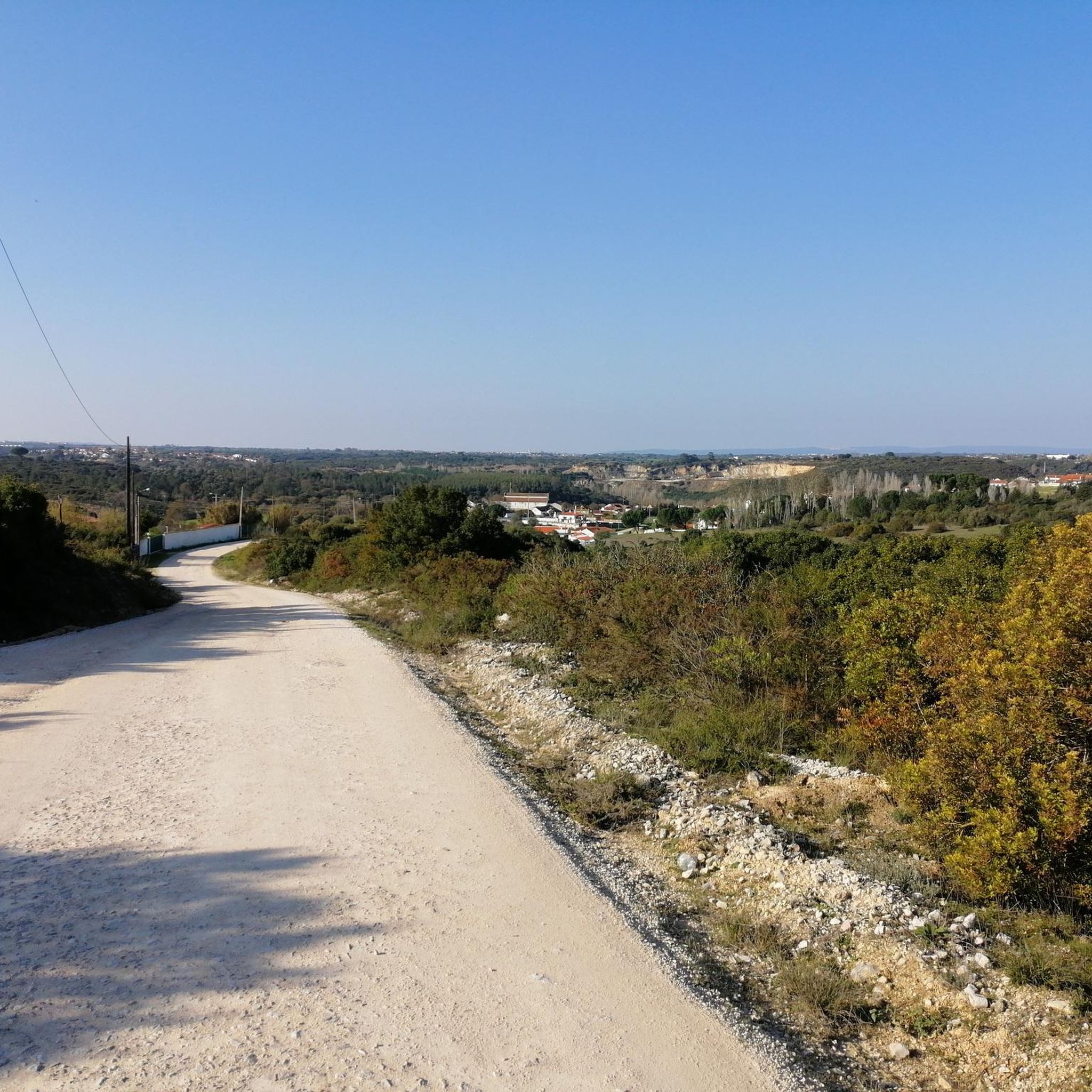
Tips from the Community

The palace was built by the superintendent Diogo Inácio de Pina Manique (1733-1805), who held several positions during the time of the Marquis of Pombal. His connection to the town, which came to be called Manique do Intendente and was initially called Alcoentrinho, and which belonged to the Order of Christ, dates back to the time of his uncle, who established a manor in favor of his nephew in 1773. Thus began a very ambitious project, which envisaged the creation of a town with a rationalist architectural design and which included, in addition to the palace (whose construction remained unfinished), the Town Hall, the pillory, the Palace of Justice and the church. This plan did not go ahead due to Pina Manique's removal from the position of superintendent and his premature death.
4
0

The city has a certain charm, but it has faded for many years... As if the city had its heyday in the 1980s. Unfortunately, many shops are empty and the houses are falling into disrepair. Here and there, restoration and new construction is taking place, after all, it has remained Portuguese since 1147 AD. What is still very well preserved is the market hall with its typical ceramic tiles.
10
2
I can only agree with Marian, it is really beautiful and impressive, and the location is well chosen. Along with the bee in Lisbon and the rabbit in Porto, this is another work of art made from rubbish.
23
2

Worth seeing cathedral on the main square of the city of Santarem. Headquarters of the diocese of Santarém. The gilded wood carvings in the side altars are beautiful.
2
9
In addition to the carriageways, there is no space left on the bridge. Watch out for tangents from people who can't slow down behind a cyclist.
2
0
“Paul Natura”, Manique do Intendente https://www.youtube.com/watch?v=9nKhlLvOrJw
3
0
Paúl de Manique do Intendente is an area of around 97,000 square meters that constitutes a very rich natural heritage of great importance in terms of biodiversity, namely in terms of avifauna, already recognized at national level. It is an ecosystem composed of more than 180 species, where you can find 5 "simply unique" species such as the striped tortoise, the common caiman, the otter, the black stork and the reed. The municipality has been focusing on promoting this space, having recently advanced with the installation of an infrastructure for the observation of the fauna and flora of Pául, which aims to promote knowledge, protection and preservation of this unique and so rich ecosystem for the Municipality of Azambuja and for the entire region.
5
0

very pleasant landscape, it is recommended
1
0
Frequently Asked Questions
What historical sites can I visit around Póvoa Da Isenta?
Póvoa Da Isenta is rich in history. You can explore the unfinished Pina Manique Palace, a grand 18th-century project that envisioned a rationalist architectural village. Another significant landmark is the Ponte D. Luís I of Santarém, a historic iron bridge over the Tagus River, once considered one of the largest in the Iberian Peninsula. Don't miss the Cathedral of Santarém in the historic center, and the Museu do Campo, which showcases the region's agricultural heritage and traditional rural life.
Are there natural attractions or viewpoints near Póvoa Da Isenta?
Yes, the area offers several natural points of interest. The Paúl de Manique do Intendente is a significant natural monument and lake, recognized for its rich biodiversity, including over 180 species of avifauna. The region itself is characterized by olive groves and agricultural landscapes, situated on a plateau within the Tajo main Lower - Zezere river catchment, offering scenic views of the rural surroundings.
What outdoor activities can I do around Póvoa Da Isenta?
The rural landscape of Póvoa Da Isenta is ideal for outdoor activities. You can find numerous routes for hiking, cycling, and mountain biking. For specific trails, explore the MTB Trails around Póvoa Da Isenta, Easy hikes around Póvoa Da Isenta, and Road Cycling Routes around Póvoa Da Isenta guides on komoot.
Are there family-friendly attractions in the area?
Families can enjoy the natural beauty and historical sites. The Paúl de Manique do Intendente, with its diverse birdlife and observation spaces, is a great spot for nature-loving families. The Cathedral of Santarém is also listed as family-friendly, offering a cultural experience. The general rural setting provides opportunities for gentle walks and exploring the agricultural landscape.
Where can I find unique art or cultural displays?
Beyond traditional historical sites, you can discover unique contemporary art. The Hoopoe Mural by Bordalo II in Santarém is an impressive six-meter-tall figure made from recycled rubbish, offering a thought-provoking artistic experience in the heart of the historic center.
What is the best time to visit Póvoa Da Isenta for outdoor activities?
Given the region's agricultural character and suitability for outdoor activities like hiking and cycling, spring and autumn generally offer the most pleasant weather. These seasons avoid the intense heat of summer and the cooler, potentially wetter conditions of winter, making exploration of the olive groves and rural paths more comfortable.
Are there easy hiking trails suitable for beginners or casual walkers?
Yes, there are several easy hiking trails around Póvoa Da Isenta. You can find options like the 'From the Santarém Plateau to the Tejo River Trail (PR2)' or various loops around Santarém's Jardim das Portas do Sol. For a comprehensive list, refer to the Easy hikes around Póvoa Da Isenta guide.
What kind of landscape can I expect to see in Póvoa Da Isenta?
Póvoa Da Isenta is situated on a plateau, characterized by extensive olive groves and agricultural land. The landscape reflects its historical economy of livestock and cultivation of wheat, wine, and olive oil. You'll find rolling hills, predominantly western-oriented, and the area is part of the Tajo main Lower - Zezere river catchment, offering a serene rural environment.
Are there any attractions that are wheelchair accessible?
The Hoopoe Mural by Bordalo II in Santarém is noted as wheelchair accessible, making it an inclusive cultural stop. For other attractions, it's advisable to check specific accessibility details, as many historical sites may have varying levels of access.
What is the significance of the Pina Manique Palace?
The Pina Manique Palace is significant as an ambitious, albeit unfinished, project initiated by Diogo Inácio de Pina Manique in the late 18th century. He envisioned a rationalist architectural village, including the palace, a city hall, a pillory, a palace of justice, and a church. Its incomplete state stands as a testament to a grand, unfulfilled vision and a unique piece of Portuguese architectural history.
Can I find places to cycle near Póvoa Da Isenta?
Absolutely. The region's rural roads and trails are well-suited for cycling. You can explore various routes for both mountain biking and road cycling. Check out the MTB Trails around Póvoa Da Isenta and Road Cycling Routes around Póvoa Da Isenta guides for detailed tour suggestions.
What makes the Ponte D. Luís I of Santarém noteworthy?
The Ponte D. Luís I of Santarém, inaugurated in 1881, was a marvel of engineering for its time. It was considered the largest bridge in the Iberian Peninsula, the third in Europe, and the sixth in the world, showcasing impressive iron architecture. It connects Santarém to Almeirim over the Tagus River and remains a significant historical structure.

Get inspired with the komoot mobile app


Explore more
Still not found the Highlight you’re looking for? See guides of the top attractions in other regions:
