The best road cycling routes around Póvoa Da Isenta
4.3
(24)
1,047
riders
94
rides
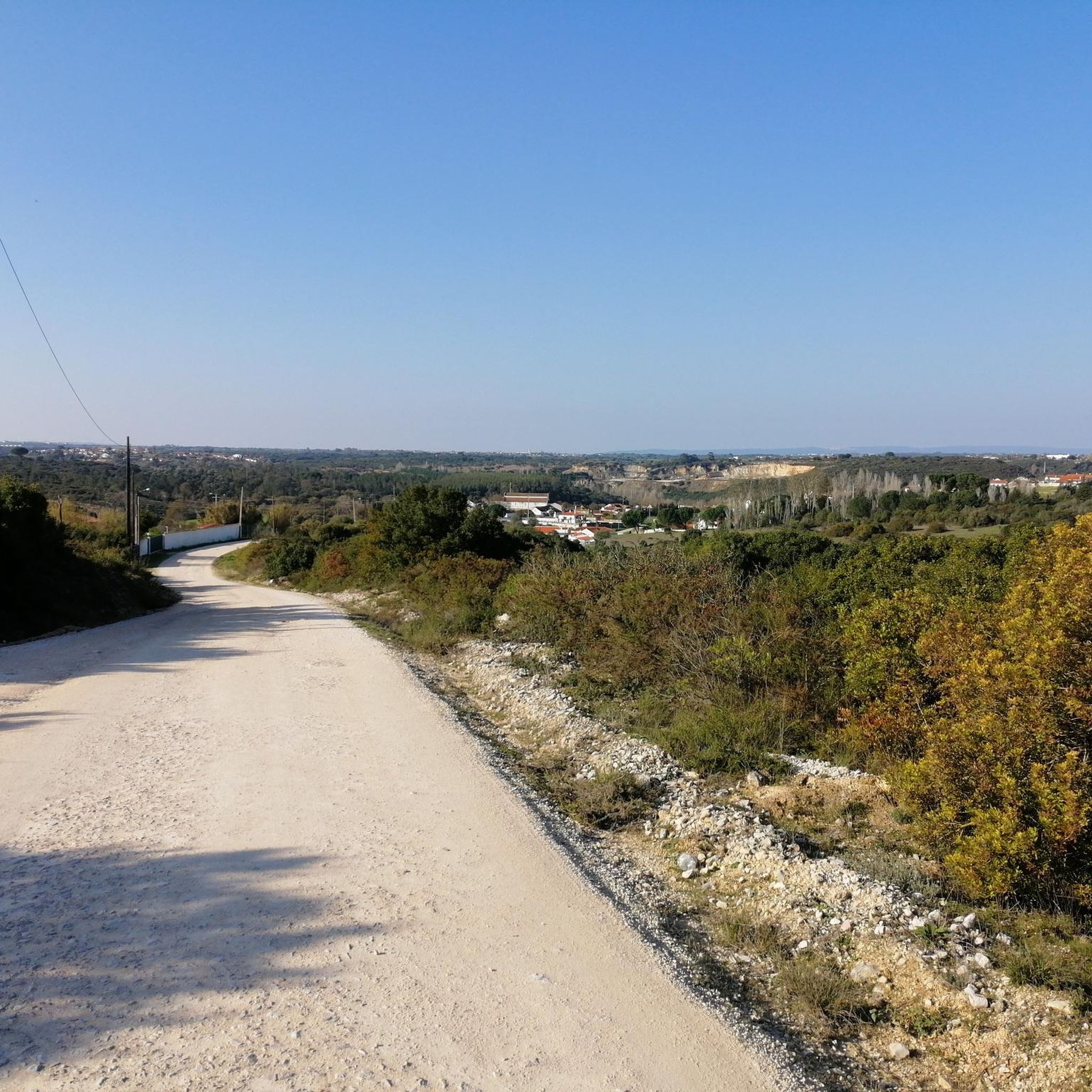
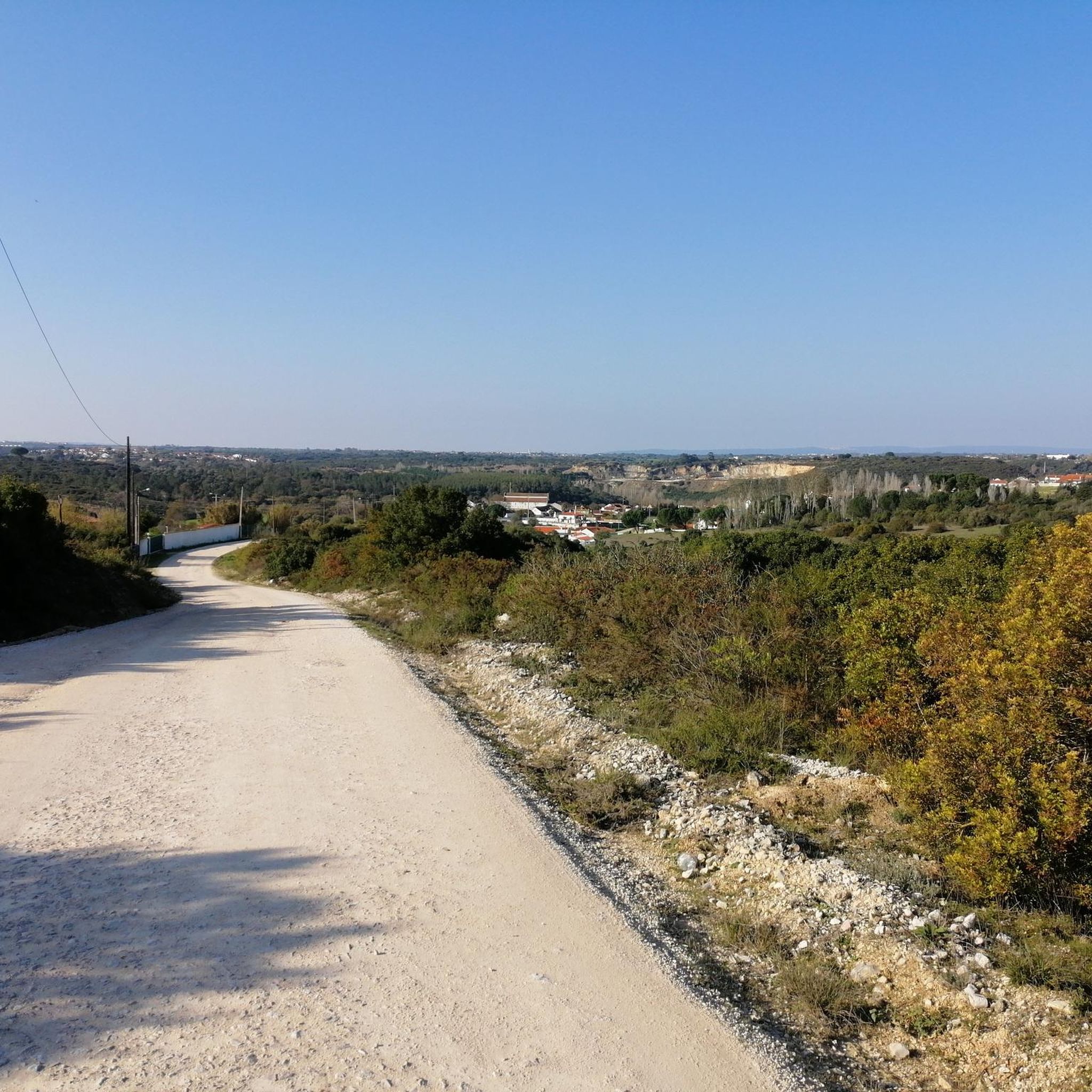
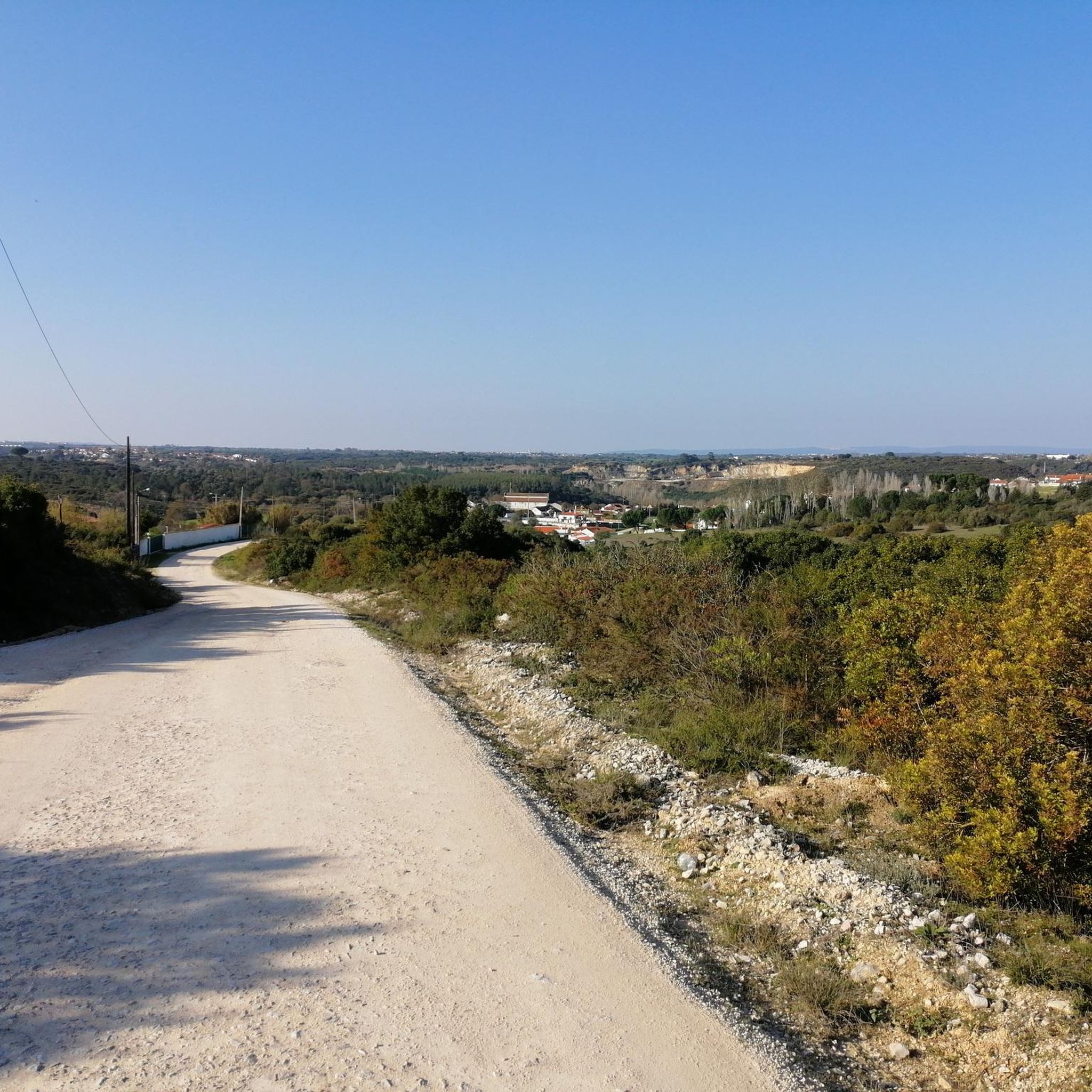
Road cycling routes around Póvoa Da Isenta traverse a landscape characterized by the Tagus River valley and surrounding agricultural plains. The terrain features rolling hills with moderate elevation gains, offering varied challenges for road cyclists. This region provides a network of routes that often follow riverbanks and pass through rural areas, connecting small towns and villages. The area's topography is suitable for both leisurely rides and more demanding training sessions.
Best road cycling routes around Póvoa Da Isenta
- The most…
Last updated: May 21, 2026
3.0
(1)
64
riders
Moderate road ride. Good fitness required. Mostly well-paved surfaces and easy to ride.
36
riders
66.3km
02:41
200m
200m
Moderate road ride. Good fitness required. Mostly well-paved surfaces and easy to ride.

Sign up for free
5.0
(2)
39
riders
Moderate road ride. Good fitness required. Mostly well-paved surfaces and easy to ride.
29
riders
78.9km
03:20
490m
490m
Moderate road ride. Good fitness required. Some segments of this route may be unpaved and difficult to ride.
17
riders
73.9km
03:20
720m
720m
Moderate road ride. Good fitness required. Mostly well-paved surfaces and easy to ride.
Get access to more routes and recommendations from other explorers.
Sign up for free
Already have an account?
Our route recommendations are based on thousands of hikes, rides, and runs completed by other people on komoot.
Start today with a free account
Your next adventure awaits.
Login or Signup

Tips from the Community

A tribute to the campino, that is, the traditional farmer of the region.
17
0

The house where José Saramago was born is located in the village of Azinhaga, in the municipality of Golegã, district of Santarém, Portugal. The Azinhaga House Location: The house is located on Rua da Igreja, in Azinhaga, a typical village in Ribatejo, known for its landscape of fertile fields and its proximity to the Tagus River. Foundation: Currently, the childhood home houses the José Saramago Foundation Delegation in Azinhaga, a space of memory that recreates the environment of the writer's childhood and houses a library and an auditorium. Visits: The place is open to visitors who wish to learn about the roots of the only Nobel Prize winner in Literature in the Portuguese language. The Lanzarote House Although he was born in Azinhaga, the writer's most emblematic residence is "The House" in Tías, on the island of Lanzarote, Spain. It was there that he lived for much of his adult life, and where his vast personal library is located; today it functions as the José Saramago House-Museum and is open to the public.
2
0
The Roman Bridge of Reguengo (or Reguengo Bridge) is an ancient bridge, probably of medieval origin with a Roman base, located between the towns of Vale de Figueira and Pombalinho, in the district of Santarém, Portugal. It crosses the Ribeira do Alviela, a tributary of the Tagus River. About the Bridge Location: The bridge is situated in a rural area and access to it is via a road that passes in front of the site. State of conservation: The bridge is described as an old and abandoned structure, and some visitors have noted a lack of signage or historical indications at the site. Access: The site is frequented by fishermen, and visitors should be discreet and careful, as the area is not ideal for carelessness, especially with children. Current use: The bridge is not used for regular road traffic, as a new bridge was built further downstream (downstream means towards the mouth of the river, further down) for the current road. Location Approximate address: Between Vale de Figueira and Pombalinho, Santarém, Portugal. GPS: 39°27'36.2" N 8°51'25.9" W (approximate coordinates for the area).
1
0
Bus stop built with the same material as the Chamusca bridge
14
0
The Golegã National Horse Fair, also known as the São Martinho Fair, is an event with historical roots dating back to 1571, when it was established as an annual fair. Over the centuries, the fair has evolved and established itself as an important center for the exhibition and sale of the Lusitano horse, attracting breeders, riders and enthusiasts from all over the country and abroad.
12
0

I didn't go in, but I recommend it.
11
2
publication of the royal charter of 26 July 1811, which, in order to mitigate the devastating effects of the French invasions, prescribed, among many other measures, the distribution of seeds to farmers in order to re-establish cereal production. The Real Celeiro was active for over sixty years, between 1812 and 1873, but, quoting Guilherme Henriques, “it died, like all good institutions, annihilated by abuses”. The City Council now holds the archive of the old Celeiro, which, although not very voluminous, nevertheless allows us to reconstruct almost the entire history of this important local institution of the 19th century. Commissioned to be rebuilt by the Municipality of Alenquer in 2002, it opened its doors as the Wine Museum and headquarters of the Lisbon Wine Route in 2006. Its interior was remodeled and its museology project renewed at the end of 2018, and it reopened its doors to visitors in February 2019. (Source: www.alenquer.pt)
10
0
Frequently Asked Questions
How many road cycling routes are available around Póvoa Da Isenta?
There are over 95 road cycling routes around Póvoa Da Isenta, offering a wide range of options for different skill levels and preferences.
Are there any easy road cycling routes for beginners in Póvoa Da Isenta?
Yes, Póvoa Da Isenta offers 12 easy road cycling routes suitable for beginners. An example is the Valdoce – Santa Iria loop from Santarém, which is 36.8 km long and features moderate elevation changes, making it a great option for those new to road cycling in the region.
What are the options for advanced road cyclists seeking a challenge?
For advanced road cyclists, there are 14 difficult routes available. These routes typically feature more significant elevation gains and longer distances, providing a demanding experience across the region's varied terrain.
Are there long-distance road cycling routes in the area?
Yes, the region features several long-distance routes. For example, the Tagus River – Ponte D. Luís I of Santarém loop from Vale de Santarém covers 107.8 km, offering extensive views of the Tagus River and its surrounding plains.
What kind of scenery can I expect on road cycling routes around Póvoa Da Isenta?
Road cycling routes around Póvoa Da Isenta are characterized by the scenic Tagus River valley, expansive agricultural plains, and gentle rolling hills. Many routes follow riverbanks and pass through charming rural villages, offering a mix of natural beauty and cultural insights.
Are there any notable landmarks or attractions along the road cycling routes?
Yes, several routes pass by interesting landmarks. You might encounter historical sites like the Pina Manique Palace or the impressive Ponte D. Luís I of Santarém. The Cathedral of Santarém is also a significant point of interest in the wider area.
What is the best time of year for road biking in Póvoa Da Isenta?
The region generally offers pleasant conditions for road cycling for much of the year. Spring and autumn provide mild temperatures and beautiful landscapes. Summer can be warm, especially in the midday, while winter offers cooler, but often still rideable, conditions.
Are there circular road cycling routes available?
Many of the routes around Póvoa Da Isenta are designed as loops, allowing you to start and end at the same point. Examples include the Ponte D. Luís I of Santarém – Restaurante O Torgal loop from Vale de Santarém and the Valdoce – Ponte D. Luís I of Santarém loop from Santarém.
What do other road cyclists say about the routes in Póvoa Da Isenta?
The road cycling routes in Póvoa Da Isenta are highly rated by the komoot community, with an average score of 4.3 stars from over 20 reviews. Cyclists often praise the varied rural landscapes, the views of the Tagus River, and the network of routes that cater to different abilities.
Are there any routes that pass by the Alenquer Wine Museum?
Yes, the Alenquer Wine Museum – Valada and the river loop from Vale de Santarém is a 100 km route that includes the Alenquer Wine Museum, offering a cultural stop along your ride.
Is it possible to access road cycling routes via public transport in Póvoa Da Isenta?
While specific public transport connections to every trailhead can vary, major towns like Santarém, which serve as starting points for several routes, are generally accessible by regional public transport. It's advisable to check local bus or train schedules for the most up-to-date information on transporting bikes.
Where can I find parking for road cycling routes near Póvoa Da Isenta?
Many routes start from towns and villages such as Santarém or Vale de Santarém, where public parking is typically available. Look for designated parking areas within these communities, especially near popular starting points for tours.
Most popular routes around Póvoa Da Isenta
Most popular attractions around Póvoa Da Isenta

Get inspired with the komoot mobile app


Explore more
Browse the best Road cycling routes in other regions.
