Top 20 Natural Monuments around Haßloch
Natural monuments around Haßloch are characterized by impressive sandstone rock formations and unique natural reserves within the Palatinate Forest. The region offers a blend of geological interest and opportunities for hiking and exploration. These sites provide insights into the Earth's history and offer viewpoints of the surrounding landscape.
Best natural monuments around Haßloch
- The most popular natural monuments is Heidenlöcher - 9th-10th century refuge (with knight's stone no. 260), a historical site that features the remains of a refuge…
Last updated: September 29, 2026
Heidenlöcher - 9th-10th century refuge (with knight's stone no. 260)
Highlight • Historical Site
Translated by Google •
Tip by

Hohe Loog Summit (619 m)
Highlight • Summit
Translated by Google •
Tip by

Sign up now to discover places like this
Get recommendations on the best single tracks, peaks, & plenty of other exciting outdoor places.
Basalt Lake South Quarry (Forst, Palatinate)
Highlight • Lake
Translated by Google •
Tip by

Rock Trail above Wolfsburg
Highlight (Segment) • Trail
Translated by Google •
Tip by

Nollenkopf Summit
Highlight • Summit
Translated by Google •
Tip by

Sign up for free to discover even more natural monuments around Haßloch.
Already have an account?
Start today with a free account
Your next adventure awaits.
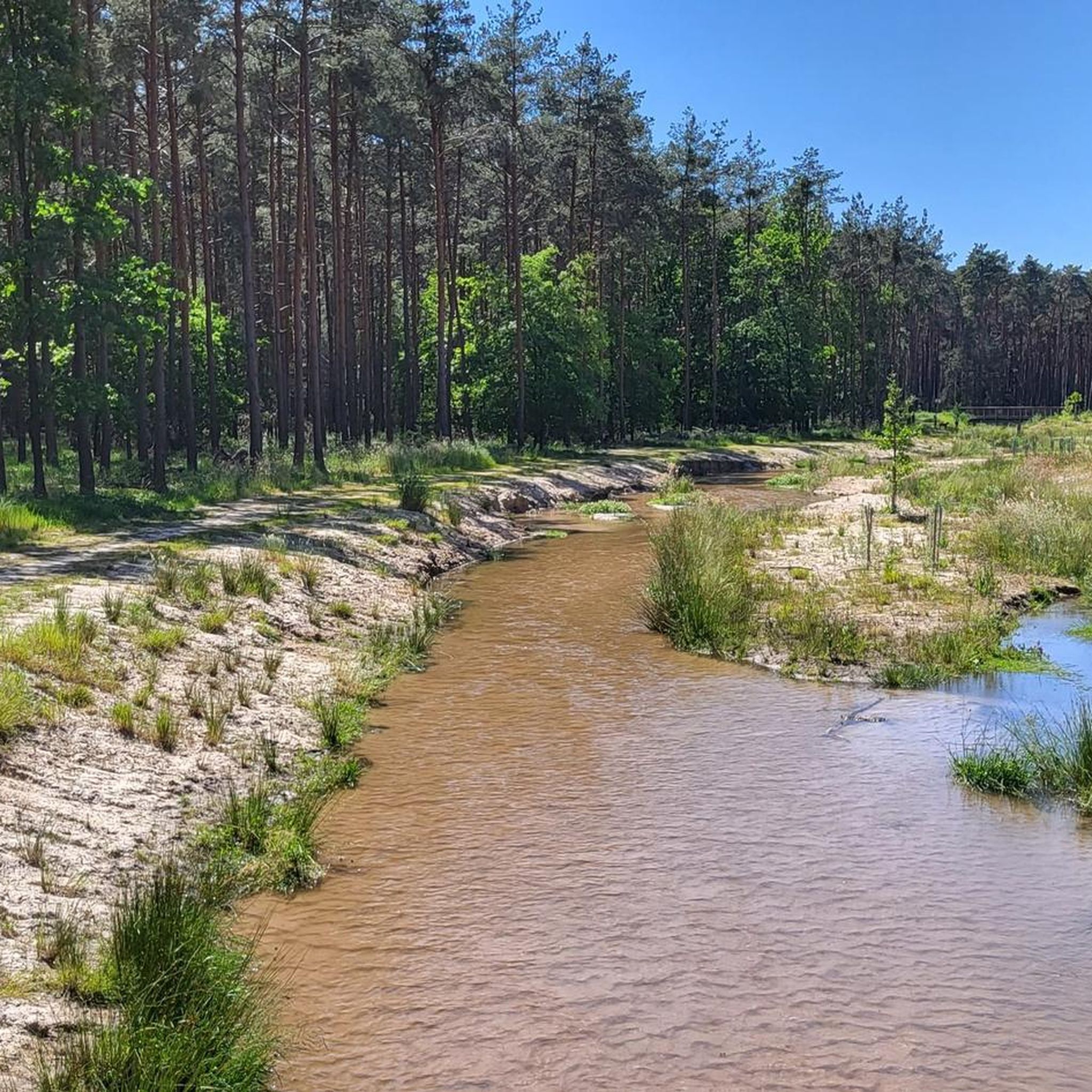
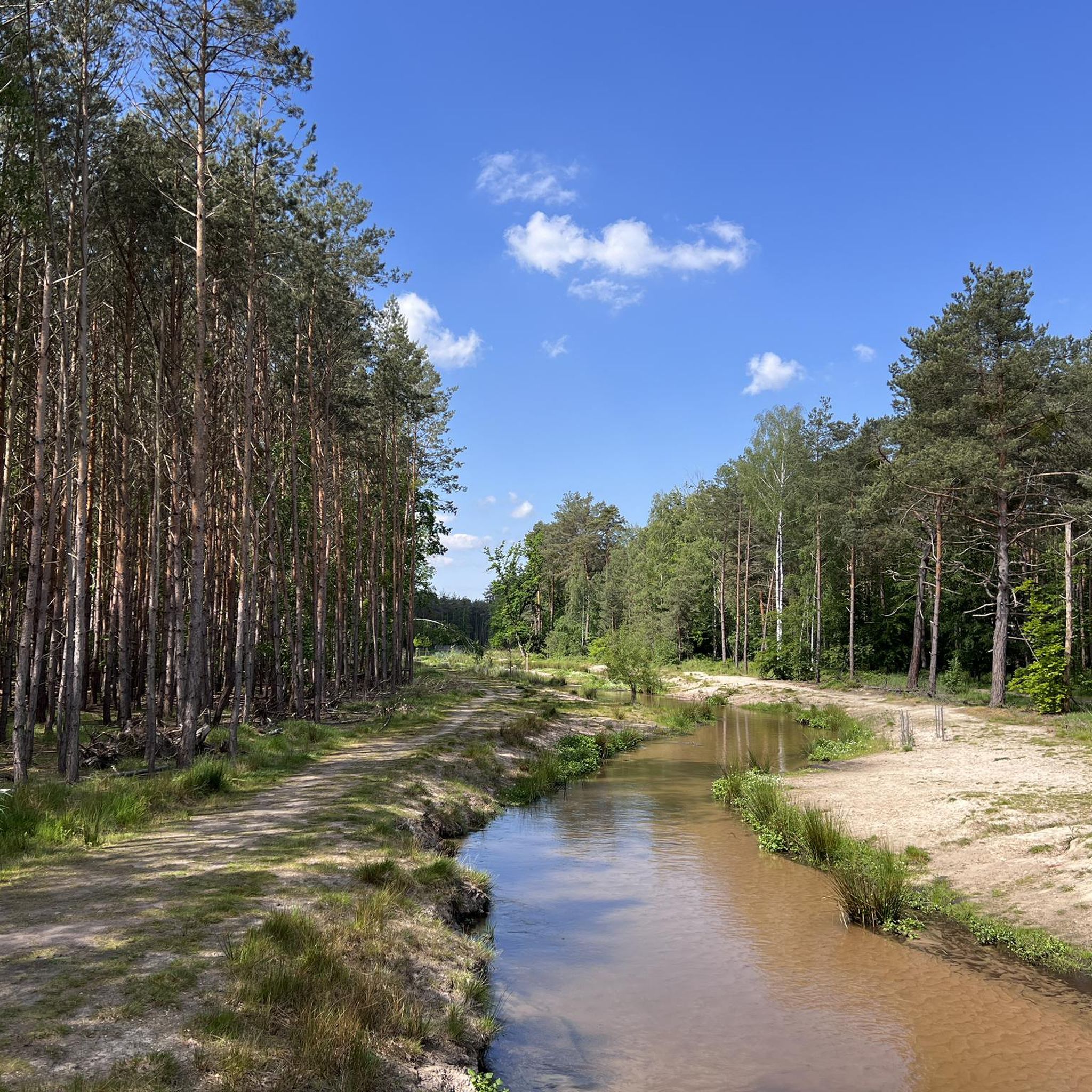
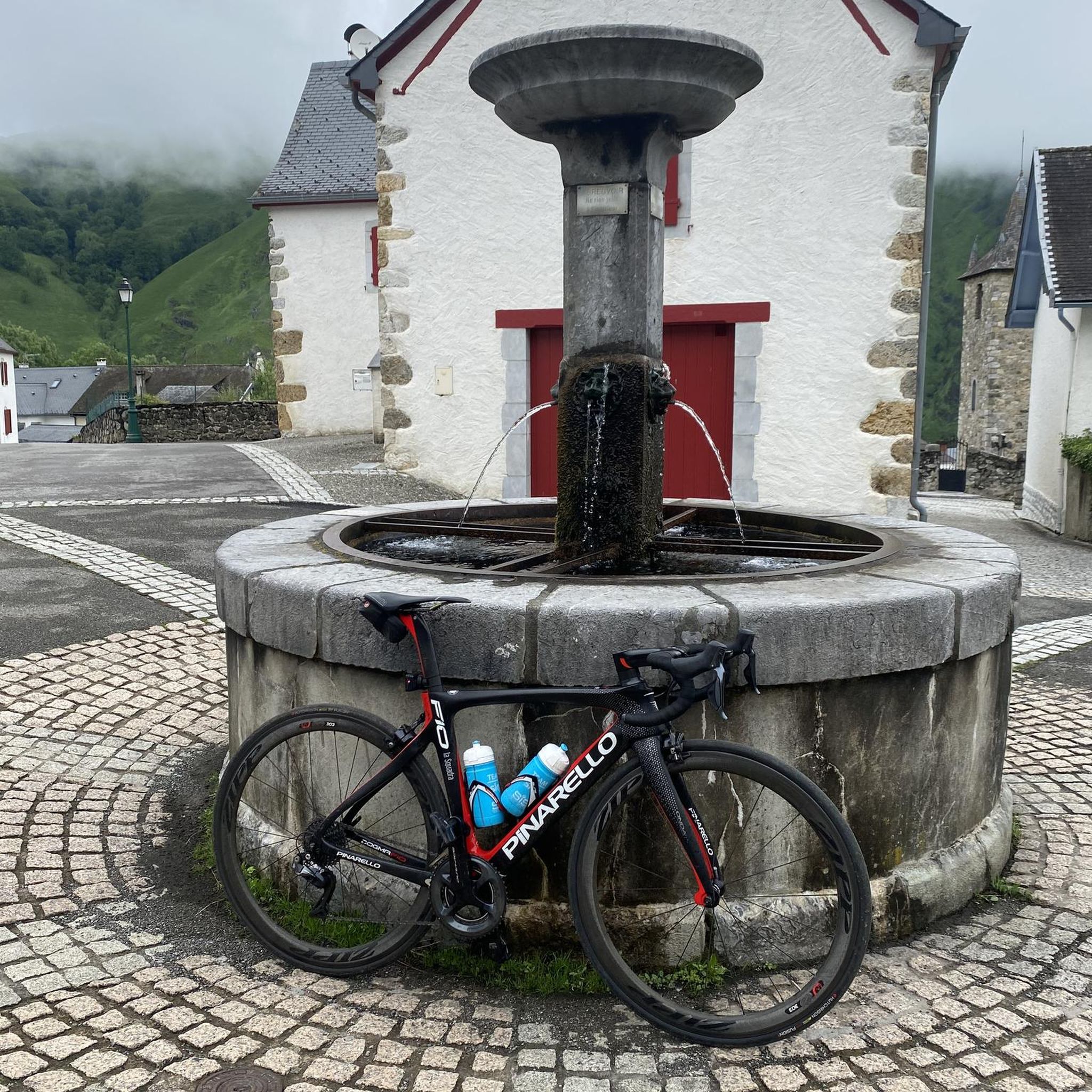
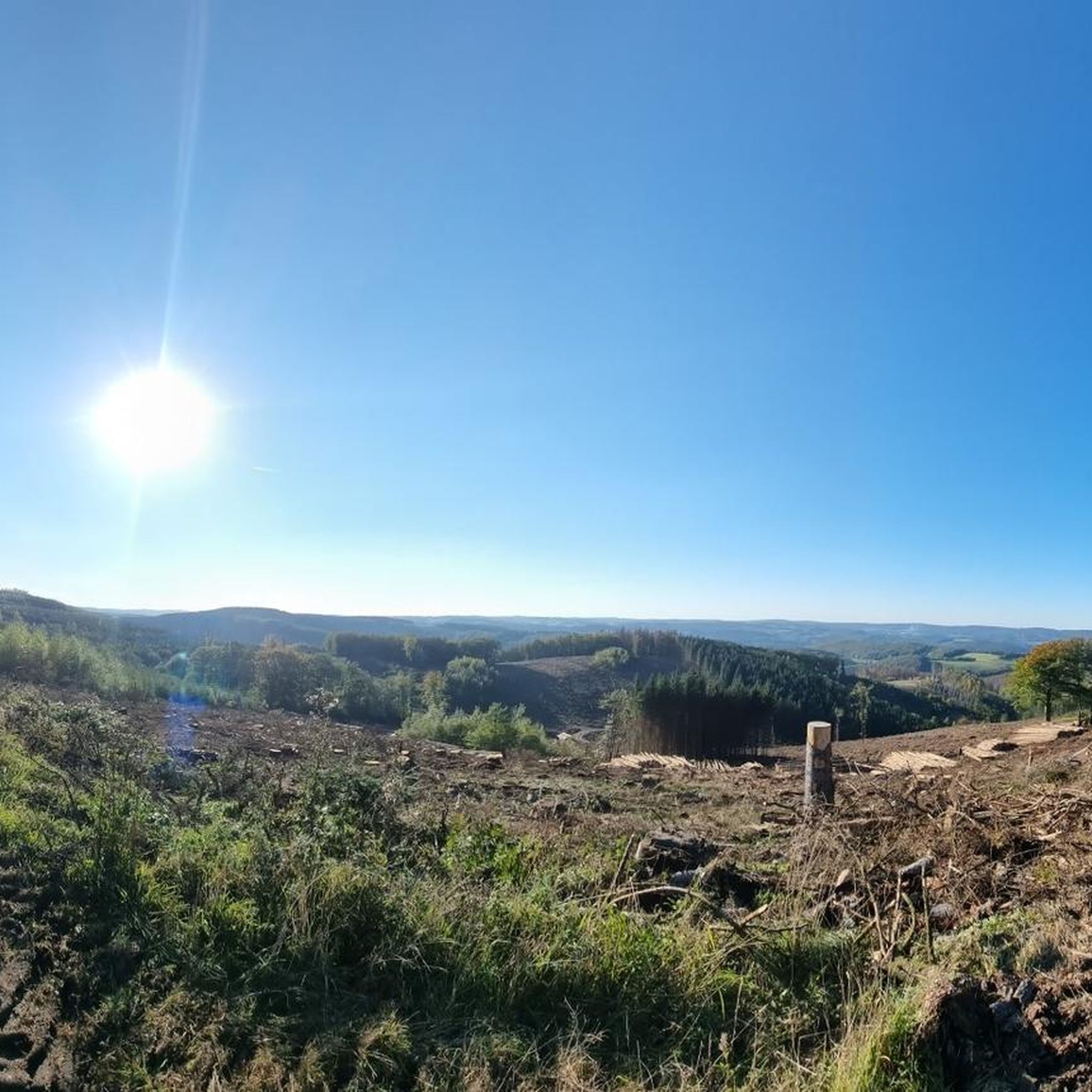
Other adventures around Haßloch

Tips from the Community

A somewhat inconspicuous peak or small mountain ridge. There is a stone here with the inscription “E. Scherr / 1942 [?] / P. W. D.” (of the Palatinate Forest Association Diedesfeld?). Below this summit there is a rest bench with a view of the Rhine plain on one side and the PWV hut on the other side.
5
0

Great! Magnificent landscape, great views! Splendid.
10
0

This is the smaller, more accessible lake that emerged after the basalt quarries near Forst were abandoned in the 1980s. Today it's a nature reserve, so you'd better avoid swimming here. It's definitely worth seeing.
10
0
Here stands Ritterstein No. 260. It is one of over 300 Rittersteine (memorial stones) erected by the Palatinate Forest Association (PWV) and bears the inscription "Heidenlöcher – Refuge Castle 9th-10th Century." It marks the remains of a refuge castle that served as protection against the warring Normans and Hungarians. Today, the foundations of two gate structures, 65 stone houses, and a 450-meter-long curtain wall are still preserved. The inner of the two adjoining dry-stone walls served as a parapet walk. - Source: Information panels on site A little further to the right of this Ritterstein are the foundations of one of the gate structures. The refuge castle, or rather its remains, can be entered through the two gate structures. The curtain wall can be easily walked along (with minor exceptions): either on top of the wall or along its inner side – and the remains of many stone houses can be seen along the way. Without Komoot, it is easy to get lost here: Therefore, it is best to follow the "Palatinate Wine Trail" hiking signs!
13
0

Super beautiful section of the Palatinate Weinsteig.
13
0
The entire facility is very exciting. A look into early history.
8
0
Nice place for break and view.
9
1

When you get to the Hohen Loog Haus, the small detour to this beautiful rock formation is worthwhile.
4
0
Frequently Asked Questions
What kind of natural features can I expect to see around Haßloch?
The natural monuments around Haßloch are primarily characterized by impressive sandstone rock formations and unique natural reserve lakes within the Palatinate Forest. You'll find geological diversity, scenic views, and opportunities for exploration. Notable examples include the striking sandstone formations on the Hohe Loog and Nollenkopf summits, as well as a tranquil Basalt Lake South Quarry (Forst, Palatinate) that has transformed into a nature reserve.
Are there any historical natural monuments in the Haßloch area?
Yes, the region features historical natural monuments. A significant one is Heidenlöcher - 9th-10th century refuge (with knight's stone no. 260). This site preserves the remains of a refuge castle, including foundations of gate structures and a curtain wall, marked by Ritterstein No. 260, offering a glimpse into Carolingian or Ottonian times.
What are some of the best viewpoints among the natural monuments?
For panoramic vistas, the Hohe Loog Summit (619 m) offers expansive views. Another excellent spot is the Zigeunerfelsen on the Nollenkopf, which provides a secured viewing platform with clear sightlines over the Speyerbach valley, including views of Neustadt-Schöntal, Wolfsburg, and Königsberg. The Bergstein on the Hohe Loog also offers great views of Hambach Castle and the Rhine valley.
Are there family-friendly natural monuments or activities in the area?
Many natural monuments in the Haßloch region are suitable for families, especially those with well-maintained trails. The Heidenlöcher refuge is listed as family-friendly, offering an engaging historical exploration. The Basalt Lake South Quarry is also a quiet area for a picnic with views of the lake, which can be enjoyable for families.
What outdoor activities can I do near these natural monuments?
The area around Haßloch is excellent for various outdoor activities. You can find numerous hiking trails, including easy routes like the "Naturfreundehaus Haßloch – Pensioners' Club Shelter loop." For those interested in cycling, there are gravel biking options such as the "Trail along the Speyerbach – Ordenswald Forest Path loop." Runners can explore trails like the "Stream in Morning Fog loop." You can find more details on these activities and routes in the Haßloch guide pages.
What geological features are prominent in the natural monuments around Haßloch?
The natural monuments are primarily defined by their impressive sandstone rock formations, particularly the ancient Buntsandstein (Lower and Middle Triassic sandstone) that forms the bedrock of the Palatinate Forest. Sites like the Hohe Felsen on the Nollenkopf and the Rock Trail above Wolfsburg showcase these striking geological formations, offering insights into the Earth's history.
What do visitors enjoy most about the natural monuments in Haßloch?
Visitors frequently appreciate the stunning views, the geological interest of the sandstone formations, and the peaceful atmosphere. Many enjoy the well-maintained hiking trails that lead to summits and viewpoints. The combination of natural beauty, historical elements, and recreational opportunities makes these sites valuable destinations, as evidenced by over 2400 upvotes and 1100 photos shared by the komoot community.
Are there any natural reserve lakes to visit near Haßloch?
Yes, there is a notable natural reserve lake near Forst. This smaller, accessible lake, known as the Basalt Lake South Quarry (Forst, Palatinate), emerged after basalt quarries were abandoned in the 1980s. It is now a protected natural habitat, offering a quiet area with views of the lake and a unique example of ecological transformation.
How accessible are the natural monuments, and are they suitable for hiking?
Most natural monuments in the region are accessible on foot and are popular hiking destinations. For instance, the Bergstein on the Hohe Loog is accessible only on foot, with an iron staircase to reach a viewing plateau. The Nollenkopf Summit also features great paths leading to the top. While many trails are intermediate, some easy walking routes are available, and the Zigeunerfelsen is along the Pfälzer Weinsteig.
What is the best time of year to visit the natural monuments around Haßloch?
The natural monuments around Haßloch can be enjoyed throughout much of the year. Spring and autumn offer pleasant temperatures for hiking and vibrant foliage. Summer provides longer daylight hours for exploration, though trails can be busier. Even winter can be rewarding for quiet hikes, especially if the weather is clear, offering different perspectives of the landscape.
Can I bring my dog to the natural monuments and trails?
Many trails and natural areas in the Palatinate Forest, including some natural monuments, are dog-friendly. For example, the Heidenlöcher refuge is listed as dog-friendly. It's generally advisable to keep dogs on a leash, especially in nature reserves or areas with wildlife, and to follow local regulations regarding pet access.
Are there any specific rock formations worth exploring on the Nollenkopf?
Yes, the Nollenkopf features several notable sandstone formations. Besides the Nollenkopf Summit itself, you can discover the Hohe Felsen, which showcases the geological diversity of the region. Another significant formation is the Zigeunerfelsen, located on the northern slope, offering a viewing platform and interesting moss-covered rocks and small caves.
Most popular routes around Haßloch
Most popular attractions around Haßloch

Get inspired with the komoot mobile app


Explore more
Extend your search for the best caves by checking out these guides of the top ones around Haßloch:
