Attractions and Places To See around Quinta Do Anjo - Top 20
Best attractions and places to see around Quinta Do Anjo include a mix of historical sites, natural landscapes, and cultural experiences. This village is situated amidst rolling hills and vineyards, offering a rich viticulture heritage. The area features significant archaeological sites, such as ancient artificial caves, alongside natural features like the Arrábida Natural Park. Visitors can explore a diverse range of attractions, from medieval castles to traditional craft centers.
Best attractions and places to see around Quinta Do Anjo
- The…
Last updated: August 11, 2026
Windmills of Serra do Louro
Highlight (Segment) • Monument
Tip by

Fort of São Filipe, Setúbal
Highlight • Castle
Tip by

Sign up now to discover places like this
Get recommendations on the best single tracks, peaks, & plenty of other exciting outdoor places.
Sign up for free
Formosinho Peak
Highlight • Summit
A very tough climb, an even tougher descent... Not accessible to everyone...
Translated by Google •
Tip by
The Cat and the Wind – Casa do Turismo de Setúbal
Highlight • Monument
Translated by Google •
Tip by
Mercado do Livramento
Highlight • Rest Area
Translated by Google •
Tip by

Sign up for free to discover even more attractions around Quinta Do Anjo.
Sign up for free
Already have an account?
Start today with a free account
Your next adventure awaits.
Login or Signup
Tips from the Community

These were the "mills" of old, moved by the wind, heavy granite millstones, transformed wheat seeds into flour from which delicious bread was made, which "satisfied" the hunger of those who had little to eat.
1
0

Don't miss the opportunity to sign the summit book. The summit book is located in the small plastic container with the green lid, covered with a stone.
2
0


At the top of the Serra do Louro stand the windmills which, in the not so distant past, were an important industry for processing cereals. The force of the wind hits the open sails, turning an axle, which in turn transmits the rotation to a limestone stone that rotates on another fixed one. These stones, called "millstones", receive the cereal grains between them, transforming them into flour.
6
0
It's near the port in Setubal. It's pretty big. There is everything you need for eating / cooking: Fish, meat, cheese, etc. There are small dining places all around. Also fine art: Azulejos and figures. Very nice to look at and dine.
6
0
The piece is called “The Cat and the Wind” and is by the artist Ricardo Romero. It is located on top of the Casa do Turismo de Setúbal. If you have ever been for a walk in the Baixa district, you must have noticed the enormous black cat installed on the roof of the Casa do Turismo de Setúbal, in Praça do Bocage. As soon as the sculpture was installed in 2021, several images of the piece began to be shared on social media, accompanied by some questions related to the artist. After a few days of secrecy, the local authority revealed that the acrylic resin sculpture, measuring 3.80 metres long and 2.30 metres high, is by the artist Ricardo Romero, from the Matilha Studio project, known for developing works that combine urban art with social and animal causes. The piece is called “The Cat and the Wind” and, according to the artist, aims to draw attention to the hustle and bustle of everyday life and the lack of contemplation of art. “People are very used to classical statuary in cities. They look at things and don’t see them, they don’t appreciate them. Life can be lived if we contemplate it at the same time”, explained Ricardo in the same note. Despite having several possible interpretations, the work, adds Carla Tavares, Ricardo Romero’s project manager, invites the population to stop and reflect on the rush that is life today. Text copied from "New in Setúbal", author: Carolina Bico.
5
0
Foodies with adore Setúbal's indoor Mercado do Livramento. It's an incredible place to head to sample those typical Portuguese flavours from bacalhau (salt-dried cod) to pasteis de nata (custard tarts). The array of fresh produce on sale here is simply mesmerising, with around 300 independent vendors all housed under the one roof. The fact that the market remains an integral part of Setúbal life and culture makes the market all the more impressive to behold. Wander this vast warehouse-like space to soak up the atmosphere, or make your way among the stalls to pick and choose the very best ingredients for a picnic like no other. Seasonal fruits are always piled high, as are olives and other locally-grown foodstuffs. But the star of the show here for 140 years has been the market's fish, which arrive here fresh from the fishermen's boats each day. It's best to get here early to grab the best produce and enjoy the liveliest atmosphere.
4
0
Address: Av. Luísa Todi, 163, Setúbal. Opening hours: Tuesday to Sunday from 7am to 2pm.
4
0
Frequently Asked Questions
What historical sites can I explore in Quinta do Anjo?
Quinta do Anjo is rich in history. You can visit the ancient Grutas Artificiais da Quinta do Anjo, which are funerary monuments dating back to the Late Neolithic period. Another significant site is the 16th-century Capela de São Gonçalo in Cabanas, known for its octagonal design. Additionally, the area features other historical churches like Capela da Quinta da Fonte do Anjo and Igreja de Nossa Senhora da Conceição.
Are there any significant archaeological sites in the area?
Yes, the Grutas Artificiais da Quinta do Anjo are a nationally classified archaeological site. These artificial caves, located at the foot of Serra do Louro, were collective burial sites during the Copper Age, approximately 4,500 years ago. Artifacts found here, such as bell-shaped ceramics known as "Taças Tipo Palmela," are internationally recognized.
Where can I experience the natural beauty around Quinta do Anjo?
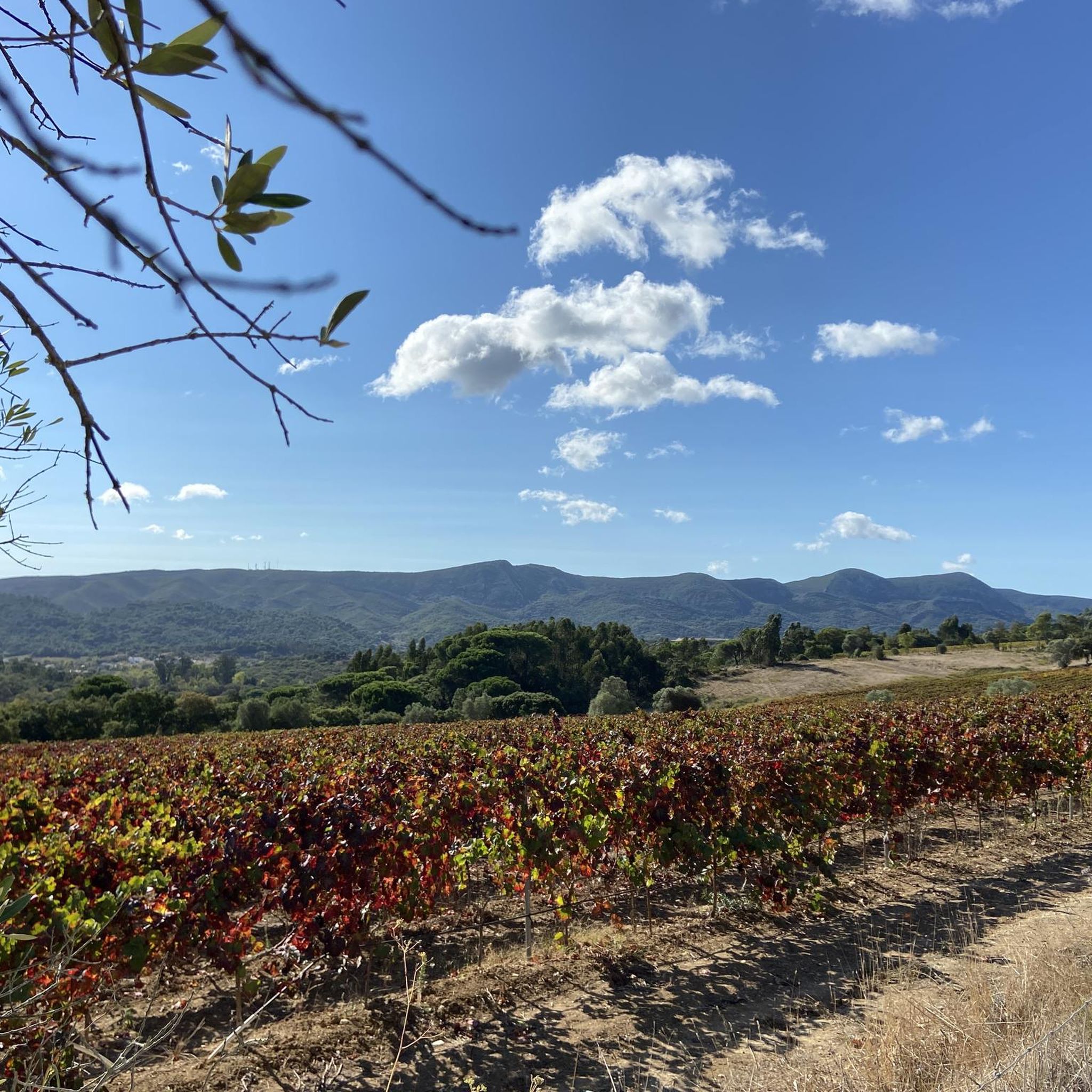
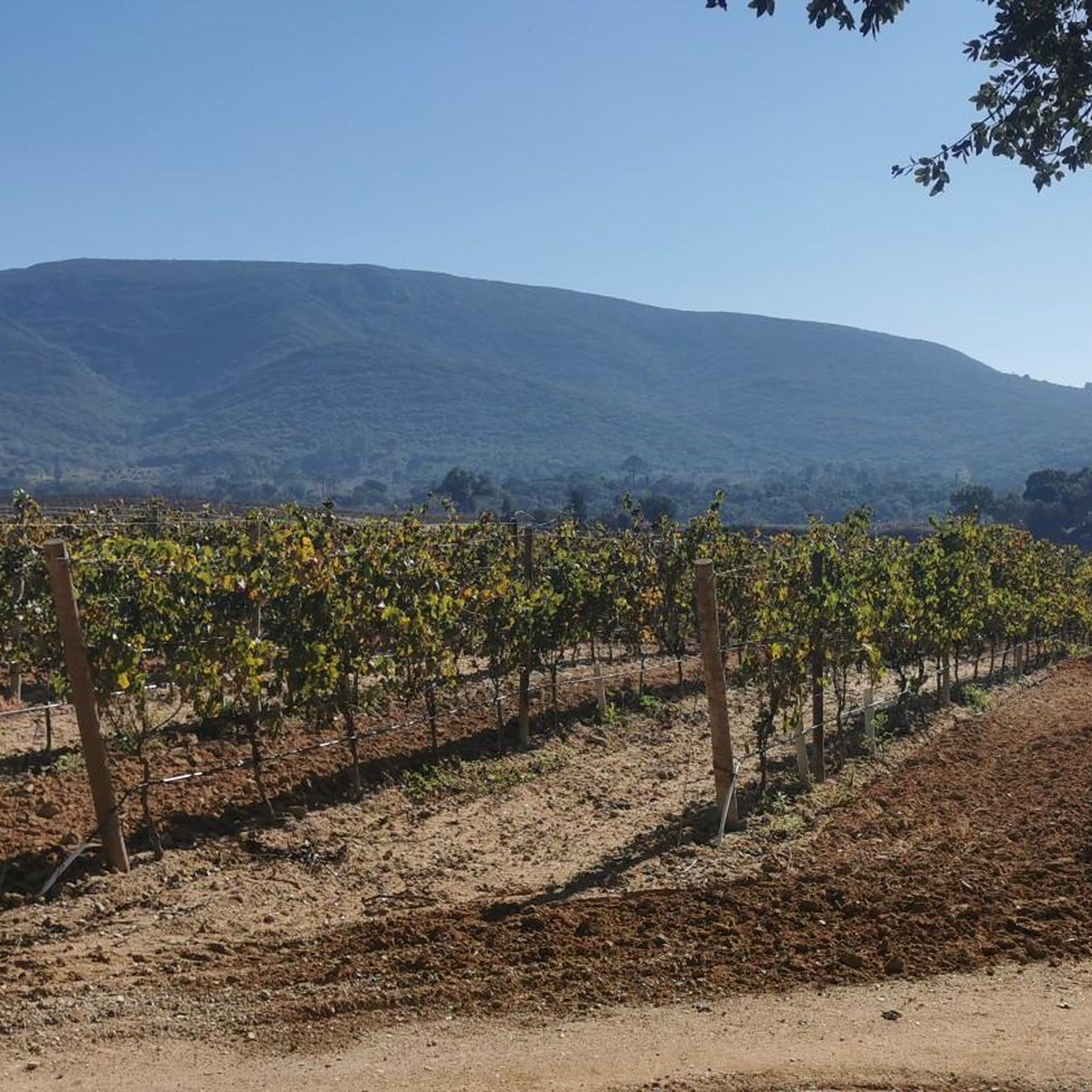
The stunning Parque Natural da Arrábida is a must-visit, offering breathtaking landscapes, pristine beaches like Galapinhos and Portinho da Arrábida, and numerous hiking trails. You can also explore the Windmills of Serra do Louro, which are a symbol of the village, or visit Sobral de Quinta do Anjo, another natural heritage site.
Can I visit local wineries in Quinta do Anjo?
Absolutely. Quinta do Anjo is located in a renowned wine region. You can explore local viticulture through tours and tastings at various wineries. Notable options include Venâncio da Costa Lima, one of the oldest in the region, and Casa Agrícola Horácio Simões, which produces regional wines like Setúbal Moscatel using traditional methods.
What kind of outdoor activities are available near Quinta do Anjo?
The region offers a variety of outdoor activities. You can find numerous hiking trails, with options ranging from easy to challenging, such as those around the Hiking around Quinta Do Anjo guide. There are also dedicated Running Trails around Quinta Do Anjo and Gravel biking around Quinta Do Anjo routes for cyclists.
Are there any challenging hikes with great views?
For a challenging hike with extensive views, consider the route to Formosinho Peak. At 501 meters, it's the highest point in the Serra da Arrábida, offering panoramic landscapes connecting the Sado estuary to the Tagus. This route is considered difficult due to steep inclines and varied terrain, making it suitable for experienced hikers.
What unique cultural experiences can I find in Quinta do Anjo?
Beyond historical sites and wineries, you can visit Espaço Fortuna - Arts and Crafts. Situated within the Arrábida Natural Park, this center showcases traditional crafts like pottery, ceramic tiles, and copper work in charming 19th-century buildings. It's a great place to appreciate local artistry.
Is there a good place to find local produce or traditional goods?
Yes, the Mercado do Livramento in Setúbal is a vibrant market hall where you can find fresh local produce, including fish, meat, cheese, and more. It also features small dining places and local art like Azulejos. For regional products, Casa Agrícola Horácio Simões winery also has a shop offering local wines, cheeses, and sweets.
What are some notable viewpoints in the region?
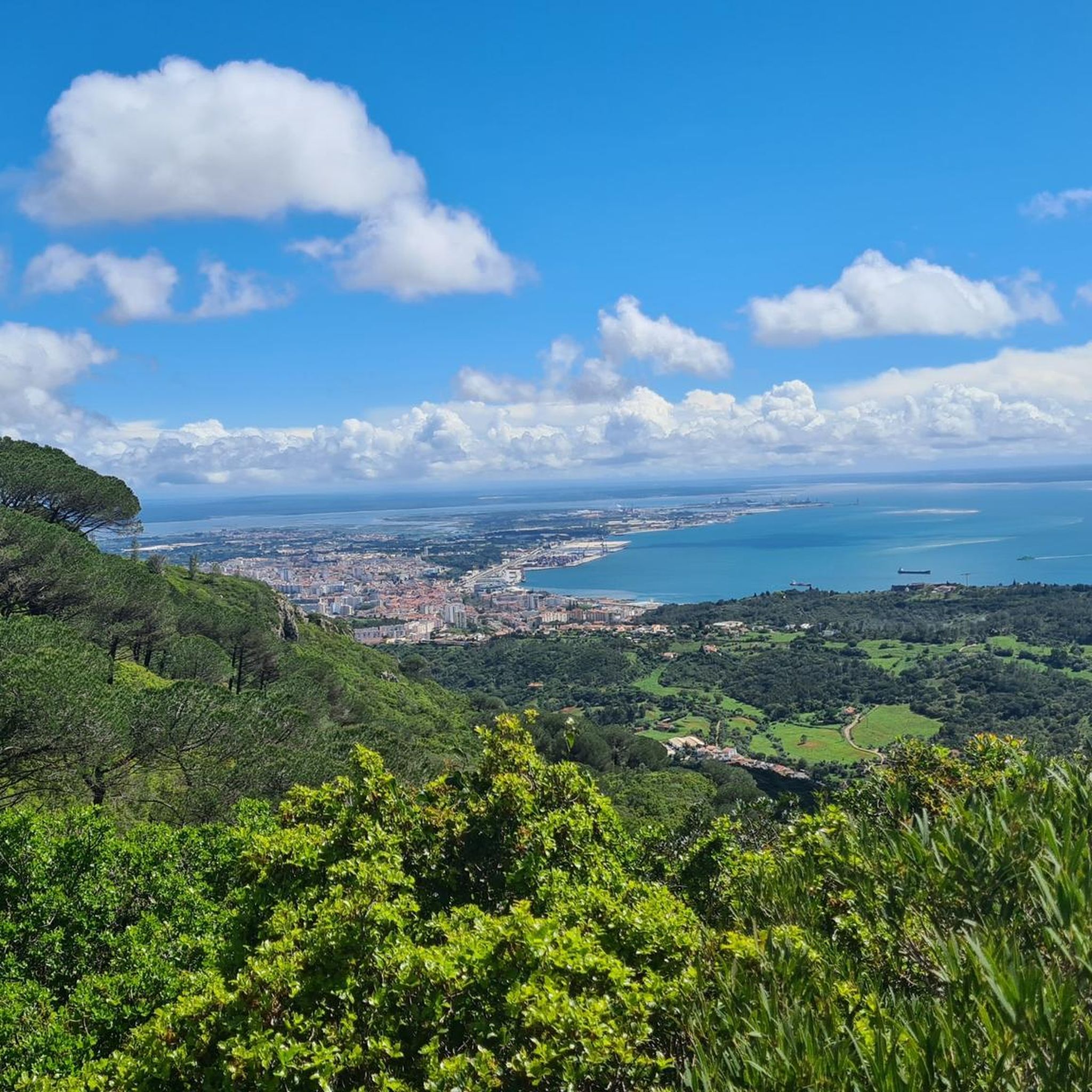
The Windmills of Serra do Louro offer interesting views along their trail. For expansive vistas, the Fort of São Filipe, Setúbal provides excellent views over the Sado River, the sea, and the Troia peninsula. Additionally, Formosinho Peak, the highest point in Serra da Arrábida, offers unparalleled panoramic views.
Can I find any medieval castles or fortresses nearby?
Yes, a short drive from Quinta do Anjo is Palmela Castle, a remarkable medieval fortress dating back to the 12th century. It offers panoramic views and is a testament to the region's historical strategic importance. Closer by, the Fort of São Filipe, Setúbal is another significant historical fortification.
Are there any attractions that are wheelchair accessible?
Yes, the Mercado do Livramento in Setúbal is noted as wheelchair accessible, making it a convenient spot to explore local goods and culture. Additionally, the art installation “The Cat and the Wind – Casa do Turismo de Setúbal” is also wheelchair accessible.
What is the best time of year to visit Quinta do Anjo for outdoor activities?
The spring (April to June) and autumn (September to October) months generally offer the most pleasant weather for outdoor activities like hiking, running, and exploring the natural parks and vineyards. Temperatures are milder, making it ideal for enjoying the trails and scenic viewpoints without the intense heat of summer.
What do visitors enjoy the most about Quinta do Anjo?
Visitors particularly appreciate the blend of historical depth, natural beauty, and local culture. The ancient Grutas Artificiais, the scenic trails of Serra do Louro, and the opportunity to taste local wines at traditional wineries are frequently highlighted. The panoramic views from spots like Fort of São Filipe and Formosinho Peak are also highly rated.
Most popular routes around Quinta Do Anjo
Most popular attractions around Quinta Do Anjo

Get inspired with the komoot mobile app


Explore more
Still not found the Highlight you’re looking for? See guides of the top attractions in other regions:
