The best walks and hikes around Quinta Do Anjo
4.4
(493)
2,049
hikers
131
hikes
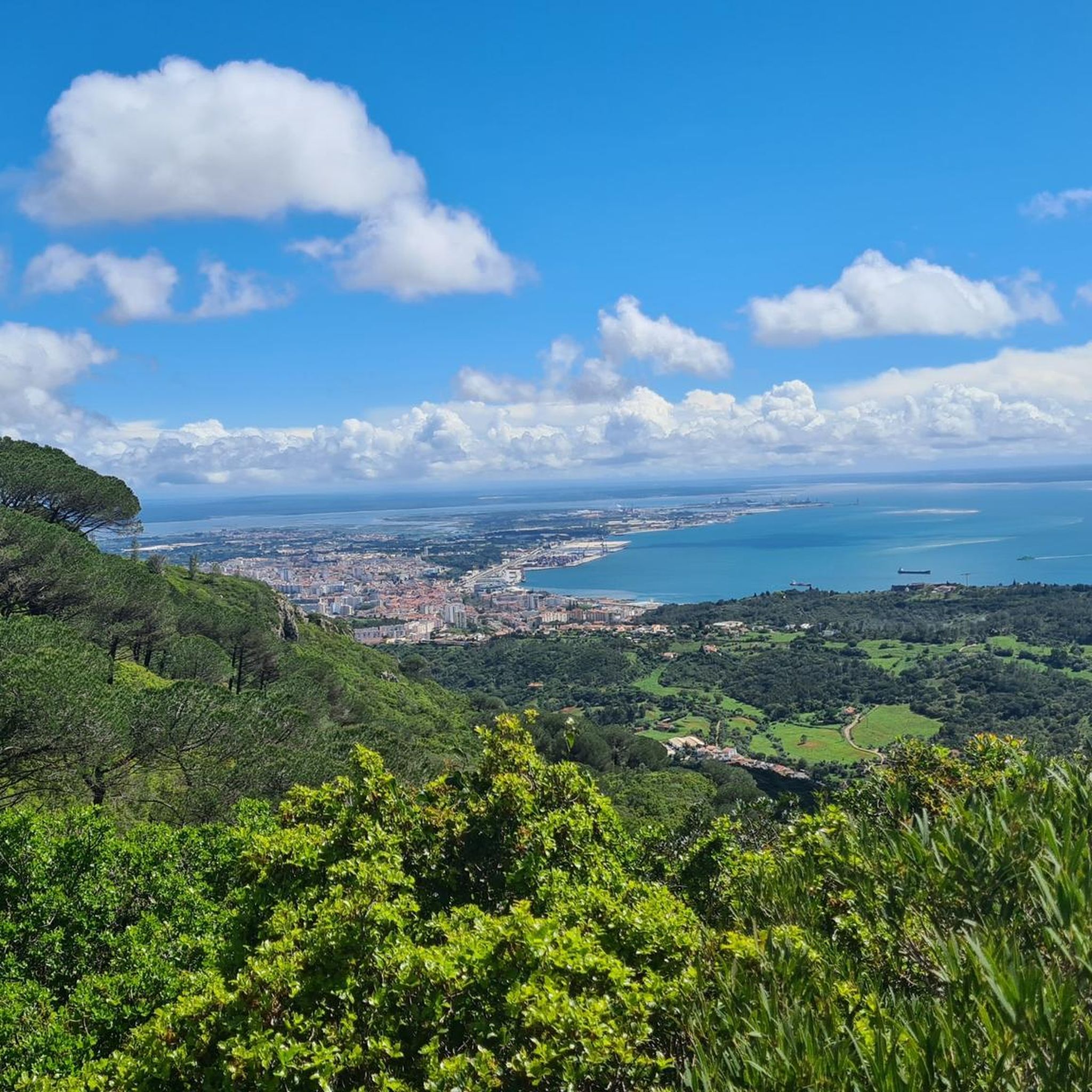
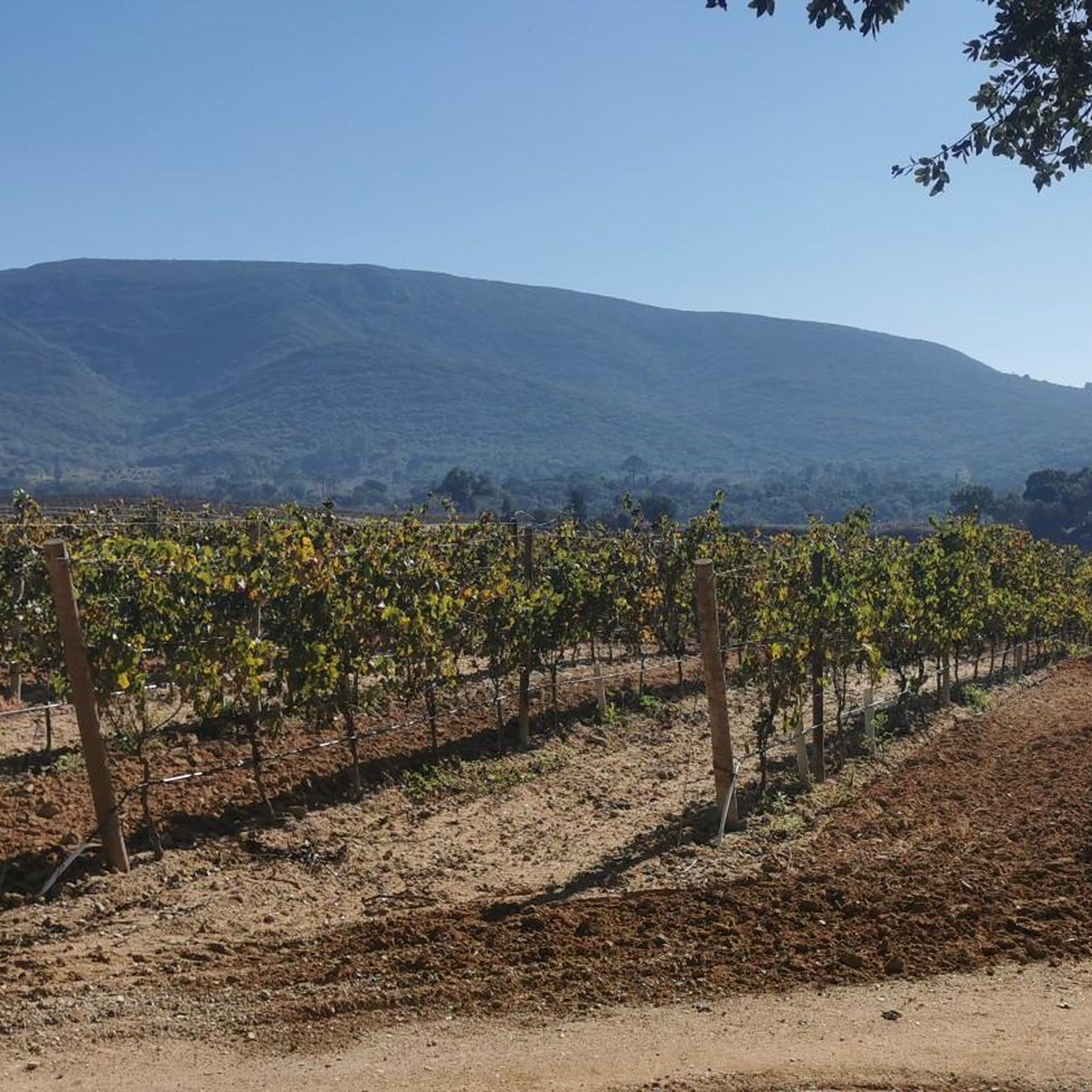
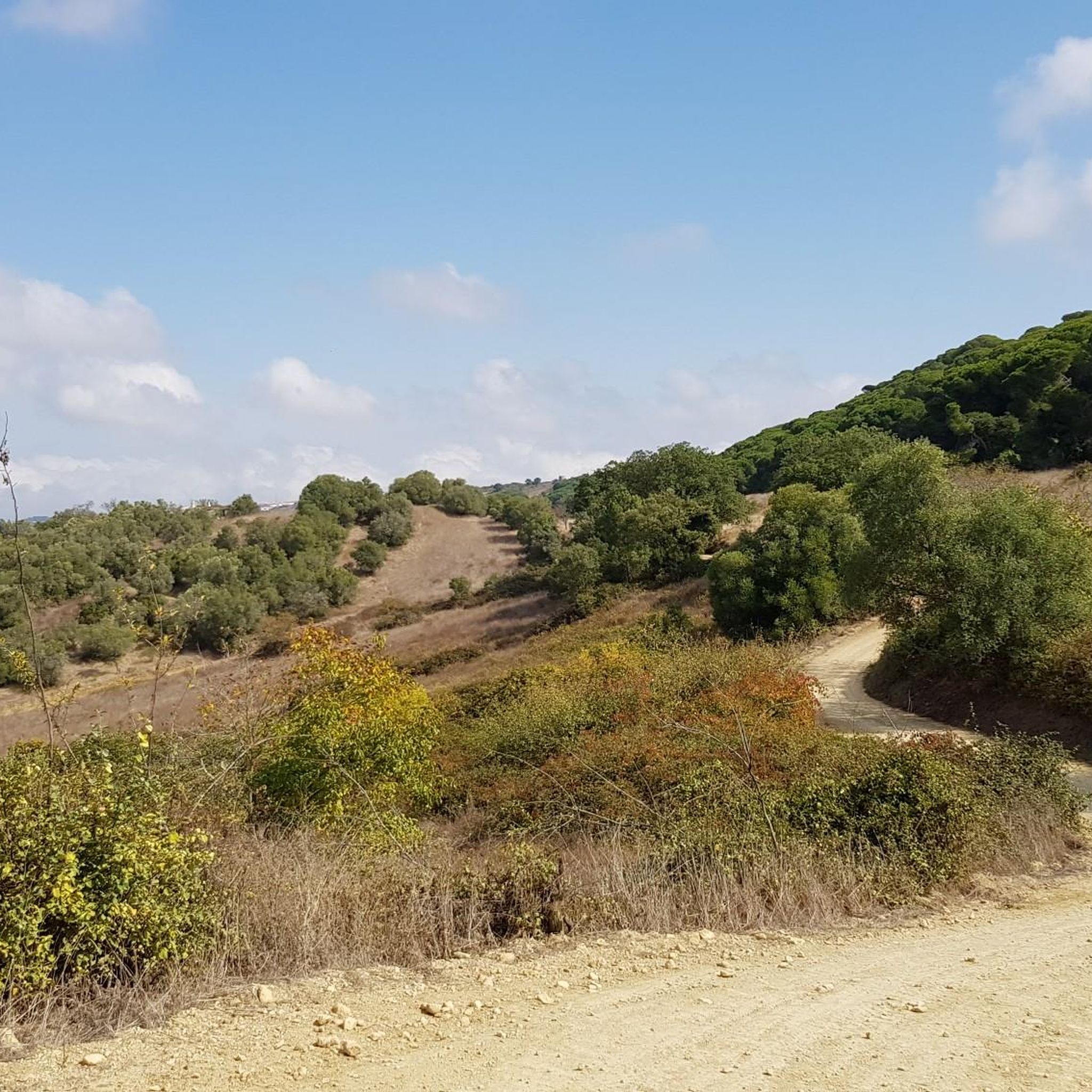
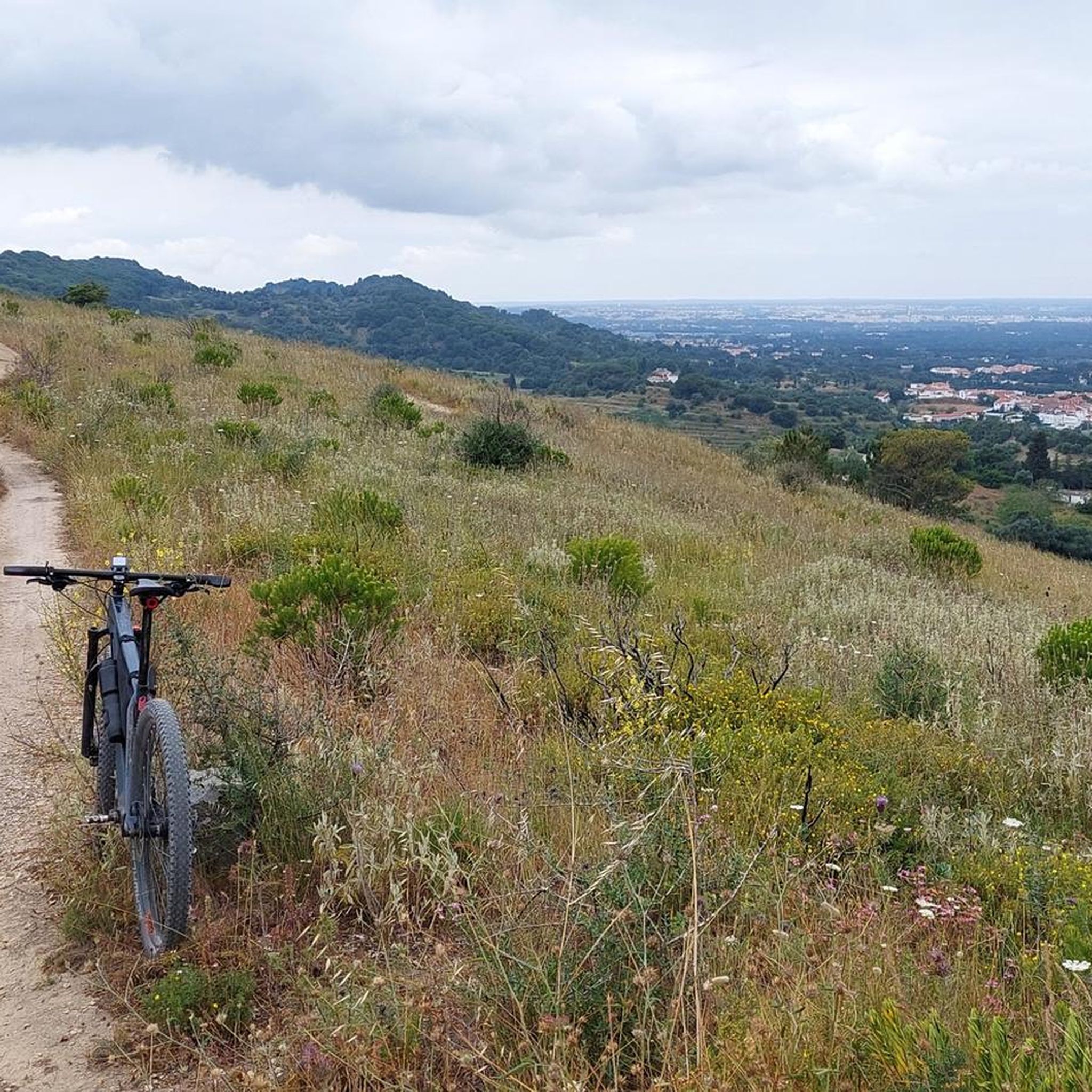
Hiking trails around Quinta Do Anjo traverse a landscape characterized by rolling hills, agricultural fields, and scattered woodlands, offering varied terrain for outdoor activities. The region is situated within the Arrábida Natural Park, known for its Mediterranean vegetation and limestone formations. Elevations are generally moderate, with routes often including gentle ascents and descents through rural settings.
Best hiking trails around Quinta Do Anjo
- The most popular hiking route is Hiking loop from Biovilla Tesla Destination Charger, a 4.2 miles…
Last updated: July 22, 2026
4.6
(54)
133
hikers
6.77km
02:09
260m
260m
Moderate hike. Good fitness required. Easily-accessible paths. Suitable for all skill levels.
4.8
(26)
117
hikers
8.99km
02:25
90m
100m
Moderate hike. Good fitness required. Easily-accessible paths. Suitable for all skill levels.

Sign up for free
4.1
(8)
21
hikers
Easy hike. Great for any fitness level. Easily-accessible paths. Suitable for all skill levels.
4.8
(12)
44
hikers
13.6km
04:10
420m
420m
Moderate hike. Good fitness required. Easily-accessible paths. Suitable for all skill levels.
4.8
(10)
44
hikers
Moderate hike. Good fitness required. Easily-accessible paths. Suitable for all skill levels.
Get access to more routes and recommendations from other explorers.
Sign up for free
Already have an account?
Our route recommendations are based on thousands of hikes, rides, and runs completed by other people on komoot.
Start today with a free account
Your next adventure awaits.
Login or Signup
Tips from the Community

Amazing tile paintings in the church!
0
0

On foot or by bike, Arrábida is always a privilege of nature.👍🇵🇹
0
0
The Arrábida Mountains have spectacular trails, along which we can enjoy beautiful landscapes, both green and sea. 👍
0
0

Located in Largo Duque de Palmela, very close to the Town Hall and next to the Church of Misericórdia, the pillory is an important symbol of the ancient judicial power in the urban space and of municipal autonomy. Dating from 1645, it was built of limestone (lioz) and consists of a two-step platform with an octagonal base. The shaft is cylindrical and smooth, the capital is decorated with acanthus leaves, and four iron hooks extend from it, ending in zoomorphic shapes. The top consists of a quadrangular element bearing the inscription 1645, above which are the royal coat of arms (shield and crown), surmounted by an iron cross. In the 19th century, perhaps after the abolition of the Municipality in 1855, the pillory was dismantled. The population rebuilt it in 1907, likely as a demonstration of the struggle for the Restoration of the Municipality, which would take place in 1926. By Decree-Law of June 16, 1910, it was classified as a National Monument. Time has eroded the stone and iron, but in 2001, the City Council restored its dignity through restoration work.
7
0
These were the "mills" of old, moved by the wind, heavy granite millstones, transformed wheat seeds into flour from which delicious bread was made, which "satisfied" the hunger of those who had little to eat.
1
0

Opening Hours Monday Closed Tuesday 10:00 AM - 6:30 PM Wednesday 10:00 AM - 6:30 PM Thursday 10:00 AM - 6:30 PM Friday 10:00 AM - 6:30 PM Saturday 10:00 AM - 6:30 PM Sunday 10:00 AM - 12:00 PM
1
1
From this point it is possible to contemplate the municipality of Palmela, including the castle, and take beautiful photos.
3
0
Frequently Asked Questions
How many hiking trails are available around Quinta Do Anjo?
There are over 130 hiking trails around Quinta Do Anjo, offering a wide range of options for different skill levels. You'll find routes varying from easy strolls to more challenging treks through the region's diverse landscape.
Are there easy hiking routes suitable for beginners in Quinta Do Anjo?
Yes, Quinta Do Anjo offers several easy hiking routes perfect for beginners. For example, the Chapel of São Luís da Serra loop from Tanque de São Luis is an easy 3.4-mile (5.5 km) trail that takes about 1 hour 47 minutes to complete, leading through rural areas and past a local chapel.
What are the typical lengths and durations of hikes in Quinta Do Anjo?
Hikes in Quinta Do Anjo vary in length and duration. You can find shorter routes like the Hiking loop from Biovilla Tesla Destination Charger, which is 4.2 miles (6.8 km) and takes about 2 hours 5 minutes. Longer options, such as the Roman Road – Castle Hillside – Descent of the Cows loop from Palmela, extend to 8.6 miles (13.8 km) and can take over 4 hours.
Are there any circular walks in Quinta Do Anjo?
Yes, many of the trails around Quinta Do Anjo are circular, allowing you to start and end at the same point. A popular circular route is the Alcaria of Alto da Queimada – Portuguese oak loop from Palmela, a moderate 5.6-mile (9.0 km) path that winds through areas with Portuguese oak trees.
What kind of natural attractions or viewpoints can I expect to see on hikes?
The region offers several natural attractions and viewpoints. You can find stunning vistas like the Panoramic View over the Arrábida and the São Luís Lookout. The Formosinho Peak is also a notable summit in the area, offering expansive views.
Are there any historical landmarks or places of interest near the hiking trails?
Yes, the area around Quinta Do Anjo features several interesting landmarks. You can explore the Windmills of Serra do Louro or visit the historic Fort of São Filipe in Setúbal, which offers insights into the region's past.
What is the best time of year to go hiking in Quinta Do Anjo?
Quinta Do Anjo, located within the Arrábida Natural Park, generally experiences a Mediterranean climate. Spring (March to May) and autumn (September to November) are often ideal for hiking, with milder temperatures and pleasant conditions. Summers can be hot, while winters are typically mild but may bring more rain.
What do other hikers enjoy most about the trails in Quinta Do Anjo?
The trails in Quinta Do Anjo are highly rated by the komoot community, with an average score of 4.5 stars from over 400 reviews. Hikers often praise the varied terrain, the rural paths, and the scenic views of the Arrábida Natural Park, noting the mix of open fields and wooded sections.
Are there any dog-friendly trails in Quinta Do Anjo?
While specific dog-friendly designations aren't always listed, many natural areas in Portugal, including parts of the Arrábida Natural Park, permit dogs on trails, especially if kept on a leash. It's always recommended to check local regulations or signage at trailheads and ensure your dog is well-behaved and doesn't disturb wildlife or other hikers.
Are there any family-friendly hiking options in Quinta Do Anjo?
Many of the easier and moderate routes in Quinta Do Anjo are suitable for families. Trails with less elevation gain and shorter distances, such as the Chapel of São Luís da Serra loop from Tanque de São Luis, are good choices for outings with children, offering pleasant walks through rural landscapes.
Is there parking available at the trailheads in Quinta Do Anjo?
Parking availability varies by trailhead. Many routes, especially those starting from villages or popular points, will have designated parking areas nearby. For example, the Hiking loop from Biovilla Tesla Destination Charger starts near a charging station, which often implies parking facilities. It's advisable to check the specific tour details on komoot for parking information for your chosen route.
What kind of terrain can I expect on the hiking trails around Quinta Do Anjo?
The terrain around Quinta Do Anjo is characterized by rolling hills, agricultural fields, and scattered woodlands. You can expect a mix of rural paths, dirt tracks, and some paved sections. The region is part of the Arrábida Natural Park, so you'll encounter Mediterranean vegetation and limestone formations, with generally moderate elevations.
Most popular attractions around Quinta Do Anjo

Get inspired with the komoot mobile app


Explore more
Browse the best Hikes in other regions.
