The best MTB trails around Sanfins Do Douro
4.9
(5)
61
riders
5
rides
Mountain biking around Sanfins Do Douro provides access to the varied terrain of the Douro Valley, characterized by terraced vineyards and rolling hills. The region features deep river valleys and a network of trails that traverse forests and olive groves. Riders can expect a mix of gradients, from gentle slopes to challenging ascents and descents, across gravel roads, rural paths, and some asphalt sections.
Best mountain bike trails around Sanfins Do Douro
- The most popular mountain bike trail is Madorras…
Last updated: October 12, 2026
5.0
(1)
13
riders
41.2km
03:26
820m
810m
Moderate mountain bike ride. Good fitness required. Suitable for all skill levels.
21
riders
72.6km
06:47
1,840m
1,840m
Hard mountain bike ride. Very good fitness required. Advanced riding skills necessary.

10
riders
38.4km
03:08
700m
700m
Moderate mountain bike ride. Good fitness required. Suitable for all skill levels.
4.8
(4)
9
riders
24.7km
01:59
650m
650m
Moderate mountain bike ride. Good fitness required. Suitable for all skill levels.
8
riders
43.0km
03:43
980m
980m
Hard mountain bike ride. Very good fitness required. Suitable for all skill levels.
Our route recommendations are based on thousands of hikes, rides, and runs completed by other people on komoot.
Start today with a free account
Your next adventure awaits.
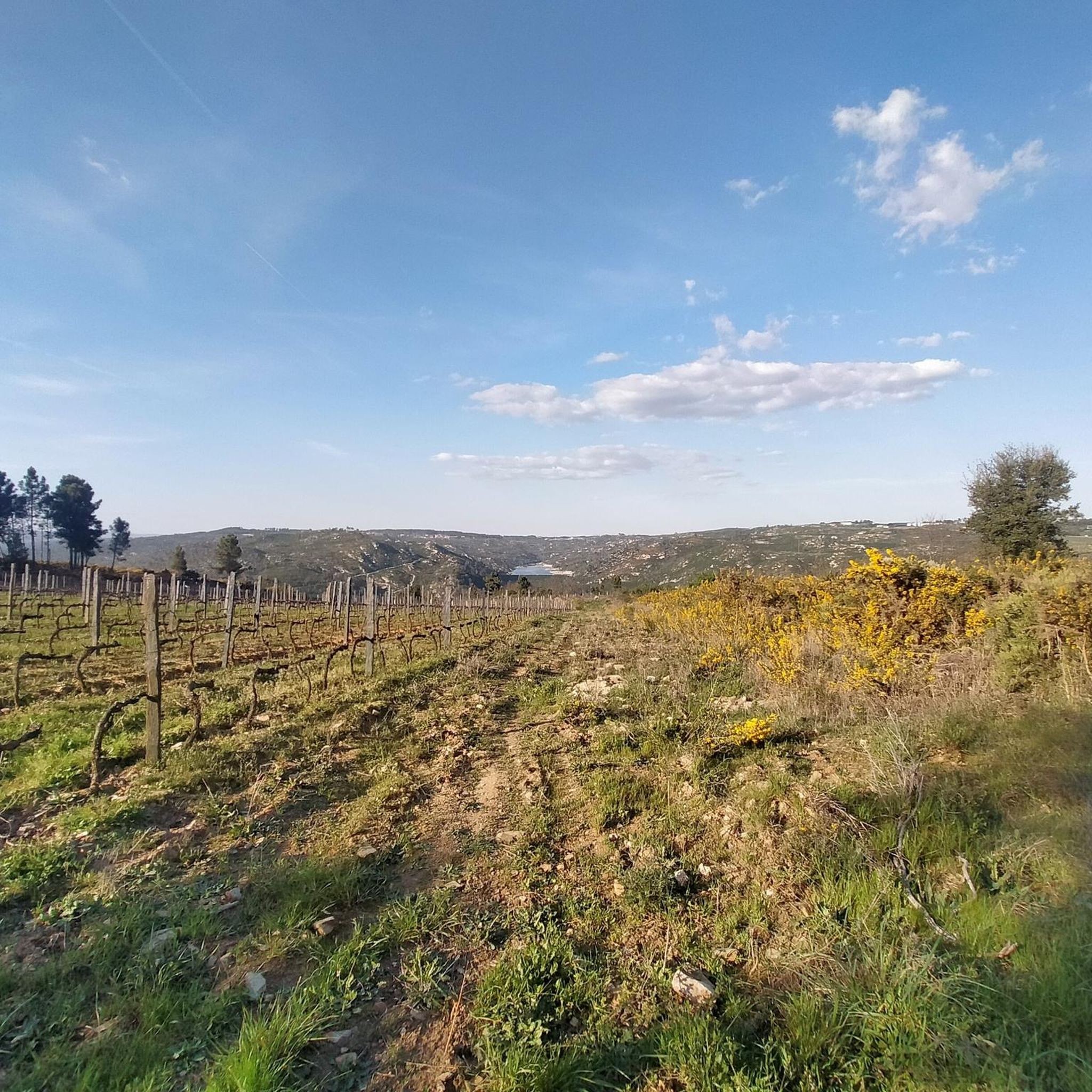
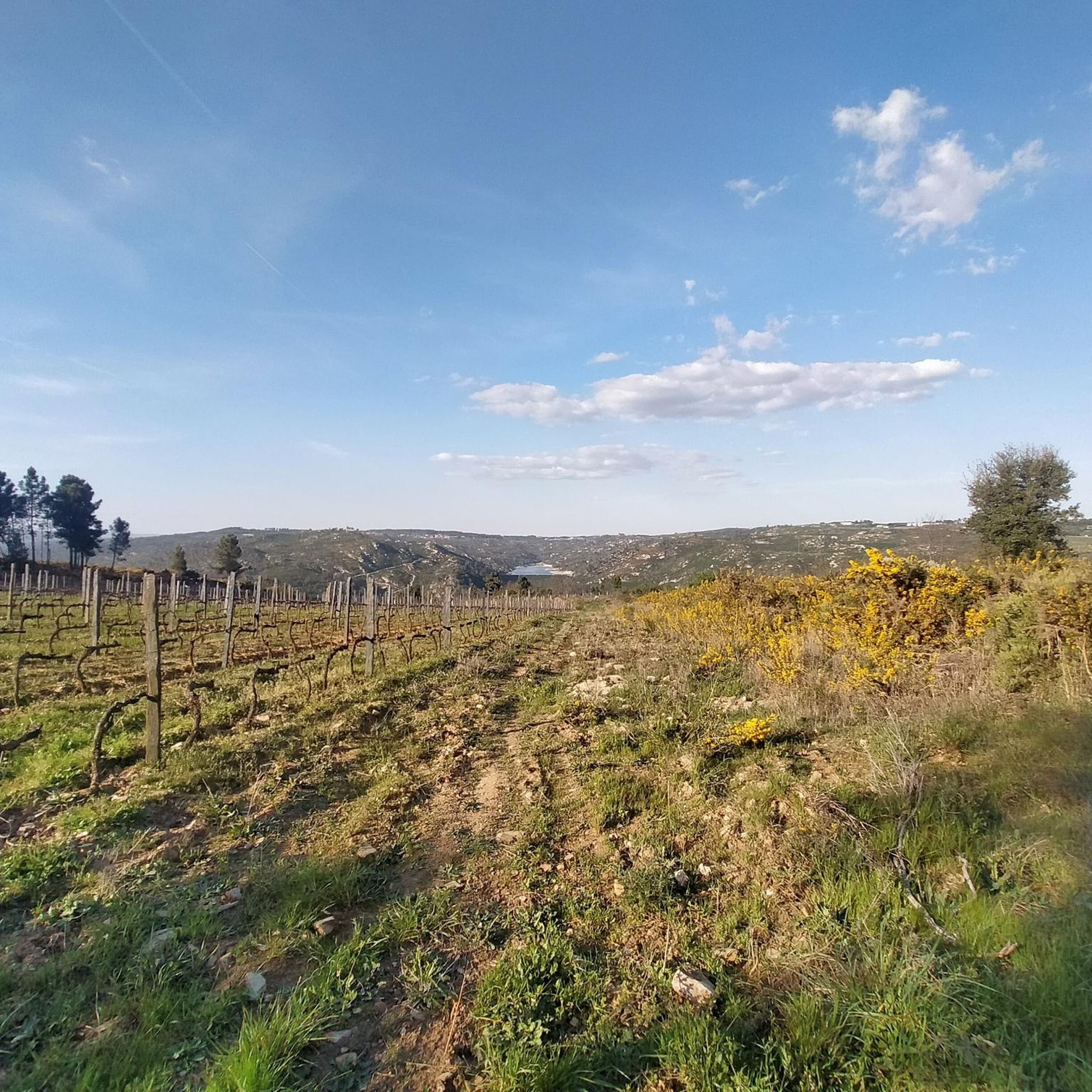
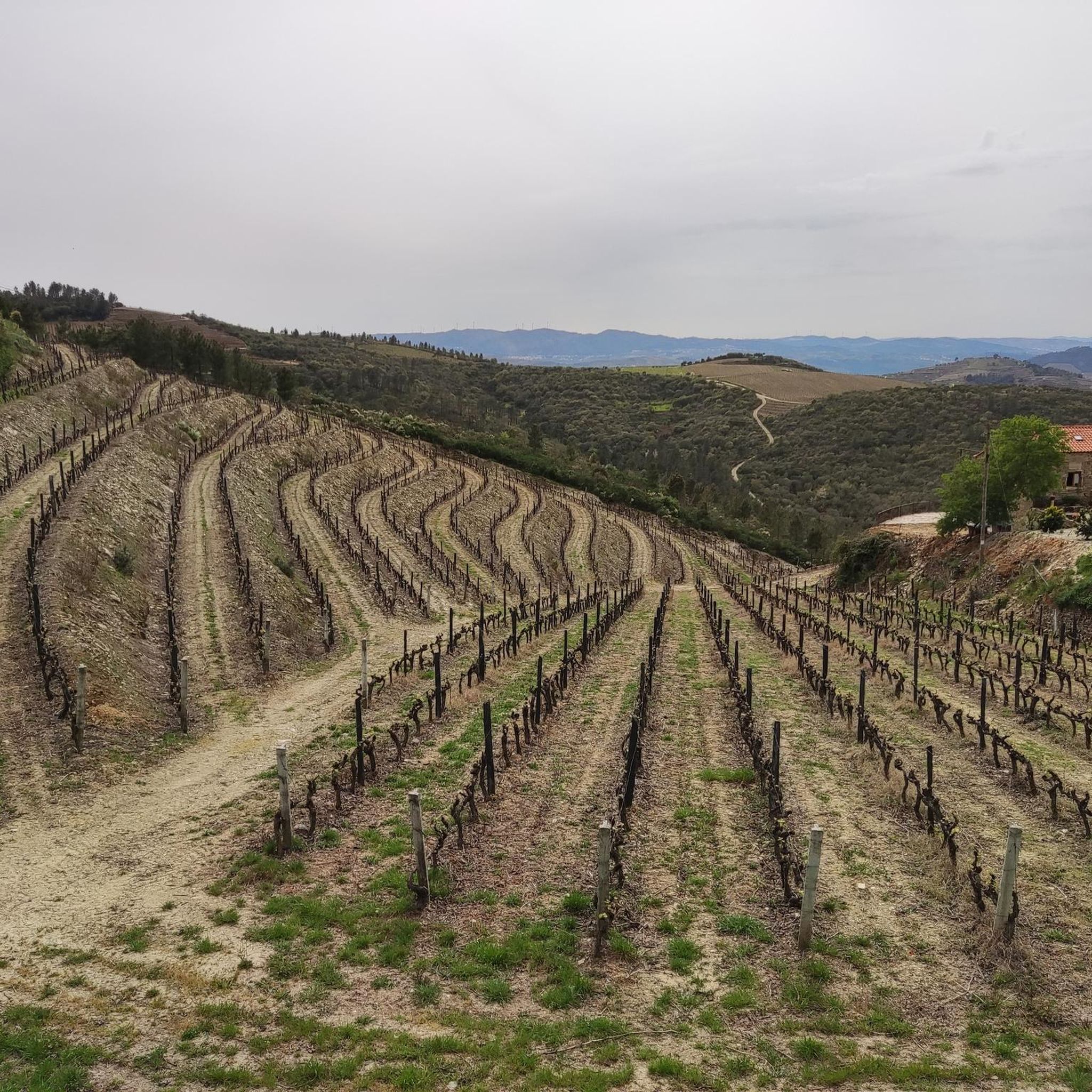
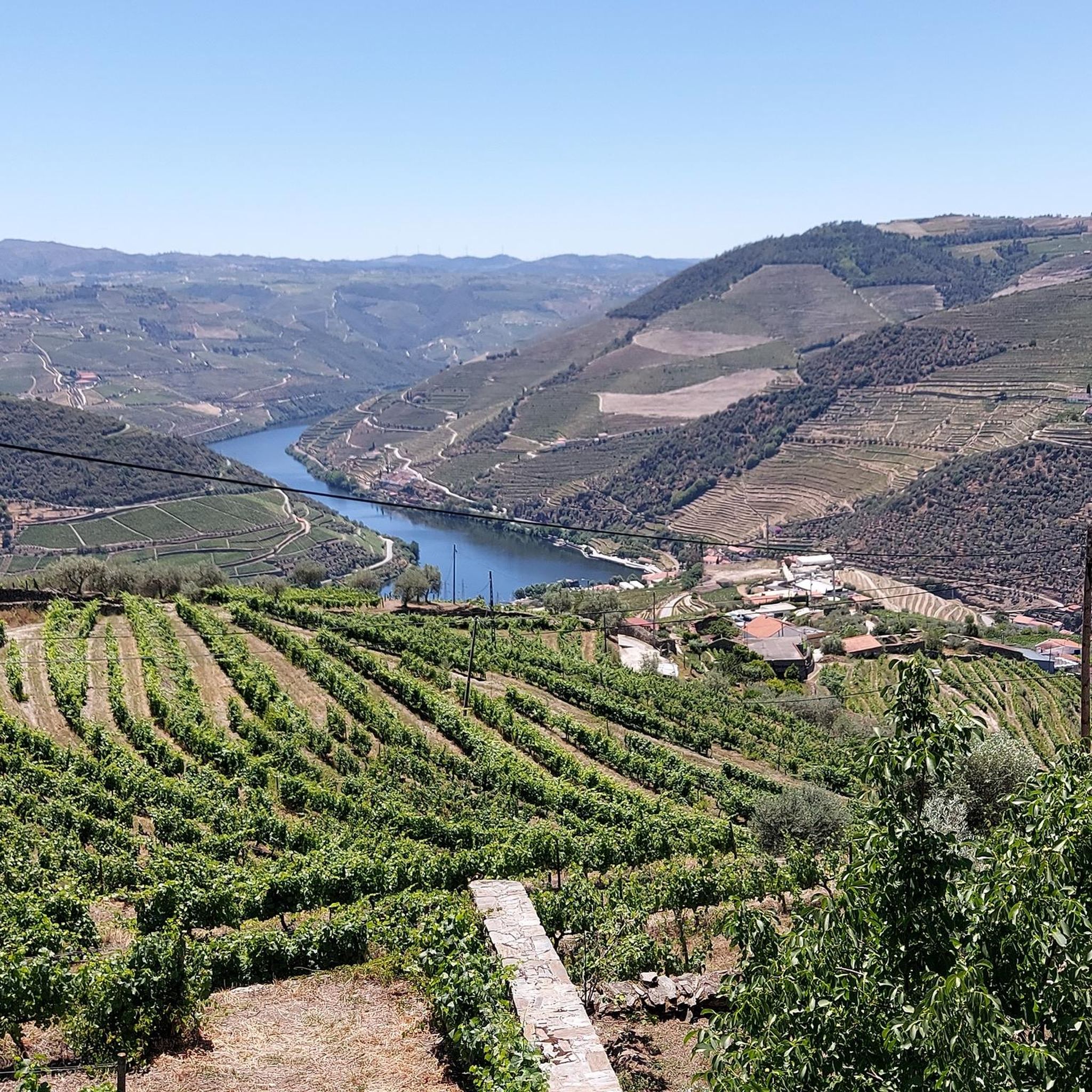
Tips from the Community

The town's monuments include various historic public buildings, historic residential buildings, fountains, and religious buildings, including the late Baroque parish church Igreja Paroquial de Sabrosa (also known as Igreja de São Salvador), which houses, among other things, a gilded wooden altarpiece (talha dourada). The historic town center as a whole is also a protected monument. Magellan is said to have been born here.
3
0
Great wash area with painting.
5
0
In the wine village of Celeirós, you have the opportunity to end your walk with a wine tasting at Quinta do Portal or Quinta do Beijo.
6
0

A giant face formed from the roots of a large tree by Oscar Rodrigues in 2020.
0
0
The famous poet, born in Sao Martinho de Anta.
0
0
Frequently Asked Questions
How many mountain bike trails are available around Sanfins Do Douro?
There are 6 mountain bike trails available around Sanfins Do Douro. These routes offer a diverse experience, ranging from moderate to difficult, allowing riders to explore the varied terrain of the Douro Valley.
What kind of terrain can I expect on mountain bike trails in Sanfins Do Douro?
Mountain biking in Sanfins Do Douro features the dramatic topography of the Douro Valley. You can expect to ride through iconic terraced vineyards, rolling hills, deep river valleys, and sections of dense forests and olive groves. Trails often combine gravel roads, rural paths, and some asphalt sections, offering a mix of surfaces and gradients.
What are the typical elevation gains on mountain bike routes in this region?
The mountain bike routes around Sanfins Do Douro feature significant elevation changes, reflecting the region's hilly landscape. Moderate routes typically involve elevation gains of around 700-800 meters, while more difficult trails can see ascents of over 1800 meters, providing a challenging workout and rewarding views.
What is the best time of year to go mountain biking in Sanfins Do Douro?
The Douro Valley generally offers pleasant conditions for mountain biking outside of the peak summer heat. Spring (April-May) and autumn (September-October) are often ideal, with milder temperatures and beautiful scenery as the vineyards change color. Winters can be cooler and wetter, while summers can be very hot, especially in July and August.
Are there mountain bike trails suitable for beginners in Sanfins Do Douro?
While the region is known for its challenging terrain, there are options for various skill levels. Currently, the available routes are rated as moderate or difficult. Riders new to mountain biking or those seeking a more relaxed experience might find some of the moderate routes manageable, but should be prepared for varied gradients and surfaces.
Are there challenging mountain bike routes for experienced riders?
Yes, experienced riders will find several challenging routes. For instance, the Rosso – Muragalhas loop from Sabrosa is a difficult 40.1 km trail with over 900 meters of elevation gain. Another demanding option is the Pelourinho de Alijó – Sra. Piedade Geodesic Marker loop from Alijó, which covers 70.5 km with over 1800 meters of ascent.
Can I find mountain bike trails with scenic viewpoints in Sanfins Do Douro?
Absolutely. The region is famous for its panoramic vistas. Many trails offer stunning views of the Douro River and its terraced valleys. A notable viewpoint accessible from the area is the View of Pinhão and the Douro River from Miradouro de Casal de Loivos, which provides breathtaking scenery perfect for a cycling stop.
What interesting landmarks or attractions can I see while mountain biking near Sanfins Do Douro?
Beyond the natural beauty, you can encounter cultural highlights. The Pinhão Railway Station, with its iconic azulejo tiles depicting Douro Valley life, is a cultural landmark. You might also pass by the Peso da Régua Footbridge or ride along sections of the Douro River Promenade, offering a blend of history and scenic beauty.
Are there any circular mountain bike routes around Sanfins Do Douro?
Yes, many of the mountain bike routes in the area are designed as loops, allowing you to start and finish in the same location. Examples include the Madorras 1 loop from Sabrosa and the Campo de Paintball loop from São Martinho de Antas e Paradela de Guiães, which are popular choices among local riders.
Is parking available near the mountain bike trails in Sanfins Do Douro?
Parking facilities are generally available in the towns and villages that serve as starting points for these trails, such as Sabrosa and Alijó. It's advisable to check local parking options upon arrival, especially in smaller villages, but you can typically find places to park your vehicle before heading out on your ride.
How can I reach Sanfins Do Douro by public transport for cycling?
While direct public transport options specifically tailored for cyclists might be limited, you can reach the broader Douro Valley region by train or bus. The nearest major train station is Pinhão, which is well-connected and offers access to the heart of the Douro. From there, local taxis or short rides might be necessary to reach specific trailheads or Sanfins Do Douro itself. It's recommended to check schedules and bicycle transport policies with regional transport providers in advance.
Are mountain bike permits required in the Douro Valley?
Generally, permits are not required for mountain biking on established trails and rural roads in the Douro Valley. However, if you plan to ride within protected areas, such as the Douro International Natural Park, it's always a good practice to check for any specific regulations or restrictions that might apply to cycling in those zones.
Most popular attractions around Sanfins Do Douro

Get inspired with the komoot mobile app


Explore more
Browse the best MTB trails in other regions.
