The best cycling routes around Pinho
5.0
(2)
34
riders
7
rides
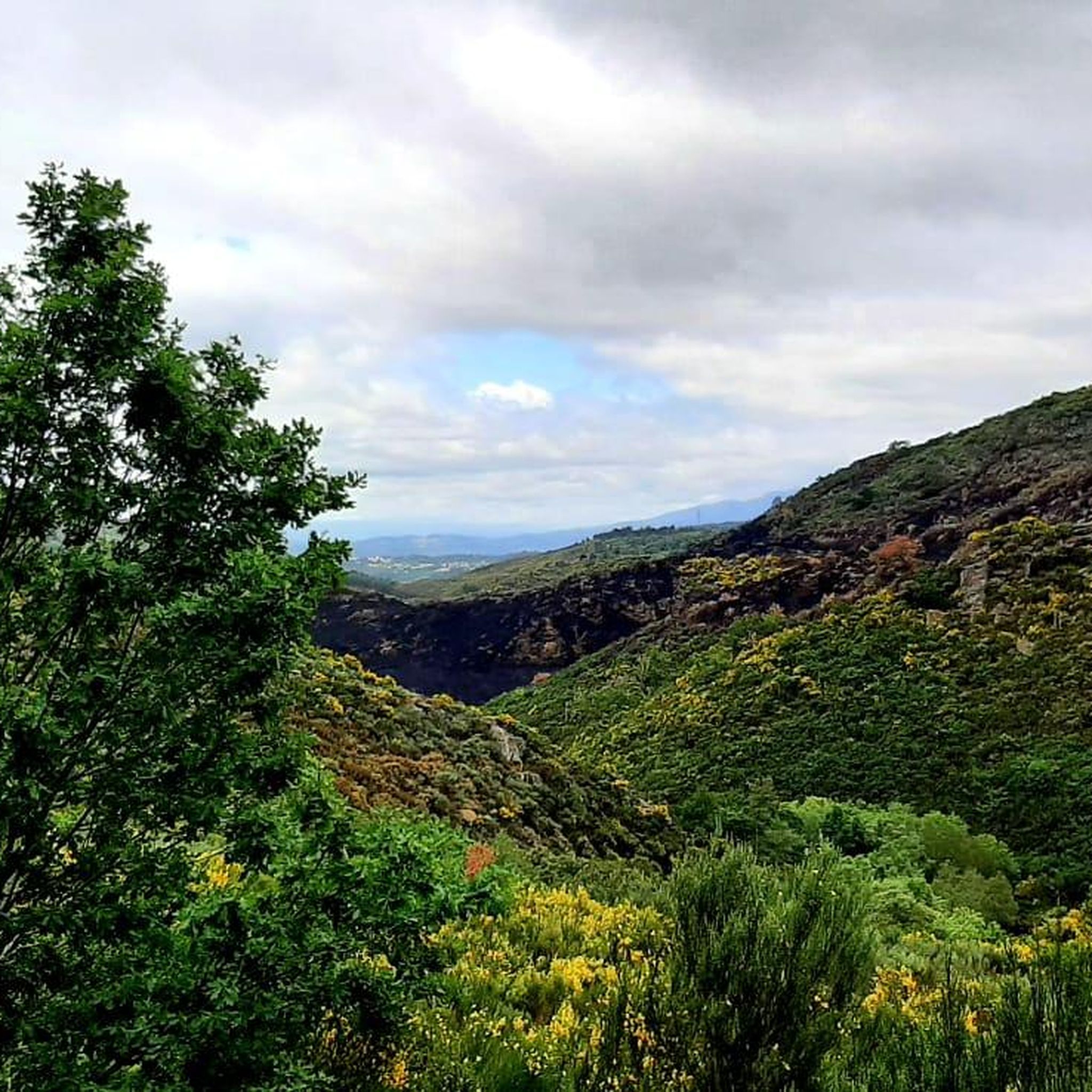
Touring cycling routes around Pinho are characterized by the dramatic terraced vineyards that cascade down to the Douro River. The region features winding roads through rolling hills, offering panoramic views of the viticultural landscape. The Douro River provides a serene backdrop for many routes, with the area's topography creating both scenic and challenging cycling opportunities.
Best touring cycling routes around Pinho
- The most popular touring cycling route is Camillo Station – Roman Bridge of Chaves loop from Vidago, a…
Last updated: October 29, 2026
9
riders
52.6km
03:24
690m
690m
Hard bike ride. Very good fitness required. Mostly paved surfaces.
9
riders
23.9km
01:39
450m
450m
Moderate bike ride. Good fitness required. Mostly paved surfaces.

5
riders
62.6km
04:19
1,020m
1,020m
Hard bike ride. Very good fitness required. Mostly paved surfaces.
4
riders
Hard bike ride. Very good fitness required. Mostly paved surfaces.
2
riders
43.9km
03:06
800m
800m
Hard bike ride. Very good fitness required. Mostly paved surfaces.
Get access to more routes and recommendations from other explorers.
Already have an account?
Our route recommendations are based on thousands of hikes, rides, and runs completed by other people on komoot.


Tips from the Community

Town on the iconic EN2 road and the Ecopista do Corgo
0
0

The Roman Baths Museum, recently opened, is a must-see. It is located in Largo do Arrabalde, very close to the current baths. It is the largest Roman bath complex in the Iberian Peninsula. What makes this museum special is that, after an earthquake in the 4th century, the structures collapsed and remained "frozen" in time until they were rediscovered a few years ago. You can see the huge original stone pools where Roman legionaries bathed 2,000 years ago. The Roman Baths Museum What to see: It is the largest Roman bath complex in the Iberian Peninsula. What makes this museum special is that, following an earthquake in the 4th century, the structures collapsed and remained "frozen" in time until they were rediscovered a few years ago. You can see the huge original stone pools where Roman legionaries bathed 2,000 years ago.
0
0
The Bridge of Trajan (often simply called the Roman Bridge) is, without a doubt, the most important monument in Chaves. It is worth visiting because it is not just an "old stone bridge"; it is a masterpiece of engineering that defines the city's identity. Here are the 4 main reasons why: 1. Walking on 2,000 Years of History This is one of the best-preserved Roman bridges in the entire Iberian Peninsula. It was built between the late 1st and early 2nd century AD, during the reign of Emperor Trajan. The Feeling: Crossing it on foot (cars are forbidden) means you are literally walking on the same stones as Roman legions, medieval merchants, and Napoleonic troops. It is an instant trip back in time. 2. Engineering that Defies Time It is worth looking closely at the structure to understand why it is still standing. The Tâmega River is known for its violent floods, yet the bridge has withstood them for two millennia. The Secret: If you go down to the riverbank, notice the cutwaters (the triangular structures at the base of the pillars). They were designed to "cut" the force of the water and prevent the bridge from collapsing. It is a live lesson in ancient architecture. 3. The Stones that "Speak" (Milestones) In the middle of the bridge, you will find two cylindrical stone columns (milestones) with Latin inscriptions. One of them is particularly important: the "Padrão dos Povos" (Standard of the Peoples). The inscription lists the 10 local tribes of the region (the "Aquiflavienses") who contributed to the construction of the bridge. It is a historical document carved in stone that has survived to this day. 4. The Photogenic Scenery The bridge connects the historic center to the Madalena neighborhood and is set within a beautiful public garden (Jardim do Tabolado). It is the perfect spot to watch the sunset, seeing the reflection of the arches in the water with the Castle of Chaves dominating the landscape high above. Visitor Tip: After crossing the bridge coming from the historic center, turn left and walk along the landscaped riverbanks. There are stepping stones (pedras poldras) nearby in the water that allow you to see the grandeur of Trajan's Bridge from an impressive low angle.
2
0

The Pedras Salgadas Railway Station is a closed junction of the Corgo Line, which served the town and the spa of Pedras Salgadas, in the Vila Real District, Portugal. A decree of 13 September 1905 approved the project for the section between Ribeiro de Varges and Pedras Salgadas Station.[ The section between Vila Real and Pedras Salgadas of the Corgo Line was opened on 15 July 1907, while the next section, to Vidago, opened on 20 March 1910.
0
0

The 140 metre-long Ponte Trajano (Trajan Bridge) in Chaves in the Trás-os-Montes region of north eastern Portugal dates from the reign of the Emperor Trajan (53-117) in the early second century AD. The Emperor Trajan was known as a great promoter of public works including the Trajan Forum and Trajan Column in Rome.
6
0
The Roman Bridge of Chaves, also known as Trajan's Bridge, is located over the River Tâmega and was built between the end of the 1st century and the beginning of the 2nd century. Along with the development of the thermal baths, it constitutes one of the best Roman legacies of the ancient Águas Flávias, which still stands today, withstanding historic floods and the strong currents of the river. Approximately one hundred and fifty metres long and with a dozen visible arches, the works carried out in the 1930s covered some of the arches and others were still buried in the construction of the houses built there and overlooking the river.[citation needed] In 2008 it became a pedestrian bridge.
6
0

Frequently Asked Questions
What kind of terrain can I expect on touring cycling routes around Pinhão?
Touring cycling routes in the Pinhão region are defined by dramatic terraced vineyards that cascade down to the Douro River. You'll encounter winding roads through rolling hills, offering panoramic views of the viticultural landscape. The Douro River itself provides a serene backdrop for many routes, creating both scenic and challenging cycling opportunities.
What is the best time of year for touring cycling in Pinhão?
The spring months offer pleasant temperatures and lush greenery, while autumn brings a festive atmosphere with vibrant colors during the grape harvest season. Both seasons are ideal for touring cycling in Pinhão, allowing you to experience the region's natural beauty at its best.
Are there routes suitable for less experienced touring cyclists in Pinhão?
Yes, while many routes feature significant elevation, there are options for moderate skill levels. For example, the Camillo Station – Roman Bridge of Chaves loop from Vidago is a moderate 27.4-mile (44.1 km) trail offering varied terrain. Another moderate option is the Camillo Station loop from Oura, which is 14.9 miles (23.9 km) through rolling hills.
What are some of the more challenging touring cycling routes in the Pinhão area?
For experienced touring cyclists seeking a challenge, routes like the Camillo Station – Pedras Salgadas N2 30 loop from Capeludos offer a difficult 31.9-mile (51.4 km) path with significant elevation gain and expansive views. Other demanding options include the Camillo Station – Castle of Chaves loop from Redondelo and the Camillo Station – Castle of Chaves loop from Boticas, both featuring over 1000 meters of ascent.
What kind of natural features can I expect to see along the cycling routes?
The Pinhão region is renowned for its dramatic terraced vineyards, which are a constant and stunning feature along many routes. The majestic Douro River is also a prominent natural element, often accompanying cyclists and providing serene views. You'll also experience the area's characteristic rolling hills and lush landscapes, especially vibrant in spring.
Are there any specific landmarks or attractions I can visit while touring cycling in Pinhão?
While cycling, you'll be immersed in the vineyard landscape. Beyond the routes, Pinhão itself boasts a historic tiled train station, showcasing traditional Portuguese artistry. The region is also famous for its Port wine production, with numerous quintas (wine estates) like Quinta do Bomfim, Quinta da Roêda, and Quinta de La Rosa offering tours and tastings, which can be a great stop during or after your ride.
What do other touring cyclists say about the routes in Pinhão?
The touring cycling routes in Pinhão are highly rated by the komoot community, with an average score of 4.75 stars from over 10 reviews. Cyclists often praise the stunning vineyard landscapes, the challenging yet rewarding climbs, and the unique experience of cycling through the heart of the Douro Valley.
How many touring cycling routes are available in the Pinhão region?
There are 9 touring cycling routes documented in the Pinhão region, offering a variety of distances and difficulty levels to explore the stunning Douro Valley.
Are there any circular touring cycling routes in Pinhão?
Yes, many of the touring cycling routes in Pinhão are designed as loops, allowing you to start and end your journey in the same location. Examples include the Camillo Station – Roman Bridge of Chaves loop from Vidago and the Camillo Station loop from Oura.
Is public transport available to access the cycling routes in Pinhão?
Pinhão has a historic train station, which can be a convenient way to reach the area. While specific public transport links directly to the start points of all cycling routes may vary, the train station in Pinhão serves as a central hub, and many routes are accessible from the town or nearby villages.
Are there opportunities for wine tasting along the touring cycling routes?
Absolutely. The Pinhão region is the heart of Port wine country. While specific routes may not pass directly through every quinta, many are located within easy reach of the cycling paths. You'll find numerous wine estates, such as Quinta do Bomfim and Quinta de La Rosa, offering tours and tastings, providing a perfect cultural complement to your cycling adventure.
Most popular routes around Pinho

Get inspired with the komoot mobile app


Explore more
Browse the best Cycling routes in other regions.
