Top 20 Natural Monuments around Büdingen
Best natural monuments around Büdingen showcase a landscape rich in geological features and historical sites. This region in Germany's Wetterau district provides opportunities for exploring dense forests, ancient trees, and unique geological formations. Visitors can discover sites with Celtic history and natural reserves, offering insights into the area's past and present ecosystems. The natural monuments around Büdingen are ideal for hiking and nature exploration.
Best natural monuments around Büdingen
- The most popular natural monuments is Celtic World at the Glauberg…
Last updated: September 29, 2026
Wartbaum and Wooden Soldier Sculptures on the Hohe Straße
Highlight • Natural Monument
Translated by Google •
Tip by

Celtic World at the Glauberg
Highlight • Historical Site
Translated by Google •
Tip by

Sign up now to discover places like this
Get recommendations on the best single tracks, peaks, & plenty of other exciting outdoor places.
Kinzig Floodplains
Highlight • River
Translated by Google •
Tip by

Staden Carbonated Spring
Highlight • Natural Monument
Translated by Google •
Tip by

Drusus Oak
Highlight • Natural Monument
According to the plaque it is only 400 years old. Looks pretty battered.
Translated by Google •
Tip by

Sign up for free to discover even more natural monuments around Büdingen.
Already have an account?
Start today with a free account
Your next adventure awaits.
Popular around Büdingen
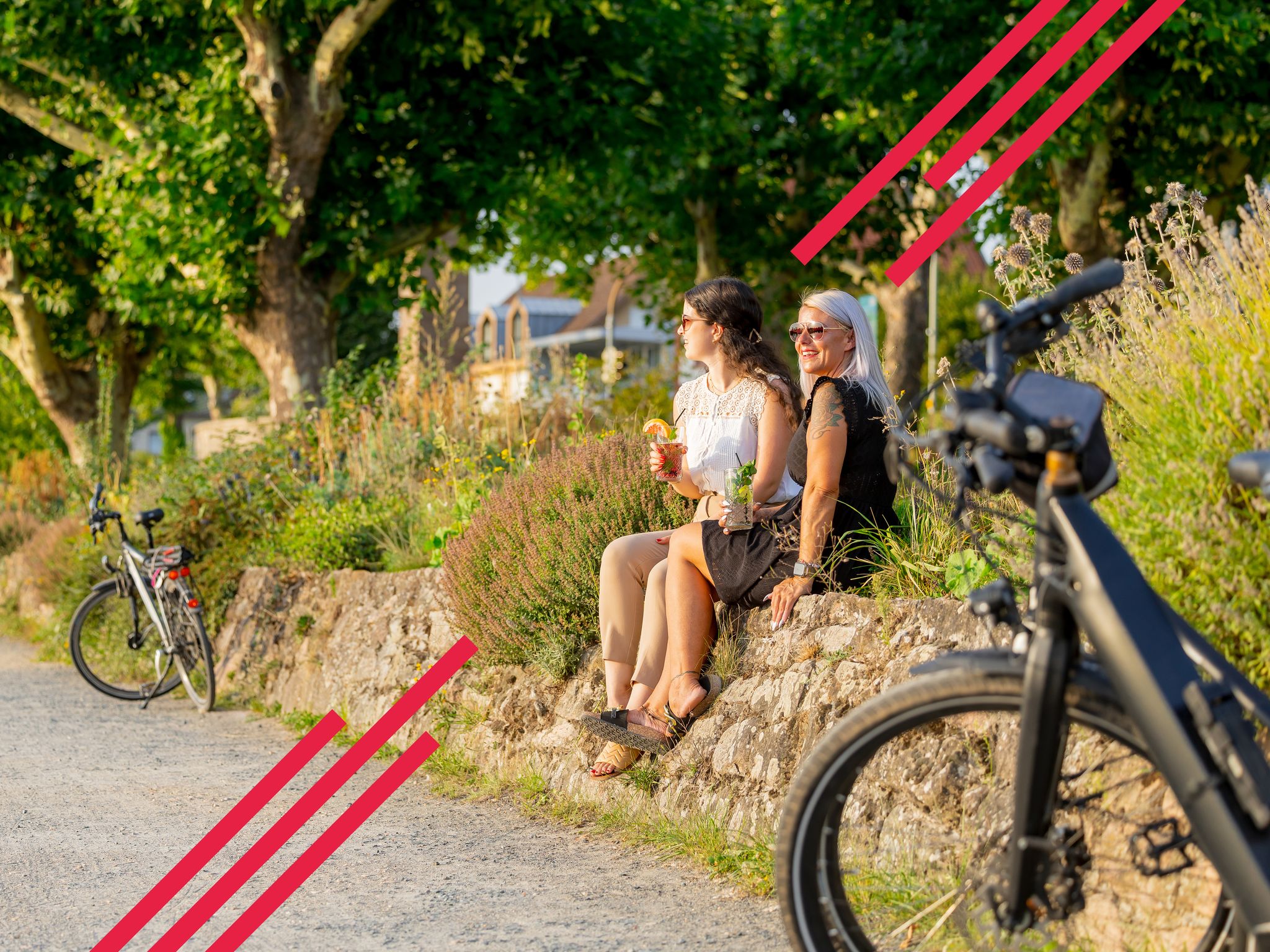
Changing habitats – themed cycling in FrankfurtRheinMain

Varied winter hikes in Germany’s Rhine-Main region
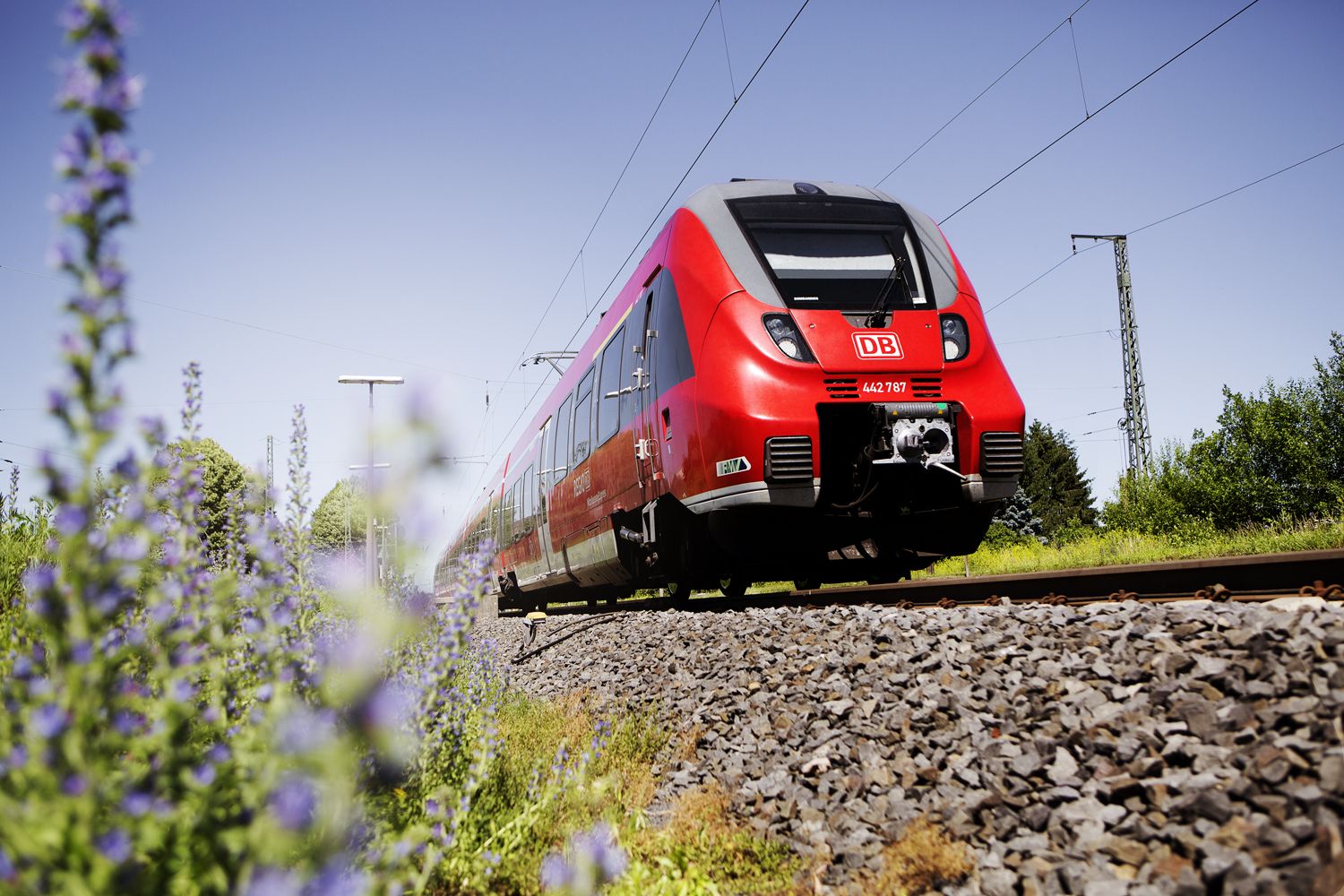
Into the countryside! — hike with Germany’s Rhine-Main Transport Network
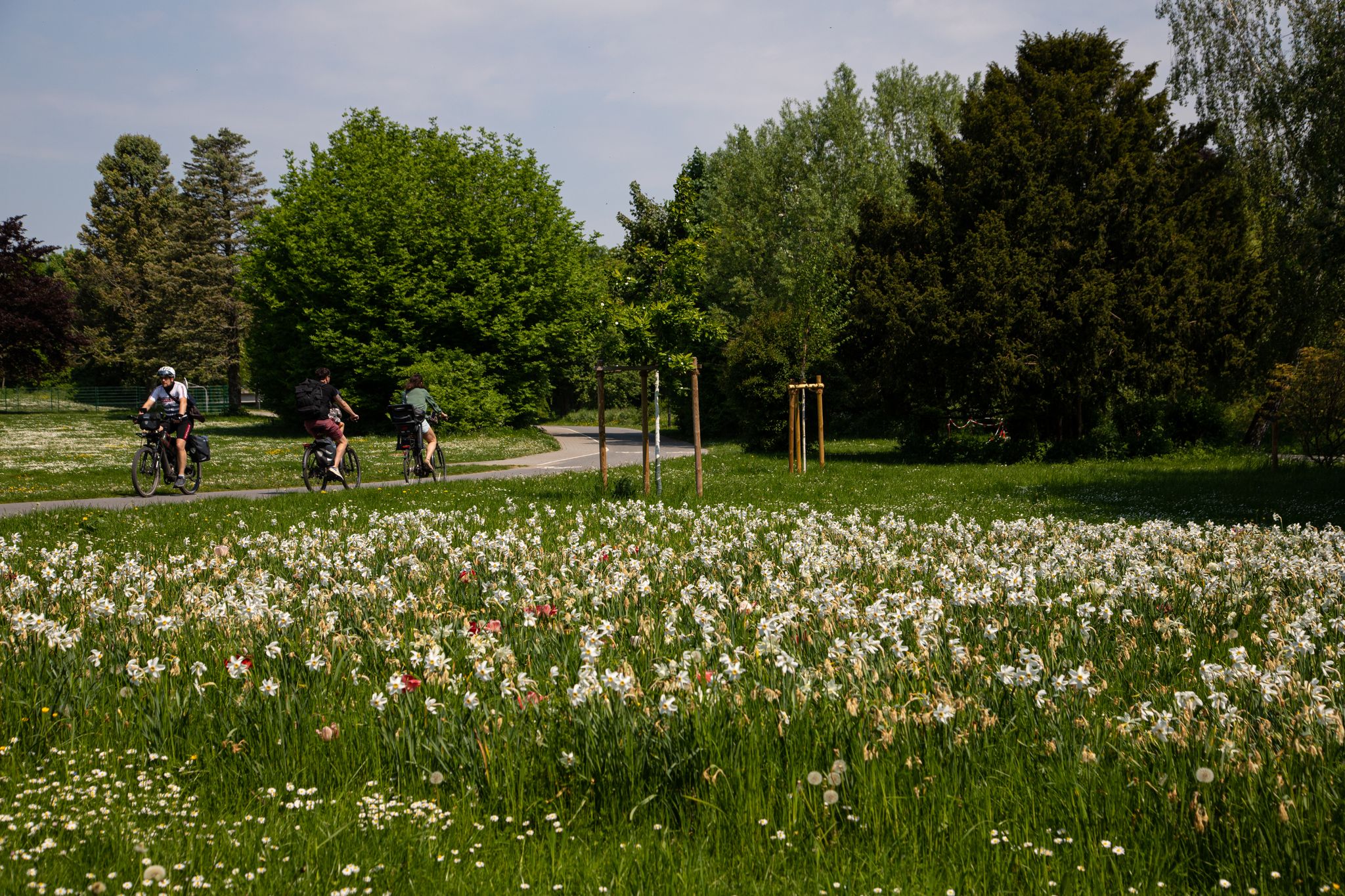
Bad Vilbel entdecken – Vielfältige Radtouren
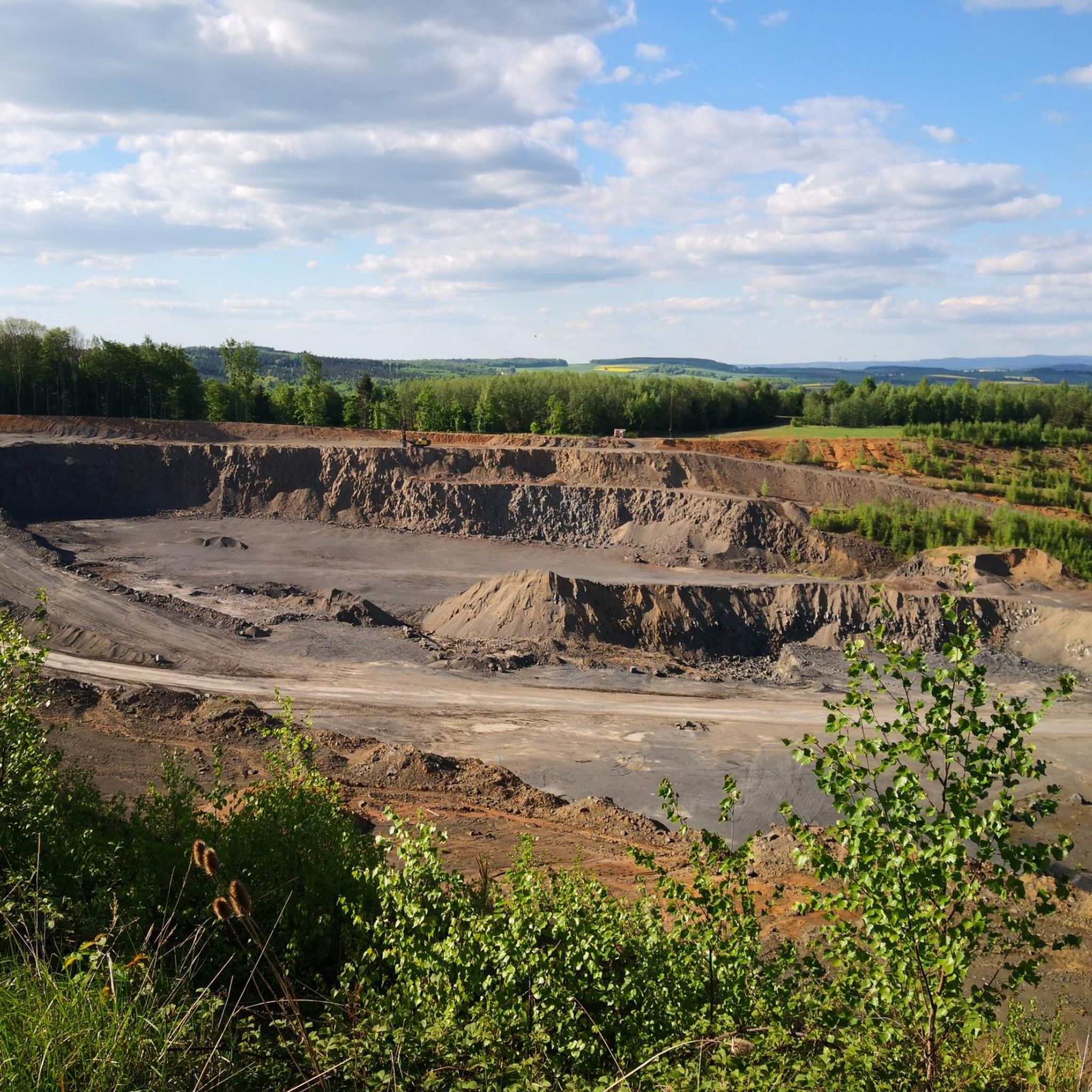
Cycling around Büdingen
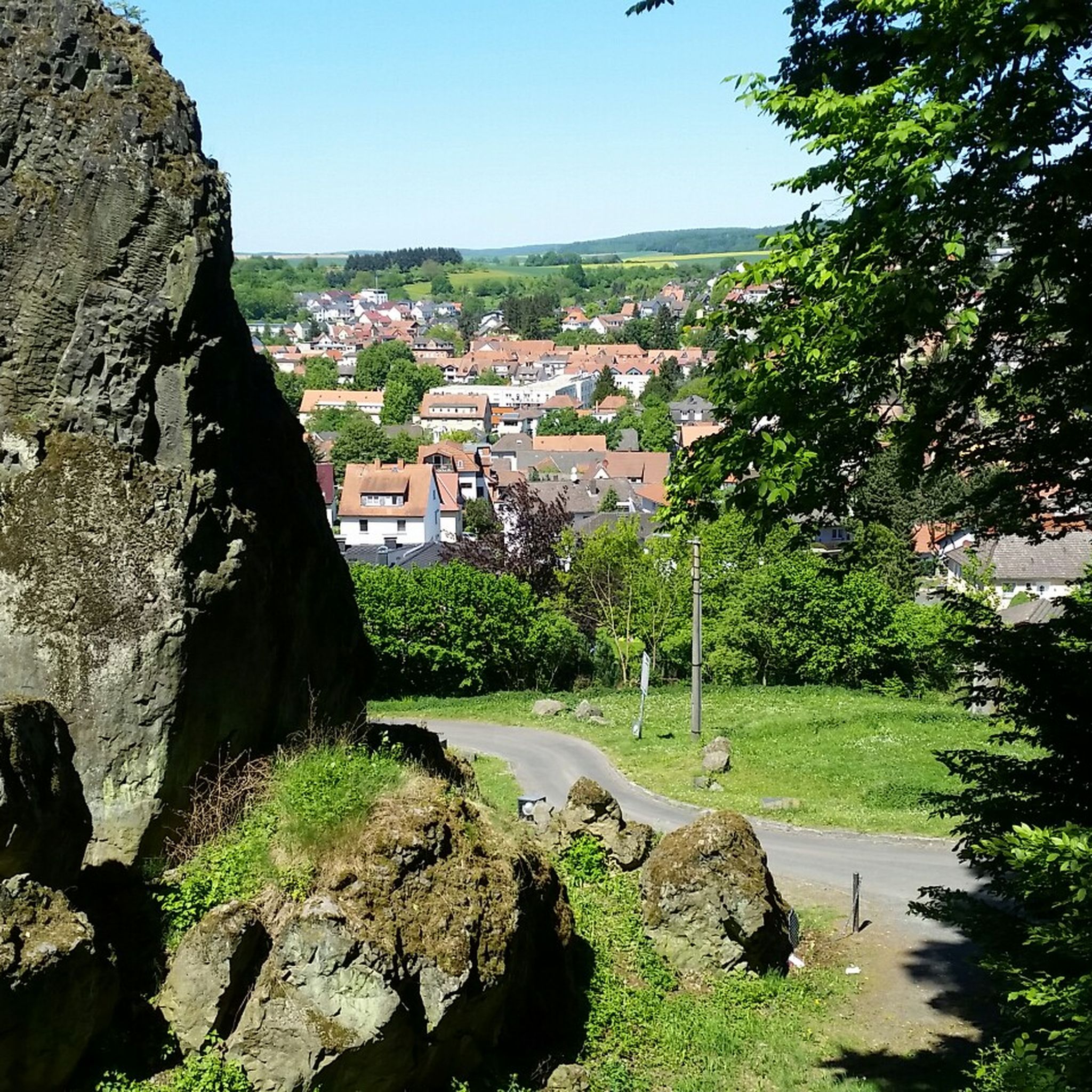
Hiking around Büdingen
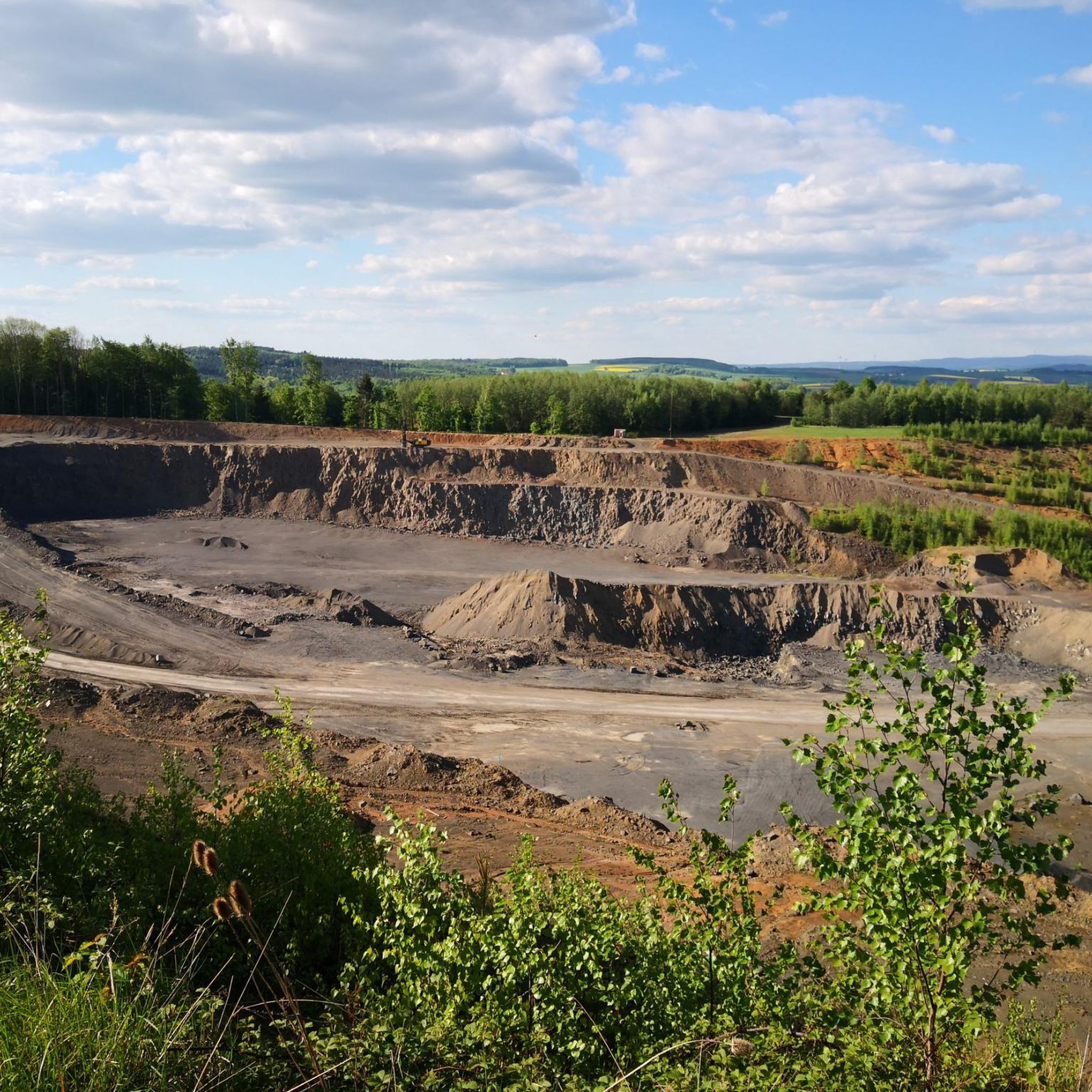
MTB Trails around Büdingen
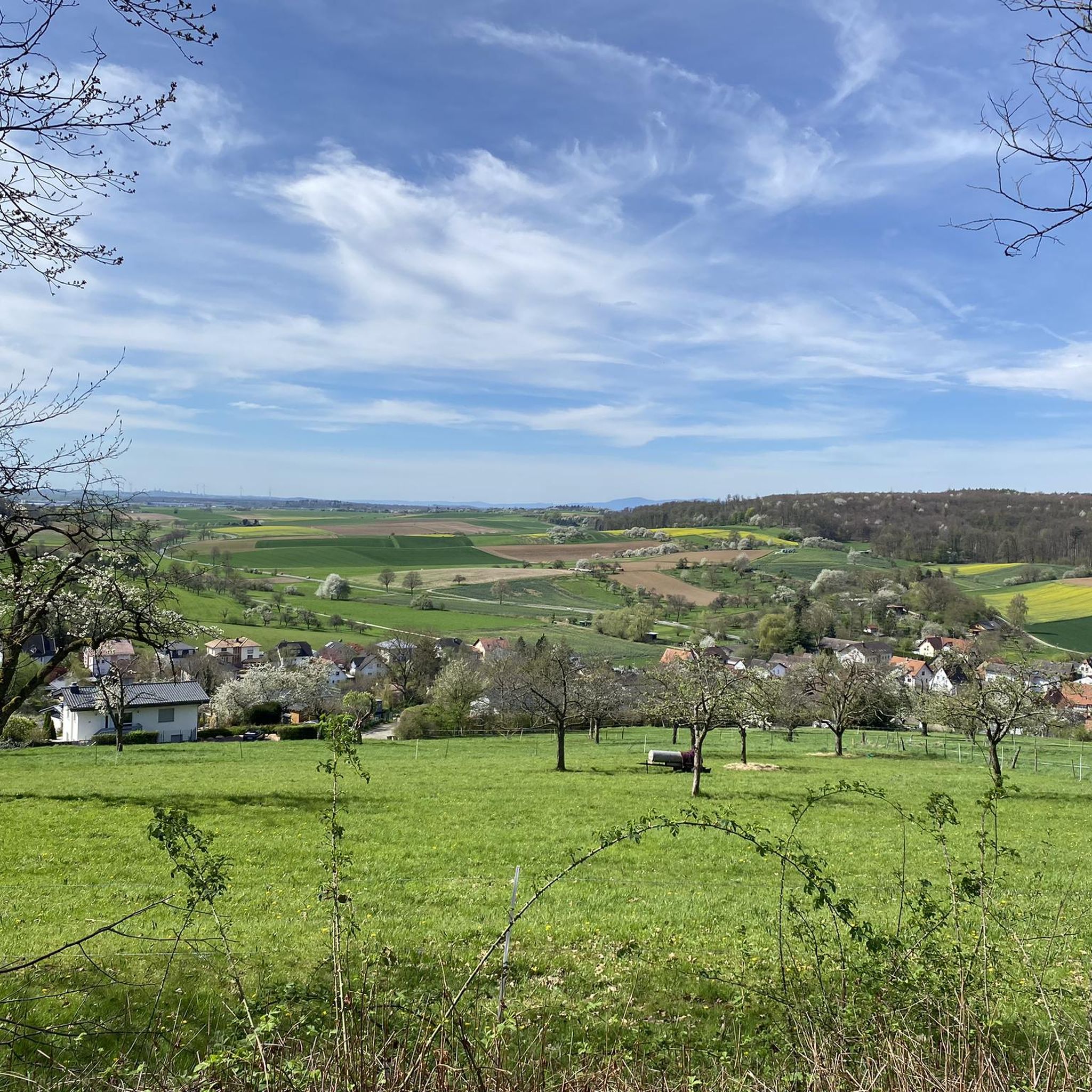
Running Trails around Büdingen
Road Cycling Routes around Büdingen
Gravel biking around Büdingen
Other adventures around Büdingen


Tips from the Community

Even invites you to swim on hot days ;)
1
0

The Kinzig is a river approximately 86 kilometers long. It rises in Sterbfritz, flows southwest through the Main-Kinzig district of Hesse, and flows into the Main from the right in Hanau. The Kinzig is a second-order river in low mountain ranges. It overcomes an elevation of 301 meters and has a bed gradient of 3.5 per thousand. The Kinzig's catchment area covers 1,058 square kilometers, and the calculated mean discharge (MQ) at the mouth of the Kinzig is 10.97 cubic meters per second. The Kinzig was first documented in 796 as "iuxta fluvium Kincihen." In 815, the name was written as "Chinzicha," around 900 as "Kincicha"/"Kinzicham," in 1364 as "Kinzige," in 1584 as "Kintzig," in 1607 as "Bintz," in 1681 as "Kintz," in 1716 as "Kins," in 1769 as "Kinzing," and in 1802 as "Kinzig." In the river's headwaters, there was the now-defunct village of Kinzig, mentioned in 815 as "Chirizichheimero." The village and river were often confused by monastery scribes at that time with "Chizzicha" (now Bad Kissingen), both of which were described as being located in the Saalegau. The name presumably derives from the ancient Celtic *ku̯anti̯o- meaning "flat hill, valley." The name was therefore derived from the mountainous region from which the Kinzig flows. Source: Wikipedia
2
0

It is a great place to cycle all year round.
3
0
Here the “location” was carried out incorrectly. The “soldiers” are installed on the waiting tree near Windecken.
8
0
In memory of the fact that a long time ago (1897) an “imperial maneuver” took place here, the “guard soldiers” were set up. In the summer, various events are also held at the “Wartbaum”:
9
0
The Wartbaum is one of 18 stations on the Hohe Straße regional park route.
7
0

The fountain is in a beautifully designed, well-kept park with many benches for resting and picnicking
7
0
On the way to the Nidda cycle path we pass this small, fine park every now and then and enjoy the refreshment that the cool water of the fountain offers...
12
1
Frequently Asked Questions
What types of natural features can I explore around Büdingen?
Büdingen offers a diverse range of natural features, from sprawling forests to unique geological formations. You can discover the extensive Büdingen Forest with its numerous trails, the picturesque Kinzig Floodplains, and the fascinating Staden Carbonated Spring. The region also features basalt mountain ridges like the Glauberg Plateau and the nearby Hoher Vogelsberg Nature Park, known for its dense woodlands and gentle slopes.
Are there family-friendly natural monuments or activities in the Büdingen area?
Yes, several natural monuments around Büdingen are suitable for families. The Büdingen Forest includes the 'Büdingen Nature Experience Trail Traumwald' with a forest adventure trail and a barefoot path. The Wartbaum and Wooden Soldier Sculptures on the Hohe Straße offer a blend of natural history and art that can engage children. Additionally, the Celtic World at the Glauberg provides both historical insights and scenic outdoor exploration.
What historical or cultural sites are integrated with the natural monuments?
Many natural monuments in Büdingen have significant historical and cultural connections. The Celtic World at the Glauberg is a basalt mountain ridge with traces of Celtic settlements and princely tombs, offering a unique combination of archaeology and nature. The Wartbaum and Wooden Soldier Sculptures on the Hohe Straße feature a linden tree documented since the 16th century, alongside sculptures that allude to historical events. The ancient Drusus Oak also carries historical significance, with its name linked to Roman campaigns.
What kind of hiking opportunities are available near Büdingen's natural monuments?
The region around Büdingen offers numerous hiking opportunities. The Büdingen Forest has extensive trails, and the Hoher Vogelsberg Nature Park is ideal for roaming through dense forests. You can find a variety of routes, from easy walks to more challenging hikes. For specific trails, explore guides like Easy hikes around Büdingen or Hiking around Büdingen.
Are there any natural monuments with unique geological significance?
Yes, Büdingen is rich in geological history. The Glauberg Plateau itself is a basalt mountain ridge. For a deeper dive, the Geological Sculpture Gallery, an open-air exhibition, showcases 19 exhibits detailing the geology of the Wetterau region over the last 400 million years, dating back to the Devonian period. This offers an engaging way to understand the earth's deep history in the area.
Can I find any circular walks or loop trails around the natural monuments?
Yes, there are several circular walks and loop trails that allow you to experience the natural monuments. For example, you can find routes like the 'Steinern Basalt Rocks – Celtic World at the Glauberg loop from Düdelsheim' which is an easy option, or the 'Stone Observation Tower – Steinern Basalt Rocks loop from Düdelsheim' for a moderate hike. Many trails in the Büdingen Forest and Hoher Vogelsberg Nature Park are also designed as loops.
What is the best time of year to visit the natural monuments around Büdingen?
The natural monuments around Büdingen can be enjoyed year-round, but each season offers a different experience. Spring and autumn are ideal for hiking with pleasant temperatures and vibrant foliage. Summer is great for longer days and exploring the forest trails. Even in winter, some trails are suitable for walks, especially those through the dense forests, offering a tranquil atmosphere.
Are there options for mountain biking near the natural monuments?
Absolutely. The region around Büdingen provides excellent opportunities for mountain biking. You can find a variety of MTB trails, ranging from easy to moderate difficulty, that wind through forests and past natural sights. For detailed routes, check out the MTB Trails around Büdingen guide.
What wildlife might I encounter when visiting the natural monuments?
The diverse ecosystems around Büdingen, particularly in the Büdingen Forest and the Hoher Vogelsberg Nature Park, support various wildlife. While sightings are never guaranteed, you might encounter local forest animals. The Hoher Vogelsberg Nature Park, in particular, is known for its potential to spot rare species like lynxes or wild cats, if you're lucky.
Are there any natural monuments that are particularly easy to access or suitable for shorter visits?
For shorter visits or easier access, the Staden Carbonated Spring, located within a landscape park, offers a pleasant and easily accessible natural spot. The Kinzig Floodplains also offer very flat terrain for relaxed walks. Many of the natural monuments are integrated into well-maintained trail networks, making them suitable for various durations and fitness levels.
What do visitors particularly enjoy about the natural monuments in Büdingen?
Visitors frequently appreciate the blend of natural beauty and historical significance. Many enjoy the tranquility of the forests, the scenic views from elevated points like the Glauberg Plateau, and the unique geological insights offered by sites like the Geological Sculpture Gallery. The well-maintained trails and the opportunity to combine outdoor activity with cultural exploration are also highly valued.
Are the natural monuments around Büdingen dog-friendly?
Generally, many natural areas and trails around Büdingen are dog-friendly, especially in the extensive Büdingen Forest and the Hoher Vogelsberg Nature Park. It's always advisable to keep dogs on a leash, especially in nature reserves or areas with wildlife, and to respect local regulations. Specific natural monuments may have their own rules, so checking signage on-site is recommended.
Most popular routes around Büdingen
Most popular attractions around Büdingen

Get inspired with the komoot mobile app


Explore more
Extend your search for the best caves by checking out these guides of the top ones around Büdingen:
