The best MTB trails around Águas Frias
4.4
(31)
263
riders
38
rides
Mountain biking around Águas Frias offers diverse experiences across varied terrain. The region features routes with significant elevation changes, providing opportunities for both moderate and challenging rides. These mountain bike trails are characterized by their length and the physical demands they place on riders.
Best mountain bike trails around Águas Frias
- The most popular mountain bike trail is Poldrado de Curalha – Ponte de Trajano loop from Chaves, a 29.8 miles (47.9 km) trail that takes 4 hours 17…
Last updated: October 29, 2026
5.0
(3)
40
riders
56.4km
03:42
270m
270m
Moderate mountain bike ride. Good fitness required. Advanced riding skills necessary.
18
riders
48.6km
04:20
730m
730m
Hard mountain bike ride. Good fitness required. Advanced riding skills necessary. Some portions of the route may require you to push your bike.

3.0
(1)
15
riders
55.5km
05:01
1,020m
1,020m
Hard mountain bike ride. Very good fitness required. Advanced riding skills necessary.
11
riders
45.1km
04:08
720m
720m
Hard mountain bike ride. Good fitness required. Advanced riding skills necessary. Some portions of the route may require you to push your bike.
8
riders
51.3km
04:35
900m
900m
Moderate mountain bike ride. Good fitness required. Advanced riding skills necessary.
Get access to more routes and recommendations from other explorers.
Already have an account?
Our route recommendations are based on thousands of hikes, rides, and runs completed by other people on komoot.
Start today with a free account
Your next adventure awaits.

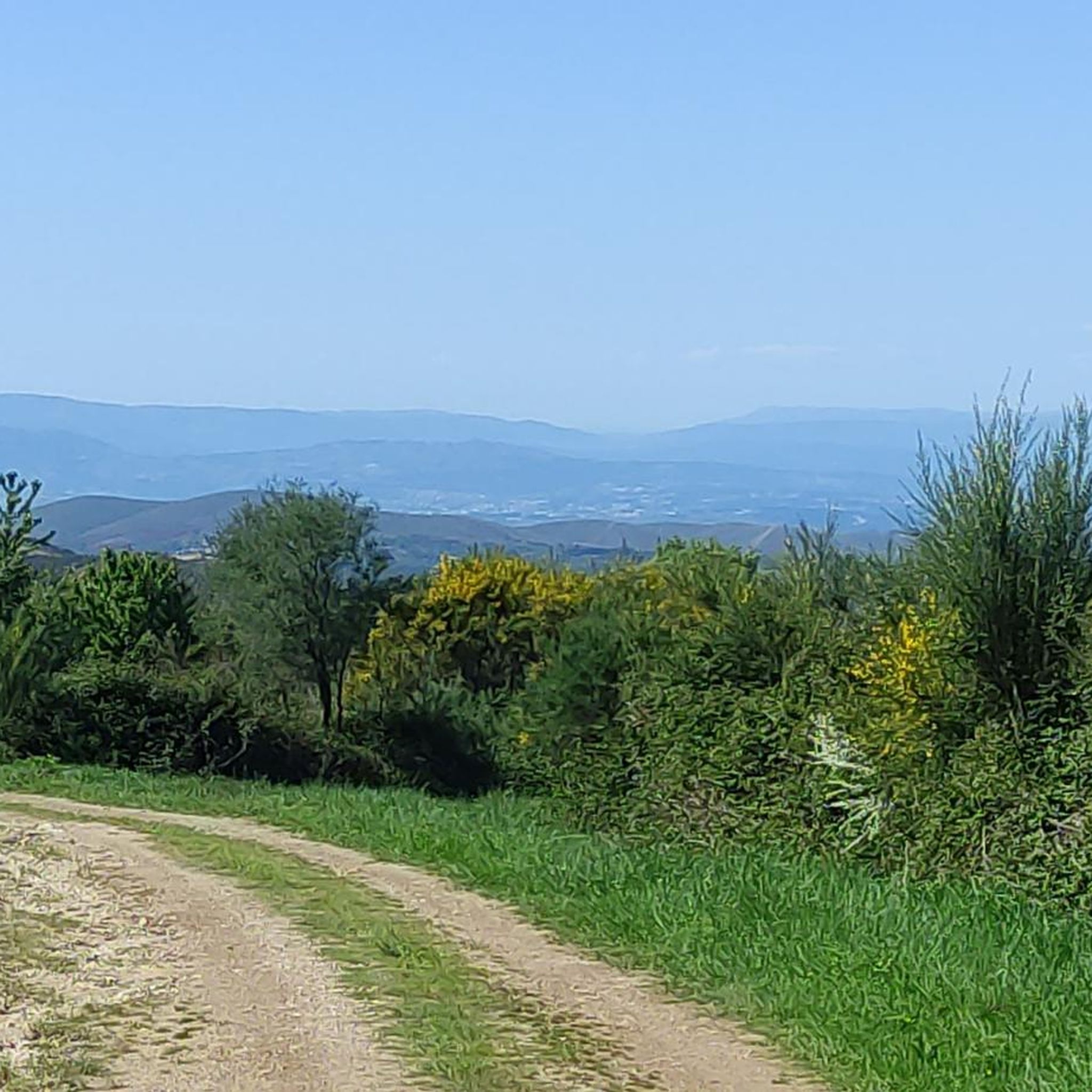
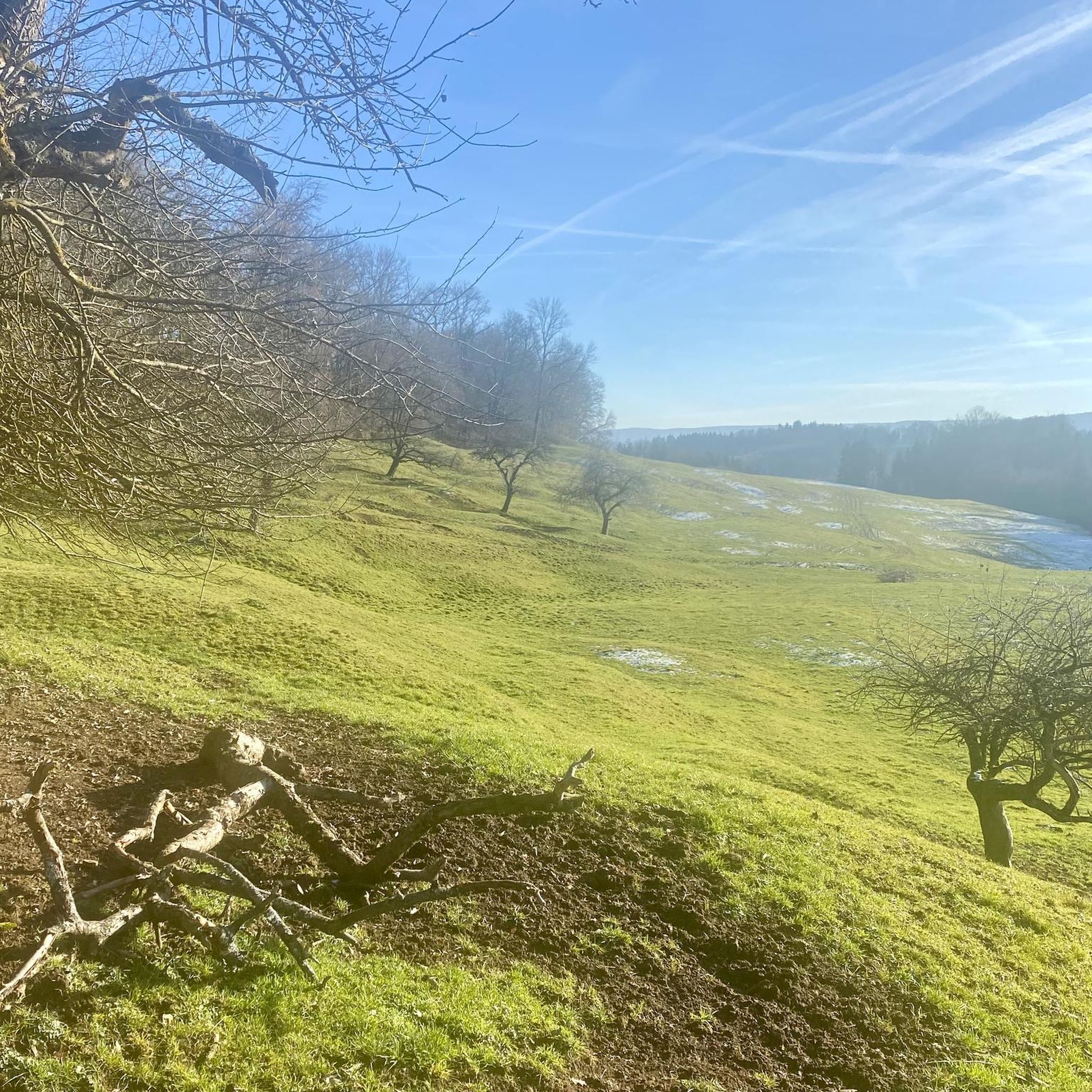
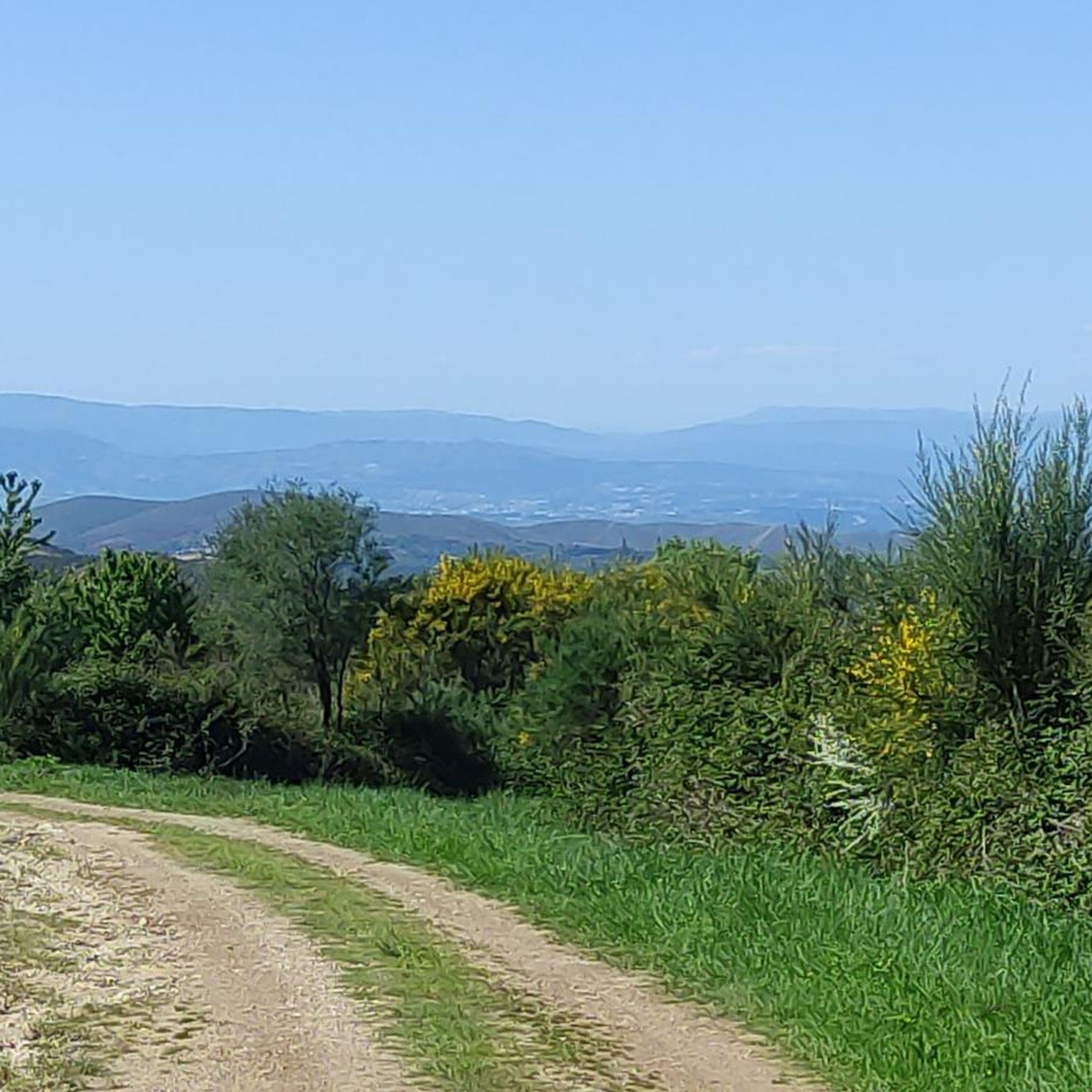
Tips from the Community

The Bridge of Trajan (often simply called the Roman Bridge) is, without a doubt, the most important monument in Chaves. It is worth visiting because it is not just an "old stone bridge"; it is a masterpiece of engineering that defines the city's identity. Here are the 4 main reasons why: 1. Walking on 2,000 Years of History This is one of the best-preserved Roman bridges in the entire Iberian Peninsula. It was built between the late 1st and early 2nd century AD, during the reign of Emperor Trajan. The Feeling: Crossing it on foot (cars are forbidden) means you are literally walking on the same stones as Roman legions, medieval merchants, and Napoleonic troops. It is an instant trip back in time. 2. Engineering that Defies Time It is worth looking closely at the structure to understand why it is still standing. The Tâmega River is known for its violent floods, yet the bridge has withstood them for two millennia. The Secret: If you go down to the riverbank, notice the cutwaters (the triangular structures at the base of the pillars). They were designed to "cut" the force of the water and prevent the bridge from collapsing. It is a live lesson in ancient architecture. 3. The Stones that "Speak" (Milestones) In the middle of the bridge, you will find two cylindrical stone columns (milestones) with Latin inscriptions. One of them is particularly important: the "Padrão dos Povos" (Standard of the Peoples). The inscription lists the 10 local tribes of the region (the "Aquiflavienses") who contributed to the construction of the bridge. It is a historical document carved in stone that has survived to this day. 4. The Photogenic Scenery The bridge connects the historic center to the Madalena neighborhood and is set within a beautiful public garden (Jardim do Tabolado). It is the perfect spot to watch the sunset, seeing the reflection of the arches in the water with the Castle of Chaves dominating the landscape high above. Visitor Tip: After crossing the bridge coming from the historic center, turn left and walk along the landscaped riverbanks. There are stepping stones (pedras poldras) nearby in the water that allow you to see the grandeur of Trajan's Bridge from an impressive low angle.
2
0

The medieval castle At the time of the Christian Reconquest of the Iberian Peninsula, Chaves was initially taken from the Moors by Alfonso III of León (866-910), who ordered the reconstruction of its defenses. This original construction of the castle is attributed to Count Odoarius in the 9th century. In the first quarter of the 10th century, however, Chaves fell back under Moorish rule.
0
0
everything around is beautiful to appreciate
1
0
Tâmega and Corgo International Ecovia "Poldrado de Curalha - 1889. Designed by Engineer Augusto Xavier Teixeira, this granite bridge (poldras or walkway) is very well preserved and is used for people and animals to cross the river.
0
0

The 140 metre-long Ponte Trajano (Trajan Bridge) in Chaves in the Trás-os-Montes region of north eastern Portugal dates from the reign of the Emperor Trajan (53-117) in the early second century AD. The Emperor Trajan was known as a great promoter of public works including the Trajan Forum and Trajan Column in Rome.
6
0
The Roman Bridge of Chaves, also known as Trajan's Bridge, is located over the River Tâmega and was built between the end of the 1st century and the beginning of the 2nd century. Along with the development of the thermal baths, it constitutes one of the best Roman legacies of the ancient Águas Flávias, which still stands today, withstanding historic floods and the strong currents of the river. Approximately one hundred and fifty metres long and with a dozen visible arches, the works carried out in the 1930s covered some of the arches and others were still buried in the construction of the houses built there and overlooking the river.[citation needed] In 2008 it became a pedestrian bridge.
6
0

This stone arch bridge is also called Trajan's Bridge.
4
1

Committed enduro-type portion for mountain bikes
0
0
Frequently Asked Questions
How many mountain bike trails are available in Águas Frias?
There are over 40 mountain bike trails in the Águas Frias region, offering a diverse range of experiences for riders. These routes are highly rated by the komoot community, with an average score of 4.3 stars from over 27 reviews.
What kind of terrain can I expect when mountain biking in Águas Frias?
The terrain in Águas Frias is quite varied. Depending on the specific area, you might encounter high desert views, technical climbs, flowing descents, rock gardens, and off-camber sections. Some areas feature grass-capped mesas and deep canyons, with trails that can be rough and rocky.
What are the typical difficulty levels for mountain bike trails in Águas Frias?
Mountain bike trails in Águas Frias cater to various skill levels. You'll find a good mix of routes, including 4 easy, 20 moderate, and 16 difficult trails. This ensures options for beginners looking for a relaxed ride as well as experienced riders seeking a challenge.
Are there any family-friendly mountain bike trails in Águas Frias?
While many routes in Águas Frias involve significant elevation changes and can be quite long, there are 4 easy trails available. For example, the Palácio de Vidago – Poldrado de Curalha loop from Chaves is rated as moderate but offers a balanced ride with varied elevation, which might be suitable for families with some riding experience.
What are some notable landmarks or attractions I can see near the mountain bike trails?
The region around Águas Frias offers several interesting landmarks. You can explore the historic Chaves Old Town, visit the ancient Trajan Bridge (Chaves Roman Bridge), or see the Poldrado de Curalha. There's also the Chaves Thermal Spring for a natural point of interest.
Are there mountain bike trails that form a loop in Águas Frias?
Yes, many of the mountain bike routes in Águas Frias are designed as loops, allowing you to start and finish at the same point. Examples include the challenging Poldrado de Curalha – Ponte de Trajano loop from Chaves and the moderate Ponte de Trajano – Castle of Santo Estêvão loop from Chaves.
What is the typical elevation gain on mountain bike trails in Águas Frias?
Mountain biking in Águas Frias often involves significant elevation changes. For instance, the Trajan Roman Bridge – Keep Tower of Chaves Castle loop from Chaves features over 1,000 meters of ascent, while the Keep Tower of Chaves Castle loop from Chaves has over 700 meters of climbing.
What do other mountain bikers enjoy most about the trails in Águas Frias?
The komoot community highly rates the mountain biking in Águas Frias, with an average score of 4.3 stars. Riders often praise the long-distance routes, the significant elevation changes that offer a good workout, and the varied terrain that keeps rides interesting.
Is it possible to access mountain bike trails in Águas Frias using public transport?
While specific public transport options directly to trailheads are not detailed, many routes, such as those starting from Chaves, are accessible from urban centers. It's advisable to check local public transport schedules for connections to the starting points of your chosen trails.
Are there any specific natural features to look out for while mountain biking in the region?
Yes, the broader Agua Fria region (such as the National Monument in Arizona) is known for its diverse natural landscapes, including grass-capped mesas, deep canyons, and vital streams. You might also spot diverse wildlife like coyotes, bobcats, antelope, and various bird species, especially near the Agua Fria River.
What is the best time of year for mountain biking in Águas Frias?
The Murciélagos Bike Park in Tehuacán, which features the 'Aguas frías' trail, is open year-round. However, for other areas, consider the local climate. Regions with high desert views might be best enjoyed in spring or autumn to avoid extreme summer heat, while winter can bring cooler temperatures.
Most popular routes around Águas Frias
Most popular attractions around Águas Frias

Get inspired with the komoot mobile app


Explore more
Browse the best MTB trails in other regions.
