Attractions and Places To See around Mesão Frio (Santa Cristina) - Top 20
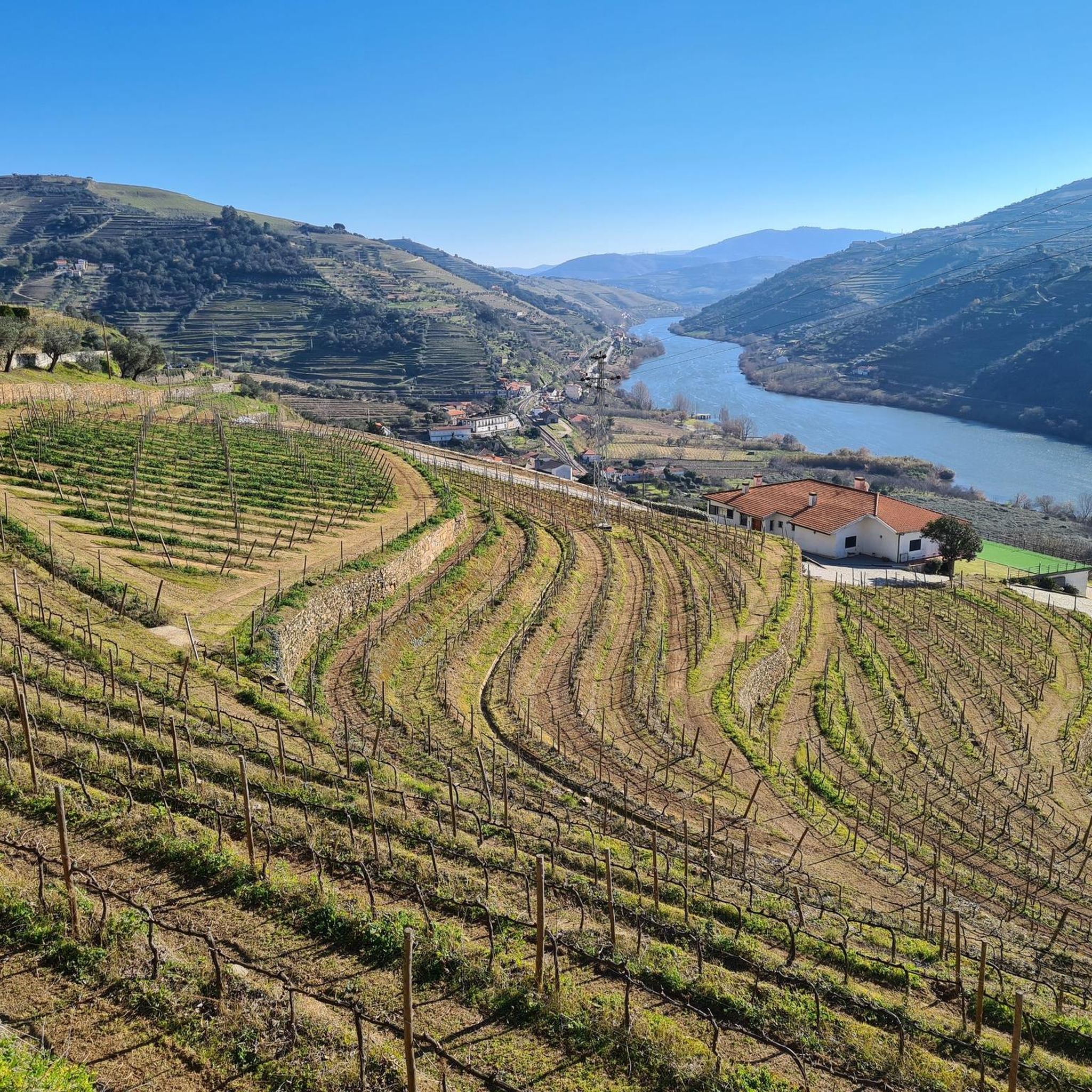
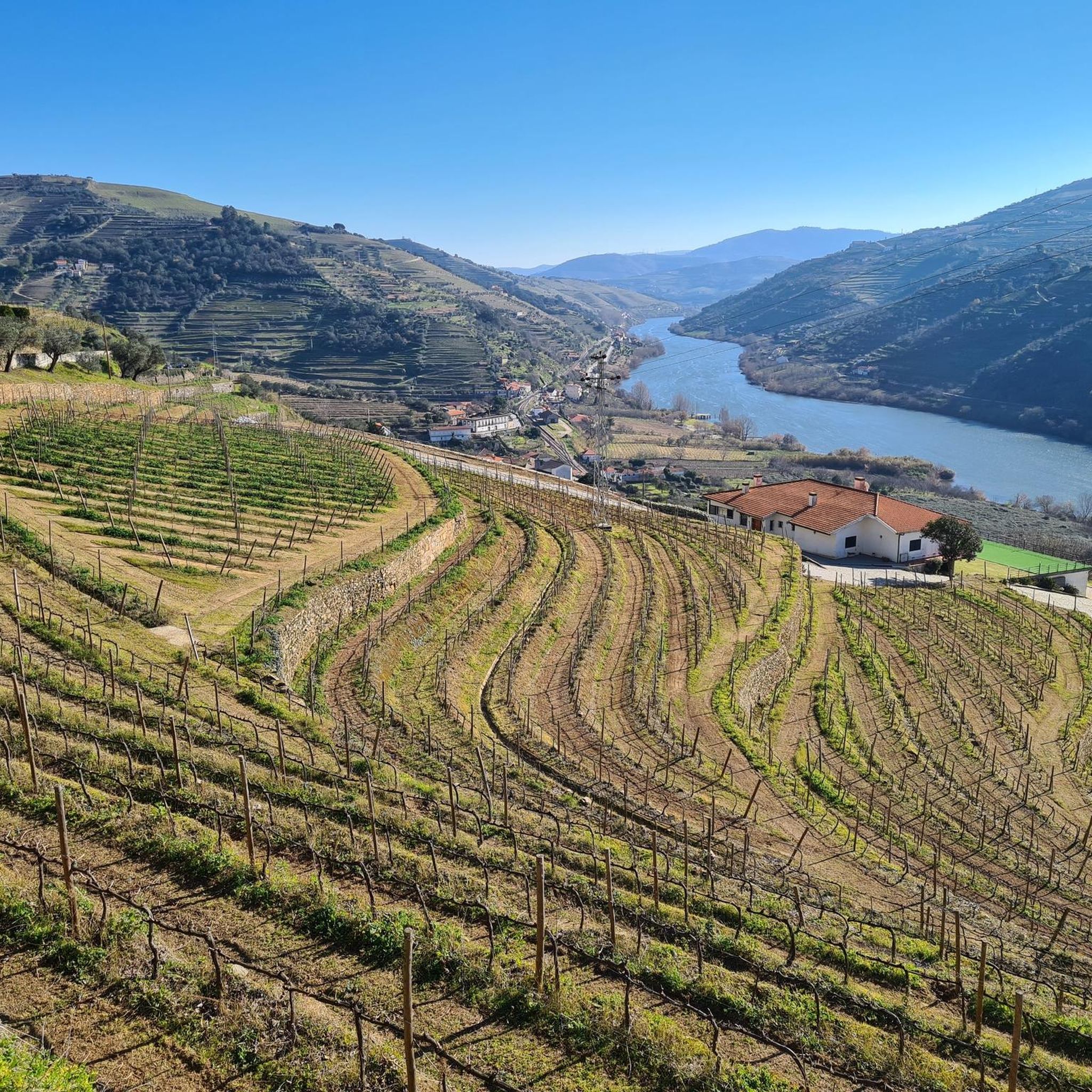
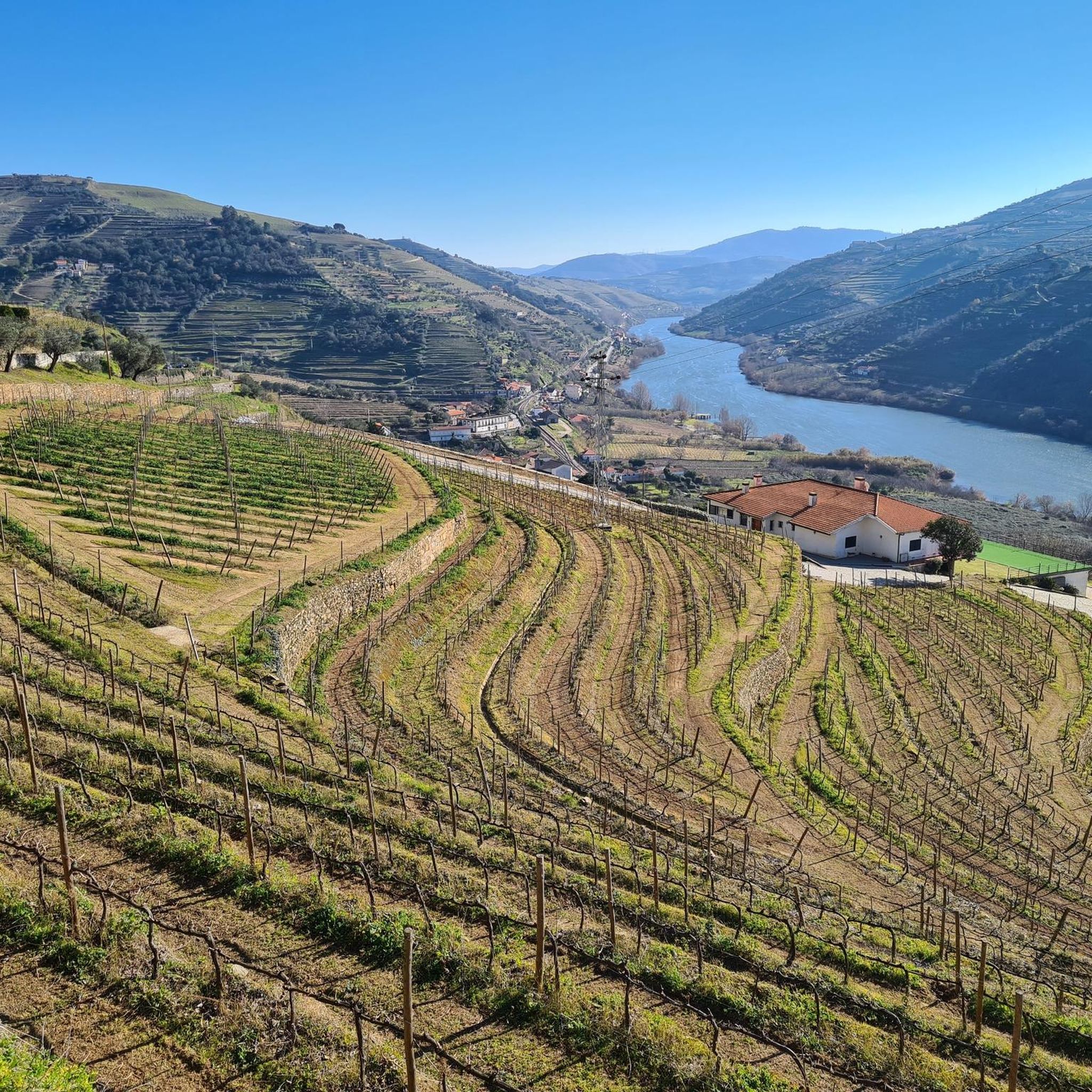
Best attractions and places to see around Mesão Frio (Santa Cristina) include a rich array of historical sites, natural features, and cultural experiences. Situated on the right bank of the Douro River, the region is known as the "Door of the Douro" and is integral to the world's oldest wine region. Visitors can explore terraced vineyards, significant viewpoints, and historical landmarks. The area offers diverse attractions for those interested in its unique landscape and heritage.
Best attractions and places to…
Last updated: July 29, 2026
Lamego Castle
Highlight • Castle
Translated by Google •
Tip by

Douro River cruise dock, Peso da Régua
Highlight • Rest Area
Translated by Google •
Tip by

Sign up now to discover places like this
Get recommendations on the best single tracks, peaks, & plenty of other exciting outdoor places.
Sign up for free
Régua Pedestrian Bridge
Highlight • Bridge
Translated by Google •
Tip by
Casa do Douro (House of the Douro)
Highlight • Monument
Translated by Google •
Tip by

Monument to Gago Coutinho and Sacadura Cabral
Highlight • Monument
Translated by Google •
Tip by
Sign up for free to discover even more attractions around Mesão Frio (Santa Cristina).
Sign up for free
Already have an account?
Start today with a free account
Your next adventure awaits.
Login or Signup

Tips from the Community

This highlight is located in Peso da Régua and NOT in Lisbon. Please don't be confused by the misleading comment below. The same goes for the numerous photos, none of which belong here.
2
0

A worthwhile museum, which scores points despite/or because of its very minimalist presentation of the subject matter. At the end, enjoy a port wine on the terrace of the museum's café.
1
0
The bridge is really well-made. The view from the bridge is beautiful, even though there's still a lot that could be done with the buildings at the end.
2
0

The Casa do Douro was established in 1932 as the Douro Winemakers' Union Federation. Its headquarters, dating from 1944, with its exterior clad in polished granite, was designed by Portuguese architect José Porto. Inside, noteworthy are the stained-glass window by painter Lino António and the grand hall, with three central crystal chandeliers, shaped like clusters and weighing over a ton, as well as the Pombaline marker identified with the number 1. When the Douro region was first demarcated, 331 granite markers were placed. The Pombaline markers (so named because the demarcation was designed by the Marquis of Pombal) are all different and share the word Feitoria (vinho de feitoria, synonymous with better-quality wine) and the year (1758 or 1761). At the time, wines were classified according to their quality and destination. The best wine, known as Vinho de Feitoria, was sent to England; Vinho de Embarque was exported to Brazil; and Vinho de Ramo was sold in Portugal. The stained glass window of the Casa do Douro, by painter Lino António, encapsulates the entire dynamic of the Douro Demarcated Region. It covers an area of 50m2 and forms a triptych. In the center panel, we see three large figures. The central figure represents the Casa do Douro and holds a scroll that reads "... Casa do Douro, decree 21,883, November 1932." This means that the government, through the aforementioned Decree-Law, created the Union Federation of Winegrowers of the Douro Region in November 1932, now known as Casa do Douro.
1
0
The monument to Gago Coutinho and Sacadura Cabral in Lisbon was erected in honor of their joint crossing of the South Atlantic route by air. Coutinho and Cabral were the first to complete this journey. They flew from Lisbon to Rio de Janeiro, Brazil, in 1922. Gago Coutinho's account of the flight, along with other documents, was declared a UNESCO World Heritage Site in 2010. You can see the monument to the two adventurers in the Belém district, just a few meters from Lisbon's landmark, the Torre de Belém. It is a remarkable replica of the aircraft used in the successful Atlantic crossing.
1
2
In honor of the fearless Portuguese aviators, responsible for the first crossing of the South Atlantic, connecting Lisbon to Rio de Janeiro.
3
0
The Casa do Douro was founded in 1932 as a cooperative association of Douro winegrowers. This house, built in 1944, is the original home.
3
0

Castelo de Lamego was constructed during the 12th century and was an important defensive structure during the Middle Ages. The castle underwent various renovations over the centuries, with the addition of Gothic and Manueline elements in the 15th and 16th centuries. Today, the castle is mostly in ruins, but visitors can still see the remaining walls, towers, and gates that once surrounded the fortress. The castle is situated on a hill overlooking the city and offers panoramic views of the surrounding landscape.
2
0
Frequently Asked Questions
What historical sites can I explore in Mesão Frio (Santa Cristina)?
Mesão Frio (Santa Cristina) is rich in history. You can visit the São Nicolau Mother Church and the Convent of São Francisco, which now serves as the Town Hall. Other notable sites include the Pillory of Barqueiros, the ancient Castro de Cidadelhe, and the Martinhos (Roman) Bridge. Don't miss the Casa do Douro, which houses one of the original 18th-century Pombaline markers, signifying the demarcation of the Douro wine region.
Where can I find the best panoramic views of the Douro Valley?
The region is famous for its breathtaking viewpoints. The São Silvestre Viewpoint offers extensive views of the vineyards and Douro River, especially beautiful at sunrise. The Imaginário Viewpoint, known as the 'Douro Gate,' provides an amphitheater-like vista of the terraced vineyards. Other excellent spots include the Barqueiros Viewpoint, Torre de Santa Cristina Viewpoint, and Donsumil Viewpoint, all offering stunning perspectives of the UNESCO World Heritage landscape.
Are there any family-friendly attractions or activities in the area?
Yes, there are several options for families. The Régua Pedestrian Bridge is a nice wide footbridge that offers safe crossing over the Douro River with views of other bridges. The Régua and the Douro River area is also family-friendly, offering a chance to see the river and learn about port wine cultivation. For a unique experience, consider visiting the Tricycle Museum at Quinta de São José, which displays over 200 tricycles, some dating back to the 19th century.
What outdoor activities are available for visitors?
Mesão Frio (Santa Cristina) offers a variety of outdoor activities, particularly centered around the Douro River and its surrounding landscapes. You can enjoy river cruises on the Douro, explore the terraced vineyards, or visit the River Teixeira Beach for leisure. For more active pursuits, there are numerous trails for hiking and cycling. You can find detailed routes for hiking, road cycling, and running in the area.
Can I go hiking or cycling near these attractions?
Absolutely! The surroundings of Mesão Frio (Santa Cristina) are ideal for hiking and cycling. For hiking, you can explore routes like the 'On the banks of the Douro – Douro Valley Wine Route loop from Samodães' or the 'Miradouro de Donsumil loop from Mesão Frio'. Cyclists can enjoy challenging road cycling routes such as the 'Régua Pedestrian Bridge – Douro Valley loop from Régua'. Find more routes and details on the dedicated hiking and road cycling guide pages.
What is the best time of year to visit Mesão Frio (Santa Cristina) for outdoor activities?
The spring (April to June) and autumn (September to October) months are generally considered the best times to visit for outdoor activities. During these periods, the weather is pleasant for hiking, cycling, and exploring the vineyards, and the landscapes are particularly vibrant with blooming flowers or autumn colors. Summers can be quite hot, while winters are milder but may have more rainfall.
Are there any cultural experiences related to wine in Mesão Frio (Santa Cristina)?
Yes, wine tourism is central to the region's identity. As part of the Douro Demarcated Region, you can visit local wine estates for tastings and learn about the winemaking process. The Casa do Douro, originally a cooperative association of Douro winegrowers, offers insights into the history and significance of wine production in the area. You can also visit the Rabelo Boat Interpretive Centre, which pays tribute to the traditional boats that transported Port wine barrels.
What are some lesser-known or 'hidden gem' attractions?
Beyond the main viewpoints and historical sites, you might enjoy discovering the Traditional Mills of the River Teixeira Beach, which offer a glimpse into local traditions and natural beauty. Exploring the various chapels scattered throughout the municipality, such as the Chapel of Saint Anthony and São Silvestre Chapel, can also reveal charming, less-trafficked spots. The Rua do Balcão, a historic street known for its role in a popular 'battle' against Napoleonic troops, offers a unique historical anecdote.
Is Mesão Frio (Santa Cristina) accessible for visitors with mobility challenges?
While some historical sites and viewpoints in the hilly Douro region may present challenges, efforts have been made to improve accessibility in certain areas. The Régua Pedestrian Bridge is noted as wheelchair accessible, offering a wide and safe crossing. When planning your visit, it's advisable to check specific accessibility details for individual attractions or routes, as the terrain can vary.
Where can I learn about the history of the Douro wine region?
The Casa do Douro is an excellent place to start. Founded in 1932, its headquarters, built in 1944, features a significant stained-glass window depicting the dynamics of the Douro Demarcated Region and houses one of the original Pombaline markers from the 18th century. Additionally, the Rabelo Boat Interpretive Centre provides historical context on the traditional transport of Port wine along the river.
What kind of local cuisine should I try in Mesão Frio (Santa Cristina)?
Mesão Frio is known for its rich and flavorful cuisine, emphasizing local spices and ingredients. You should definitely try dishes that incorporate regional produce and traditional recipes. Given its location in the Douro wine region, pairing your meals with local Douro wines, especially Port wine, is a must. Look for local restaurants that offer authentic Portuguese dishes.
Are there any options for water activities on the Douro River?
The Douro River is a central feature of the region, offering opportunities for various water activities. River cruises are a popular way to experience the stunning landscapes and terraced vineyards from a different perspective. Many boat trips begin or end at Régua and the Douro River. While not explicitly mentioned for wild swimming, the River Teixeira Beach provides a designated spot for leisure by the water.
Most popular routes around Mesão Frio (Santa Cristina)
Most popular attractions around Mesão Frio (Santa Cristina)

Get inspired with the komoot mobile app


Explore more
Still not found the Highlight you’re looking for? See guides of the top attractions in other regions:
