Attractions and Places To See around Loureiro - Top 20
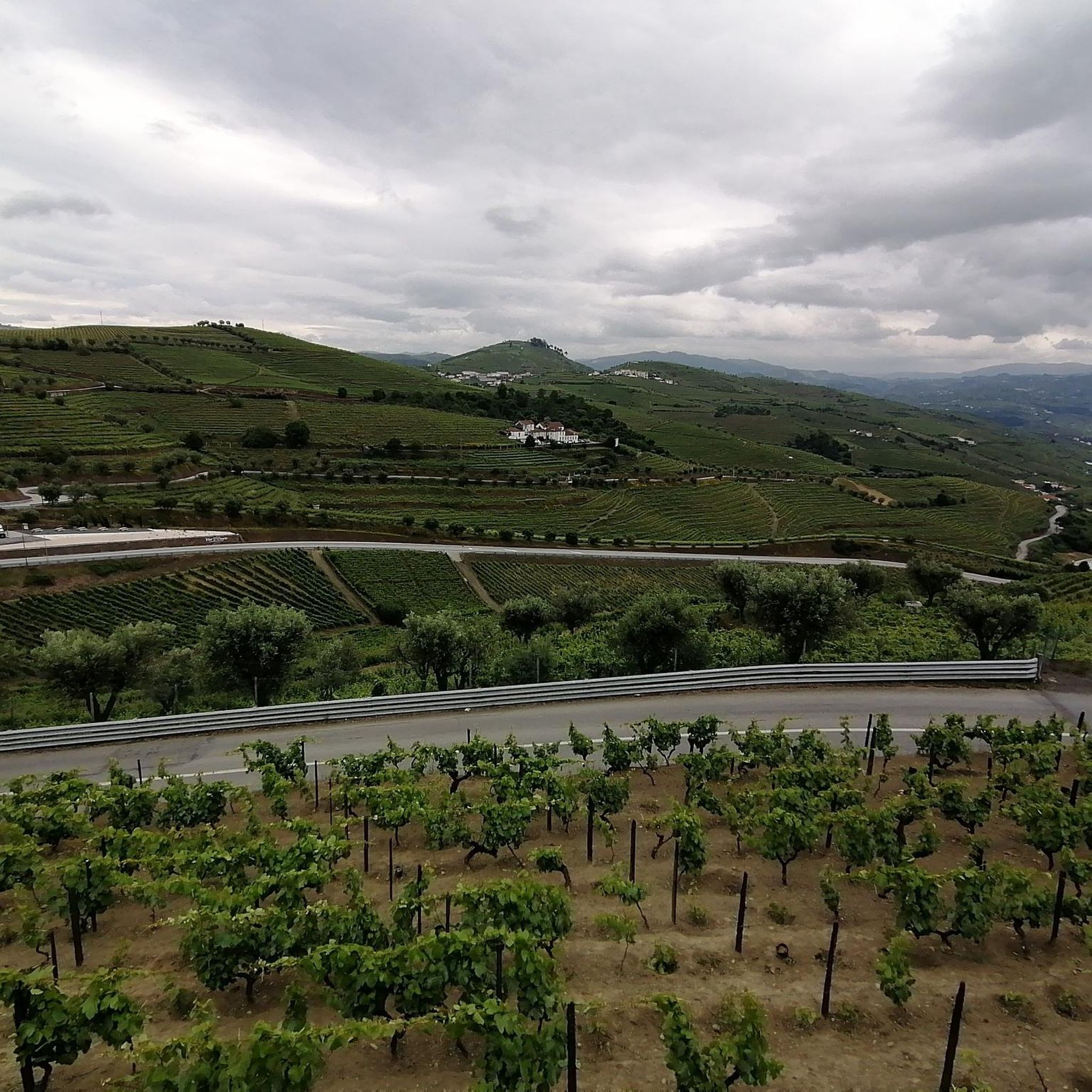
Best attractions and places to see around Loureiro, Portugal, are primarily found within the Douro Valley region, near Peso da Régua. This area is characterized by its terraced vineyards, the Douro River, and its significant role in Port wine production. Visitors can explore a landscape rich in historical sites, river views, and cultural landmarks. The region offers a blend of natural beauty and man-made structures that reflect its heritage.
Best attractions and places to see around Loureiro
- The most popular…
Last updated: May 20, 2026
Lamego Castle
Highlight • Castle
Translated by Google •
Tip by

Douro River cruise dock, Peso da Régua
Highlight • Rest Area
Translated by Google •
Tip by

Sign up now to discover places like this
Get recommendations on the best single tracks, peaks, & plenty of other exciting outdoor places.
Sign up for free
Régua Pedestrian Bridge
Highlight • Bridge
Translated by Google •
Tip by
Casa do Douro (House of the Douro)
Highlight • Monument
Translated by Google •
Tip by

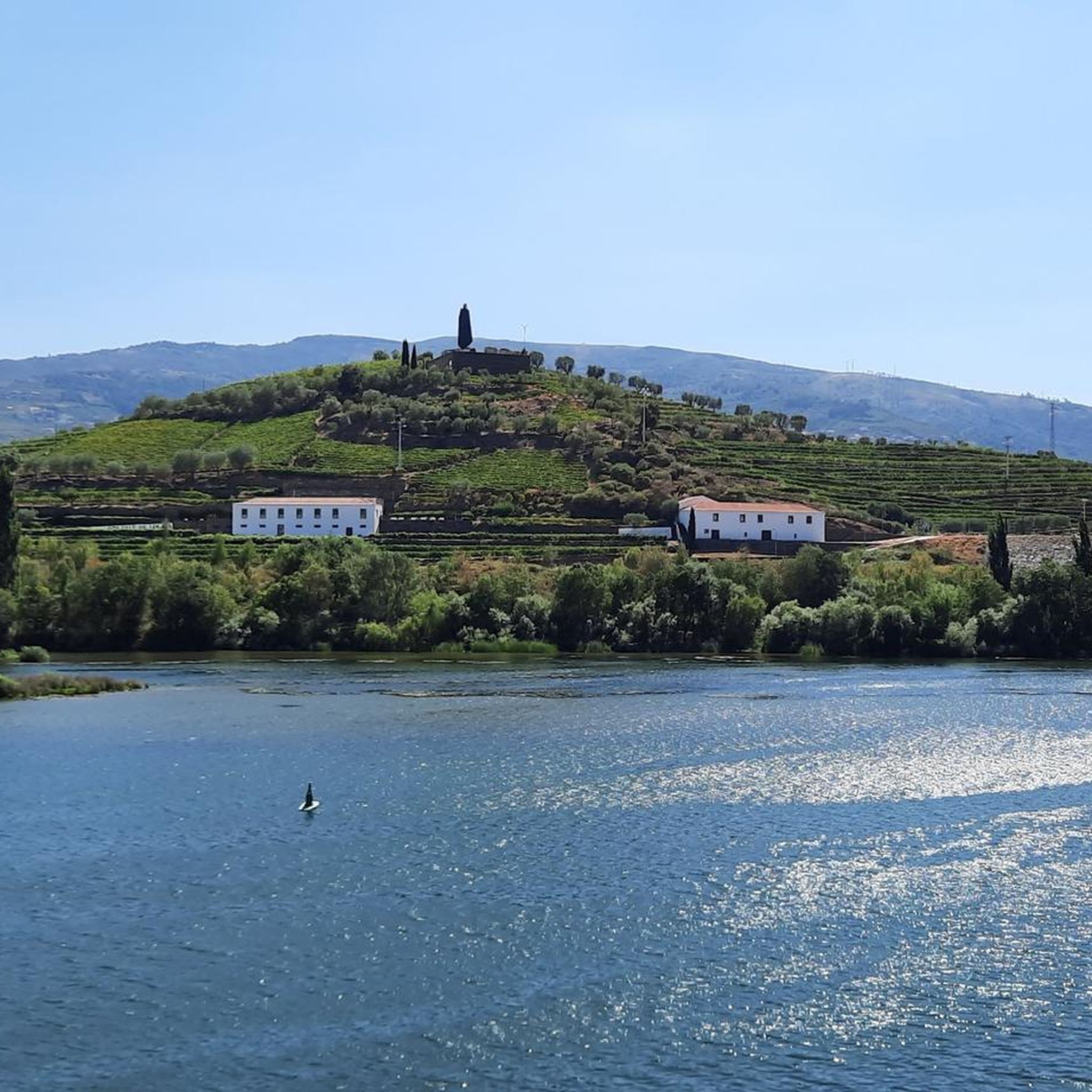
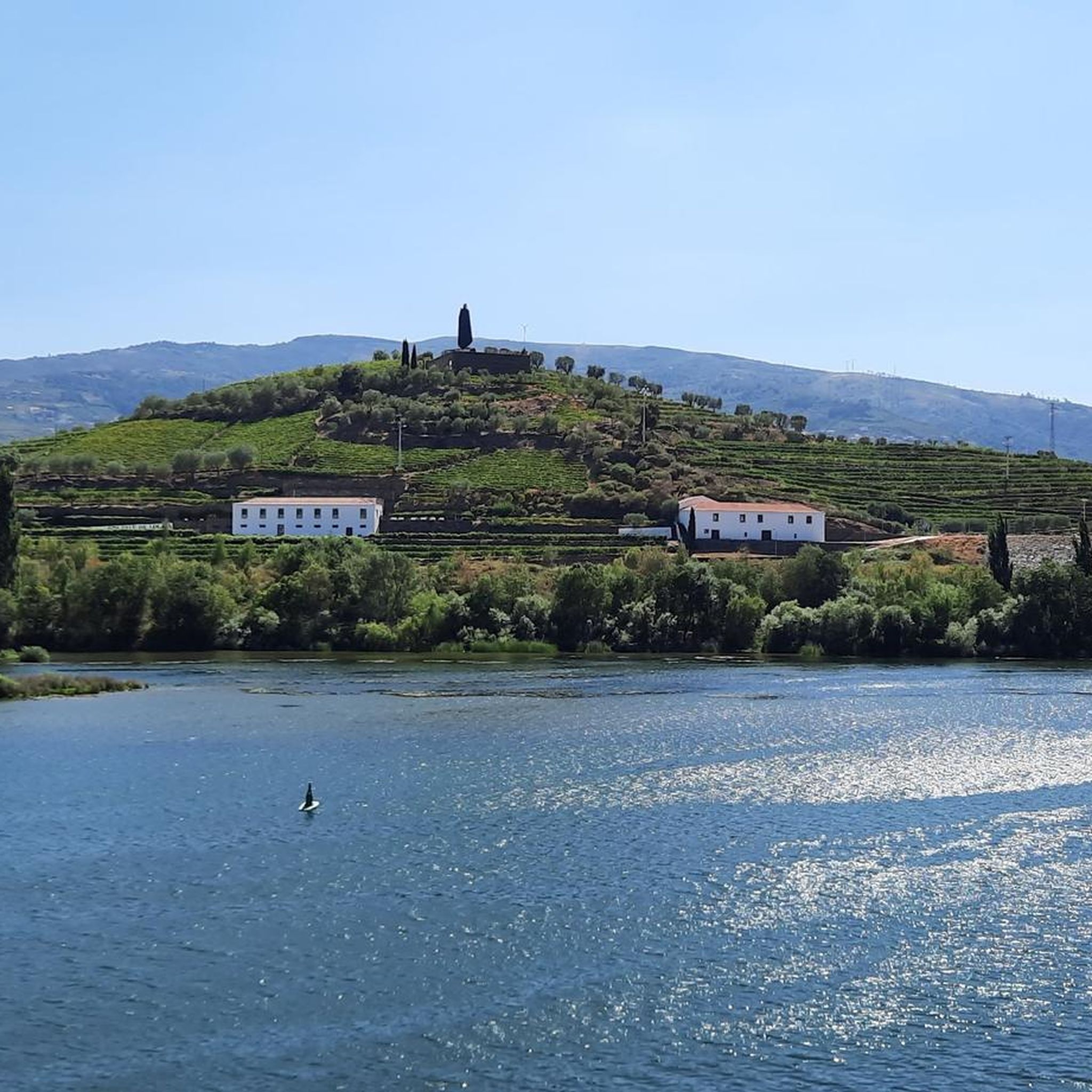
Régua and the Douro River
Highlight • River
Translated by Google •
Tip by
Sign up for free to discover even more attractions around Loureiro.
Sign up for free
Already have an account?
Start today with a free account
Your next adventure awaits.
Login or Signup

Tips from the Community

A worthwhile museum, which scores points despite/or because of its very minimalist presentation of the subject matter. At the end, enjoy a port wine on the terrace of the museum's café.
1
0
The bridge is really well-made. The view from the bridge is beautiful, even though there's still a lot that could be done with the buildings at the end.
2
0

The Casa do Douro was established in 1932 as the Douro Winemakers' Union Federation. Its headquarters, dating from 1944, with its exterior clad in polished granite, was designed by Portuguese architect José Porto. Inside, noteworthy are the stained-glass window by painter Lino António and the grand hall, with three central crystal chandeliers, shaped like clusters and weighing over a ton, as well as the Pombaline marker identified with the number 1. When the Douro region was first demarcated, 331 granite markers were placed. The Pombaline markers (so named because the demarcation was designed by the Marquis of Pombal) are all different and share the word Feitoria (vinho de feitoria, synonymous with better-quality wine) and the year (1758 or 1761). At the time, wines were classified according to their quality and destination. The best wine, known as Vinho de Feitoria, was sent to England; Vinho de Embarque was exported to Brazil; and Vinho de Ramo was sold in Portugal. The stained glass window of the Casa do Douro, by painter Lino António, encapsulates the entire dynamic of the Douro Demarcated Region. It covers an area of 50m2 and forms a triptych. In the center panel, we see three large figures. The central figure represents the Casa do Douro and holds a scroll that reads "... Casa do Douro, decree 21,883, November 1932." This means that the government, through the aforementioned Decree-Law, created the Union Federation of Winegrowers of the Douro Region in November 1932, now known as Casa do Douro.
1
0

The Casa do Douro was founded in 1932 as a cooperative association of Douro winegrowers. This house, built in 1944, is the original home.
3
0

Thank you for sharing the spectacular photos.👍
0
0

Castelo de Lamego was constructed during the 12th century and was an important defensive structure during the Middle Ages. The castle underwent various renovations over the centuries, with the addition of Gothic and Manueline elements in the 15th and 16th centuries. Today, the castle is mostly in ruins, but visitors can still see the remaining walls, towers, and gates that once surrounded the fortress. The castle is situated on a hill overlooking the city and offers panoramic views of the surrounding landscape.
2
0
If there is more than one ship moored at the dock, it is better to avoid the city because it will be too crowded.
3
3
Visit the Douro Museum The Douro Museum, as a regional museum, has the mission of representing the natural and cultural heritage of the Douro Demarcated Region, consecrated with the status of World Heritage by UNESCO as a cultural, evolving and living landscape. The Douro Museum headquarters is located in the city of Peso da Régua, the result of the renovation of one of the most emblematic buildings in the history of the Douro Demarcated Region from the 18th century, the Casa da Companhia, inaugurated on 20 December 2008. Combining tradition and modernity, it is a collective space of memory and identity of the wine region, in constant dialogue with the present, and at the same time, as an instrument for promoting the activities associated with winemaking, cultural tourism and wine tourism. It consists of a central space – the Exhibition Area – where the permanent exhibition “Douro: Matter and Spirit” is located. Surrounding this exhibition space are the “A Companhia” Restaurant, the Shop, the Information Centre (Archive and Library), the Reading Room, the Conservation and Restoration Centre, the Wine Bar and the Garden Terrace with views over the Douro River. In the adjacent space there is another building of modern architecture covered with black slate panels, which houses the Educational Service.
3
1
Frequently Asked Questions
What historical and cultural sites can I explore around Loureiro?
The region around Loureiro, particularly in the Douro Valley, is rich in history. You can visit Lamego Castle, a 12th-century defensive structure offering panoramic views of Lamego. Another significant site is the Casa do Douro (House of the Douro), the original headquarters of the Douro Winemakers' Union Federation, established in 1932, featuring notable architecture and stained-glass art.
What kind of views can I expect to see in the Loureiro area?
The Loureiro area, situated in the Douro Valley, is renowned for its breathtaking landscapes. You can enjoy expansive views of the terraced vineyards and the Douro River. The Régua Pedestrian Bridge offers excellent vantage points of the river and other bridges. From Lamego Castle, you get an all-round view of Lamego and the surrounding countryside. The region also boasts several viewpoints like São Leonardo de Galafura and Monte Raso, offering stunning panoramas.
Are there any easy hiking trails suitable for families around Loureiro?
Yes, there are several easy hiking options. For instance, the "Régua and the Douro River – Régua Pedestrian Bridge loop from Godim" is an easy 5.9 km route. Another family-friendly option is the "Régua Riverside Promenade – Casa do Douro (House of the Douro) loop from Peso da Régua," which is about 5 km. You can find more easy hikes in the area on the Easy hikes around Loureiro guide.
What outdoor activities, besides hiking, are available near Loureiro?
Beyond hiking, the region offers opportunities for mountain biking and running. You can explore various MTB trails, such as the challenging "View of the Douro Valley – Start of the Ecopista do Corgo loop from Régua" (42.8 km). For runners, there are moderate routes like the "Cisterna de Lamego loop from Lamego" (7.2 km). Discover more options in the MTB Trails around Loureiro and Running Trails around Loureiro guides.
What is the significance of the Douro River in the Loureiro region?
The Douro River is central to the Loureiro region, particularly near Peso da Régua. It is intrinsically linked to Port wine cultivation and serves as a major tourist attraction. The river is a starting or ending point for scenic boat trips, allowing visitors to experience the landscape from a unique perspective. The Régua and the Douro River highlight emphasizes its importance for wine, landscape, and river excursions.
Are there any attractions around Loureiro that are wheelchair accessible?
Yes, some attractions in the area are noted for their accessibility. The Régua Pedestrian Bridge, which offers views of the Douro River, is wheelchair accessible. Additionally, the Douro River cruise dock in Peso da Régua is also listed as wheelchair accessible, providing access to river experiences.
What do visitors enjoy most about the attractions around Loureiro?
Visitors particularly appreciate the stunning views of the Douro River and the surrounding landscape, especially from spots like the Régua Pedestrian Bridge and Lamego Castle. The connection to Port wine cultivation and the opportunity for boat trips on the Douro are also highly valued. Many find the historical context and the blend of natural beauty with man-made structures reflecting the region's heritage to be very appealing.
Can I take a boat trip on the Douro River from near Loureiro?
Yes, the town of Régua, very close to Loureiro, is a key hub for Douro River boat trips. The Douro River cruise dock in Peso da Régua is a popular starting or ending point for these excursions, offering a unique perspective of the valley and its vineyards.
What is the best time of year to visit Loureiro and the Douro Valley?
The Douro Valley, including the Loureiro area, is beautiful throughout the year, but spring (April-May) and autumn (September-October) are often considered the best times to visit. In spring, the valley is lush and green, with almond blossoms in bloom. Autumn offers the vibrant colors of the grape harvest (vindima) and pleasant weather for outdoor activities and wine tasting.
Are there any specific bridges of interest in the Loureiro area?
Yes, the Régua Pedestrian Bridge is a notable structure. It provides a safe and pleasant way to cross the Douro River and offers excellent views of the other two bridges in the area – a motorway bridge and a car bridge – as well as the river itself. It's a popular spot for a stroll and to take in the scenery.
Where can I learn more about the Douro Valley's wine culture and history?
To delve deeper into the region's wine culture, you can visit the Casa do Douro (House of the Douro), which was established to represent Douro winegrowers. Additionally, the Douro Museum in Peso da Régua is dedicated to the history and culture of the Douro Valley wine region, offering comprehensive insights into its viticultural heritage.

Get inspired with the komoot mobile app


Explore more
Still not found the Highlight you’re looking for? See guides of the top attractions in other regions:
