The best road cycling routes around Soutelo De Aguiar
5.0
(1)
244
riders
19
rides
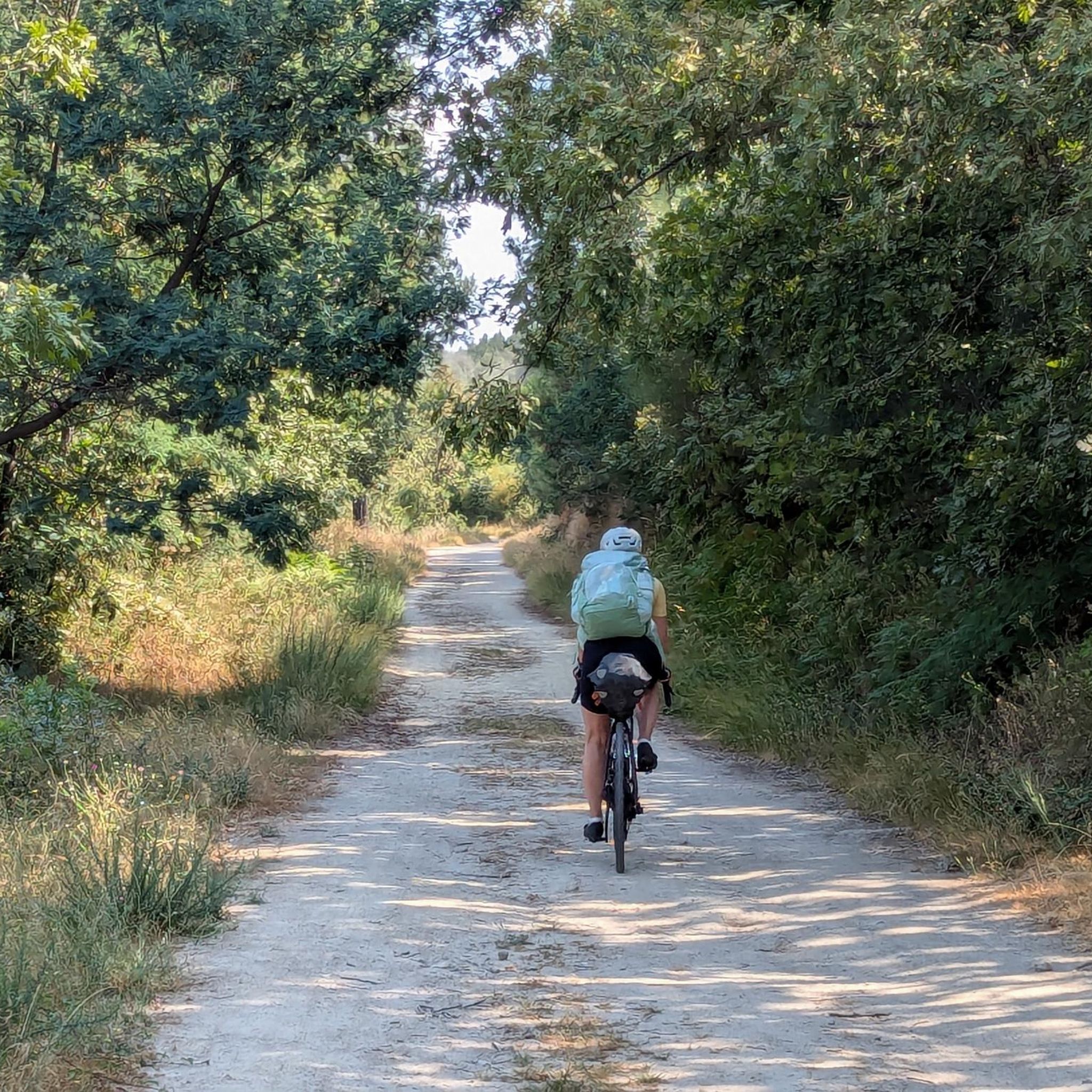
Road cycling routes around Soutelo De Aguiar traverse a diverse and challenging natural landscape within northern Portugal. The region features lush hills, impressive granite formations, and clear streams, providing a scenic backdrop for cyclists. Roads often present varied surfaces and steep climbs, with some gradients reaching up to 17%, rewarding cyclists with expansive views. This topography makes it suitable for experienced road cyclists seeking demanding rides through verdant hills and rugged terrain.
Best road cycling routes around Soutelo De Aguiar
…Last updated: November 11, 2026
31
riders
67.1km
03:19
1,030m
1,030m
Hard road ride. Very good fitness required. Mostly well-paved surfaces and easy to ride.
18
riders
93.1km
04:54
1,730m
1,730m
Hard road ride. Very good fitness required. Mostly well-paved surfaces and easy to ride.

10
riders
110km
05:32
1,660m
1,660m
Hard road ride. Very good fitness required. Mostly well-paved surfaces and easy to ride.
12
riders
91.6km
05:13
1,820m
1,820m
Hard road ride. Very good fitness required. Mostly well-paved surfaces and easy to ride.
5.0
(1)
12
riders
43.7km
02:17
630m
630m
Moderate road ride. Good fitness required. Some segments of this route may be unpaved and difficult to ride.
Get access to more routes and recommendations from other explorers.
Already have an account?
Our route recommendations are based on thousands of hikes, rides, and runs completed by other people on komoot.
Start today with a free account
Your next adventure awaits.
Popular around Soutelo De Aguiar
Tips from the Community

Town on the iconic EN2 road and the Ecopista do Corgo
0
0

The Roman Baths Museum, recently opened, is a must-see. It is located in Largo do Arrabalde, very close to the current baths. It is the largest Roman bath complex in the Iberian Peninsula. What makes this museum special is that, after an earthquake in the 4th century, the structures collapsed and remained "frozen" in time until they were rediscovered a few years ago. You can see the huge original stone pools where Roman legionaries bathed 2,000 years ago. The Roman Baths Museum What to see: It is the largest Roman bath complex in the Iberian Peninsula. What makes this museum special is that, following an earthquake in the 4th century, the structures collapsed and remained "frozen" in time until they were rediscovered a few years ago. You can see the huge original stone pools where Roman legionaries bathed 2,000 years ago.
0
0
The Bridge of Trajan (often simply called the Roman Bridge) is, without a doubt, the most important monument in Chaves. It is worth visiting because it is not just an "old stone bridge"; it is a masterpiece of engineering that defines the city's identity. Here are the 4 main reasons why: 1. Walking on 2,000 Years of History This is one of the best-preserved Roman bridges in the entire Iberian Peninsula. It was built between the late 1st and early 2nd century AD, during the reign of Emperor Trajan. The Feeling: Crossing it on foot (cars are forbidden) means you are literally walking on the same stones as Roman legions, medieval merchants, and Napoleonic troops. It is an instant trip back in time. 2. Engineering that Defies Time It is worth looking closely at the structure to understand why it is still standing. The Tâmega River is known for its violent floods, yet the bridge has withstood them for two millennia. The Secret: If you go down to the riverbank, notice the cutwaters (the triangular structures at the base of the pillars). They were designed to "cut" the force of the water and prevent the bridge from collapsing. It is a live lesson in ancient architecture. 3. The Stones that "Speak" (Milestones) In the middle of the bridge, you will find two cylindrical stone columns (milestones) with Latin inscriptions. One of them is particularly important: the "Padrão dos Povos" (Standard of the Peoples). The inscription lists the 10 local tribes of the region (the "Aquiflavienses") who contributed to the construction of the bridge. It is a historical document carved in stone that has survived to this day. 4. The Photogenic Scenery The bridge connects the historic center to the Madalena neighborhood and is set within a beautiful public garden (Jardim do Tabolado). It is the perfect spot to watch the sunset, seeing the reflection of the arches in the water with the Castle of Chaves dominating the landscape high above. Visitor Tip: After crossing the bridge coming from the historic center, turn left and walk along the landscaped riverbanks. There are stepping stones (pedras poldras) nearby in the water that allow you to see the grandeur of Trajan's Bridge from an impressive low angle.
2
0

everything around is beautiful to appreciate
1
0

The 140 metre-long Ponte Trajano (Trajan Bridge) in Chaves in the Trás-os-Montes region of north eastern Portugal dates from the reign of the Emperor Trajan (53-117) in the early second century AD. The Emperor Trajan was known as a great promoter of public works including the Trajan Forum and Trajan Column in Rome.
6
0
The Roman Bridge of Chaves, also known as Trajan's Bridge, is located over the River Tâmega and was built between the end of the 1st century and the beginning of the 2nd century. Along with the development of the thermal baths, it constitutes one of the best Roman legacies of the ancient Águas Flávias, which still stands today, withstanding historic floods and the strong currents of the river. Approximately one hundred and fifty metres long and with a dozen visible arches, the works carried out in the 1930s covered some of the arches and others were still buried in the construction of the houses built there and overlooking the river.[citation needed] In 2008 it became a pedestrian bridge.
6
0

This stone arch bridge is also called Trajan's Bridge.
4
1

Beautifully renovated houses. Great architecture.
5
0
Frequently Asked Questions
What kind of terrain and difficulty can I expect when road cycling in Soutelo de Aguiar?
Road cycling in Soutelo de Aguiar offers a diverse and challenging landscape. You'll encounter lush hills, impressive granite formations, and varied road surfaces. Many routes feature steep climbs, with some gradients reaching up to 17%, providing demanding rides for experienced cyclists. The region has 5 moderate and 15 difficult routes, ensuring options for those seeking a challenge.
Are there many loop routes available for road cycling in the region?
Yes, many of the road cycling routes around Soutelo de Aguiar are designed as loops, allowing you to start and finish in the same location. For example, the Statue of Carvalho Araújo – N2 Kilometer 43 – Telões loop from Vila Pouca de Aguiar is a popular moderate loop, and the more challenging N2 Kilometer 43 – Telões – Statue of Carvalho Araújo loop from Vila Pouca de Aguiar also offers a circular experience.
When is the best time of year to go road cycling in Soutelo de Aguiar?
The mild climate of the region, particularly in spring and early autumn, makes these seasons ideal for road cycling. You can expect pleasant temperatures for exploring the varied terrain and enjoying the natural beauty without extreme heat or cold.
What scenic features or viewpoints can I expect on these routes?
Cyclists are rewarded with spectacular views throughout the region. You'll traverse roads winding through impressive granite landscapes and verdant hills. Elevated viewpoints offer panoramic vistas of the countryside, providing a sense of natural immersion. The N2 Kilometer 43 – Telões – Palácio de Mateus loop from Vila Pouca de Aguiar, for instance, leads through granite landscapes and verdant hills.
How many road cycling routes are available in Soutelo de Aguiar?
There are 20 road cycling routes available around Soutelo de Aguiar. These include 5 moderate routes and 15 difficult routes, catering to various experience levels.
What do other road cyclists enjoy most about cycling in Soutelo de Aguiar?
The komoot community highly rates the road cycling experience in Soutelo de Aguiar, with an average score of 5.0 stars. Cyclists often praise the challenging terrain, the rewarding panoramic views, and the opportunity to ride through lush hills and impressive granite formations on quiet, smooth asphalt roads.
Are the road cycling routes suitable for families?
While the region offers diverse outdoor activities, many road cycling routes around Soutelo de Aguiar feature significant elevation gain and challenging gradients, making them more suitable for experienced road cyclists. Some parts of the wider Ecopista do Corgo network might offer flatter sections, but these often include varied paving (cobbled, dirt) that may not be ideal for road bikes.
Where can I park when starting a road cycling route in Soutelo de Aguiar?
Specific parking locations are not detailed for individual routes, but generally, in rural areas like Soutelo de Aguiar and the broader Vila Pouca de Aguiar municipality, you can often find parking in or near the starting points of routes, especially in villages or designated recreational areas. It's advisable to check local signage upon arrival.
Are there any very long or particularly challenging routes for advanced cyclists?
Yes, for advanced cyclists seeking longer and more challenging rides, routes like the Gouvães Dam – View of Daivões Dam loop from Vila Pouca de Aguiar cover over 93 kilometers with significant elevation gain. Another demanding option is the N2 Kilometer Zero – Chaves – Sabroso de Aguiar Climb loop from Vila Pouca de Aguiar, which extends over 105 kilometers and features substantial climbing.
Can I find places to stop for refreshments or food along the road cycling routes?
The region is characterized by small villages and a serene atmosphere. While specific cafes or pubs directly on every route are not guaranteed, passing through villages or towns like Vila Pouca de Aguiar will offer opportunities for refreshments. It's a good idea to carry sufficient water and snacks, especially on longer routes, as services might be spread out.
What makes road cycling in Soutelo de Aguiar unique compared to other regions?
Soutelo de Aguiar stands out for its combination of challenging terrain, impressive granite landscapes, and verdant hills. The region offers a true sense of natural immersion with quiet, smooth asphalt roads, allowing cyclists to fully appreciate the dramatic scenery and demanding climbs, some reaching up to 17% gradients.
Most popular routes around Soutelo De Aguiar

Get inspired with the komoot mobile app


Explore more
Browse the best Road cycling routes in other regions.
