The best MTB trails around Telões
4.3
(13)
85
riders
5
rides
Mountain biking around Telões offers diverse terrain within the picturesque landscapes of the Amarante region, influenced by the Tâmega River. The area features a blend of natural beauty and dedicated cycling infrastructure, including the Tâmega Line Greenway, a repurposed railway line. This greenway and other trails provide varied experiences for mountain bikers, from scenic riverside paths to routes with more significant elevation changes. The region's natural features create a compelling environment for outdoor activities.
Best mountain bike trails around Telões
…Last updated: October 4, 2026
4.6
(8)
34
riders
Moderate mountain bike ride. Good fitness required. Suitable for all skill levels.
3.0
(1)
20
riders
69.5km
06:26
1,630m
1,630m
Hard mountain bike ride. Very good fitness required. Suitable for all skill levels.

5.0
(2)
21
riders
Hard mountain bike ride. Very good fitness required. Suitable for all skill levels.
4.5
(2)
6
riders
Moderate mountain bike ride. Good fitness required. Suitable for all skill levels.
1
riders
Moderate mountain bike ride. Good fitness required. Suitable for all skill levels.
Our route recommendations are based on thousands of hikes, rides, and runs completed by other people on komoot.
Start today with a free account
Your next adventure awaits.

Tips from the Community

The Bridge of Trajan (often simply called the Roman Bridge) is, without a doubt, the most important monument in Chaves. It is worth visiting because it is not just an "old stone bridge"; it is a masterpiece of engineering that defines the city's identity. Here are the 4 main reasons why: 1. Walking on 2,000 Years of History This is one of the best-preserved Roman bridges in the entire Iberian Peninsula. It was built between the late 1st and early 2nd century AD, during the reign of Emperor Trajan. The Feeling: Crossing it on foot (cars are forbidden) means you are literally walking on the same stones as Roman legions, medieval merchants, and Napoleonic troops. It is an instant trip back in time. 2. Engineering that Defies Time It is worth looking closely at the structure to understand why it is still standing. The Tâmega River is known for its violent floods, yet the bridge has withstood them for two millennia. The Secret: If you go down to the riverbank, notice the cutwaters (the triangular structures at the base of the pillars). They were designed to "cut" the force of the water and prevent the bridge from collapsing. It is a live lesson in ancient architecture. 3. The Stones that "Speak" (Milestones) In the middle of the bridge, you will find two cylindrical stone columns (milestones) with Latin inscriptions. One of them is particularly important: the "Padrão dos Povos" (Standard of the Peoples). The inscription lists the 10 local tribes of the region (the "Aquiflavienses") who contributed to the construction of the bridge. It is a historical document carved in stone that has survived to this day. 4. The Photogenic Scenery The bridge connects the historic center to the Madalena neighborhood and is set within a beautiful public garden (Jardim do Tabolado). It is the perfect spot to watch the sunset, seeing the reflection of the arches in the water with the Castle of Chaves dominating the landscape high above. Visitor Tip: After crossing the bridge coming from the historic center, turn left and walk along the landscaped riverbanks. There are stepping stones (pedras poldras) nearby in the water that allow you to see the grandeur of Trajan's Bridge from an impressive low angle.
2
0

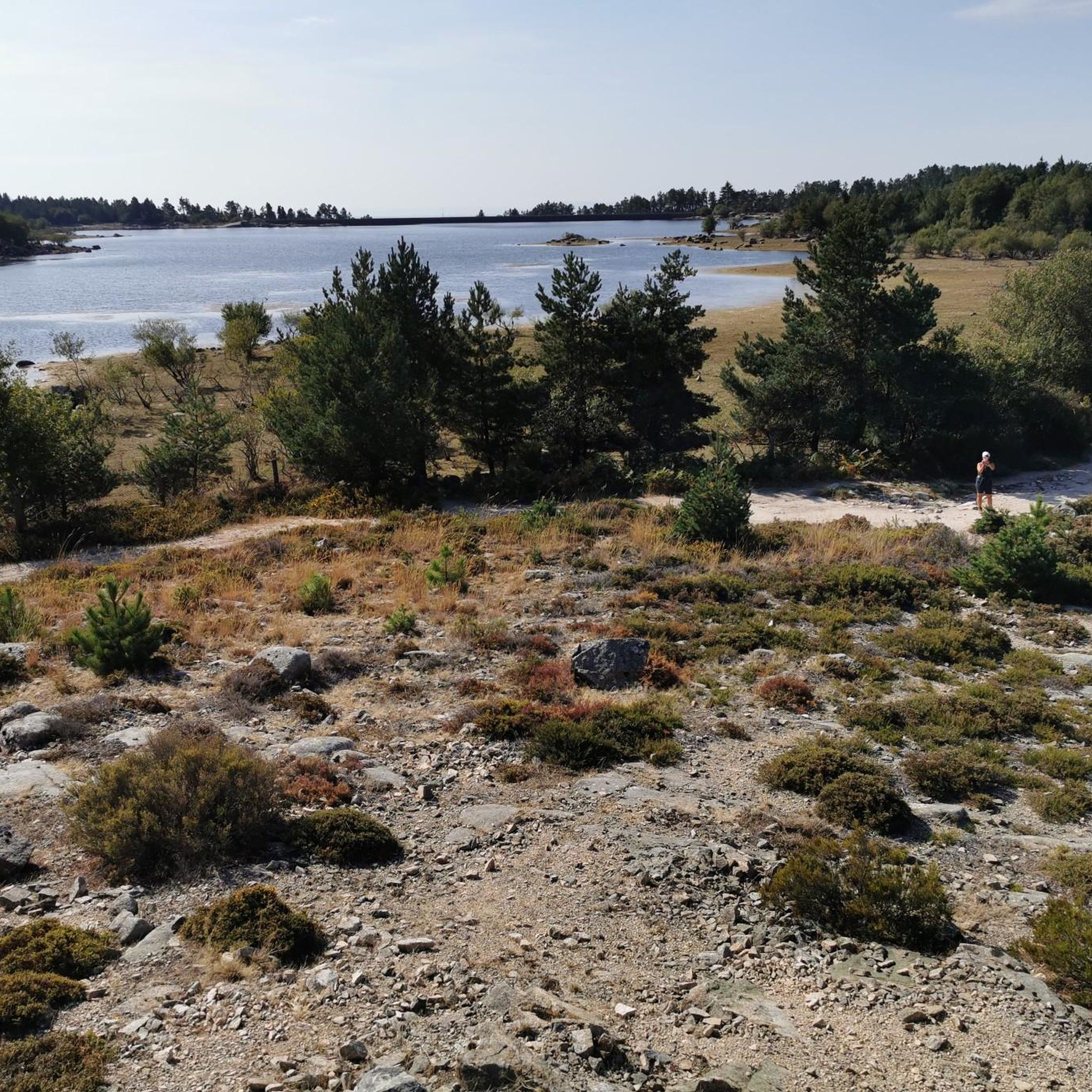
It's always good to know where we have water :)
0
0
The Tâmega and Corgo Ecovia is the Cross-Border Ecological Corridor that connects Chaves and Verín, always along the riverbank. A route to explore on foot or by bike, enjoying contact with the landscape.
0
0
The Pedras Salgadas Railway Station is a closed junction of the Corgo Line, which served the town and the spa of Pedras Salgadas, in the Vila Real District, Portugal. A decree of 13 September 1905 approved the project for the section between Ribeiro de Varges and Pedras Salgadas Station.[ The section between Vila Real and Pedras Salgadas of the Corgo Line was opened on 15 July 1907, while the next section, to Vidago, opened on 20 March 1910.
0
0
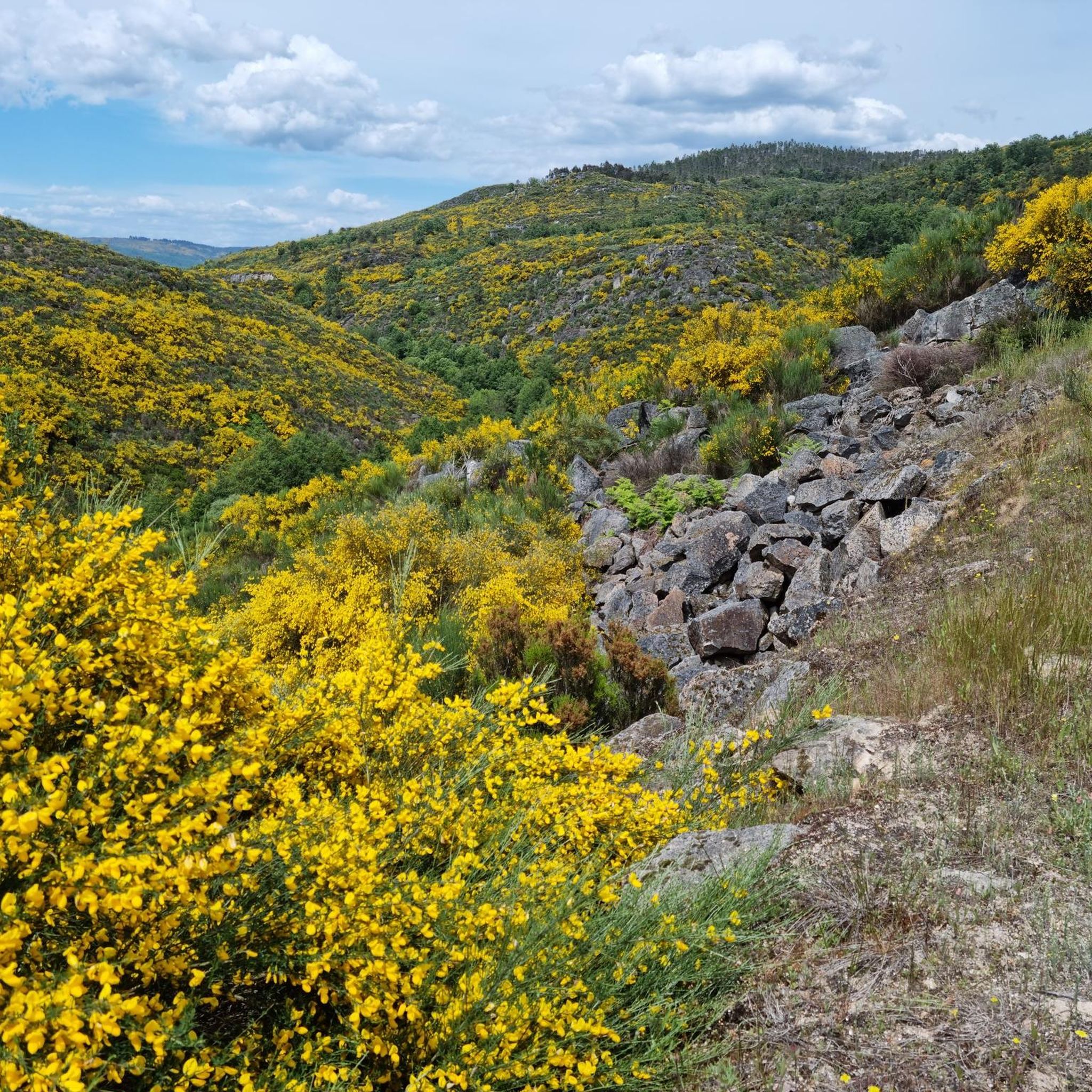
everything around is beautiful to appreciate
1
0
Magic, it feels really good, drink it, refresh your body, and enjoy a break 👌 Water source: Baldios de Tourencinho Management Board, Vila Pouca de Aguiar, next to the Corgo Ecopista.
0
0
Tâmega and Corgo International Ecovia "Poldrado de Curalha - 1889. Designed by Engineer Augusto Xavier Teixeira, this granite bridge (poldras or walkway) is very well preserved and is used for people and animals to cross the river.
0
0
Frequently Asked Questions
How many mountain bike trails are available around Telões?
There are currently 4 mountain bike trails available around Telões on komoot. These routes offer a mix of moderate and difficult options, catering to different skill levels within the beautiful landscapes of the Amarante region.
Are there any beginner-friendly mountain bike trails in Telões?
While there are no trails specifically classified as 'easy' in Telões, there are several moderate routes that could be suitable for fit beginners or those looking for a less strenuous ride. For example, the Sabarú Old Train Station loop from Mouçós is a moderate 22.9-mile (36.9 km) trail that takes about 1 hour 45 minutes to complete.
What kind of terrain can I expect on mountain bike trails in Telões?
The mountain bike trails around Telões feature diverse terrain, influenced by the Tâmega River valley and the picturesque Amarante region. You can expect a blend of natural beauty, including riverside paths, and dedicated cycling infrastructure like the Tâmega Line Greenway, a repurposed railway line. Some routes also include significant elevation changes, offering more challenging climbs and descents.
Are there any circular mountain bike routes in Telões?
Yes, all the mountain bike routes listed for Telões are circular loops. This means you'll start and end at the same point, making logistics easier. Examples include the Tourencinho Water Fountain – Sabarú Old Train Station loop from Vila Pouca de Aguiar and the Carril Fountain loop from Vila Pouca de Aguiar.
What are some points of interest or attractions I can see along the mountain bike trails?
Many trails incorporate natural features and historical elements. For instance, the Tourencinho Water Fountain – Sabarú Old Train Station loop from Vila Pouca de Aguiar passes by a water fountain and an old train station. The region also offers proximity to historical sites like the St. Gonçalo Bridge and the Church of São Gonçalo in Amarante, which can be integrated into longer rides or visited nearby.
Can I bring my dog on the mountain bike trails in Telões?
While specific regulations for dogs on mountain bike trails in Telões are not detailed, generally, dogs are welcome on many outdoor trails in Portugal, especially if kept on a leash. It's always best to check local signage or specific trail rules before heading out with your furry friend. Ensure your dog is well-behaved and can keep up with the pace.
Are there any mountain bike trails that pass by water features like fountains or rivers?
Yes, the region's proximity to the Tâmega River means many routes offer scenic views of the river valley. Several trails also pass by water fountains, such as the Tourencinho Water Fountain – Sabarú Old Train Station loop from Vila Pouca de Aguiar and the Carril Fountain loop from Vila Pouca de Aguiar, providing refreshing stops along your ride.
What is the best time of year to go mountain biking in Telões?
The Amarante region, where Telões is located, generally experiences mild winters and warm summers. Spring (April-June) and Autumn (September-November) are often ideal for mountain biking, offering pleasant temperatures and beautiful scenery. Summers can be hot, so early morning or late afternoon rides are recommended, while winters are generally mild enough for riding, though some trails might be muddy after rain.
Are there options for parking near the mountain bike trails in Telões?
While specific parking areas for each trail are not detailed, routes often start from towns or villages like Vila Pouca de Aguiar or Mouçós, where public parking is typically available. It's advisable to check the starting point of your chosen route on komoot for more precise parking information or local recommendations.
What do other mountain bikers enjoy the most about mountain biking in Telões?
The mountain bike trails in Telões are highly rated by the komoot community, with an average score of 4.2 stars. Over 80 mountain bikers have explored the area, often praising the varied terrain, the natural beauty of the Tâmega River valley, and the well-maintained greenways that offer enjoyable riding experiences.
Are there any long-distance mountain bike routes for experienced riders?
Yes, Telões offers several challenging routes for experienced riders. For instance, the Poldrado de Curalha – Palácio de Vidago loop from Vila Pouca de Aguiar is a difficult 53.0-mile (85.3 km) trail with significant elevation gain, often completed in about 5 hours 20 minutes, leading through varied landscapes towards Palácio de Vidago.
Can I access the mountain bike trails in Telões using public transport?
While Telões itself is a smaller parish, the wider Amarante region has public transport options. However, direct public transport access to specific trailheads might be limited. It's recommended to research local bus services to nearby towns like Amarante or Vila Pouca de Aguiar and then consider a short taxi ride or cycling to the starting points of the trails.
Most popular routes around Telões

Get inspired with the komoot mobile app


Explore more
Browse the best MTB trails in other regions.
