Attractions and Places To See around Folgosa - Top 20
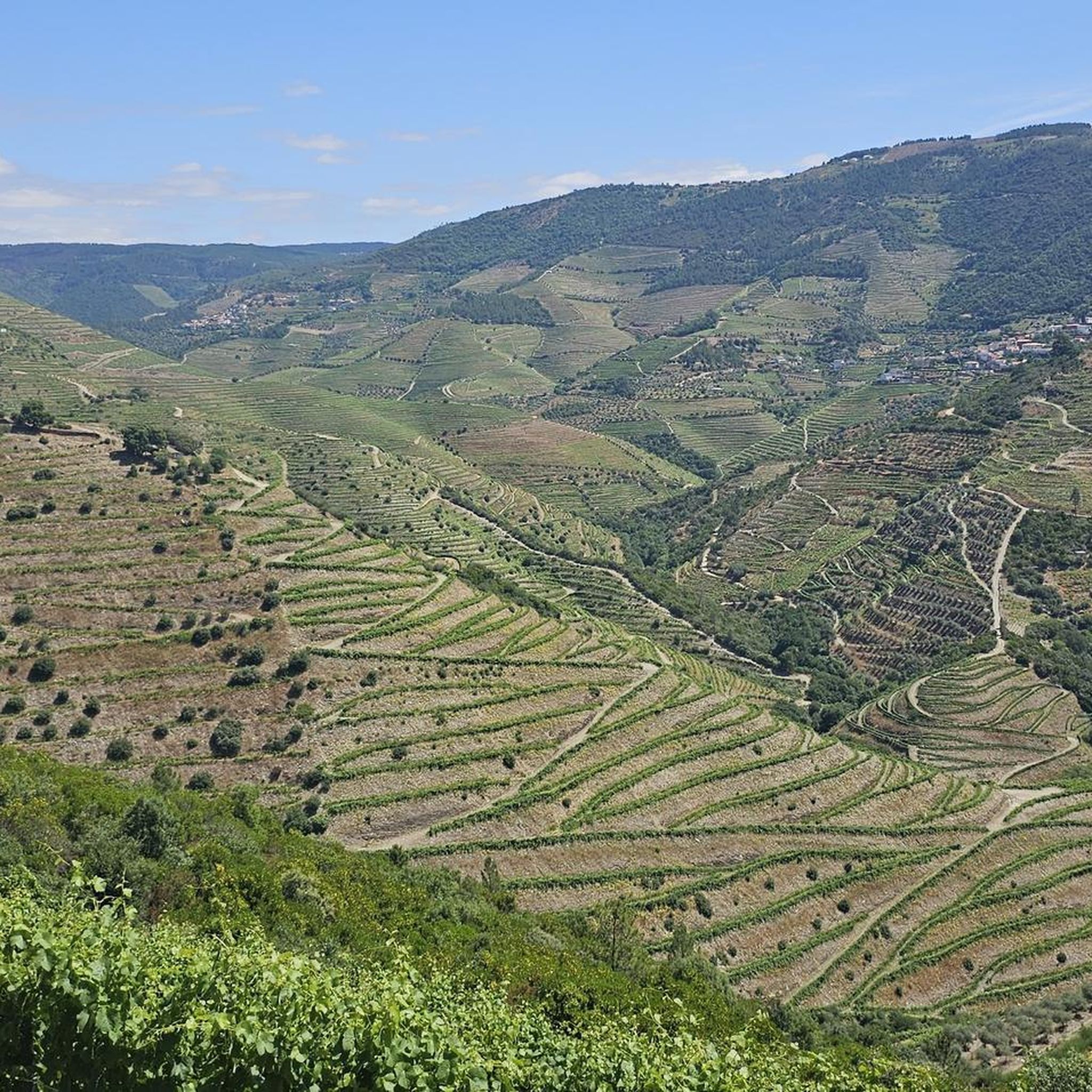
Best attractions and places to see around Folgosa include a blend of historical, cultural, and natural sites nestled along the Douro River in northern Portugal. The village is characterized by its tranquil scenery, deep-rooted wine-making traditions, and surrounding rolling hills. Visitors can explore landmarks, religious sites, and vineyards, offering insights into the region's rich history and viticulture. The area provides opportunities to experience the Douro Valley's unique landscape and cultural heritage.
Best attractions and places to see around Folgosa
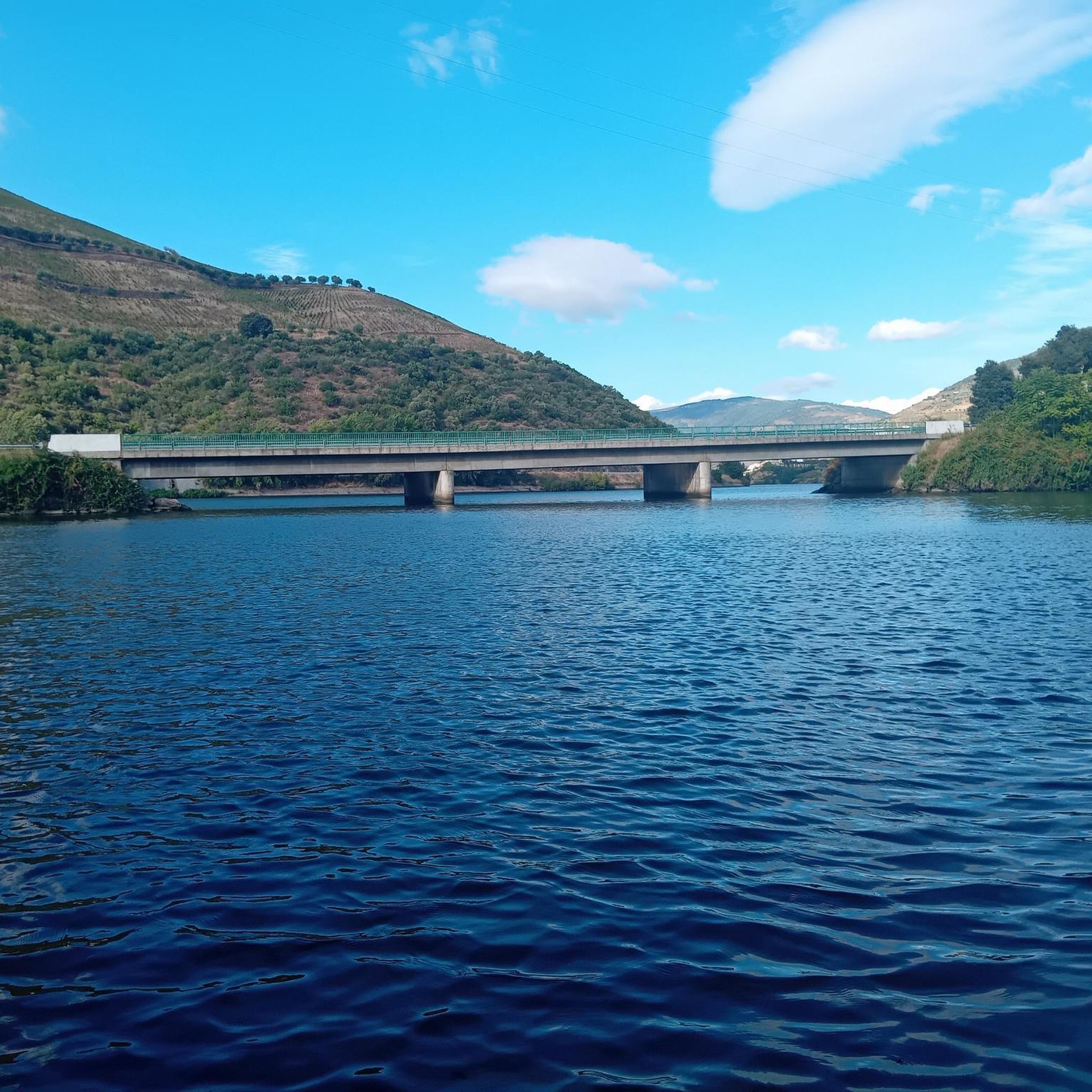
- The most popular attractions is Régua Pedestrian Bridge, a bridge that offers views of the Douro River and other bridges. It is a wide footbridge designed for safe crossing of the Douro.
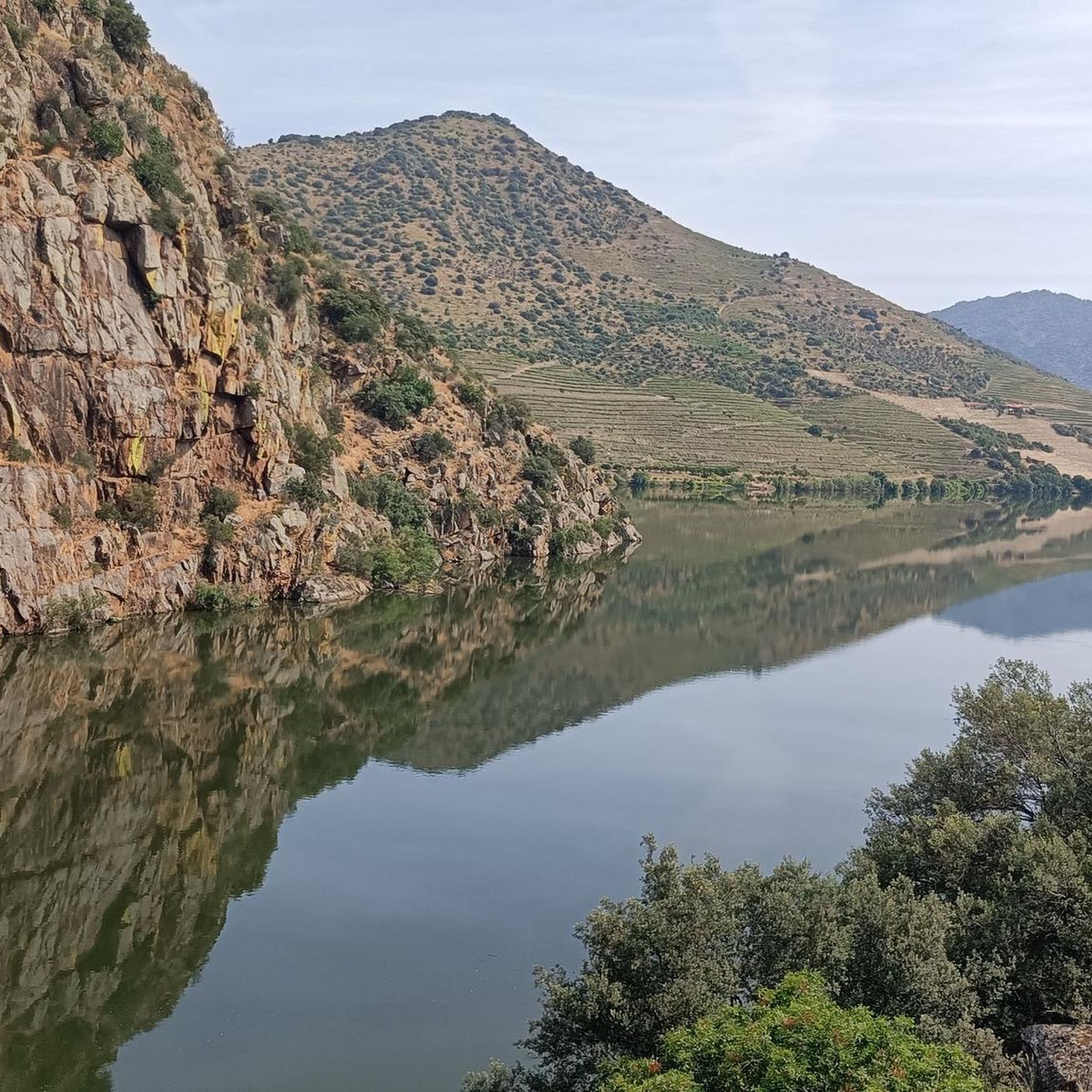
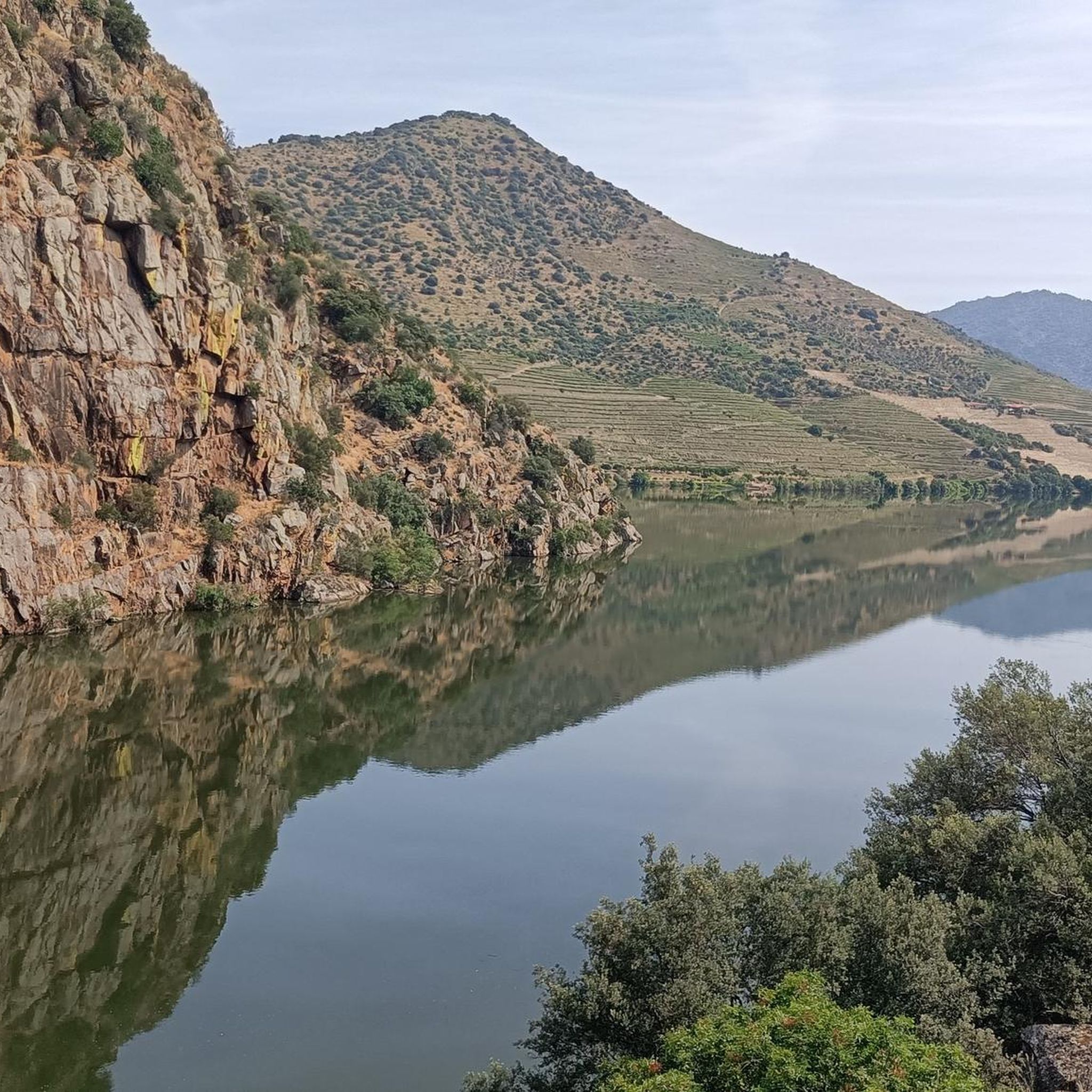
- Another must-see spot is Régua and the Douro River, a river location where the landscape and port wine cultivation are central to the industry. The location on the Douro is notable for its scenic beauty and as a starting or ending point for boat trips.
- Visitors also love Marco Pombalino, a man-made monument consisting of cornerstones. These markers were historically placed for the first demarcation of land to control wine quality and establish the Douro Valley wine region.
- Folgosa is known for historical sites, wine-making traditions, and outdoor activities. The area offers a variety of attractions to see and explore, from ancient landmarks to scenic river views.
- The attractions around Folgosa are appreciated by the komoot community, with more than 70 photos shared and over 20 upvotes.
Last updated: October 4, 2026
Marco Pombalino
Highlight • Monument
That “demarcation” had some twists, torns and stones... Well... cornerstones, named “Marcos Pombalinos”... The duck will scrutinize it 😉
1675 - “Vinho do Porto” comes for the first time with exportation to the Netherlands;
1703 – preferentional rights for Portuguese wines to England. The English were getting out of Bordeux, because the French king was taxing to much the wines...
1756 – English were “crazy” with “Port”. Climate of euphoria degenerates into adulteration and commercial chaos. With this, very important and knowledgeable people, propose to the future Marquês de Pombal, (thats the reason for the names given to the cornerstones, “Marcos Pombalinos”) the birth of one institution that could control the quality, prices and phisically establish the DOC (with the cornerstones);
1757 – placement of 201 “marcos”, cornerstones, for the first demarcation of the land;
1761 – upgrade of the DOC, adding 134 cornerstones;
1792 – opennig of “Cachão da Valeira”. Before that, the boats could only travel “so far”. With that openning/enlargement of Douro river, the “Superior” Douro was now accessible by boat. But the expantion of the vineyards at Douro Superior only began in the 19th century;
1850 to 1893 – the Valley was whipped by many diseases (maromba, oídio, filoxera, míldio...);
1907 – the last demarcation of DOC, now including “Douro Superior”, upstream from “Cachão da Valeira”, till the border with Spain
Tip by

Douro River cruise dock, Peso da Régua
Highlight • Rest Area
Translated by Google •
Tip by

Sign up now to discover places like this
Get recommendations on the best single tracks, peaks, & plenty of other exciting outdoor places.
Casa do Douro (House of the Douro)
Highlight • Monument
Translated by Google •
Tip by

Régua Pedestrian Bridge
Highlight • Bridge
Translated by Google •
Tip by

Monument to Gago Coutinho and Sacadura Cabral
Highlight • Monument
Translated by Google •
Tip by
Sign up for free to discover even more attractions around Folgosa.
Already have an account?
Start today with a free account
Your next adventure awaits.

Tips from the Community

This highlight is located in Peso da Régua and NOT in Lisbon. Please don't be confused by the misleading comment below. The same goes for the numerous photos, none of which belong here.
2
0

A worthwhile museum, which scores points despite/or because of its very minimalist presentation of the subject matter. At the end, enjoy a port wine on the terrace of the museum's café.
1
0
The bridge is really well-made. The view from the bridge is beautiful, even though there's still a lot that could be done with the buildings at the end.
2
0

The Casa do Douro was established in 1932 as the Douro Winemakers' Union Federation. Its headquarters, dating from 1944, with its exterior clad in polished granite, was designed by Portuguese architect José Porto. Inside, noteworthy are the stained-glass window by painter Lino António and the grand hall, with three central crystal chandeliers, shaped like clusters and weighing over a ton, as well as the Pombaline marker identified with the number 1. When the Douro region was first demarcated, 331 granite markers were placed. The Pombaline markers (so named because the demarcation was designed by the Marquis of Pombal) are all different and share the word Feitoria (vinho de feitoria, synonymous with better-quality wine) and the year (1758 or 1761). At the time, wines were classified according to their quality and destination. The best wine, known as Vinho de Feitoria, was sent to England; Vinho de Embarque was exported to Brazil; and Vinho de Ramo was sold in Portugal. The stained glass window of the Casa do Douro, by painter Lino António, encapsulates the entire dynamic of the Douro Demarcated Region. It covers an area of 50m2 and forms a triptych. In the center panel, we see three large figures. The central figure represents the Casa do Douro and holds a scroll that reads "... Casa do Douro, decree 21,883, November 1932." This means that the government, through the aforementioned Decree-Law, created the Union Federation of Winegrowers of the Douro Region in November 1932, now known as Casa do Douro.
2
0
The monument to Gago Coutinho and Sacadura Cabral in Lisbon was erected in honor of their joint crossing of the South Atlantic route by air. Coutinho and Cabral were the first to complete this journey. They flew from Lisbon to Rio de Janeiro, Brazil, in 1922. Gago Coutinho's account of the flight, along with other documents, was declared a UNESCO World Heritage Site in 2010. You can see the monument to the two adventurers in the Belém district, just a few meters from Lisbon's landmark, the Torre de Belém. It is a remarkable replica of the aircraft used in the successful Atlantic crossing.
1
2
In honor of the fearless Portuguese aviators, responsible for the first crossing of the South Atlantic, connecting Lisbon to Rio de Janeiro.
3
0
The Casa do Douro was founded in 1932 as a cooperative association of Douro winegrowers. This house, built in 1944, is the original home.
3
0
If there is more than one ship moored at the dock, it is better to avoid the city because it will be too crowded.
3
3
Frequently Asked Questions
What historical sites can I explore around Folgosa?
Folgosa and its surroundings are rich in history. You can visit the 12th-century Ancient Castle, which offers stunning views and insights into Portugal's past. The region also features religious historical sites like the 16th-century Church of St. Mary and the 18th-century Convent of Our Lady of Conception. For a unique historical perspective on the Douro wine region, explore the Marco Pombalino, a cornerstone marking the first demarcation of land to control wine quality, or the Casa do Douro (House of the Douro), which played a pivotal role in the region's wine industry.
What outdoor activities are available near Folgosa?
The rolling hills and vineyards around Folgosa are perfect for outdoor enthusiasts. You can enjoy hiking, cycling, and bird watching on numerous trails. The majestic Douro River also offers opportunities for solar boat rides and cruises. For specific routes, consider exploring the MTB Trails around Folgosa, Road Cycling Routes around Folgosa, or Easy hikes around Folgosa.
Are there any family-friendly attractions in Folgosa?
Yes, Folgosa offers several family-friendly options. The Régua Pedestrian Bridge is a wide and safe footbridge over the Douro, offering great views that families can enjoy. The scenic Régua and the Douro River area is also suitable for families, providing a beautiful setting for walks and boat trips. Many of the easy hiking trails around Folgosa are also suitable for families.
What is the best time of year to visit Folgosa?
The ideal time to visit Folgosa is from late spring through early autumn. During these months, the vineyards are lush, and the weather is pleasant for outdoor activities and exploring. Visiting in September and October offers the unique opportunity to witness the local wine harvest season.
Where can I experience the Douro River and its views?
The Douro River is central to Folgosa's charm. You can experience it by taking a solar boat ride or a scenic cruise. The Douro River cruise dock in Peso da Régua is a great starting point for these experiences. For panoramic views, walk across the Régua Pedestrian Bridge, which offers vistas of the river and other bridges, or simply enjoy the scenic beauty from Régua and the Douro River itself.
What are the wine-making traditions like in Folgosa?
Folgosa is an integral part of the Douro Valley wine region, renowned for its deep-rooted wine-making traditions. Visitors can tour local estates like Quinta do Tedo and Quinta da Avessada, participate in wine tastings, and learn about centuries-old viticulture. The Marco Pombalino and Casa do Douro (House of the Douro) highlights provide historical context to the region's wine demarcation and quality control efforts.
Are there any easy hiking trails around Folgosa?
Yes, there are several easy hiking trails suitable for a relaxed exploration of the area. For example, you can find routes like the 'Régua and the Douro River – Régua Pedestrian Bridge loop from Godim' or the 'Régua Riverside Promenade – Casa do Douro (House of the Douro) loop from Peso da Régua'. You can find more options and details in the Easy hikes around Folgosa guide.
How can I get around Folgosa and its attractions using public transport?
While specific public transport details for Folgosa itself may vary, the Douro Valley region generally has bus and train connections. Peso da Régua, a nearby hub, is often a starting or ending point for boat trips and has transport links. It's advisable to check local bus schedules or train services connecting to nearby towns for the most up-to-date information on reaching specific attractions.
What kind of views can I expect around Folgosa?
Folgosa is known for its stunning scenic views. From the Ancient Castle, you can see the surrounding countryside. The Régua Pedestrian Bridge offers excellent perspectives of the Douro River and its bridges. The entire Régua and the Douro River area is celebrated for its magnificent landscape, shaped by port wine cultivation and the majestic river.
Are there opportunities for cycling near Folgosa?
Absolutely. The region around Folgosa is popular for cycling, with routes winding through vineyards and along the Douro River. You can explore various options, including challenging road cycling routes and mountain biking trails. Check out the Road Cycling Routes around Folgosa and MTB Trails around Folgosa guides for detailed information on routes like the 'Pinhão Metal Bridge – Pinhão Railway Station loop' or the 'View of the Douro Valley – Start of the Ecopista do Corgo loop'.
What is the significance of the Casa do Douro?
The Casa do Douro (House of the Douro), established in 1932, was originally the Union Federation of Winegrowers of the Douro Region. Its headquarters, built in 1944, is a significant historical site. It features a notable stained-glass window by Lino António and a grand hall, symbolizing the region's wine heritage and the efforts to control wine quality, as marked by the Pombaline markers.

Get inspired with the komoot mobile app


Explore more
Still not found the Highlight you’re looking for? See guides of the top attractions in other regions:
