The best cycling routes around Parada Do Bispo
3.8
(68)
4,600
riders
14
rides
Touring cycling routes around Parada Do Bispo are situated within Portugal's Douro Valley, a UNESCO World Heritage site known for its dramatic landscapes. The region is characterized by magnificently steep cliffs and terraced vineyards that descend to the meandering Douro River. These natural features create a distinctive backdrop for cycling, with routes often traversing through wine-producing estates.
Best touring cycling routes around Parada Do Bispo
- The most popular touring cycling route is Régua Pedestrian Bridge – Douro Valley loop from…
Last updated: October 5, 2026
4.4
(24)
4,171
riders
41.6km
02:36
430m
430m
Moderate bike ride. Good fitness required. Mostly paved surfaces. Suitable for all skill levels.
3.4
(7)
140
riders
14.2km
00:55
160m
160m
Moderate bike ride. Good fitness required. Mostly paved surfaces. Suitable for all skill levels.

3.0
(4)
79
riders
11.8km
00:46
130m
130m
Easy bike ride. Great for any fitness level. Mostly paved surfaces. Suitable for all skill levels.
4.5
(4)
37
riders
57.7km
03:59
1,000m
1,000m
Hard bike ride. Very good fitness required. Mostly paved surfaces. Suitable for all skill levels.
30
riders
105km
07:30
2,180m
2,180m
Hard bike ride. Very good fitness required. Mostly paved surfaces. Suitable for all skill levels.
Get access to more routes and recommendations from other explorers.
Already have an account?
Our route recommendations are based on thousands of hikes, rides, and runs completed by other people on komoot.
Start today with a free account
Your next adventure awaits.
Tips from the Community

The parking area for motorhomes directly on the Douro River
1
0

The station is so run-down that it's almost in working order again. Old railway vehicles (burned-out steam locomotives and old wagons) are scattered around the large grounds. There are also many disused tracks, including turntables. At the end of the station, the former storage sheds have been converted into wine shops and restaurants.
2
0
A worthwhile museum, which scores points despite/or because of its very minimalist presentation of the subject matter. At the end, enjoy a port wine on the terrace of the museum's café.
1
0
The bridge is really well-made. The view from the bridge is beautiful, even though there's still a lot that could be done with the buildings at the end.
2
0
The Duero rises in the Picos de Urbión Mountains in the northern Spanish province of Soria at an altitude of 2,080 meters. It flows through the autonomous community of Castile and León, passing through the cities of Soria, Almazán, Aranda de Duero, Tordesillas, and Zamora. For 112 km, it forms the Spanish-Portuguese border, with the river landscape on both sides located in protected natural parks: Arribes del Duero and Douro Internacional. From here, it flows 213 km into Portugal, passing through the cities of Miranda do Douro, Pinhão, and Peso da Régua, as well as the Alto Douro wine region. The Duero flows into the Atlantic near Porto and Vila Nova de Gaia.
3
0

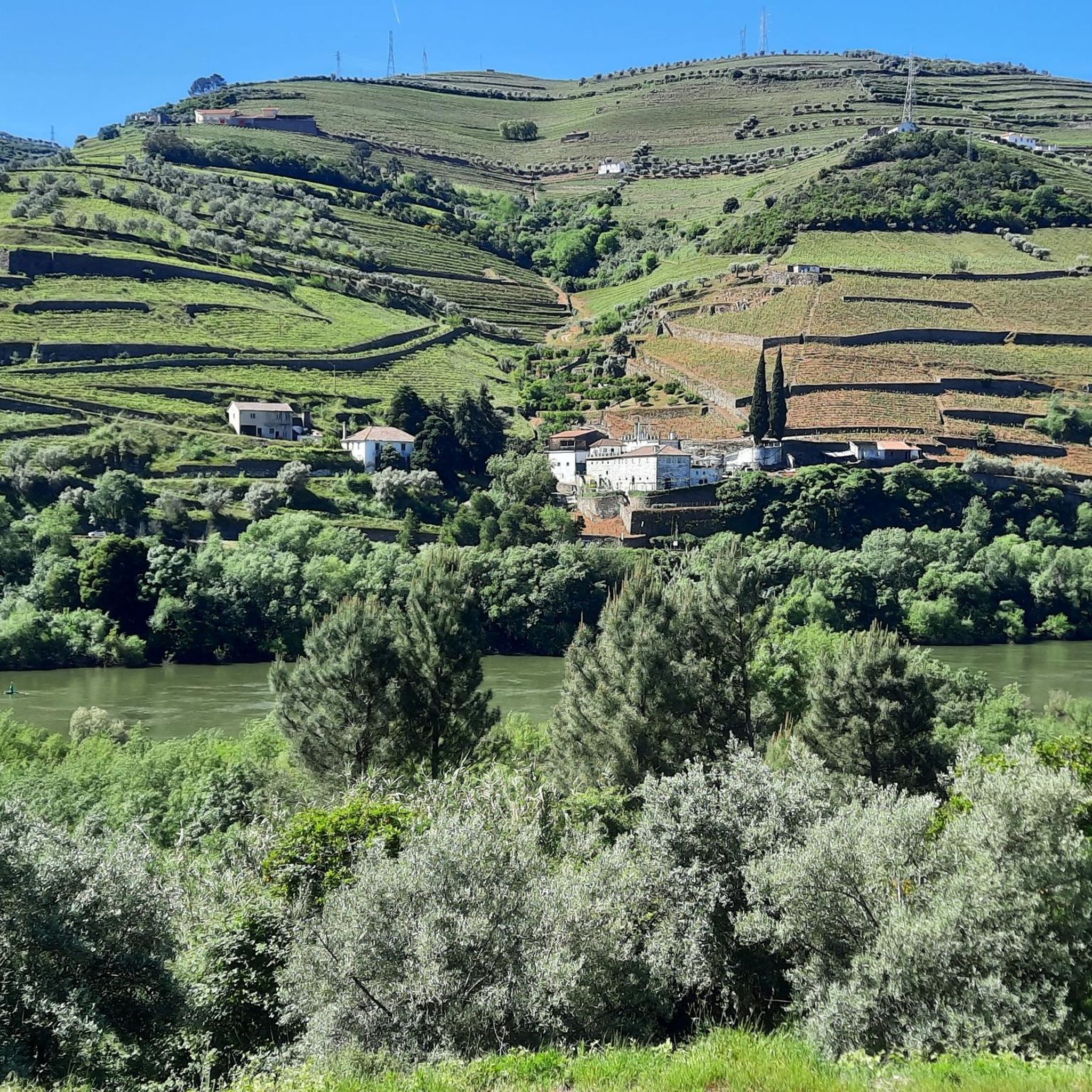
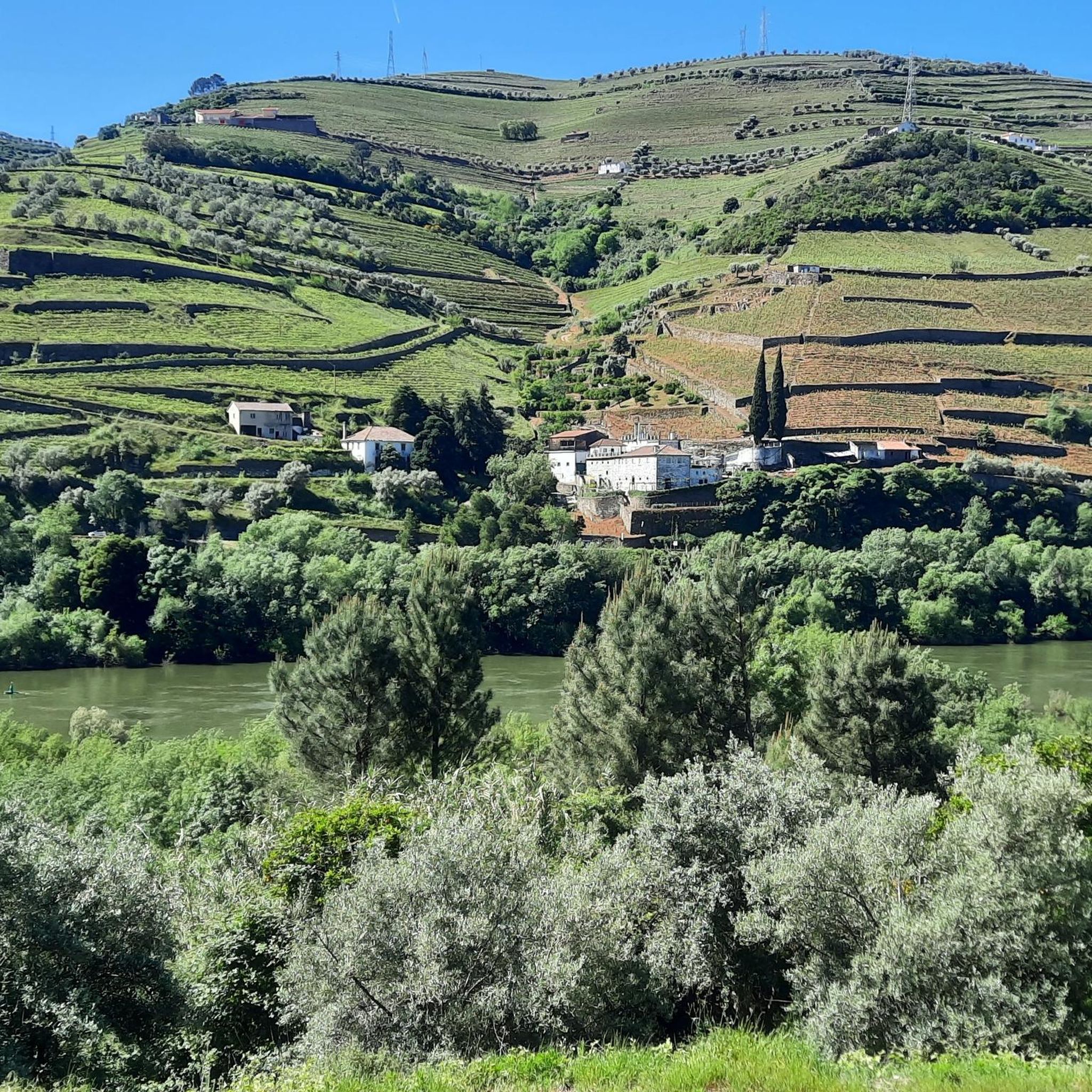
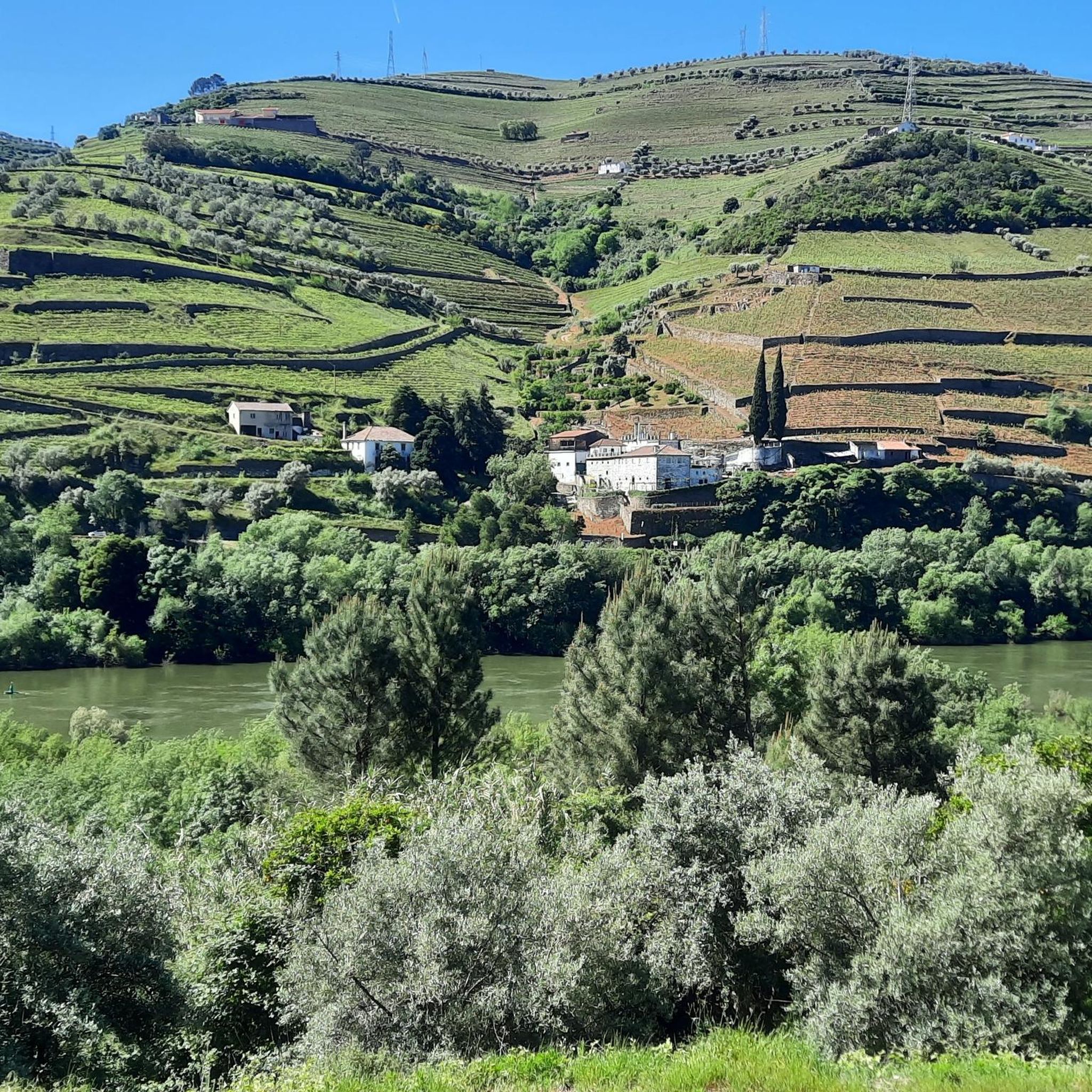
The slopes of the Douro are truly spectacular. Stunning landscapes. 👍🥾
1
0
Thank you for sharing the spectacular photos.👍
0
0

Cool regional trains prepared for a ton of bikes.
1
0
Frequently Asked Questions
How many touring cycling routes are available around Parada Do Bispo?
There are over 15 touring cycling routes around Parada Do Bispo, offering a variety of experiences through the Douro Valley. These routes are highly rated by the komoot community, with an average score of 4.1 stars from over 50 reviews.
What kind of terrain can I expect on touring cycling routes in the Douro Valley near Parada Do Bispo?
The terrain is primarily defined by the dramatic Douro Valley, featuring magnificently steep cliffs and terraced vineyards that descend to the meandering Douro River. While some routes demand good fitness with challenging segments, many others are easy and predominantly paved, accommodating cyclists of various skill levels. You'll find a mix of serene paths and more strenuous climbs.
Are there any easy touring cycling routes suitable for beginners or casual rides?
Yes, there are easy routes available. For example, the Régua Pedestrian Bridge – Douro Valley loop from Régua is an easy 11.7 km (7.3 miles) trail that can typically be completed in under an hour, offering pleasant views of the Douro Valley.
What are some challenging touring cycling routes for experienced riders?
For experienced riders seeking a challenge, the region offers several difficult routes. The Douro Valley – Régua Pedestrian Bridge loop from Godim is a demanding 103.9 km (64.6 miles) route with over 2,100 meters of elevation gain. Another option is the Régua Railway Station – Régua Pedestrian Bridge loop from Régua, a difficult 56.6 km (35.2 miles) path with significant climbs.
What landmarks and viewpoints can I see along the touring cycling routes?
The routes often pass through stunning landscapes with numerous points of interest. You can expect to see the iconic terraced vineyards, the Douro River itself, and potentially historical sites. Notable nearby attractions include the Lamego Castle, the Régua Pedestrian Bridge, and the scenic Régua and the Douro River area. The Miradouro de São Leonardo de Galafura, while not directly on a listed route, offers spectacular panoramic vistas of the Alto Corgo region and the Douro River Valley.
Are there any circular touring cycling routes around Parada Do Bispo?
Yes, many of the touring cycling routes in the area are loops, allowing you to start and end at the same point. For instance, the Régua Pedestrian Bridge – Douro Valley loop from Parada do Bispo is a moderate 14.2 km (8.8 miles) circular route that offers views of the Douro River and surrounding vineyards.
What is the best time of year for touring cycling in Parada Do Bispo?
The Douro Valley generally offers pleasant cycling conditions during spring (April-May) and autumn (September-October) when temperatures are milder and the landscapes are particularly vibrant with blooming flowers or autumn colors. Summers can be quite hot, while winters might bring cooler, wetter weather, though cycling is possible year-round.
Are there family-friendly touring cycling options in the area?
While the region is known for its dramatic terrain, there are easier, predominantly paved routes that can be suitable for families. Look for routes described as 'easy' or 'moderate' with lower elevation gains, such as the 11.7 km Régua Pedestrian Bridge – Douro Valley loop from Régua, which offers a more relaxed experience.
What do other touring cyclists say about the routes around Parada Do Bispo?
The touring cycling routes around Parada Do Bispo are highly regarded by the komoot community, with an average score of 4.1 stars from over 50 reviews. Cyclists often praise the stunning scenery, particularly the terraced vineyards and views of the Douro River, as well as the variety of routes catering to different fitness levels.
Is public transport available to access touring cycling routes near Parada Do Bispo?
The nearby town of Peso da Régua is a key hub in the Douro Valley, with a railway station (Régua Railway Station) that can provide access to some routes. For example, the Douro Valley – Régua Pedestrian Bridge loop from Régua starts from Régua, making it accessible by public transport. It's advisable to check local train or bus schedules for specific connections to your desired starting points.
Can I find places to eat or stay near the touring cycling routes?
Yes, the Douro Valley is well-equipped with amenities. You'll find various cafes, restaurants, and accommodation options in towns like Lamego and Peso da Régua, which are often starting or passing points for many routes. Many wineries (quintas) also offer tours and tastings, some with dining facilities, providing a unique cultural experience alongside your ride.
Most popular attractions around Parada Do Bispo

Get inspired with the komoot mobile app


Explore more
Browse the best Cycling routes in other regions.
