The best road cycling routes around Adorigo
4.6
(10)
734
riders
27
rides
Road cycling around Adorigo offers a dynamic landscape characterized by the terraced vineyards of the Douro Valley, a UNESCO World Heritage site. The region features winding roads that navigate steep ascents and descents, providing challenging terrain for cyclists. The Douro River carves through the landscape, with routes often following its course, and numerous viewpoints offer expansive vistas. Beyond the vineyards, the area includes rolling hills and valleys, ensuring a diverse range of cycling environments.
Best road cycling routes around Adorigo
…Last updated: November 11, 2026
200
riders
83.5km
04:56
2,060m
2,060m
Hard road ride. Very good fitness required. Mostly well-paved surfaces and easy to ride.
26
riders
123km
06:33
2,350m
2,350m
Hard road ride. Very good fitness required. Mostly well-paved surfaces and easy to ride.

16
riders
84.3km
04:45
1,660m
1,660m
Hard road ride. Very good fitness required. Mostly well-paved surfaces and easy to ride.
17
riders
Moderate road ride. Good fitness required. Mostly well-paved surfaces and easy to ride.
4.0
(3)
11
riders
37.6km
02:15
850m
850m
Moderate road ride. Good fitness required. Some segments of this route may be unpaved and difficult to ride.
Get access to more routes and recommendations from other explorers.
Already have an account?
Our route recommendations are based on thousands of hikes, rides, and runs completed by other people on komoot.
Start today with a free account
Your next adventure awaits.
Tips from the Community

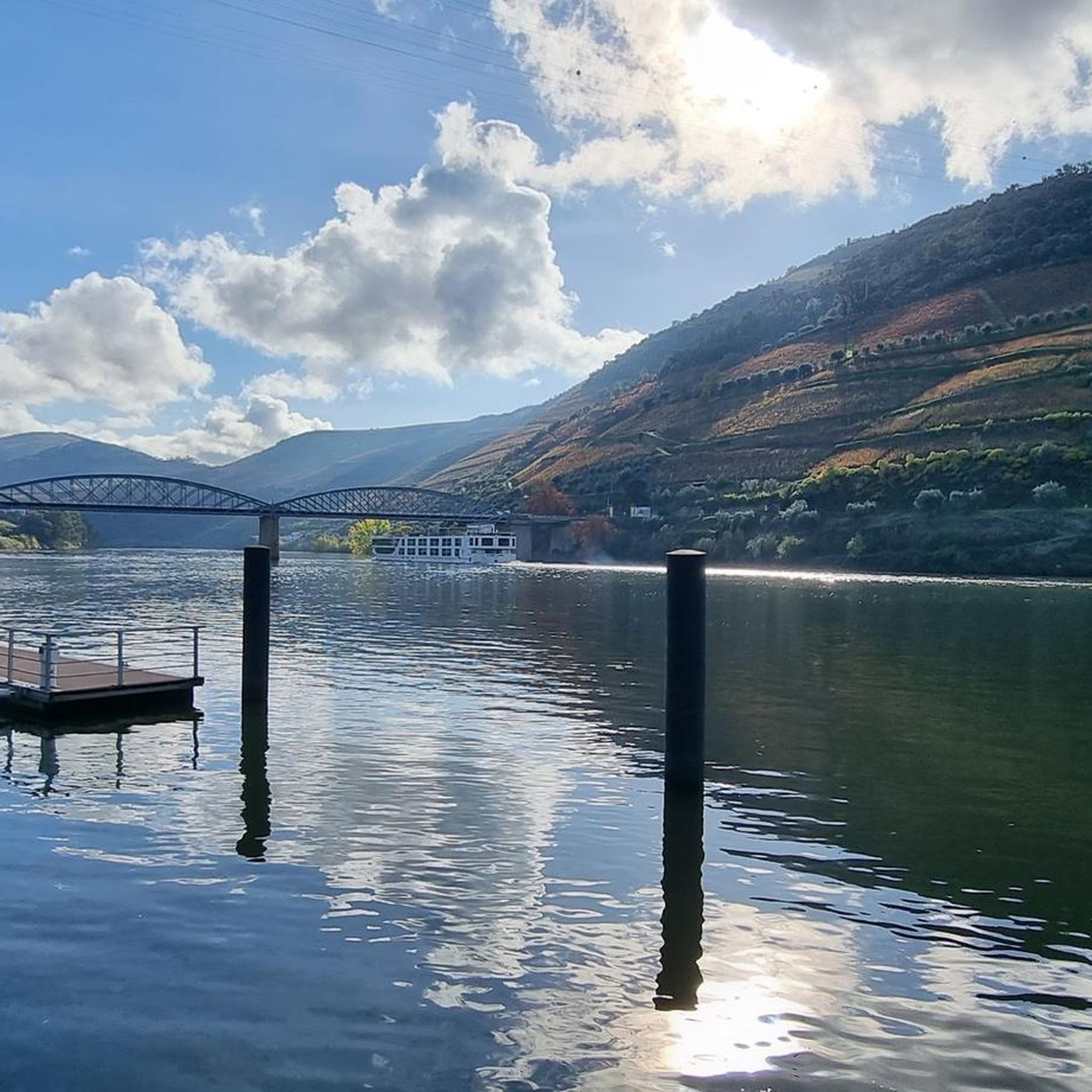
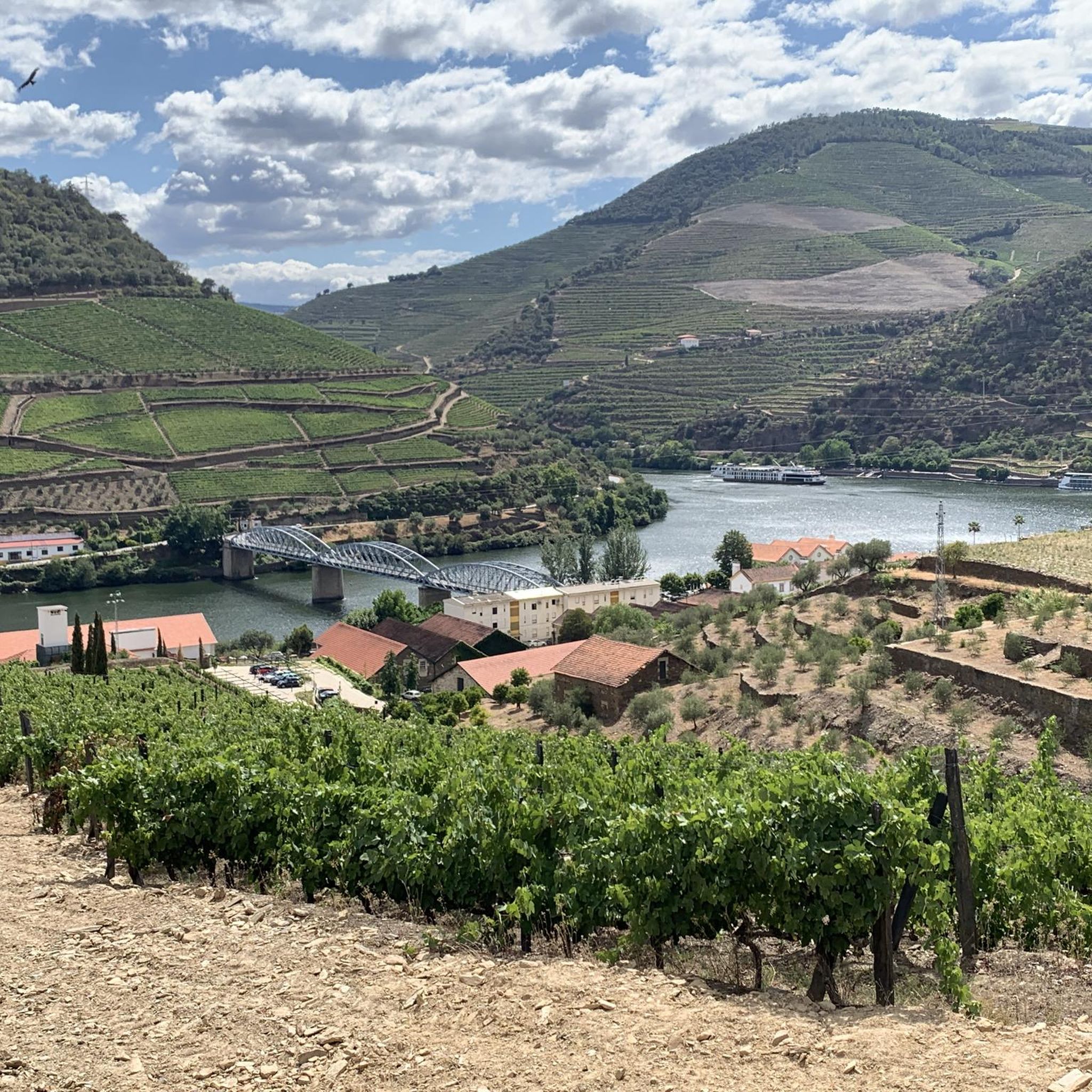
The Pinhão Bridge (in Portuguese: A Ponte do Pinhão) is a bridge that connects the banks of Pinhão (Alijó) and São João da Pesqueira over the Douro River, in Portugal. Its construction began in 1903 and its inauguration took place in 1906. It was designed by Gustave Eiffel.
0
0

The parking area for motorhomes directly on the Douro River
1
0

The bridge is really well-made. The view from the bridge is beautiful, even though there's still a lot that could be done with the buildings at the end.
2
0

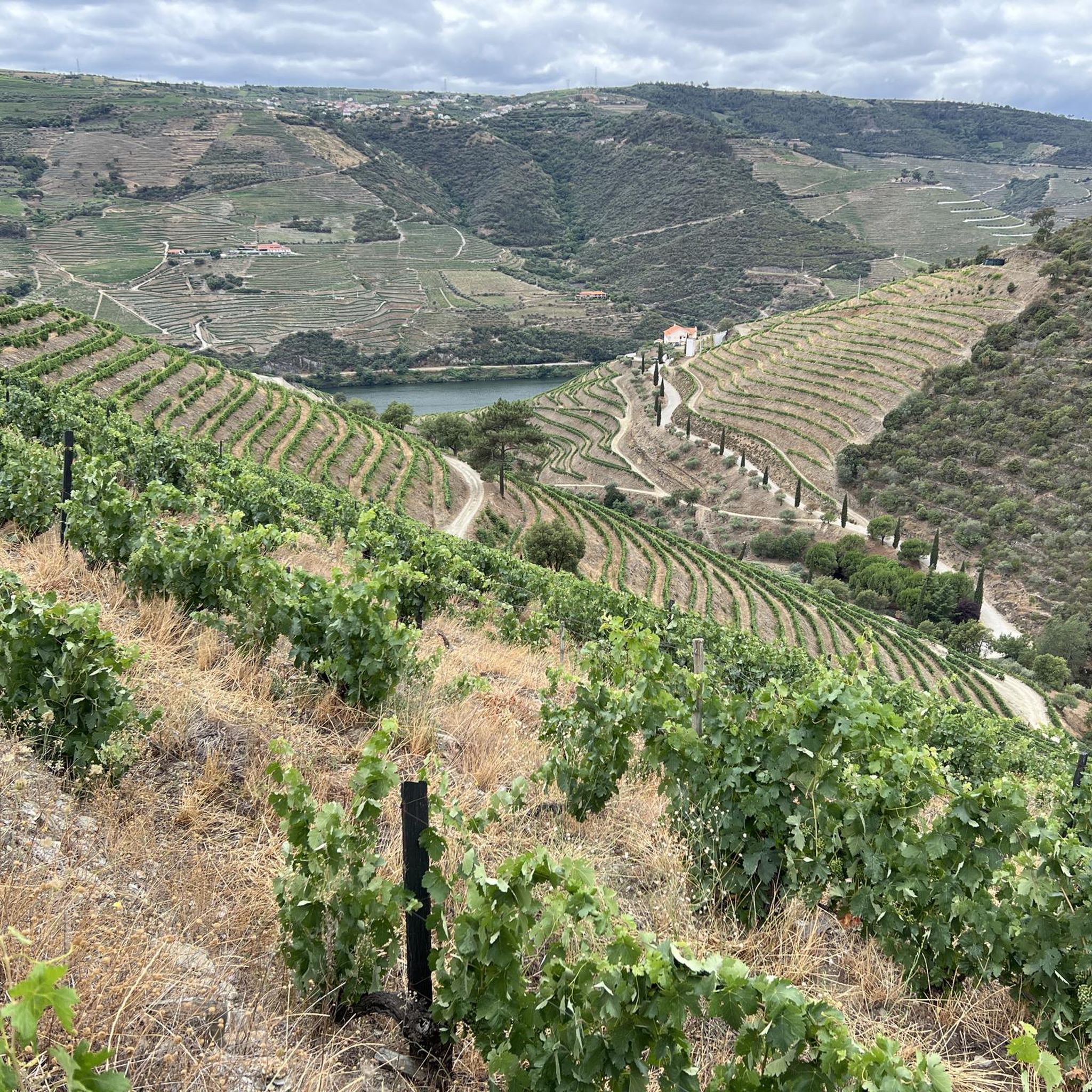
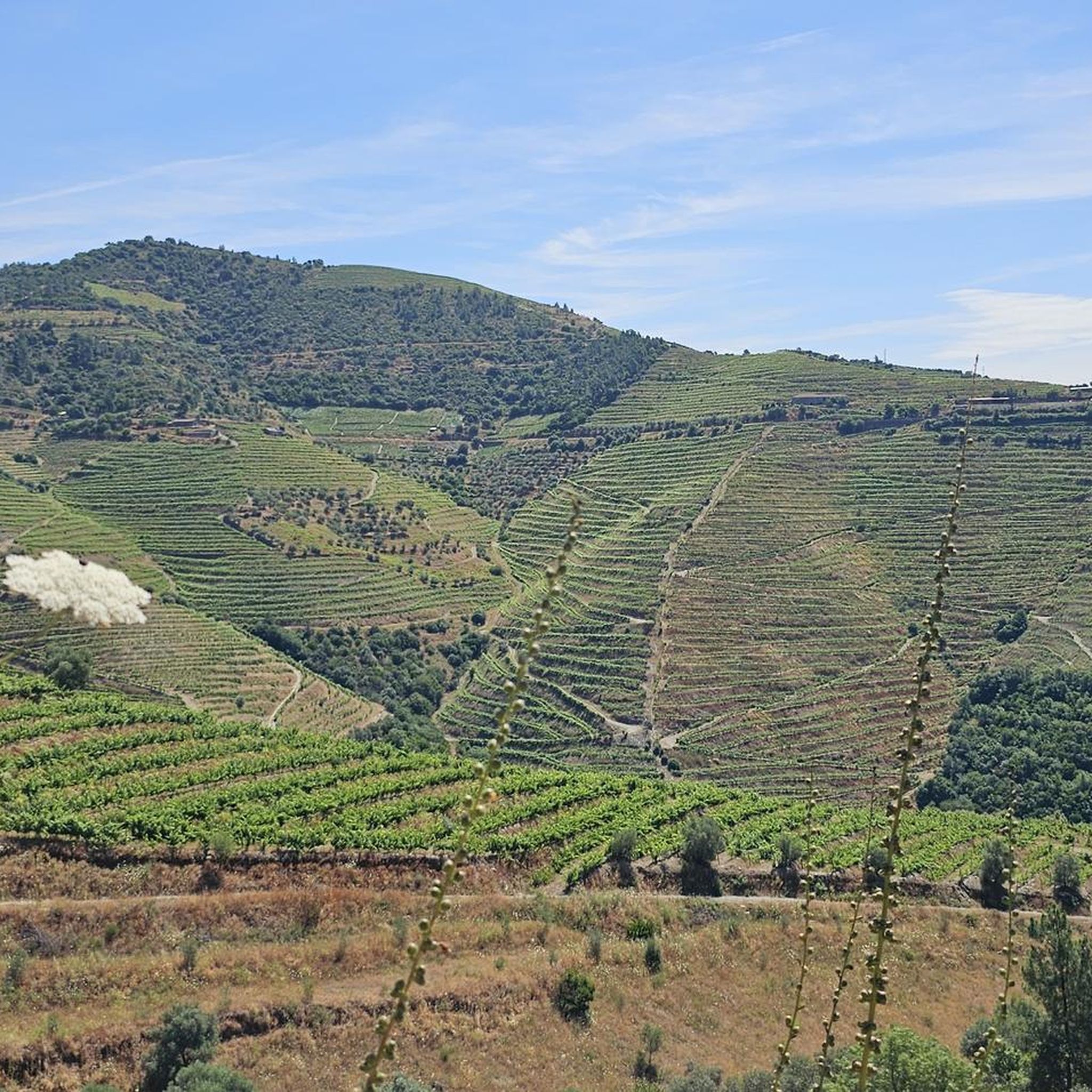
This region, bathed by the Douro River and part of the so-called Douro Wine Region, has been producing wine for over 2,000 years, including the world-famous Port wine. Its origins date back to the second half of the 17th century, when Port wine began to be produced and exported in large quantities, especially to England. Spectacular landscapes, which, in addition to the highly appreciated Port wine, have recently been the scene of a huge boom in tourism development. It has several pedestrian and cycling trails, allowing visitors to enjoy places that are difficult to access by car. 👍🥾🦯
0
0

The regional motifs are simply beautiful. You should take some time to enjoy them.
7
0
Great station with its azulejos. If you're staying at a hotel on the hill, it's best to book a taxi in advance. Otherwise, it can be difficult during peak season.
6
0
The slopes of the Douro are truly spectacular. Stunning landscapes. 👍🥾
1
0
Thank you for sharing the spectacular photos.👍
0
0
Frequently Asked Questions
What kind of terrain can I expect when road cycling around Adorigo?
Road cycling around Adorigo is characterized by the dramatic and steep terraced vineyards of the Douro Valley, a UNESCO World Heritage site. You'll encounter winding roads with significant ascents and descents, offering challenging yet rewarding terrain. The routes often follow the Douro River, providing picturesque backdrops, and the area also features rolling hills and valleys beyond the vineyards.
How many road cycling routes are available in Adorigo?
There are over 30 road cycling routes around Adorigo, catering to various skill levels. You'll find 11 moderate routes and 19 difficult routes, ensuring options for both experienced cyclists and those looking for a significant challenge.
Are there any moderate road cycling routes suitable for less experienced riders?
Yes, while many routes are challenging, there are moderate options available. For instance, the Pinhão Metal Bridge – Pinhão Railway Station loop from Santa Leocádia is a moderate 42.8 km (26.6 miles) route, typically completed in about 2 hours 23 minutes, offering a less strenuous experience while still enjoying the region's beauty.
What are some of the most challenging road cycling routes in Adorigo?
For experienced cyclists seeking a challenge, routes like the Régua Road Bridge – Caldas de Aregos Ferry loop from Covelinhas stand out. This difficult route covers 125.8 km (78.2 miles) with substantial elevation gains, offering extensive riding along the Douro River. Another demanding option is the Pinhão Metal Bridge – Pinhão Railway Station loop from Pinhão, a 83.5 km (51.9 miles) difficult trail with significant climbs through the terraced vineyards.
What kind of landmarks and viewpoints can I see along the road cycling routes in Adorigo?
Adorigo's road cycling routes offer numerous scenic and cultural points of interest. You can visit the historic Pinhão Railway Station, famous for its azulejo tiles, or the Marco Pombalino. For breathtaking vistas, consider routes passing by the Saint Leonardo of Galafura Viewpoint or the View of Pinhão and the Douro River from Miradouro de Casal de Loivos. The Peso da Régua Footbridge also offers a unique perspective.
What do other road cyclists say about the routes in Adorigo?
The road cycling routes in Adorigo are highly rated by the komoot community, with an average score of 4.6 stars from over 6 reviews. Cyclists frequently praise the stunning terraced vineyards, the challenging climbs, and the panoramic views of the Douro River, highlighting the unique and rewarding experience the region offers.
Are there any road cycling routes that offer a mix of cultural and natural experiences?
Absolutely. Many routes in Adorigo combine natural beauty with cultural stops. For example, a route might take you through terraced vineyards and along the Douro River, with opportunities to visit historic wine estates (Quintas) for tastings or to explore charming towns like Pinhão, known for its iconic railway station with azulejo tiles depicting the region's winemaking heritage.
What are the typical distances and elevation gains for road cycling routes in Adorigo?
The routes vary significantly. Moderate routes, like the Pinhão Metal Bridge – Pinhão Railway Station loop from Santa Leocádia, can be around 42.8 km (26.6 miles) with about 860 meters (2,820 feet) of elevation gain. More difficult routes, such as the Régua Road Bridge – Caldas de Aregos Ferry loop from Covelinhas, can extend to 125.8 km (78.2 miles) with over 2,500 meters (8,200 feet) of climbing, reflecting the region's undulating topography.
Can I find loop routes for road cycling in Adorigo?
Yes, many of the road cycling routes in Adorigo are designed as loops, allowing you to start and finish in the same location. Examples include the Pinhão Metal Bridge – Pinhão Railway Station loop from Folgosa, which is a 84.3 km (52.4 miles) difficult route, and the Pinhão Metal Bridge – Pinhão Railway Station loop from Pinhão.
What makes the Douro Valley a unique destination for road cyclists near Adorigo?
The Douro Valley, a UNESCO World Heritage site, offers a truly unique road cycling experience due to its dramatic terraced vineyards that cascade down to the Douro River. The winding roads through these hills provide both challenging climbs and exhilarating descents, all set against a backdrop of unparalleled scenic beauty. The region's rich viticulture and historic estates add a cultural dimension to every ride.
Are there any specific routes that offer extensive riding along the Douro River?
Yes, routes like the Régua Road Bridge – Caldas de Aregos Ferry loop from Covelinhas are known for offering extensive riding sections along the Douro River. These routes provide continuous scenic views of the river as it carves through the valley, complemented by the surrounding vineyards and hills.
What are some of the key features that define road cycling in Adorigo?
Road cycling in Adorigo is defined by its diverse and challenging landscape. Key features include the iconic terraced vineyards of the Douro Valley, the scenic Douro River which many routes follow, and rolling hills that provide varied terrain. The region offers a mix of moderate and difficult routes, ensuring a dynamic experience for all road cyclists.
Most popular routes around Adorigo
Most popular attractions around Adorigo

Get inspired with the komoot mobile app


Explore more
Browse the best Road cycling routes in other regions.
