Attractions and Places To See around Desejosa - Top 18
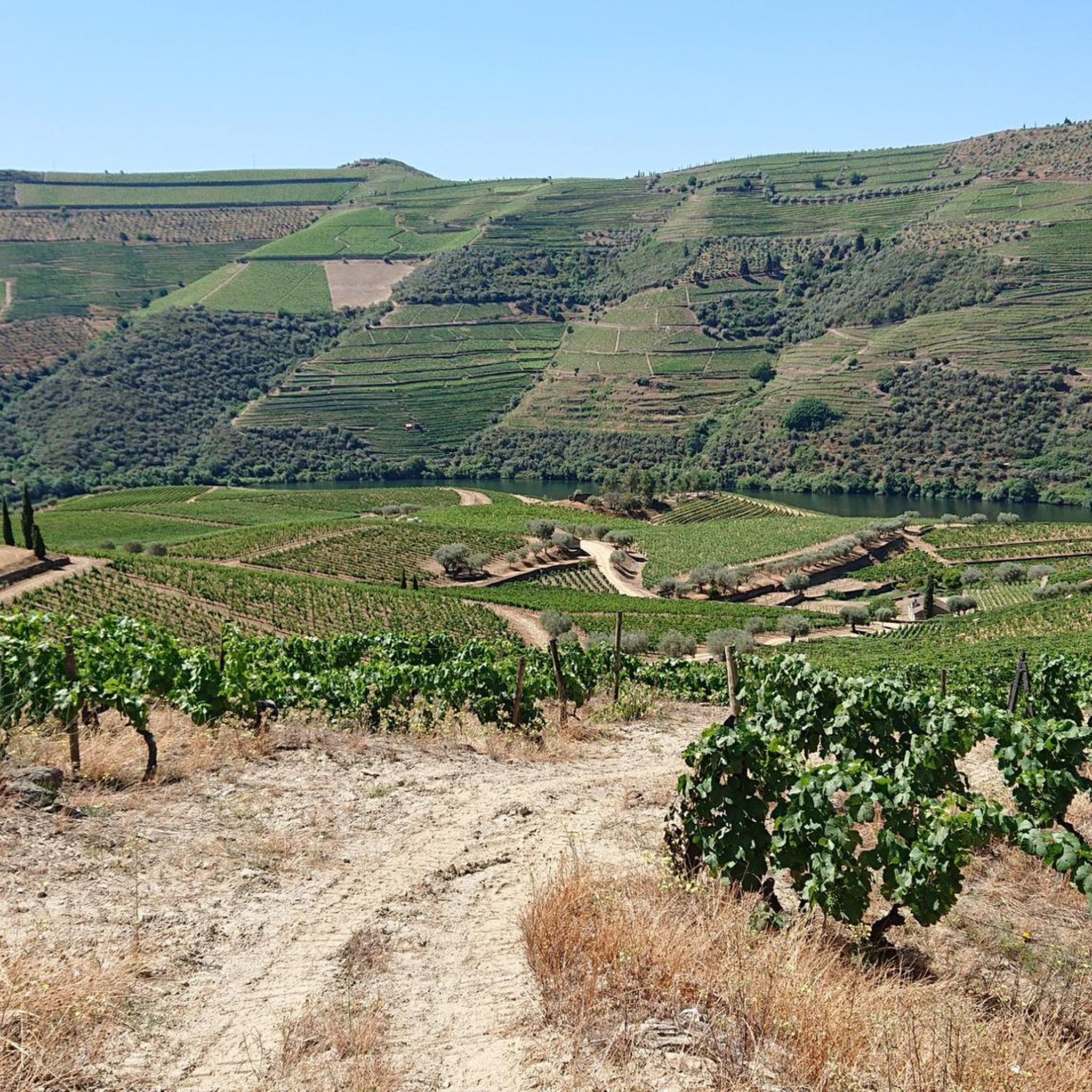
Attractions and places to see around Desejosa, a civil parish within the municipality of Tabuaço, Portugal, offer insights into historical and cultural heritage. Situated within the Alto Douro Vinhateiro, a UNESCO World Heritage site, Desejosa features religious architecture and ancient archaeological sites. The region is characterized by its integration into this significant cultural landscape, providing a glimpse into its rich past.
Best attractions and places to see around Desejosa
- The most popular attractions is View of Pinhão and the Douro…
Last updated: October 4, 2026
Pinhão Railway Station
Highlight • Monument
Translated by Google •
Tip by

Marco Pombalino
Highlight • Monument
That “demarcation” had some …
Tip by

Sign up now to discover places like this
Get recommendations on the best single tracks, peaks, & plenty of other exciting outdoor places.
Saint Leonardo of Galafura Viewpoint
Highlight • Viewpoint
Translated by Google •
Tip by

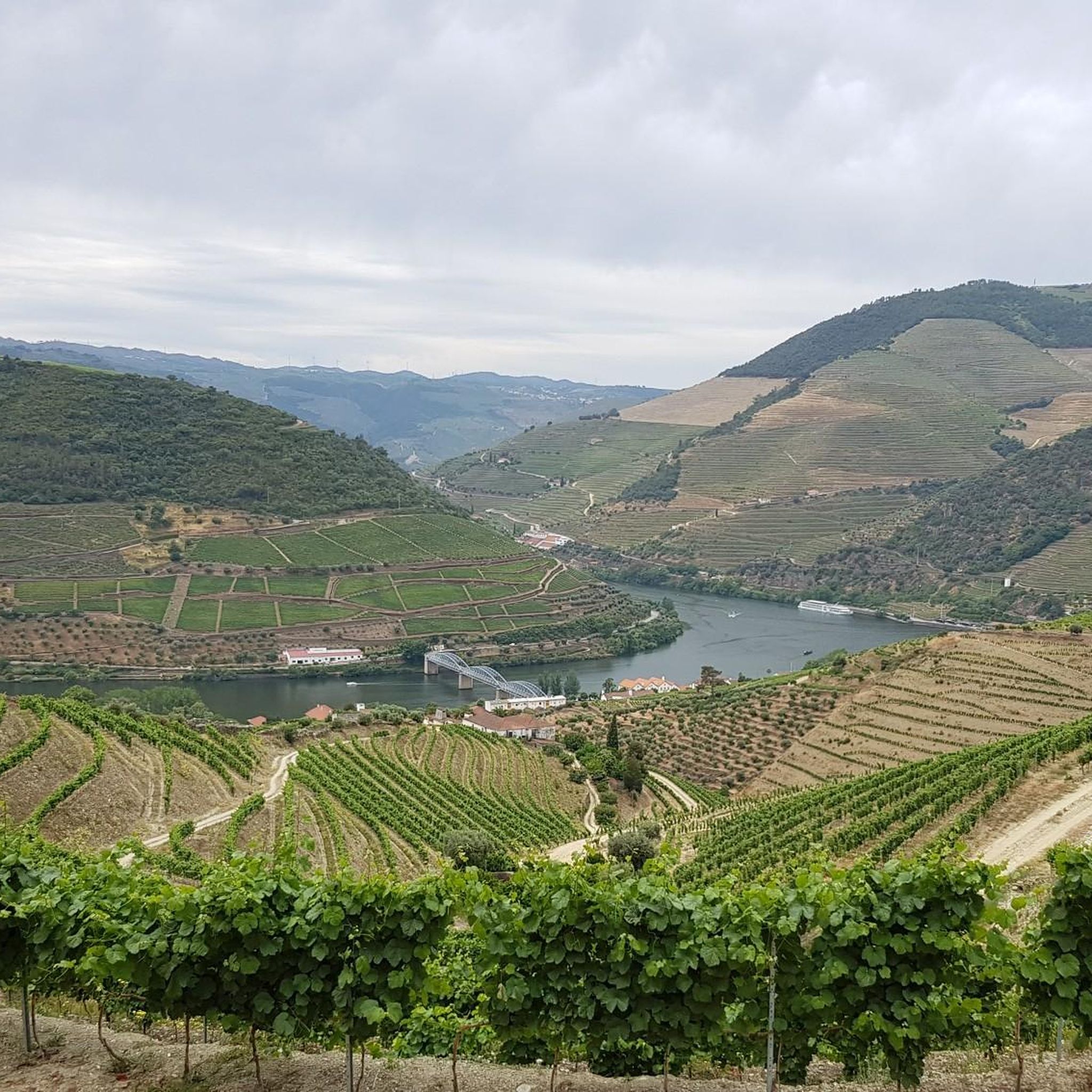
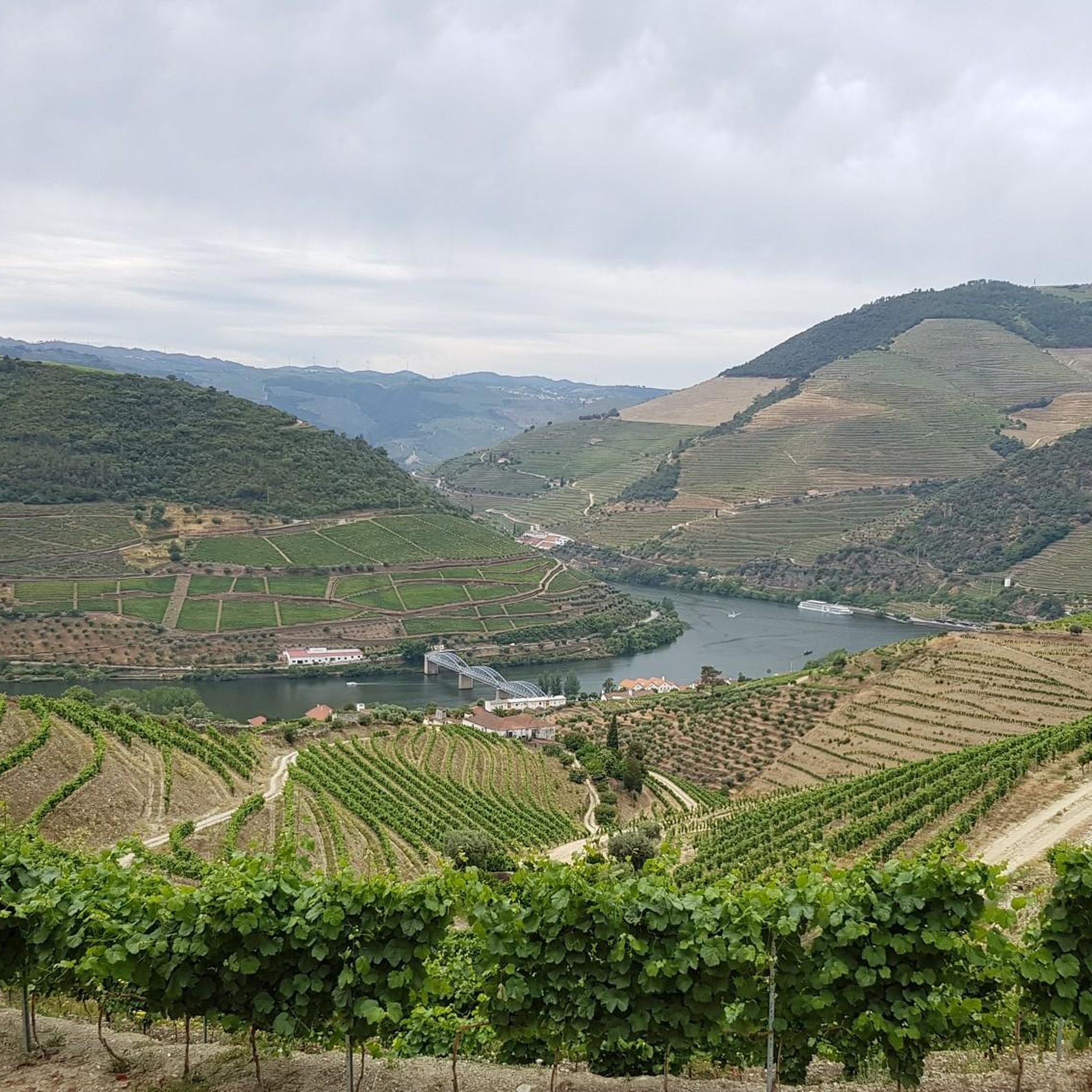
View of Pinhão and the Douro River from Miradouro de Casal de Loivos
Highlight • Viewpoint
Translated by Google •
Tip by
Casal de Loivos Viewpoint
Highlight • Viewpoint
Translated by Google •
Tip by

Sign up for free to discover even more attractions around Desejosa.
Already have an account?
Start today with a free account
Your next adventure awaits.
Tips from the Community

The São Leonardo de Galafura viewpoint is one of the most emblematic and beautiful observation points in the Douro Valley, Portugal. Located at the highest point of Monte de São Leonardo, in the parish of Galafura, it offers an unparalleled view over the Douro landscape, classified as a World Heritage Site by UNESCO. Highlights and Information Panoramic View: From the viewpoint, it is possible to see the confluence of the Pêgo River with the Douro River in a curve that resembles a comma, a beautiful spot and perfect for watching an unforgettable sunset. Poetic Inspiration: The place served as inspiration for the Portuguese writer Miguel Torga, who described it poetically, highlighting the "excess of nature" in the landscape. Chapel: At the highest point of the viewpoint is the Chapel of São Leonardo, which complements the natural and historical scenery of the place. Activities: The area is suitable for hiking, and there are trails nearby that can be explored, such as those listed on Wikiloc. Location Address: Estrada São Leonardo - Galafura, Peso da Régua, 5050-044 Portugal. Access: Access is by road, and the viewpoint is a common stopping point on tours and excursions through the Douro region. For more details about the region and other attractions, you can consult the Douro Itinerary.
2
0

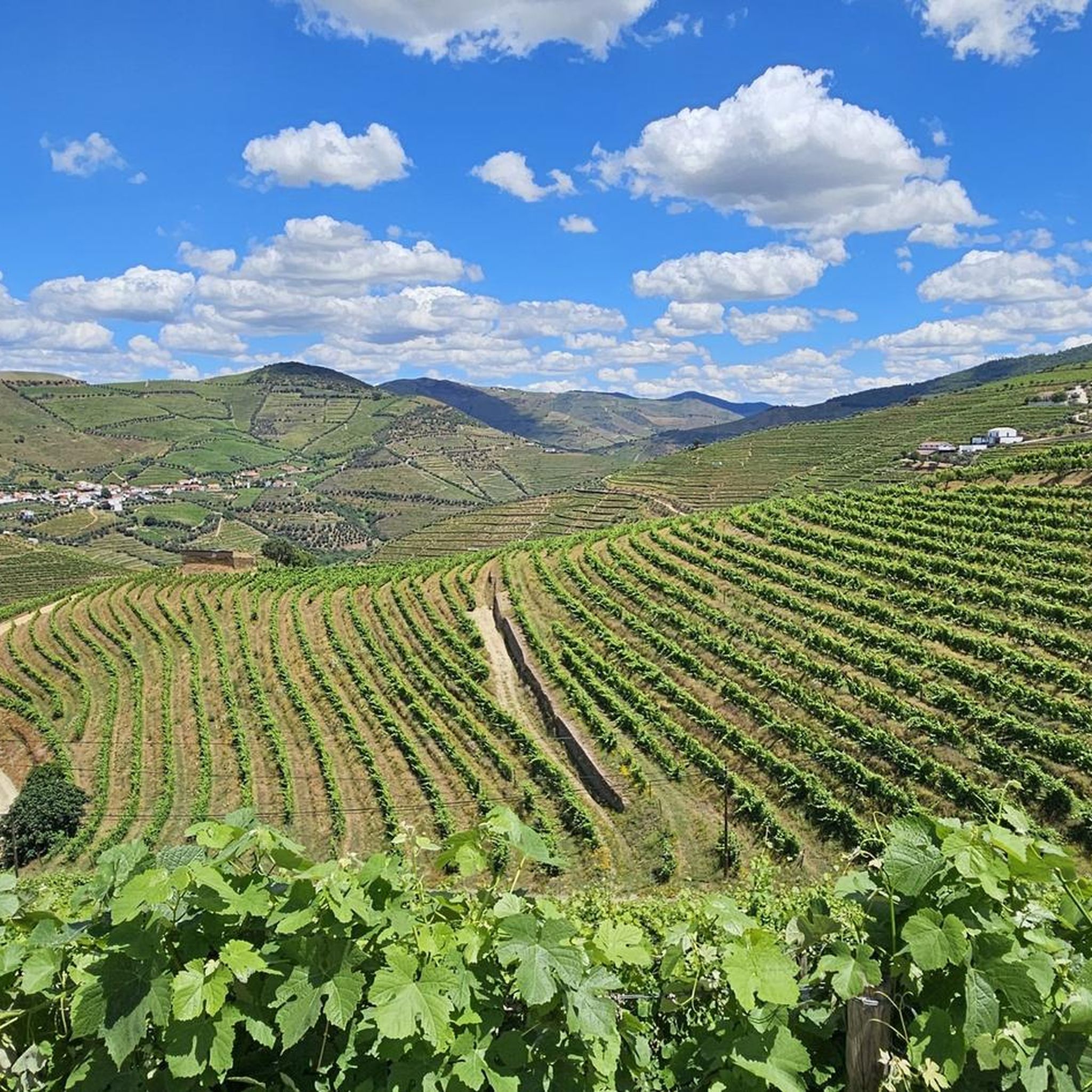
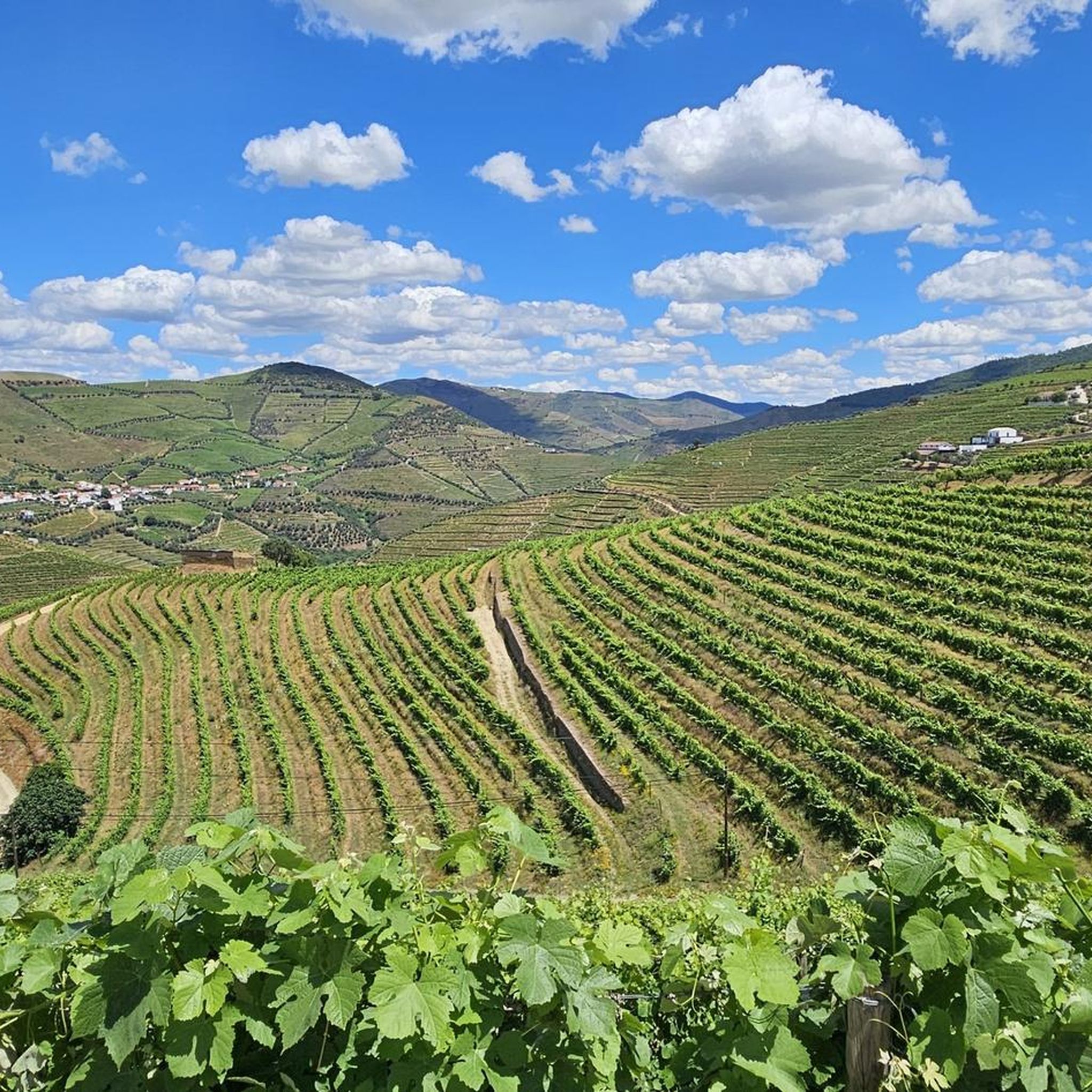
Spectacular views of the Douro River and the valley. A small bar invites you to enjoy the view with a glass of wine.
4
0
Spectacular views of the Douro River and the valley. A small bar invites you to enjoy the view with a glass of wine.
6
0
The regional motifs are simply beautiful. You should take some time to enjoy them.
7
0
Great station with its azulejos. If you're staying at a hotel on the hill, it's best to book a taxi in advance. Otherwise, it can be difficult during peak season.
6
0


Great viewpoint
2
1

A superb hike Good route and magnificent views
1
1
Frequently Asked Questions
What historical and cultural sites can I explore in Desejosa?
Desejosa offers a rich historical and cultural experience. You can visit the Igreja Paroquial da Desejosa (Santo Antão), known for its Baroque altar, and the Capela de Santa Bárbara, built in 1759 with distinctive architectural features. The ancient Dólmen de São Domingos provides insight into prehistoric human presence. Additionally, the Pinhão Railway Station, though not in Desejosa itself, is a significant cultural landmark nearby, famous for its azulejo tiles depicting Douro Valley wine production.
Where can I find the best panoramic views of the Douro Valley near Desejosa?
For breathtaking panoramic views of the Douro Valley, consider visiting the View of Pinhão and the Douro River from Miradouro de Casal de Loivos, which offers stunning vistas over vineyards and the Douro River. Another must-see is the Saint Leonardo of Galafura Viewpoint, an emblematic observation point providing unparalleled views over the UNESCO World Heritage Douro landscape.
What natural features characterize the area around Desejosa?
Desejosa is situated within the stunning Alto Douro Vinhateiro (Douro Valley Wine Region), a UNESCO World Heritage site. The region is characterized by its dramatic terraced vineyards, shaped by centuries of human labor for grape cultivation, and the majestic Douro River. The landscape itself is a significant natural and cultural feature.
Are there hiking opportunities around Desejosa?
Yes, there are several hiking opportunities around Desejosa, particularly in the broader Douro Valley. You can find routes like the 'Casal de Loivos Viewpoint – Pinhão Railway Station loop from Pinhão' (7.6 km, moderate) or the 'Pinhão Riverside Promenade – Douro River Promenade loop from Pinhão' (4.3 km, easy). For more options, explore the Hiking around Desejosa guide.
Can I go cycling near Desejosa?
Absolutely. The region around Desejosa offers various road cycling routes. Examples include the 'Pinhão Metal Bridge – Pinhão Railway Station loop from Pinhão' (83.5 km, difficult) or a 'Roadbike loop from Tabuaço' (36.8 km, moderate). You can discover more routes in the Road Cycling Routes around Desejosa guide.
What other outdoor activities are available besides hiking and cycling?
Beyond hiking and cycling, you can also find running trails near Desejosa. Options include a 'View of the Douro River loop from Pinhão' (6.1 km, difficult) or a 'Running loop from Tabuaço' (4.2 km, moderate). Check the Running Trails around Desejosa guide for more details.
Are there family-friendly attractions in Desejosa?
Many attractions in the area are suitable for families. Viewpoints like the Saint Leonardo of Galafura Viewpoint and the View of Pinhão and the Douro River from Miradouro de Casal de Loivos offer accessible scenic beauty. The Pinhão Railway Station, with its illustrative azulejo tiles, can also be an engaging stop for all ages.
Are there any wheelchair-accessible attractions around Desejosa?
Yes, some attractions are noted for their accessibility. The Pinhão Railway Station is generally accessible, and the Peso da Régua Footbridge is also wheelchair-friendly, offering pleasant views.
When is the best time to visit Desejosa and the Douro Valley?
The Douro Valley, including Desejosa, is beautiful year-round, but the best time often depends on your interests. Spring (April-May) offers lush greenery and blooming almond trees, while autumn (September-October) is ideal for grape harvest (vindima) and vibrant fall colors. Summer (June-August) is warm and sunny, perfect for river activities, though it can be quite hot. Winter is quieter but still offers a serene landscape.
What do visitors particularly enjoy about the attractions near Desejosa?
Visitors frequently praise the spectacular views of the Douro Valley and River from viewpoints like Miradouro de Casal de Loivos and Saint Leonardo of Galafura. The intricate azulejo tiles at the Pinhão Railway Station, depicting local wine production, are also a major highlight. The overall experience of the UNESCO World Heritage landscape and its rich history is highly appreciated.
What is the significance of the <em>Marco Pombalino</em> near Desejosa?
The Marco Pombalino refers to the historic stone markers placed in the 18th century to demarcate the boundaries of the Douro wine region. These 'cornerstones' were part of a system established by the Marquês de Pombal to control the quality and prices of Port wine, making them significant historical artifacts in the context of the region's wine-making heritage.
Are there any local festivities in Desejosa?
Yes, Desejosa hosts annual festivities that reflect its local traditions. These include celebrations in honor of Santo Antão on January 17th and Santa Bárbara on August 1st and 2nd. These events offer a glimpse into the community's cultural life.

Get inspired with the komoot mobile app


Explore more
Still not found the Highlight you’re looking for? See guides of the top attractions in other regions:
