Attractions and Places To See around okres Banská Štiavnica - Top 12
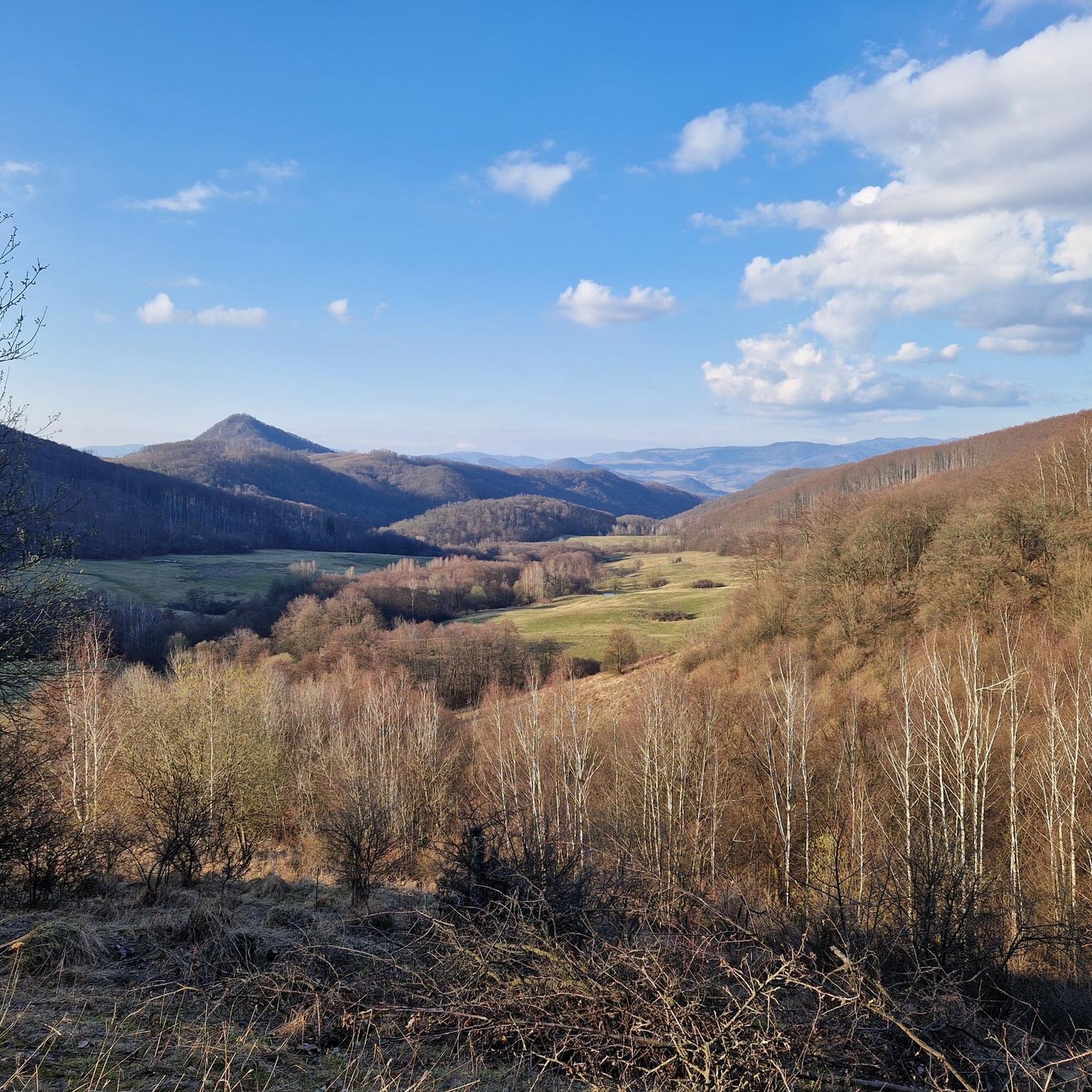
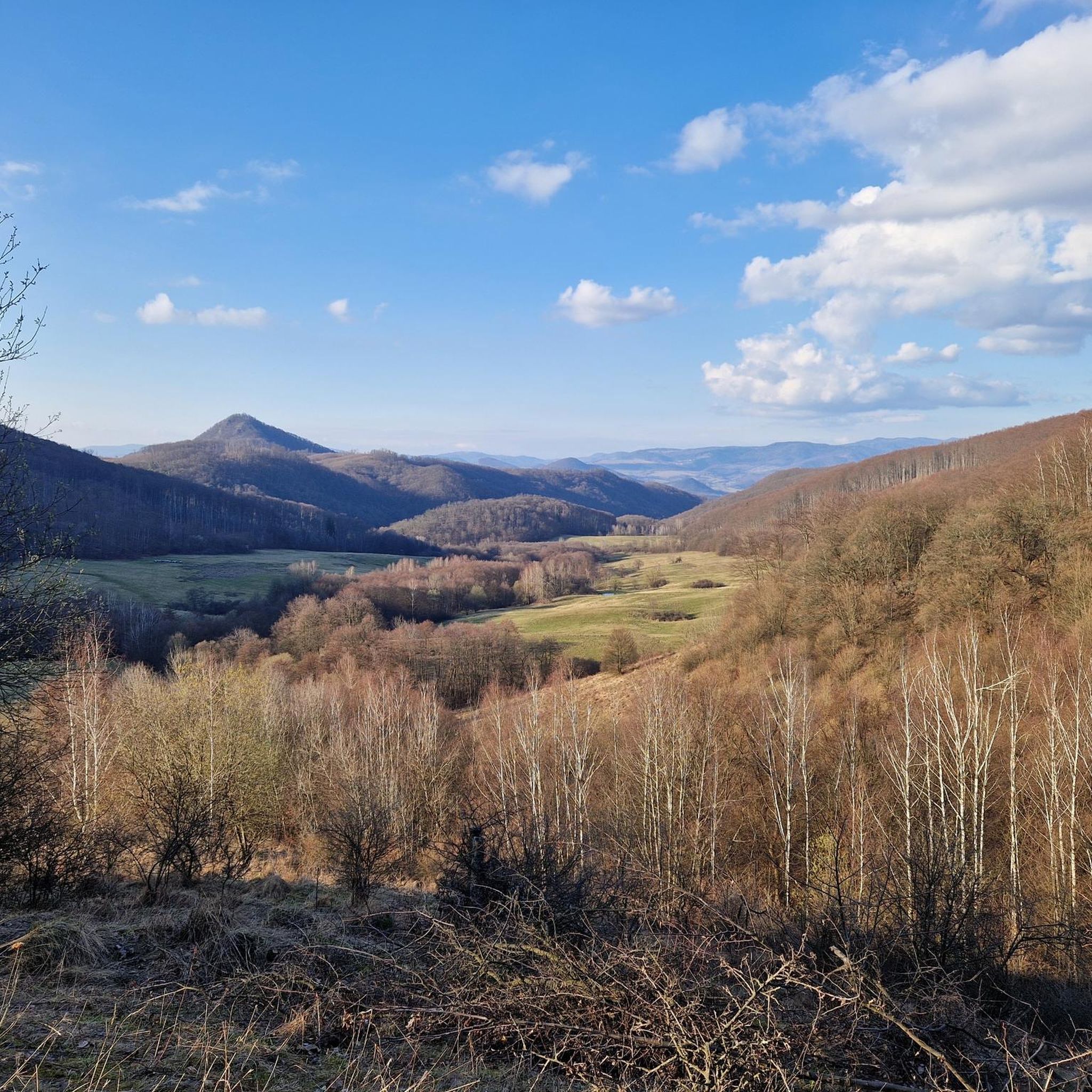
Attractions and places to see around okres Banská Štiavnica include a UNESCO World Heritage site, known for its rich mining history and unique volcanic landscape. This region offers a diverse range of historical, cultural, and natural attractions. Visitors can explore ancient castles, Baroque calvaries, and a unique system of artificial mining lakes. The Štiavnické Vrchy Protected Landscape Area provides extensive natural beauty for exploration.
Best attractions and places to see around okres Banská Štiavnica
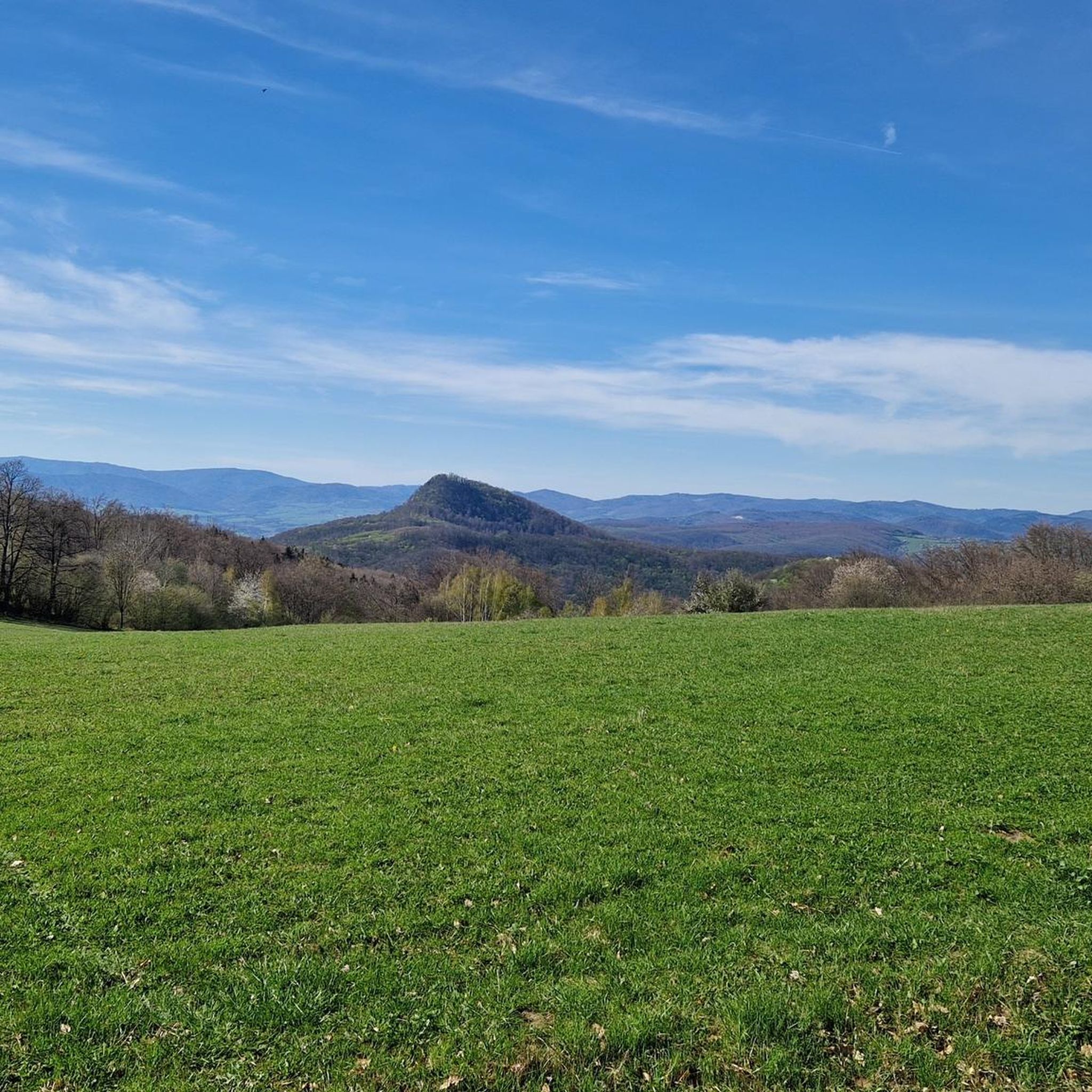
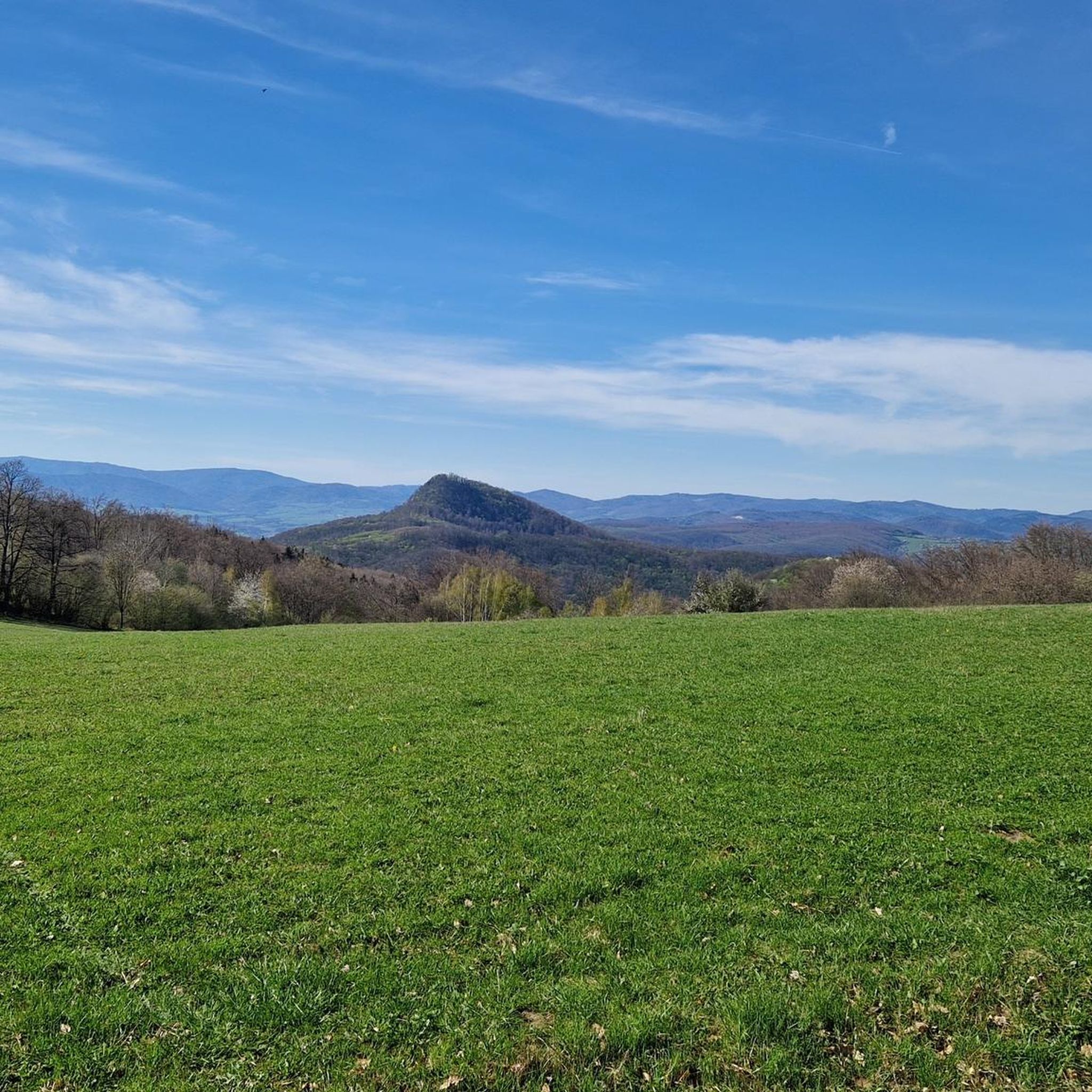
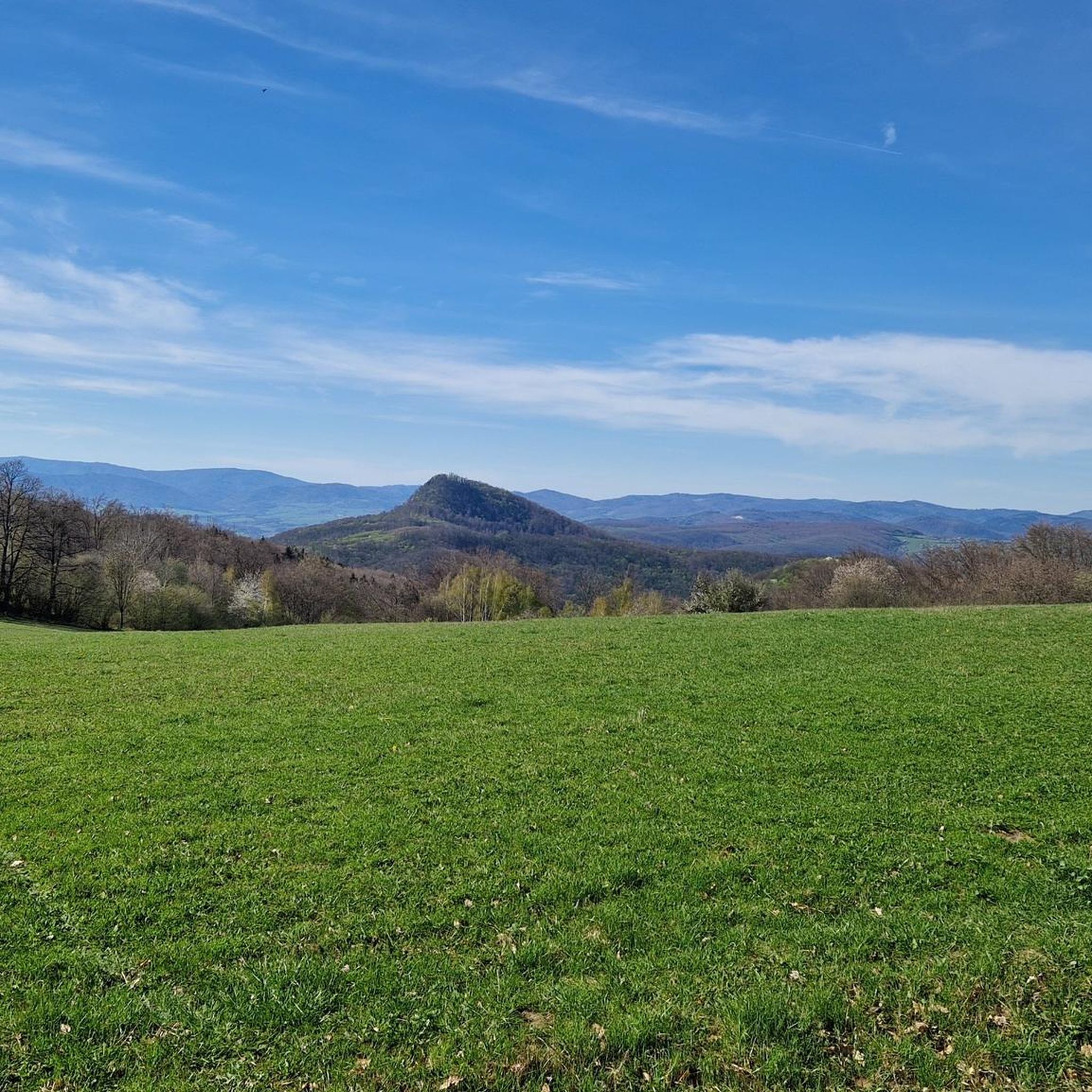
- The most popular attractions is View from Sitno, a viewpoint that offers panoramic views from the 1000 meter high Mount Sitno. On clear days, views extend to other Slovak mountains.
- Another must-see spot is History of the Town on the Wall, a man-made monument. This site provides interesting information about the city's past.
- Visitors also love Old Castle Banská Štiavnica, a castle with historical significance. Originally a Romanesque basilica, it was transformed into a fortress and now houses exhibitions of the Slovak Mining Museum.
- okres Banská Štiavnica is known for its historical castles, unique artificial mining lakes, and diverse natural landscapes. The region offers a variety of attractions to see and explore, from cultural sites to protected natural areas.
- The attractions around okres Banská Štiavnica are appreciated by the komoot community, with 11 highlights featuring 27 photos and 20 upvotes.
Last updated: May 20, 2026
Old Castle Banská Štiavnica
Highlight • Castle
Translated by Google •
Tip by

Nový Hrad Castle
Highlight • Castle
The tower also served as an observation point — guards watched for threats from it and transmitted alarm signals to the inhabitants. The characteristic six-story building is today one of the most recognizable points in the town's panorama.
Currently, the castle houses an exhibition of the Slovak Mining Museum dedicated to the history of the fights against the Ottoman Empire and the ancient weapons used for the defense of the mining town.
Showing Translation
Tip by

Sign up now to discover places like this
Get recommendations on the best single tracks, peaks, & plenty of other exciting outdoor places.
Sign up for free
History of the Town on the Wall
Highlight • Monument
The mural shows, among other things, old mines, the Mining Academy founded in 1762, and the city's characteristic monuments. The whole was designed in the form of simple illustrations and dates, thanks to which it serves both a decorative and educational function.
Showing Translation
Tip by
Andrej Kmeť Lyceum and Statue, Banská Štiavnica
Highlight • Historical Site
The monument stands in front of the historic grammar school building in the center of Banská Štiavnica. The sculpture depicts Kmeť with a book and scientific materials, emphasizing his research and educational activities. The grammar school building itself was one of the important schools in the city's mining region.
Showing Translation
Tip by
ERB Brewery and Restaurant
Highlight • Restaurant
The name "ERB" comes from the German word "Erbe", meaning heritage, referring to the city's mining history. The cellars of the building have preserved vaults and elements of old architecture related to the Austro-Hungarian period.
Showing Translation
Tip by
Piargská Brána
Highlight • Monument
The gate led towards the former settlement of Piarg, today part of Štiavnické Bane, from which it derives its name. Elements of Renaissance architecture and former defensive openings have been preserved above the passage.
For centuries, it was one of the main entrances to the city and part of the walls protecting the rich silver and gold mining center.
Showing Translation
Tip by
Červená Studňa Pond
Highlight • Lake
Translated by Google •
Tip by

Church of Saint Catherine
Highlight • Religious Site
The church was consecrated to St. Catherine of Alexandria – the patron saint of scholars and philosophers. It is distinguished by its high tower and the Gothic vaults preserved inside.
During the Reformation, the temple was taken over by Protestants, and later it returned to Catholics. To this day, it is one of the most characteristic buildings of the historic city center, inscribed on the UNESCO list.
Showing Translation
Tip by
Church of Our Lady of the Snows
Highlight • Religious Site
The church is in the Gothic style, although it has been rebuilt several times over the centuries. Inside, fragments of old vaults and elements of Baroque furnishings have been preserved.
The temple stands on a hill above the city center and for centuries was mainly associated with the inhabitants working in the surrounding mines.
Showing Translation
Tip by
Plague Column
Highlight • Monument
The Baroque column is several meters high and is richly decorated with sculptures of saints and a figure of the Holy Trinity placed at the top. The monument was one of the most important religious and representative symbols of the former Banská Štiavnica, one of the richest mining towns in the region.
Showing Translation
Tip by
Sign up for free to discover even more attractions around okres Banská Štiavnica.
Sign up for free
Already have an account?
Start today with a free account
Your next adventure awaits.
Login or Signup
Tips from the Community

The view from Nový zámok shows the historic center of Bańska Szczawnica, inscribed on the UNESCO list in 1993. From the tower, the layout of the medieval town, churches, the Old Castle, and the buildings that arose during the development of silver and gold mining are clearly visible. The New Castle was built between 1564 and 1571 as an observation point and a defensive element against Turkish raids, which is why its location provides a wide panorama of the entire town valley.
1
0
The history of the city on the wall is a painted timeline located on one of the walls in the center of Banská Štiavnica. The artwork depicts the most important events in the city's history — from the medieval development of silver and gold mining to Banská Štiavnica's inscription on the UNESCO list in 1993. The mural shows, among other things, old mines, the Mining Academy founded in 1762, and the city's characteristic monuments. The whole was designed in the form of simple illustrations and dates, thanks to which it serves both a decorative and educational function.
1
0
The Old Castle was built from the reconstruction of a 13th-century parish church, which in the 16th century was converted into a defensive fortress against Turkish raids. The complex was expanded with walls, bastions, and towers, creating one of the most important defensive points of the city. The castle preserves Gothic and Renaissance architectural elements, old fortifications, and a tower with an alarm bell that warned residents of danger. Currently, a part of the Slovak Mining Museum (Slovenského banského múzea) operates here. Inside, you can see exhibitions dedicated to the history of the city, crafts, old guilds, and the mining traditions of Banská Štiavnica.
1
0
The New Castle was built between 1564 and 1571 as a defensive fortress against Turkish raids. The building stands on a hill above Banská Štiavnica and, together with the Old Castle, formed the town's defense system. The tower also served as an observation point — guards watched for threats from it and transmitted alarm signals to the inhabitants. The characteristic six-story building is today one of the most recognizable points in the town's panorama. Currently, the castle houses an exhibition of the Slovak Mining Museum dedicated to the history of the fights against the Ottoman Empire and the ancient weapons used for the defense of the mining town.
1
0
ERB Brewery & Restaurant is located in the historic building of the former mining school in the center of Banská Štiavnica. The venue combines a restaurant with a craft brewery that brews its own beers on-site. The name "ERB" comes from the German word "Erbe", meaning heritage, referring to the city's mining history. The cellars of the building have preserved vaults and elements of old architecture related to the Austro-Hungarian period.
1
0
The Andrej Kmeť Grammar School and monument commemorate Andrej Kmeť – one of the most important Slovak scientists and national activists of the late 19th and early 20th centuries. Kmeť was involved in archaeology, botany, and documenting folk culture, and also co-founded the Slovak Museum Society. The monument stands in front of the historic grammar school building in the center of Banská Štiavnica. The sculpture depicts Kmeť with a book and scientific materials, emphasizing his research and educational activities. The grammar school building itself was one of the important schools in the city's mining region.
1
0
The Piarg Gate is the only preserved gate of the former defense system of Banská Štiavnica. It was built in the 16th century during the threat of Turkish invasions, when mining towns in Central Europe began to strengthen their fortifications. The gate led towards the former settlement of Piarg, today part of Štiavnické Bane, from which it derives its name. Elements of Renaissance architecture and former defensive openings have been preserved above the passage. For centuries, it was one of the main entrances to the city and part of the walls protecting the rich silver and gold mining center.
1
0
The Church of St. Catherine was built at the end of the 15th century in the late Gothic style and is one of the most important religious monuments in Banská Štiavnica. The temple stands on the main town square and was mainly associated with wealthy burghers and mining officials. The church was consecrated to St. Catherine of Alexandria – the patron saint of scholars and philosophers. It is distinguished by its high tower and the Gothic vaults preserved inside. During the Reformation, the temple was taken over by Protestants, and later it returned to Catholics. To this day, it is one of the most characteristic buildings of the historic city center, inscribed on the UNESCO list.
0
0
Frequently Asked Questions
What historical sites can I explore in okres Banská Štiavnica?
The region is rich in history, largely due to its mining past. You can visit the Old Castle Banská Štiavnica, originally a Romanesque basilica, now housing the Slovak Mining Museum. The Sitno Castle Ruins offer a glimpse into medieval times. Don't miss the Banská Štiavnica New Castle, the Banská Štiavnica Calvary, or the unique Svätý Anton Manor with its historical and hunting exhibits.
Are there any natural attractions or viewpoints in the area?
Absolutely. The View from Sitno, the highest peak in the Štiavnické Vrchy, offers fantastic panoramic views. The region is also home to the unique Tajchy, a system of artificial mining lakes, many of which are now used for recreation. You can also find the Sequoia Trees in Banská Štiavnica Botanical Garden.
What outdoor activities can I do near these attractions?
The Štiavnické Vrchy Protected Landscape Area provides extensive opportunities for outdoor activities. You can enjoy hiking, cycling, and running on various trails. For example, there are numerous cycling routes around the artificial lakes, and running trails like the 'Running loop from Banská Štiavnica'. You can find more details on specific routes in the Cycling around okres Banská Štiavnica or Running Trails around okres Banská Štiavnica guides.
Are there family-friendly attractions in okres Banská Štiavnica?
Yes, many attractions are suitable for families. The Červená Studňa Pond is a great starting point for family-friendly hikes. The Piargská Brána, the only remaining city gate, and the Svätý Anton Manor are also considered family-friendly. The Banská Štiavnica Botanical Garden with its large Sequoia trees offers a peaceful and engaging experience for all ages.
What are the unique geological features of the region?
The region is part of the Štiavnické Vrchy mountain range, formed within a massive ancient volcanic caldera, making its landscape quite unique. A notable geological feature is the Stone Sea in Vyhne, a natural monument composed of large boulders and rock formations, showcasing the area's volcanic past.
Can I visit the historic mining sites?
Yes, the region's mining heritage is a major draw. The Slovak Mining Museum offers an open-air exhibition with underground tunnels, such as Adit Bartolomej, where you can experience what it was like to be a miner. The Glanzenberg Ruins also hint at the ancient mining gallery just below the town center.
What is the best time to visit okres Banská Štiavnica for outdoor activities?
Spring and autumn generally offer pleasant weather for hiking and exploring the natural landscapes and historical sites. Summer is ideal for enjoying the recreational Tajchy lakes, while winter provides opportunities for skiing around areas like Červená Studňa Pond.
Are there any accessible attractions for visitors with mobility considerations?
The History of the Town on the Wall is noted as wheelchair accessible, providing an opportunity to learn about the city's past. While many historical sites may have limitations due to their age, the town center and main squares are generally navigable.
What are the artificial mining lakes (Tajchy) and can I swim in them?
The Tajchy are a unique system of 60 artificial water reservoirs built between the 15th and 18th centuries to power the mining industry. Today, 23 of these lakes, including Velka Vodarenska Lake, Pocúvadlo Lake, and Klinger Lake, are primarily used for recreation, swimming, and hiking. They offer beautiful, serene spots for relaxation.
What do visitors enjoy most about the attractions in okres Banská Štiavnica?
Visitors particularly appreciate the stunning panoramic views from places like Mount Sitno. The historical depth of sites like the Old Castle Banská Štiavnica and the unique experience of the mining museums are also highly valued. The serene beauty of the Tajchy lakes and the peaceful atmosphere of the Botanical Garden are frequently mentioned highlights.
Where can I find information about the city's past?
You can find interesting information about the city's past at the History of the Town on the Wall. Additionally, the Slovak Mining Museum, housed in the Old Castle Banská Štiavnica and the Kammerhof building, provides comprehensive insights into the region's rich mining heritage and its impact on the city's development.
Are there any unique cultural experiences in Banská Štiavnica?
Yes, Banská Štiavnica offers a truly unique cultural experience with the Love Bank (Banka Lásky). This museum is dedicated to 'Marina,' the world's longest love poem, and provides an interactive journey into the emotions of love, allowing visitors to even store a symbol of their own affection.
Most popular routes around okres Banská Štiavnica

Get inspired with the komoot mobile app


Explore more
Still not found the Highlight you’re looking for? See guides of the top attractions in other regions:
