Attractions and Places To See around Kittsee - Top 20
Best attractions and places to see around Kittsee, a market town in Burgenland, Austria, offers a blend of historical landmarks, cultural insights, and natural beauty. Situated in the border triangle of Austria, Hungary, and Slovakia, the region boasts a rich history and a tranquil setting. Visitors can explore significant historical sites, cultural venues, and extensive apricot orchards. The area also provides numerous walking, hiking, and cycling paths for outdoor activities.
Best attractions and places to see around Kittsee
- The most…
Last updated: July 19, 2026
Bratislava Castle
Highlight • Castle
Translated by Google •
Tip by

UFO Observation Tower
Highlight • Viewpoint
Translated by Google •
Tip by
Sign up now to discover places like this
Get recommendations on the best single tracks, peaks, & plenty of other exciting outdoor places.
Sign up for free
St. Martin's Cathedral, Bratislava
Highlight • Religious Site
The Gothic three-aisled church from the 15th century is considered the coronation church of the Hungarian kings.
The three-aisled Gothic cathedral of Bratislava was …
Translated by Google •
Tip by

Maximilian Fountain (Roland Fountain), Bratislava
Highlight • Monument
Maximilian's Fountain / Roland's Fountain
The Maximilian Fountain was built in 1572 in the Austrian stonemason's workshop of Andreas Lutringer, with financial support from the Hungarian King Maximilian II.
Translated by Google •
Tip by
Slovak National Theatre (Historic Building)
Highlight • Historical Site
The Bratislava Opera House - officially known as the old building of the Slovak National Theatre - is a building in …
Translated by Google •
Tip by
Sign up for free to discover even more attractions around Kittsee.
Sign up for free
Already have an account?
Start today with a free account
Your next adventure awaits.
Login or Signup
Popular around Kittsee
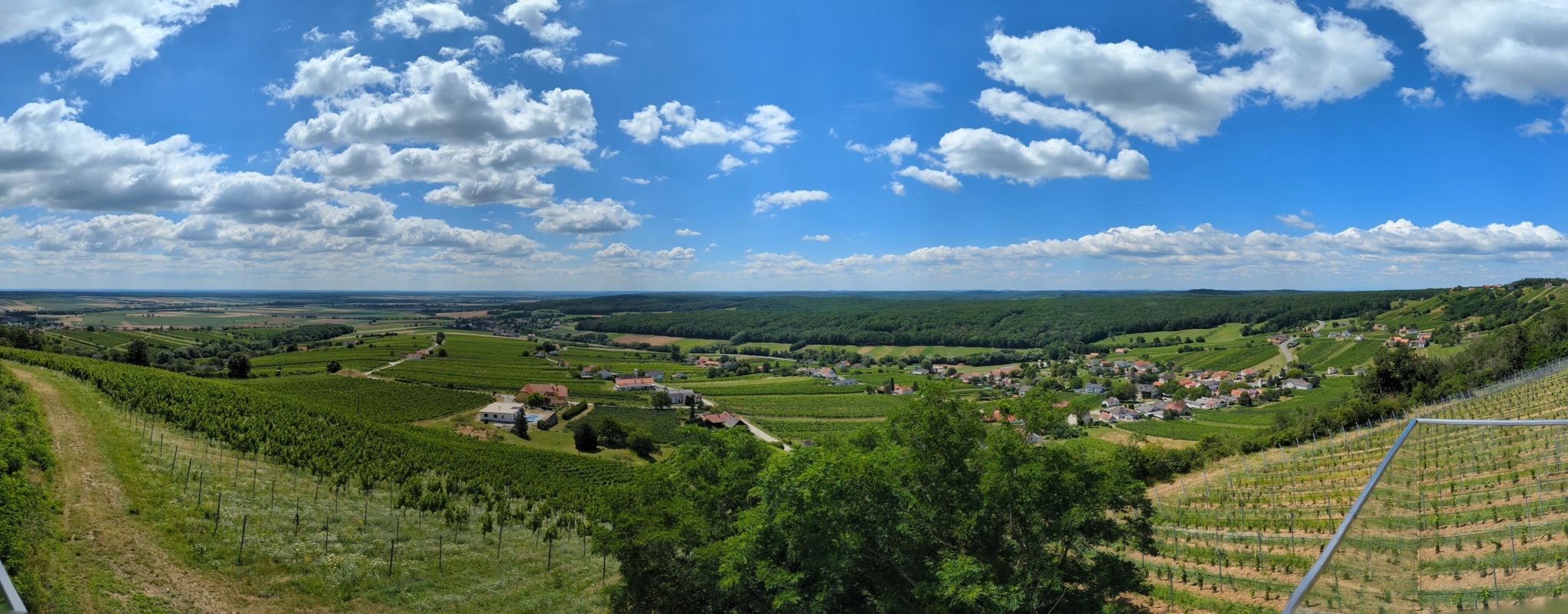
Jubiläumsradweg cycle path through Burgenland
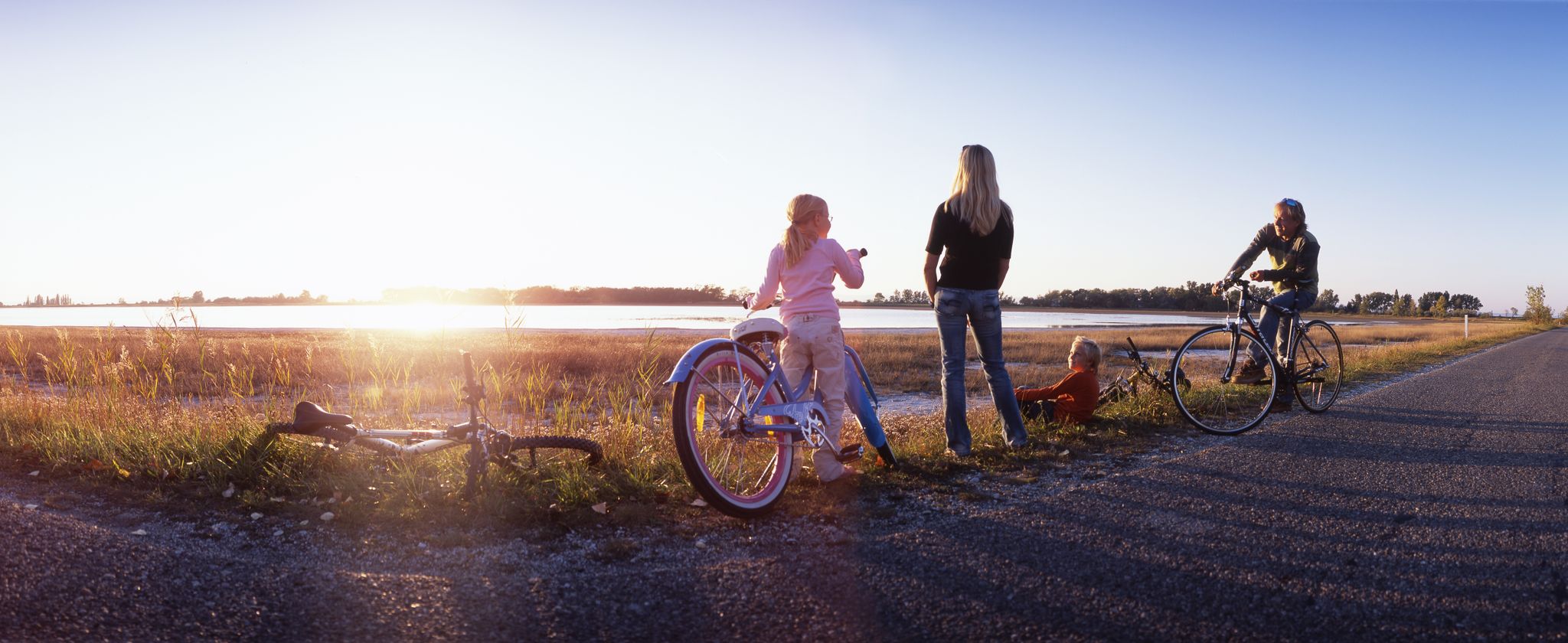
Borderless cycling at St. Andrä am Zicksee – history, wildlife & lakes
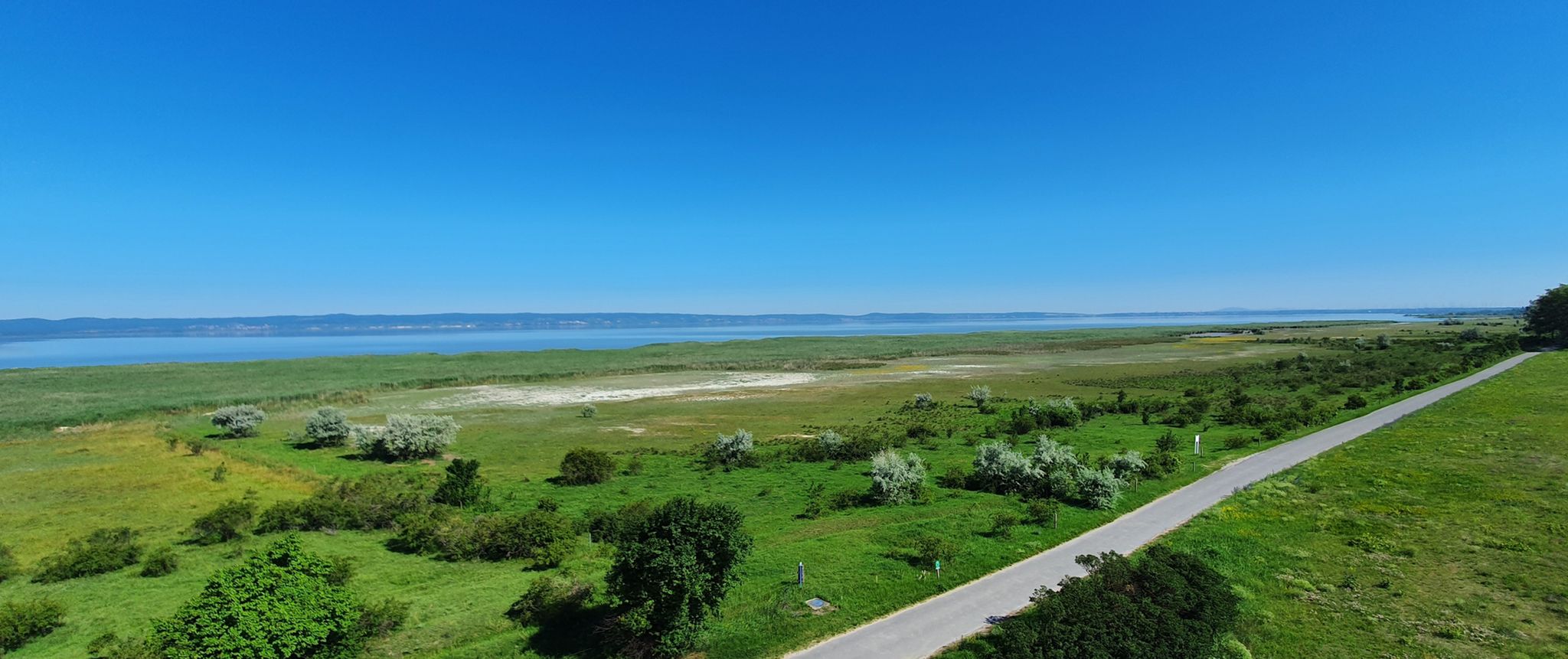
A cycling safari on Lake Neusiedl – UNESCO landscapes in Austria
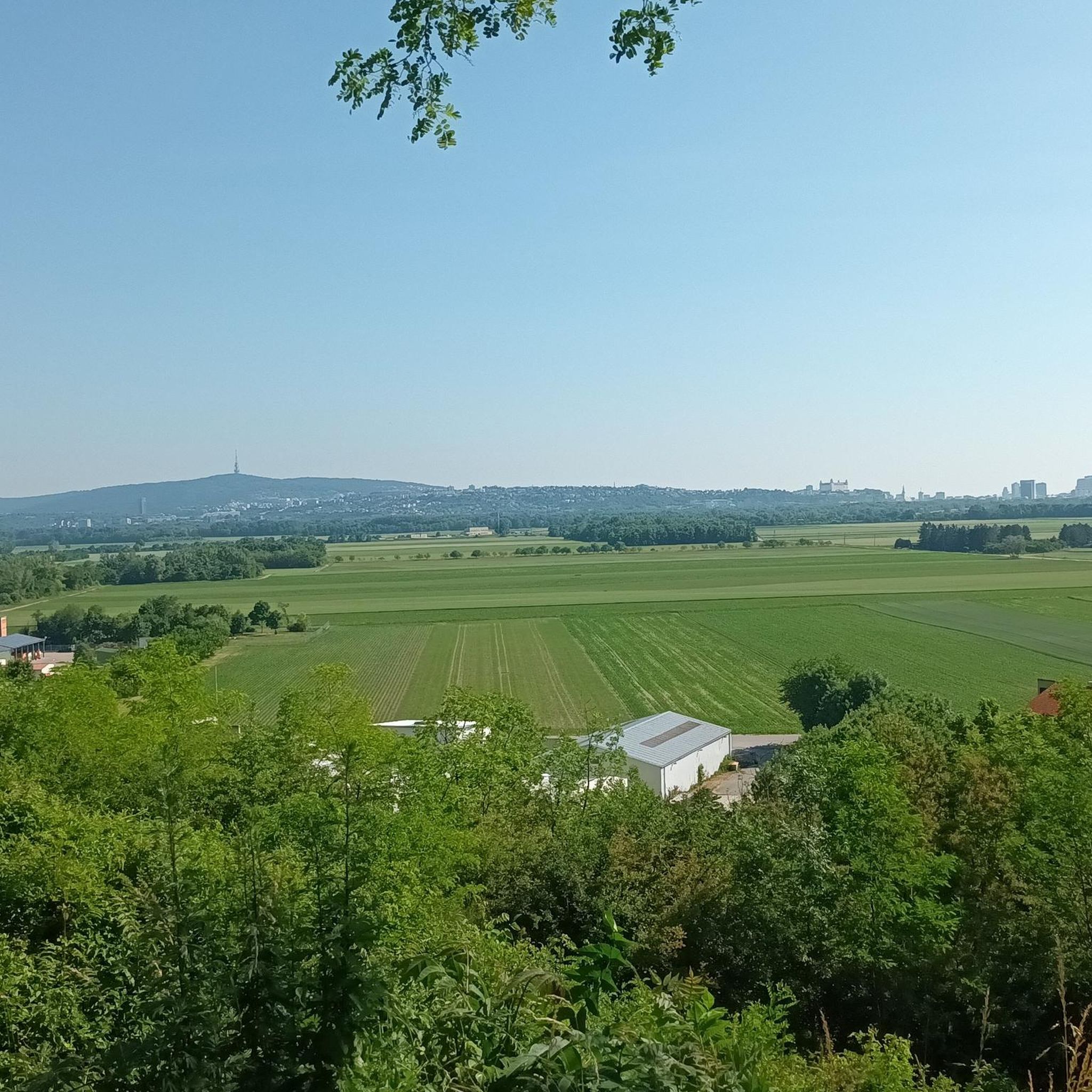
Cycling around Kittsee
Road Cycling Routes around Kittsee
Hiking around Kittsee
Running Trails around Kittsee
MTB Trails around Kittsee

Gravel biking around Kittsee
Other adventures around Kittsee


Tips from the Community

Brings fun & joy while cycling by!
1
0

The late Gothic St. Martin's Cathedral in the heart of Bratislava impresses with its striking tower, delicate pointed arches, and ornate gargoyles. Once the coronation site of Hungarian kings, the interior captivates with colorful stained glass windows and Baroque Rococo details. A quick detour here is worthwhile—especially for photos with a view of the Old Town and Castle Hill.
6
0

St. Martin's Cathedral is the oldest and most important church in Bratislava. It is located on the edge of the Old Town below the castle and served as the coronation church of Hungarian kings for centuries. Its tower, with its golden St. Stephen's Crown, is particularly striking.
6
0

You should definitely go up, enjoy the view and eat and drink something 👌🏻 the trip up costs 11.20 euros
0
0

Whoever is up here in the UFO should go to the toilet and then to the counter.
2
0

Maximilian Fountain / Maximiliánova fontána, Bratislava / Pressburg Maximilian's Fountain / Roland's Fountain The Maximilian Fountain was built in 1572 in the Austrian stonemason's workshop of Andreas Lutringer, with financial support from the Hungarian King Maximilian II. However, the fountain is better known as the Roland Fountain. It consists of a massive circular basin with a diameter of 9 meters. In the center of the basin stands a 10.5-meter-high column, on which stands a statue of a knight in armor; it is said that this is Roland, a legendary defender of the city's rights. Others believe it to be the statue of Maximilian II. To this day, a legend is associated with the fountain. The knight usually faces the Town Hall. But exactly once a year, when the clock strikes midnight on New Year's Day, he turns and leans towards the former town hall, in honor of the twelve councilors who gave their lives long ago to save the city. It is also said that he comes to life on Good Friday. On this occasion, he even moves in broad daylight, brandishing his sword Durandal in all four cardinal directions to show the city that it still enjoys his protection. However, it is said that he can only be seen by Bratislava natives, specifically those citizens with pure hearts who have never harmed anyone. Text / Source: Ministry of Tourism and Sport of the Slovak Republic, Bratislava / Pressburg https://www.visitbratislava.com/de/setzt/maximilians-brunnen-rollands-brunnen/
14
0
Slovak National Theatre - Opera House, Bratislava / Pressburg The Bratislava Opera House - officially known as the old building of the Slovak National Theatre - is a building in the neo-renaissance style, which was opened in 1886 as a city theatre. The opera house of the Slovak National Theatre, built in the neo-renaissance style, was built in 1884-86 as a city theatre. It is a building by the Viennese architects Ferdinand Fellner and Hermann Helmer, who specialized in theatre construction. The new theatre replaced the old city theatre from 1776, which no longer met current requirements. Busts of famous composers are integrated into the oval entrance façade, above which is the stone sculpture group 'Muse of Thalia' by the Viennese sculptor T. Friedl and to the side of it two putti, winged children's figures by V. Tilgner, which symbolize tragedy and comedy. The façade of the opera house is decorated with a terrace. You can get here from the salon and then have a wonderful view of the entire square in front of the opera house. The opera title Bánk Bán, written by the Hungarian composer Ferenc Erkel, was performed at the opening ceremony. The Slovak National Theatre was founded in 1920 under the direction of Oskar Nedbal, who helped it to attain great prestige. Its good reputation and top artists made this house an insider tip among connoisseurs of classical music. In front of the opera house, visitors can admire a beautiful Ganymede fountain from 1888. It was designed by the Bratislava-born sculptor Viktor Oskar Tilgner, who also created the monument to Wolfgang Amadeus Mozart in Vienna's Burggarten. The fountain in front of the opera house conveys the Greek legend of Ganymede, how he was abducted by an eagle to Mount Olympus, where he would serve Zeus and experience eternal youth in return. This is reflected to this day in the boy's happy expression. The sculpture is completed by fish and animals living in the Danube. Text / Source: Ministry of Tourism and Sports of the Slovak Republic, Bratislava / Pressburg https://www.visitbratislava.com/de/setzt/slowakisches-nationaltheater/
15
0
St. Martin's Cathedral, Bratislava / Pressburg The Gothic three-aisled church from the 15th century is considered the coronation church of the Hungarian kings. The three-aisled Gothic cathedral of Bratislava was built on the site of an earlier Romanesque church from 1221, which was dedicated to the Holy Saviour. It was here that Ludwig van Beethoven performed his work Missa solemnis for the first time in Pressburg in 1835. A few years later, in 1884, Franz Liszt also conducted a Hungarian coronation mass here. The cathedral is without doubt one of the largest and best preserved Gothic religious buildings in Bratislava. Its construction began at the beginning of the 14th century, on the site where a Romanesque church had previously stood. Many masters were involved in the extension and expansion, including those who built St. Stephen's Cathedral in Vienna. The most famous include Hans Puchsbaum and Anton Pilgram. The temple was consecrated in 1452, but it did not take on its final form until 1510. The 18th century saw another reconstruction in the Baroque style, which was again carried out by the most talented artists. The last change in the Gothic style followed in the middle of the 19th century. The cathedral can be admired in this form more or less to this day. Text / Source: Touristinfo Bratislava / visitbratislava.com https://www.visitbratislava.com/de/setzt/die-kathedrale-des-heiligen-martin/
16
0
Frequently Asked Questions
What historical sites can I explore in and around Kittsee?
Kittsee is rich in history. You can visit the impressive Schloss Kittsee (New Kittsee Castle), a baroque castle surrounded by a green park, which also hosts cultural events. The Altes Schloss Kittsee (Old Kittsee Castle) is another protected monument with a history dating back to the 13th century. Don't miss the remnants of the Michaelskirche, known as the Heidenturm (Pagan Tower), which uniquely survived a Turkish attack in 1529. Additionally, the Bratislava Castle, a significant historical site, is easily accessible from Kittsee.
Are there any cultural attractions or events in Kittsee?
Yes, Kittsee has a vibrant cultural scene. Schloss Kittsee is a major cultural hub, hosting Pannonian Forum Concerts for over 30 years and the popular Kittsee Summer Festival during the warmer months. The town is also the birthplace of the renowned violin virtuoso Joseph Joachim. You can also visit the Katholische Pfarrkirche zur Kreuzerhöhung and the historic Jewish Cemetery Kittsee, which reflects the region's diverse past.
What natural features or outdoor activities are available near Kittsee?
Kittsee is famous for its extensive apricot orchards, covering over 100 hectares. In late March to mid-April, these orchards transform into a beautiful sea of blossoms, and in July, they are ripe for harvest. The area offers picturesque walking, hiking, and cycling paths through these orchards and along vineyards, complete with information boards and seating areas. For panoramic views, consider visiting the UFO Observation Tower, which offers stunning vistas of Bratislava and the Danube.
What are some family-friendly attractions around Kittsee?
Families can enjoy exploring the park surrounding Schloss Kittsee, which is suitable for walks and activities. Many of the historical sites, such as Bratislava Castle and the UFO Observation Tower, are also considered family-friendly. The numerous walking and cycling paths through the apricot orchards provide a pleasant outdoor experience for all ages.
What is the best time of year to visit Kittsee?
The best time to visit Kittsee depends on your interests. For a stunning natural spectacle, come in late March to mid-April when the apricot orchards are in full blossom. If you're interested in the apricot harvest, July is the ideal time. The Kittsee Summer Festival takes place during the summer months, offering cultural events. Generally, spring and summer offer pleasant weather for outdoor activities like walking and cycling.
Are there hiking trails near Kittsee?
Yes, there are several hiking opportunities around Kittsee. You can find easy trails like the 'Old Castle Kittsee – Hubertuskapelle Rest Area loop' or the 'Apricot Blossom in Kittsee – Wayside Shrine in Orchard loop'. For slightly more challenging options, consider the 'St. Peter and Paul Chapel – Königswarte Observation Tower loop'. You can explore more hiking routes in the area by visiting the Hiking around Kittsee guide.
What cycling routes are available in the Kittsee region?
The Kittsee region offers a variety of cycling routes, including paths through apricot orchards and vineyards. Popular routes include the 'Heideradweg – Burgenland' for a longer ride, or the 'UFO Observation Tower – Bratislava Castle loop from Kittsee' for a scenic journey. There are also easier options like the 'Hartmut Tautz Memorial – 🚂 Bratislava-Petržalka Station loop'. Discover more cycling adventures in the Cycling around Kittsee guide.
What are some notable landmarks in Bratislava that are easily accessible from Kittsee?
From Kittsee, you can easily visit several prominent landmarks in Bratislava. These include the historic Bratislava Castle, which offers a rich history and great views. The Maximilian Fountain (Roland Fountain) in the main square is a beautiful monument from 1572. Also, the St. Martin's Cathedral, a Gothic church and former coronation site for Hungarian kings, is a must-see. For a modern perspective, the UFO Observation Tower provides panoramic city views.
Are there any wheelchair-accessible attractions in the area?
Yes, some attractions in the broader region are noted for their accessibility. For example, the Maximilian Fountain (Roland Fountain) and the Slovak National Theatre (Historic Building) in Bratislava are considered wheelchair-accessible. When planning your visit, it's always advisable to check specific venue details for the most up-to-date accessibility information.
What do visitors enjoy most about the attractions around Kittsee?
Visitors particularly enjoy the blend of historical significance, cultural insights, and natural beauty. The historical sites like Bratislava Castle and the charming old town areas are highly appreciated. The panoramic views from spots like the UFO Observation Tower are also a favorite. The tranquil setting of the apricot orchards and the well-maintained walking and cycling paths offer a relaxing escape, making the region popular among explorers.
Most popular routes around Kittsee
Most popular attractions around Kittsee

Get inspired with the komoot mobile app


Explore more
Still not found the Highlight you’re looking for? See guides of the top attractions in other regions:
