The best running trails around Kittsee
4.3
(134)
12,329
runners
296
runs
Jogging around Kittsee offers a diverse landscape for runners, characterized by its proximity to the Danube floodplains and gently rolling terrain. The region features a mix of forested areas, open fields, and paths along waterways, providing varied surfaces for running. While generally flat, some routes include minor elevation changes, such as the ascent to the Königswarte Observation Tower, which offers panoramic views.
Best jogging routes around Kittsee
- The most popular jogging route is Abandoned Bunker B-S 1 loop from Pečniansky…
Last updated: October 21, 2026
70
runners
Moderate run. Good fitness required. Mostly paved surfaces.
13
runners
5.82km
00:42
180m
180m
Moderate run. Good fitness required. Mostly paved surfaces.

12
runners
10.1km
01:02
10m
10m
Moderate run. Good fitness required. Mostly paved surfaces.
10
runners
5.17km
00:32
10m
10m
Moderate run. Good fitness required. Mostly paved surfaces.
10
runners
9.23km
00:58
20m
20m
Moderate run. Good fitness required. Mostly paved surfaces.
Get access to more routes and recommendations from other explorers.
Already have an account?
Our route recommendations are based on thousands of hikes, rides, and runs completed by other people on komoot.
Start today with a free account
Your next adventure awaits.
Popular around Kittsee
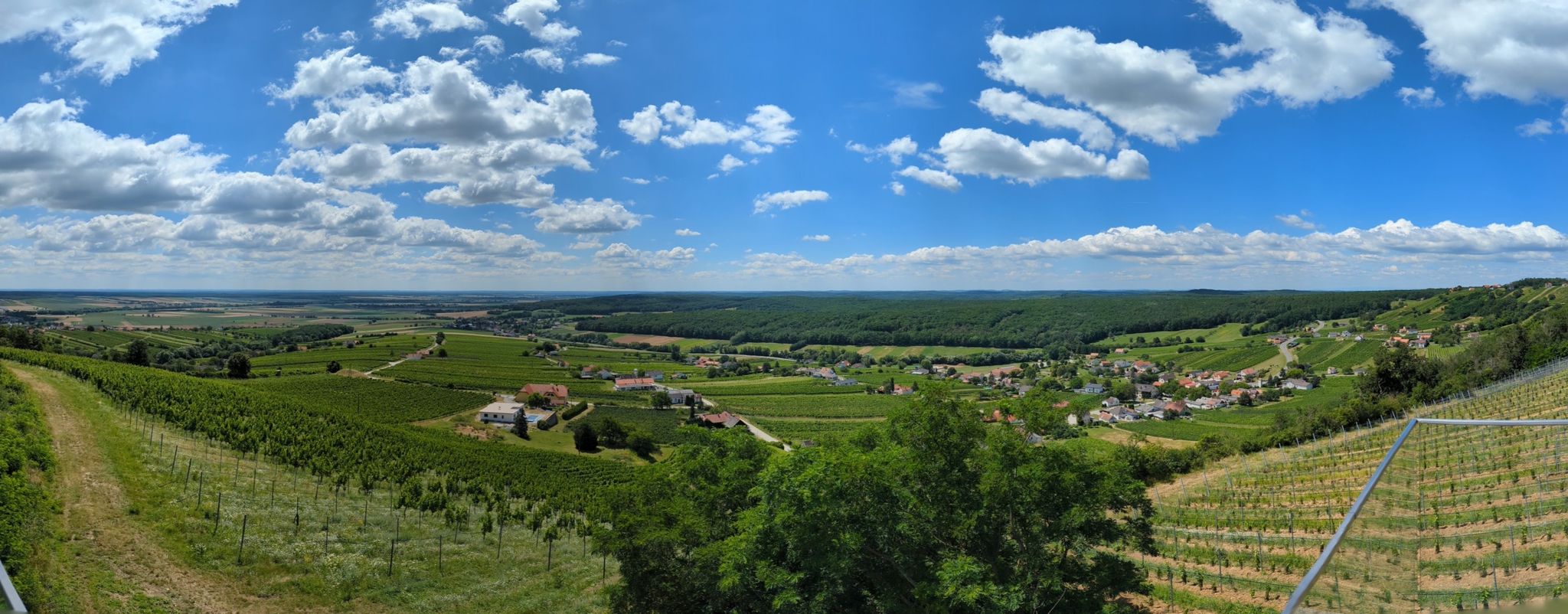
Jubiläumsradweg cycle path through Burgenland
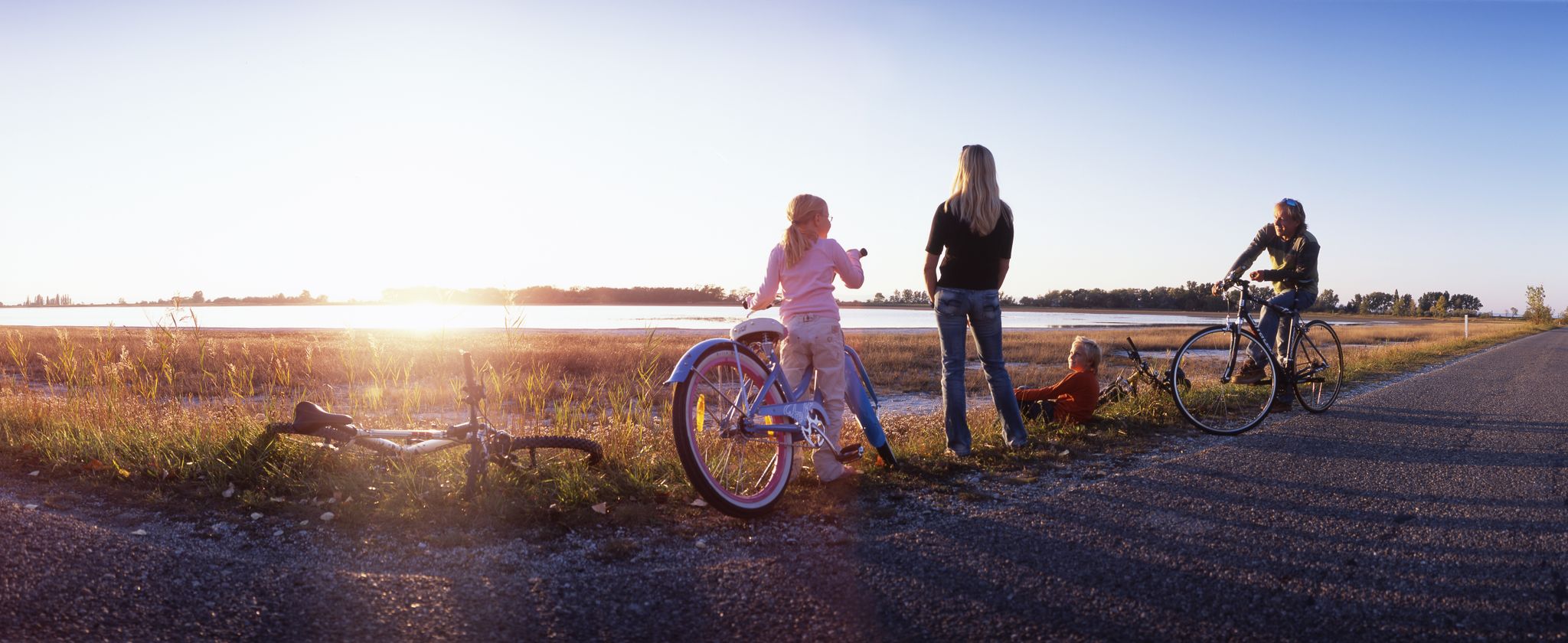
Borderless cycling at St. Andrä am Zicksee – history, wildlife & lakes
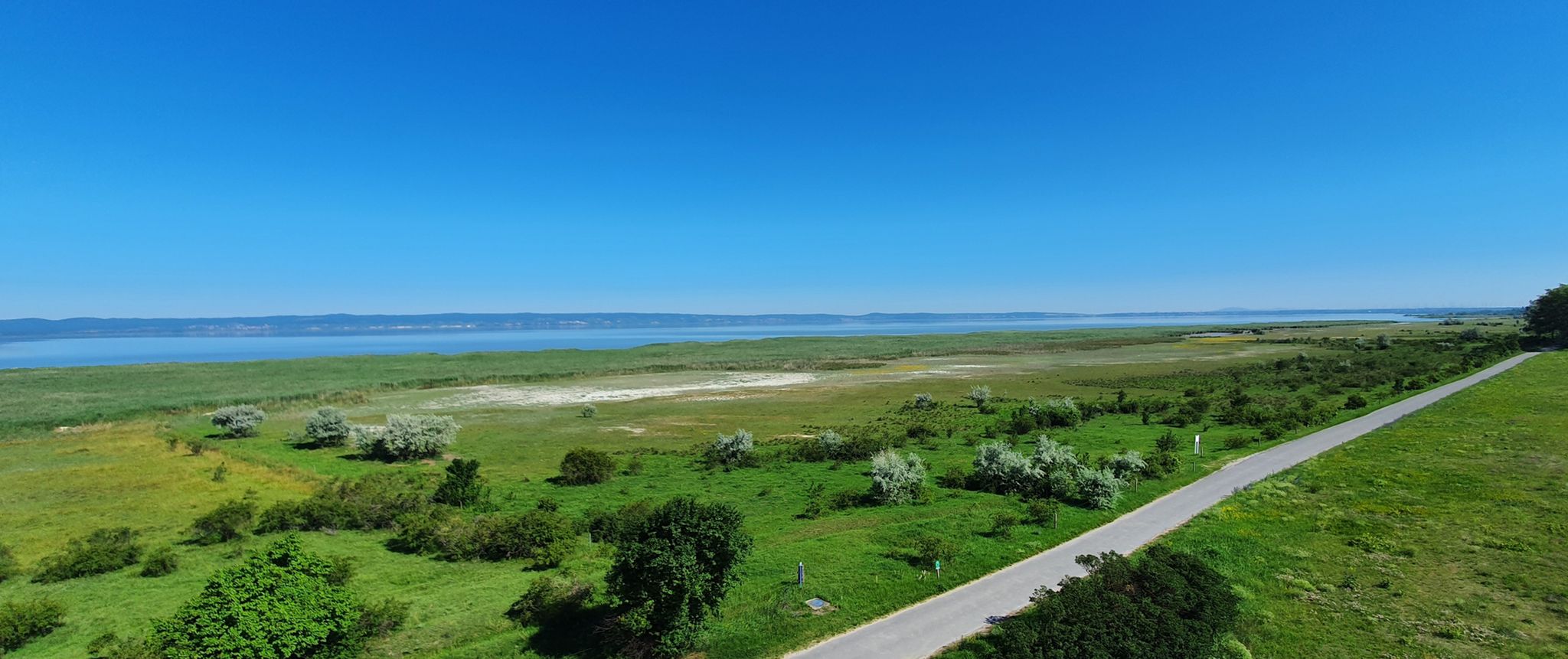
A cycling safari on Lake Neusiedl – UNESCO landscapes in Austria
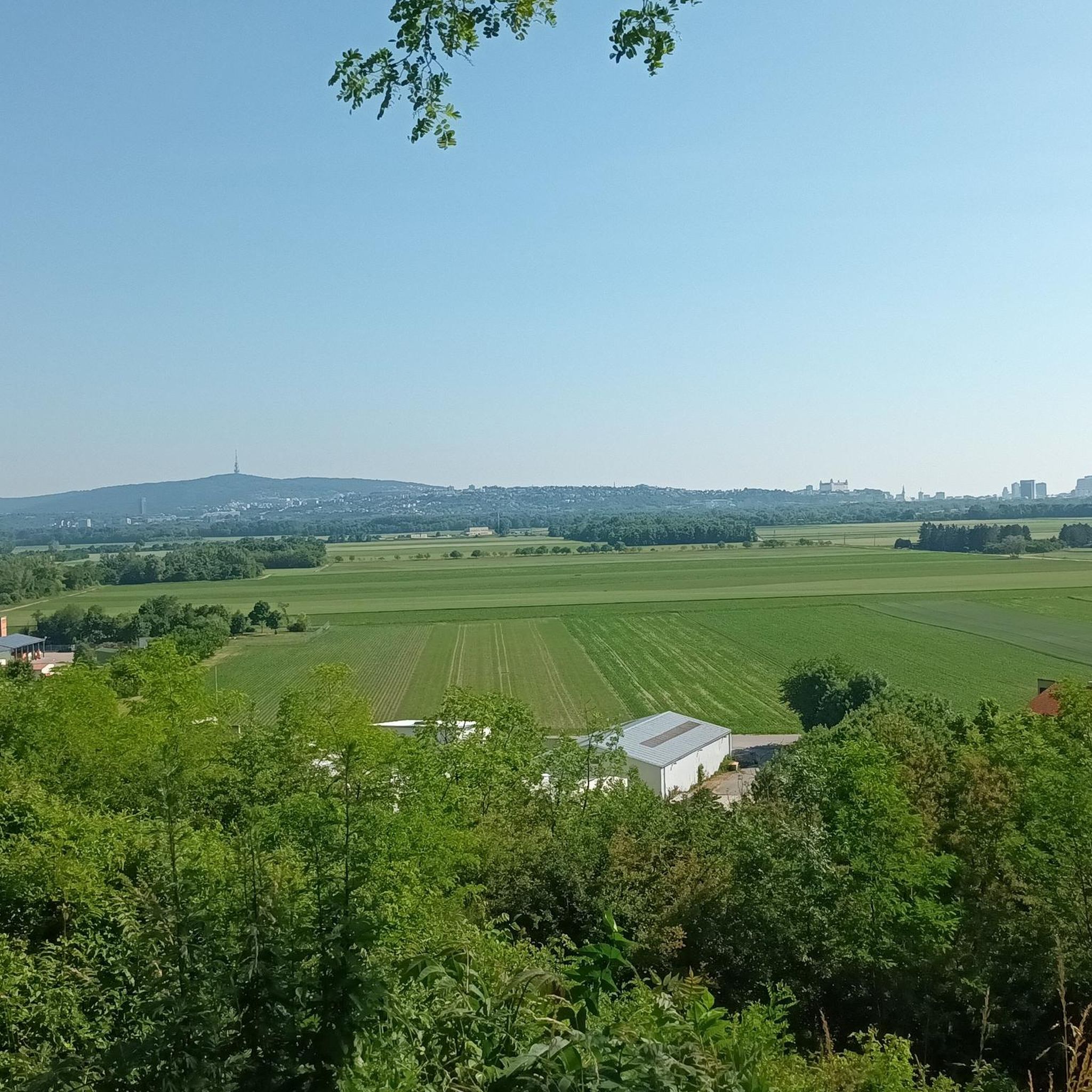
Cycling around Kittsee
Road Cycling Routes around Kittsee
Hiking around Kittsee
MTB Trails around Kittsee

Gravel biking around Kittsee
Other adventures around Kittsee


Tips from the Community

Petržalka Fortification Towards the end of the 1930s, Czechoslovakia fortified its borders with thousands of reinforced concrete fortifications as a reaction to Adolf Hitler's rise to power. The fortification of Slovakia's most important city had both political and military reasons. The construction of the fortified arc, which leaned on the banks of the Danube at both its ends, began in the winter of 1936. It was successfully completed, and in the fateful autumn of 1938, the Petržalka Fortification was ready for the defense of the homeland. It consisted of already existing older fortifications, new infantry bastions, and coherent obstacles. The old fortification - the very first fortification structures in Czechoslovakia, built in 1933-35 on the initiative of General Josef Šnejdárek. These were smaller reinforced concrete objects with machine gun equipment for a few men, which were slightly adapted in 1936 and integrated into the fortification line under the designations B-S Sa, 5b, 6, 7, 9, 10, 11, 12, and 14. Five of the original nine bastions have been preserved. The heavy fortification - isolated infantry bastions B-S 1, 2, 3, 4, 8, 13, and 15, built at the turn of 1936/37, in I and II degrees of resistance according to modern conception, with machine gun and cannon equipment and a crew of several dozen men. They included accommodation spaces, storage rooms, and a machine room with filter equipment. All have been preserved to this day. The construction of fortifications became a trend throughout Europe in the interwar period, and the Czechoslovakian one was intended to be the most perfect and modern. However, it did not get the chance to prove its quality. After the concessions of the European powers to Adolf Hitler, Czechoslovakia was forced to cease fortification work and surrender its borders to the enemy without a fight. On October 10, 1938, Petržalka was occupied by the German army.
1
0

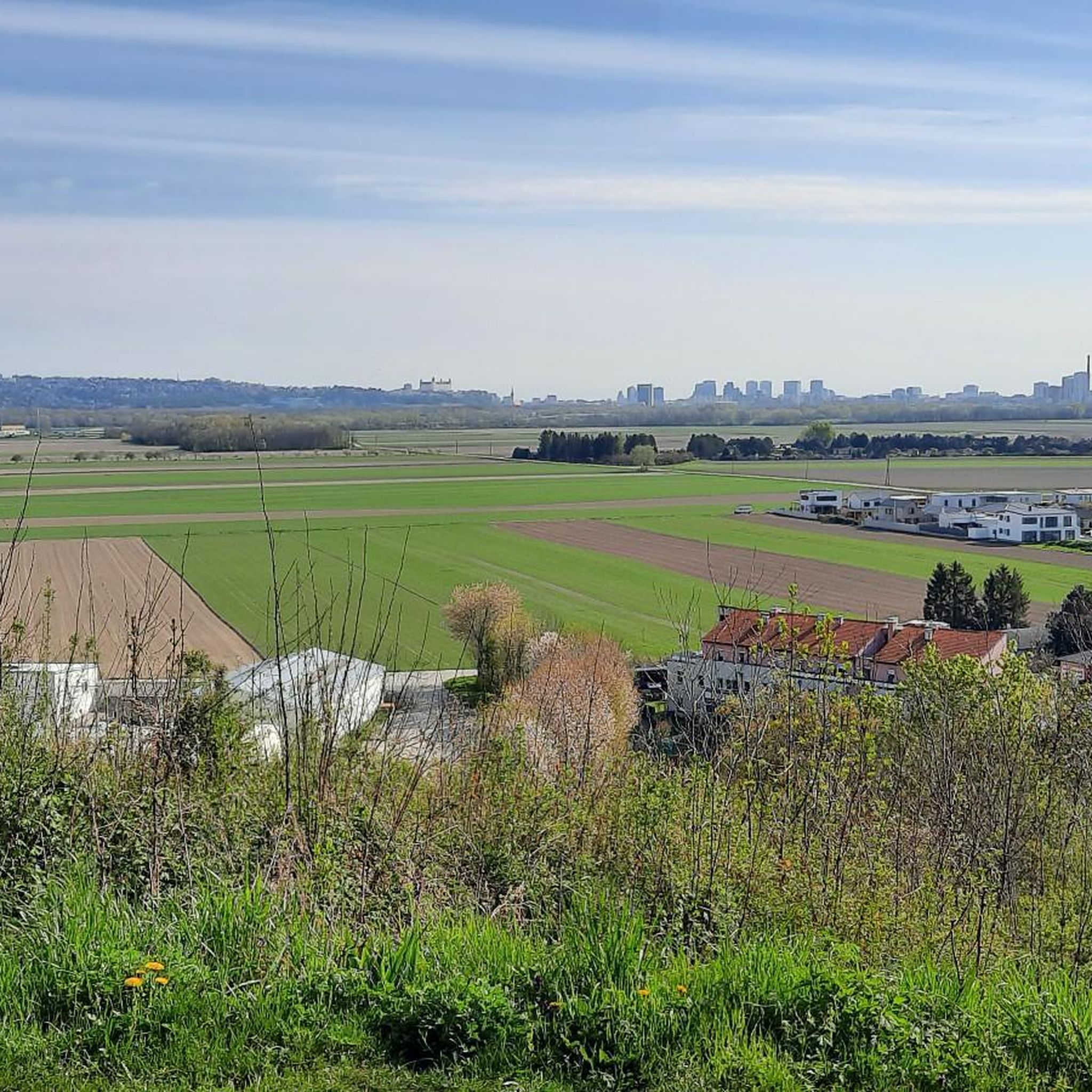
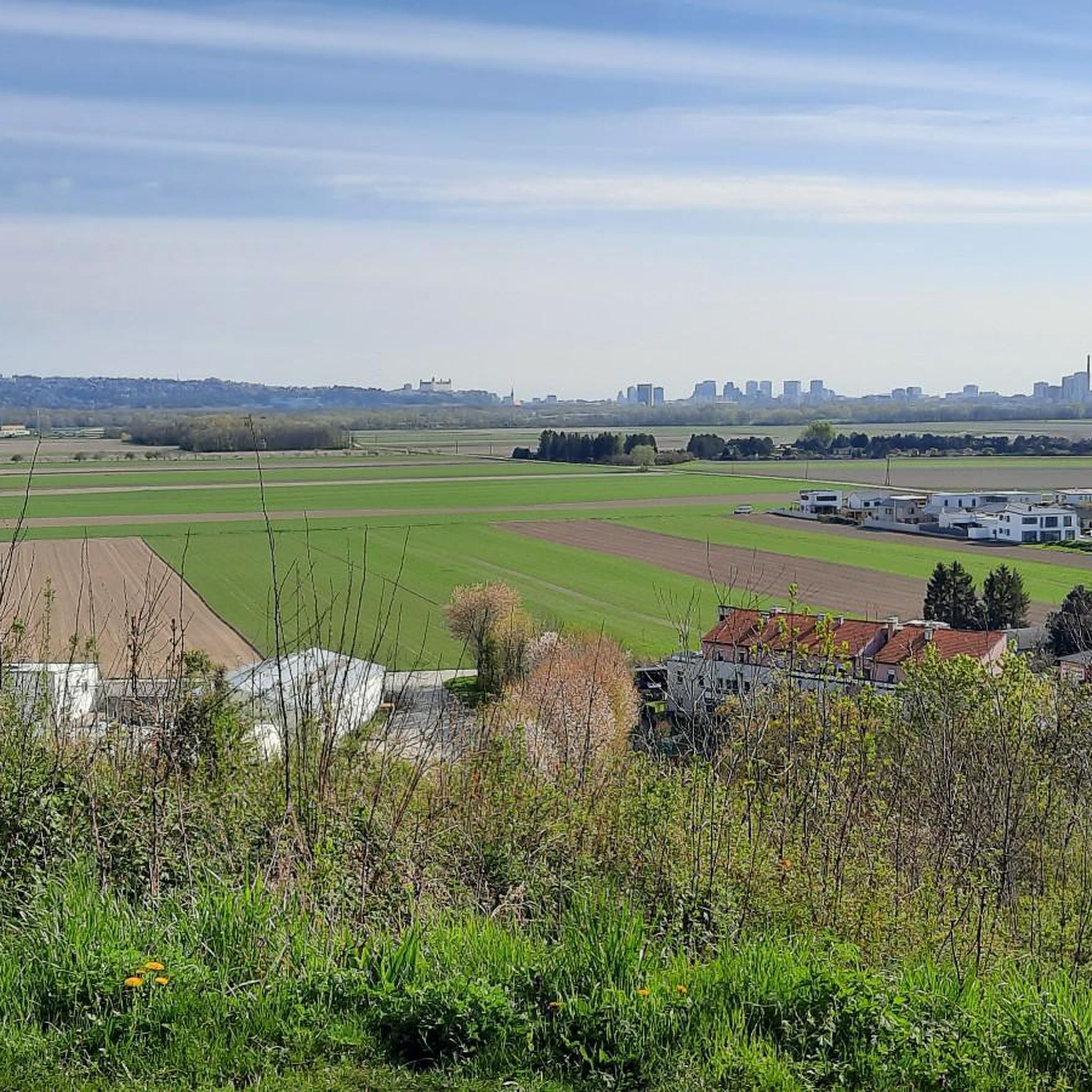
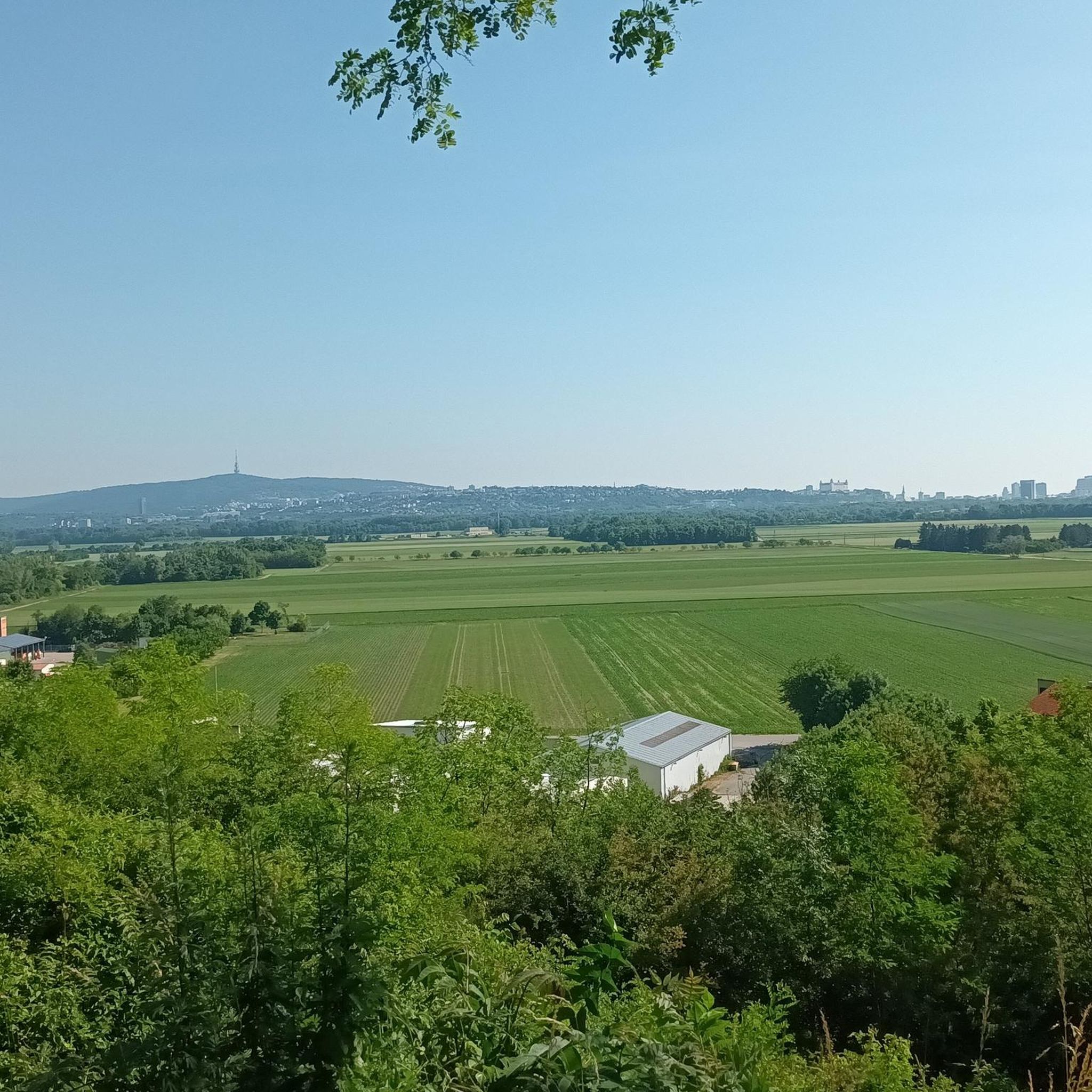
From the Königswarte observation tower, the view extends far beyond the border to Bratislava. Especially in clear weather, the striking high-rises and the silhouette of the Slovak capital are clearly recognizable. An impressive panorama that shows how close the metropolises and landscapes of this border region are to each other.
6
0

A historic building, nice that it has been preserved and is freely accessible.
1
0
A historic building, nice that it has been preserved and is freely accessible.
1
0

The bunker is freely accessible, but is not entirely safe.
1
0

nice tour without difficult climbs
0
0

Old border crossing to Austria
1
0

A part of Austrian/European history.
0
0
Frequently Asked Questions
How many running routes are available around Kittsee?
Kittsee offers a wide variety of running experiences, with over 300 routes available. These range from easy, flat paths to more challenging trails with moderate climbs, catering to all fitness levels.
What are the typical lengths of running trails in Kittsee?
Running routes in Kittsee vary in length. Many popular options are between 3 to 6 miles (5 to 10 km), such as the Abandoned Bunker B-S 1 loop from Pečniansky les at 4.5 miles (7.3 km) or the Running loop from Berg at 6.3 miles (10.1 km). You'll find options for both shorter, quicker runs and longer endurance training.
Are there easy running routes suitable for beginners in Kittsee?
Yes, Kittsee has 16 easy running routes perfect for beginners or those looking for a relaxed pace. These trails typically feature minimal elevation changes and well-maintained surfaces, often winding through forested areas or along waterways.
Can I find circular running routes in the Kittsee area?
Absolutely. Many of the running paths around Kittsee are designed as loops, allowing you to start and finish at the same point. A great example is the Königswarte Observation Tower – Berg Rest Area loop from Berg, which offers scenic views and brings you back to your starting location.
What kind of scenery can I expect on the running trails around Kittsee?
The region around Kittsee boasts diverse scenery, characterized by its proximity to the Danube floodplains, gently rolling terrain, forested areas, and open fields. Many routes offer views of the surrounding landscape, and some even include climbs to viewpoints like the Königswarte Observation Tower.
Are there any interesting landmarks or points of interest along the running routes?
Yes, several routes pass by notable landmarks. For instance, the Abandoned Bunker B-S 1 loop from Pečniansky les takes you through a forested area with historical points of interest. You might also encounter natural monuments or viewpoints like the View from Hundsheimer Berg.
Are the running trails in Kittsee dog-friendly?
Many running trails in the Kittsee region are suitable for running with dogs, especially those through forested areas and open fields. However, it's always recommended to keep dogs on a leash and be mindful of local regulations, especially in nature protection areas or near agricultural land.
What do other runners enjoy most about jogging in Kittsee?
The running routes in Kittsee are highly rated by the komoot community, with an average score of 4.4 stars from over 100 reviews. Runners often praise the varied terrain, from riverine paths to gentle hills, and the peaceful atmosphere of the forested trails.
Are there running routes accessible by public transport in Kittsee?
While specific public transport connections to every trailhead can vary, many routes are located near towns or villages that are served by local buses or trains. For example, routes starting from Berg or Stará Petržalka, like the Running loop from Stará Petržalka, might be more accessible via public transport.
When is the best time of year to go running in Kittsee?
The spring and autumn months generally offer the most pleasant conditions for running in Kittsee, with mild temperatures and beautiful natural scenery. Summer can be warm, so early morning or late evening runs are advisable. Winter running is also possible, especially on cleared paths, but be prepared for colder temperatures and potentially icy conditions.
Are there family-friendly running options in Kittsee?
Yes, the region offers several flatter and shorter routes that are well-suited for families. These trails often pass through parks or less challenging terrain, providing a pleasant experience for all ages. Look for routes marked as 'easy' for the most family-friendly options.
Are there any hidden gem running trails in Kittsee that are less crowded?
While popular routes like the Königswarte loop are well-known, exploring some of the less-trafficked paths, particularly those deeper within the Danube floodplains or smaller forest sections, can reveal quieter, more secluded running experiences. The komoot app can help you discover these lesser-known trails.
Most popular routes around Kittsee
Most popular attractions around Kittsee

Get inspired with the komoot mobile app


Explore more
Browse the best Running Trails & Routes in other regions.
