Attractions and Places To See in Mt. Charleston Wilderness - Top 14
Attractions and places to see in Mt. Charleston Wilderness include a diverse range of natural features and cultural sites. This "sky island" in the Spring Mountains, located near Las Vegas, Nevada, offers a unique ecological environment with high peaks, deep canyons, and ancient bristlecone pines. The area is characterized by limestone formations and holds cultural significance for Southern Paiute and Chemehuevi peoples. Visitors can explore a variety of landscapes, from alpine meadows to sheer cliffs.
Best attractions and places to see in Mt. Charleston Wilderness
- The most popular attractions is Fletcher Canyon Narrows, a canyon known for its sheer, water-polished limestone cliffs. This unique, shaded section offers an adventurous hiking experience.
- Another must-see spot is Cathedral Rock Trail, a popular, moderate trail that winds through ponderosa pines and aspen groves. It offers views of the impressive Echo Cliffs and leads to the summit of Cathedral Rock.
- Visitors also love Mary Jane Falls, a seasonal waterfall located in Kyle Canyon. These falls are fed by snowmelt and rainfall, creating a scenic spot among limestone cliffs.
- Mt. Charleston Wilderness is known for its diverse natural monuments, scenic trails, and waterfalls. The region offers a variety of attractions to explore, from ancient trees to geological formations.
- The attractions in Mt. Charleston Wilderness are appreciated by the komoot community, with 7 upvotes and 6 photos shared across 14 highlights.
Last updated: May 17, 2026
Fletcher Canyon Narrows
Highlight (Segment) • Canyon
Tip by

Cathedral Rock Trail
Highlight (Segment) • Trail
Tip by
Sign up now to discover places like this
Get recommendations on the best single tracks, peaks, & plenty of other exciting outdoor places.
Sign up for free
Mummy Spring
Highlight • Waterfall
Tip by

The Raintree
Highlight • Natural Monument
Tip by
Mary Jane Falls
Highlight • Waterfall
Tip by
Sign up for free to discover even more attractions in Mt. Charleston Wilderness.
Sign up for free
Already have an account?
Start today with a free account
Your next adventure awaits.
Login or Signup
Popular around Mt. Charleston Wilderness
Tips from the Community

This section of Fletcher Canyon is known as the narrows. Although the trail fades somewhat as you continue up into the narrows, it is difficult to get truly lost because you are hiking between sheer, water-polished limestone cliffs. This unique, shaded section of Fletcher canyon is a fantastic adventure and a great way to end your hike; it's amazing to be able to explore a narrow, sheer canyon hidden in a mountain environment!
0
0
This massive Bristlecone Pine Tree, known as "Raintree" or "the Raintree," is over 3,000 years old and is one of the oldest living things in Nevada! Bristlecone Pines are some of the longest-living organisms on the planet and can survive for centuries in incredibly dry, harsh environments. Regardless of your destination, this tree is an amazing piece of natural history and is well worth a stop on your hike on the North Loop Trail.
0
1
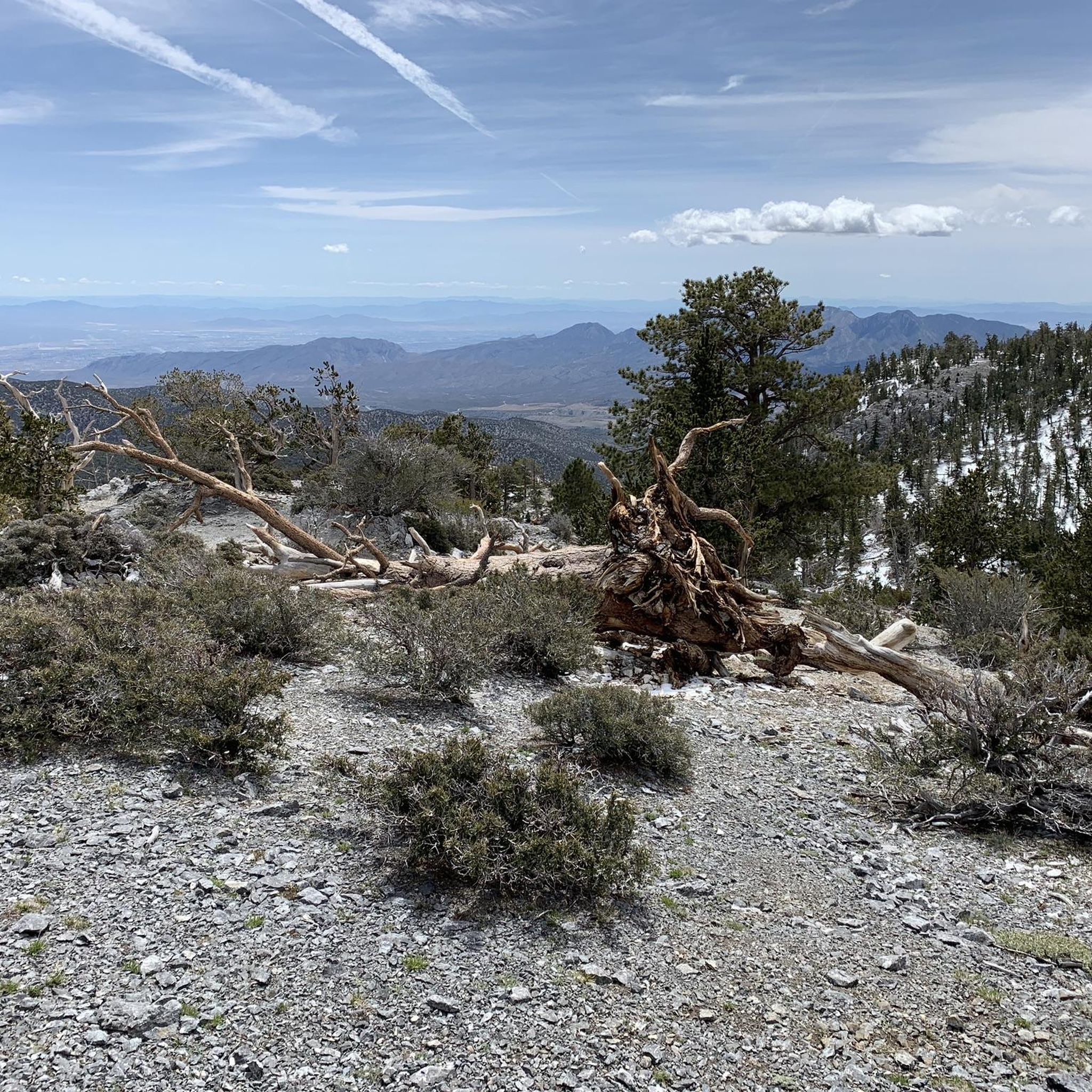
On the east slope of Mummy Mountain, you pass through an open, gravelly hillside dotted with ancient Bristlecone Pines and reach Mummy Springs. Just 0.3 miles off the main North Loop Trail (0.6 miles round trip from the North Loop) this peaceful spring waters a picturesque alpine meadow and a lovely place to take photos and rest.
0
1
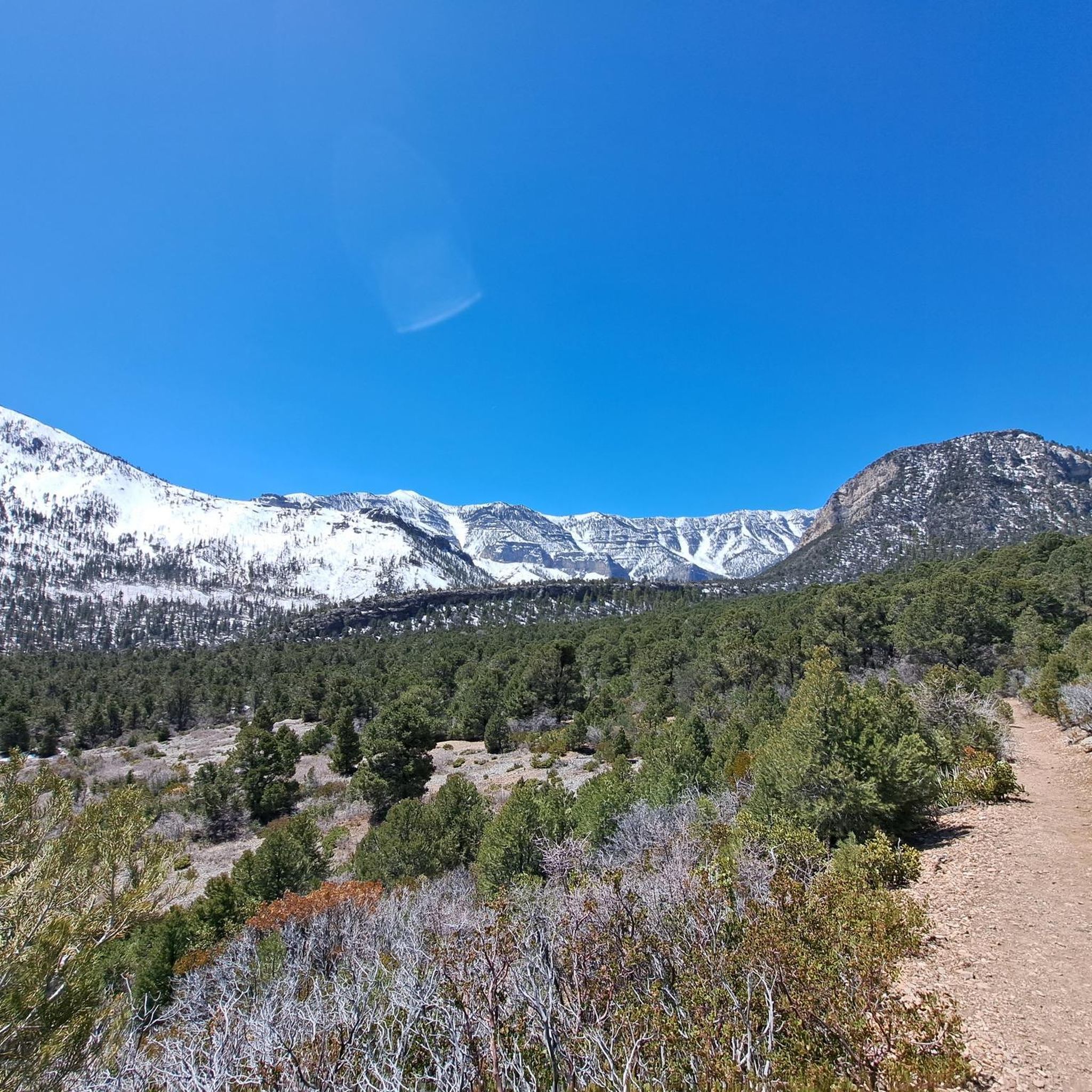
The Cathedral Rock Trail is a very popular, moderate trail that winds up through ponderosa pines and aspen groves toward Cathedral Rock. You get phenomenal views of the impressive, sheer limestone Echo Cliffs almost the entire way up the trail. On the Cathedral Rock trail there are log benches every 16th of a mile along the way for you to stop, sip water, and admire the views. After the junction for the Little Falls the trail steepens, but you are rewarded with increasingly spectacular views as you reach the summit of Cathedral Rock.
1
0
Mary Jane Falls is a seasonal waterfall up Kyle Canyon. These towering falls are fed primarily by snowmelt and therefore only occur in the spring and/ or after heavy rainfall. Even if the falls are not in, this is a peaceful, scenic spot high up among sheer limestone cliffs.
0
0

The Mummy Spring Trail splits at this point. The path up leads to the spring and a small waterfall. If you want to follow the trail down (not marked on all maps), you have to struggle a little through the scrub to find the partly quite steep but rarely used path along Deer Creek.
5
0
The Rain Tree is a 3,000-year-old Bristlecone Tree, one of the oldest living things on Earth. Bristlecone pines are fascinating trees that are among the longest-lived organisms on Earth. These extraordinary trees can live for over 5,000 years and thrive in extreme environments with meager conditions.
5
0
Frequently Asked Questions
What are some of the most popular hiking trails in Mt. Charleston Wilderness?
The Mt. Charleston Wilderness offers over 60 miles of trails. Among the most popular are the Cathedral Rock Trail, known for its views of the Echo Cliffs, and the trail to Mary Jane Falls, a scenic seasonal waterfall. For a unique experience, explore the Fletcher Canyon Narrows, characterized by sheer, water-polished limestone cliffs.
Are there any easy hiking trails suitable for families in Mt. Charleston Wilderness?
Yes, there are several easy trails perfect for families. The easy hikes guide for Mt. Charleston Wilderness lists options like the Stanley B. Springs Trail and the Fletcher Canyon trail, which offers a gentle introduction to the area's natural beauty.
What unique natural features can I explore in Mt. Charleston Wilderness?
The wilderness is home to several unique natural features. You can visit The Raintree, a 3,000-year-old Bristlecone Pine, one of the longest-lived organisms on Earth. The area also features impressive limestone formations, deep canyons like Fletcher Canyon, and the seasonal Mary Jane Falls.
What cultural or historical sites are there to see in the Mt. Charleston Wilderness?
The Spring Mountains, including Mt. Charleston Wilderness, hold significant cultural importance for the Southern Paiute and Chemehuevi peoples, who know it as 'Nuvant' and consider it a sacred origin site. You can learn more at the Spring Mountains Visitor Gateway, which includes the Seven Stones Plaza honoring these tribes. The area also has historical remnants of old settlements along some hiking paths.
What is the best time of year to visit Mt. Charleston Wilderness?
The best time to visit depends on your desired activities. Spring is ideal for seeing Mary Jane Falls fed by snowmelt. Summer offers a cool escape from the desert heat, perfect for hiking. Fall brings beautiful foliage, while winter transforms Lee Canyon into a popular destination for skiing and snowboarding.
Are there opportunities for wildlife spotting in Mt. Charleston Wilderness?
Yes, the wilderness is home to diverse wildlife. Keep an eye out for mule deer, elk, and various bird species. The Palmer's chipmunk, endemic to the Spring Mountains, can also be spotted. Early mornings and late afternoons are often the best times for wildlife viewing.
What kind of outdoor activities, besides hiking, can I do in Mt. Charleston Wilderness?
Beyond hiking, Mt. Charleston Wilderness offers a range of outdoor activities. During winter, Lee Canyon Ski Resort is popular for skiing and snowboarding. Other activities include picnicking, camping, horseback riding, mountain biking, and for the more adventurous, rock and ice climbing. You can find various running trails and hiking routes throughout the area.
Where can I find ancient Bristlecone Pines in the wilderness?
The wilderness is home to an extensive stand of ancient bristlecone pines. A notable example is The Raintree, a 3,000-year-old specimen located along the North Loop Trail. These fascinating trees thrive in extreme environments and are a significant natural feature of the area.
What is the Spring Mountains Visitor Gateway and what does it offer?
The Spring Mountains Visitor Gateway serves as an excellent starting point for exploring the Mt. Charleston Wilderness. It provides valuable information about trails, local wildlife, and recreational opportunities. It also features the Seven Stones Plaza, which honors the sacred connection of the Southern Paiute tribes to the Spring Mountains, and the Silent Heroes of the Cold War Memorial.
Can I go camping in Mt. Charleston Wilderness?
Yes, there are numerous campgrounds available for overnight stays in the Mt. Charleston Wilderness area. It's advisable to check for specific regulations and permit requirements, especially during peak seasons, to ensure a smooth camping experience.
What is special about the geology of Mt. Charleston Wilderness?
The Mt. Charleston Wilderness is primarily composed of limestone that accumulated over millions of years, containing fossils of marine organisms from prehistoric seas. This geological history has created the dramatic landscapes you see today, including towering cliffs like the Echo Cliffs and deep canyons, offering unique insights into the region's ancient past.
Are there any scenic drives in the Mt. Charleston area?
Yes, the Mount Charleston Scenic Byway offers a stunning drive through the Spring Mountains National Recreation Area. This route provides breathtaking views of the mountain's peaks and impressive rock formations, making it a great way to experience the area's beauty from your vehicle.
Most popular routes in Mt. Charleston Wilderness
Most popular attractions in Mt. Charleston Wilderness

Get inspired with the komoot mobile app


Explore more
Still not found the Highlight you’re looking for? See guides of the top attractions in other regions:
