Attractions and Places To See around Golling an der Erlauf - Top 20
Best attractions and places to see around Golling an der Erlauf include a blend of local cultural insights and access to significant regional landmarks. This municipality in Austria offers a gateway to exploring historical sites and scenic viewpoints along the Danube. The area is characterized by its connection to the Erlauf river and its proximity to the broader Wachau region. Visitors can discover a variety of attractions, from historical castles to picturesque river views.
Best attractions and places to see…
Last updated: October 9, 2026
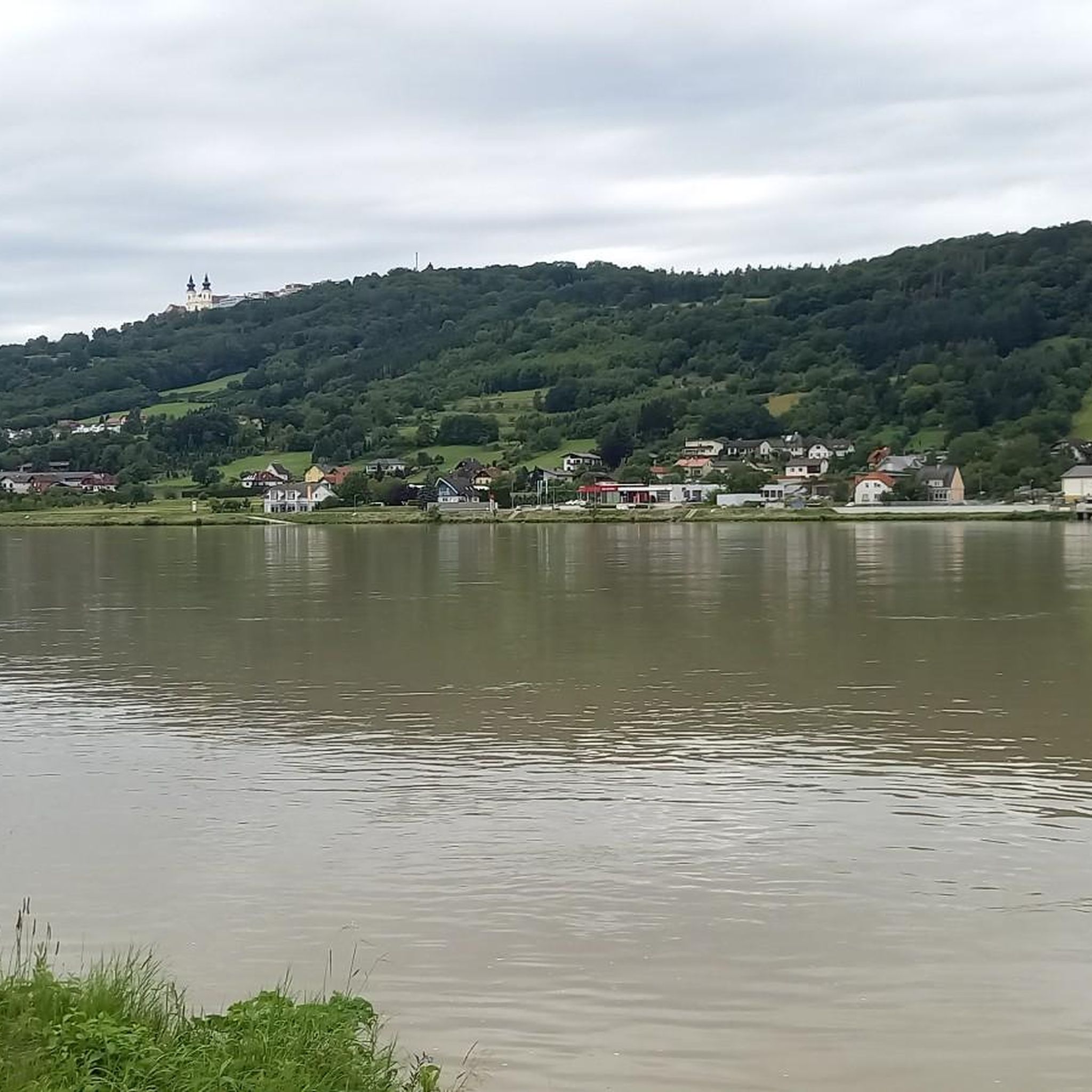
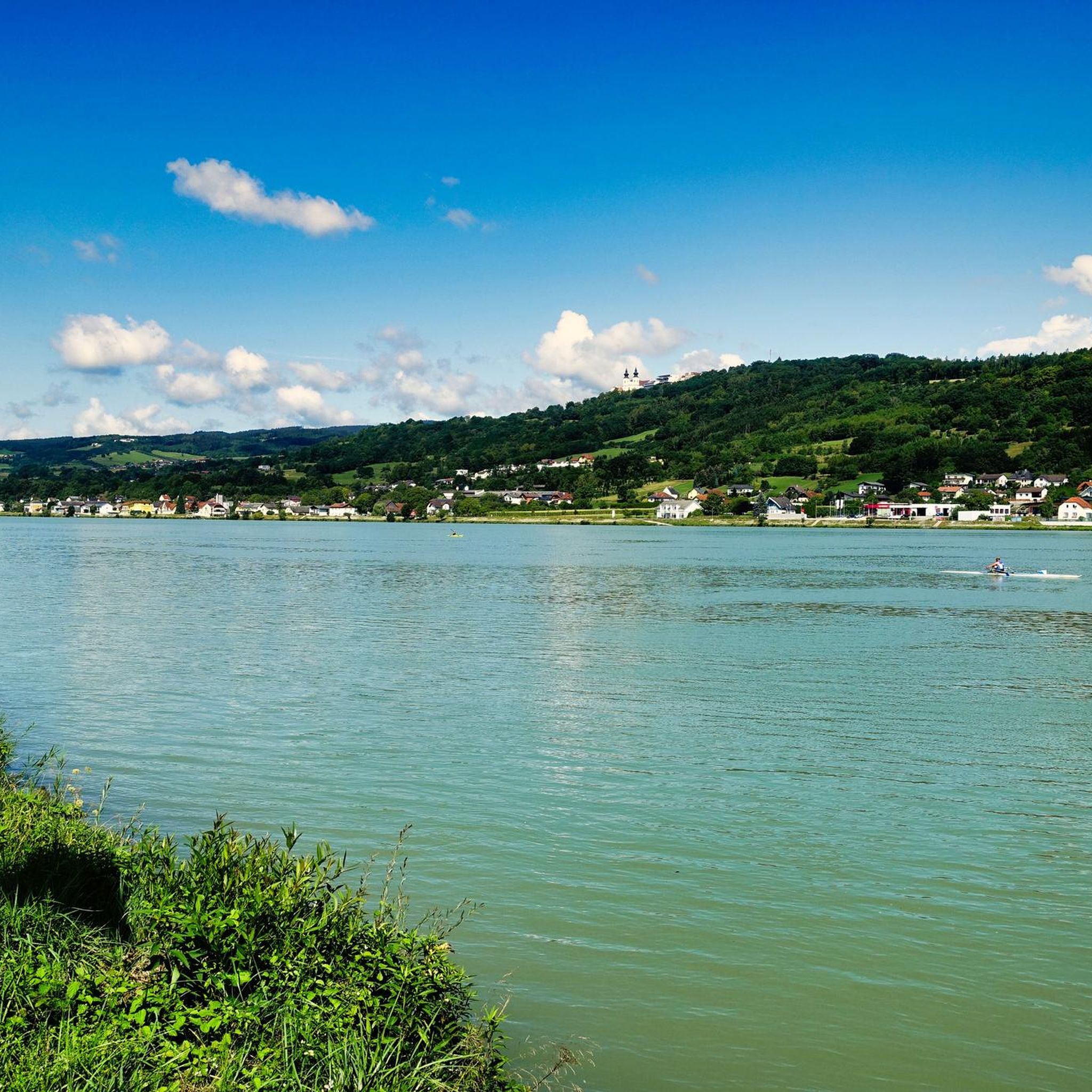
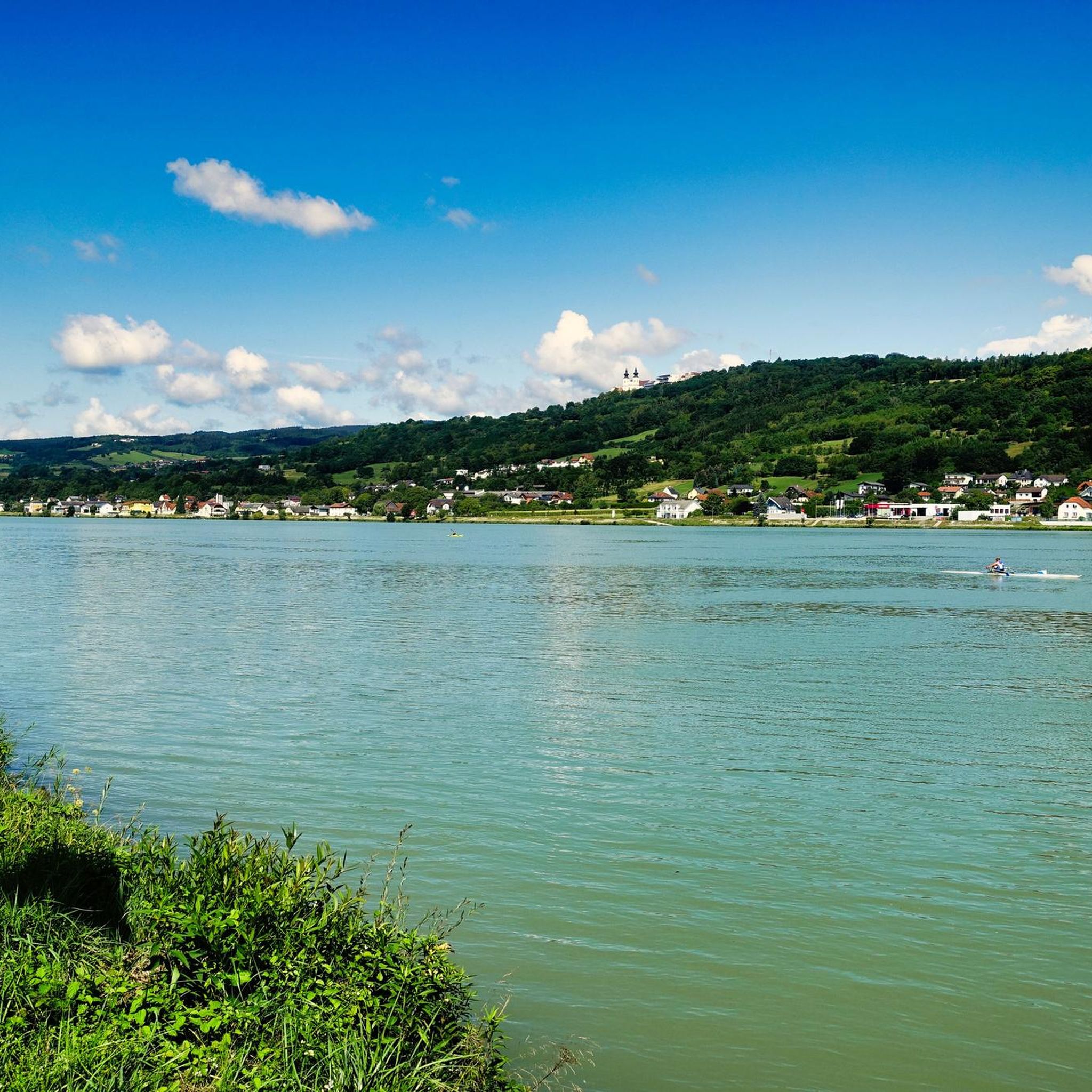
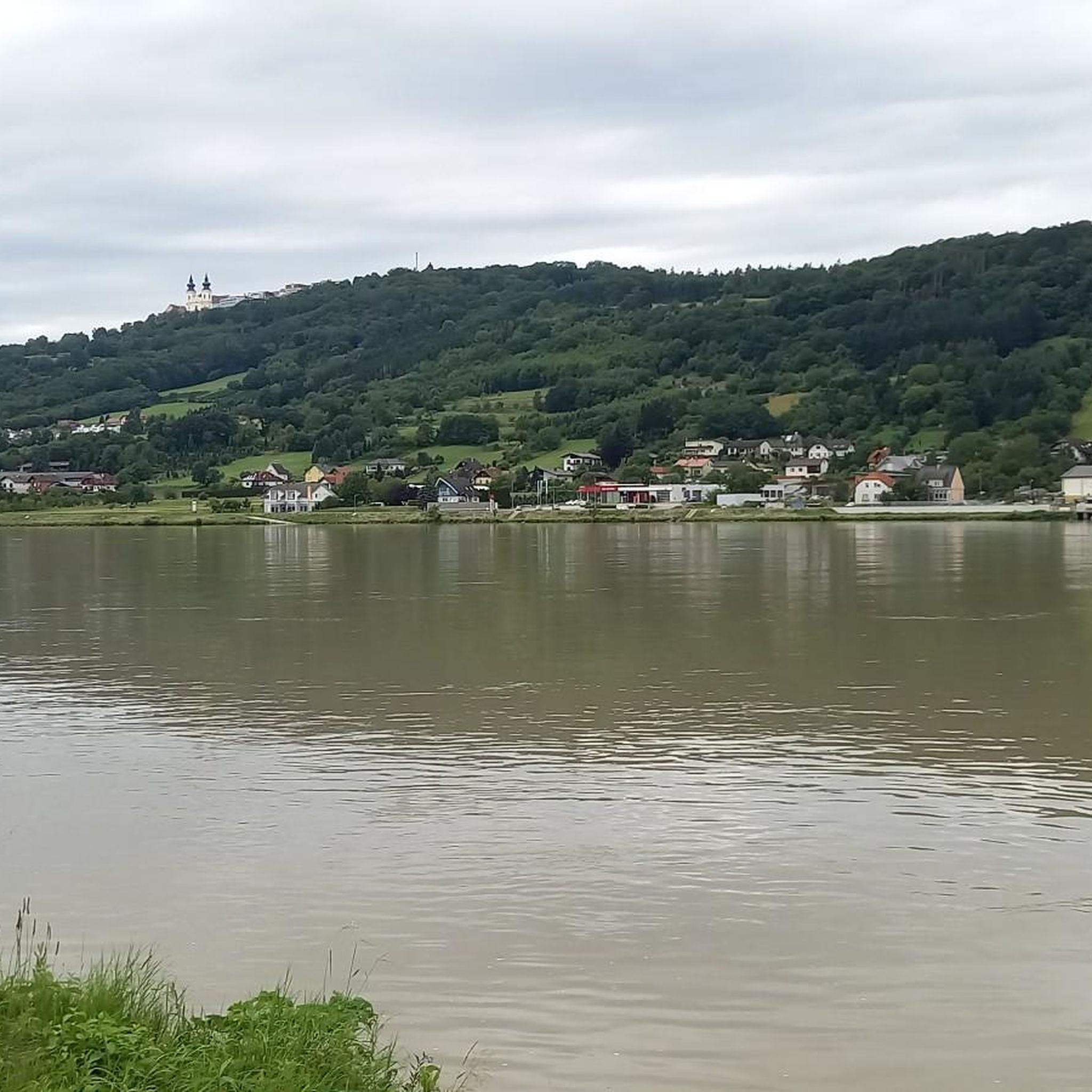
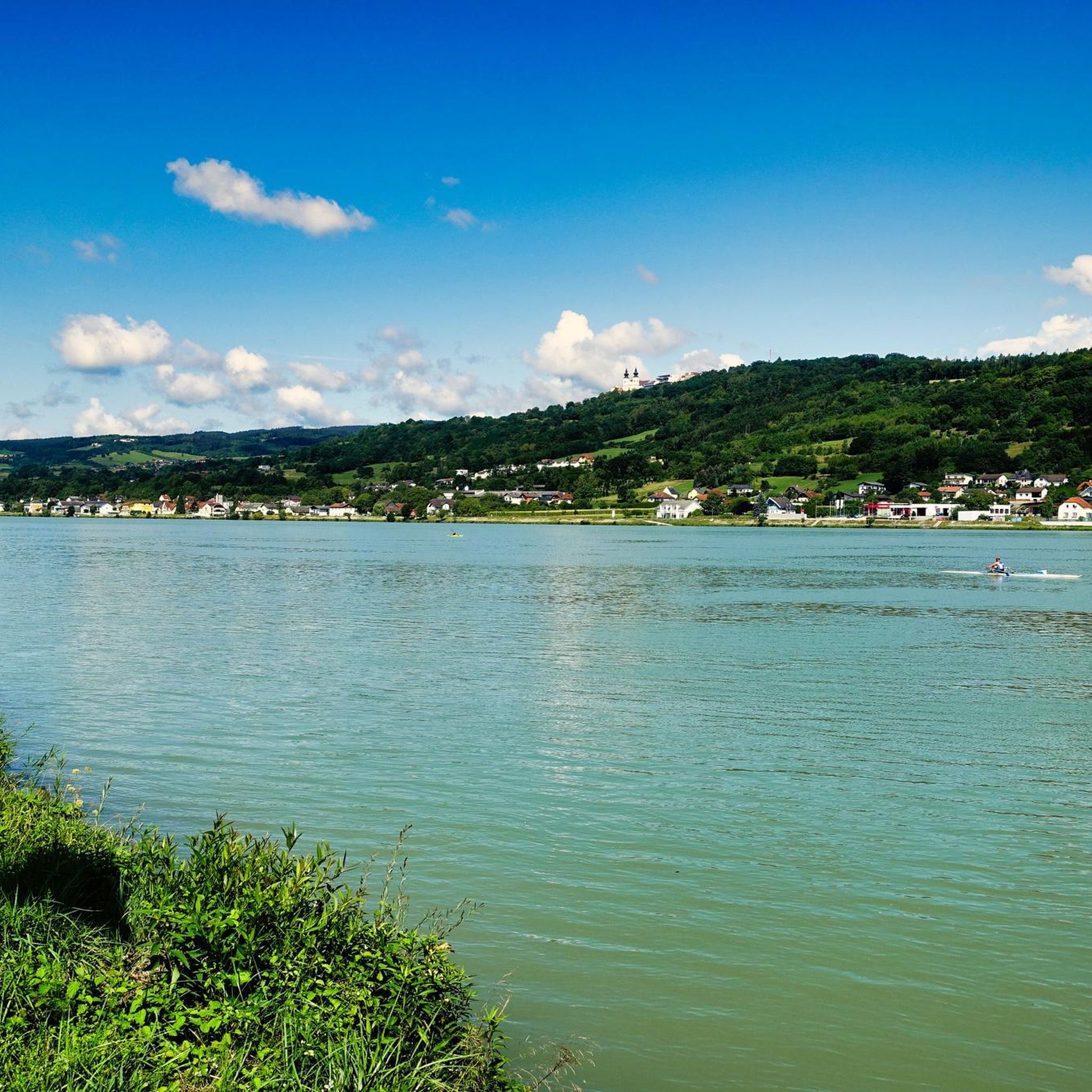
View of Maria Taferl from the Danube cycle path near Krummnussbaum
Highlight (Segment) • Viewpoint
Translated by Google •
Tip by

View of Melk Abbey from the Danube cycle path
Highlight • Viewpoint
Translated by Google •
Tip by

Sign up now to discover places like this
Get recommendations on the best single tracks, peaks, & plenty of other exciting outdoor places.
Ybbs Old Town
Highlight • Settlement
Translated by Google •
Tip by

View of Persenbeug Castle
Highlight • Viewpoint
Translated by Google •
Tip by

Persenbeug Castle and Ybbs-Persenbeug Hydroelectric Power Plant
Highlight • Monument
Translated by Google •
Tip by
Sign up for free to discover even more attractions around Golling an der Erlauf.
Already have an account?
Start today with a free account
Your next adventure awaits.
Tips from the Community

The first historical mention of Persenbeug Castle dates back to 970 AD. The Bavarian Sieghart, Count of Semt and Ebersberg, took possession of "Persinpiugun" and fortified it. Over the centuries, the castle changed hands many times. Until 1593, it was also intermittently in the possession of the regional princes. It was then sold to the Hoyos family, who expanded the castle to its present form. On December 3, 1800, Emperor Franz I of Austria purchased Persenbeug Castle and its dominion as free private property. Around the same time, the dominion of Gutenbrunn also came into the possession of Franz I, and was incorporated into his private fund. Through several inheritances, the dominions of Persenbeug and Gutenbrunn came into the possession of Emperor Franz Joseph I, who passed them on to his daughter Marie Valerie in 1916. Some of her descendants form the currently existing family co-ownership community.
0
0

From Melk to Emmersdorf, from there continue to Maria Laach via Obernorf to the transmitter and viewing platform then descent to Gut am Steg and return via Spitz to Melk approx. 60km and 950Hm
0
0

It is the most important pilgrimage site in Lower Austria and the second largest in Austria after Mariazell. The basilica is an impressive early Baroque building with a striking twin-tower facade.
1
0
The castle is prominently situated on a rock on the right bank of the Danube, above the municipality of Persenbeug-Gottsdorf, at the transition from the Strudengau to the Nibelungengau.
1
0

Persenbeug Castle is beautifully situated on the Danube bridge and lock of the power plant
0
0

Here you have a great view
3
0
Here you have a great view
1
0
Here you have a beautiful view
2
0
Frequently Asked Questions
What are some notable historical sites around Golling an der Erlauf?
The region around Golling an der Erlauf is rich in history. You can visit the Persenbeug Castle, which has a history dating back to 907 AD and was once owned by Emperor Franz I. Another significant site is the impressive Melk Abbey, a more than 900-year-old Benedictine monastery known for its Baroque architecture. Additionally, the HITIAG- und Heimatmuseum in Golling an der Erlauf offers insights into local history, and nearby Artstetten Castle and Schallaburg Castle are also worth exploring.
Are there any family-friendly attractions in the area?
Yes, several attractions around Golling an der Erlauf are suitable for families. The View of Maria Taferl from the Danube cycle path near Krummnussbaum and the View of Melk Abbey from the Danube cycle path are both listed as family-friendly viewpoints, offering pleasant outings. View of Persenbeug Castle and Ybbs Old Town also welcome families. The HITIAG- und Heimatmuseum in Golling an der Erlauf hosts various activities and workshops during its season that can engage younger visitors.
Where can I find scenic viewpoints near Golling an der Erlauf?
The area offers several beautiful viewpoints, especially along the Danube. The View of Maria Taferl from the Danube cycle path near Krummnussbaum provides a picturesque perspective of the pilgrimage church. You can also enjoy a wonderful impression of the Benedictine monastery from the View of Melk Abbey from the Danube cycle path. For an imposing sight of a historic landmark, visit the View of Persenbeug Castle, which stands close to and above the Danube.
What kind of outdoor activities can I do around Golling an der Erlauf?
The region is excellent for outdoor enthusiasts, particularly for hiking and cycling. You can explore various trails, including easy and moderate options. For detailed routes and more information, check out the Hiking around Golling an der Erlauf guide, the Cycling around Golling an der Erlauf guide, and the Gravel biking around Golling an der Erlauf guide.
Are there specific hiking trails recommended near Golling an der Erlauf?
Yes, there are several hiking trails catering to different difficulty levels. Popular options include the 'Pond – Bilderweg Golling loop from Pöchlarn' (moderate, 11.9 km), 'Briafatonz loop from Erlauf' (moderate, 9.1 km), and the 'Pond – On the Erlauf loop from Pöchlarn' (easy, 6 km). For more hiking routes and details, refer to the Hiking around Golling an der Erlauf guide.
What cycling routes are available around Golling an der Erlauf?
Cyclists can enjoy a variety of routes, especially along the Danube. Easy options include the 'View of Maria Taferl Basilica – Ybbs Old Town loop from Pöchlarn' (33.8 km) and the 'View of Pöchlarn – View of Maria Taferl loop from Erlauf' (32.5 km). For more challenging rides, consider the 'View of Pöchlarn – Artstetten Castle loop from Erlauf' (difficult, 43.2 km). You can find more cycling routes in the Cycling around Golling an der Erlauf guide.
What is there to see in Golling an der Erlauf itself?
In Golling an der Erlauf, you can visit the HITIAG- und Heimatmuseum. This museum provides a glimpse into the historical working and living conditions of the region, aiming to preserve memories for older generations and educate younger ones. It also hosts various activities and special events during its season.
Can I find places for refreshments or accommodation in the vicinity?
Yes, particularly in nearby towns. Ybbs Old Town, for example, offers good accommodation and places to stop for refreshments. The Gasthaus Mank in Ybbs is one such option. Many of the towns along the Danube cycle path also provide amenities for visitors.
What do visitors particularly enjoy about the attractions here?
Visitors frequently praise the stunning views, especially those of the Danube and its prominent landmarks. The well-maintained and easy-to-ride Danube Cycle Path is often highlighted for combining beautiful scenery with a comfortable route. The architectural beauty of sites like Melk Abbey and the imposing presence of Persenbeug Castle also leave a lasting impression on visitors.
Are any attractions accessible for visitors with mobility considerations?
The View of Maria Taferl from the Danube cycle path near Krummnussbaum is listed as wheelchair accessible, making it a good option for visitors with mobility considerations. The Danube cycle path itself is generally well-maintained and paved, which can facilitate access to various viewpoints along the river.
What is the significance of Melk Abbey in this region?
Melk Abbey is a world-class cultural heritage site and a prominent Benedictine monastery. It is renowned for its magnificent Baroque architecture, rich libraries, and a gorgeous church. Perched on a mountain, it offers a striking visual landmark visible from the Danube valley, making it a defining feature of the Wachau landscape and a significant historical and religious site.
What is the history behind Persenbeug Castle?
Persenbeug Castle has a long and storied history, with its first historical mention dating back to 907 AD. It changed hands many times over the centuries, including being owned by the Habsburgs. Notably, Emperor Franz I of Austria bought the castle in 1800, and it later passed to his daughter Marie Valerie. The last Emperor of Austria, Charles I, was born here in 1887. Today, it remains in the possession of his descendants.
What makes Ybbs Old Town a point of interest?
Ybbs Old Town is a charming settlement that offers a blend of history and local life. It provides good accommodation and refreshment options for visitors. The town hosts a farmer's market every Friday on its main square, and the local bike museum is also considered worth a visit, offering a unique cultural experience.
Most popular routes around Golling an der Erlauf
Most popular attractions around Golling an der Erlauf

Get inspired with the komoot mobile app


Explore more
Still not found the Highlight you’re looking for? See guides of the top attractions in other regions:
