The best cycling routes around Golling an der Erlauf
4.6
(3142)
19,029
riders
279
rides
Touring cycling routes around Golling an der Erlauf are situated within the Mostviertel region of Lower Austria, offering access to the Erlauftal Cycle Path. The landscape is characterized by the Große Erlauf river, which provides varied terrain from flat sections along the river to more undulating areas. Cyclists can experience riverine scenery, including the Erlaufschlucht gorge, and views of the surrounding mountains, with the Ötscher mountain often visible. The region's connectivity allows for extended routes, linking to the Danube Cycle…
Last updated: October 4, 2026
5.0
(1)
33
riders
43.0km
02:49
540m
540m
Hard bike ride. Very good fitness required. Mostly paved surfaces. Suitable for all skill levels.
4.0
(1)
18
riders
44.1km
02:47
360m
360m
Moderate bike ride. Good fitness required. Mostly paved surfaces. Suitable for all skill levels.

4.5
(4)
19
riders
156km
09:19
770m
770m
Hard bike ride. Very good fitness required. Mostly paved surfaces. Suitable for all skill levels.
5.0
(1)
21
riders
15.6km
00:55
40m
40m
Easy bike ride. Great for any fitness level. Mostly paved surfaces. Suitable for all skill levels.
5.0
(1)
11
riders
36.3km
02:18
290m
290m
Moderate bike ride. Good fitness required. Mostly paved surfaces. Suitable for all skill levels.
Get access to more routes and recommendations from other explorers.
Already have an account?
Our route recommendations are based on thousands of hikes, rides, and runs completed by other people on komoot.
Start today with a free account
Your next adventure awaits.
Tips from the Community

The first historical mention of Persenbeug Castle dates back to 970 AD. The Bavarian Sieghart, Count of Semt and Ebersberg, took possession of "Persinpiugun" and fortified it. Over the centuries, the castle changed hands many times. Until 1593, it was also intermittently in the possession of the regional princes. It was then sold to the Hoyos family, who expanded the castle to its present form. On December 3, 1800, Emperor Franz I of Austria purchased Persenbeug Castle and its dominion as free private property. Around the same time, the dominion of Gutenbrunn also came into the possession of Franz I, and was incorporated into his private fund. Through several inheritances, the dominions of Persenbeug and Gutenbrunn came into the possession of Emperor Franz Joseph I, who passed them on to his daughter Marie Valerie in 1916. Some of her descendants form the currently existing family co-ownership community.
0
0

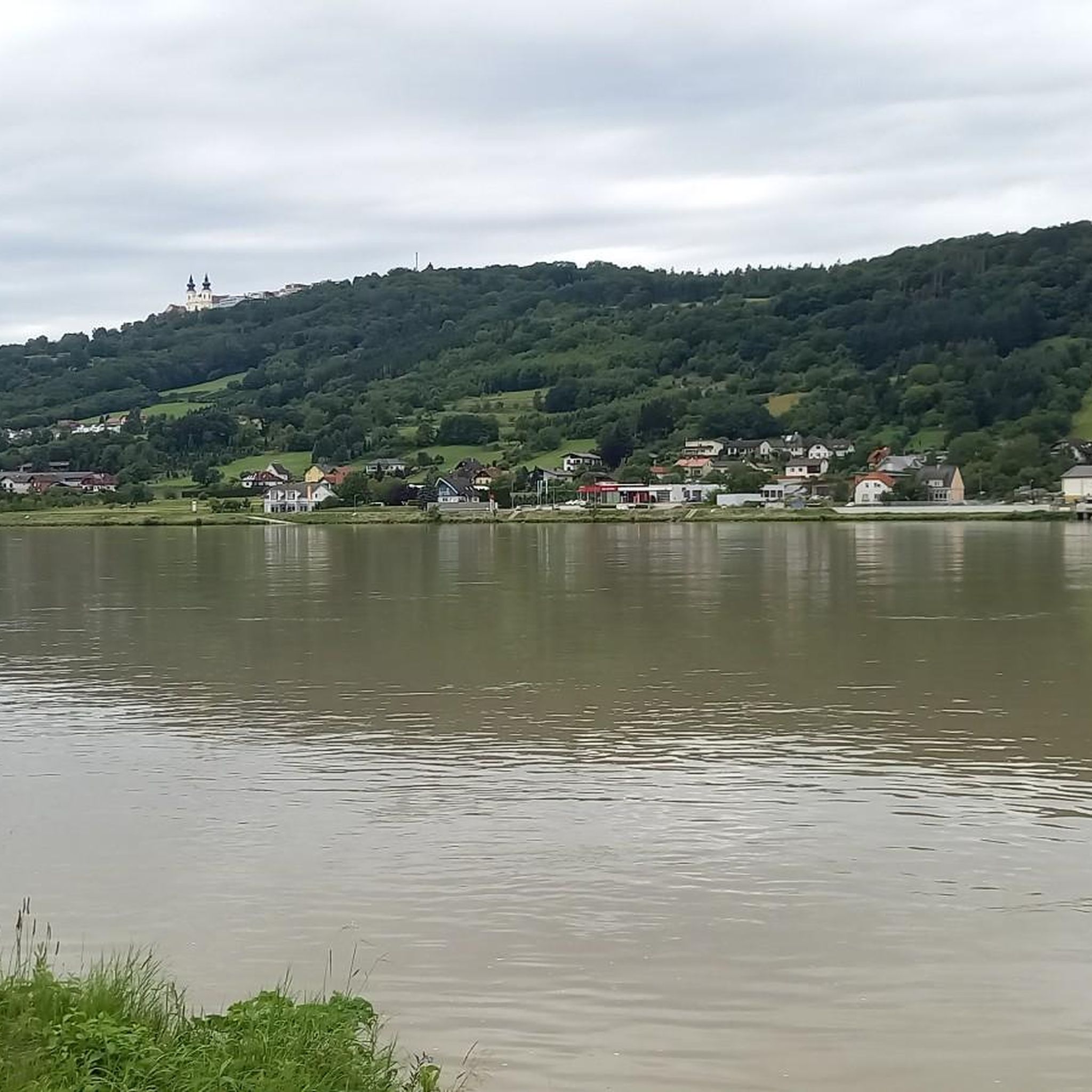
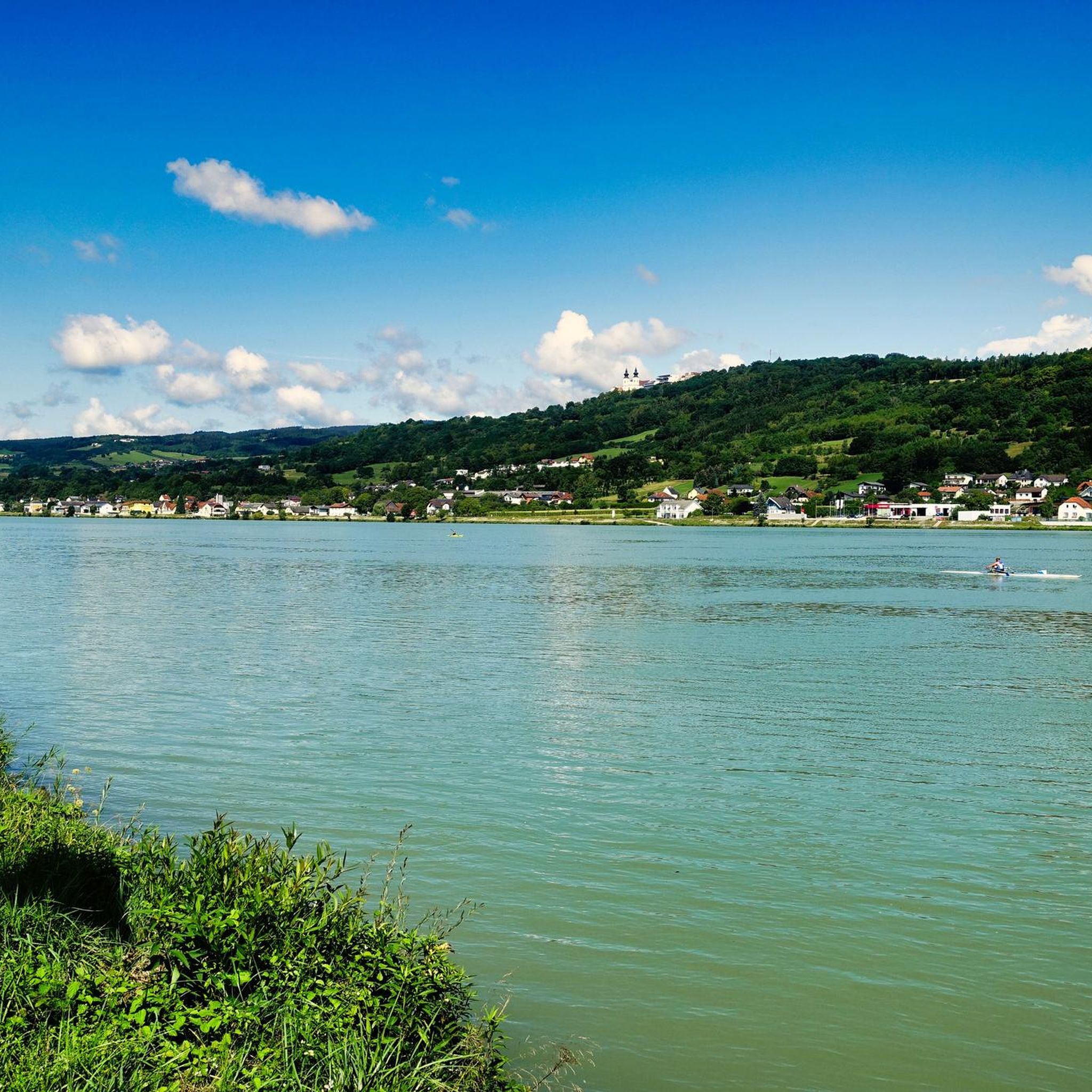
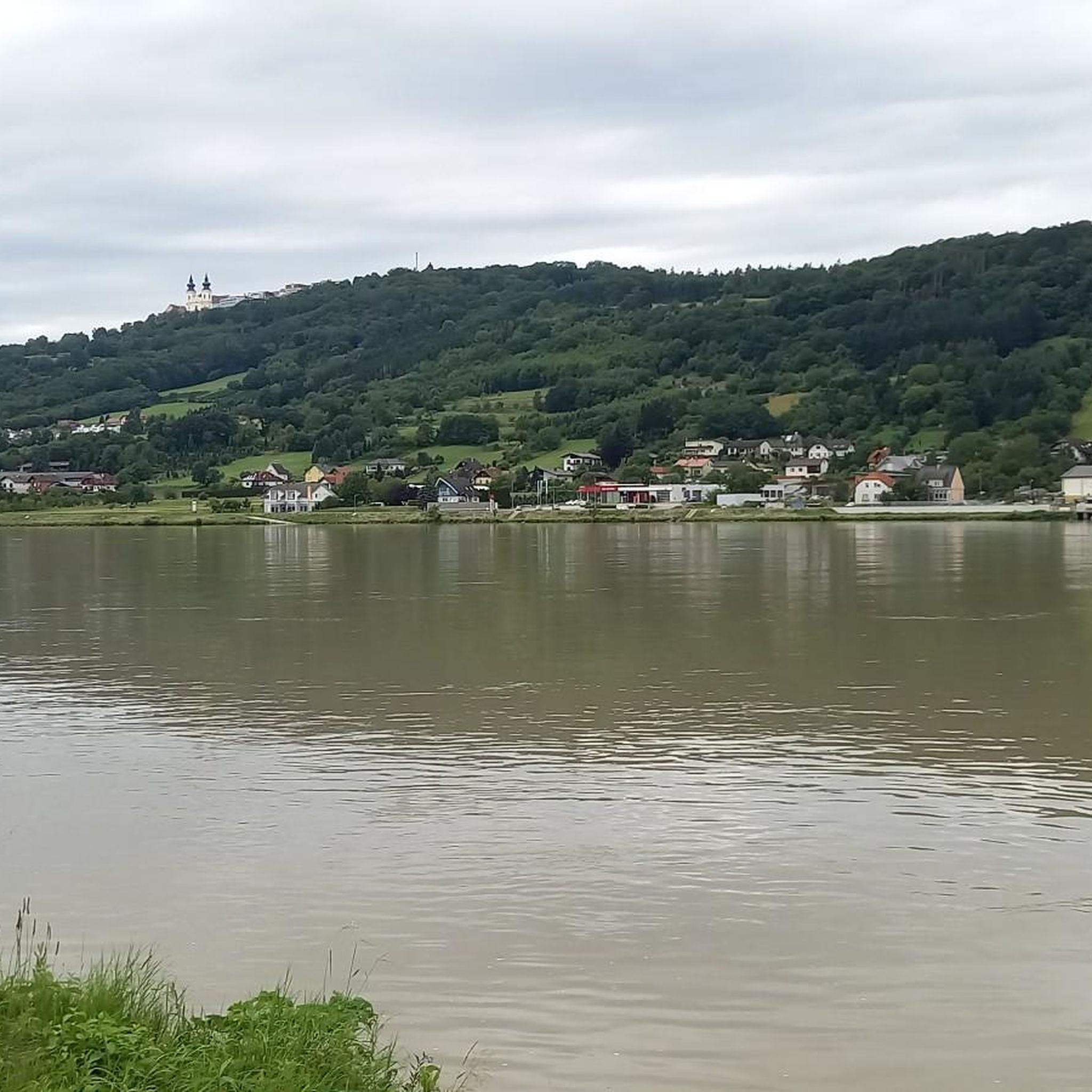
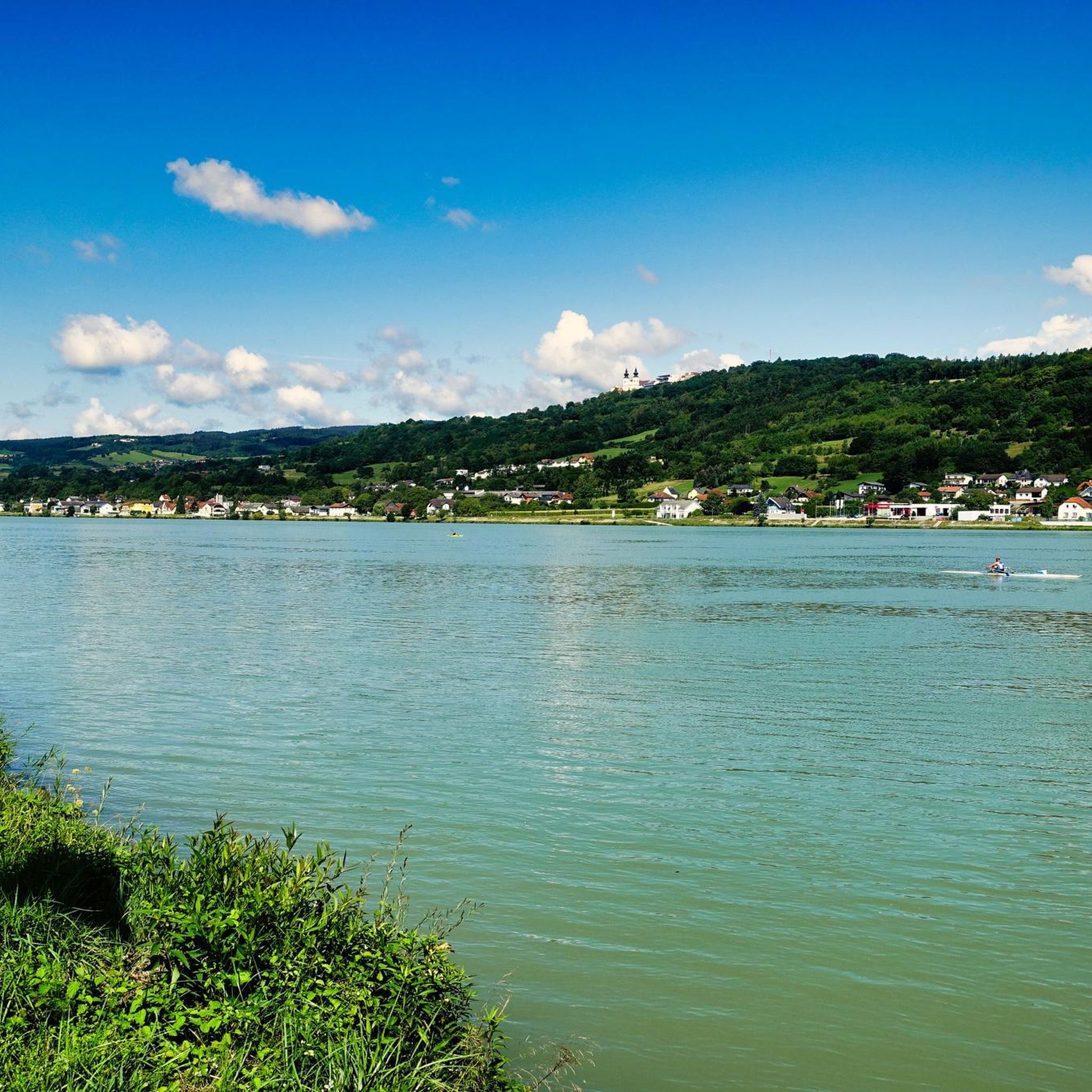
From Melk to Emmersdorf, from there continue to Maria Laach via Obernorf to the transmitter and viewing platform then descent to Gut am Steg and return via Spitz to Melk approx. 60km and 950Hm
0
0
Schloss Artstetten in Lower Austria, near the Wachau in the Melk district, is the former residence of Archduke Franz Ferdinand and his final resting place. The site is inextricably linked to the assassination in Sarajevo in 1914 – an event that triggered the start of the First World War. Today, Schloss Artstetten houses the Archduke Franz Ferdinand Museum, the family crypt, the historic private castle park, the castle shop, and the castle café.
0
0

Today, Pöchlarn is an exciting mix of a highly modern logistics center on the Danube and a town that traces its roots back to Roman times. Long before the Nibelungs passed through the town, Pöchlarn was an important Roman base called Arelape. It was a fort directly on the Danube Limes. A part of the Roman Danube fleet was stationed here. During excavations in the town area (especially in the area of the church), ancient finds have been made again and again, proving how strategically important this place was even 2,000 years ago.
0
0
Pöchlarn is a town with an extremely deep history that goes far beyond the townscape of today. It is located in the Melk district on the southern bank of the Danube and is often referred to as the "Nibelungen City". Pöchlarn is inextricably linked to the Nibelungenlied, the famous medieval epic. In the city center you will find the modern Nibelungen monument with the coats of arms of the cities that appear in the epic. It is a must for a photo when you are in town.
0
0

A detour to the town center of Pöchlarn is highly recommended for cyclists on the Danube Cycle Path. The center is easily accessible from the riverbank, usually in just a few minutes via short cycle paths or quiet streets. There, you can explore the charming old town, take a break at one of the cafes or restaurants, or visit a small shop. After your visit, the route leads easily back to the Danube Cycle Path, making this detour a perfect addition to a day trip.
2
0

The castle is prominently situated on a rock on the right bank of the Danube, above the municipality of Persenbeug-Gottsdorf, at the transition from the Strudengau to the Nibelungengau.
1
0

Here you should also cycle through the town.
1
0
Frequently Asked Questions
How many touring cycling routes are available around Golling an der Erlauf?
There are nearly 300 touring cycling routes around Golling an der Erlauf, offering a wide variety of options for different skill levels and preferences. You'll find everything from easy riverside paths to more challenging routes with significant elevation changes.
What kind of terrain can I expect on touring cycling routes near Golling an der Erlauf?
The terrain around Golling an der Erlauf is quite varied. You can expect mostly flat sections along the Große Erlauf river, which are ideal for leisurely rides. However, some routes venture into more undulating areas, offering views of the surrounding mountains, including the prominent Ötscher. The region's integration into the Erlauftal Cycle Path means a mix of experiences, from gentle river valleys to more challenging mountain stages towards destinations like Lunz am See.
Are there routes suitable for beginners or families with children?
Yes, Golling an der Erlauf offers many easy touring cycling routes perfect for beginners and families. Out of nearly 300 routes, 77 are classified as easy. These often follow the flatter sections along the Große Erlauf river, providing a relaxed and scenic cycling experience. A good example is the Erlaufschlucht Gorge – View of Ötscher loop from Erlauf, which is an easy 14.8 miles (23.8 km) trail.
What natural features can I explore along the cycling routes?
The region is rich in natural beauty. You can cycle alongside the dynamic Große Erlauf river, experiencing its rushing and murmuring flows. A notable natural feature is the impressive Erlaufschlucht Gorge, particularly near Purgstall, which is part of a European reserve. You'll also enjoy stunning views of the surrounding mountains, with the Ötscher mountain often visible in the distance. For specific natural monuments, consider visiting the Persenbeug Market Linden Natural Monument or the Rogelstein.
Are there any historical or cultural landmarks to see while cycling?
Absolutely. While cycling, you can explore charming towns like Wieselburg, Purgstall, and Scheibbs, which offer regional specialties. The routes also provide opportunities to see significant cultural attractions. For instance, the View of Maria Taferl Basilica – Ybbs Old Town loop from Pöchlarn offers views of the pilgrimage church of Maria Taferl and passes through Ybbs Old Town. You can also catch a View of Melk Abbey from the Danube cycle path, which is accessible from the area.
Is it possible to connect to other major cycle paths from Golling an der Erlauf?
Yes, Golling an der Erlauf is strategically located for connectivity. The Erlauftal Cycle Path, which runs through the region, connects to the famous Danube Cycle Path at Pöchlarn. This allows for extended tours along the Danube. Additionally, the Erlauftal Cycle Path links to the Ybbstal Cycle Path at Lunz am See, further expanding your cycling possibilities into broader regional networks.
What do other touring cyclists say about the routes in Golling an der Erlauf?
The touring cycling routes around Golling an der Erlauf are highly regarded by the komoot community, with an impressive average rating of 4.6 stars from over 2,500 reviews. Cyclists often praise the varied terrain, the beautiful riverine scenery, and the well-maintained paths that cater to different skill levels.
Are there circular touring cycling routes available?
Yes, many of the touring cycling routes around Golling an der Erlauf are designed as loops, allowing you to start and end your journey in the same location. For example, the View of Pöchlarn – View of Maria Taferl loop from Erlauf is an easy 20.2 miles (32.5 km) circular path that offers scenic views.
What are the options for parking when cycling in Golling an der Erlauf?
Parking options for cyclists are generally available in and around Golling an der Erlauf, especially near popular starting points for the Erlauftal Cycle Path and other regional routes. Many towns along the cycle paths, such as Pöchlarn or Erlauf, offer designated parking areas suitable for day-trippers. It's advisable to check local signage upon arrival for specific parking regulations and availability.
Can I bring my dog on the touring cycling routes?
While many outdoor areas in Austria are dog-friendly, specific regulations can vary. Generally, dogs are welcome on cycle paths if kept on a leash. Always ensure your dog is well-behaved and that you carry waste bags. For specific routes, it's best to check local guidelines or look for dog-friendly icons on komoot tours. Remember to bring enough water for your pet, especially on longer rides.
Are there places to stop for refreshments or accommodation along the routes?
Yes, the region is well-equipped with options for cyclists. Along the Erlauftal Cycle Path and other routes, you'll find charming towns like Wieselburg, Purgstall, and Scheibbs. These towns offer numerous opportunities to discover regional specialties at cozy refreshment stops, cafes, and restaurants. Accommodation options, including bike-friendly hotels and guesthouses, are also available in these areas for those planning multi-day tours.
What is the best time of year for touring cycling in Golling an der Erlauf?
The best time for touring cycling in Golling an der Erlauf is typically from spring to autumn (April to October). During these months, the weather is generally pleasant, and the landscapes are vibrant. Spring offers blooming nature, while summer provides warm days perfect for longer rides. Autumn brings beautiful foliage and cooler temperatures, ideal for comfortable cycling. Always check the local weather forecast before heading out.
Are there any challenging touring cycling routes for experienced cyclists?
Yes, for experienced cyclists seeking a challenge, there are more demanding routes available. Out of nearly 300 routes, 93 are classified as difficult, featuring more significant elevation gains and varied terrain. An example of a more challenging route is the View of Pöchlarn – Artstetten Castle loop from Erlauf, a 43.2 km trail with over 540 meters of elevation gain.
Most popular routes around Golling an der Erlauf
Most popular attractions around Golling an der Erlauf

Get inspired with the komoot mobile app


Explore more
Browse the best Cycling routes in other regions.
