The 20 Most Amazing Peaks around Gschnitz
Best mountain peaks around Gschnitz are located in the Gschnitz Valley, a mountaineering village nestled in the Stubai Alps of Tyrol, Austria. This region is known for its diverse natural landscape, offering a range of peaks suitable for various outdoor activities. The valley features pristine natural beauty and a network of mountain huts that provide stopovers for mountaineers. It is a destination for those seeking both challenging alpine ascents and more accessible hikes.
Best mountain peaks around Gschnitz
- The most…
Last updated: September 25, 2026
Innsbrucker Hut
Highlight • Mountain Hut
Translated by Google •
Tip by

Serles Summit
Highlight • Summit
Translated by Google •
Tip by

Sign up now to discover places like this
Get recommendations on the best single tracks, peaks, & plenty of other exciting outdoor places.
Becherhaus (Rifugio Gino Biasi)
Highlight • Mountain Hut
Translated by Google •
Tip by

Summit of the Wilder Freiger
Highlight • Summit
Translated by Google •
Tip by

Elfer Summit Cable Car Station
Highlight • Rest Area
Translated by Google •
Tip by

Sign up for free to discover even more peaks around Gschnitz.
Already have an account?
Start today with a free account
Your next adventure awaits.
Popular around Gschnitz
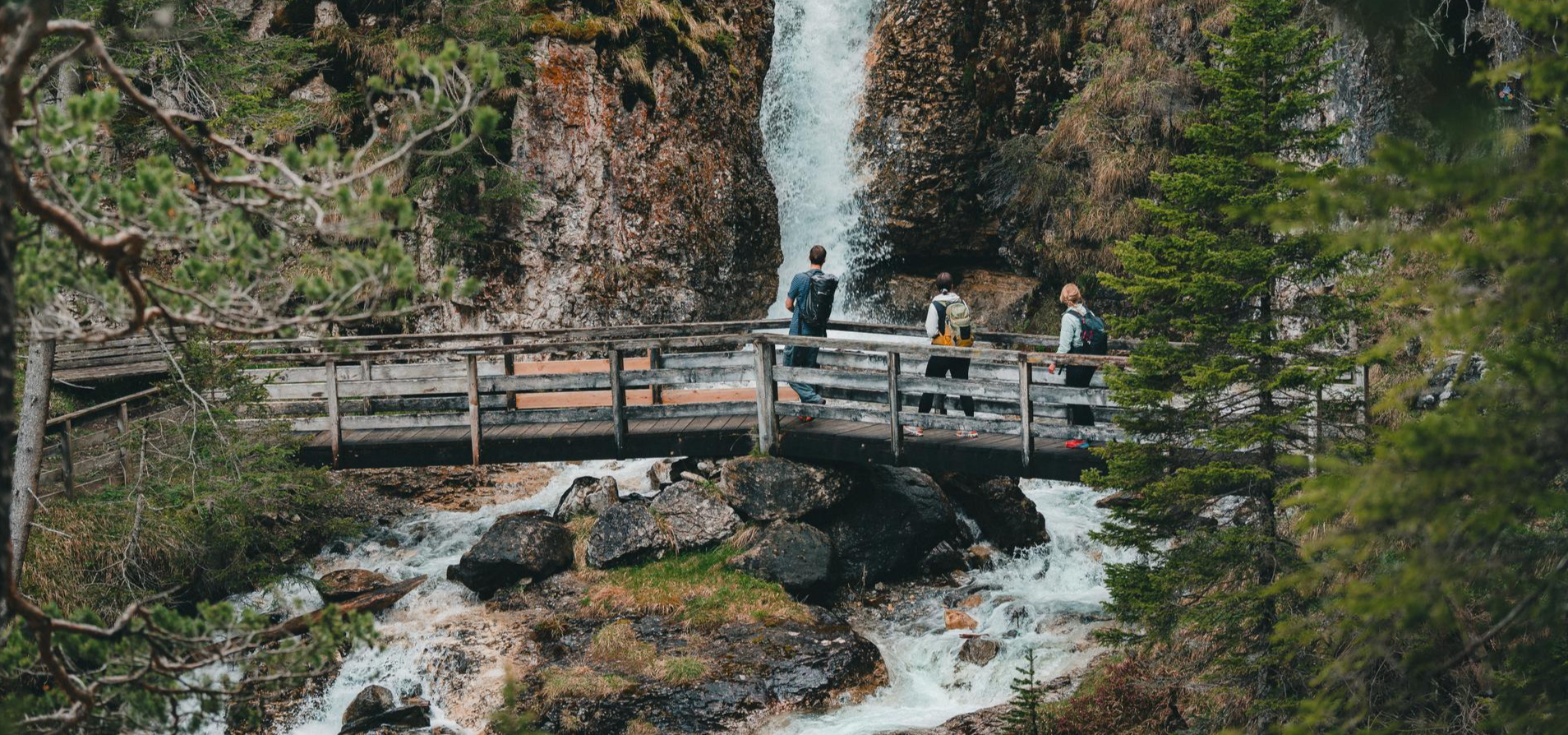
Idyllic mountain lakes and rushing waterfalls – hiking in the Wipptal
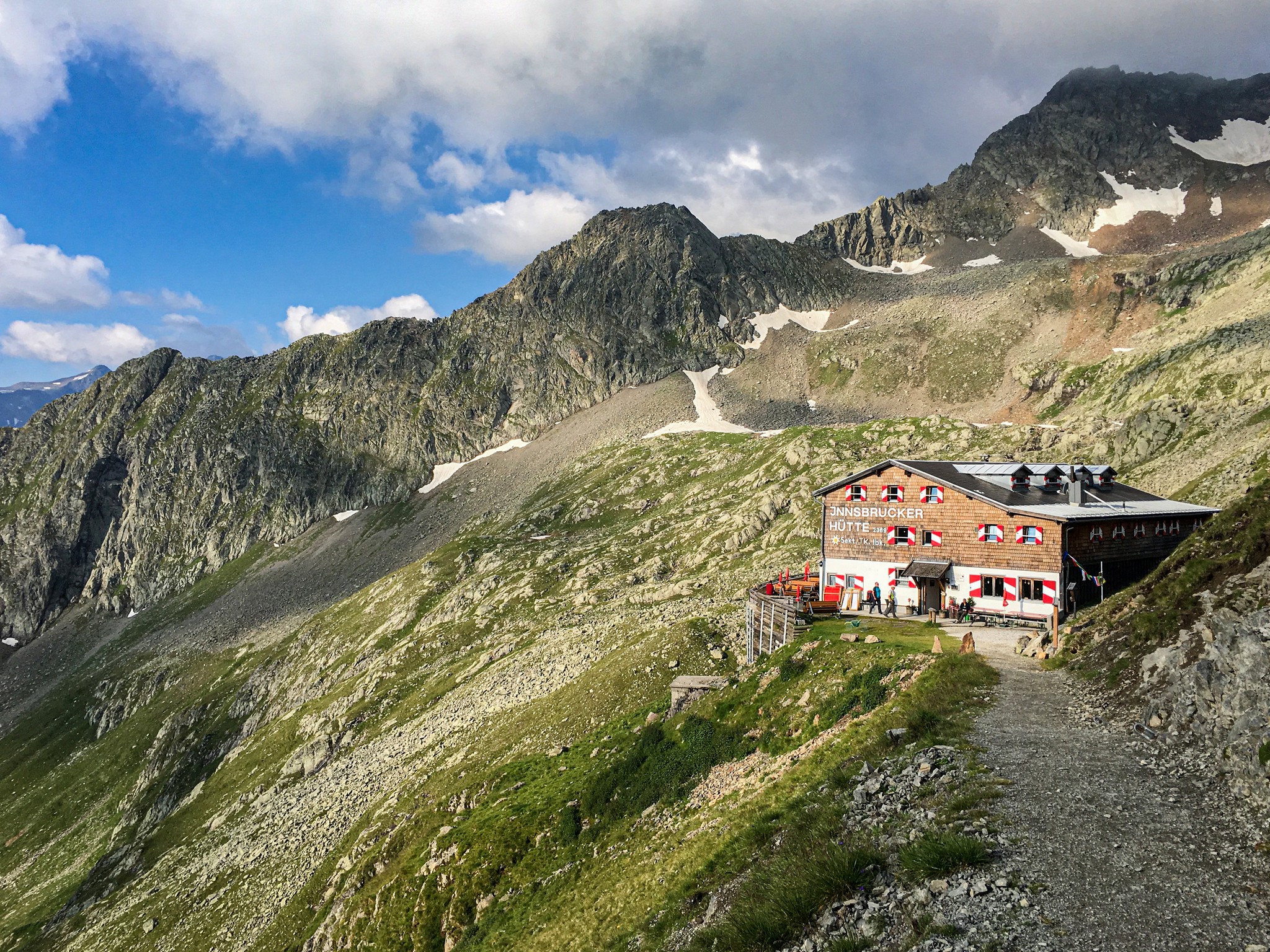
Gschnitztal Hüttenstern – 6 glorious day hikes to mountain huts
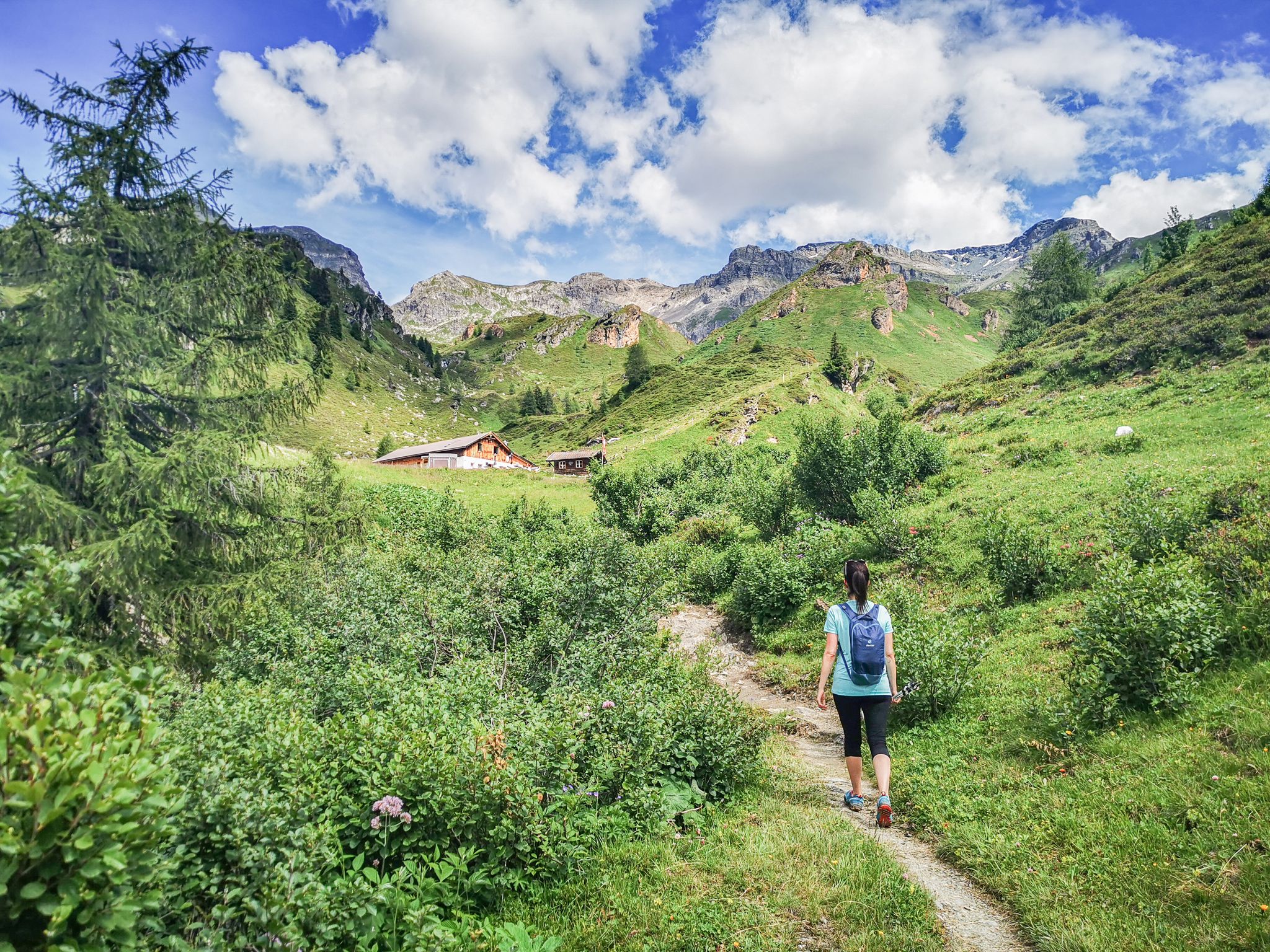
5 culinary alpine and hut hikes in Austria's Wipptal
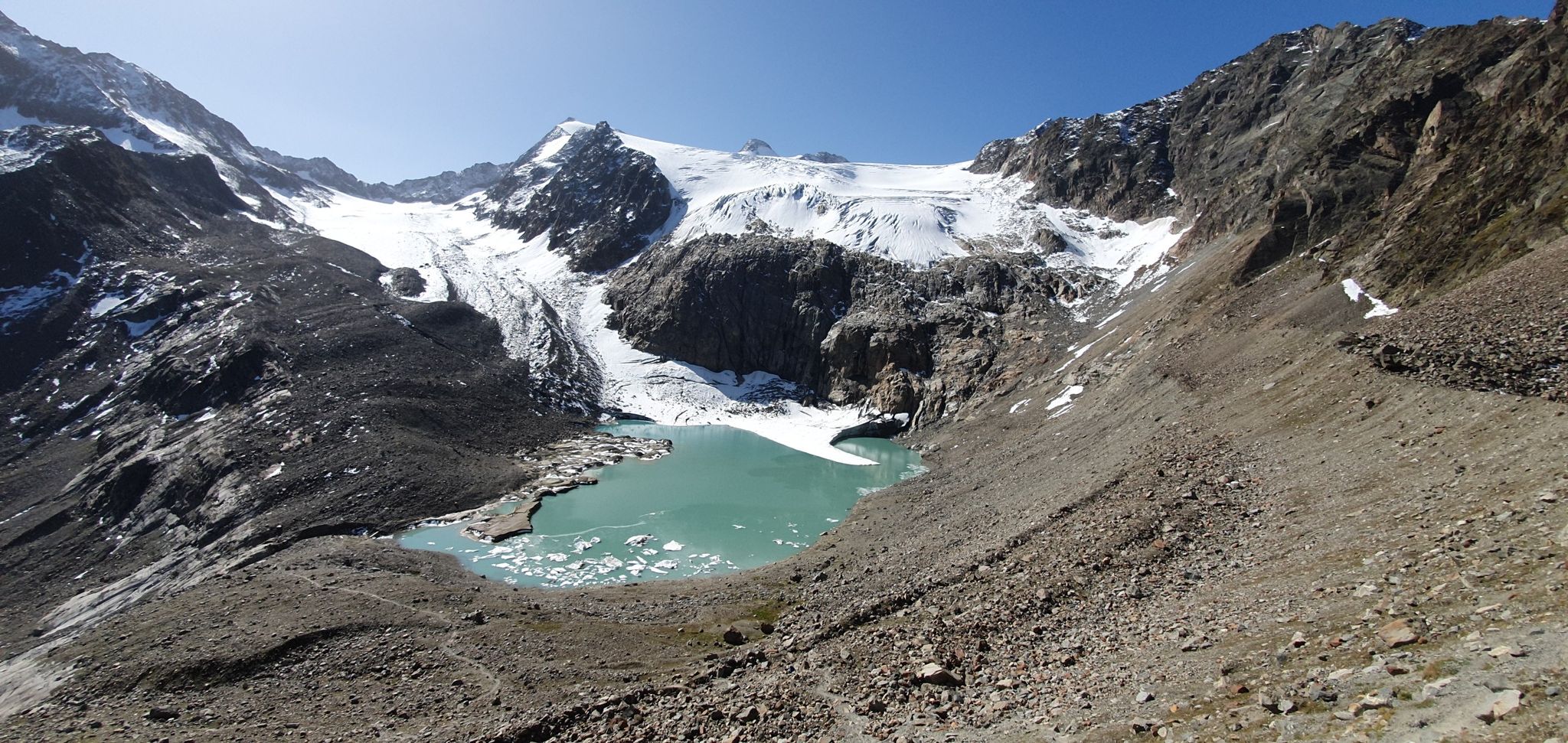
Stubai Alps Crossing – 10 days of pure adventure
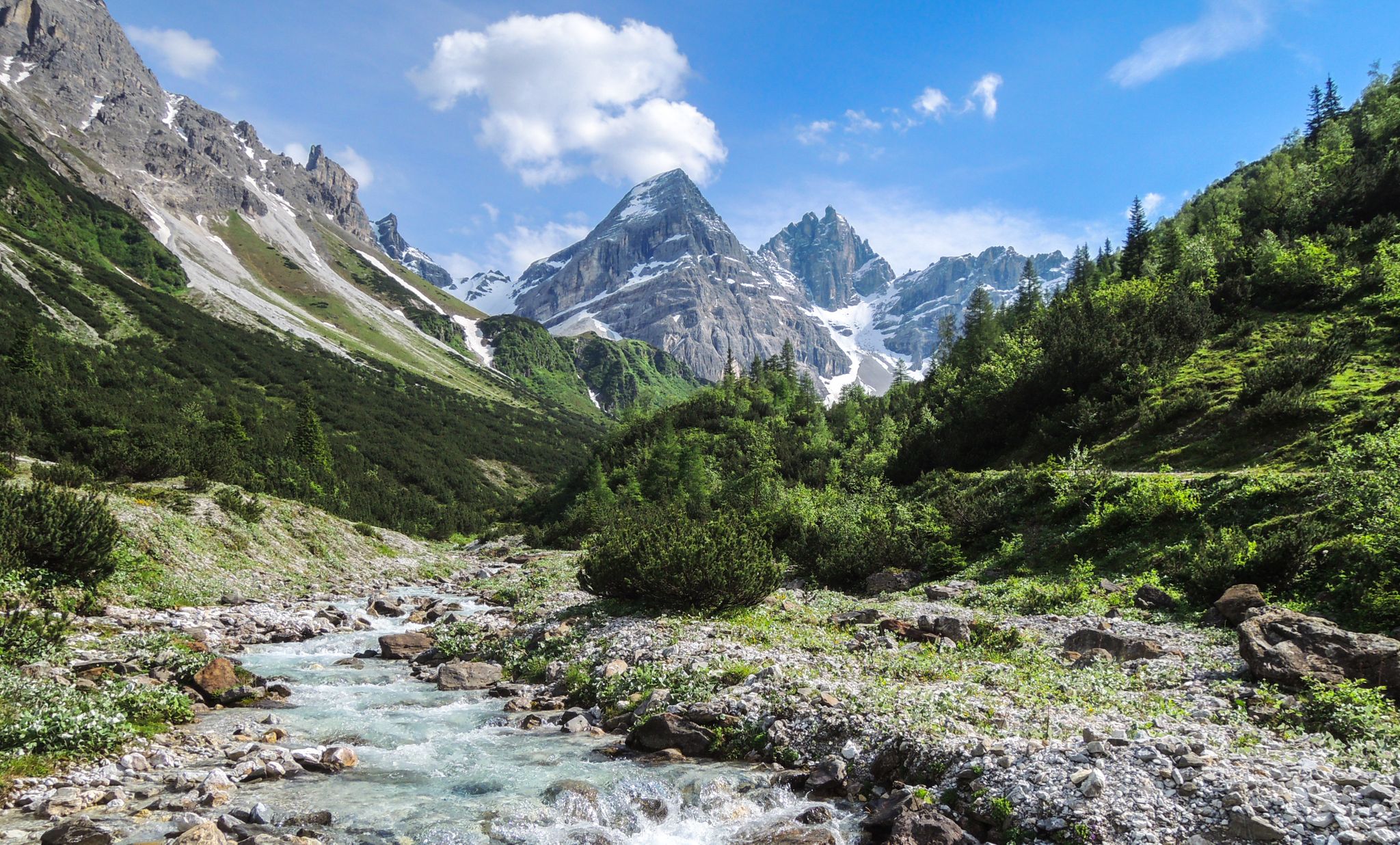
A journey of discovery in Tyrol – hidden places in the Wipptal Valley
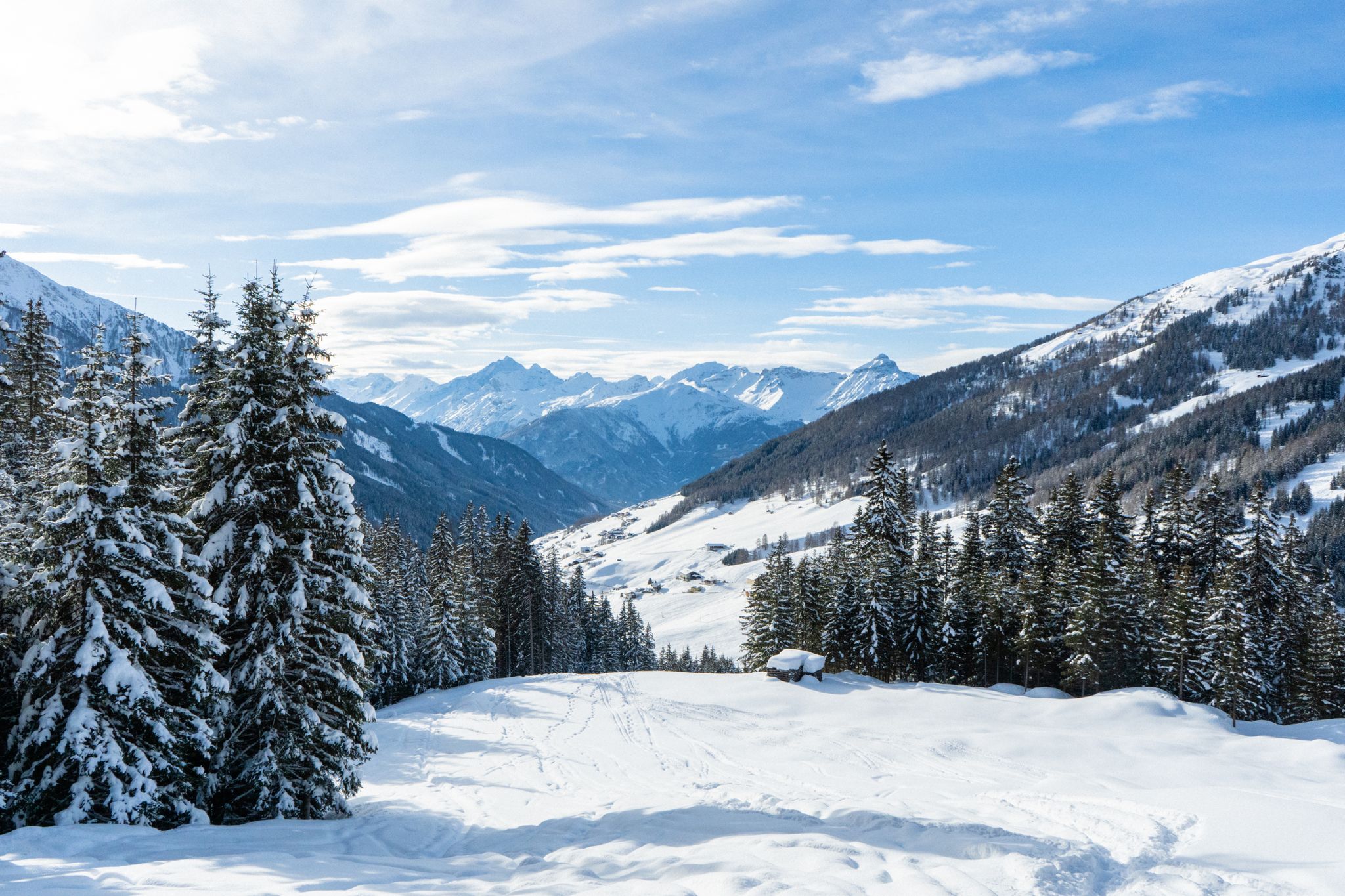
Your winter in Austria’s Wipptal Valley: 10 tips for adventuring in the snow
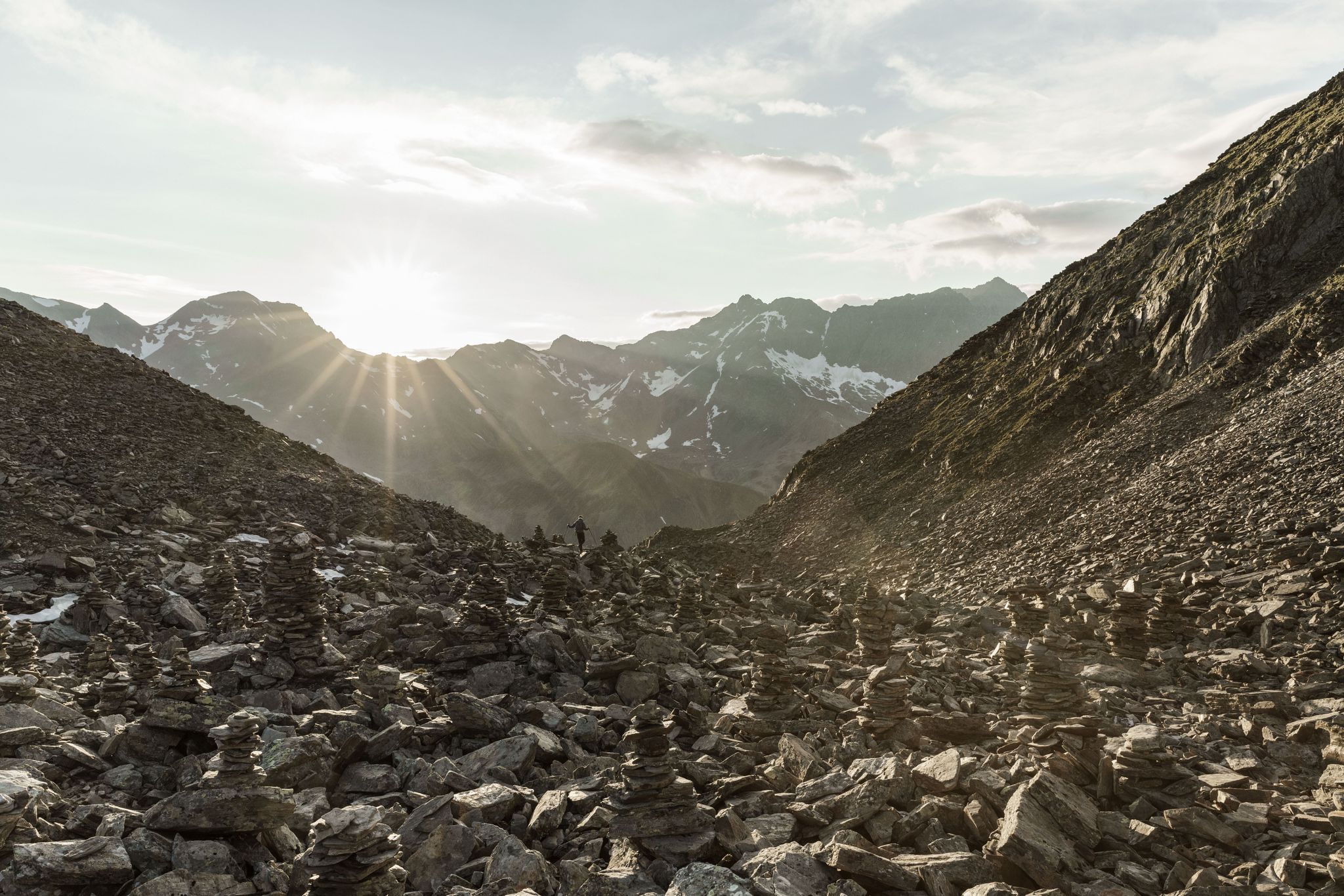
A breath of alpine air on the Stubai High Trail — Great Walks
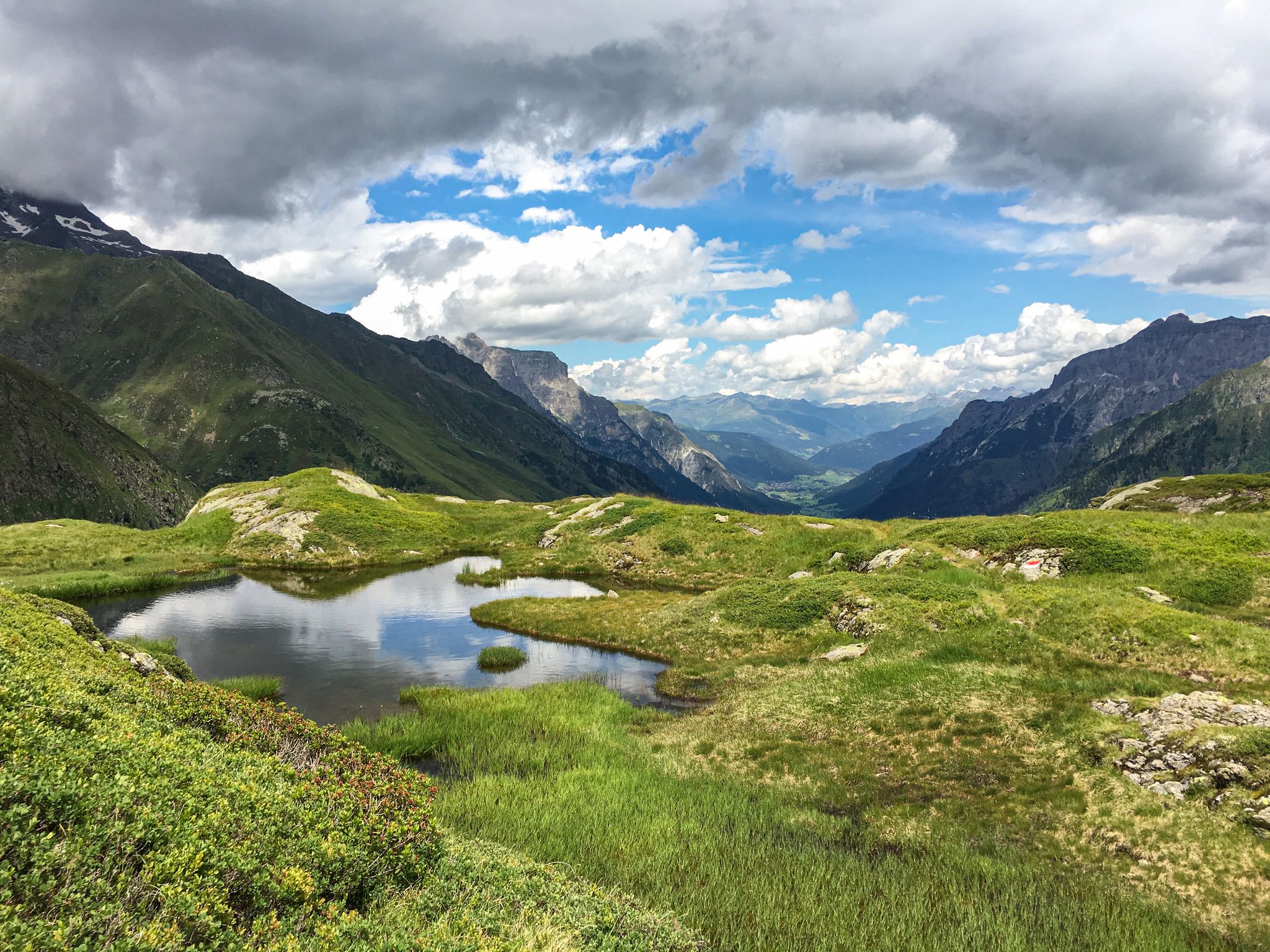
Lonely lakes and thundering waterfalls – magical places in the Wipp Valley
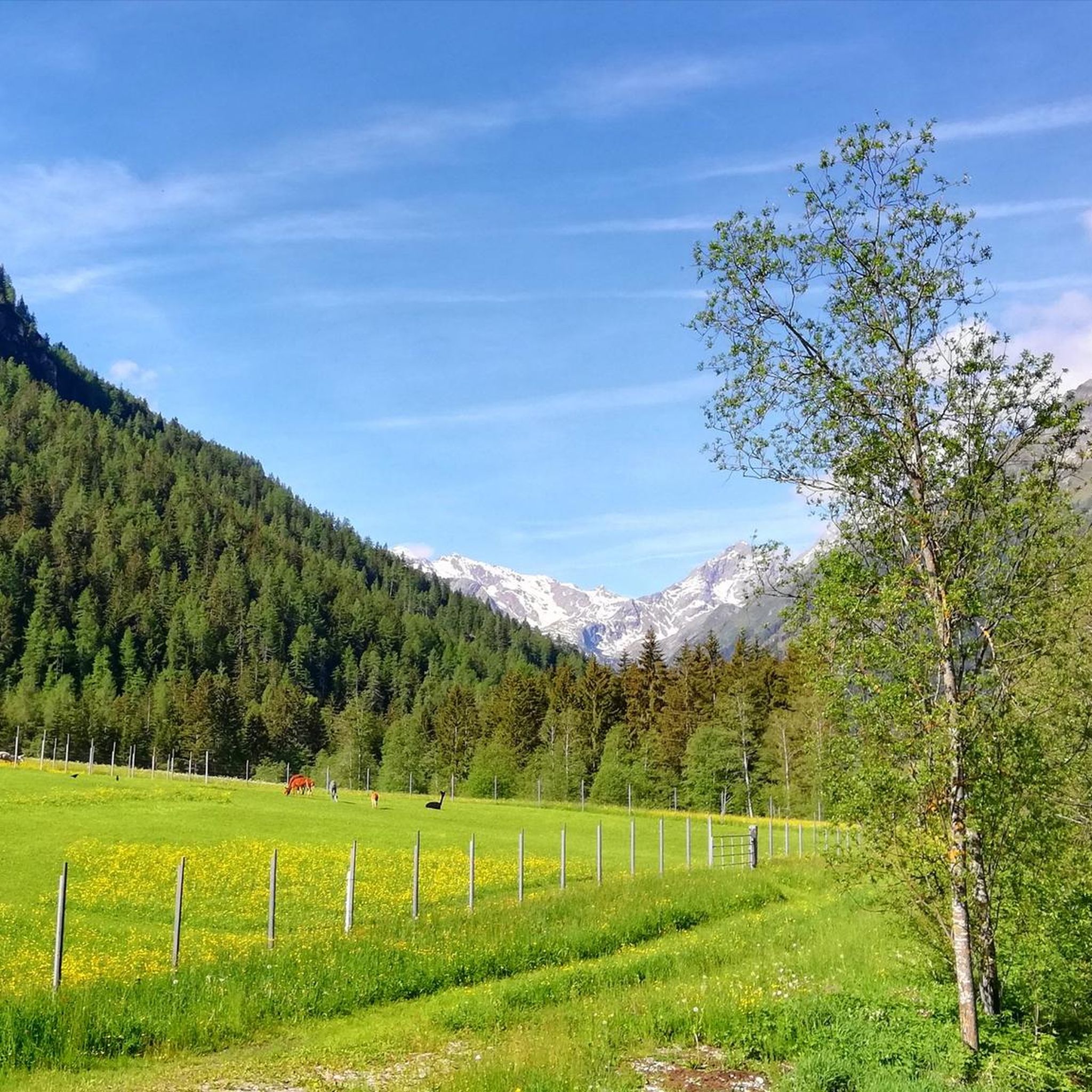
Hiking around Gschnitz
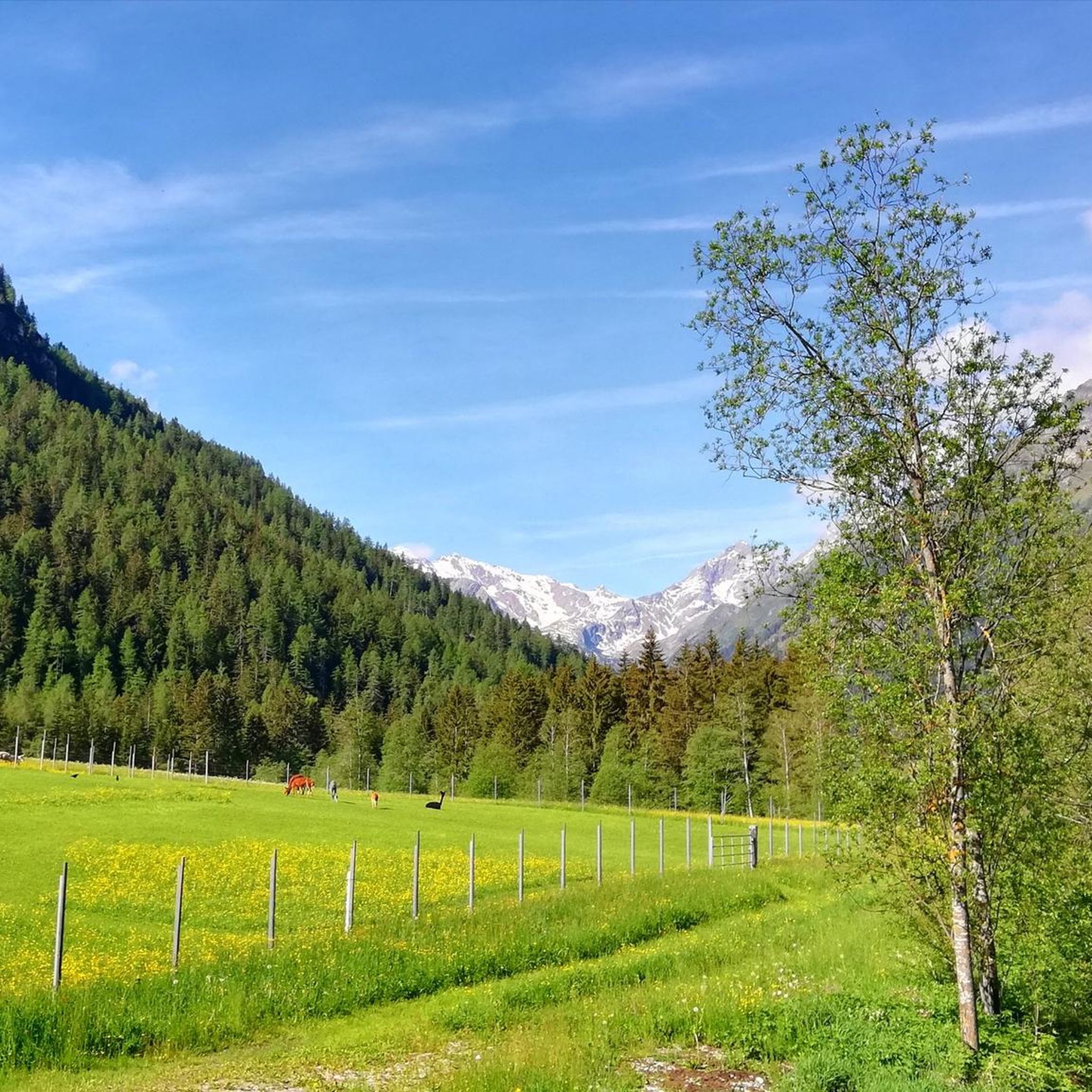
Cycling around Gschnitz
Other adventures around Gschnitz


Tips from the Community

Beautiful hut, which is easy to reach from the Karalm. Very friendly hosts and the food is excellent! The hut is also the start and finish point of the Stubai High Trail.
1
0

Especially in summer, lots of paragliders take off from there, which has led to some exciting moments for both the kids and us parents. Not every takeoff looks like a dream takeoff!
2
0

It takes about 30-45 minutes, depending on your fitness level, to climb up to the Elferhütte. Before or on the way back, the Elfer panoramic restaurant right at the mountain station offers a good selection of hot and cold dishes.
2
0

It was so pleasantly surprisingly beautiful for us to get off here when we took the cable car from Neustift to this mountain station for the first time. (What a luxury if one can use the Stubai Super Card😲) And if the weather is good...and there is a restaurant nearby and there are well-marked hiking trails and there are sights and... what more could you ask for?
2
0

Ideal starting point for beautiful mountain tours
5
1

For those who don't want to hike up here, there is an alternative: the train. But you can also manage the climb in under 2 hours if you want.
7
0

From Stackler up to the mountain station (approx. 2 hours 45 minutes) and the hiking/tobogganing route through the Pinnistal valley in snow and sunshine is a really great experience! Don't forget food!
6
0

From the ridge you have an outstanding view of the spectacularly located Becherhaus on the Becherfelsen and the Bösetalferner that flows past it.
0
0
Frequently Asked Questions
What are some of the most popular mountain peaks to explore in the Gschnitz Valley?
The Gschnitz Valley offers a range of popular peaks. Among them, the Serles Summit is highly regarded for its tremendous views of the Stubai Valley, Wipptal, and Innsbruck. Other notable peaks include the mighty Habicht, the high-alpine Feuersteine, and the distinctive Tribulaune Group.
Are there any particularly challenging mountain peaks for experienced mountaineers in Gschnitz?
Yes, for experienced mountaineers, the Gschnitz Valley presents several significant challenges. The Habicht (3,277 m) offers non-trivial ascents with secured sections and snowfields. The Pflerscher Tribulaun (3,097 m) is a primary climbing mountain with steep rock faces, often requiring an alpine guide. The Kirchdachspitze (2,840 m) also features demanding routes with exposed, secured north arêtes and challenging climbing on its wild north and northwest walls.
Which mountain peaks in the Gschnitz Valley are known for their unique natural beauty or flora?
The Blaser (2,241 m) is famously known as Tyrol's 'most flower-rich mountain,' boasting a remarkable variety of alpine flora, making it ideal for nature lovers. The Tribulaune Group (including Gschnitzer, Pflerscher, and Obernberger Tribulaun) stands out with its unique Dolomite rock formations, offering a visually striking landscape distinct from its neighbors.
Are there any mountain huts available for overnight stays or as starting points for tours in the Gschnitz area?
Yes, the region has several mountain huts that serve as excellent bases. The Innsbrucker Hut (2,369 m) is a key starting point for tours, including the climb to the Habicht, and offers great views. The Becherhaus (Rifugio Gino Biasi), at 3,195 m, is the highest hut in South Tyrol, located directly on the summit of the Becher. The Müller Hut (3,145 m) is another great refuge, ideal for climbing the Wilder Pfaff, Wilder Freiger, and Zuckerhüttl.
What kind of panoramic views can I expect from the mountain peaks around Gschnitz?
The mountain peaks around Gschnitz offer magnificent panoramic views. From the Serles Summit, you can see the Stubai Valley, Wipptal, and Innsbruck. The Habicht provides stunning vistas from its summit, while the Gschnitzer Tribulaun offers a great view extending to glaciers. The Peilspitze is particularly lauded for its magnificent panoramic views of the surrounding landscape.
Are there any easier or more accessible mountain peaks for hikers in the Gschnitz Valley?
For those seeking a less extreme challenge, the Obernberger Tribulaun (2,780 m) is noted as the smallest and 'easiest to climb' among the Tribulaune group. The Blaser (2,241 m) is also an excellent choice for hikers who appreciate nature and botanical diversity, offering a rewarding experience without the technical demands of higher alpine ascents.
What outdoor activities can I do near the mountain peaks in Gschnitz?
Beyond peak bagging, the Gschnitz Valley offers a variety of outdoor activities. You can explore numerous running trails, such as the 'STUBAI K18' or the 'Klausäuele – Doadler Alpine Hut loop'. Road cycling routes like the 'Gries am Brenner – Brenner Pass Climb loop' are also popular. For gravel biking, options include the 'Brennerbad–Pflersch Cycle Path loop'. You can find more details on these activities in the Running Trails around Gschnitz, Road Cycling Routes around Gschnitz, and Gravel biking around Gschnitz guides.
What do visitors enjoy most about the mountain peaks around Gschnitz?
Visitors frequently praise the tremendous views, especially from peaks like the Serles Summit. The challenging yet rewarding alpine tours, such as those leading to the Wilder Feiger Summit, are also highly appreciated for their 'absolutely gigantic view'. The welcoming atmosphere and good food at mountain huts like the Innsbrucker Hut and Müller Hut also contribute significantly to the overall positive experience.
Are there any mountain peaks in Gschnitz that involve glacier crossings or high-alpine experiences?
Yes, the Gschnitz Valley, particularly towards its higher elevations, offers true high-alpine experiences. The Feuersteine (3,267 m) are known for their glacier heights and 'almost alpine touring options,' appealing to those seeking glacier contact. Peaks like the Habicht can involve routes over snowfields, especially between 3100-3200m, and the Becherhaus is situated in a high-alpine glacier area.
What is the best time of year to hike the mountain peaks in Gschnitz?
The best time to hike the mountain peaks in Gschnitz is generally during the late spring, summer, and early autumn months. During this period, the weather is more stable, and trails are typically free of snow, making ascents safer and more enjoyable. The Blaser mountain is particularly rewarding during spring and summer for its vibrant display of alpine flowers.
Are there any mountain peaks in Gschnitz that require specific climbing equipment?
Yes, several peaks in the Gschnitz Valley require specific climbing equipment due to their technical nature. The Pflerscher Tribulaun, with its steep rock faces, necessitates climbing equipment. The Gschnitzer Tribulaun often requires an ice axe and crampons for sections of snow, ice, and rock. Even some demanding hikes, like the Serles Summit, have sections secured with steel cables and ladders.
Can I find any circular hiking routes around the mountain peaks in Gschnitz?
Yes, the Gschnitz Valley offers opportunities for circular hikes. The Peilspitze (2,392 m) is known for a beautiful circular route that includes exposed and cable-secured sections in its summit area. Many other trails can be combined to form circular routes, often incorporating visits to mountain huts or other scenic spots.
Most popular routes around Gschnitz
Most popular attractions around Gschnitz

Get inspired with the komoot mobile app


Explore more
See even more amazing summits around Gschnitz with these guides:
