Top 20 Natural Monuments in Israel
Natural monuments in Israel feature diverse landscapes, from desert formations to lush oases and mountain peaks. The country's geology includes unique erosion craters, ancient rock formations, and significant water sources. These sites often hold historical and biblical importance, adding to their appeal. The varied terrain provides opportunities for exploration across different environments.
Best natural monuments in Israel
- The most popular natural monuments is Garden of Gethsemane, a historical site that features ancient olive trees, some over 2000 years old. This site is known for its historical and spiritual significance.
- Another must-see spot is Masada Fortress Ruins, a historical site and viewpoint. Visitors can explore the archaeological remains of Herod's royal retreat and enjoy expansive views over the Dead Sea and surrounding desert.
- Visitors also love Red Canyon, a canyon with impressive red and ochre sandstone formations. This natural feature offers a unique path through a washed-out canyon.
- Israel is known for its canyons, waterfalls, and unique geological formations. These include desert oases, red sandstone structures, and significant water features.
- The natural monuments in Israel are appreciated by the komoot community, with over 65 upvotes and 104 photos shared across 70 highlights.
Last updated: August 19, 2026
Garden of Gethsemane
Highlight • Historical Site
Translated by Google •
Tip by

David Waterfall in Wadi David
Highlight • Waterfall
Translated by Google •
Tip by

Sign up now to discover places like this
Get recommendations on the best single tracks, peaks, & plenty of other exciting outdoor places.
Sign up for free
Masada Fortress Ruins
Highlight • Historical Site
If you are fit walk up the hill to get a better feel for this place and be more gratified to enjoy the fantastic views over the region from the top .
Cable car also possible.
The view extends to the Dead Sea - Negev and Arava Valley as far as Jordan.
A highlight (at least in the 80s possible as a volunteer from the nearby moshav)
spend the night in a sleeping bag at the fortress and enjoy the fabulous starry sky 😊 hmm not included in the tourist itinerary.
The region around the mountain offers great hiking trails that can also be explored with MTB,
but please not alone and always have enough drinking water with you and provisions.
You are in the desert and heat, please use snakes, scorpions and rocky terrain with caution.
Buses run daily from Jerusalem to Eilat, for example.
Translated by Google •
Tip by

Red Canyon
Highlight • Canyon
Translated by Google •
Tip by

Bahá'í Gardens and Shrine of the Báb, Haifa
Highlight • Religious Site
Tip by

City of David
Highlight • Historical Site
Today, the fascinating historical sites in the Davidstadt National Park can be visited on a small, fairytale-like hilltop near the western wall of the former temple (Wailing Wall) in front of the manure gate in the south of Jerusalem's Old City.
The visit offers an exciting experience - a journey through the city of kings and prophets, to the place where the majority of the biblical texts were written, and to the site of most of the stories we know from the Bible about Jerusalem.
Duration of the tour: About two and a half two hours
Translated by Google •
Tip by
Ein Gedi Waterfall
Highlight • Waterfall
An oasis in the middle of the desert is recommended very early in the morning before many tourists come to watch animals.
See ibex, snakes and bird species and if you are very lucky you may see leopards (a special, smaller species that only exists in this region).
Avoid waste - that is, take it with you!
Translated by Google •
Tip by
Snake Path to Masada
Highlight • Trail
Translated by Google •
Tip by
Garden Tomb and Skull Hill (Golgotha)
Highlight • Historical Site
Translated by Google •
Tip by

Banias Waterfall
Highlight (Segment) • Waterfall
Tip by

Sign up for free to discover even more natural monuments in Israel.
Sign up for free
Already have an account?
Start today with a free account
Your next adventure awaits.
Login or Signup


Tips from the Community

During Passover and Sukkot, the nature reserve is crowded. Visits are especially recommended during the early hours of opening hours.
0
0

With several hundred film contributions, culture-loving viewers can learn about very special places all over the world as part of the series "Treasures of the World - Heritage of Humanity" – which I highly recommend. Despite the diversity of the cultures and eras in which they originated, the sites have one great commonality: UNESCO has recognized them as "World Heritage Sites." These include the ruins of Masada, a fortified rock city in the Israeli desert, which owes its international fame primarily to the fact that in the first century AD, soldiers of the Roman Empire stormed the site after a complex siege – however, the nearly 1,000 inhabitants had previously committed collective suicide to avoid being captured by their hated enemies. The 15-minute film contribution (only in German) can be found in the ARD media library at the following link =>> https://www.ardmediathek.de/video/schaetze-der-welt/masada-israel-folge-322/3sat/Y3JpZDovL3N3ci5kZS82ODQ5Mjg4
3
0

What a magnificent view of the Hanging Gardens - both from below and above.
1
0

The garden is well worth a visit. Clearly desiged for groups with many places to sit and 'tell the story', but also a quiet place for a rest. The view to the presumed site of Golgotha is perfect. Expect a queue to the grave.
1
0
Although the exact location of Golgotha is not known this here is widely accepted as a probably size. The rock formation is above a rather ugly parking lot for touring busses, but the garden next to it is nicely laid out and inviting for a rest.
1
0
The legend on the 'red' colour of the sandstone here: Many years ago, all the mountains in the world lacked colors and shades. The mountains turned to God and said, “Why we do not have colors like the birds, the butterflies, and the flowers. You gave all of them many different and beautiful colors, and only we, the mountains, are so gray and ugly …”? God listened to the mountains and decided to accept their request. He sent his angels, and they quickly painted the mountains. The polar mountains – In white color, the mountains in the desert – brown-yellow, the volcanoes – in black. So, the angels passed through the whole world and painted it with colors. When they reached the Eilat mountains, very little paint remained in their buckets. So, the angels decided to paint the Eilat Mountains in all the remaining colors: a little black, a little red and a little yellow. Therefore, the Eilat Mountains are the most colorful mountains in the world. (https://www.hike-israel.com/hikes/hikes-near-eilat/red-canyon-israel/#red)
3
0
Impressive sandstone canyon - more an advanced hike than real climbing (just some ladders essentially), but more than worth the effort to reach this slightly remote location.
3
0

Frequently Asked Questions
What unique natural features can I explore in Israel?
Israel's natural monuments offer a diverse range of features. You can discover impressive red and ochre sandstone formations at the Red Canyon, or explore the ancient olive trees at the Garden of Gethsemane. The country is also known for its desert oases like Ein Gedi, unique geological formations such as the Ramon Crater, and significant water features like the Banias Waterfall.
Are there family-friendly natural monuments in Israel?
Yes, many natural monuments in Israel are suitable for families. For instance, the Ein Gedi Waterfall is a popular spot with year-round flowing streams and pools, perfect for refreshing dips. Timna Park in the Arava Desert also offers family activities like sand bottling and easy trails amidst unique rock formations.
What is the best time to visit natural monuments in Israel?
The best time to visit Israel's natural monuments generally depends on the region. Spring (March-May) and Autumn (September-November) offer pleasant temperatures for exploring desert sites like the Ramon Crater and Timna Park. For areas like Mount Hermon, winter is ideal for snow activities, while warmer months are great for hiking its green fields. Always check specific site conditions, especially for desert areas where summer temperatures can be very high.
What kind of wildlife can I expect to see at Israel's natural monuments?
Israel's natural monuments are home to diverse wildlife. At Ein Gedi Nature Reserve, you might spot ibex and hyraxes. The Ramon Crater and Mount Hermon are known for Nubian ibex. The Banias Nature Reserve is home to various flora and fauna, including the endangered fire salamander. Birdwatching is also popular in many areas.
Are there hiking opportunities near Israel's natural monuments?
Absolutely. Many natural monuments offer excellent hiking trails. For example, the Snake Path to Masada provides a challenging ascent with rewarding views. Ein Gedi Nature Reserve has trails for various experience levels, while the Ramon Crater is a hub for hiking and jeep tours. You can find more hiking options in the Easy hikes in Israel guide.
What historical or biblical sites are found within Israel's natural monuments?
Many natural monuments in Israel have significant historical and biblical connections. The Garden of Gethsemane is a site of immense spiritual importance. The Masada Fortress Ruins, a royal retreat of Herod, offers archaeological remains and views over the Dead Sea. The Banias Nature Reserve contains ruins of ancient cities and temples, including a shrine dedicated to the Greek god Pan. Ein Gedi also holds biblical significance as a place where David hid from King Saul.
Are there any natural monuments with impressive viewpoints?
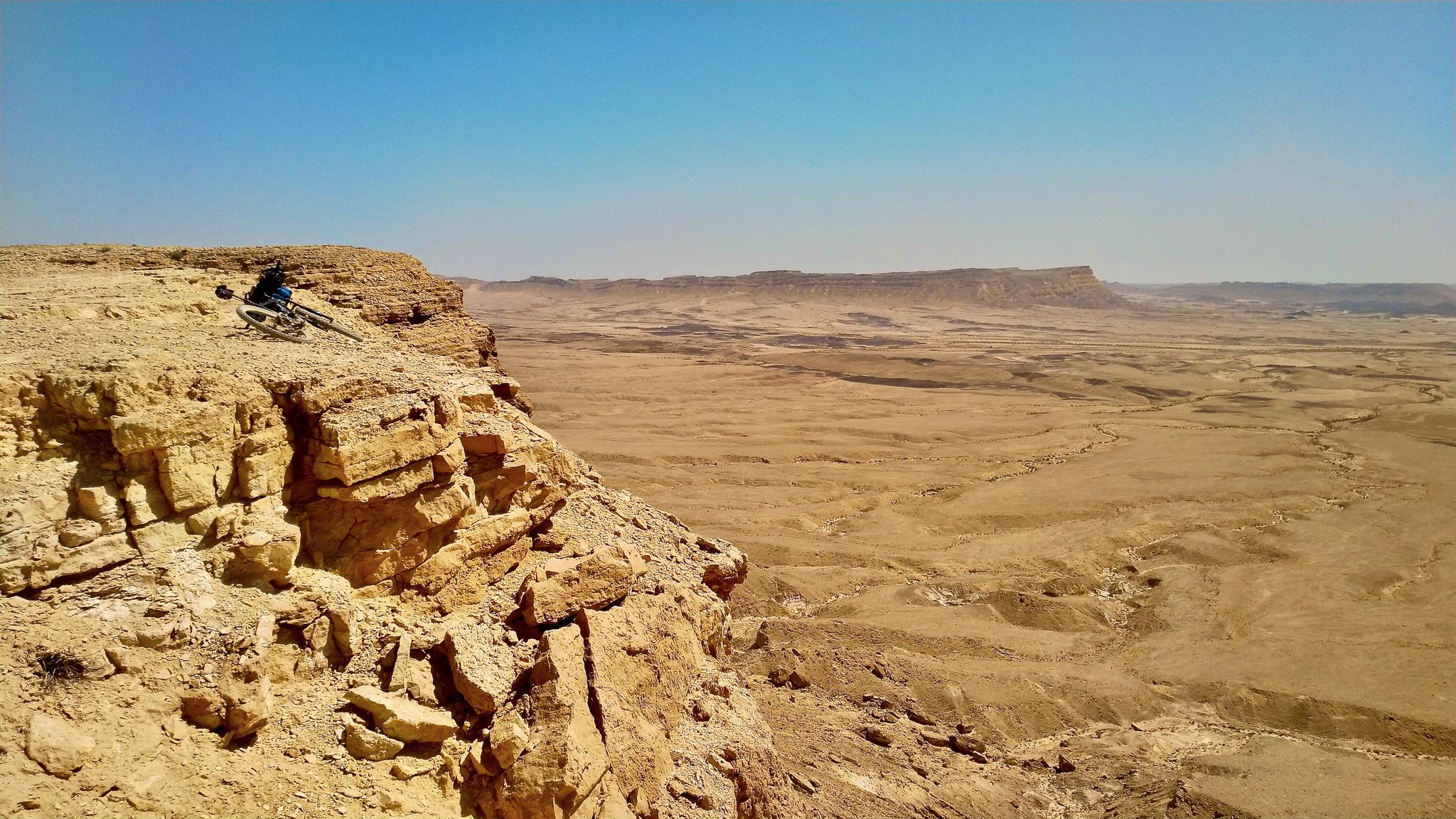
Yes, several natural monuments in Israel offer breathtaking viewpoints. The Masada Fortress Ruins provides expansive views over the Dead Sea and the Judean Desert. The Banias Waterfall also has a suspended trail offering unique views of the gorge. The Ramon Crater, often called Israel's Grand Canyon, presents a vast, dramatic landscape from its rim.
What are some lesser-known natural gems in Israel?
While many sites are popular, exploring areas like the Montfort Castle Ruins offers a blend of historical testimony from the Crusader era amidst natural beauty. The unique geological formations of Timna Park, beyond the famous 'Mushroom' and 'Solomon's Pillars', also provide opportunities for discovery away from the main crowds.
What outdoor activities, besides hiking, can I do near these natural monuments?
Beyond hiking, Israel's diverse landscapes support various outdoor activities. The Ramon Crater is excellent for cycling, jeep tours, and rappelling. In winter, Mount Hermon offers skiing and snowboarding. For cycling enthusiasts, you can explore routes mentioned in the Road Cycling Routes in Israel guide. Running trails are also available, as detailed in the Running Trails in Israel guide.
How long should I plan for a visit to a natural monument like Ein Gedi Nature Reserve?
For a site like Ein Gedi Nature Reserve, you should plan at least half a day to fully enjoy the hiking trails, waterfalls, and lush vegetation. If you wish to explore multiple trails or spend time swimming in the pools, a full day would be more suitable. The duration can vary based on your chosen trail's length and difficulty.
Are there accessible natural sites in Israel for visitors with mobility considerations?
While many natural sites involve uneven terrain, some efforts have been made for accessibility. For example, the Bahá'í Gardens and Shrine of the Báb, Haifa, while having many steps, offers accessible viewing points. It's always recommended to check specific site information for up-to-date accessibility details before your visit.
What do visitors enjoy most about Israel's natural monuments?
Visitors frequently praise the stunning views, unique geological formations, and the blend of natural beauty with rich historical and biblical significance. The opportunity to hike diverse terrains, from desert canyons to lush oases, and encounter wildlife like ibex, is also highly valued. Many find the experience deeply reflective and awe-inspiring.
Most popular routes in Israel
Most popular attractions in Israel

Get inspired with the komoot mobile app


Explore more
Extend your search for the best caves by checking out these guides of the top ones in Israel:
