Attractions and Places To See in Egypt - Top 20
Best attractions and places to see in Egypt include a rich tapestry of ancient history, diverse natural landscapes, and vibrant cultural sites. The country is defined by the Nile River, which flows through its heart, and bordered by the Red Sea, known for its marine life. Vast deserts, including the White and Black Deserts, offer unique geological formations. This combination provides a wide range of experiences, from exploring millennia-old monuments to discovering unique natural wonders.
Best attractions and places to see in Egypt
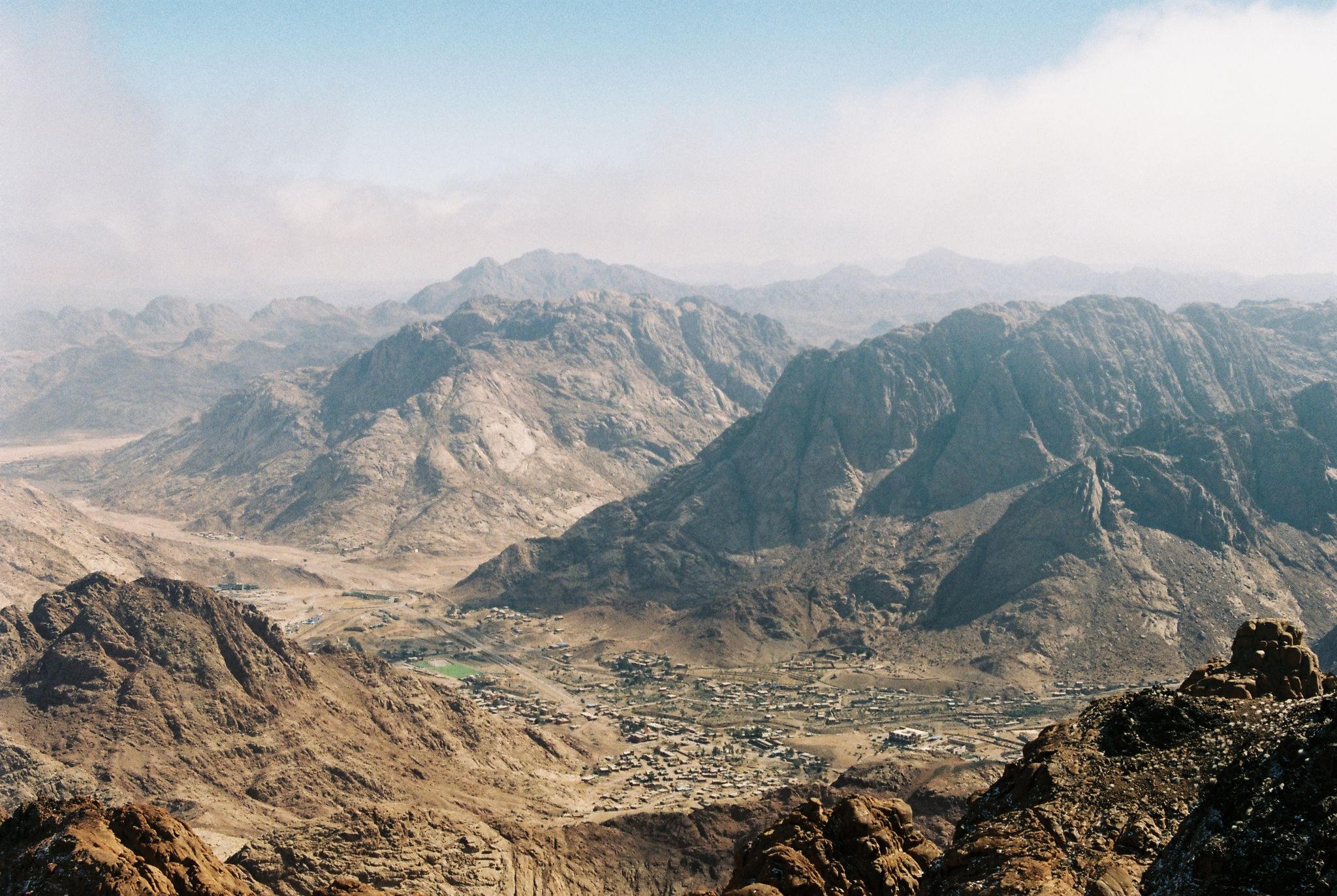
- The most popular attractions is Saint Catherine's Monastery, a religious building that is the oldest Christian monastery still inhabited. It has been a Unesco World Heritage Site since 2002 and is inextricably linked with Mount Sinai.
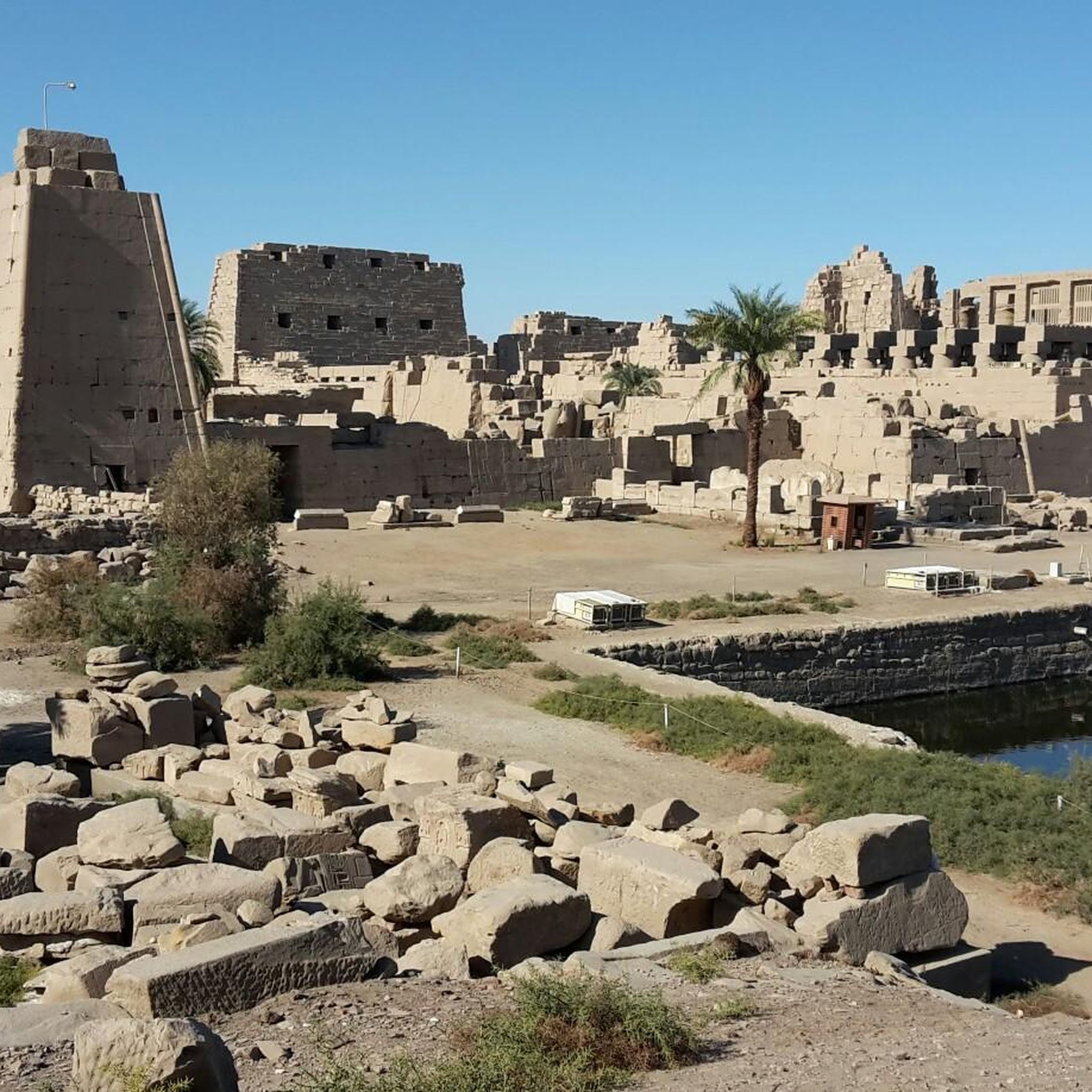
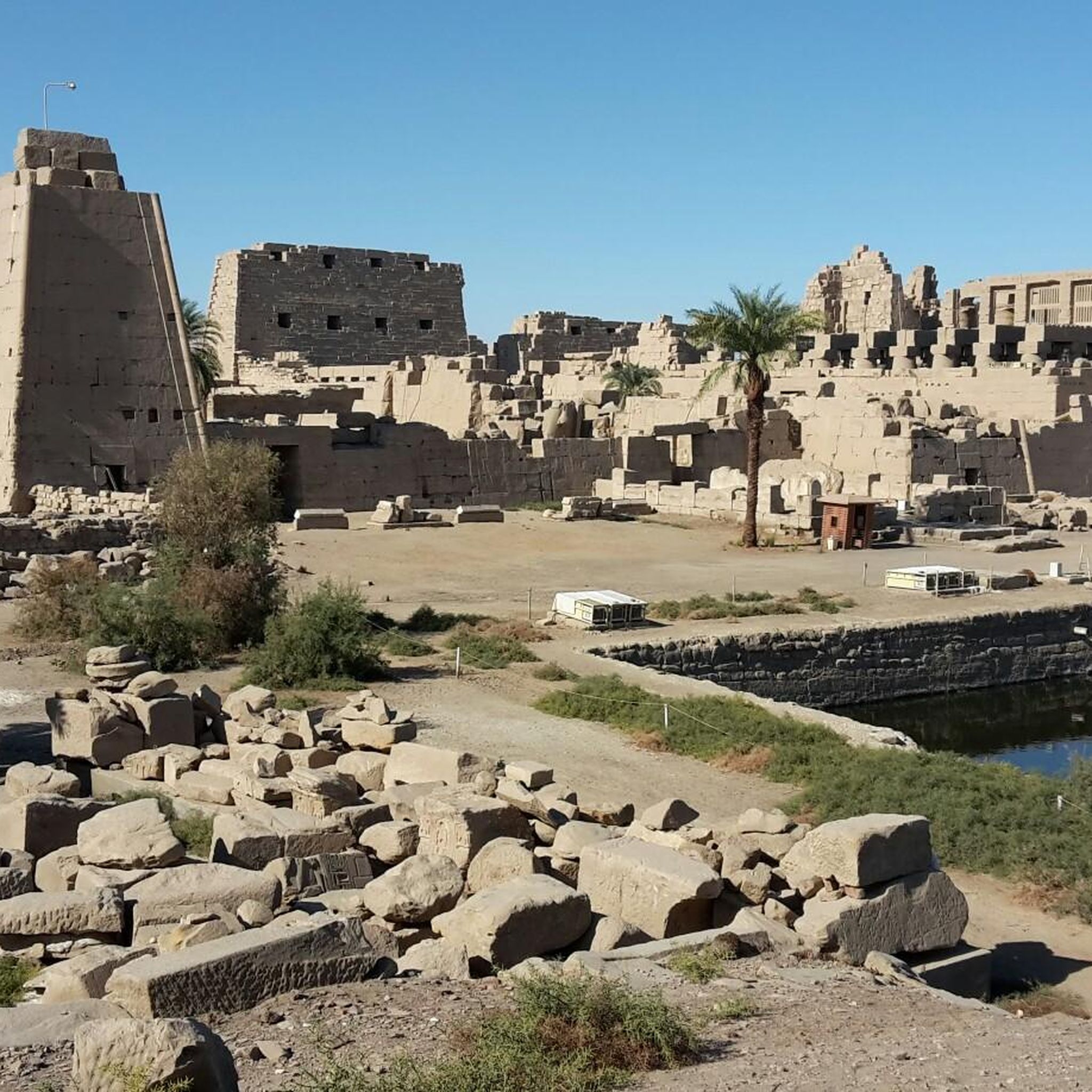
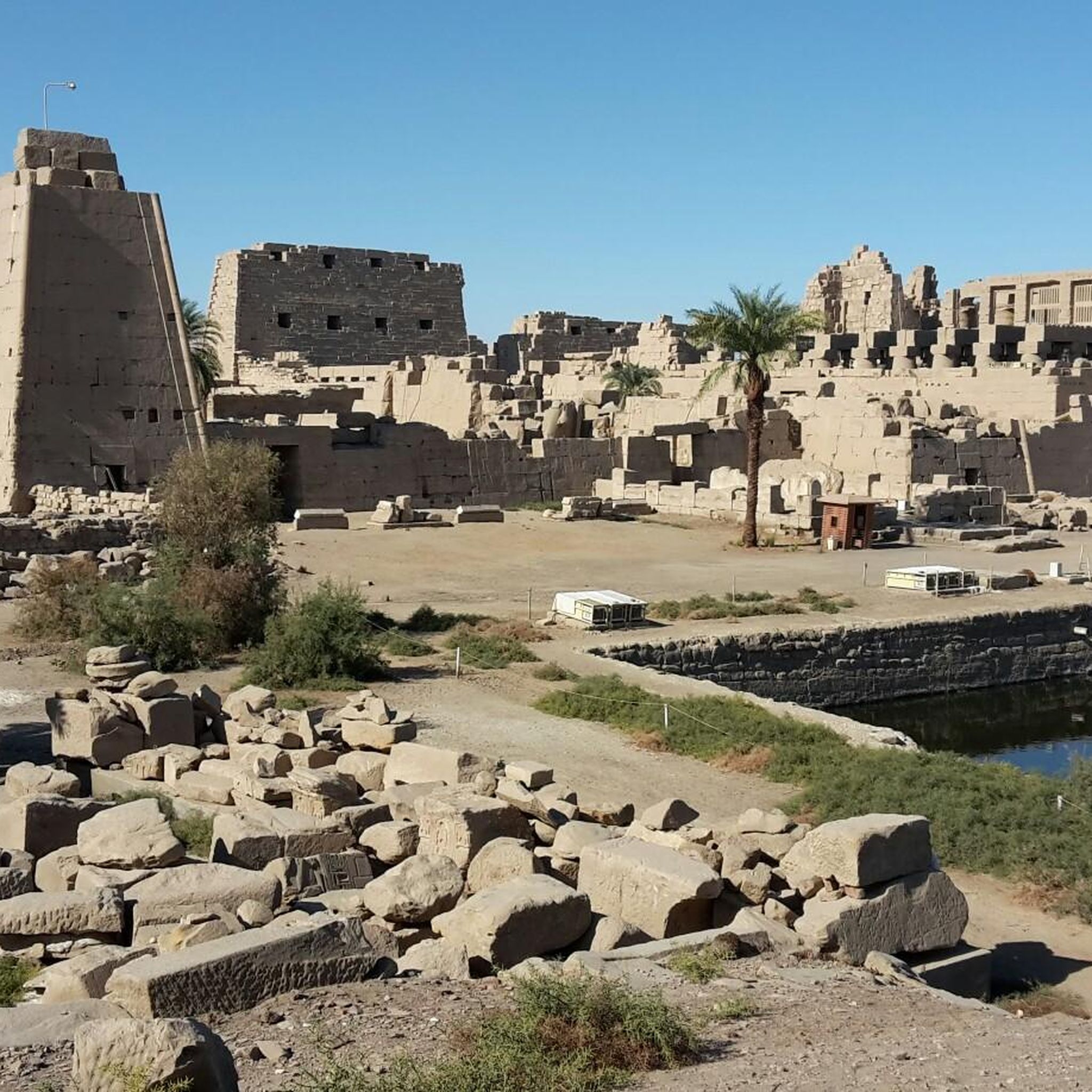
- Another must-see spot is Karnak Temple Scarab, a man-made monument located near the sacred lake within the vast Karnak Temple Complex. Visitors often walk around it for good luck.
- Visitors also love Luxor Temple, a historical site that is particularly striking when illuminated at night. It features colossal statues and obelisks of Pharaoh Ramses II.
- Egypt is known for its ancient temples, historical sites, and natural monuments. The country offers a variety of attractions, from monumental structures to significant religious buildings and unique desert landscapes.
- The attractions in Egypt are appreciated by the komoot community, with more than 50 upvotes and over 50 photos shared across various highlights.
Last updated: May 26, 2026
Karnak Temple Scarab
Highlight • Monument
Translated by Google •
Tip by

Hatshepsut's Mortuary Temple
Highlight • Historical Site
Translated by Google •
Tip by

Sign up now to discover places like this
Get recommendations on the best single tracks, peaks, & plenty of other exciting outdoor places.
Sign up for free
Saint Catherine's Monastery
Highlight • Religious Site
Translated by Google •
Tip by

Luxor Temple
Highlight • Historical Site
Translated by Google •
Tip by
Hurghada Marina
Highlight • Structure
And there is significantly less "come in. Only looking. Good price my friend".
Translated by Google •
Tip by

Al Mina Mosque
Highlight • Religious Site
Visitors can tour the beautiful interior of the mosque outside of prayer times. Women should borrow a galabeya to cover their hair, arms and legs.
(Source holidaycheck.de/pi/el-mina-moschee/5e4543a8-55e2-3cdc-bed7-8b50c29269b6)
Translated by Google •
Tip by

Mount Sinai Summit
Highlight • Summit
The one that is renamed the mountain of Moses culminates at 2,285 meters above sea level. She owes this nickname to the biblical episode which relates the moment when Moses received the Ten Commandments from the hands of God. A chapel and a mosque top the summit.
Now, the summit is popular with pilgrims and tourists. One of the key activities offered by the Bedouin guides is the ascent of the mountain for the majestic observation of the sunrise.
Translated by Google •
Tip by

Kom Ombo Temple
Highlight • Religious Site
Translated by Google •
Tip by
Colossi of Memnon
Highlight • Monument
Translated by Google •
Tip by
Tomb of Ramses I
Highlight • Historical Site
Translated by Google •
Tip by
Sign up for free to discover even more attractions in Egypt.
Sign up for free
Already have an account?
Start today with a free account
Your next adventure awaits.
Login or Signup


Tips from the Community

The double temple of Kom Ombo is one of Egypt's most fascinating ruins. Its location directly on the banks of the Nile, about 50 kilometers north of Aswan, makes it a spectacular sight, especially at sunset or at night when it is illuminated. Unique Architecture The distinctive feature of Kom Ombo is its symmetrical double structure. While almost all Egyptian temples are dedicated to a single deity, this one is divided into two parts: The southern half (right): Dedicated to the crocodile-headed god Sobek, the god of fertility and water. The northern half (left): Dedicated to the falcon-headed god Haroeris (Horus the Elder), the god of the sky and war.
5
0
The Colossi of Memnon are two massive quartzite statues on the west bank of the Nile near Luxor (Thebes-West), Egypt. Although they now stand almost isolated in the landscape, they were originally the gatekeepers to one of the most colossal temples of antiquity. Here's the most important thing you need to know about these "stone giants": 1. Who do they depict? Contrary to their Greek name, the statues do not represent the mythological hero Memnon, but rather the pharaoh Amenhotep III (18th Dynasty, c. 1350 BC). They flanked the entrance to his mortuary temple, which was once the largest in Egypt—even larger than the Karnak Temple. Because the temple was built on the Nile's floodplain, it crumbled over the millennia due to water and earthquakes. Today, almost only the Colossi remain. 2. Why are they called "Memnon"? The name originates from ancient Greek travelers. After an earthquake in 27 BC, the northern city was renamed
6
0
The Luxor Temple (ancient Egyptian Ipet-reset, "southern sanctuary") is one of the most impressive temple complexes in Egypt. It is located directly on the east bank of the Nile in the heart of the modern city of Luxor and has been a UNESCO World Heritage Site since 1979.
7
0


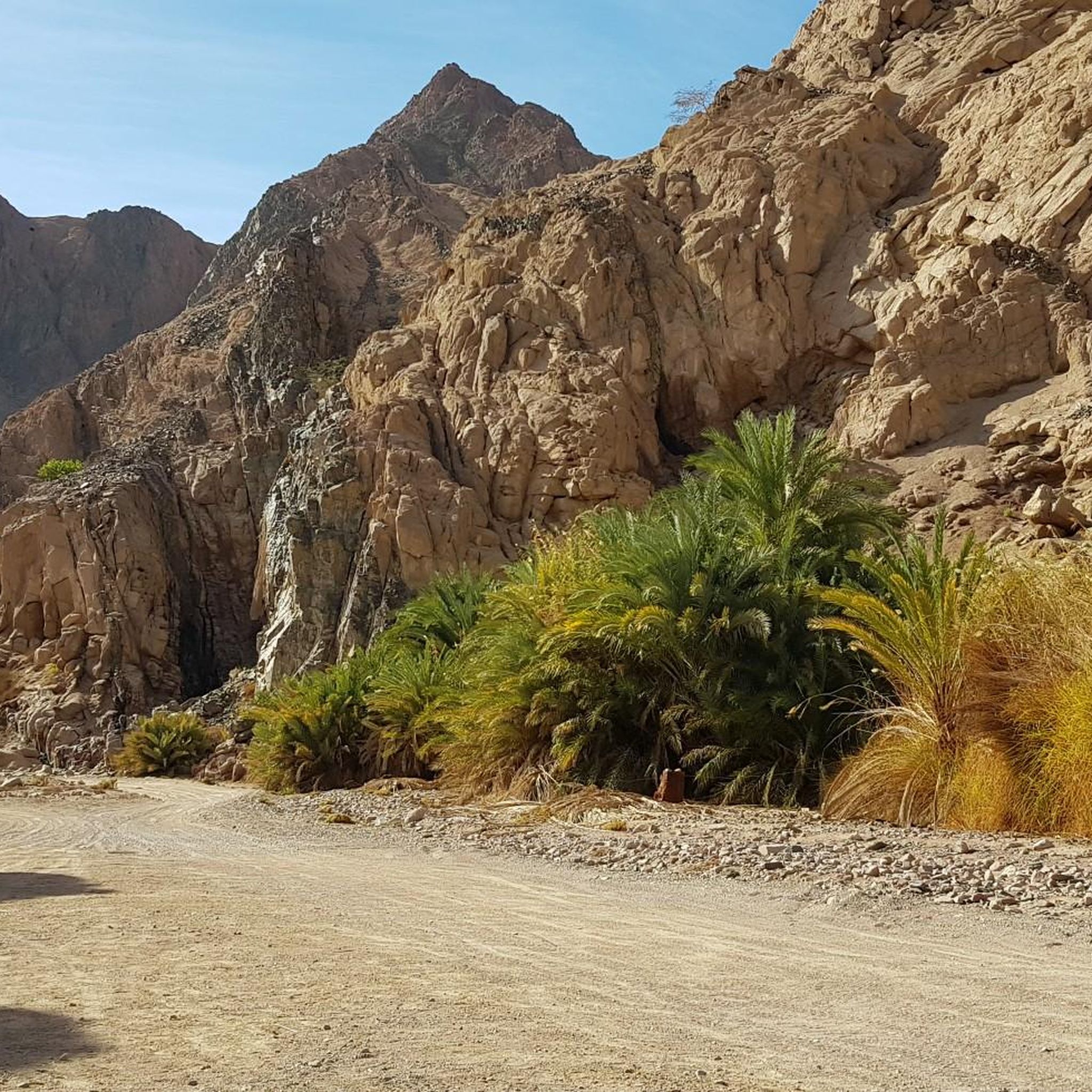
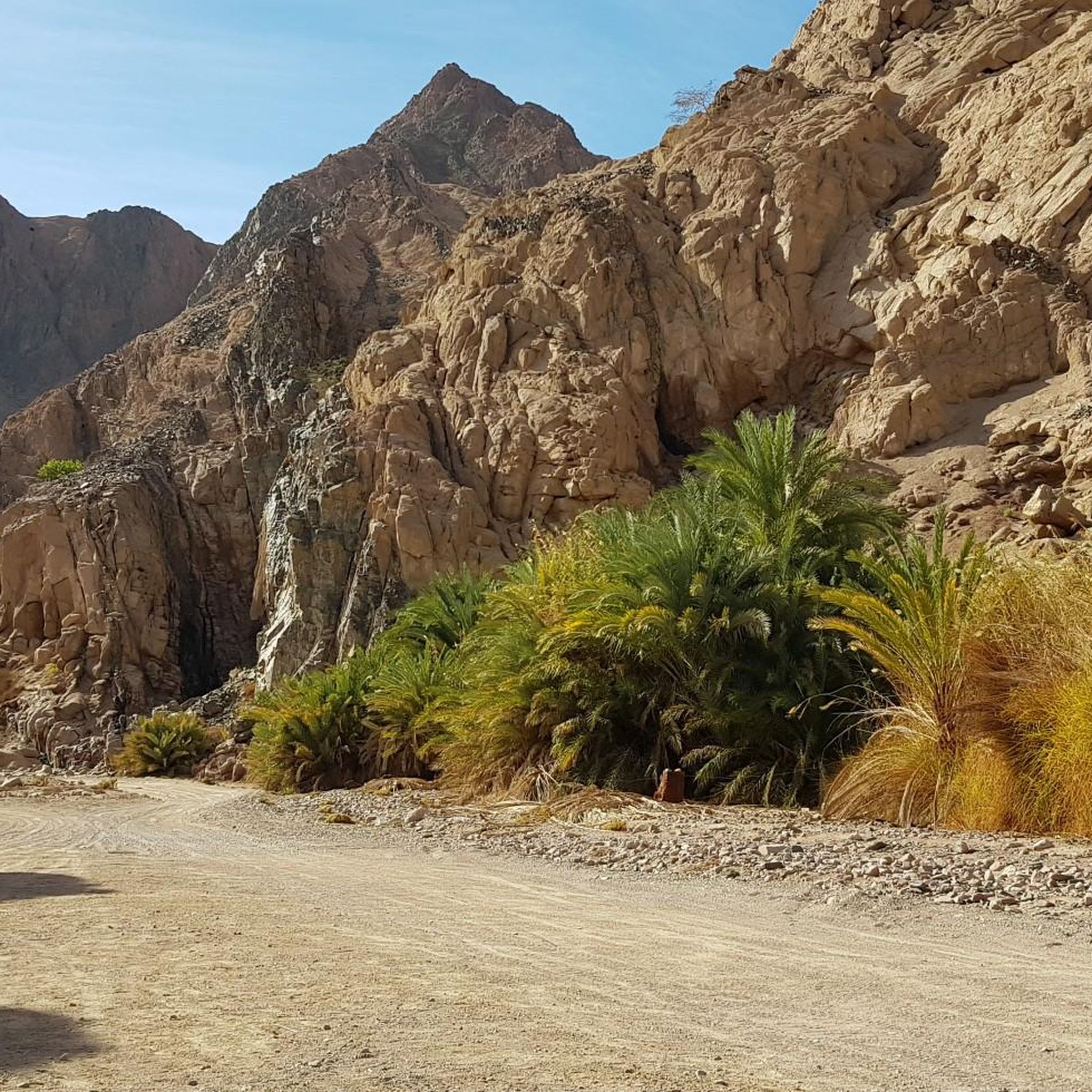
Mount Ahmar, meaning “The Red Mountain” in Arabic, is one of the hidden gems of the Saint Catherine Highlands. It stands out with its deep red granite rock and panoramic views stretching across the high mountains and down into the wide desert valleys. The trail to the summit passes through Wadi Ahmar, a narrow valley of smooth boulders and dry waterfalls. It’s a fun route that includes light scrambling, stone jumping, and walking over polished rock — challenging, but not too technical. From the top, you’ll see far beyond Wadi El-Mathar, across the central Sinai massif. On a clear day, the colors of the rocks shift with the sun — red, orange, grey, and gold. It’s a perfect spot for a long break, photos, or just quiet reflection.
1
1

Today we docked in the town of Kom Ombo. Here, there is a double temple dedicated to Horus (falcon god and protective deity) and Sobek (crocodile god with a crocodile head). In the past, the Nile Valley flooded in the spring, and there were many crocodiles. These were supposed to provide protection against the crocodiles. There is a nilometer, which was used to measure the water level. There is also a well that supplied the hospital with water. It was very impressive that there was already a hospital. Imhotep was the chief physician and also the builder of the Djoser Step Pyramid. He was a multi-talented figure. There were also medical specialists. There were also delivery chairs and various instruments, such as a stethoscope (top left) and various surgical instruments. There was also a calendar. All days and months are depicted individually. Time was measured with a sundial, hourglass, and water level gauge.
1
1
The large Temple of Death complex can also be seen from Luxor, in good weather.
7
0
Admission is free. There's a large parking lot and a few stalls selling souvenirs.
6
0
Frequently Asked Questions
What are some must-visit historical and archaeological sites in Egypt?
Egypt is rich in ancient history. You can explore the magnificent Luxor Temple, particularly stunning when lit at night, featuring colossal statues and obelisks of Pharaoh Ramses II. Another impressive site is Hatshepsut's Mortuary Temple, a grand building from the 18th Dynasty set against dramatic desert cliffs. Don't miss the unique Kom Ombo Temple, known for its picturesque setting on the Nile, or the massive Colossi of Memnon.
Where can I experience unique cultural or religious heritage in Egypt?
For a profound cultural and religious experience, visit Saint Catherine's Monastery, the oldest Christian monastery still inhabited and a UNESCO World Heritage Site. It is inextricably linked with Mount Sinai. In Hurghada, the Al Mina Mosque offers another significant religious landmark.
Are there family-friendly attractions in Egypt?
Yes, many sites are suitable for families. The Karnak Temple Scarab, located near the sacred lake within the Karnak Temple Complex, is a popular spot where visitors often walk around it for good luck. Many historical sites like Luxor Temple and the Colossi of Memnon are also categorized as family-friendly, offering engaging experiences for all ages.
What natural features or viewpoints should I visit in Egypt?
Egypt offers diverse natural beauty. The Mount Sinai Summit provides a challenging hike rewarded with a magnificent sunrise view, a truly magical experience. The Red Sea coast, particularly around Hurghada, is renowned for its stunning coral reefs and marine life, making it a paradise for diving and snorkeling. The White Desert National Park, with its surreal chalk rock formations, is another unique natural wonder.
What outdoor activities can I do near these attractions?
Near many of Egypt's attractions, you can find various outdoor activities. For running enthusiasts, there are several easy to moderate trails, such as the 'Bedouin Tent – Pathway Along the Beach loop from Al Diwan' or 'Simply Somabay Pier loop from Sheraton Soma Bay Resort'. You can find more options on the Running Trails in Egypt guide. For cycling, explore routes like the 'Eilat Mountains – Eilat Mountains Nature Reserve loop' for road cycling, detailed in the Road Cycling Routes in Egypt guide. Mountain biking trails are also available, including challenging loops like 'מעלה אילת – עפיפון הר שחמון loop from Eilat' in the MTB Trails in Egypt guide.
What is the best time of year to visit Egypt's attractions?
The best time to visit Egypt is generally during the cooler months, from October to April. During this period, temperatures are more comfortable for exploring ancient sites and enjoying outdoor activities. Summers (May to September) can be extremely hot, especially in Upper Egypt (Luxor, Aswan) and the deserts, though coastal areas like the Red Sea might be more bearable for beach activities.
Are there any unique experiences or hidden gems to discover?
Beyond the major landmarks, consider exploring the Siwa Oasis for a glimpse into traditional oasis living and unique cultural experiences. Wadi El Hitan, also known as the Valley of the Whales, is a UNESCO World Heritage site showcasing hundreds of primitive whale fossils, offering a truly unique natural history experience. In Alexandria, the Catacombs of Kom el-Shoqafa present an intriguing mix of Egyptian, Greek, and Roman burial art.
What are the main differences between visiting Cairo, Luxor, and Aswan?
Each city offers a distinct experience. Cairo is the bustling capital, home to the Pyramids of Giza, the Sphinx, the Egyptian Museum, and vibrant Islamic and Coptic Cairo. Luxor is often called the 'world's greatest open-air museum,' focusing heavily on ancient temples and tombs like Karnak Temple, Luxor Temple, and the Valley of the Kings. Aswan offers a more relaxed pace, known for its stunning natural beauty, the Philae Temple, and traditional Nubian villages, often explored via Nile cruises.
What kind of marine life and beaches can I expect in Egypt?
Egypt's Red Sea coast is world-renowned for its exceptional marine biodiversity. Locations like Hurghada, Marsa Alam, and Sharm El Sheikh boast stunning coral reefs teeming with colorful fish, making them prime destinations for diving and snorkeling. You can also find unique natural beaches like Al Nayzak Beach near Marsa Alam, a natural pool believed to be shaped by a meteorite.
What should I know about visiting the Pyramids of Giza and the Sphinx?
The Pyramids of Giza and the Sphinx are iconic symbols of Egypt. While not explicitly detailed in the provided highlights, they are the last remaining wonder of the ancient world. Plan for at least half a day to explore the complex, which includes the Great Pyramid of Khufu, the Pyramid of Khafre, and the Pyramid of Menkaure. It's advisable to visit early in the morning to avoid crowds and the midday heat. Transportation is readily available from Cairo.
What are the options for exploring the Valley of the Kings?
The Valley of the Kings, located on the West Bank of the Nile near Luxor, is the burial site for many New Kingdom pharaohs. To reach it, you can typically take a taxi, a local minibus, or join an organized tour from Luxor. Many visitors combine a trip to the Valley of the Kings with other West Bank sites like Hatshepsut's Mortuary Temple and the Colossi of Memnon. Once there, you can explore the various tombs, each adorned with intricate hieroglyphics and artwork.
Are there any attractions suitable for a leisurely stroll or evening visit?
Absolutely. The Luxor Temple is particularly striking when illuminated at night, offering a magical atmosphere for an evening visit. In Hurghada, the Hurghada Marina provides a pleasant setting for a leisurely stroll, with various facilities and viewpoints to enjoy.
Most popular attractions in Egypt

Get inspired with the komoot mobile app


Didn’t find what you were looking for?
Are you keen on exploring more awesome places nearby? Browse our guides:
Explore more
Still not found the Highlight you’re looking for? See guides of the top attractions in other regions:
