Attractions and Places To See around Santa Maria Val Müstair - Top 20
Best attractions and places to see around Santa Maria Val Müstair offer a blend of natural beauty and cultural heritage within the Swiss Alps. Situated in the Val Müstair municipality and Biosfera Val Müstair nature reserve, the region is characterized by lush meadows, mountain landscapes, and the river Rom. Visitors can explore traditional craftsmanship, ancient mills, and a UNESCO World Heritage site, providing insights into the area's rich history. This area serves as a gateway to various outdoor activities and cultural experiences.
Best attractions and places to see around Santa Maria Val Müstair
- The most popular attractions is Stelvio Pass, a mountain pass that is one of Europe's most important and second-highest. It is renowned for its challenging ascent and is a popular destination for cyclists and motorcyclists.
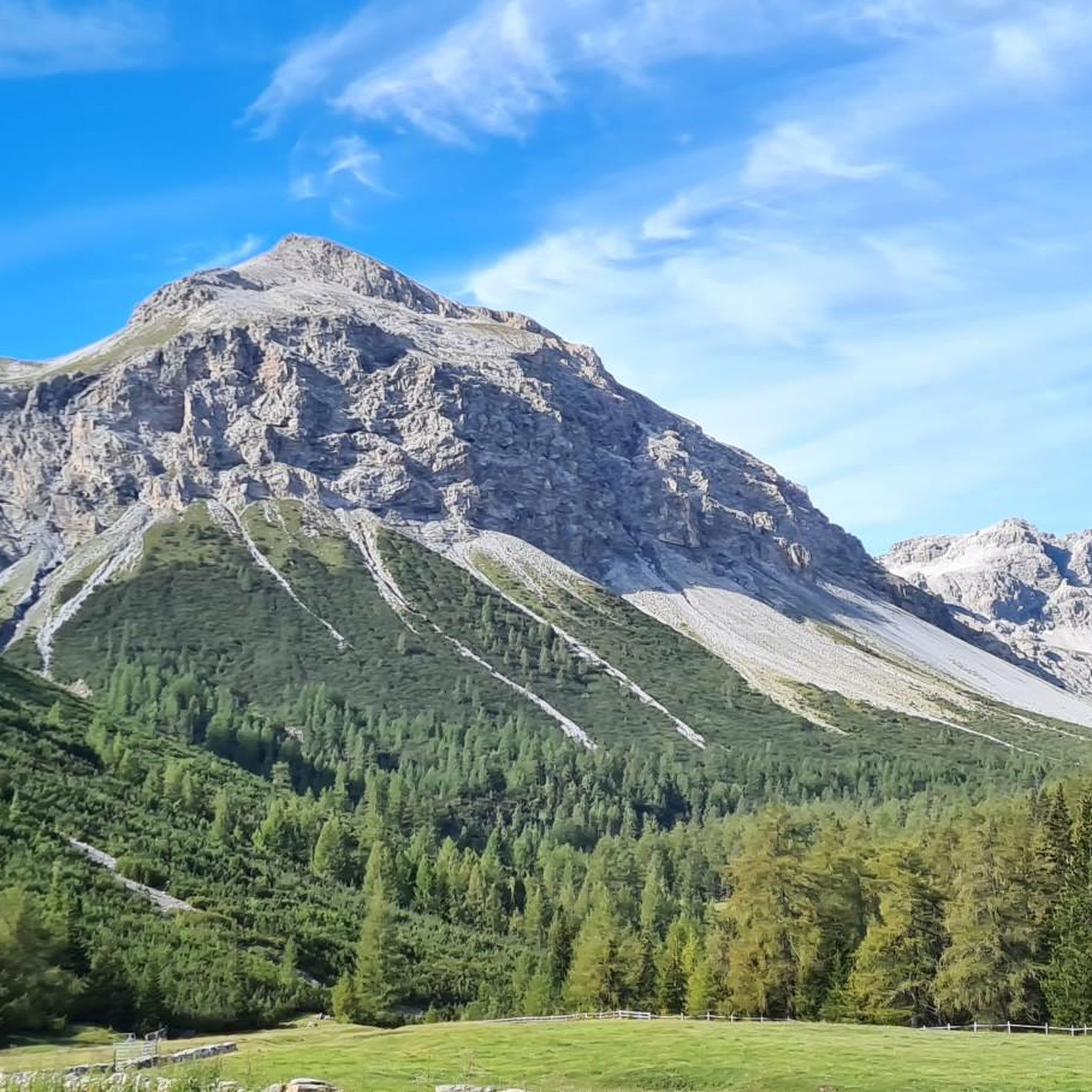
- Another must-see spot is Rifugio Tabaretta (Tabaretta Hut), an alpine refuge situated at 2,556 meters. From its terrace, visitors can enjoy expansive views of the north face of South Tyrol's highest peak, the Tabaretta via ferrata, the Sesvenna group, and the Austrian Alps.
- Visitors also love Costainas Pass, a mountain pass located at 2,251 meters. It offers a great vantage point to enjoy the surrounding landscape and features a singletrack through Europe's highest Swiss stone pine forest.
- Santa Maria Val Müstair is known for mountain passes, alpine huts, and scenic trails. The region offers a variety of attractions to see and explore, from challenging climbs to cultural landmarks.
- The attractions around Santa Maria Val Müstair are appreciated by the komoot community, with more than 2400 upvotes and over 1500 photos shared by visitors.
Last updated: August 2, 2026
Stelvio Pass
Highlight • Mountain Pass
Translated by Google •
Tip by

Rifugio Tabaretta (Tabaretta Hut)
Highlight • Mountain Hut
Useful intermediate stage in the ascent from Solda al Payer and Mount Ortles.
The Tabaretta refuge is a must for the ascent to Payer, starting from Sola. It is advisable not to stop but to arrive at the foot of the majestic Ortles glacier.
Translated by Google •
Tip by

Sign up now to discover places like this
Get recommendations on the best single tracks, peaks, & plenty of other exciting outdoor places.
Sign up for free
Val Mora Trail
Highlight (Segment) • Trail
Translated by Google •
Tip by

Val Mora
Highlight (Segment) • Gorge
Translated by Google •
Tip by

Julius Payer Hut (Payerhütte)
Highlight • Mountain Hut
Hosted from mid-June to early October
The cabin has a storage room as well as 4 and 6 bed rooms
cottage phone
+39 473 613010
payerhuette.com
Translated by Google •
Tip by

Sign up for free to discover even more attractions around Santa Maria Val Müstair.
Sign up for free
Already have an account?
Start today with a free account
Your next adventure awaits.
Login or Signup
Popular around Santa Maria Val Müstair
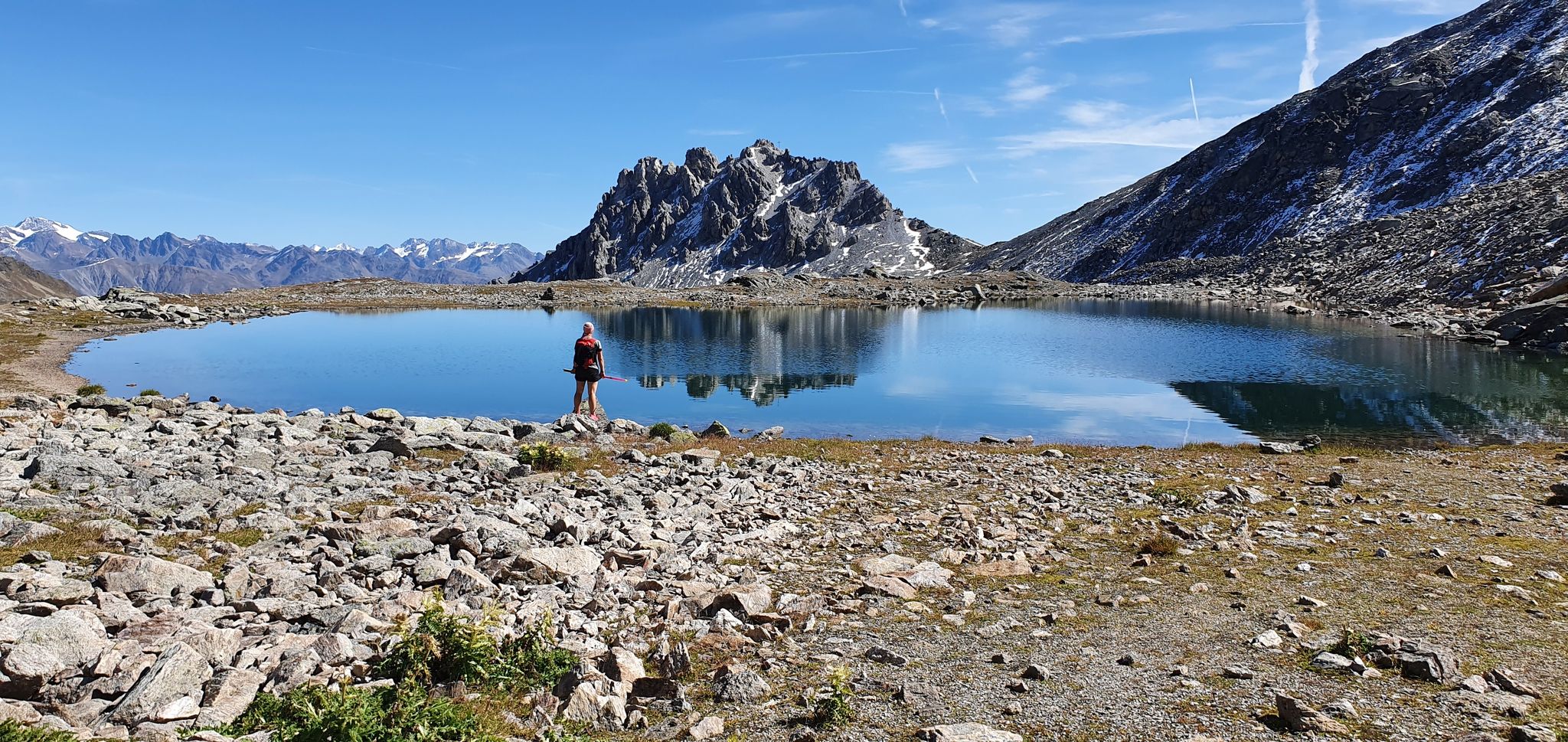
Swiss National Park Panorama Trail – Spectacular and serene
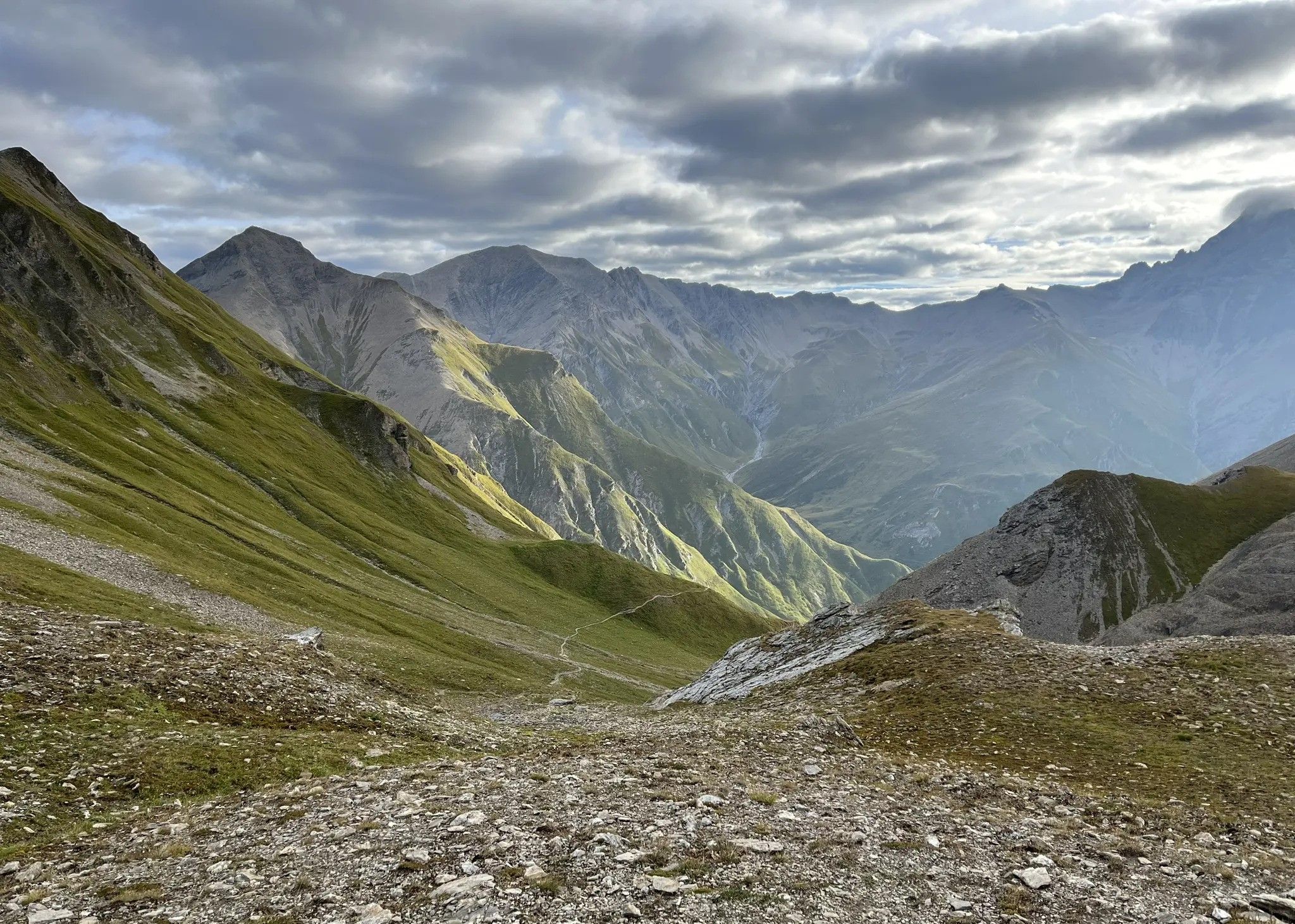
A border-crossing MTB adventure in the Alps – Trans-Altarezia Bike
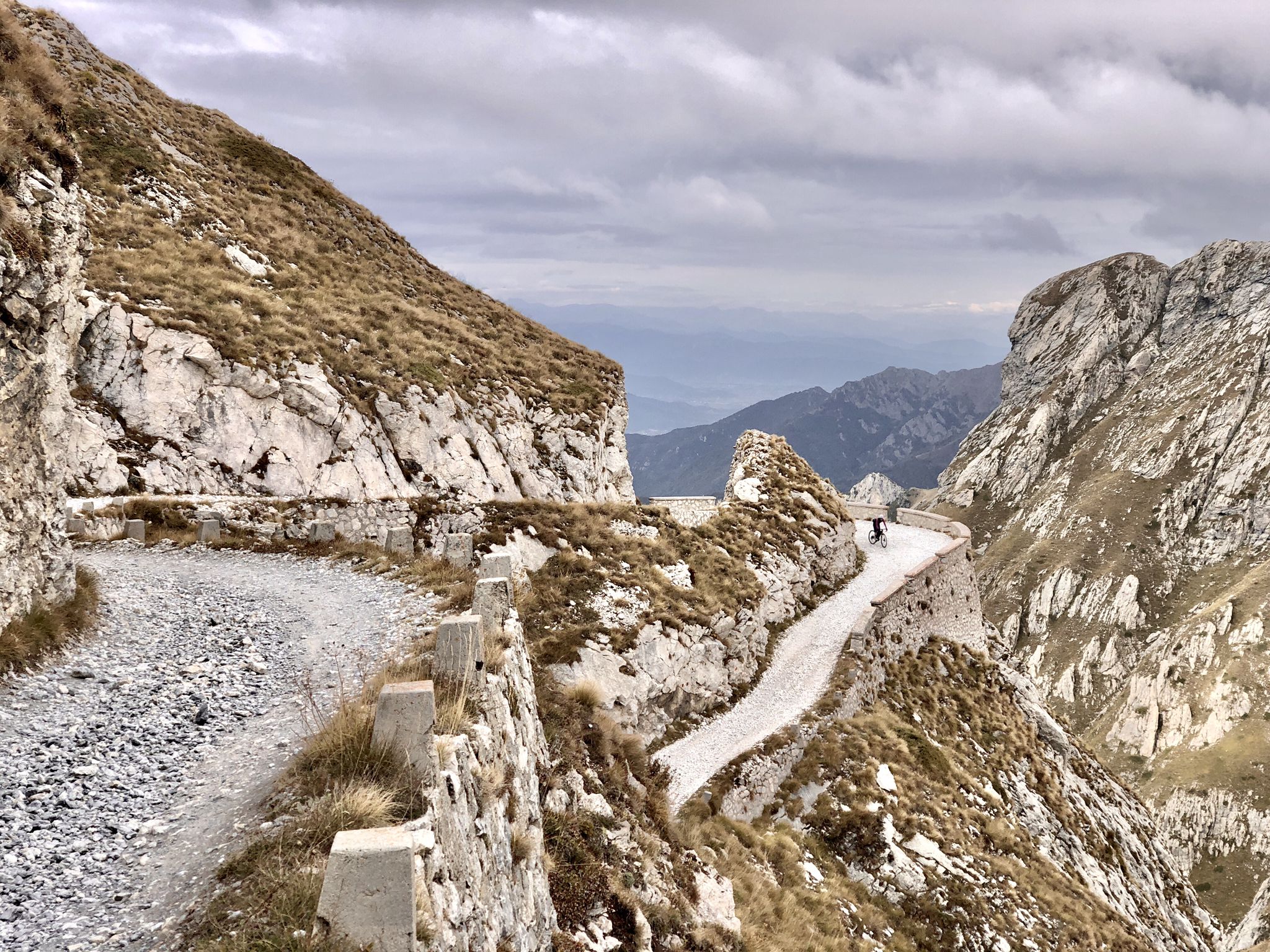
Rough and tough – spectacular gravel loops in the Alps
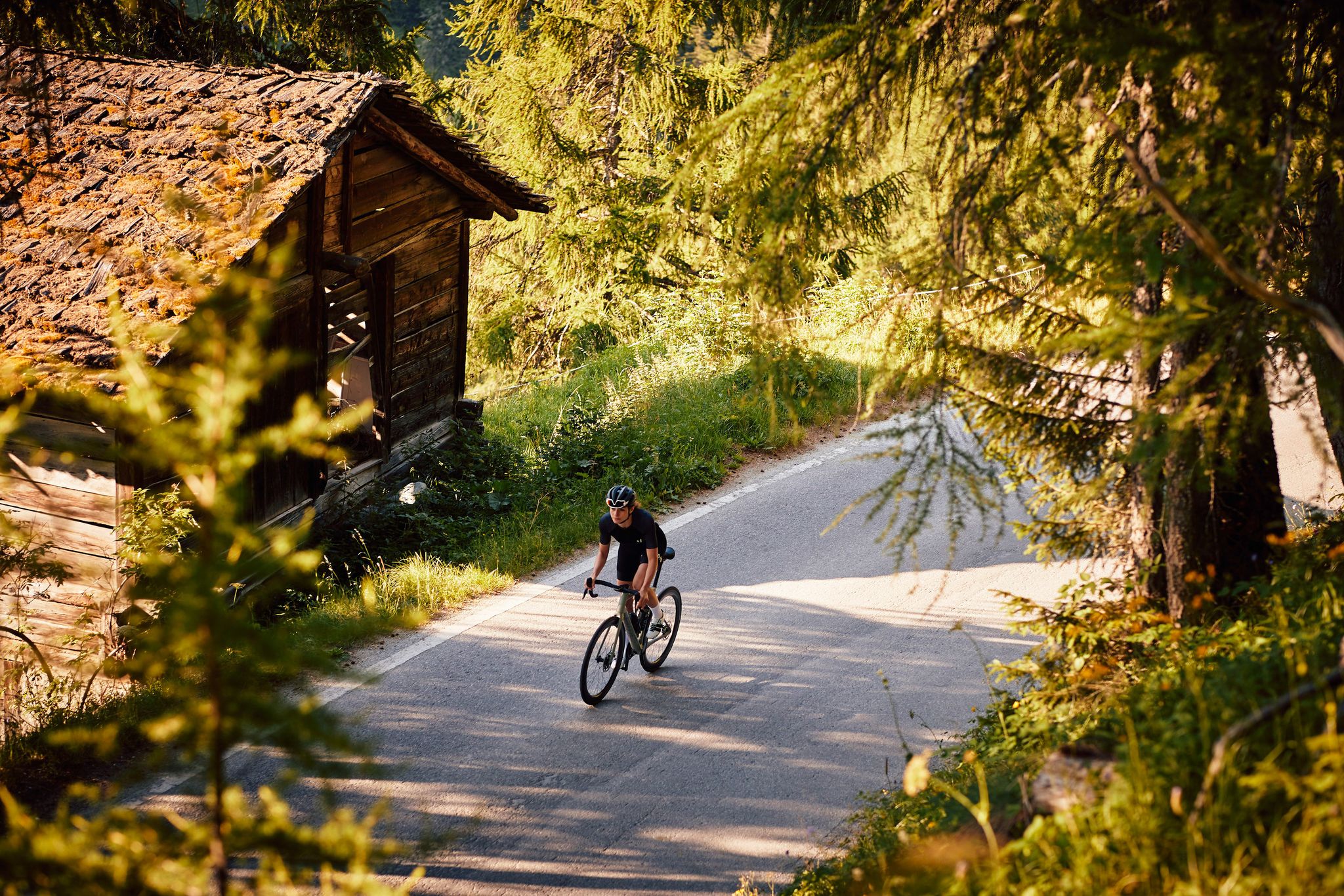
100% women – gravel for female adventurers
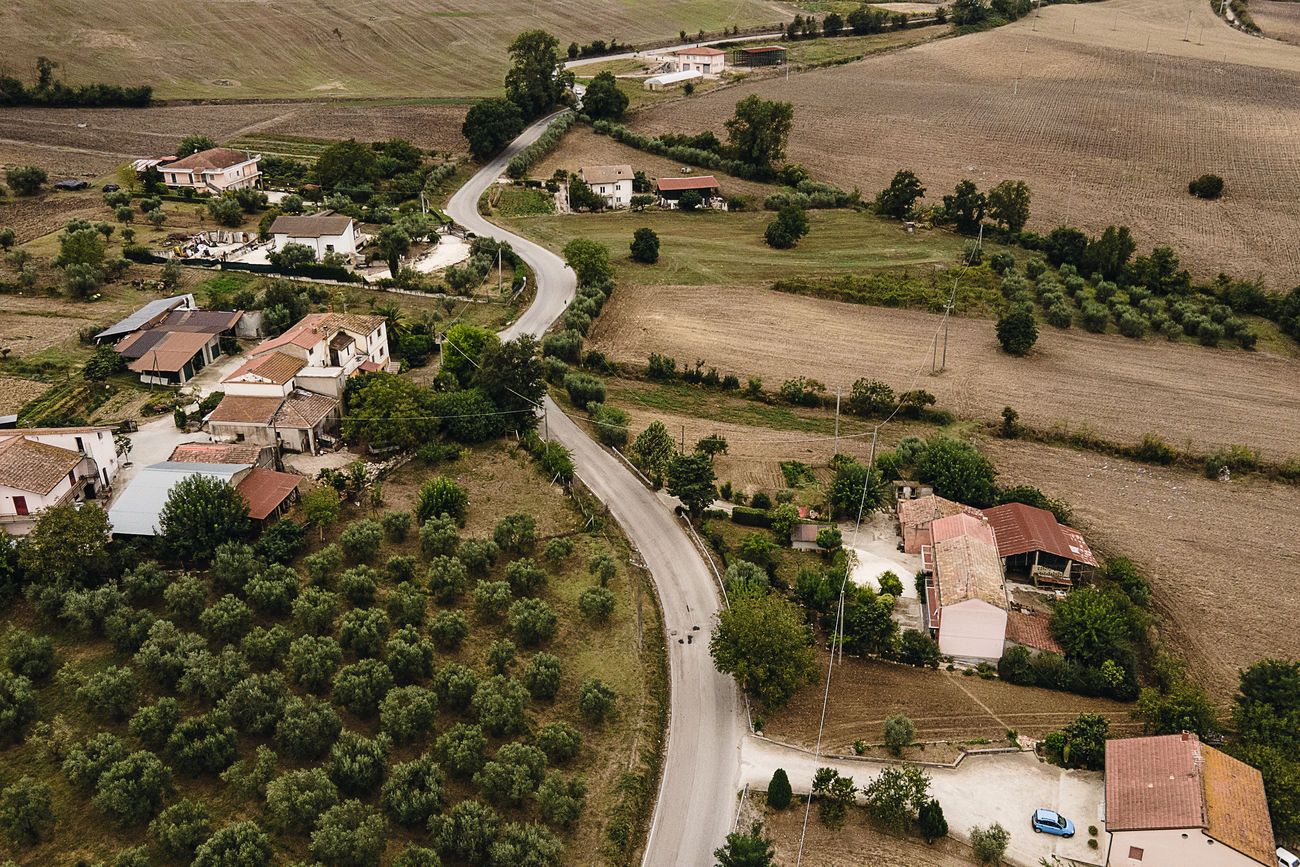
Tour Italy: A Giro d'Italia with luggage in four weeks
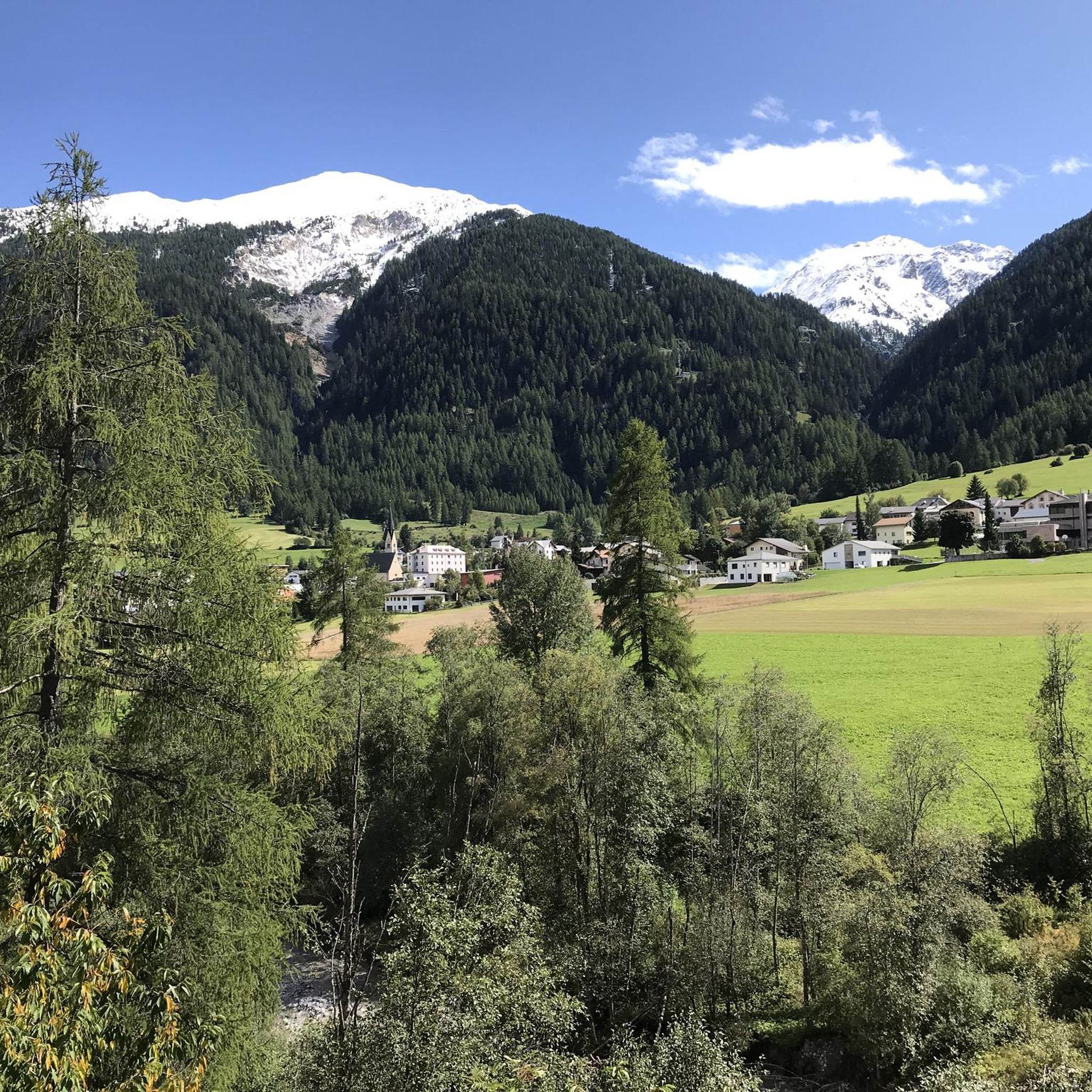
Hiking around Santa Maria Val Müstair
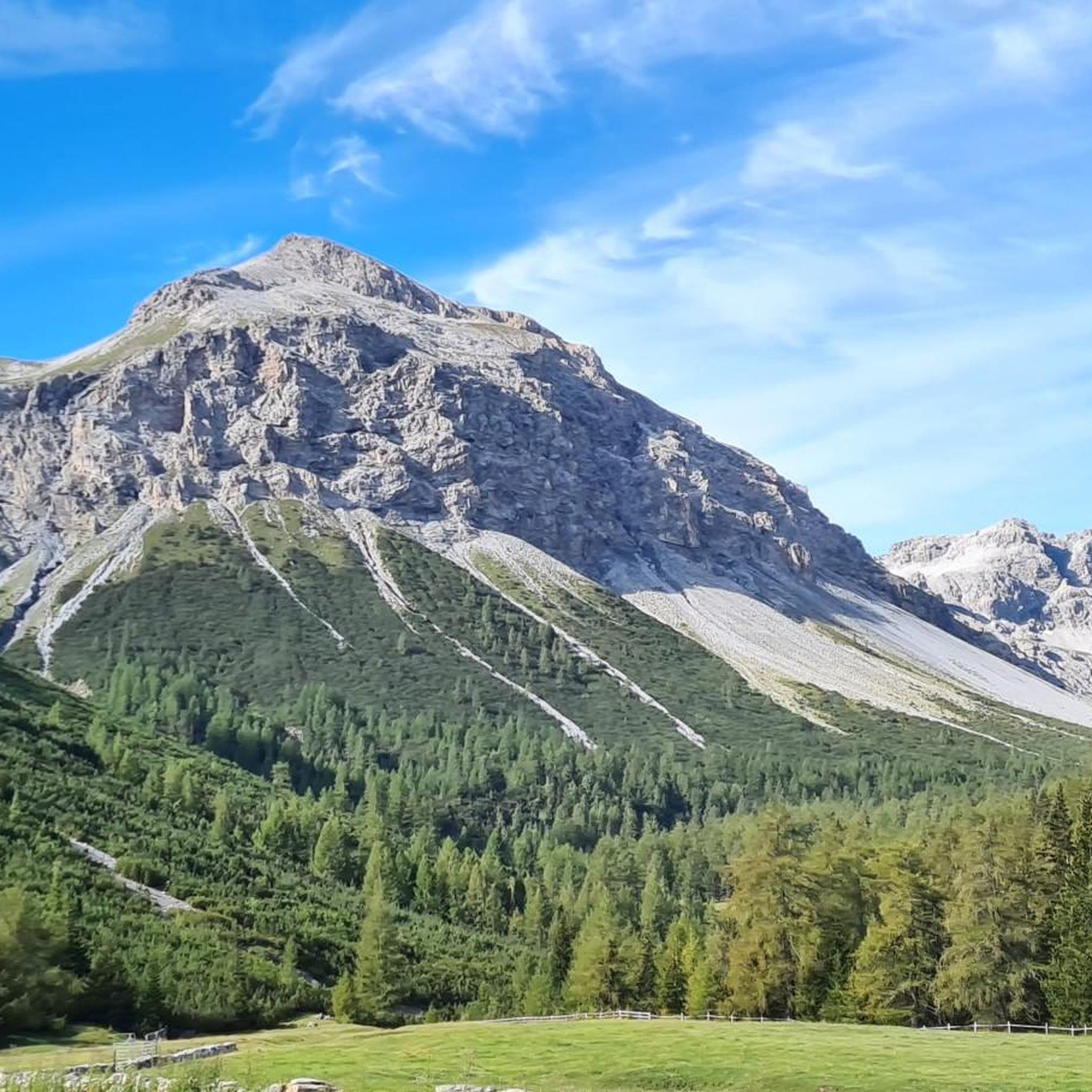
Road Cycling Routes around Santa Maria Val Müstair
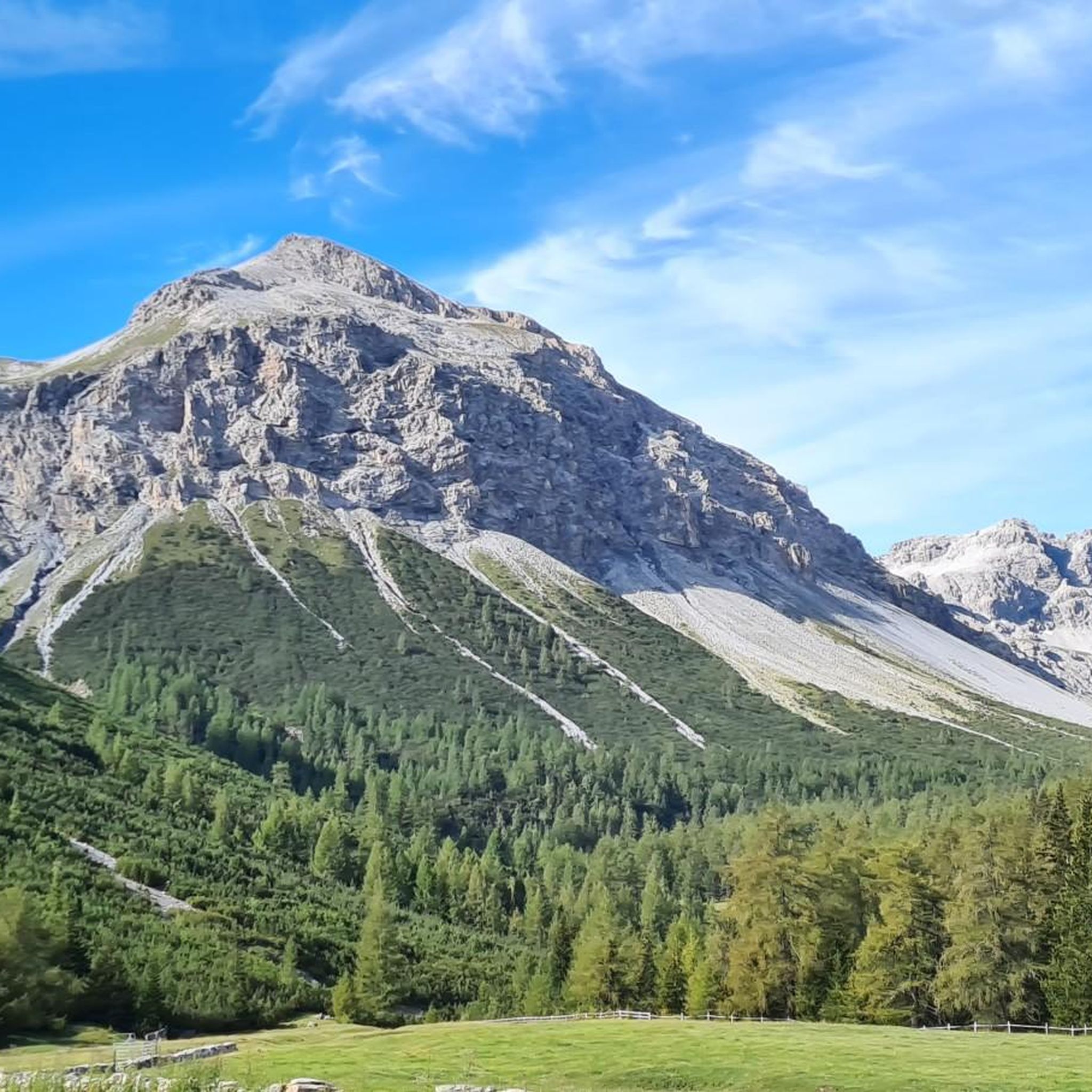
MTB Trails around Santa Maria Val Müstair
Cycling around Santa Maria Val Müstair
Gravel biking around Santa Maria Val Müstair
Other adventures around Santa Maria Val Müstair


Tips from the Community

The legendary Stelvio Pass needs no introduction.
6
0
Dizzying altitude. What a climb!!!
11
2

Great hike to the Tabarettahütte👍. The view is amazing and the food is very good. The crisp ascent via no. 8 is worth it.
2
0

The Stelvio pass, at an altitude of 2,757 metres, connects Lombardy to Trentino-Alto Adige. The road, paved and generally open from June to the end of September, connects Bormio to Prato allo Stelvio. The Lombard side is connected to the Umbrail pass and, subsequently, to the Swiss Canton of Grisons. The Stelvio pass is the highest car pass in Italy. The South Tyrolean side is famous for its hairpin bends: there are 48 of them. From the pass it is possible to admire the Ortler perfectly.
1
4

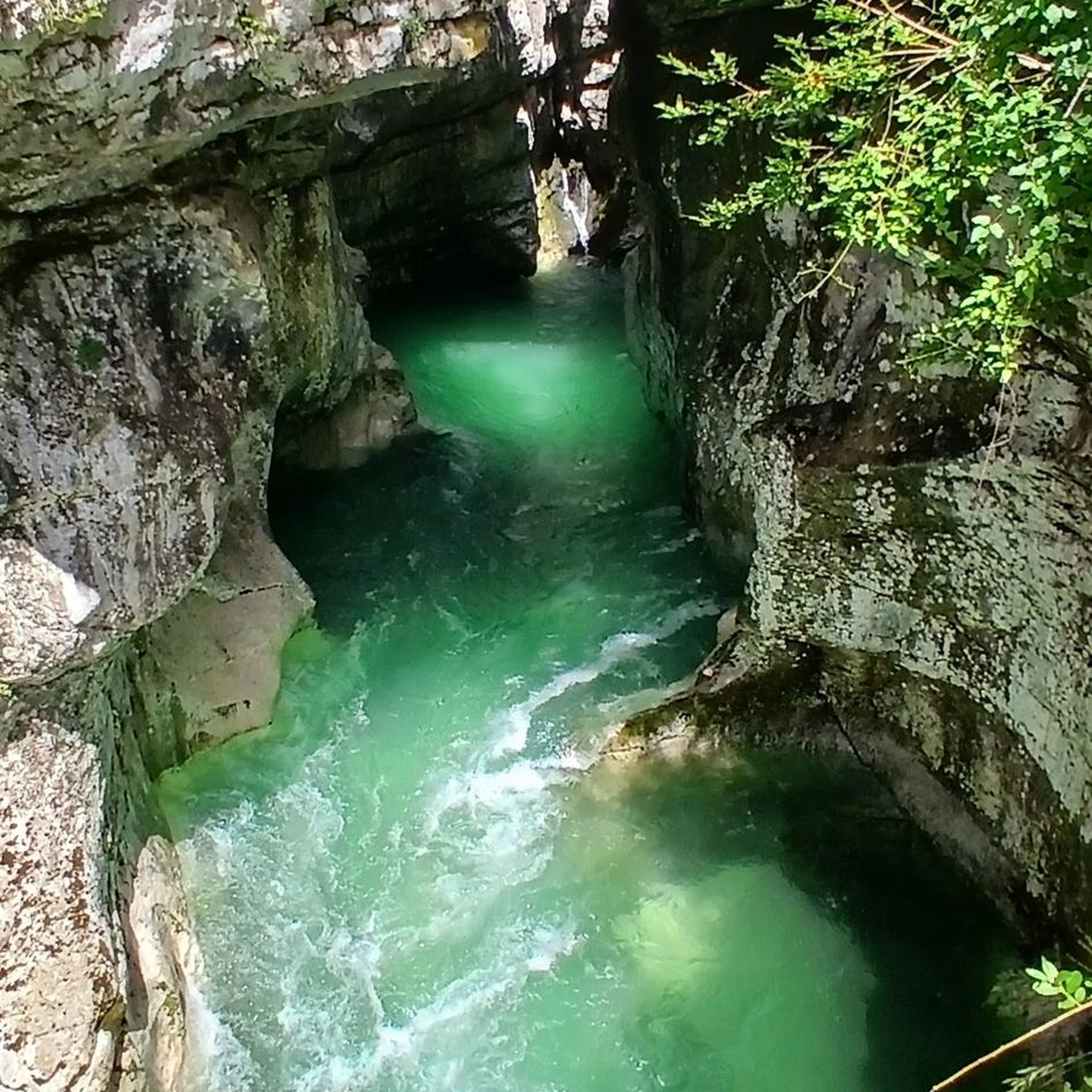
Val Mora is a valley adjacent to the basin of the Cancano lakes, connected to this by the wine and salt road. It is a wild and untouched valley. A beautiful place for hiking, especially by bike. I highly recommend to visit this place to enjoy nature! 😊
7
2

The Payer Hut (Payerhütte or Julius-Payer-Hütte) is an Alpine refuge located in the Ortles-Cevedale group, in the southern Rhaetian Alps. It stands at 3,029 m on the rocky ridge of Tabaretta, overlooking the valleys of Trafoi and Solda. The panorama extends from Val Mustair to the upper Val Venosta. It is an important and strategic support point for the popular normal route to Ortles. It also builds a rewarding destination for the hiker, who can enjoy an unparalleled panorama from here. The refuge, named after the famous cartographer and polar explorer Julius Payer, was built in 1875 by the Prague section of the then DOeAV. At the beginning it was a simple hut that could accommodate up to 30 people. Just a year after the opening, the first annex building was built. In 1885 the refuge was significantly expanded with the construction of an upper floor. Two years later it began to operate and in 1895 it exceeded 1000 visitors for the first time. The growing numbers made another expansion necessary. In 1909 a 3-storey building was built which housed 21 rooms with 48 beds, a warehouse, pantry, rooms for guides, a breakfast room and a coffee corner. During the First World War the refuge was occupied by the military and served as a rear station for the occupation troops on the summit of the Ortles. After the First World War the refuge became property of the Italian state and its management was entrusted to the Milan section of the CAI. Administrative management that lasted until 2010. In 1947 a fire, probably caused by lightning, destroyed the old building; the one from 1909 remained, which was consequently reorganised. From 1990 to 1994 major renovation works were carried out. Since 1999, the property has been owned by the Autonomous Province of Bolzano. www.payerhuette.com/it/
4
2
The Tabaretta Refuge (2,556 m) is an Alpine refuge in the Southern Rhaetian Alps, located on the crest of the Marlet ridge, at the foot of the north-eastern slope of Punta Tabaretta. Being located directly on the path that leads to the Payer Refuge, it is a popular destination for hikers starting from Solda and for mountaineers who want to try the Via Normale all’Ortles. From its terrace you can enjoy a beautiful view of the north face of the highest peak in South Tyrol, towards the Tabaretta via ferrata, the Sesvenna group and the Austrian Alps. The refuge, owned by the Reinstadler family, is open from mid-June to mid-October and has a capacity of 40 beds. It was built at the end of the 19th century by Alois Schöpf, owner of the “Außerortlerhof” in Solda. Sisters Theresa and Berta ran it until 1963, when their grandchildren took over. In 1974, Tabaretta was sold to Waltraud Burger. A year later, the “Ladum” cable car was built, which is still needed for supply today. Since 1980, with the help of Hans Reinstadler and his family, the refuge has been constantly renovated and expanded. Since 1987, the refuge has been run by Klaus Reinstadler and his wife Andrea. www.tabaretta.com
6
0

Famous Alpine pass, often Cima Coppi at the Giro d'Italia, the Stelvio is the destination of tens of thousands of cyclists and two-wheel lovers every year. To the three classic slopes (Bormio, Val Mustair and Prato allo Stelvio) we must add the dirt road, very hard but short, which leads to the Tibet Trail.
1
0
Frequently Asked Questions
What natural features can I explore in the Santa Maria Val Müstair region?
The region is rich in natural beauty, offering lush green meadows, spectacular mountain landscapes, and the river Rom. You can visit iconic mountain passes like Stelvio Pass, one of Europe's highest, or Costainas Pass, which features a singletrack through Europe's highest Swiss stone pine forest. The entire Val Müstair is part of the Biosfera Val Müstair nature reserve, known for its well-kept villages and diverse wild animals.
Are there cultural or historical sites to visit in the Val Müstair region?
Yes, the region offers several significant cultural and historical sites. The Benedictine Convent of Saint John in Müstair, a UNESCO World Heritage Site, showcases well-preserved Carolingian-era architecture. You can also explore the Tessanda Hand Weaving Mill to see traditional craftsmanship or visit the Muglin Mall, home to Switzerland's oldest functioning mill where you can learn about its history and even bake bread. The Museum 14/18 provides insights into World War I events on the Umbrail Pass.
What outdoor activities, like hiking or cycling, are available near Santa Maria Val Müstair?
Santa Maria Val Müstair is an excellent base for outdoor activities. For cycling, you can find routes like the 'Val Müstair Cycle Path – Vinschgau Cycle Route loop' or the 'Val Mora – View of Piz Daint loop'. Hikers can explore trails such as 'Lai da Rims - Val Müstair Biosphere' or the 'Piz Cotschen Summit Trail'. You can find detailed routes and guides for hiking, cycling, and mountain hikes around Santa Maria Val Müstair.
Are there any family-friendly attractions in Santa Maria Val Müstair?
While specific family-friendly attractions are not detailed, the region's natural landscape offers many opportunities for families to enjoy the outdoors. Exploring the well-kept villages, visiting the Muglin Mall to bake bread, or taking easy walks along the river Rom can be enjoyable for families. The Biosfera Val Müstair nature reserve also provides a great environment for children to connect with nature and observe wild animals.
What are some unique or 'hidden gem' attractions in the area?
A truly unique spot in Santa Maria is The Smallest Whisky Bar on Earth, which holds a Guinness Book of Records entry and is a must-visit for whisky enthusiasts. Additionally, the Val Mora Trail, while popular with cyclists, offers a breathtaking natural experience through a wide high valley and a scenic gorge, often described as a 'flowy' and impressive trail.
When is the best time to visit Santa Maria Val Müstair for outdoor activities?
The summer months, typically from mid-June to mid-October, are ideal for hiking and cycling, as alpine refuges like Rifugio Tabaretta are open during this period. The Stelvio Pass is also fully accessible for cyclists and motorcyclists during this time. For winter activities, the region transforms into a snowy landscape, offering different opportunities, though specific details on winter attractions are not provided.
Can I find dog-friendly trails or activities in Val Müstair?
The Val Müstair region, with its extensive natural landscape and numerous trails, generally welcomes dogs. Many hiking and walking paths through meadows and mountains are suitable for dogs. However, it's always recommended to check local regulations, especially within the Biosfera Val Müstair nature reserve or near protected wildlife areas, regarding leash requirements and waste disposal to ensure a pleasant experience for everyone.
Where can I experience the best views in Santa Maria Val Müstair?
For expansive views, head to Rifugio Tabaretta (Tabaretta Hut) at 2,556 meters, where you can see the north face of South Tyrol's highest peak, the Sesvenna group, and the Austrian Alps. Costainas Pass also offers a great vantage point to enjoy the surrounding landscape. The Stelvio Pass provides stunning panoramic views, particularly of the Ortler mountain from the South Tyrolean side.
What is the <a href="https://www.komoot.com/highlight/97529" target="_blank" rel="noopener">Stelvio Pass</a> known for?
The Stelvio Pass is renowned as one of Europe's most important and second-highest mountain passes. It is famous for its challenging ascent, featuring 48 hairpin bends on the South Tyrolean side, making it a highly popular destination for cyclists and motorcyclists. It offers stunning views, especially of the Ortler mountain, and is often a highlight in major cycling races like the Giro d'Italia.
Are there challenging mountain experiences for experienced hikers or cyclists?
Absolutely. The region is ideal for those seeking a challenge. Cyclists can tackle the demanding ascent of Stelvio Pass. For experienced hikers and mountaineers, the area around Rifugio Tabaretta and Julius Payer Hut serves as a base for more strenuous routes, including ascents to the Ortler. The Val Mora Trail also offers a challenging yet rewarding mountain biking experience.
What is the significance of the Benedictine Convent of Saint John in Müstair?
The Benedictine Convent of Saint John in Müstair is a UNESCO World Heritage Site, founded in the 8th century, possibly by Charlemagne. It is celebrated for its exceptionally well-preserved Carolingian-era architecture, including its church and the Heiligkreuzkapelle (Holy Cross Chapel). The monastery also houses a museum in the Plantaturm, offering a deep dive into 1200 years of monastic, art, and architectural history, making it a pivotal cultural landmark of the Val Müstair region.
What kind of local craftsmanship can I discover in the Santa Maria Val Müstair region?
You can discover traditional craftsmanship at the Tessanda Hand Weaving Mill. This cultural highlight showcases the art of hand weaving, where fine fabrics are meticulously crafted into beautiful products. It offers a glimpse into the region's heritage and the dedication to preserving traditional skills.
Most popular routes around Santa Maria Val Müstair
Most popular attractions around Santa Maria Val Müstair

Get inspired with the komoot mobile app


Explore more
Still not found the Highlight you’re looking for? See guides of the top attractions in other regions:
