The 20 Most Amazing Peaks around Neustift im Stubaital
Best mountain peaks around Neustift im Stubaital are situated in the Stubai Valley, surrounded by the Stubai Alps. This region features over 40 peaks exceeding 3,000 meters, forming the largest mountain chain in the Eastern Alps. The landscape is characterized by diverse geological formations, numerous glaciers, emerald lakes, and waterfalls. These peaks offer varied features and panoramic views, attracting hikers and nature enthusiasts.
Best mountain peaks around Neustift im Stubaital
- The most popular mountain peaks is Serles Summit, a…
Last updated: May 9, 2026
Innsbrucker Hut
Highlight • Mountain Hut
Translated by Google •
Tip by

Serles Summit
Highlight • Summit
Translated by Google •
Tip by

Sign up now to discover places like this
Get recommendations on the best single tracks, peaks, & plenty of other exciting outdoor places.
Sign up for free
Becherhaus (Rifugio Gino Biasi)
Highlight • Mountain Hut
Translated by Google •
Tip by

Wilder Feiger Summit
Highlight • Summit
Translated by Google •
Tip by

Zischgeles Summit
Highlight • Summit
Translated by Google •
Tip by

Sign up for free to discover even more peaks around Neustift im Stubaital.
Sign up for free
Already have an account?
Start today with a free account
Your next adventure awaits.
Login or Signup
Popular around Neustift im Stubaital
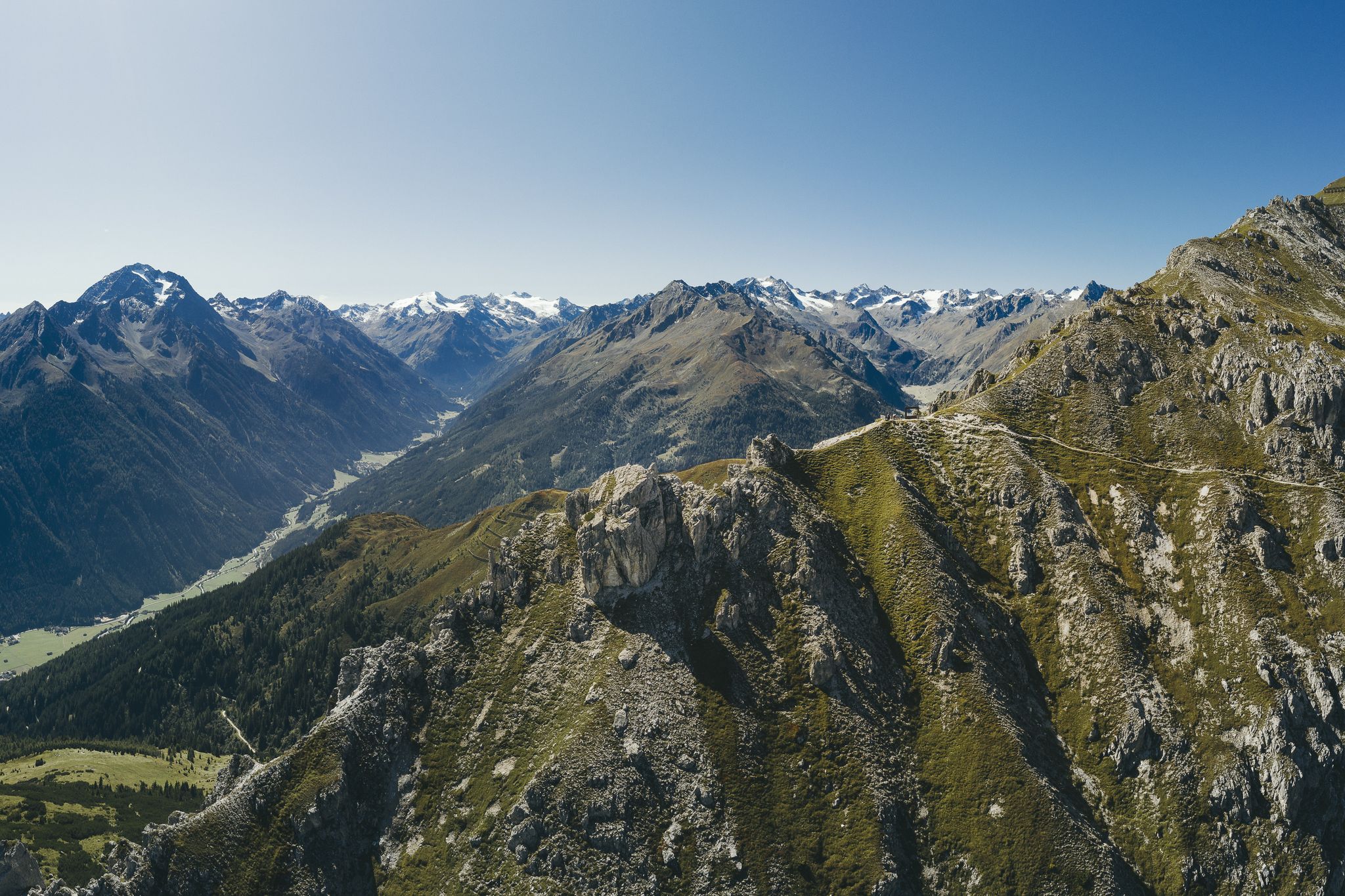
Hiking up high with the Stubai cable cars
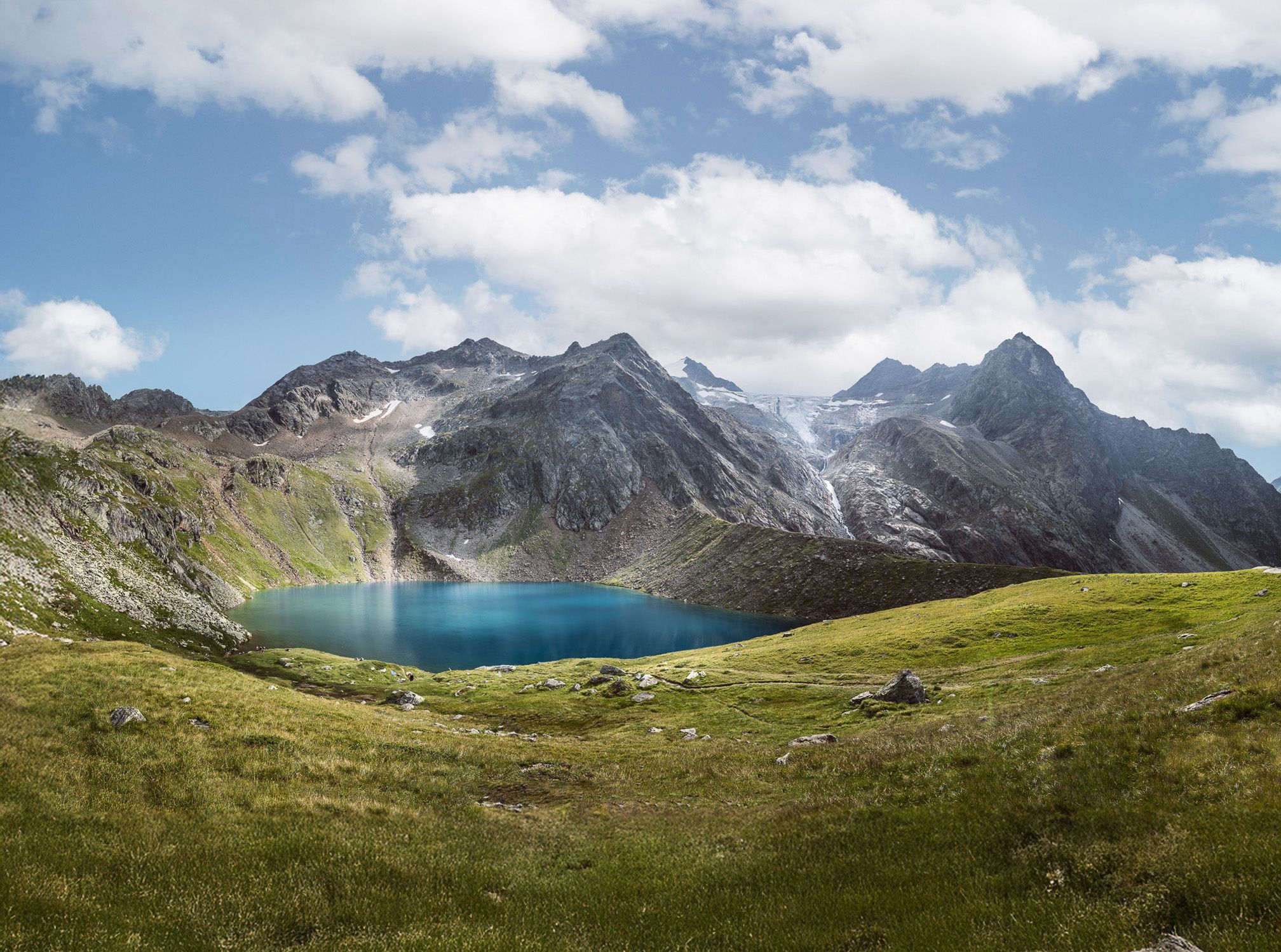
Stubai's mountain lakes – hiking to Tyrol's alpine gems
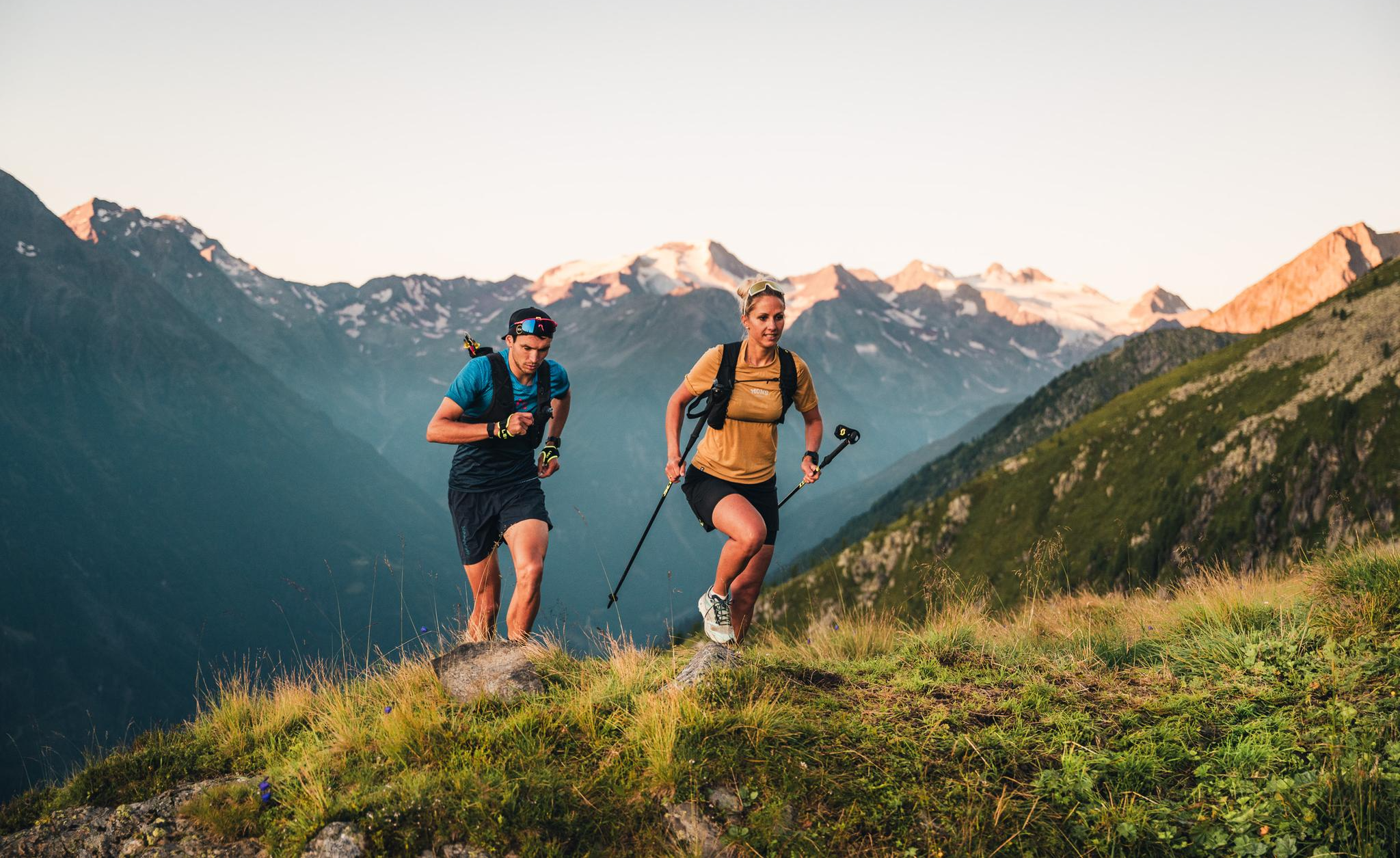
STUBAI ULTRATRAIL 2026
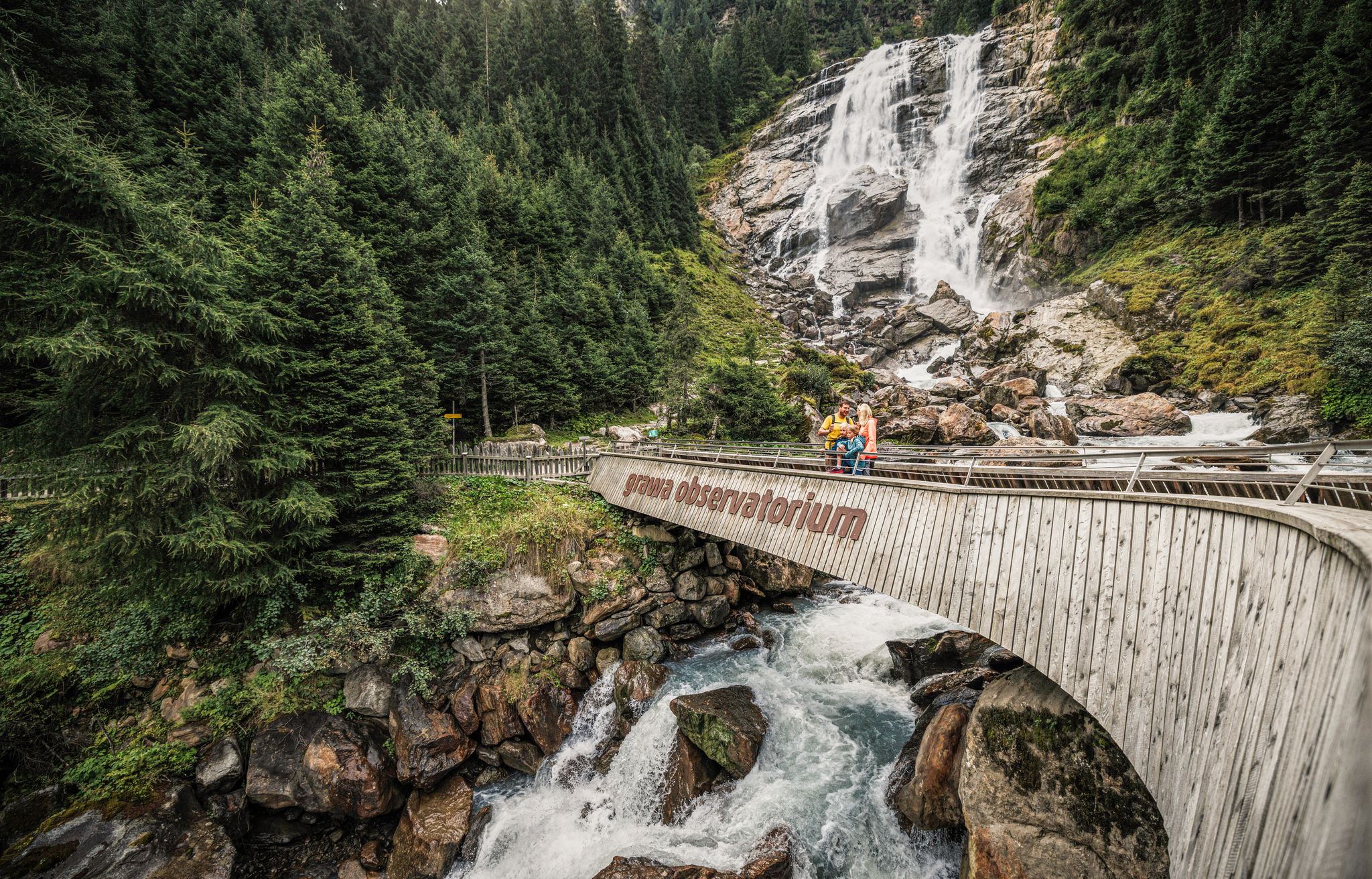
Wild water hiking in Austria – WildeWasserWeg
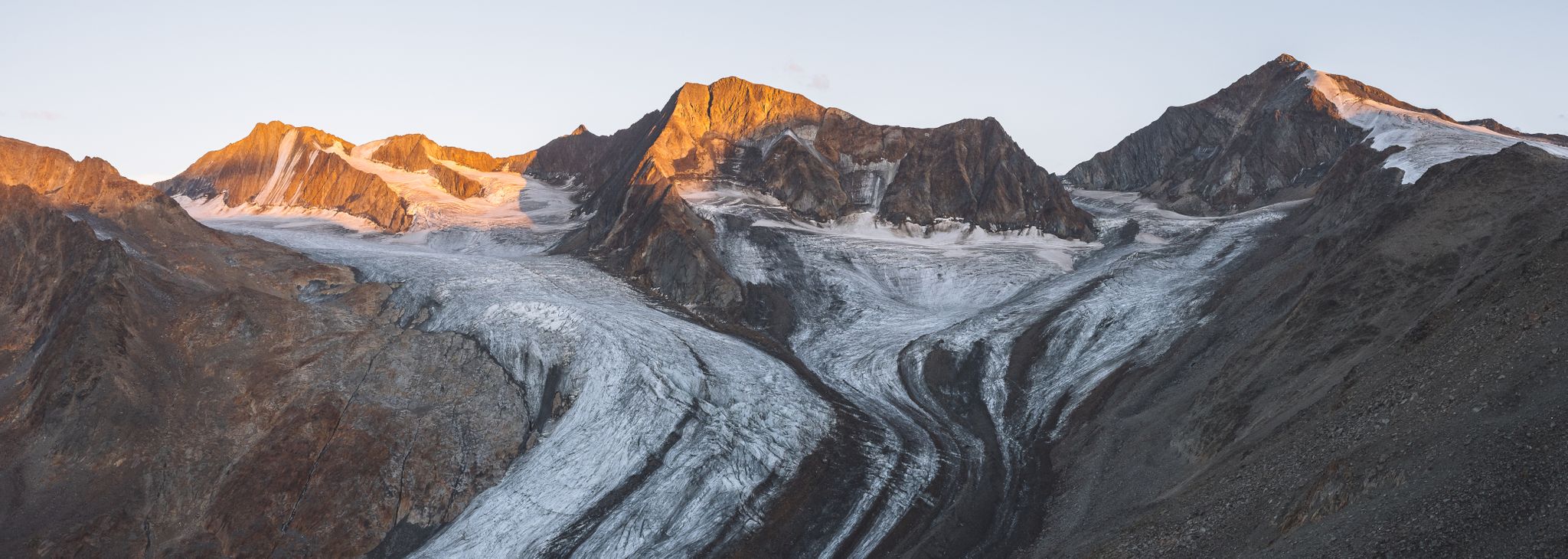
Hikes to the melting giants of the Alps – glaciers
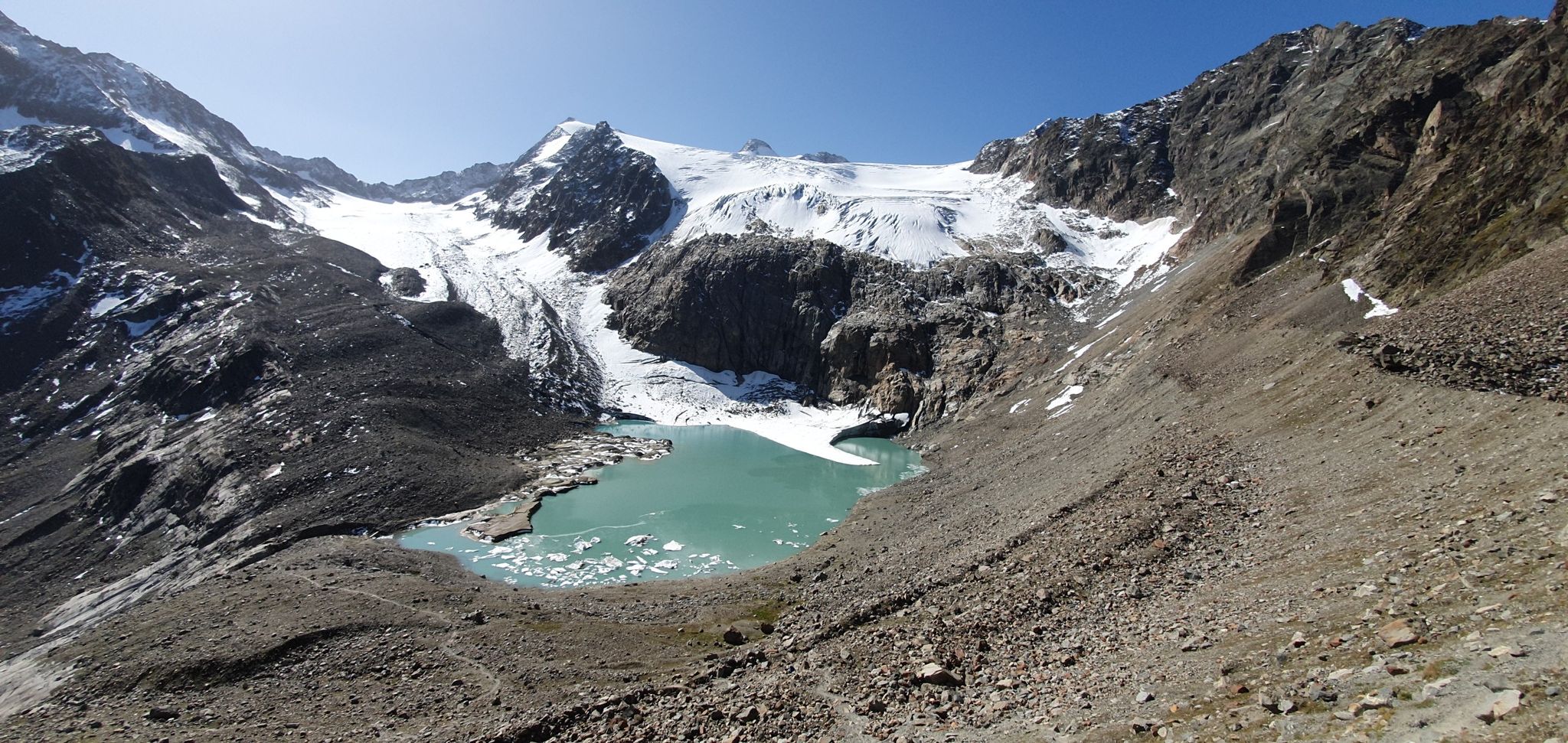
Stubai Alps Crossing – 10 days of pure adventure
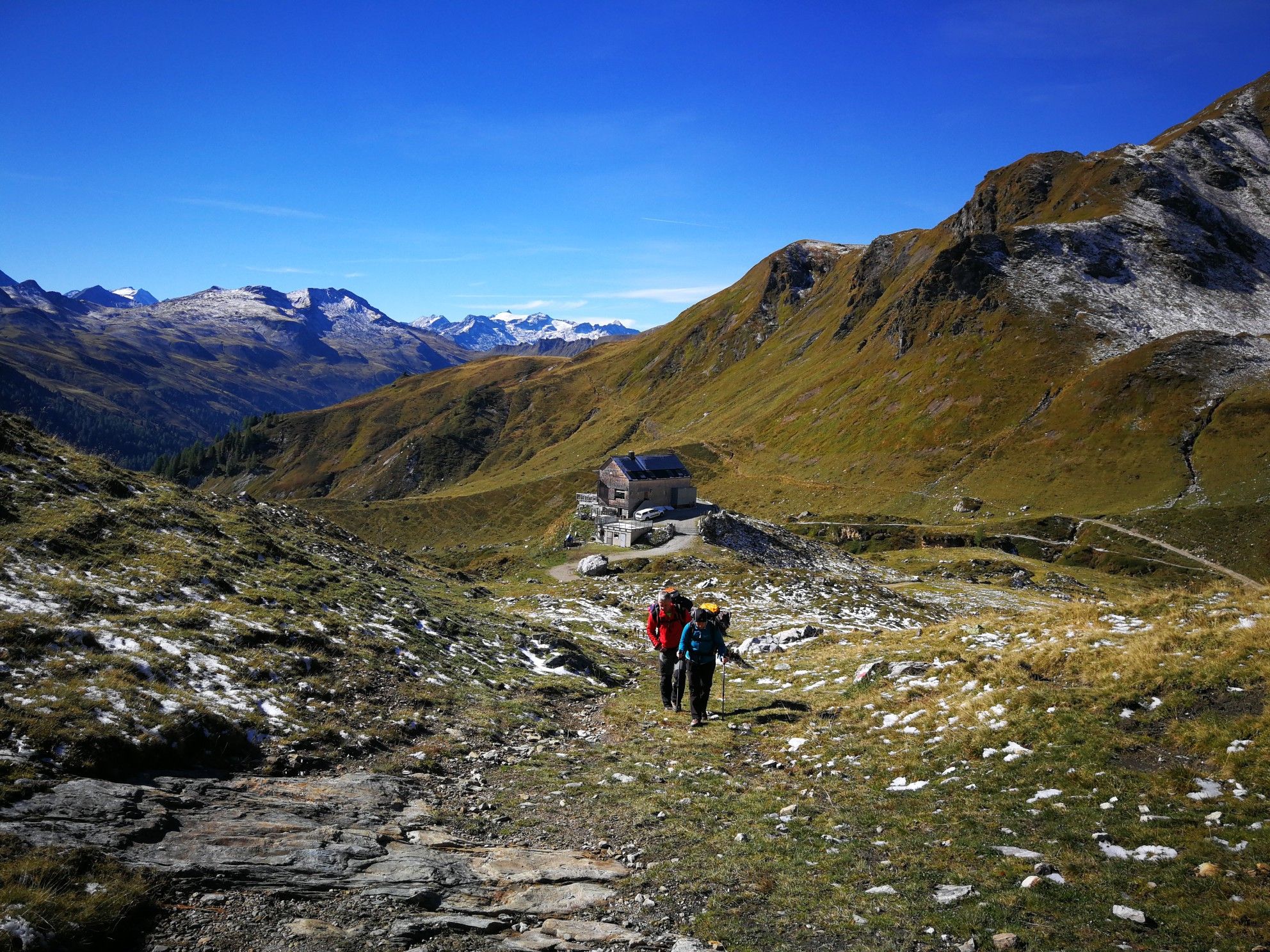
Lower Austria to Carinthia — our favourite huts in Austria
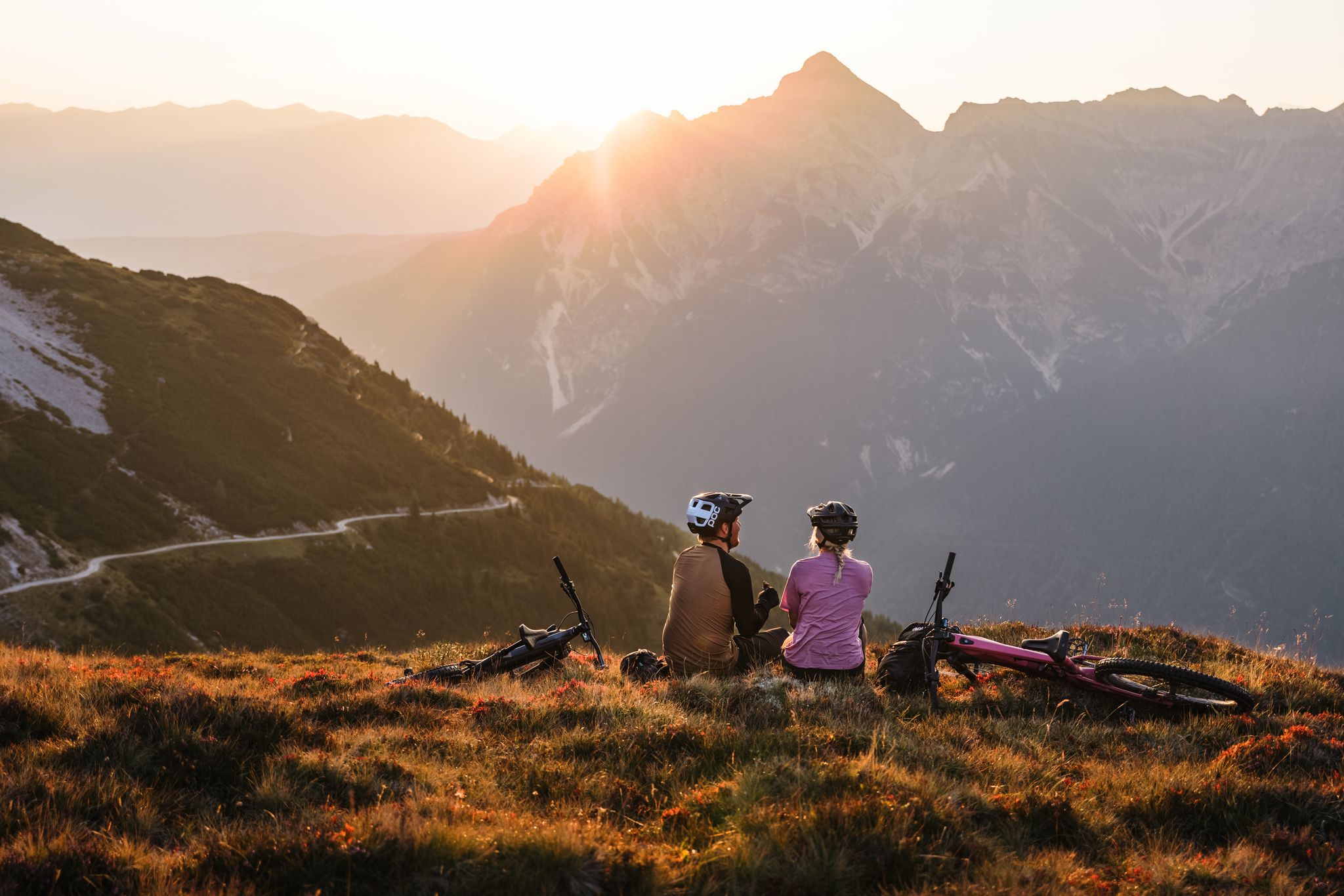
Bike paradise in Stubaital — the 10 most beautiful mountain bike rides
A breath of alpine air on the Stubai High Trail — Great Walks
5 hiking highlights in the Stubai - between nature fascination and summit experiences
Other adventures around Neustift im Stubaital


Tips from the Community

Beautiful hut, which is easy to reach from the Karalm. Very friendly hosts and the food is excellent! The hut is also the start and finish point of the Stubai High Trail.
1
0

The ascent from Praxmar via Köllenzeiger/Oberstkogel is mainly along narrow but easily accessible mountain paths. Only a few places are narrower on more exposed steep slopes, but it can happen that landslides, earthy/gravelly areas have to be overcome. The ridge path is very wide at the beginning and only becomes more demanding in the last 150m below the summit. This is where the scrambling/easy climbing to the summit begins. The key point is a sloping slab directly on the ridge, which has to be climbed over for 4-5m. Directly below the summit is another slab, but this is secured with a chain and pins. Great panoramic view from the summit and a fairly large summit plateau for a relaxing break. The descent via the Satteljoch/Marlerbachtal begins steeply on gravel before you reach the ridge, which has little difference in altitude. On the ridge you have to climb around/over a few places before you go down over the scree field into the valley. From here on, the terrain is mostly easy. The path often runs along the stream and invites you to stop for a refreshment. The ascent from Praxmar is signposted as 4 hours on both options, but can certainly be done more quickly for experienced hikers. The paths are mostly well marked. Suitable as a first 3000m peak if surefootedness and easy climbing are not a problem.
4
1

The tour is very, very beautiful and you don't need any additional equipment! But it is high alpine and you should not be afraid of heights and have climbing experience! The ridge path to the Becherhaus is secured with steel cables but after the first steep descent the path is barely visible and passable! Here it is advisable to go onto the snowfield!
1
0

From the ridge you have an outstanding view of the spectacularly located Becherhaus on the Becherfelsen and the Bösetalferner that flows past it.
0
0

One of the quicker to reach 3000m peaks in Sellrain with a beautiful view of the Zugspitze, Karwendel and some of the Stubai and Zillertal peaks. Great tour, especially with the short ridge hike over the Oberstkogel. Not particularly technically demanding, especially if you avoid the aforementioned tightrope walk. In winter the Zischgeles is popular as a ski tour.
3
0

Greatly marked, a bit steeper at the end (easily doable) as a perfect round from Praxmar. A real 3000 with great all-round visibility. Nice, small lake that is easily accessible from the normal route (pathless) and invites you to swim.
0
0

One of the most beautiful huts in the Alps! The sunrise alone is amazing. The ascent of the Zuckerhütl via the Wilden Pfaff is a great tour, but it does require alpine experience.
1
0

Beautifully situated hut, with a view of the glacier and a clear view of the Dolomites. The hut keepers are super accommodating and the overnight stay at over 3000m is quite comfortable. Ascent and stay are an absolute highlight in South Tyrol.
2
1
Frequently Asked Questions
What are some of the most iconic mountain peaks in the Stubai Alps around Neustift im Stubaital?
The Stubai Alps are home to many impressive peaks. Among the most iconic are the "Seven Summits of the Stubai Valley." Notable peaks include Serles Summit, known for its distinctive shape and tremendous views, and Zuckerhütl, the highest peak in the entire Stubai Alps at 3,507 meters. Habicht (3,277 m) and Wilder Freiger (3,418 m) also stand out for their challenging climbs and panoramic rewards.
Are there challenging climbs for experienced mountaineers in the region?
Yes, the Stubai Alps offer several challenging climbs. Peaks like Zuckerhütl (3,507 m) provide a rewarding alpine experience, often involving glacier crossings. Wilder Freiger Summit (3,418 m) offers a demanding mountain route with magnificent glacier views. For those seeking a 3000m peak with a ridge hike, Zischgeles Summit is a great option, especially popular for ski touring in winter.
Are there easier mountain walks or accessible peaks for beginners and families?
Absolutely. Elfer (2,505 m) is a popular and more accessible peak, with the Elfer Gondola providing easy access to various hiking trails. It's a great starting point for scenic walks and convenient mountain experiences. Rinnenspitze (3,003 m) is also considered a more 'harmless' 3,000-meter peak, offering a rewarding high-alpine experience without extreme technical difficulties, making it suitable for those with some hiking experience but looking for less demanding ascents.
Where can I find the best panoramic views in the Stubai Alps?
For unparalleled high-alpine views, the summit of Zuckerhütl offers a 360-degree panorama of over 100 Alpine peaks, including the popular "Top of Tyrol" viewing platform at 3,210 meters on the Stubai Glacier. Serles Summit provides tremendous views of the Stubai Valley, Wipptal, and Innsbruck. The Innsbrucker Hut also offers a great view from its terrace, serving as a base for tours to peaks like Habicht, which itself boasts wide-ranging panoramic views from its summit.
What unique natural features can I expect to see in the Stubai Alps?
The Stubai Alps are characterized by diverse natural beauty. You'll encounter numerous glaciers, such as the Sulzenauferner on Zuckerhütl's north face, emerald lakes, stunning waterfalls, and creeks. The region's geological makeup of volcanic granite, shale, and limestone Dolomites also adds to its captivating landscape.
Are there mountain huts available for overnight stays or as bases for tours?
Yes, the region has an excellent network of mountain huts. The Innsbrucker Hut, located at 2,369 meters, is a popular starting point for numerous mountain tours, including the climb to Habicht. The Becherhaus (Rifugio Gino Biasi), at 3,195 meters, is the highest hut in South Tyrol, situated directly on the summit of the Becher. The Nürnberger Hütte (2,297 meters) is another option, often used for tours to Wilder Freiger and as part of the Stubai Alps Hoehenweg.
What hiking opportunities are available near these mountain peaks?
The area around Neustift im Stubaital offers an extensive network of hiking trails, from easy walks to challenging multi-day tours. You can explore routes like the "Stubai Seven Summits – Elfer" or the "Grawa Alm to the Sulzenau glacier lake." For more details on various hiking routes, visit our dedicated guide: Hiking around Neustift im Stubaital.
Can I find multi-day trekking routes in the Stubai Alps?
Yes, the Stubai Alps are famous for multi-day treks. The Stubai High Route (Stubaier Höhenweg) is a renowned example, snaking across the Stubai Alps past eight cozy refuges. This challenging route offers an immersive experience through the high-alpine landscape.
What do visitors enjoy the most about the mountain peaks around Neustift im Stubaital?
Visitors consistently praise the tremendous panoramic views, especially from summits like Serles Summit. The challenging yet rewarding alpine experiences, such as the climb to Habicht, are also highly valued. Many appreciate the well-maintained mountain huts like the Innsbrucker Hut for their hospitality and strategic locations as starting points for tours.
Are there any specific challenges or events related to conquering multiple peaks?
Yes, the "Seven Summits Stubai" challenge encourages hikers to conquer a collection of significant peaks. You can collect stamps in a summit pass for each peak completed, with awards for achieving multiple summits. This adds an exciting goal for those looking to explore several of the region's prominent mountains.
What is the best time to visit the mountain peaks in Neustift im Stubaital?
The best time for hiking and mountaineering in the Stubai Alps is generally during the summer months, from late June to early September, when trails are mostly free of snow and weather conditions are more stable. However, some lower-altitude trails and accessible peaks like Elfer can be enjoyed from late spring through autumn. Always check local weather forecasts and trail conditions before heading out.
Most popular routes around Neustift im Stubaital
Most popular attractions around Neustift im Stubaital

Get inspired with the komoot mobile app


Explore more
See even more amazing summits around Neustift im Stubaital with these guides:
