The best mountain hikes around Neustift im Stubaital
4.8
(327)
2,825
hikers
105
hikes
Mountaineering around Neustift im Stubaital is defined by the majestic Stubai Alps, featuring over 100 peaks exceeding 3,000 meters, including the iconic Stubai Glacier. The region is characterized by dramatically glacially carved valleys, pristine alpine lakes, and numerous waterfalls, providing a diverse and challenging high-alpine environment. This landscape offers a wide array of mountaineering routes, from demanding high-alpine traverses to routes accessing prominent summits.
Best mountaineering routes around Neustift im Stubaital
- The most popular mountaineering route is Stubai Seven Summits – Zuckerhütl, a 5.7 miles (9.2 km) trail that takes 5 hours 51 minutes to complete. This challenging route leads to one of the highest peaks in the Stubai Alps.
- Another top favourite among local mountaineers is View of the Elferhütte – Elfer Summit Cross loop from Neustift im Stubaital, a difficult 6.1 miles (9.8 km) path. This route offers panoramic views of the Stubai Alps from the Elfer summit.
- Local mountaineers also love the Sulzenau Alm – Grawa Waterfall loop from Neustift i. St. Sulzenauhütte, a 6.2 miles (10.0 km) trail leading through glacially carved valleys and past the impressive Grawa Waterfall, often completed in about 4 hours 19 minutes.
- Mountaineering around Neustift im Stubaital is defined by high-alpine terrain, 3,000-meter peaks, and glacially carved valleys. The extensive network of routes offers options for both experienced mountaineers and those seeking moderate challenges.
- The routes in Neustift im Stubaital are highly rated by the komoot community with an average score of 4.8 stars from over 300 reviews. More than 3,000 mountaineers have used komoot to explore Neustift im Stubaital's varied terrain.
Last updated: August 3, 2026
5.0
(1)
28
hikers
9.21km
05:52
560m
560m
Hard mountaineering route. Very good fitness required. Sure-footedness, sturdy shoes and alpine experience required.
4.9
(29)
190
hikers
Hard mountaineering route. Very good fitness required. Sure-footedness, sturdy shoes and alpine experience required.

Sign up for free
4.8
(23)
187
hikers
9.96km
04:19
590m
590m
Moderate mountaineering route. Good fitness required. Mostly accessible paths. Sure-footedness required.
4.9
(7)
93
hikers
11.2km
06:04
1,060m
1,060m
Hard mountaineering route. Very good fitness required. Sure-footedness, sturdy shoes and alpine experience required.
5.0
(10)
100
hikers
5.22km
04:54
860m
860m
Hard mountaineering route. Good fitness required. Sure-footedness, sturdy shoes and alpine experience required.
Get access to more routes and recommendations from other explorers.
Sign up for free
Already have an account?
Our route recommendations are based on thousands of hikes, rides, and runs completed by other people on komoot.
Start today with a free account
Your next adventure awaits.
Login or Signup
Popular around Neustift im Stubaital
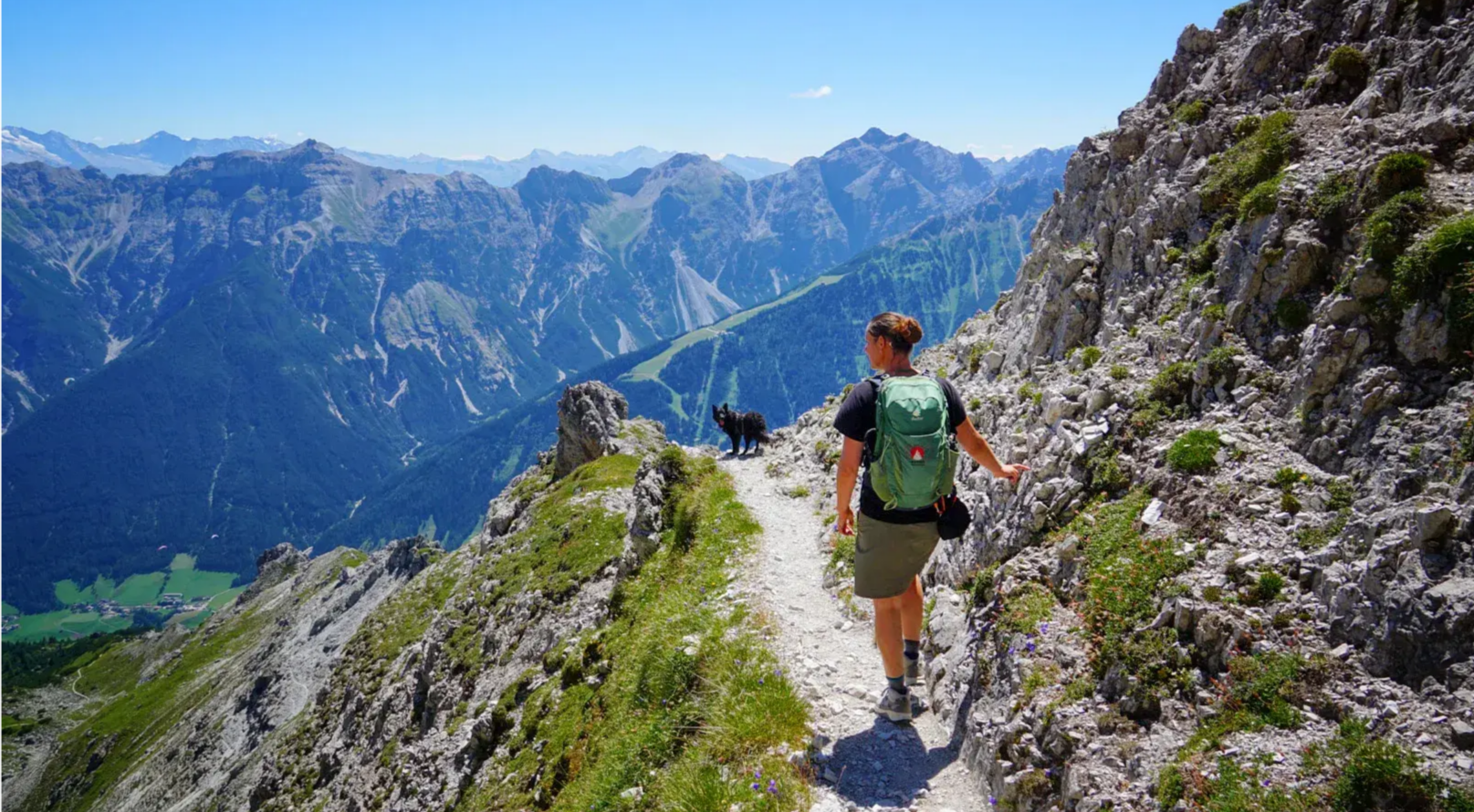
Stubai Valley Hiking Paradise – routes for the perfect break
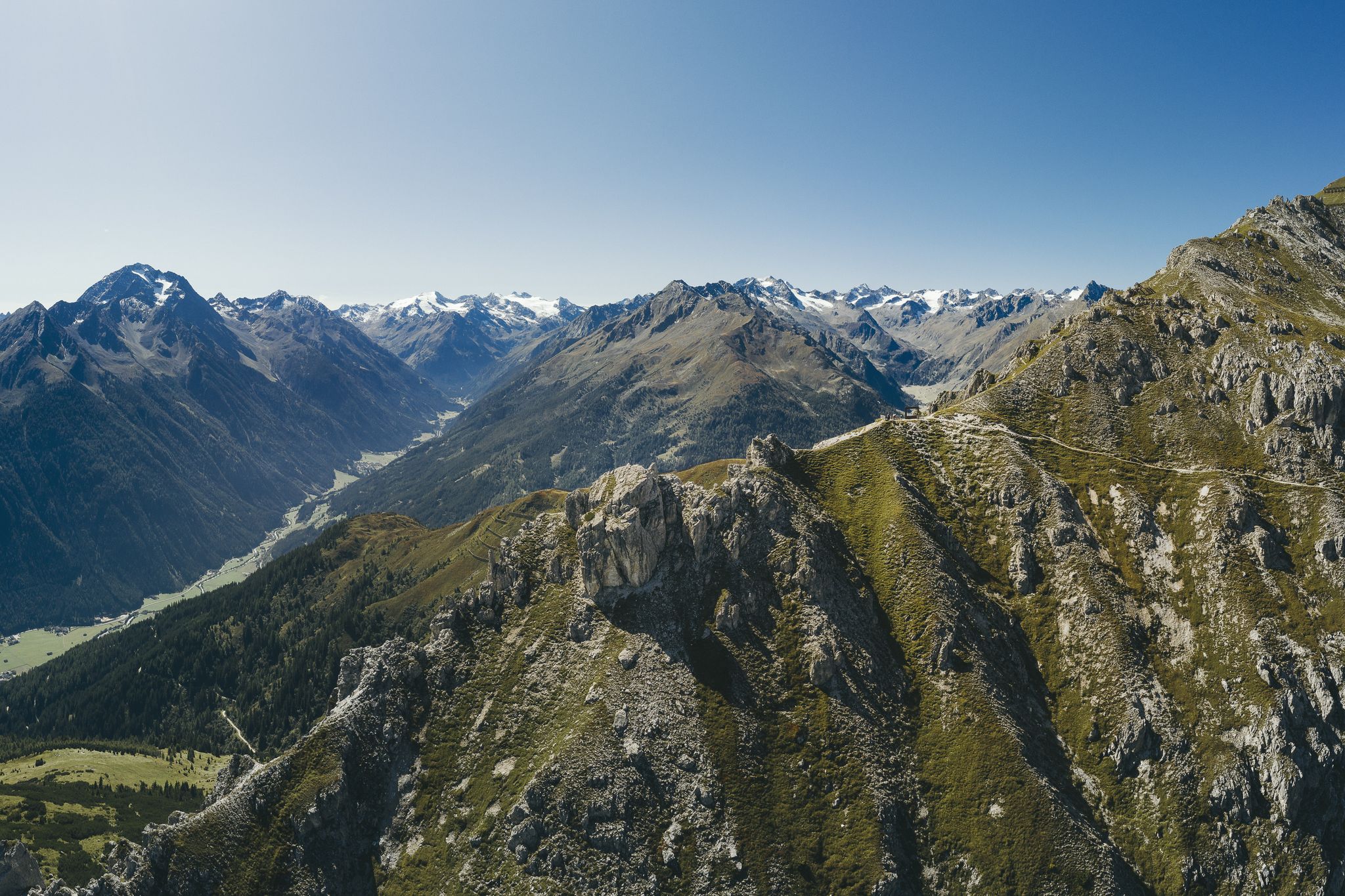
Hiking up high with the Stubai cable cars
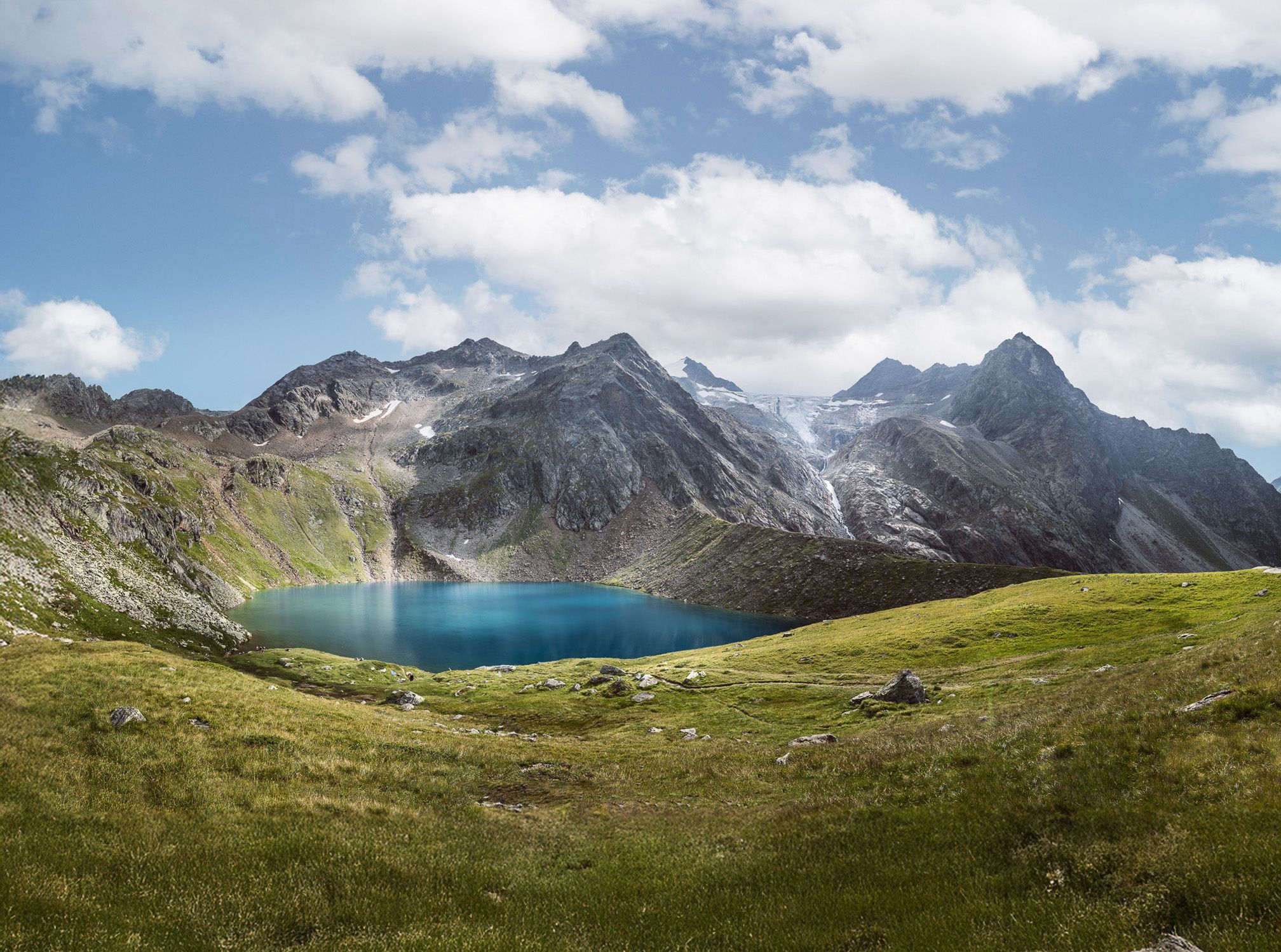
Stubai's mountain lakes – hiking to Tyrol's alpine gems
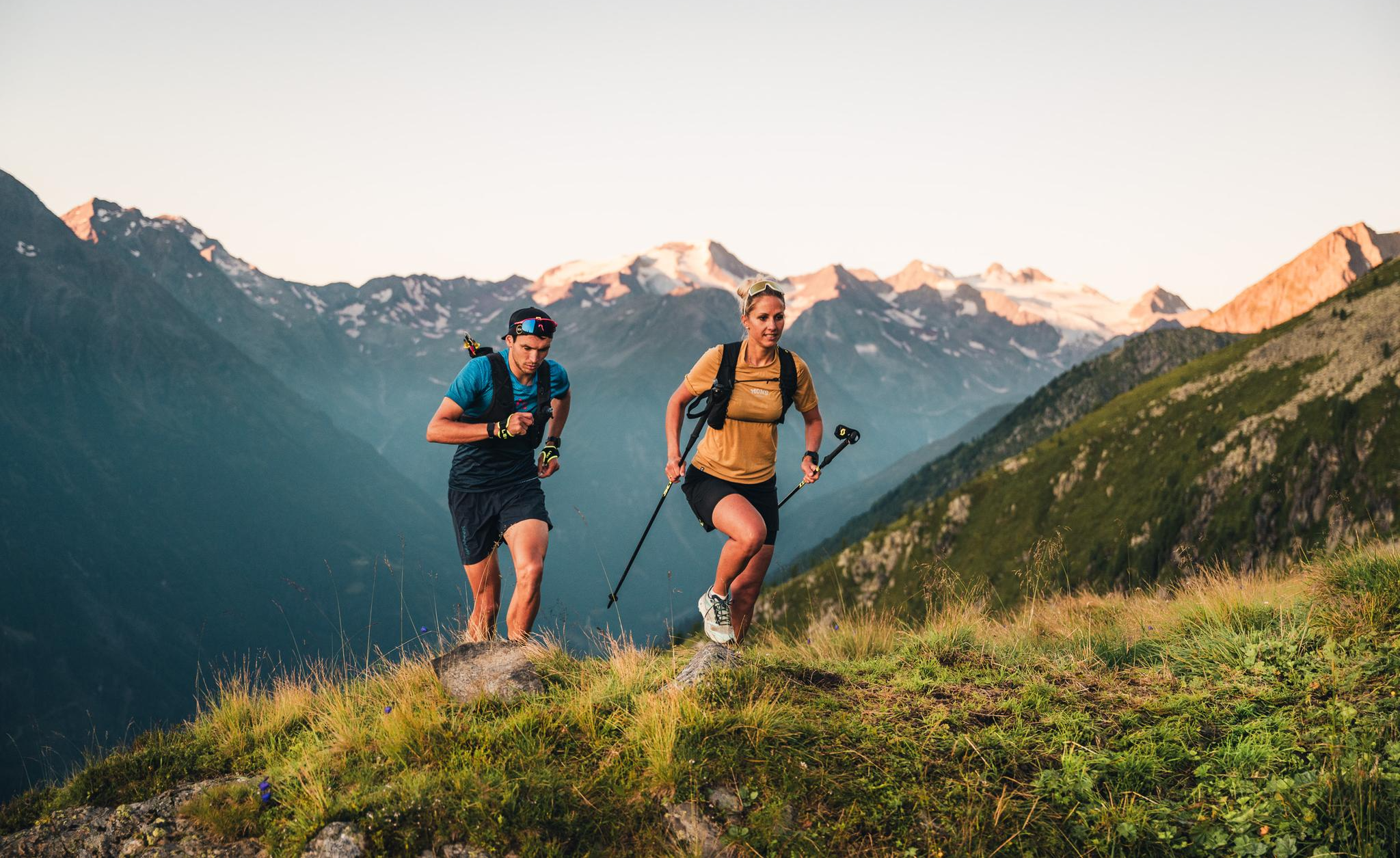
STUBAI ULTRATRAIL 2026
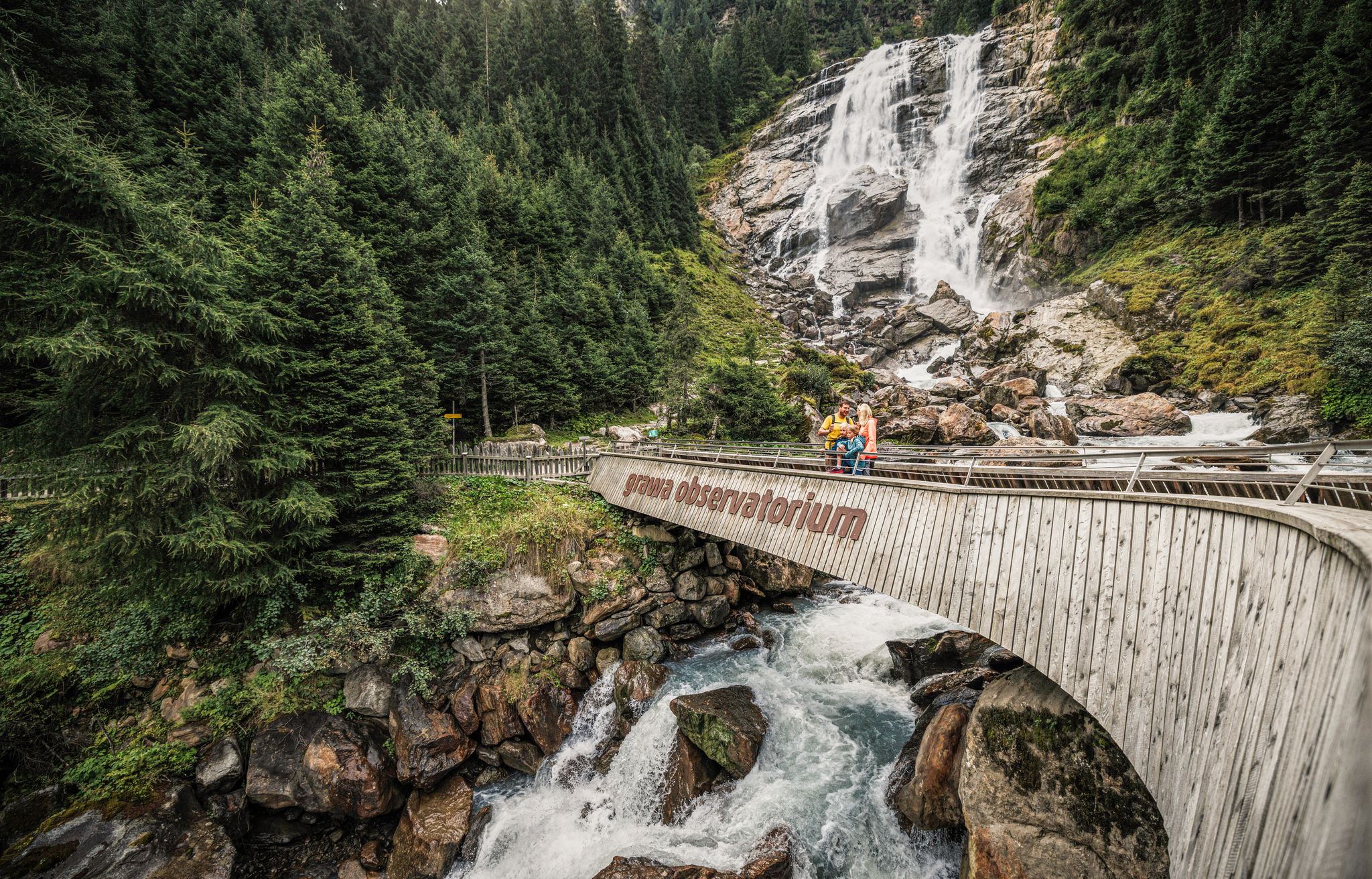
Wild water hiking in Austria – WildeWasserWeg
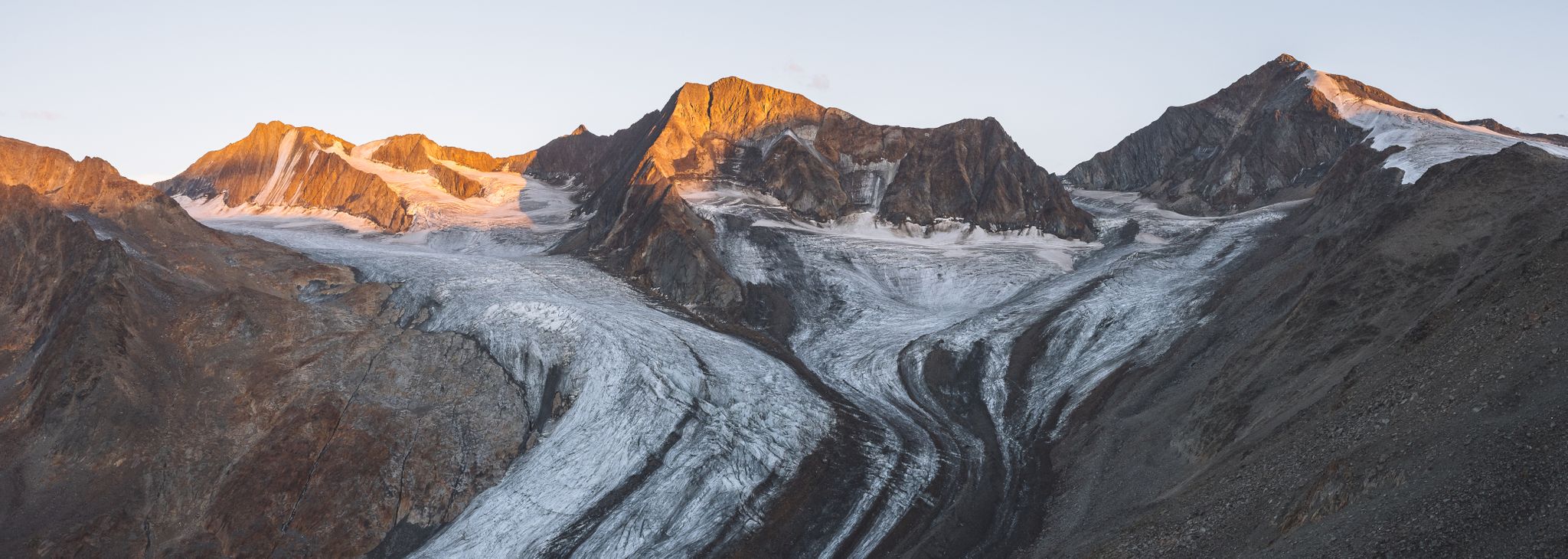
Hikes to the melting giants of the Alps – glaciers
Stubai Alps Crossing – 10 days of pure adventure
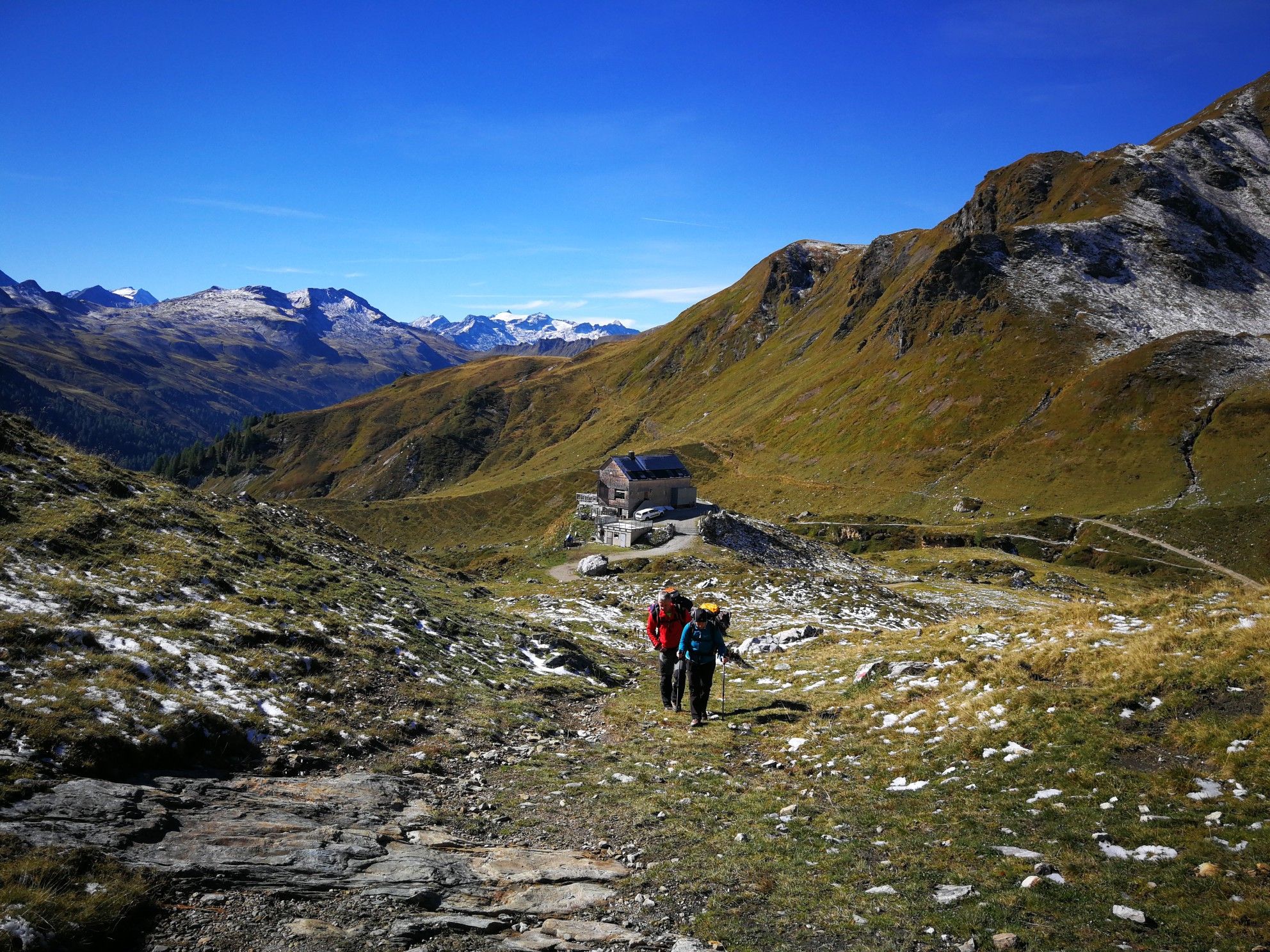
Lower Austria to Carinthia — our favourite huts in Austria
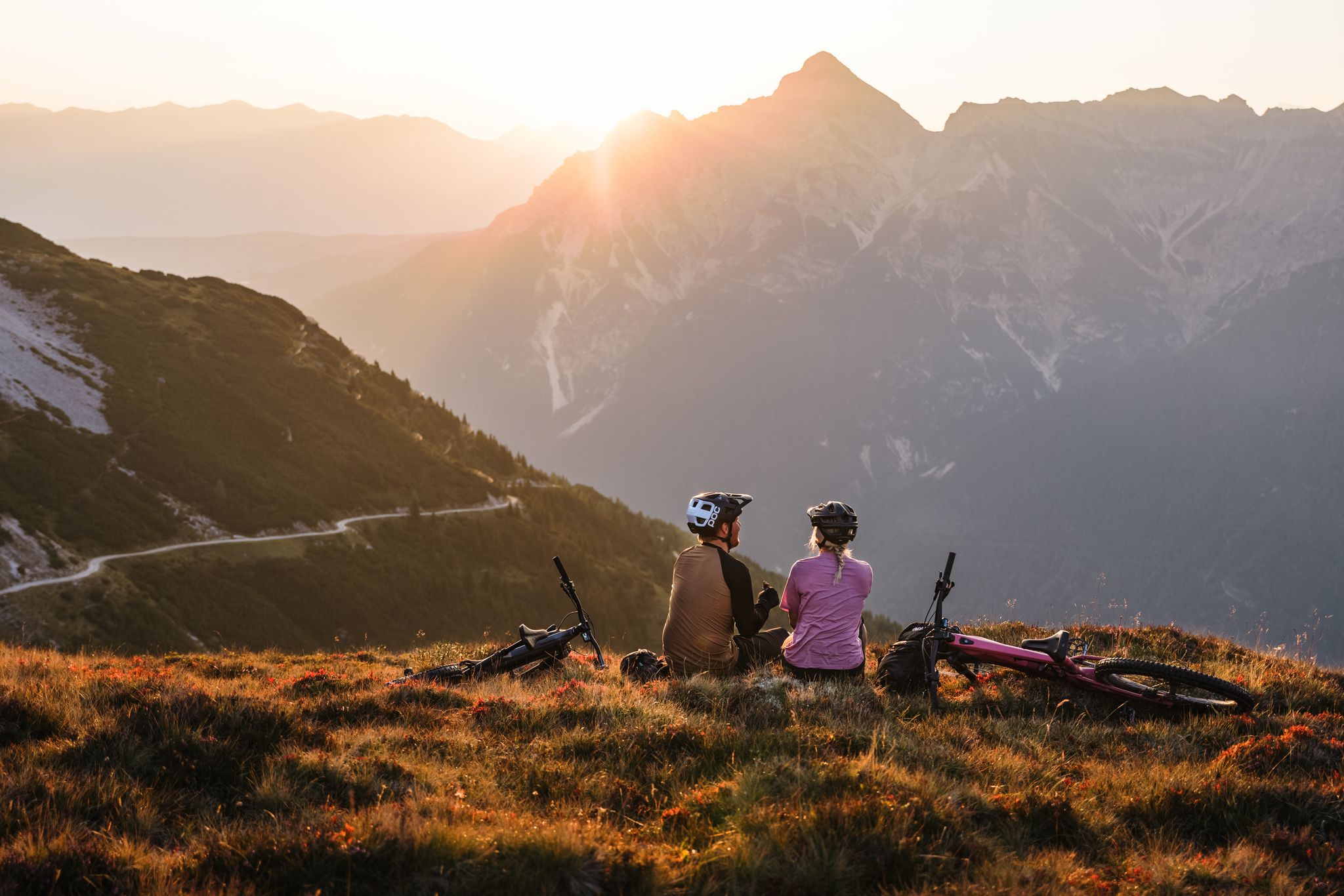
Bike paradise in Stubaital — the 10 most beautiful mountain bike rides
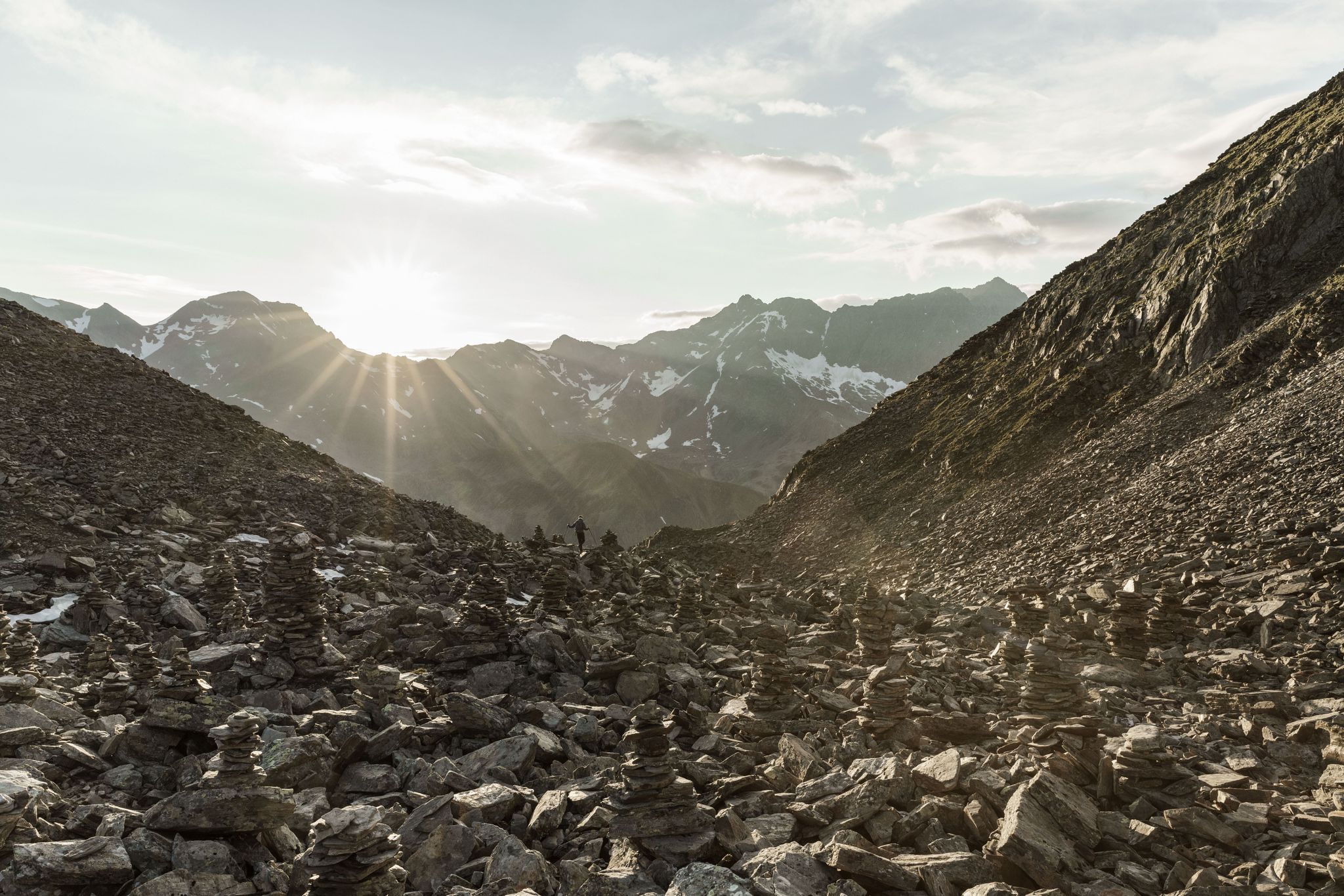
A breath of alpine air on the Stubai High Trail — Great Walks
Other adventures around Neustift im Stubaital


Tips from the Community

A great via ferrata, about two hours long. I found it very exciting and very varied.
0
0

Highly recommended, the food is from our own production.
0
0

The Falbesoner Ochsenalm is open again from this season (2026). It is traditionally continued, with very delicious food, and the tasty mountain and grey cheese are also produced again on site and can also be purchased there. Tip: Definitely also check out the great handmade mountain spirit carvings and jewelry ;)
1
0

Incredibly beautiful valley. A riot of color in autumn 🍃🍂🍃
0
0

From here there are some hikes to experience the mountains.
0
0

Trees with many strong, exposed roots. They look like octopus tentacles.
1
0

A fantastic alpine pasture, a dream for all mountain lovers.
0
0

The mountain hut is currently only open on weekends. There are cold drinks in the fridge, though. Thanks for that.
0
0
Frequently Asked Questions
What types of mountaineering routes can I find in Neustift im Stubaital?
Neustift im Stubaital offers a wide range of mountaineering routes, from challenging high-alpine traverses to routes accessing prominent summits. The region is known for its high-alpine terrain, 3,000-meter peaks, and glacially carved valleys. While there are no easy mountaineering tours listed, you'll find 28 moderate and 85 difficult routes, ensuring options for various skill levels.
Are there any circular mountaineering routes in the Stubai Valley?
Yes, the Stubai Valley features several excellent circular mountaineering routes. For instance, you could explore the View of the Elferhütte – Elfer Summit Cross loop from Neustift im Stubaital, a challenging 9.8 km path offering panoramic views. Another option is the moderate Sulzenau Alm – Grawa Waterfall loop from Neustift i. St. Sulzenauhütte, which takes you through stunning valleys and past the impressive Grawa Waterfall.
What natural landmarks or viewpoints can I expect to see on these routes?
The Stubai Valley is rich in natural beauty. Many routes offer views of the majestic Stubai Alps and access to features like the Stubai Glacier, which provides breathtaking 360-degree panoramic views from the 'Top of Tyrol' viewing platform. You can also encounter impressive waterfalls, such as the Grawa Waterfall, and serene alpine lakes like Panorama Lake Schlick. The Winnebachsee Hut is another notable point of interest often found along routes.
What is the best season for mountaineering in Neustift im Stubaital?
The best season for mountaineering generally depends on the specific route and your experience. While the Stubai Glacier offers snow for ten months of the year, providing unique high-alpine experiences even in summer, many high-alpine routes are best enjoyed from late spring through early autumn when conditions are more stable. Winter offers opportunities for ice climbing, particularly at the Grawa Waterfall and a dedicated ice climbing wall on the Stubai Glacier.
Are there any multi-day mountaineering routes with mountain huts in the area?
Yes, the Stubai Alps are well-equipped with mountain huts, making multi-day tours feasible. A classic example is the Stubai High Route ('Stubaier Höhenrundwanderweg'), a demanding hut-to-hut route covering almost 100 km. You can also find routes that pass by huts like the Bremer Hut or the New Regensburg Hut, providing essential stops for longer expeditions.
What do other mountaineers enjoy most about the routes in Neustift im Stubaital?
The mountaineering routes around Neustift im Stubaital are highly rated by the komoot community, with an average score of 4.8 stars from over 300 reviews. Reviewers often praise the stunning high-alpine scenery, the challenging yet rewarding nature of the trails, and the well-maintained paths that lead to prominent peaks and breathtaking viewpoints.
Are there any routes that lead to 3,000-meter peaks?
Absolutely. The Stubai Alps boast over 100 peaks exceeding 3,000 meters. A prime example is the challenging Stubai Seven Summits – Zuckerhütl route, which leads to one of the highest peaks in the Stubai Alps. Another demanding ascent is the Habicht – Habicht Summit (3277 m) loop from Innsbrucker Hütte, offering a true high-alpine experience.
Can I find routes suitable for families in Neustift im Stubaital?
While many mountaineering routes in Neustift im Stubaital are classified as moderate to difficult, the broader Stubai Valley offers a variety of trails suitable for families. For specific mountaineering routes, it's crucial to check the difficulty and elevation gain to ensure it aligns with your family's experience and fitness levels. The region also has easier walks and attractions like the Klaus Äuele Nature Reserve, which are perfect for peaceful family outings.
Are there options for advanced climbers or those seeking more technical challenges?
Yes, the Stubai Alps are a haven for experienced climbers. Beyond the demanding mountaineering routes, the valley offers a variety of climbing gardens, alpine climbing routes, and via ferratas with different difficulty levels. In winter, the region transforms into a hotspot for glacier and ice climbing, with many icefalls and even a dedicated ice climbing wall on the Stubai Glacier.
How accessible are the trailheads by public transport or car, and is parking available?
Neustift im Stubaital is generally well-connected. Many trailheads are accessible by local bus services within the Stubai Valley, which can be particularly useful for point-to-point tours. For those traveling by car, parking is typically available at popular starting points for mountaineering routes, often near cable car stations or valley ends. It's always advisable to check specific route descriptions for detailed information on public transport connections and parking facilities.
What are some less crowded mountaineering trails in the Stubai Valley?
While popular routes like the Stubai Seven Summits attract many, the extensive network of over 850 km of marked trails means you can often find quieter paths. Exploring routes that start from less frequented access points or venturing into higher, more remote areas of the Stubai Alps can lead to a more solitary experience. Consulting detailed komoot maps and filtering by popularity can help identify these hidden gems.
Are there any specific routes where I might spot wildlife?
The high-alpine environment of the Stubai Alps is home to diverse wildlife. While specific sightings are never guaranteed, mountaineering routes that traverse remote areas, alpine meadows, and rocky terrain increase your chances of spotting chamois, ibex, marmots, or various bird species. Early mornings or late afternoons are often the best times for wildlife observation.
Most popular routes around Neustift im Stubaital
Most popular attractions around Neustift im Stubaital

Get inspired with the komoot mobile app


Explore more
Browse the best Mountain Hikes & Routes in other regions.
