Top 20 Natural Monuments around Wiesenttal
Best natural monuments around Wiesenttal are characterized by impressive karst caves and striking rock formations, offering a glimpse into the region's natural history. Wiesenttal, nestled in Franconian Switzerland, features a diverse landscape shaped by geological processes. These natural landmarks provide varied experiences for visitors. The area is known for its unique geological features and accessible natural sites.
Best natural monuments around Wiesenttal
- The most popular natural monuments is Oswald Cave, a cave that is a karst passage cave on…
Last updated: September 29, 2026
Oswald Cave
Highlight • Cave
Translated by Google •
Tip by

Quackenschloss
Highlight • Cave
Translated by Google •
Tip by

Sign up now to discover places like this
Get recommendations on the best single tracks, peaks, & plenty of other exciting outdoor places.
Ruins of Neideck Castle
Highlight • Castle
Translated by Google •
Tip by

St. Walburga's Chapel and Statue, Walberla Plateau
Highlight • Religious Site
Translated by Google •
Tip by

Riesenburg Collapse Cave
Highlight • Cave
Translated by Google •
Tip by
Sign up for free to discover even more natural monuments around Wiesenttal.
Already have an account?
Start today with a free account
Your next adventure awaits.
Popular around Wiesenttal
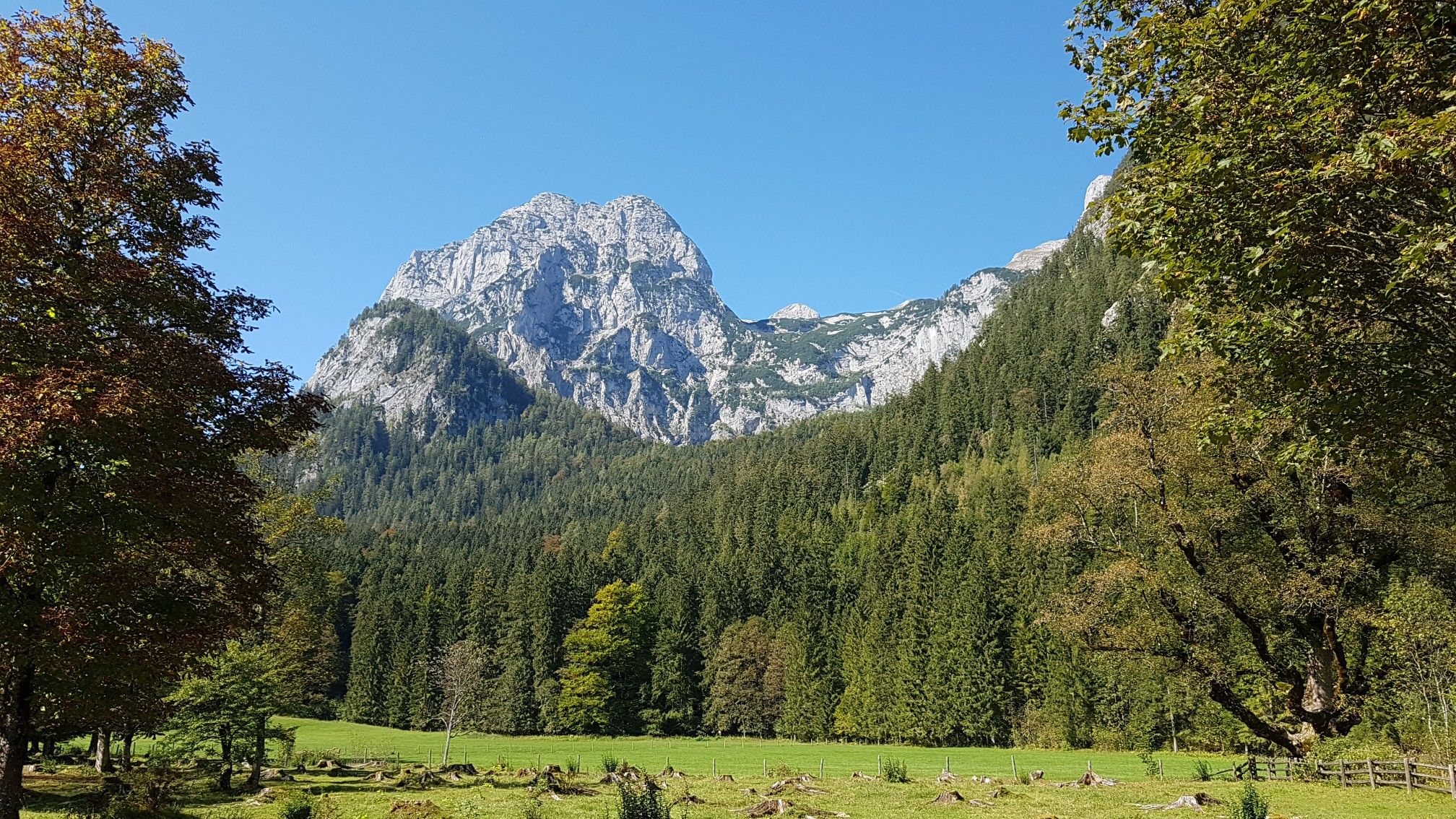
The National Natural Landscapes in Bavaria
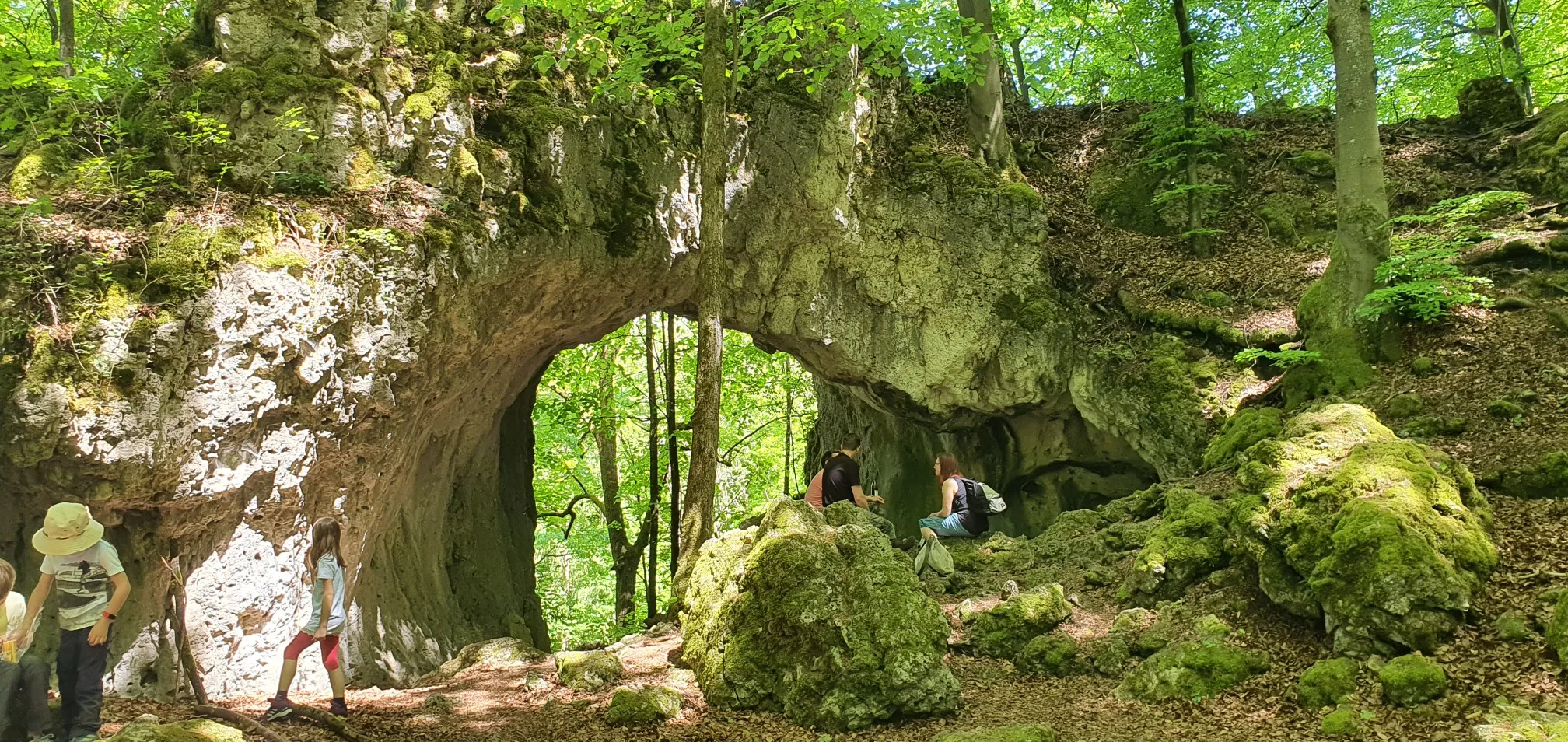
Catch the bus and train into nature – VGN Leisure Tips 2023
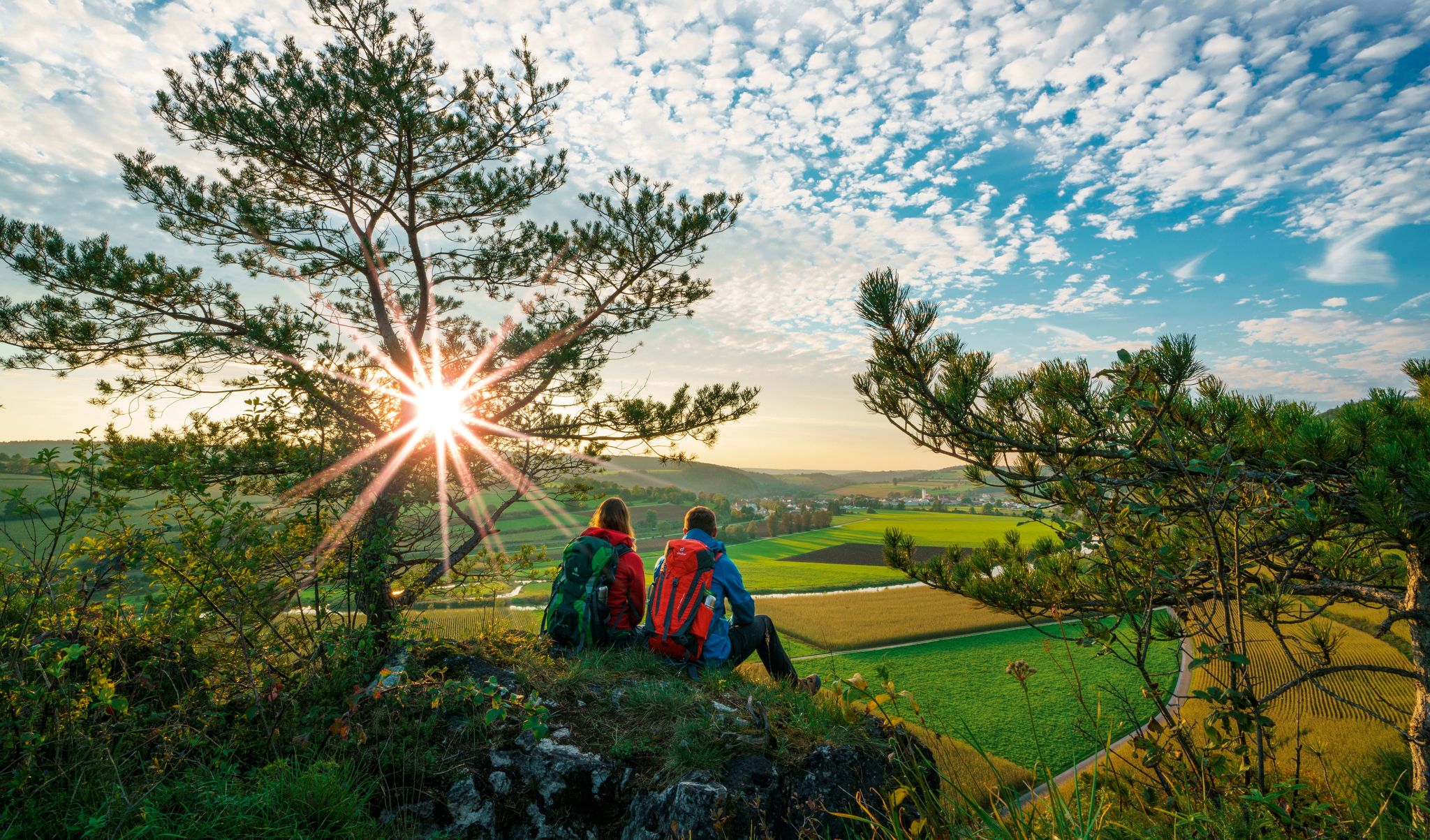
The Franconian Trail – A Diverse Hiking Dream Across 24 Stages
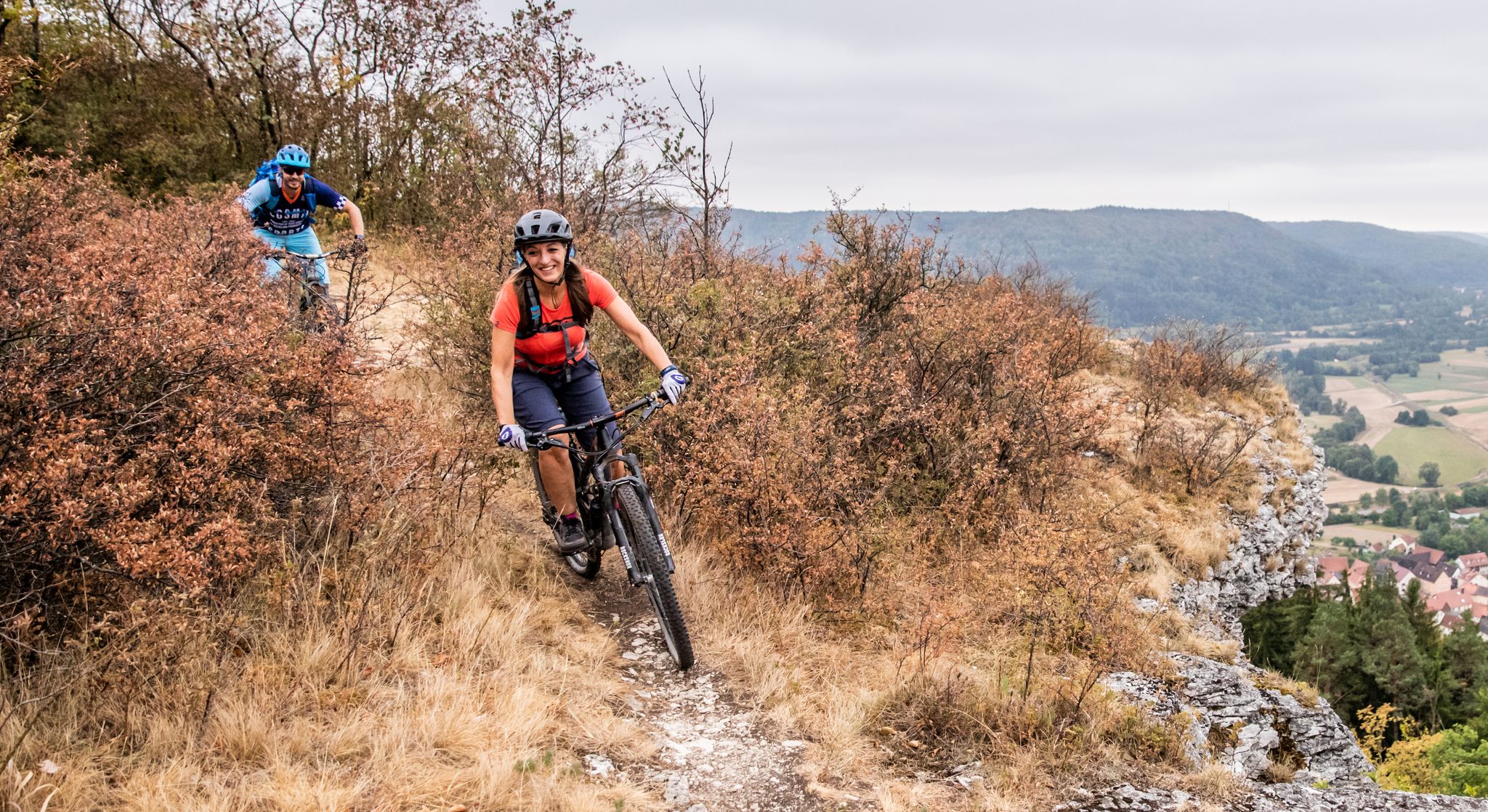
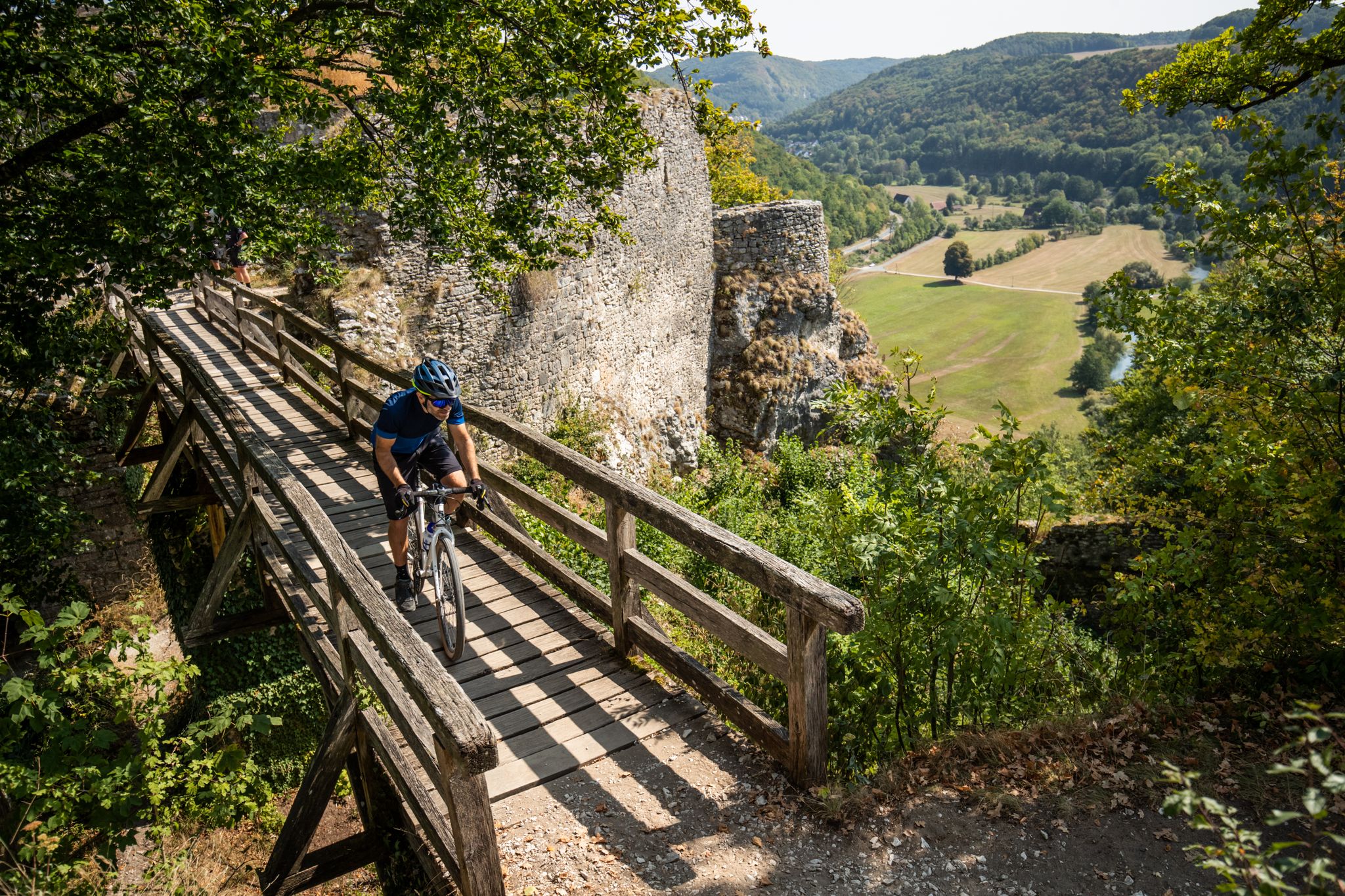
Castles, mountains, beer & trails – bikepacking in Franconian Switzerland
Castles, bikes and beer — a mountain biking paradise in Franconian Switzerland
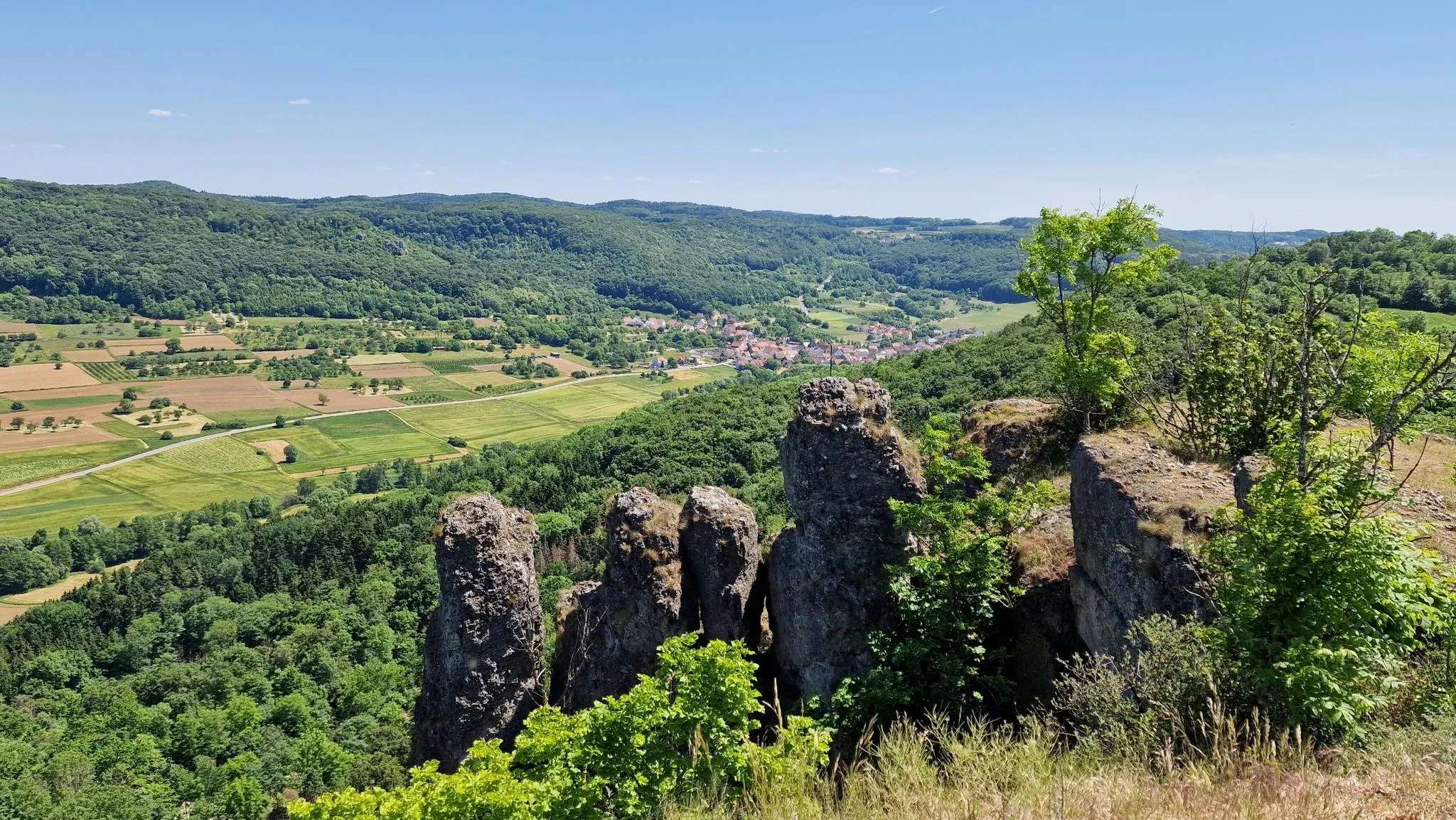
Delightful hiking in Franconian Switzerland
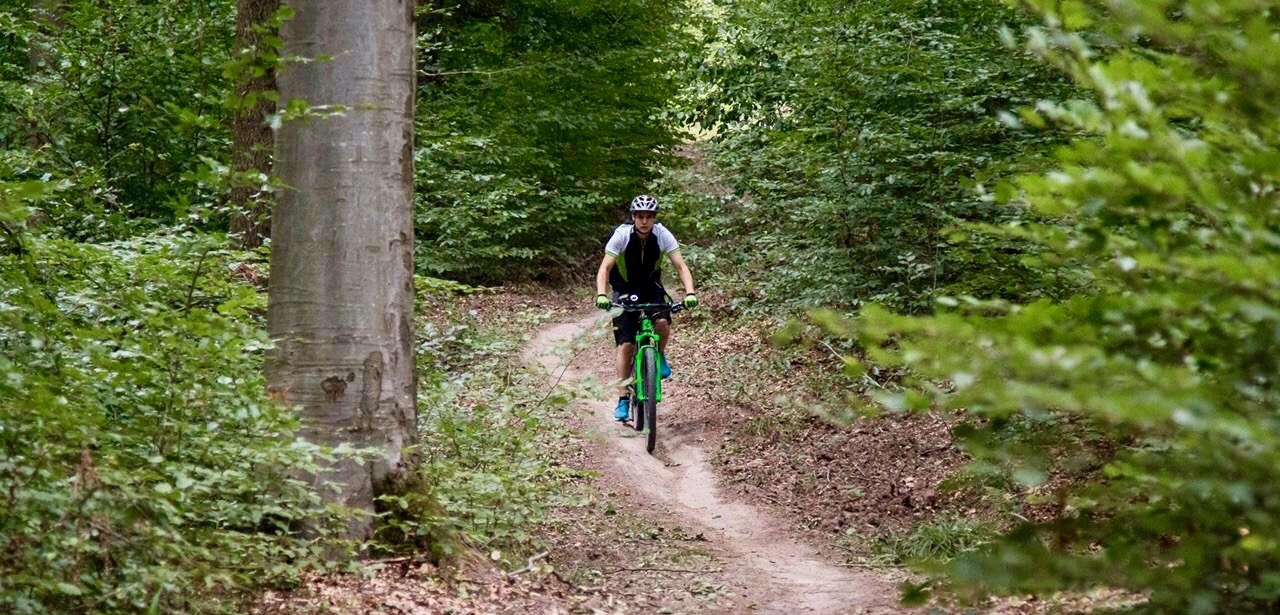
33 MTB trails through German forests
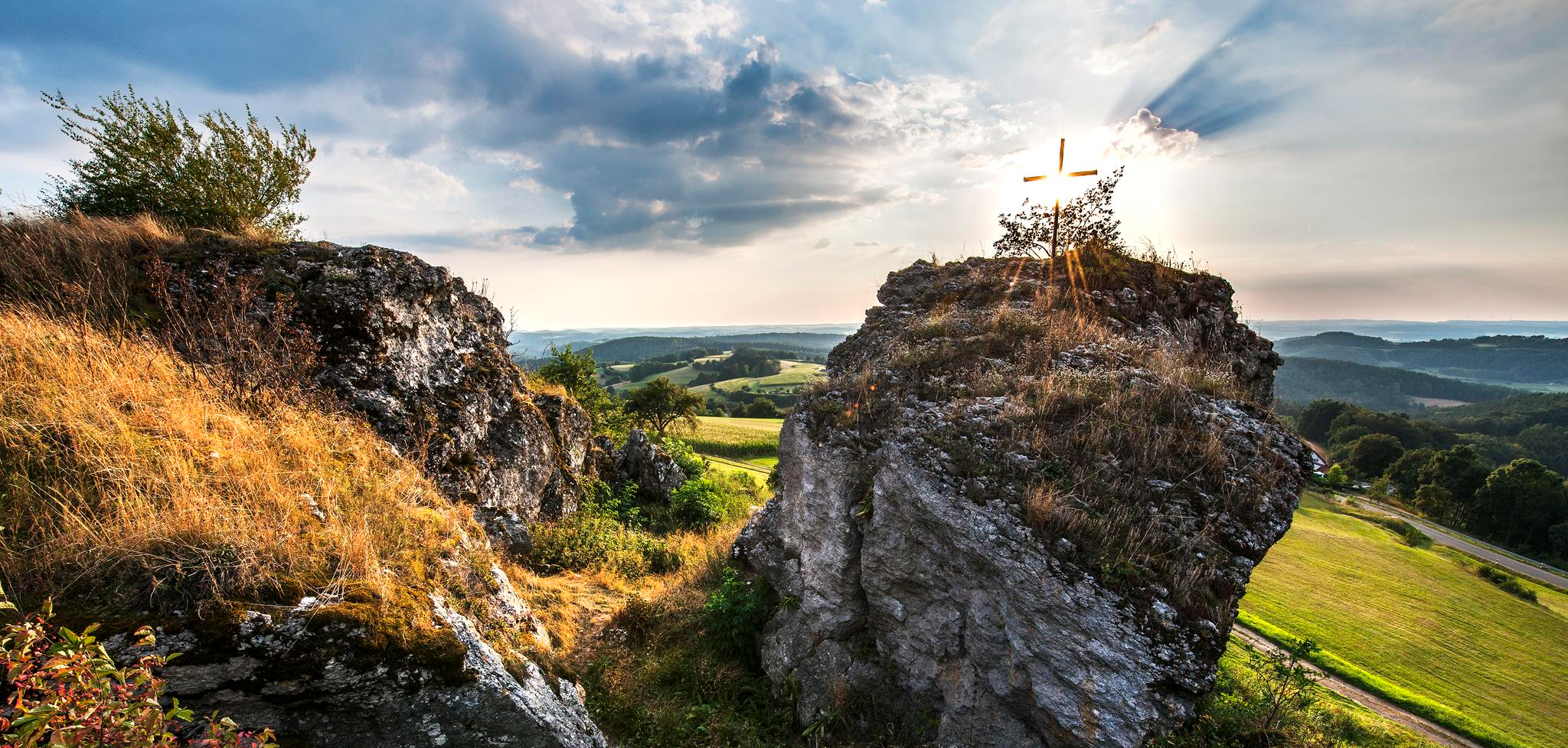
Lieblingswanderungen in der Fränkischen Schweiz
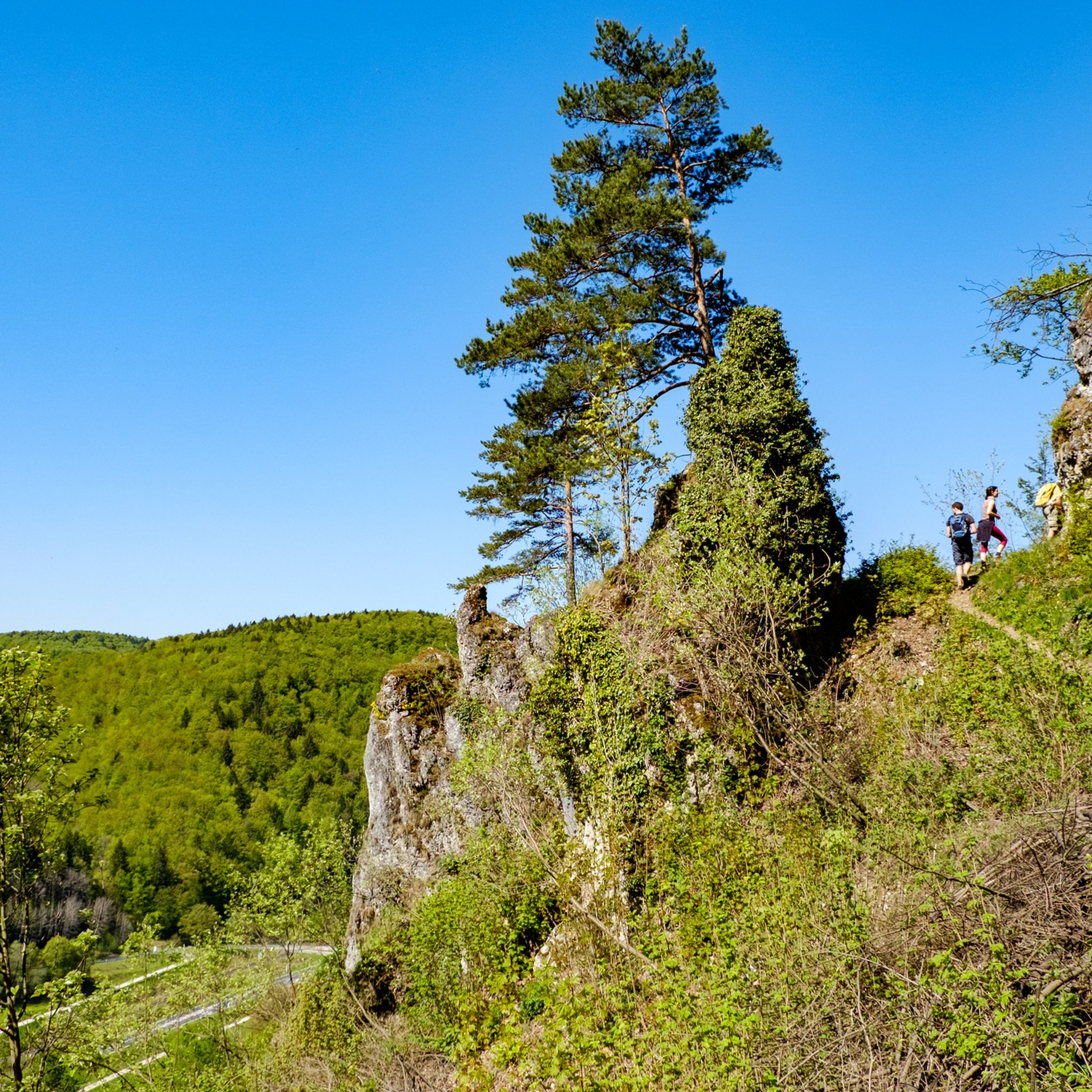
Hiking around Wiesenttal
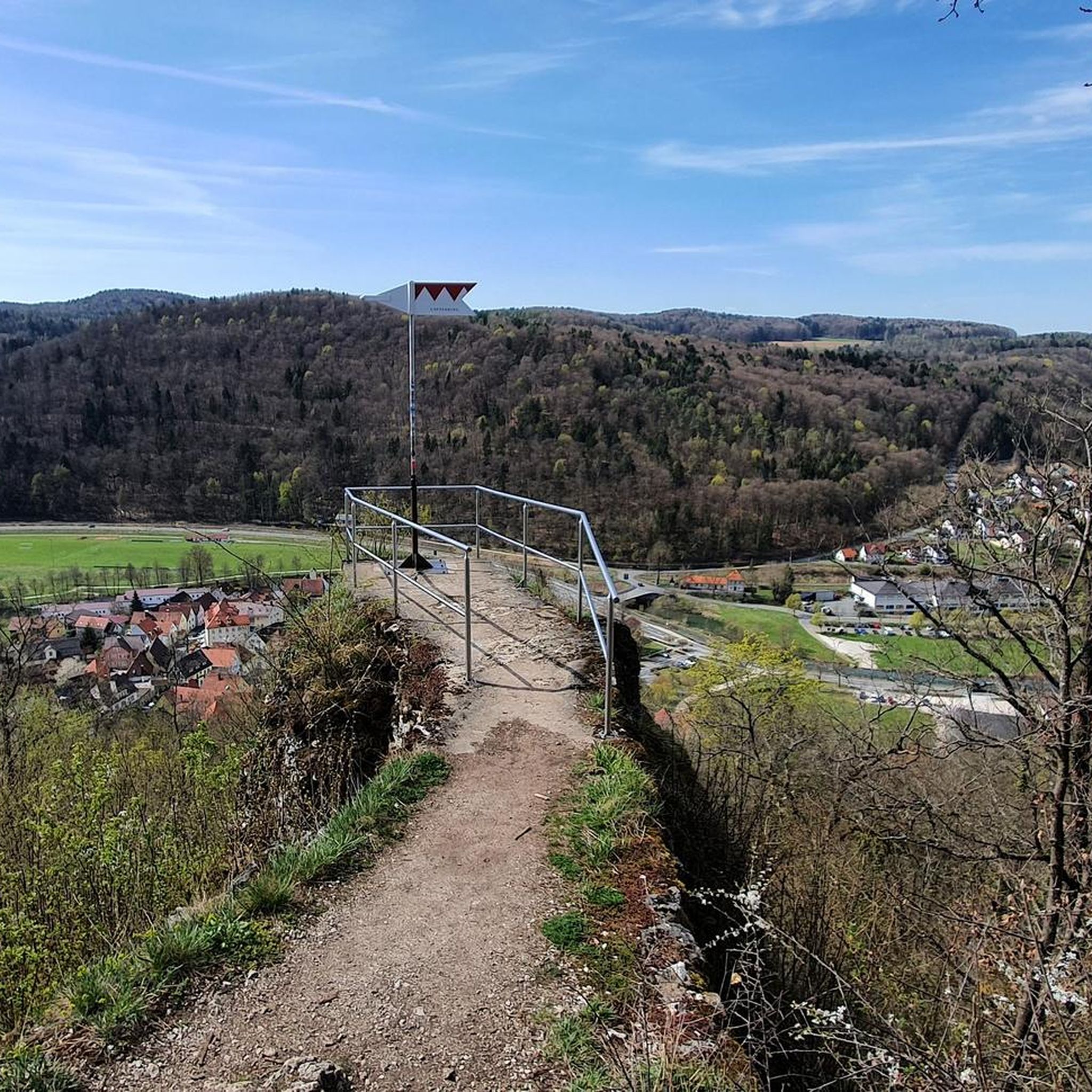
Running Trails around Wiesenttal
Other adventures around Wiesenttal


Tips from the Community

The Quackenschloss is a passage cave about 18 meters long. It is the remains of a very old and high-lying cave system. The rock wall has a patchy appearance due to the weathering of individual shells. The cave probably gets its name from this rock composition. The type of stone with holes in it (smokewacke) is called quacke here. The oblique oval shape of the cave is determined by two longitudinal fissures and two diagonally sloping bank joints. Two larger fissures cross the passage. One portal is about 7 meters wide and 2.5 meters high, the other, divided by a rock pillar, is about 9 meters wide and 5 meters high. The cave is registered as C 4 in the Franconian Alb Cave Register (HFA). It has been designated by the Bavarian State Office for the Environment as an important geotope (474R060)[1] and as a natural monument (ND-04580). The cave, which is easily accessible via hiking trails, is one of the most frequently visited destinations in the Franconian Jura, also because of its scenic location. There is a sport climbing area next to the cave. Source: Wikipedia
19
0

The Quackenschloss is a cave ruin, the remains of which belong to a very high (505 meters) and therefore very old cave system. The rock grotto, which is about three meters high and six meters wide, is open on two sides and can be safely entered from the east side. In the gallery cave, which takes its name from the enclosed fossils, the so-called Quacken, the remains of a 17-meter-long cave system can be explored.
17
0

A small steep path leads to the roof of the Quakenschloss. Great view from above.
14
0
The Oswald cave is a passage cave that can be crossed effortlessly.
19
0

The Oswald cave is a beautiful passage cave, you should take a flashlight with you because of the height, it is accessible all year round.
21
1

Statue of St. Walburga, Walberla High Plateau in the Ehrenbuerg Nature Reserve, Kirchehrenbach, Franconian Switzerland, Franconia
12
1
The Sankt-Walburgis-Chapel is the namesake of the "Walberla-Berg". The chapel was already built in the 17th century. It is dedicated to Saint Walburga. The chapel, which was probably first mentioned in 1350, was originally made of wood. The current chapel was built in 1697 by the Lords of Wiesenthau. The bronze statue of Saint Walburga, which stands in front of the chapel and was inaugurated in 2000, is very striking.
13
0

In front of the chapel there is a sculpture of St. Walburga by the sculptor Ernst Steinacker with the inscription "God in your heart".
12
1
Frequently Asked Questions
What types of natural monuments can I explore in Wiesenttal?
Wiesenttal is primarily known for its impressive karst caves and striking rock formations, which offer a unique glimpse into the region's natural history. You'll find a diverse landscape shaped by geological processes, including accessible passage caves and large collapse formations.
Are there any particularly unique or impressive natural monuments to visit?
Yes, the Riesenburg Collapse Cave is an absolutely impressive natural formation, considered one of the 100 most beautiful geotopes in Bavaria. It showcases the powerful effects of natural erosion on limestone rock, formed by the collapse of a former cave ceiling.
What are some of the most popular caves in Wiesenttal?
The Oswald Cave is a popular karst passage cave that is easily traversable. Another significant cave is the Binghöhle, known for its stunning, crystal-clear sinter formations and unique 'flow facets' on its walls, indicating its past as an underground river.
Are there family-friendly natural monuments in Wiesenttal?
Yes, the Binghöhle offers visitor-friendly, easy-to-navigate paths and guided tours, including special adventure and fairy tale tours for children. The Quackenschloss is also listed as family-friendly, offering a chance to explore ancient cave remnants.
What kind of geological features are prominent in Wiesenttal's natural monuments?
The region is characterized by karst geology, leading to numerous caves with unique formations. These include crystal-clear sinter formations (dripstones) in caves like Binghöhle, and large collapse structures such as the Riesenburg Collapse Cave, which highlights the powerful effects of erosion on limestone.
Can I visit any of the natural monuments during the winter months?
Some caves, like the Binghöhle, are closed during the bat protection period (typically October 1st to March 31st). However, the Oswald Cave is accessible all year round, though you should bring a flashlight. The Rosenmüllerhöhle is also freely accessible outside of the bat protection period.
Are there historical sites among the natural monuments?
Yes, the Ruins of Neideck Castle is a natural monument that also serves as a landmark of Franconian Switzerland, offering historical insights and a great panorama. The Rosenmüllerhöhle, one of the oldest show caves in the region, provides a historical perspective on cave exploration and tourism.
What outdoor activities can I do near these natural monuments?
Wiesenttal offers various outdoor activities. You can find numerous hiking trails, such as the "Oswald Cave – Rock Gate in the Forest loop from Muggendorf" or the "Quackenschloss – Hohes Kreuz Observation Tower loop from Muggendorf." For more options, explore the Hiking around Wiesenttal guide. There are also mountain biking trails available, like the "Quackenschloss – Oswald Cave loop from Streitberg," detailed in the MTB Trails around Wiesenttal guide.
Are there any natural monuments that offer great views?
Yes, the Ruins of Neideck Castle provides a great panorama from its main tower. Additionally, a hike to the Rosenmüllerhöhle often includes beautiful panoramic views of the Wiesenttal from nearby viewpoints like Koppelburg. The St. Walburga's Chapel and Statue on Walberla Plateau also offers extensive views of the Wiesenttal.
What should I bring when exploring the caves?
For caves like the Oswald Cave, which has a 15-meter passage, a flashlight is highly recommended for safe navigation. Caves generally maintain a constant cool temperature, so a light jacket might be comfortable even on warm days.
Are there any lesser-known natural gems in the area?
The Quackenschloss, a cave ruin, represents the remains of a very high and old cave system. It's known for its unique rock composition and scenic location, offering a chance to explore ancient cave remnants and provides great views from above via a small steep path.
Most popular routes around Wiesenttal
Most popular attractions around Wiesenttal

Get inspired with the komoot mobile app


Explore more
Extend your search for the best caves by checking out these guides of the top ones around Wiesenttal:
