Top 13 Castles around Tiefenbach
Best castles around Tiefenbach are located in a region known for its historical significance and diverse landscapes, primarily in Bavaria and the Upper Palatinate Forest. This area features a variety of castle types, from well-preserved ruins to former manor houses, offering a glimpse into medieval history. The terrain includes rocky summits and forested elevations, providing natural settings for these historical sites. Visitors can explore remnants of past fortifications and experience the natural surroundings.
Best castles around Tiefenbach
- The most popular…
Last updated: May 9, 2026
Schwarzenburg Castle Ruins
Highlight • Castle
Translated by Google •
Tip by

Reichenstein Castle Ruins
Highlight • Castle
Translated by Google •
Tip by

Sign up now to discover places like this
Get recommendations on the best single tracks, peaks, & plenty of other exciting outdoor places.
Sign up for free
Grafenried / Lučina – Abandoned Village Ruins
Highlight • Historical Site
Translated by Google •
Tip by

Frauenstein Castle Ruins
Highlight • Castle
Translated by Google •
Tip by

Thanstein Castle Ruins
Highlight • Castle
Translated by Google •
Tip by
Sign up for free to discover even more castles around Tiefenbach.
Sign up for free
Already have an account?
Start today with a free account
Your next adventure awaits.
Login or Signup
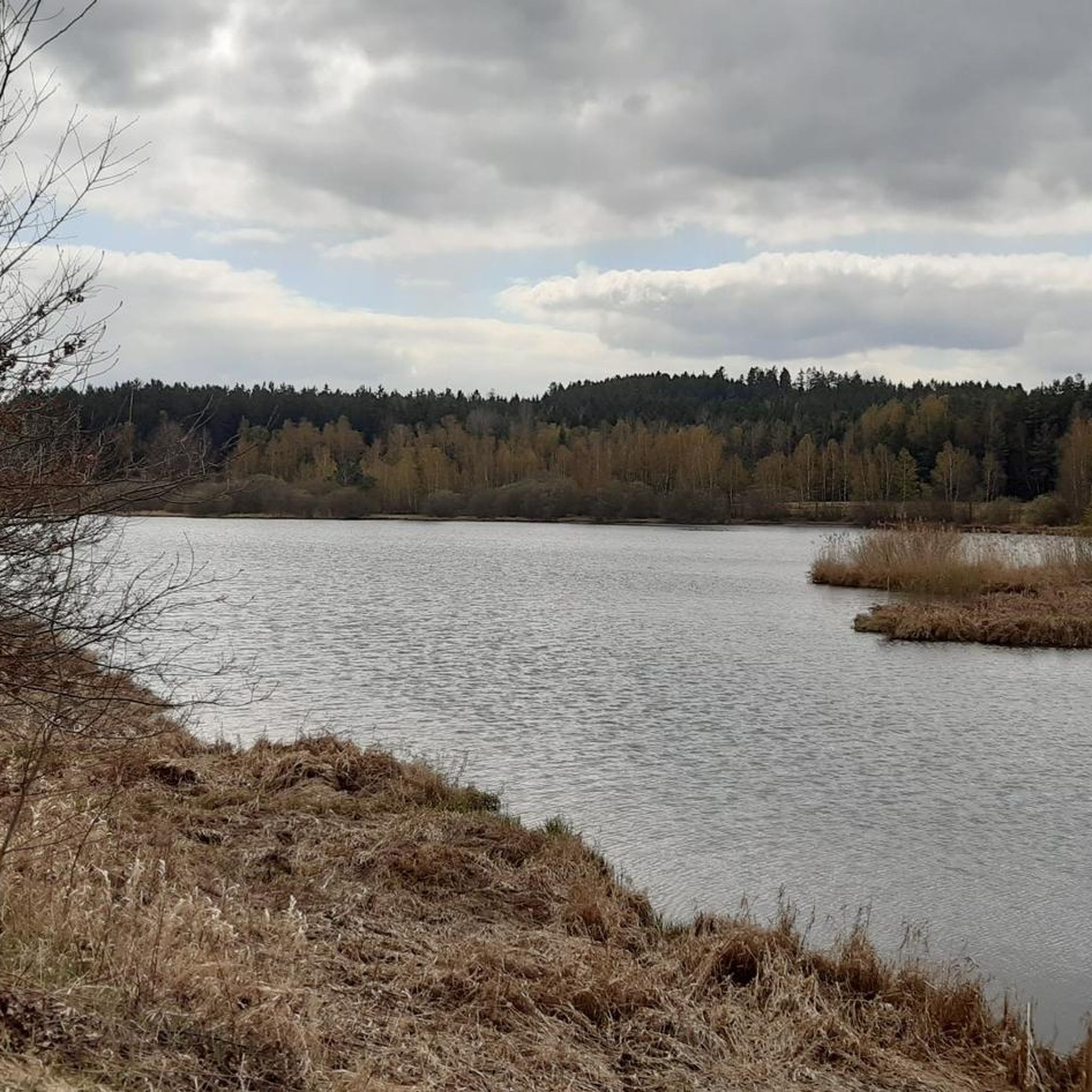
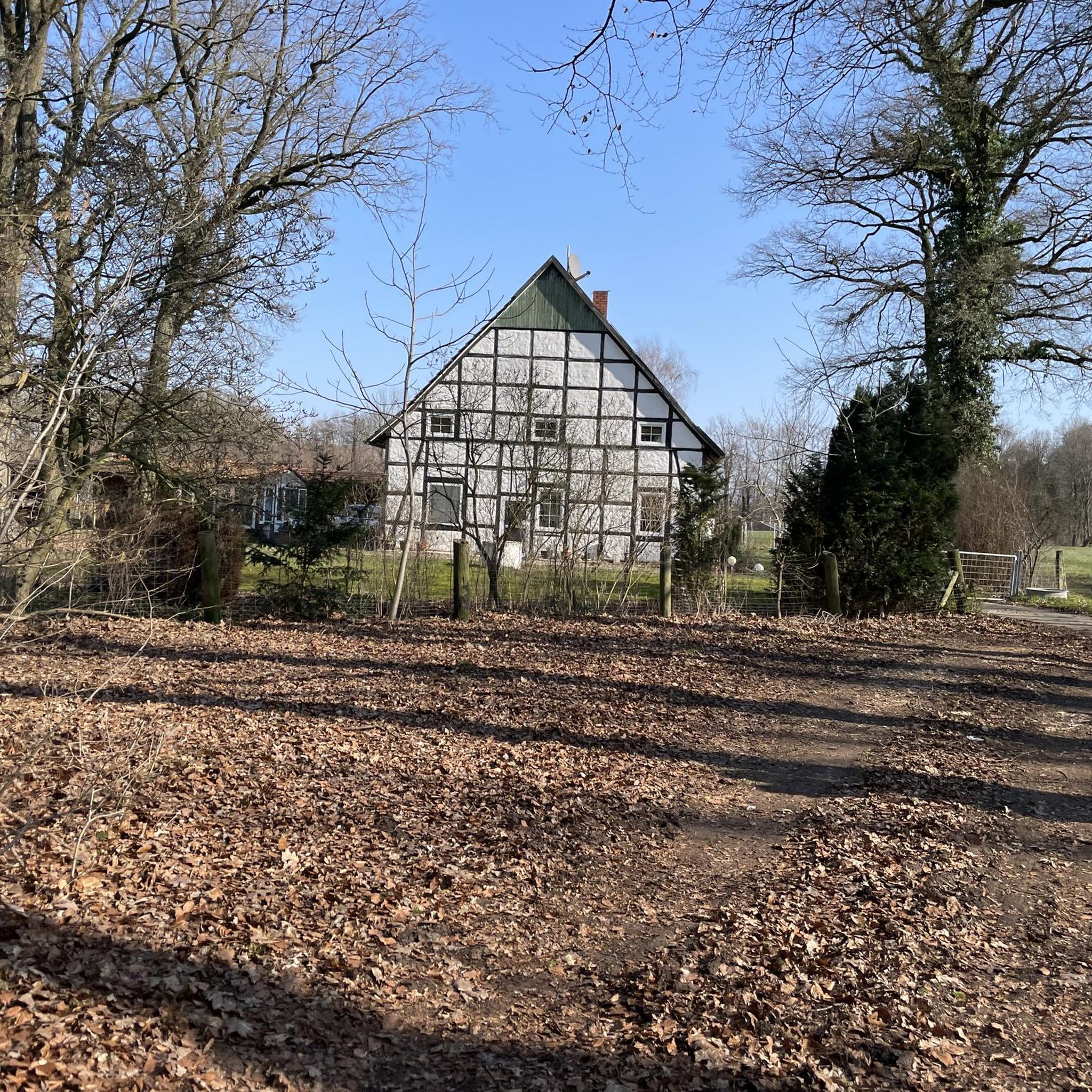

Tips from the Community

Reichenstein Castle can be considered an early settlement center in the Schönsee area. It was probably built in the late 11th century. Apart from a few remnants of the walls, only the stump of the round keep remains. However, the Reichenstein ruins are still shrouded in mystery. Legends tell of white women haunting the castle, and a treasure of gold lies beneath the ruins.
17
0

Frauenstein Castle Ruins The village of Weiding belonged to the Frauenstein lordship in hereditary servitude, about whose beginnings nothing is known. In the second half of the 13th century, Duke Heinrich of Lower Bavaria bought Frauenstein from Fredrich the Siegenhofer. This source states that the area around the village of Weiding, which had a brick church, was largely deserted. In the 14th century, the Frauenstein lordship and thus Weiding became a fief of the King of Bohemia. The Satzenhofers, Zengers, Fuchs and the Lords of Murach followed as further owners. In 1512, Hans von Selbitz (knight, friend of Götz von Berlichingen) appears as the owner of Frauenstein Castle. On January 29, 1580, Emperor Rudolf II enfeoffed Andreas Georg von Murach auf Kürnberg und Winklarn and his wife Anna, daughter of the late Hans Fuchs zum Schneeberg, with the two desolate castles Frauenstein and Reichenstein, today preserved as the Reichenstein castle ruins, the small town of Schönsee and the villages of Weiding and others. On November 26, 1605, Hans Friedrich Fuchs received an imperial letter of fief. His hereditary possessions included the castles Frauenstein and Reichenstein, the town of Schönsee, Weiding, Pondorf, Gaisthal, Schönau, Stadlern and Schwand with the iron hammer. Today, unfortunately, only a few remains of the walls in a romantic location remain. Only the tip of an entrance arch protrudes from the overgrown piles of rubble. A little higher up, further east, a wall remains that is about to collapse rises from the collapsed material. Large piles of bricks lie everywhere. The whole thing impressively shows the decay of a castle and looks a bit like a sunken fairytale castle. Source: www.wikipedia.de
3
0

Frauenstein, one of the five mysterious vanishing points of the early Middle Ages - next to Hirštejn (Czech Republic, between Závist (Neid) and Nemanice (Wassersuppen)), Reichenstein (between Stadlern and Ebene or Böhmerwaldturm, Drachenturm (Treffelstein) and Thanstein. You have to experience them all with all their secrets in order to get to the bottom of the secrets of the “Schwarzachtaler holiday region 🤣).
3
0
Thanstein Castle Ruins Uto von Thanstein, a ministerial of the Count of Sulzbach, is mentioned for the first time in a document in 1218, and the Murachers are also named as co-owners. The last representative of the Thansteiners, Alto, becomes abbot of the St. Emmeram monastery in Regensburg in 1358. In Thanstein, a branch of the Zenger family takes over rule from 1353 onwards, and calls itself von Thanstein from then on. In 1390, Thanstein is captured by the Leuchtenbergers during a feud, but not destroyed. In 1425, it survives a looting by the Hussites. In 1530, the Saxon knight Georg von Ebenleben marries the last Zenger, Margarethe. When he takes over rule, he also orders the introduction of the Protestant faith in Thanstein. In the Thirty Years' War, his descendants were expropriated by Elector Maximilian of Bavaria because they fought on the side of the Swedes, but in the Peace of Westphalia it was agreed that the property would be returned. After that, the owners changed hands constantly. The castle burned down almost completely in 1811, but the rule did not end until 1848. The keep was restored in 1887. Extensive security measures and excavations have been carried out since 2011. The core of the complex is a rectangular fort on a granite hilltop, which is relatively rare in the Upper Palatinate. After the latest renovation work, the history of the complex had to be rewritten and the floor plan redrawn. Parts of the walls and the foundation of the keep were dated to around 1200 - in line with the first mention of the castle nobility. Uto was therefore not, as is often said, lord of the nearby Altenthanstein castle near Dautersdorf, but was already at home in what is now Thanstein. The entrance area is dominated by the round keep made of ashlars and rubble stones, which is still 17 m high today. It was added to the complex later and dates from around 1300. The tower has a wall thickness of 2.5 m and an entrance at a height of 5 m. The floors were once separated by wooden ceilings, and the wall recedes slightly at each step. A deep moat, spanned by a stone bridge, separates the inner castle from the large outer castle area. The entrance is a gate system that provides access to the moat, which also forms the driveway to the outer castle. At the top, houses and utility buildings are grouped around a square, some of which incorporate older wall remains. Source: Excerpts from www.burgenseite.de
4
0

The tower is finished and no longer scaffolded. But honestly... you can see more and get nicer pictures from below! The tower has no entrance and cannot be visited from the inside. You can save yourself the altitude 😉
10
0

Interesting information about the old Grafenried, with many boards about the houses, their residents and history
2
0
The former Grafenried (cz Lučina) is one of these villages. It stood on a small hill near the German border (today the Untergrafenried border crossing) west of Nemanice. After the end of World War II, the German population was deported from the border area and the village was destroyed. Excavations are still taking place in the village, a visit is great at any time of year and also nice for children
2
0

Can only recommend visiting the lost village. The story will surely attract enough interest.
2
0
Frequently Asked Questions
What types of castles can I explore around Tiefenbach?
The Tiefenbach area, primarily in Bavaria and the Upper Palatinate Forest, features a variety of historical sites. You can find well-preserved ruins like Schwarzenburg Castle Ruins, remnants of former keeps and walls at Reichenstein Castle Ruins, and former manor houses such as Schloss Haselbach. These sites offer a diverse look into medieval history.
Are there any family-friendly castle sites in the Tiefenbach region?
Yes, several sites are suitable for families. Schwarzenburg Castle Ruins is listed as family-friendly and features a cozy mountain lodge. The Grafenried / Lučina – Abandoned Village Ruins also offer an interesting historical experience for families with information boards and ongoing excavations.
Which castles offer the best panoramic views?
For breathtaking panoramic views, visit Schwarzenburg Castle Ruins. Its renovated keep is open to visitors and provides a unique vista of the surrounding hills. Reichenstein Castle Ruins also offers beautiful views, though they can sometimes be partially obstructed by trees.
What historical insights can I gain from visiting these castles?
The castles around Tiefenbach offer a rich historical experience. Reichenstein Castle Ruins, for instance, is believed to have been inhabited since the 11th century and was conquered by the Hussites in 1431. Schloss Haselbach, though privately owned, shows architectural elements from the 11th or 12th century and was rebuilt after damage in the Thirty Years' War. The Grafenried / Lučina – Abandoned Village Ruins provide a unique look into a destroyed village community with detailed information boards.
Are there hiking opportunities around the castles?
Absolutely. Many castles are situated in scenic natural settings, making them ideal for hiking. Frauenstein Castle Ruins, located on an elevation in the Upper Palatinate Forest, serves as a focal point for various hiking routes. The Schwarzenburg Castle Ruins are also a popular destination for hikers, with a mountain lodge available.
What outdoor activities are available near the castles around Tiefenbach?
Beyond visiting the castles, the region offers diverse outdoor activities. You can find numerous routes for gravel biking, running, and cycling around Tiefenbach. These guides feature routes of varying difficulties, allowing you to explore the natural beauty surrounding the historical sites.
Can I find food or refreshments near the castle ruins?
Yes, some castle sites offer refreshments. At Schwarzenburg Castle Ruins, a cozy mountain lodge operates in the upper courtyard on specific days. Thanstein Castle Ruins also has a rustic Burgschänke directly at the castle tower.
What is the best time of year to visit the castles in Tiefenbach?
The castles are generally accessible year-round. However, for the best hiking conditions and to enjoy the panoramic views without obstruction, spring through autumn is ideal. Winter visits can offer a unique, serene experience, especially for walks, but some facilities like mountain lodges might have reduced opening hours.
Are there any castles with unique features or legends?
Yes, Reichenstein Castle Ruins is known for its mysterious atmosphere and a local legend suggesting a gold treasure is buried beneath the castle. Schloss Haselbach has a unique history, transforming from a noble residence to housing a rural brewery for many years.
What should I know about accessing the castle ruins?
Access varies by site. For example, the renovated keep at Schwarzenburg Castle Ruins is open to visitors. At Thanstein Castle Ruins, the stairs in the tower are steep, and entrance may require age verification. Schloss Haselbach is privately owned, so only its exterior and historical architecture are viewable.
What do visitors appreciate most about the castles around Tiefenbach?
Visitors frequently highlight the historical significance and the beautiful natural settings. The panoramic views from sites like Schwarzenburg Castle Ruins are particularly popular, as are the hiking opportunities and the chance to explore remnants of medieval history amidst the Upper Palatinate Forest.
Most popular routes around Tiefenbach
Most popular attractions around Tiefenbach

Get inspired with the komoot mobile app


Explore more
Looking for the best castles somewhere else? Discover other guides around Tiefenbach:
