The best walks and hikes around Tiefenbach
4.6
(499)
1,428
hikers
54
hikes
Hiking around Tiefenbach offers diverse landscapes across Germany and Austria, characterized by dramatic gorges, winding rivers, and extensive forests. The region features varied terrain, from the turquoise waters and rock formations of the Tiefenbachklamm to the deep ravines and ancient woodlands of the Rhine-Hunsrück district. Hikers can explore nature reserves with reed beds and fens, or traverse rolling hills and dense forests.
Best hiking trails around Tiefenbach
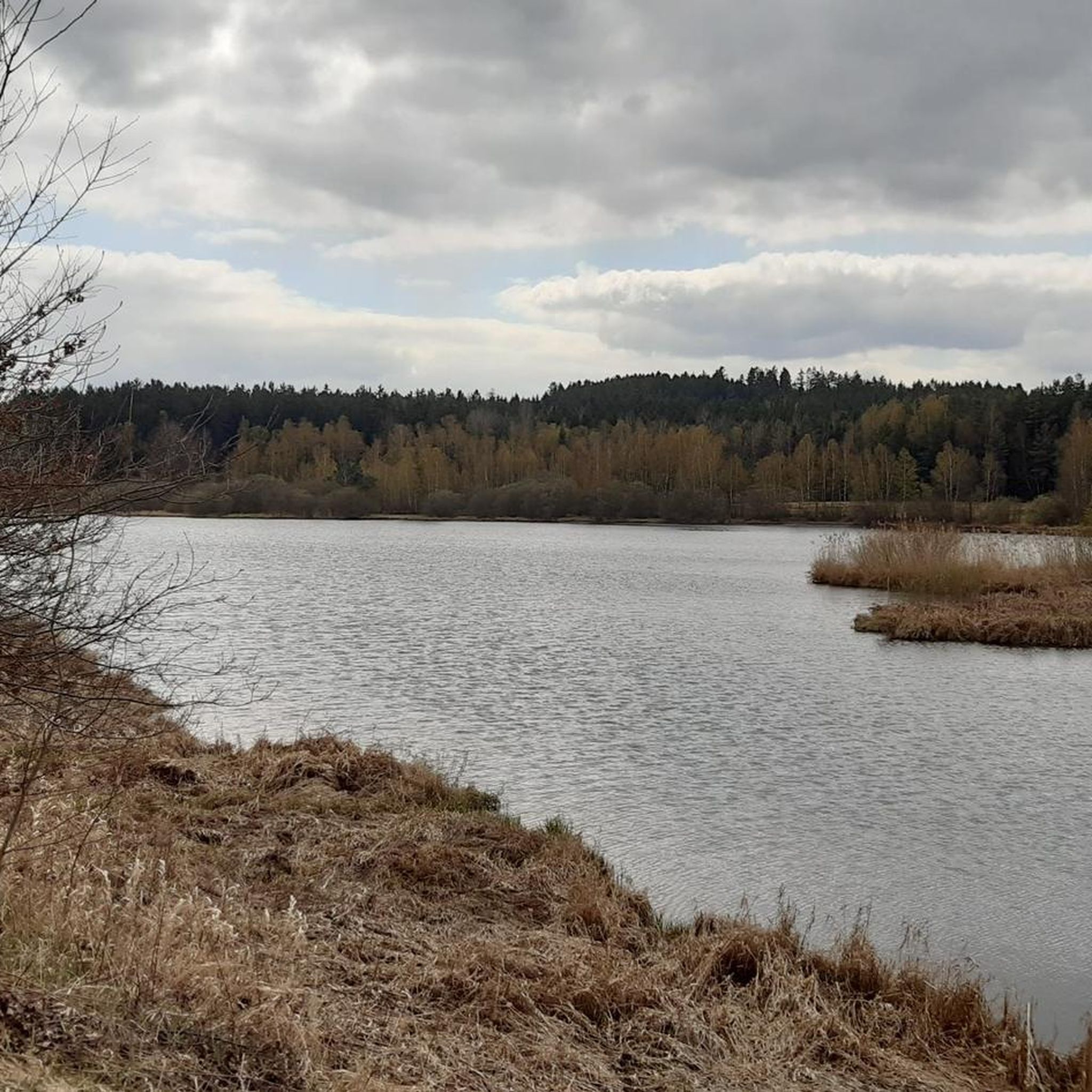
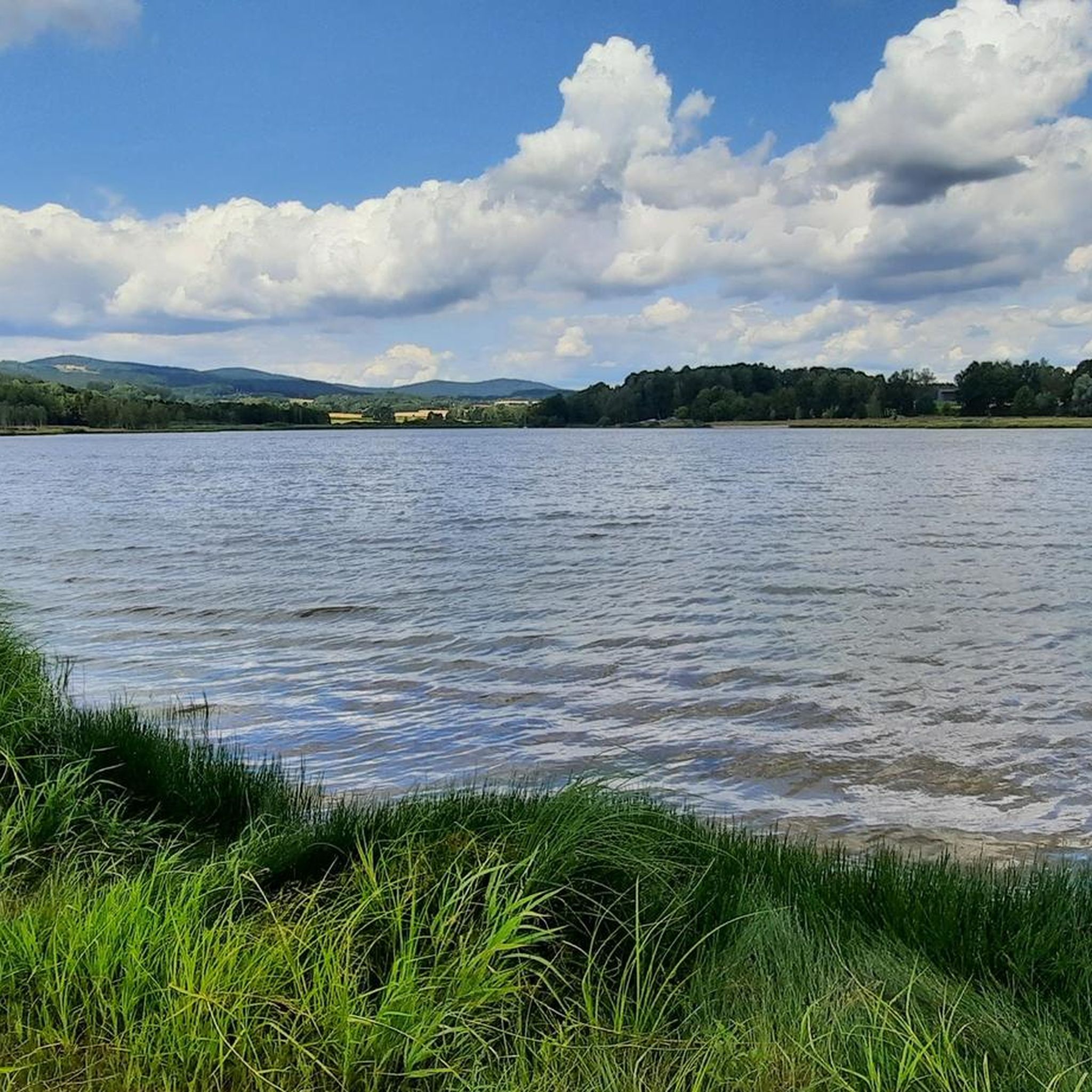
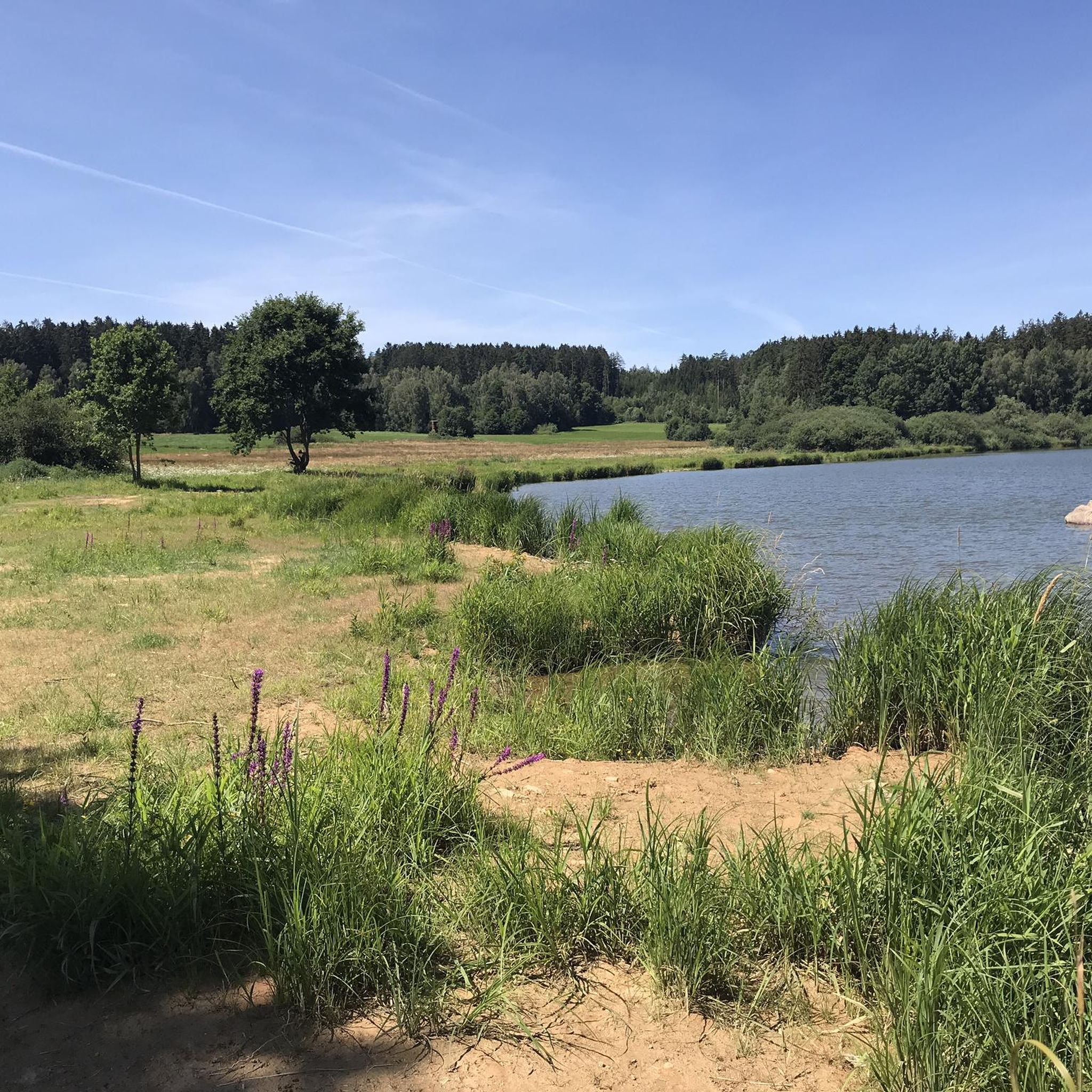
- The most popular hiking route is Silver Lake – Silver Lake loop from…
Last updated: July 18, 2026
4.8
(324)
901
hikers
8.61km
02:14
60m
60m
Moderate hike. Good fitness required. Easily-accessible paths. Suitable for all skill levels.
4.7
(22)
57
hikers
12.4km
03:46
410m
410m
Moderate hike. Good fitness required. Easily-accessible paths. Suitable for all skill levels.

Sign up for free
4.8
(18)
81
hikers
11.4km
03:12
230m
230m
Moderate hike. Good fitness required. Easily-accessible paths. Suitable for all skill levels.
4.6
(28)
57
hikers
8.06km
02:25
230m
230m
Moderate hike. Good fitness required. Easily-accessible paths. Suitable for all skill levels.
4.9
(7)
28
hikers
4.11km
01:09
70m
70m
Easy hike. Great for any fitness level. Easily-accessible paths. Suitable for all skill levels.
Get access to more routes and recommendations from other explorers.
Sign up for free
Already have an account?
Our route recommendations are based on thousands of hikes, rides, and runs completed by other people on komoot.
Start today with a free account
Your next adventure awaits.
Login or Signup

Tips from the Community


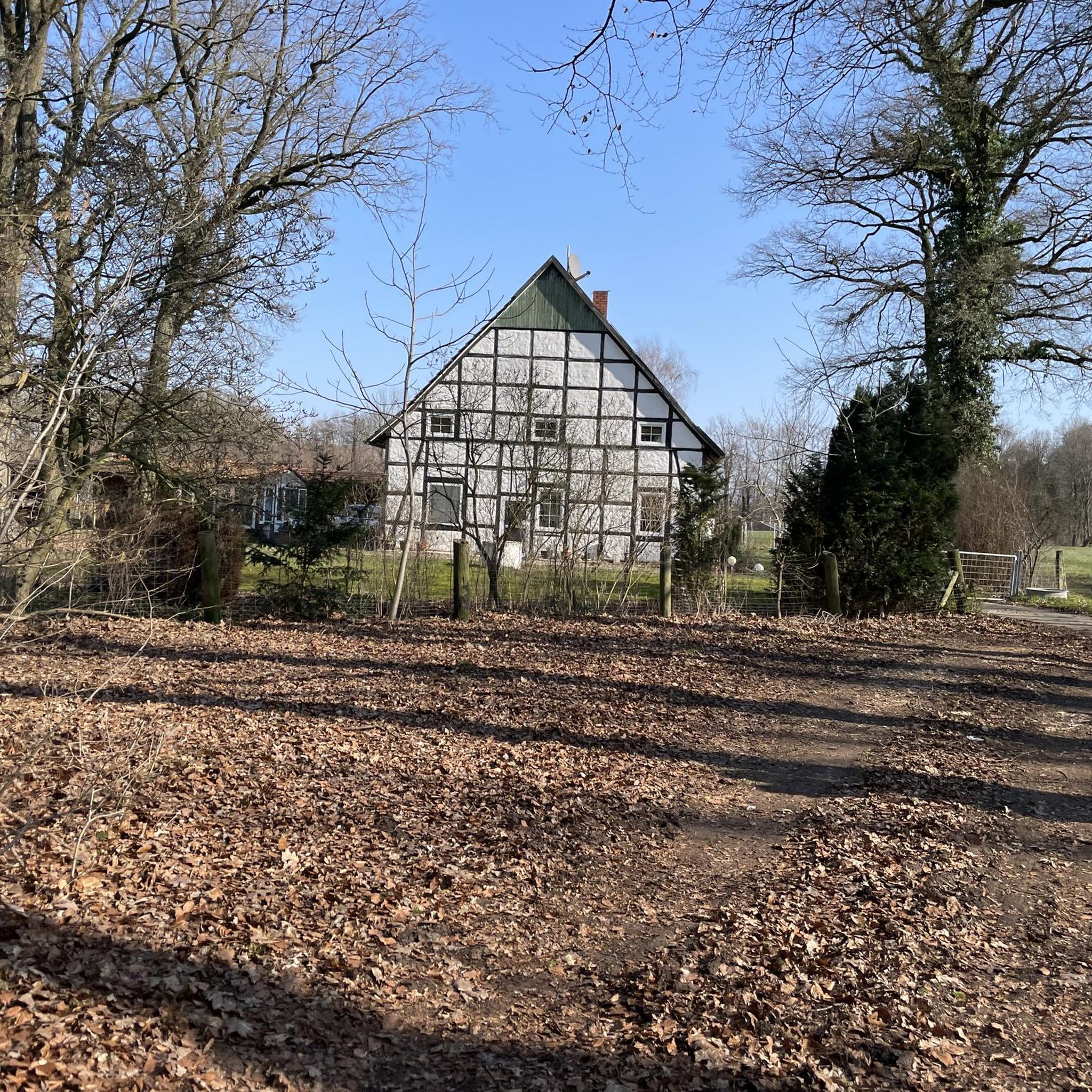
nicely located in the forest by the path.......
0
0

The former Grafenried (Czech: Lučina) stood on a small hill near the German border (today the Untergrafenried border crossing) west of Nemanice. Grafenried also included the villages of Anger (Upor), Seeg (Pila), and Haselbach (Liskova). Around 800 people lived there. After the end of the Second World War, the German population was expelled from the border area, and the village, with all its buildings, was gradually razed. The Grafenried church of St. George still stood until the 1970s. Although it had the status of a monument, it was blown up and demolished. On the initiative of a former German resident of the community and some historians on the Czech side, the remains of the church were partially excavated and renovated in 2011. The search for traces was extended to the entire lost village and its districts.
12
0
The cemetery is still (again) maintained by relatives of the deceased today. It was consecrated on June 29, 1786. Previously, the deceased had to be buried elsewhere, first in Bavarian Ast, later in Bohemian Wassersuppen. From 1786 to 1946, more than 4500 people were buried in this cemetery.
4
0
The village of Anger, located near the Bavarian border, was evacuated and left to decay between 1950 and 1960 due to the establishment of the Iron Curtain. The settlement was strongly characterized by weaving, animal husbandry, and a local glassworks.
13
0
The atrocities of the past are forgiven. Today, Czechs and Germans, as depicted on the poster at the "Place of Reconciliation", shake hands over the ruins of the lost villages. Together, they explore their history and discover how closely the fates of Bohemia and Germans were intertwined over many centuries.
8
0
From 1874, several rooms of the former castle (presumably built around 1580 by Georg Pelkhofer von Mosweng) were used as a three-class elementary school by Grafenried. These are the remains of the once stately building, which also housed the municipal office and a savings and loan association. In addition, there were four apartments for the teachers' families.
14
0
Frequently Asked Questions
How many hiking trails are there in Tiefenbach?
Tiefenbach offers a wide variety of hiking experiences with over 50 routes available. These trails cater to different preferences, ranging from easy strolls to more challenging excursions through diverse landscapes.
What kind of landscapes can I expect to see while hiking in Tiefenbach?
The region boasts incredibly diverse landscapes. You can explore dramatic gorges with turquoise waters and unique rock formations, such as the Tiefenbachklamm in Tyrol, Austria. Other areas feature tranquil river valleys, ancient woodlands, rolling hills, and even nature reserves with extensive reed beds and fens, like those near Federsee in Germany.
Are there any easy hiking routes suitable for beginners or families in Tiefenbach?
Yes, Tiefenbach has plenty of easy routes. For a gentle and scenic walk, consider the Schönbrunnen Chapel – Schönbrunnen Chapel loop from Tiefenbach. This 4.7 km trail leads through pleasant paths and can be completed in about 1 hour 18 minutes, making it ideal for a relaxed outing.
Are there any circular hiking routes in Tiefenbach?
Many of Tiefenbach's trails are designed as circular routes, offering varied scenery without retracing your steps. A popular option is the Silver Lake – Silver Lake loop from Tiefenbach, a moderate 8.6 km trail that takes around 2 hours 14 minutes to complete.
What are some interesting historical sites or natural monuments to see along the trails?
Tiefenbach's surroundings are rich in points of interest. You can explore historical ruins like those found on the Frauenstein Castle Ruins – Frauenstein Castle Ruins loop from Tiefenbach. Additionally, the region features fascinating natural formations such as the Wotanstein Natural Monument and various caves like the Schrazelloch Cave.
What is the best time of year to go hiking in Tiefenbach?
The best time to hike in Tiefenbach is generally from spring through autumn. Each season offers unique charm, with spring bringing lush greenery and blooming flowers, summer providing warm weather for exploring gorges and valleys, and autumn showcasing vibrant foliage. Some specific areas, like the Tiefenbach Gorge in Austria, are typically accessible from spring to autumn but close in winter or during heavy rains for safety.
Are there any trails that feature waterfalls or dramatic gorges?
Absolutely! The Tiefenbach Gorge (Tiefenbachklamm) in Tyrol, Austria, is renowned for its spectacular canyon, carved by the Brandenberg Stream. Here, you'll find impressive rock formations, bridges, and waterfalls, with the turquoise-green waters of the Ache river creating a stunning backdrop. The Triftsteig trail within the gorge offers breathtaking views, including from a panoramic viewing platform.
What do other hikers enjoy most about hiking in Tiefenbach?
The komoot community highly rates the hiking experiences in Tiefenbach, with an average score of 4.6 stars from over 400 reviews. Hikers often praise the region's diverse terrain, from dramatic gorges to tranquil woodlands, and the well-maintained paths that make exploring accessible and enjoyable for various skill levels.
Are there any longer or more challenging hikes for experienced hikers?
While Tiefenbach has no routes officially graded as 'difficult' in our data, there are moderate trails that offer a good challenge. The Frauenstein Castle Ruins – Frauenstein Castle Ruins loop from Tiefenbach, for example, is a moderate 12.3 km path with significant elevation gain, taking approximately 3 hours 41 minutes to complete. The Tiefenbach Gorge in Austria also offers medium to difficult options, such as the 'Achenmarsch Tiefenbachklamm circular route' which is over 16 km long.
Can I find trails that offer panoramic views or observation points?
Yes, several trails lead to excellent viewpoints. In the Tiefenbach Gorge, there's a panoramic viewing platform offering breathtaking views into the deep canyon. Additionally, the region around Tiefenbach features several observation towers and summits, such as the Böhmerwald Observation Tower and the Stückberg Observation Tower, providing expansive vistas of the surrounding landscapes.
Are there any trails that pass through unique natural reserves or wetlands?
Yes, particularly near Federsee in Germany, you can find unique natural experiences. A circular route around the Federsee Nature Reserve offers insights into one of Germany's oldest nature reserves, characterized by extensive reed beds, fens, and wet woodlands. This area is excellent for wildlife observation and features a wooden boardwalk through a moor and protected forest.
Most popular routes around Tiefenbach
Most popular attractions around Tiefenbach

Get inspired with the komoot mobile app


Explore more
Browse the best Hikes in other regions.
