Schweigen-Rechtenbach
Schweigen-Rechtenbach
Top 20 Castles around Schweigen Rechtenbach
Best castles around Schweigen Rechtenbach are situated in the Southern Palatinate and Palatinate Forest regions, known for their rich wine culture and diverse landscapes. This area offers a variety of historical castle ruins and preserved fortresses. The region's topography includes rolling hills and dense forests, providing scenic backdrops for these medieval sites. Visitors can explore numerous historical landmarks that offer insights into the area's past.
Best castles around Schweigen Rechtenbach
- The most popular castles is Drachenfels Castle Ruins, a…
Last updated: July 20, 2026
Landeck Castle
Highlight • Castle
Showing Translation
Tip by

Wegelnburg Castle Ruins
Highlight • Castle
Translated by Google •
Tip by

Sign up now to discover places like this
Get recommendations on the best single tracks, peaks, & plenty of other exciting outdoor places.
Sign up for free
Drachenfels Castle Ruins
Highlight • Castle
Translated by Google •
Tip by

Hohenbourg Castle
Highlight • Viewpoint
Translated by Google •
Tip by

Château du Loewenstein
Highlight • Historical Site
A very beautiful ruin with a wonderful view from both platforms.
Translated by Google •
Tip by

Sign up for free to discover even more castles around Schweigen Rechtenbach.
Sign up for free
Already have an account?
Start today with a free account
Your next adventure awaits.
Login or Signup
Popular around Schweigen-Rechtenbach
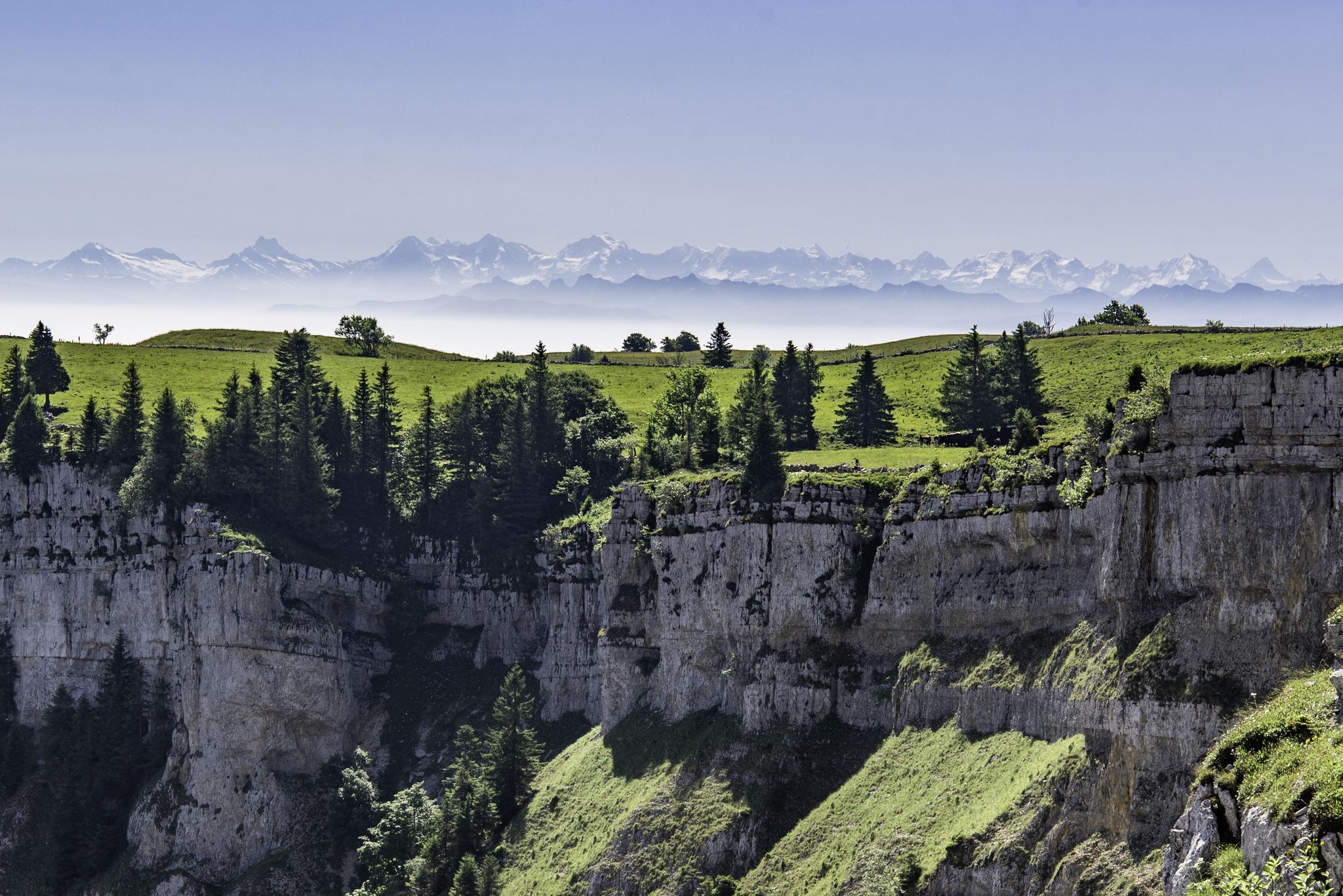
From the Vosges to the Jura mountains – Hexatrek, le Grand Est
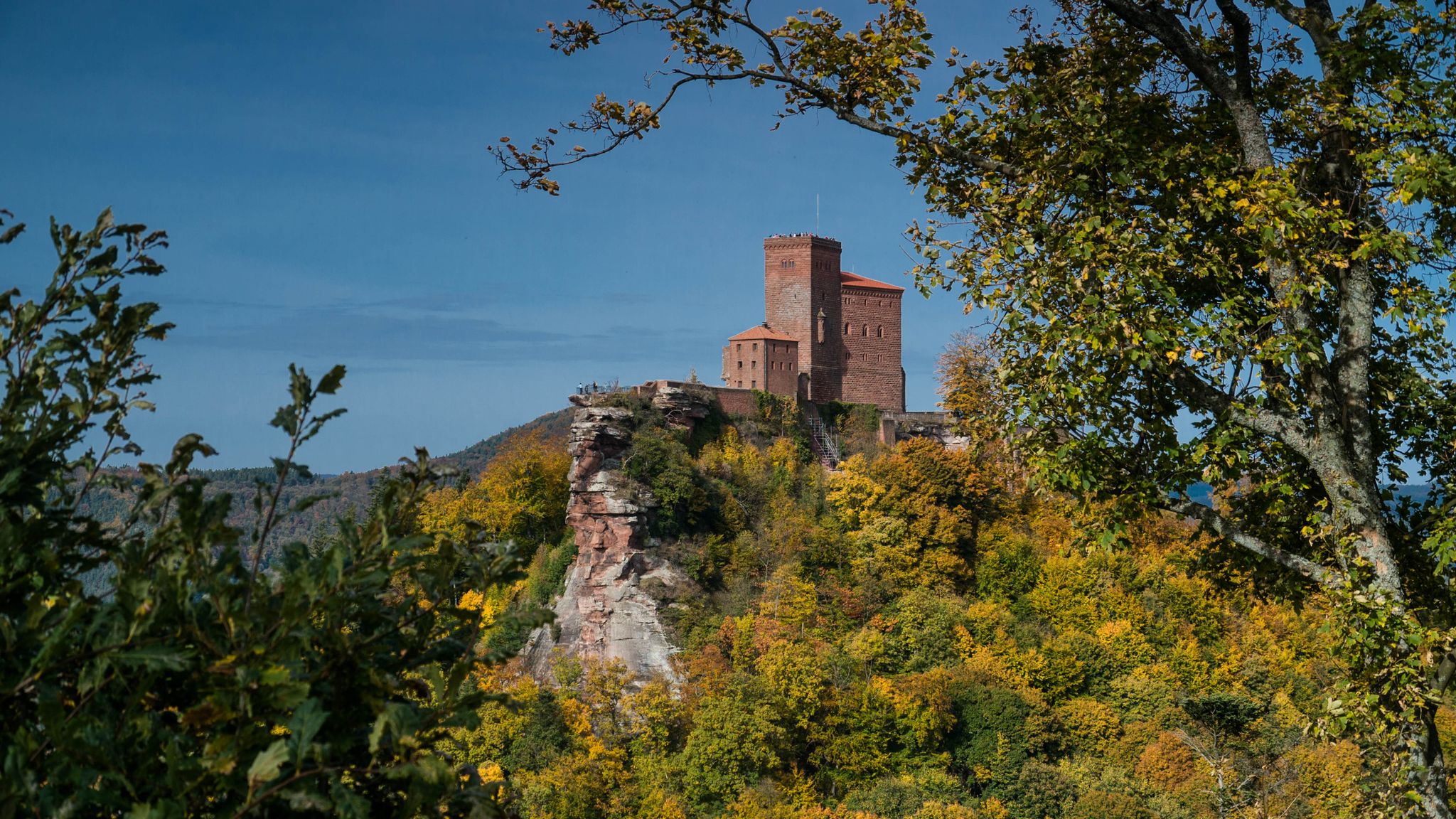
Castles in the Wasgau
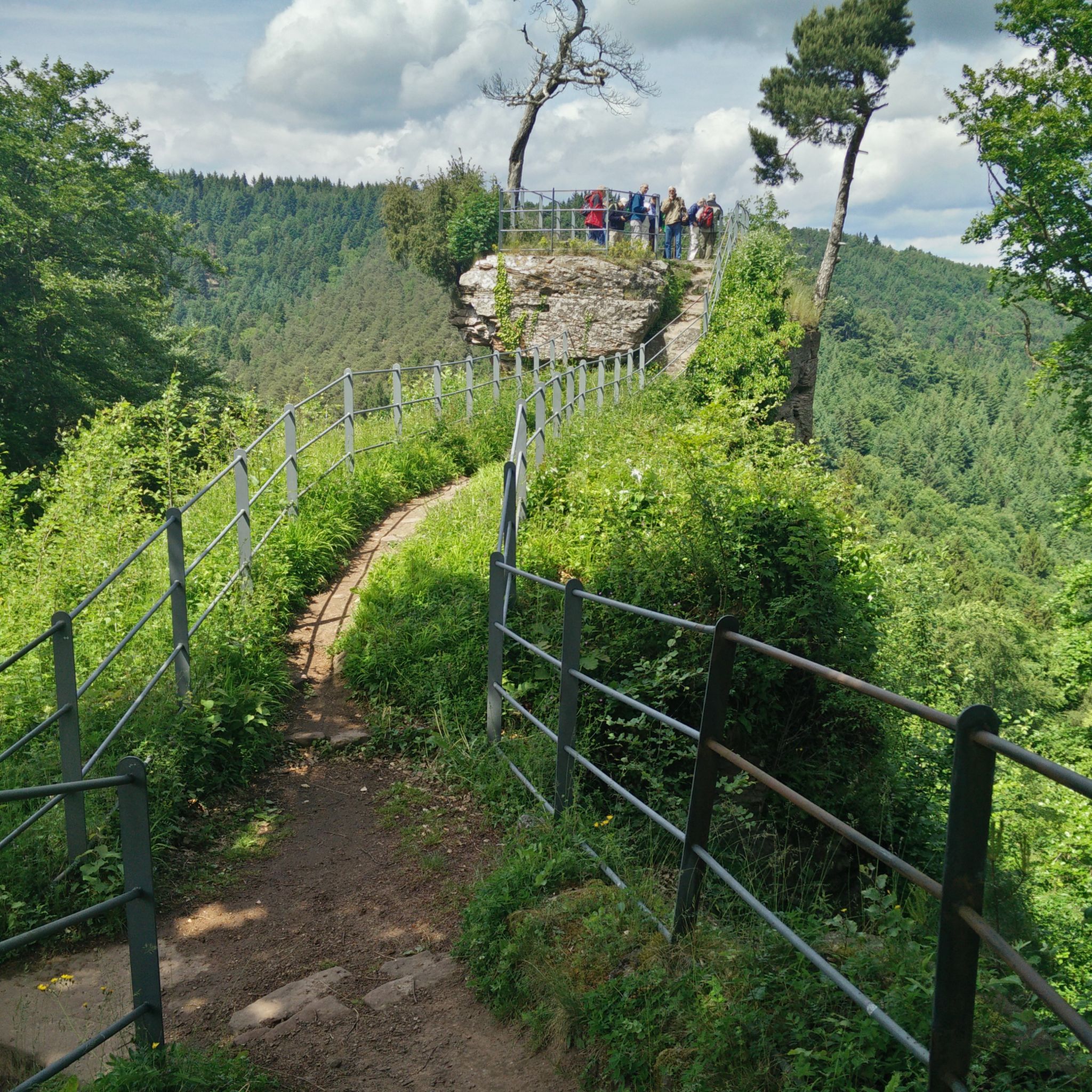
Hiking around Schweigen Rechtenbach
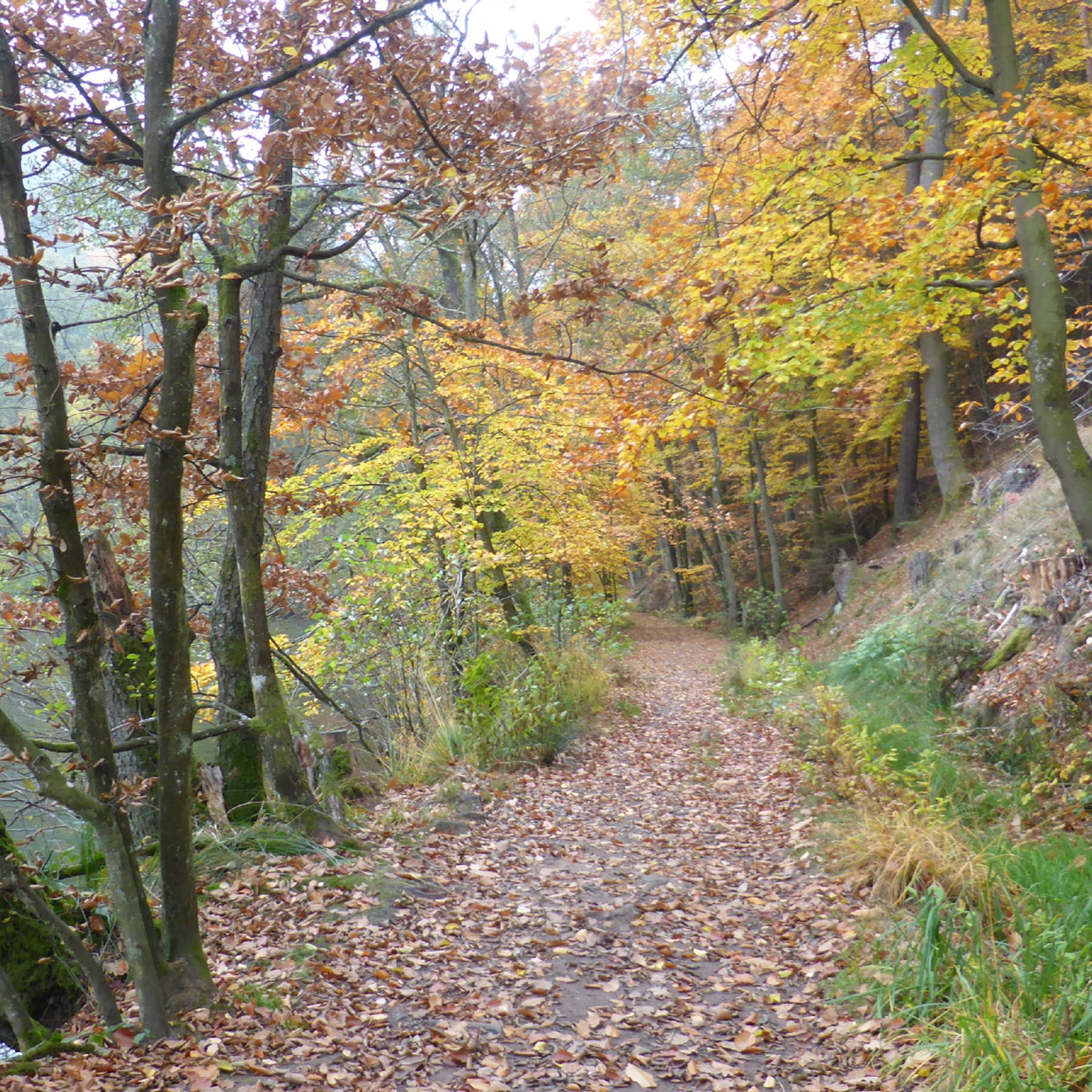
Cycling around Schweigen Rechtenbach
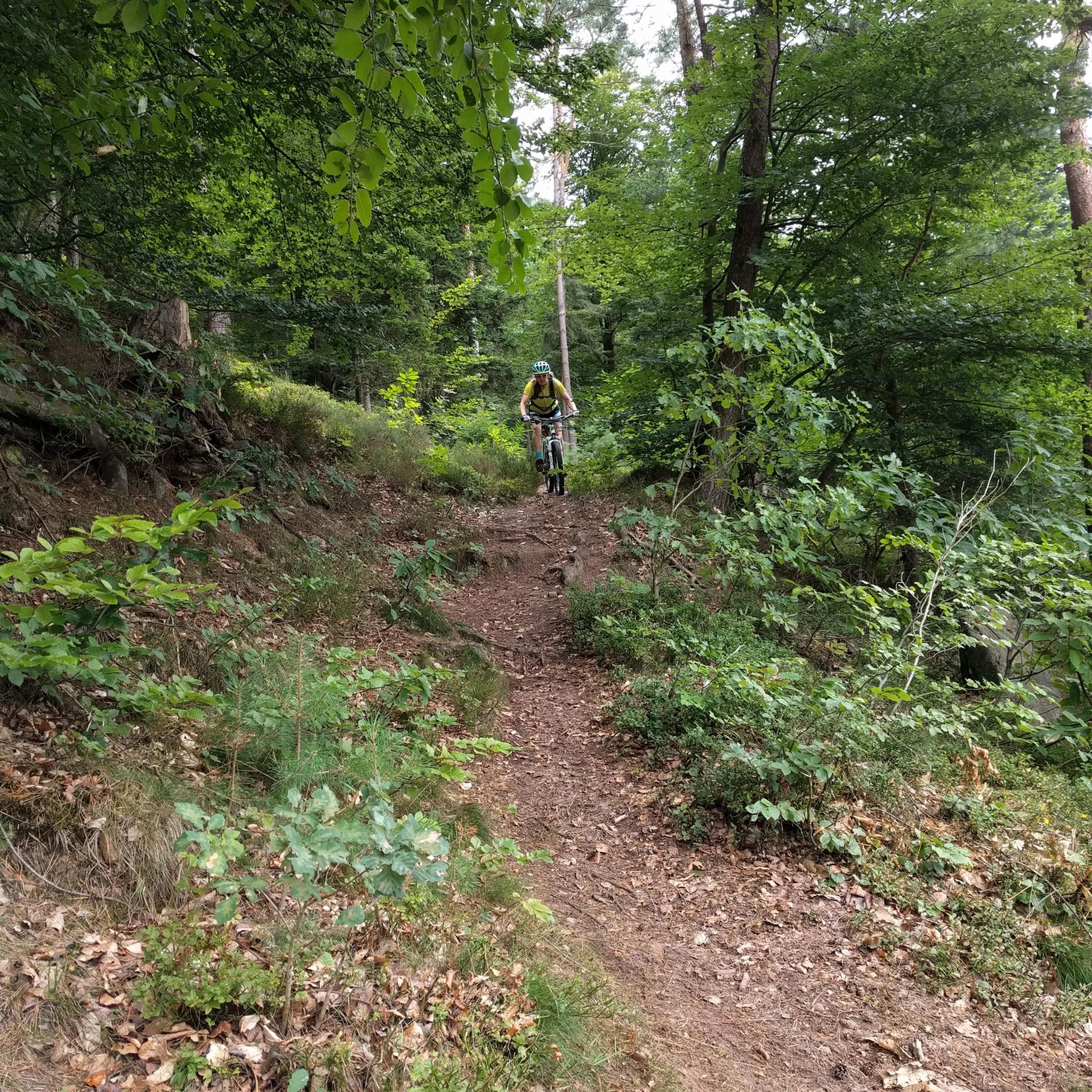
MTB Trails around Schweigen Rechtenbach
Road Cycling Routes around Schweigen Rechtenbach
Gravel biking around Schweigen Rechtenbach
Running Trails around Schweigen Rechtenbach
Mountain Hikes around Schweigen Rechtenbach
Other adventures around Schweigen Rechtenbach


Tips from the Community

Quite well preserved castle with a beautiful view of Fleckenstein Castle and, in the other direction, of Wegelnburg.
8
4

This typical rock castle is the highest castle in the Palatinate. From here you have a fantastic view of the Wasgau. There are three other castle ruins in the immediate vicinity.
14
1

The White Lady of Hohenbourg Castle Not far from Hohenbourg Castle, just before the German-French border, is the Maidenbrunnen, which bears witness to a sad story: The lords of Hohenbourg and Wegelnburg were enemies for a long time. And as it was bound to happen, the squire Robert von Wegehiburg fell in love with Edwige, daughter of Lord von Hohebourg. She often lingered at the rich source between the two castles. One day Robert went hunting. He chased after a wild boar that rushed to the spring where Edwige was staying. In the heat of the moment, the wild boar jumped at Edwige, but Robert, a good hunter, was able to catch the wild boar just in time and won the heart of his beloved through this act. Often the two secretly spent time at this spring between the enemy castles. But one day the lord of Hohenbourg surprised his daughter in the arms of his archenemy's son. In blind rage he stabbed Robert in front of Edwige's eyes. She collapsed in grief and died on the spot, immediately following her lover to the realm of the dead. Since that awful day, two forget-me-not shrubs have been growing at this spring, now known as the Maiden's Well. It is not uncommon to see a white shadow over the Maidenbrunnen here at dusk: it is the ghost of Edwige, which descends from the cellars of the Hohenbourg and seeks the place of her love. There she sings sad words and sheds tears in the rivulet before vanishing again, carried by the wind. This legend comes from this link_: (https://www.wanderparadies-wasgau.de/hohenbourg.php)
17
0
The Château de Lœwenstein is a castle ruin from the 13th century. It was built on two sandstone rocks lying next to each other. The main castle is to the east and the outer bailey is a little lower to the west. Remains of a stair tower and stairs carved into the rock have been preserved. It was destroyed in the 14th century. It is possible that it was used as an outpost for the Hohenbourg and Fleckenstein castles. From the platform of the two parts of the rock there is a magnificent view over the forests of the Northern Vosges and the adjacent Palatinate Forest. https://de.wikipedia.org/wiki/Burgruine_L%C3%B6wenstein
11
0

A visit to Loewenstein Castle is worthwhile, but it is actually just a large foundation made of sandstone. Most of the walls that must have existed here have been removed. In terms of fortification, the Hohenbourg, which is only a few hundred meters higher, is much more interesting, as there are even more remains of the wall.
19
1
The castle was cleverly built in and around a high sandstone spur. Many remnants of the walls are still visible. The architectural style and carved dates suggest different historical periods. The view from the highest point is breathtaking. Two information panels explain the panorama. In this respect, this castle far surpasses the much more extensive, but also lower-lying, Fleckenstein Castle.
26
0

Very beautiful ruin with a gigantic view ... a visit is definitely worth it
12
0

Wonderful all-round view of rocks and castles
24
3
Frequently Asked Questions
What are some unique castles to explore in the Schweigen-Rechtenbach region?
The region offers several unique castles. Drachenfels Castle Ruins are noted for their distinct structure, differing significantly from typical castles, making exploration an adventure. Wegelnburg Castle Ruins, the highest castle in the Palatinate, offers a perfect panoramic view over the Wasgau. For a fully preserved experience, Berwartstein Castle is unique as it was never destroyed and remains inhabited, offering guided tours through its rock-carved chambers.
Are there family-friendly castles to visit near Schweigen-Rechtenbach?
Yes, several castles are great for families. Drachenfels Castle Ruins are particularly recommended for exploring with kids, despite a steep but short ascent. The Dahn Castles (Altdahn, Grafendahn, and Tanstein) also offer a fascinating complex for families to explore, with their gateways and turrets telling tales of battles and feuds. Landeck Castle is also listed as family-friendly and includes a castle tavern.
Which castles offer the best panoramic views?
Many castles in the region boast excellent views. Wegelnburg Castle Ruins, being the highest in the Palatinate, provides a perfect panorama over the Wasgau. Hohenbourg Castle offers beautiful views of Fleckenstein Castle and Wegelnburg. Landeck Castle provides great views over the Rhine Valley, and Trifels Castle offers incredible views of the Palatinate Forest.
Can I find food and drink options at or near the castles?
Yes, some castles offer dining options. Landeck Castle features a castle tavern with a terrace, serving tarte flambée and other dishes. Near Drachenfels Castle Ruins, you'll find the Drachenfelshütte of the Palatinate Forest Association, offering Palatinate specialties.
Are there hiking opportunities around the castles?
Absolutely. The castles are often integrated into scenic hiking routes. For example, a popular route is the 'Three Castles hike' starting from Landeck Castle. The long-distance hiking trail Pfälzer Weinsteig also passes by Hambach Castle. You can find many hiking routes that incorporate these historical sites. For more detailed hiking options, explore the Hiking around Schweigen Rechtenbach guide.
What is the best time of year to visit the castles in the Palatinate Forest?
The Palatinate Forest region is beautiful year-round. Spring and autumn offer pleasant temperatures for hiking and exploring, with vibrant foliage in autumn. Summer is also popular, though it can be warmer. Even in winter, many castles offer a unique, atmospheric experience, especially if you enjoy quieter trails.
Are the castle trails generally accessible or difficult?
The terrain around the castles varies. Many castles, especially those perched on hilltops like Wegelnburg Castle Ruins, involve climbs that can be moderate to difficult. However, the rewards are stunning views. Some highlights, like Drachenfels Castle Ruins, have steep but short ascents. It's advisable to check specific route details for difficulty levels if you have concerns about accessibility.
Which castles are considered 'rock castles' in the region?
The Palatinate Forest is famous for its unique rock castles. Notable examples include Drachenfels Castle Ruins, Berwartstein Castle, and the Dahn Castles (Altdahn, Grafendahn, and Tanstein). These castles feature stairs, passages, and rooms carved directly into the sandstone rock formations, offering a distinctive architectural experience.
Is it possible to visit a fully preserved castle in the area?
Yes, Berwartstein Castle stands out as a fully preserved rock castle in the Wasgau. Unlike many other ruins in the Palatinate, it was never destroyed and remains inhabited today. Visitors can take guided tours to explore its authentic medieval chambers and passages.
Are there any castles with significant historical importance beyond their ruins?
Absolutely. While many castles offer insights into medieval life, Hambach Castle holds particular historical significance as the 'cradle of German democracy.' Built in the 11th century, it was later partially rebuilt as a palace and attracts many visitors interested in its role in German history. Trifels Castle is also historically important, having served as a fortress for the Salian dynasty and famously imprisoning Richard the Lionheart.
Can I bring my dog to the castle trails?
Many outdoor trails in the Palatinate Forest, including those leading to castle ruins, are generally dog-friendly. However, specific castle interiors or protected areas might have restrictions. It's always best to keep dogs on a leash and ensure they are well-behaved, especially around other visitors and wildlife.
How can I reach the castles using public transport?
While Schweigen-Rechtenbach itself is more accessible by car, some castles in the broader Palatinate Forest region can be reached via a combination of regional trains and buses, often requiring a final walk. For example, towns like Annweiler (near Trifels Castle) or Dahn (near the Dahn Castles) have train stations. However, direct public transport to every castle ruin might be limited, and a car often provides the most flexibility for exploring the region's scattered historical sites.
Are there specific loop trails around the castles?
Yes, the region offers several loop trails that incorporate castles. For instance, the 'Three Castles hike' is a loop starting from Landeck Castle. You can find various loop routes that combine castle visits with scenic walks. For more options, check out the Hiking around Schweigen Rechtenbach guide, which includes routes like the 'Schulz Hut at Wegscheid – Ruins of Guttenberg Castle loop from Schweigen-Rechtenbach'.
Most popular routes around Schweigen Rechtenbach
Most popular attractions around Schweigen Rechtenbach

Get inspired with the komoot mobile app


Explore more
Looking for the best castles somewhere else? Discover other guides around Schweigen Rechtenbach:
