Top 20 Castles around Murrhardt
Best castles around Murrhardt offers a diverse historical landscape, situated within the Murr Valley and the Swabian-Franconian Forest. The region features remnants of Roman fortifications, medieval castle ruins, and fortified monastic complexes. This area provides insights into various periods of history, from Roman frontier defense to medieval noble residences and religious strongholds. The natural surroundings complement these historical sites, making them accessible for exploration.
Best castles around Murrhardt
- The most popular castles is Ruins of Wart Castle and Warthof Forestry…
Last updated: July 6, 2026
Gaildorf — Old Town and Castle
Highlight • Settlement
Translated by Google •
Tip by

Reichenberg Castle
Highlight • Castle
Translated by Google •
Tip by

Sign up now to discover places like this
Get recommendations on the best single tracks, peaks, & plenty of other exciting outdoor places.
Sign up for free
View of Reichenberg Castle
Highlight • Viewpoint
The history of the castle is multifaceted: built as an Amtmannenburg, it passed into Württemberg hands around 1300. …
Translated by Google •
Tip by

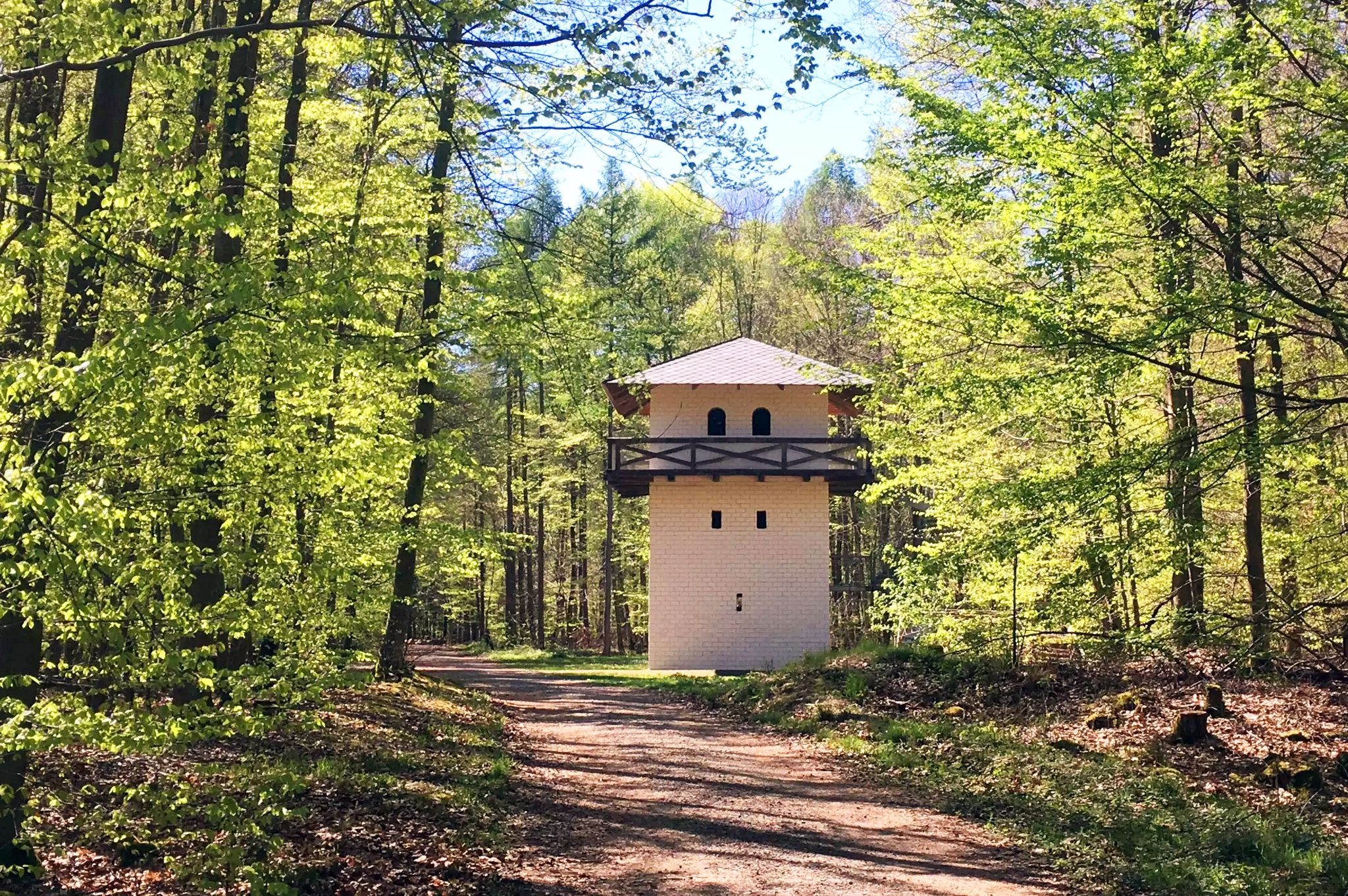
Ruins of Wart Castle and Warthof Forestry Station
Highlight • Castle
Translated by Google •
Tip by

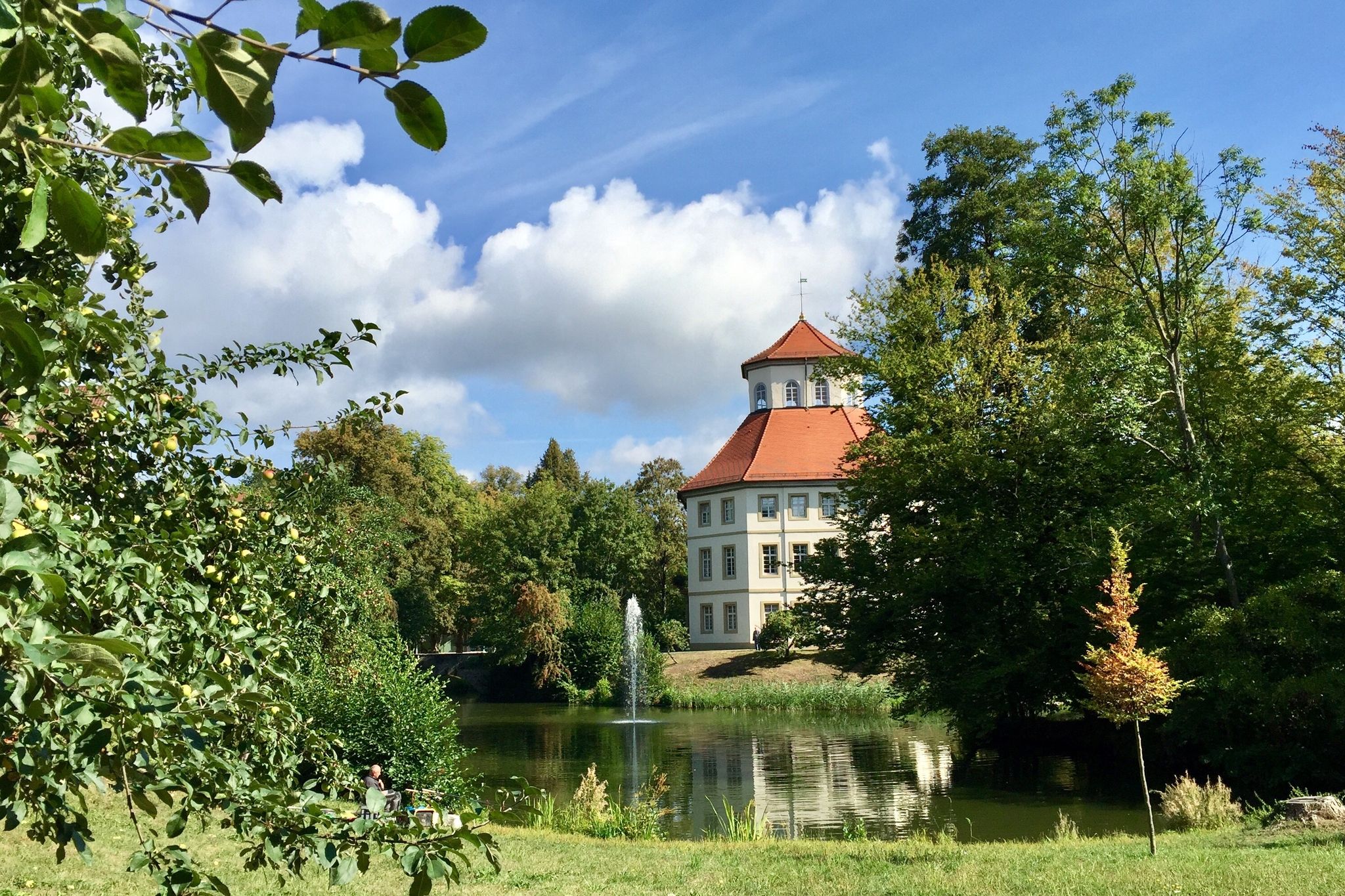
Oppenweiler Moated Castle
Highlight • Castle
Translated by Google •
Tip by

Sign up for free to discover even more castles around Murrhardt.
Sign up for free
Already have an account?
Start today with a free account
Your next adventure awaits.
Login or Signup
Popular around Murrhardt
German Limes Cycle Path – Riding from the Rhine to the Danube
The Stromberg Murrtal Bike Path – 7 stages of nature and culture
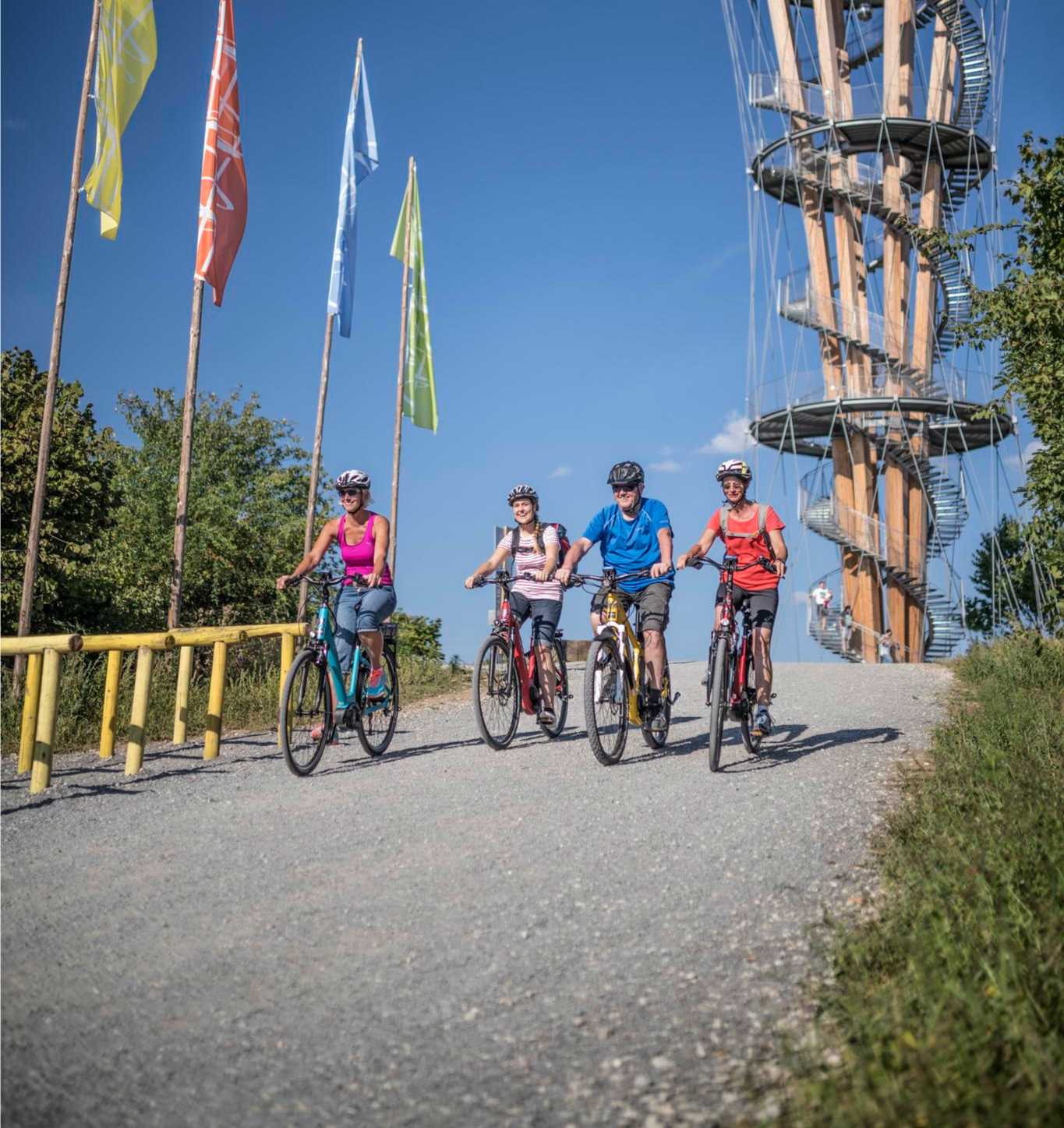
Discover Stuttgart's surroundings – main route of the Stuttgart E-Bike region
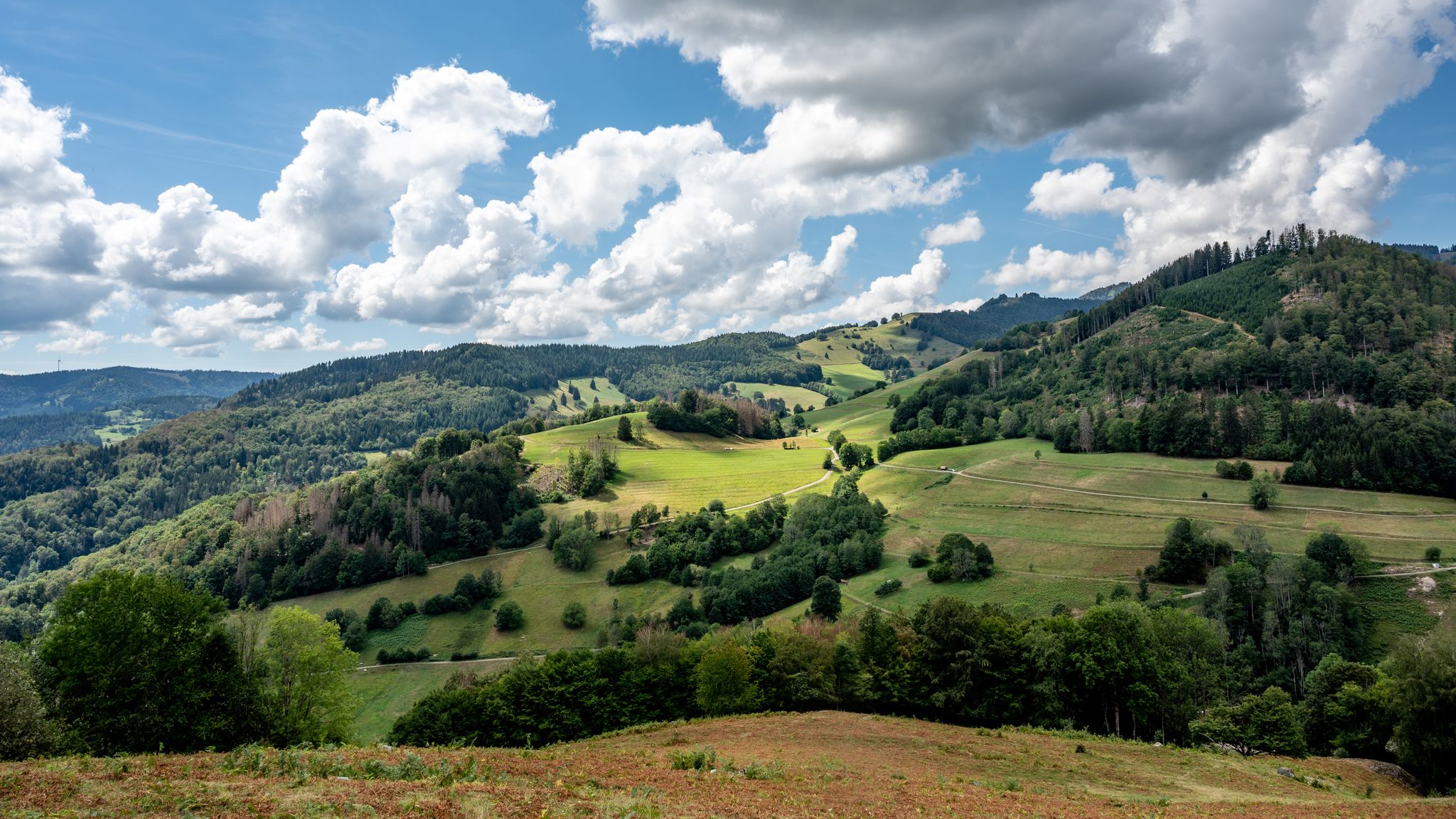
The National Natural Landscapes in Baden-Württemberg
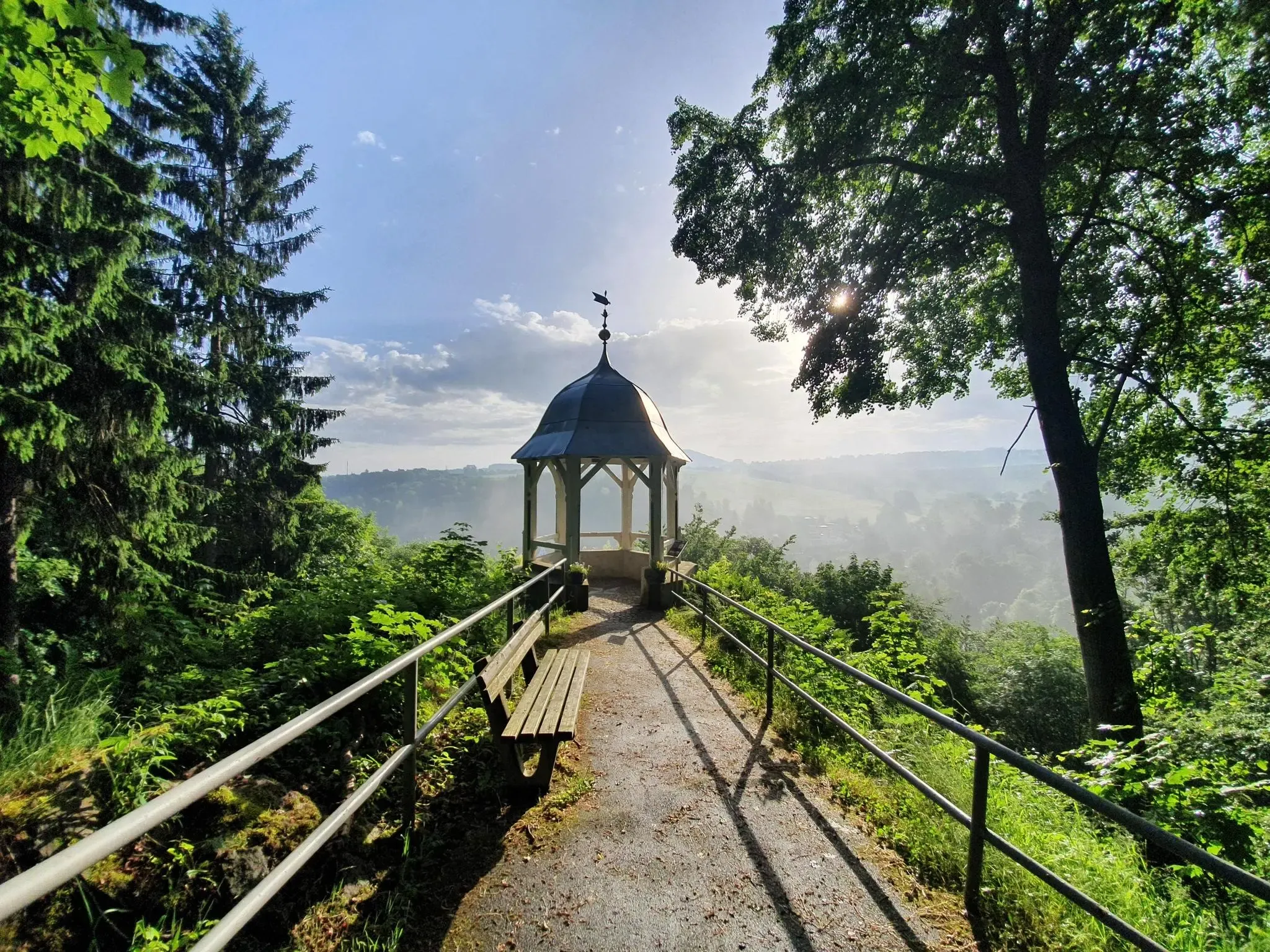
#GoFurther – discover the views of Germany!
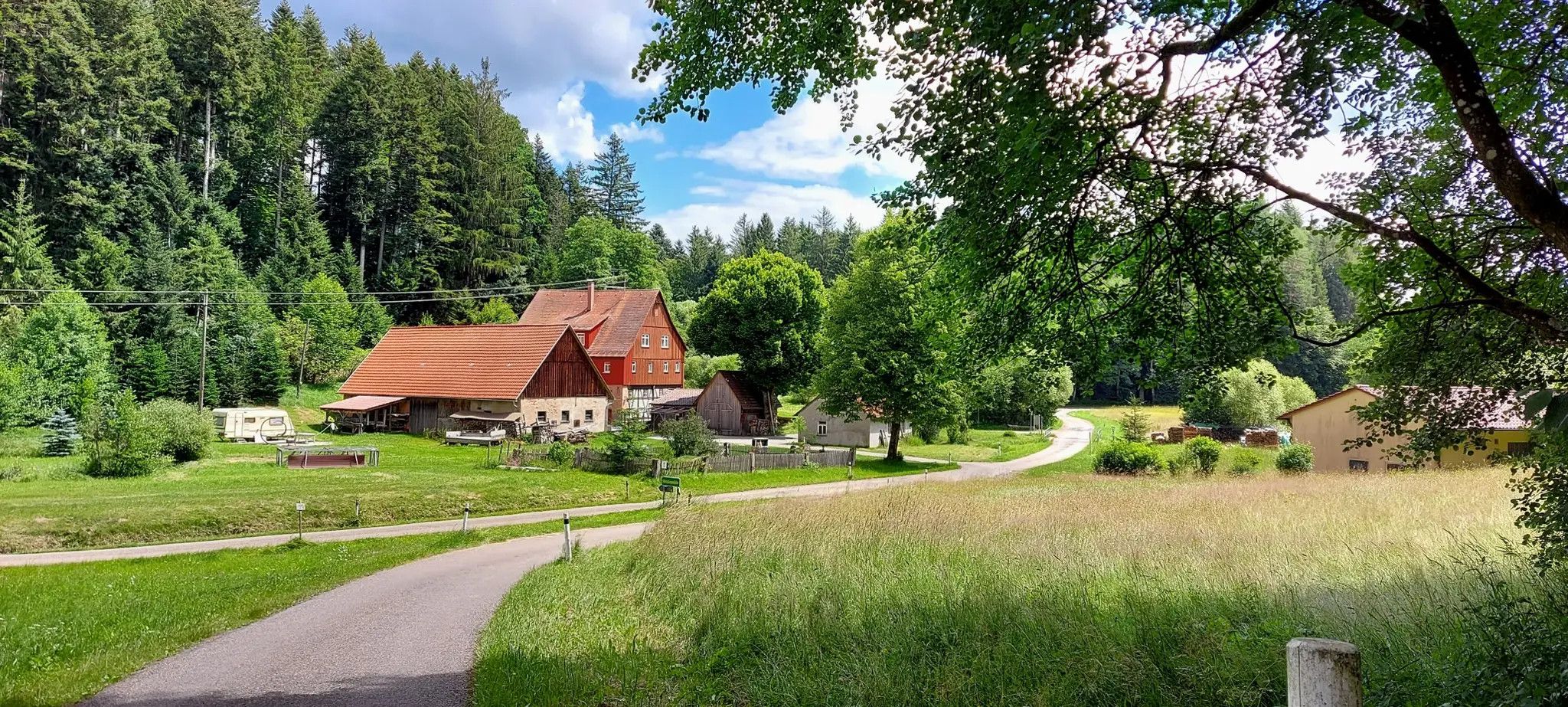
Beautiful mills in the Swabian Forest – Mühlenwanderweg
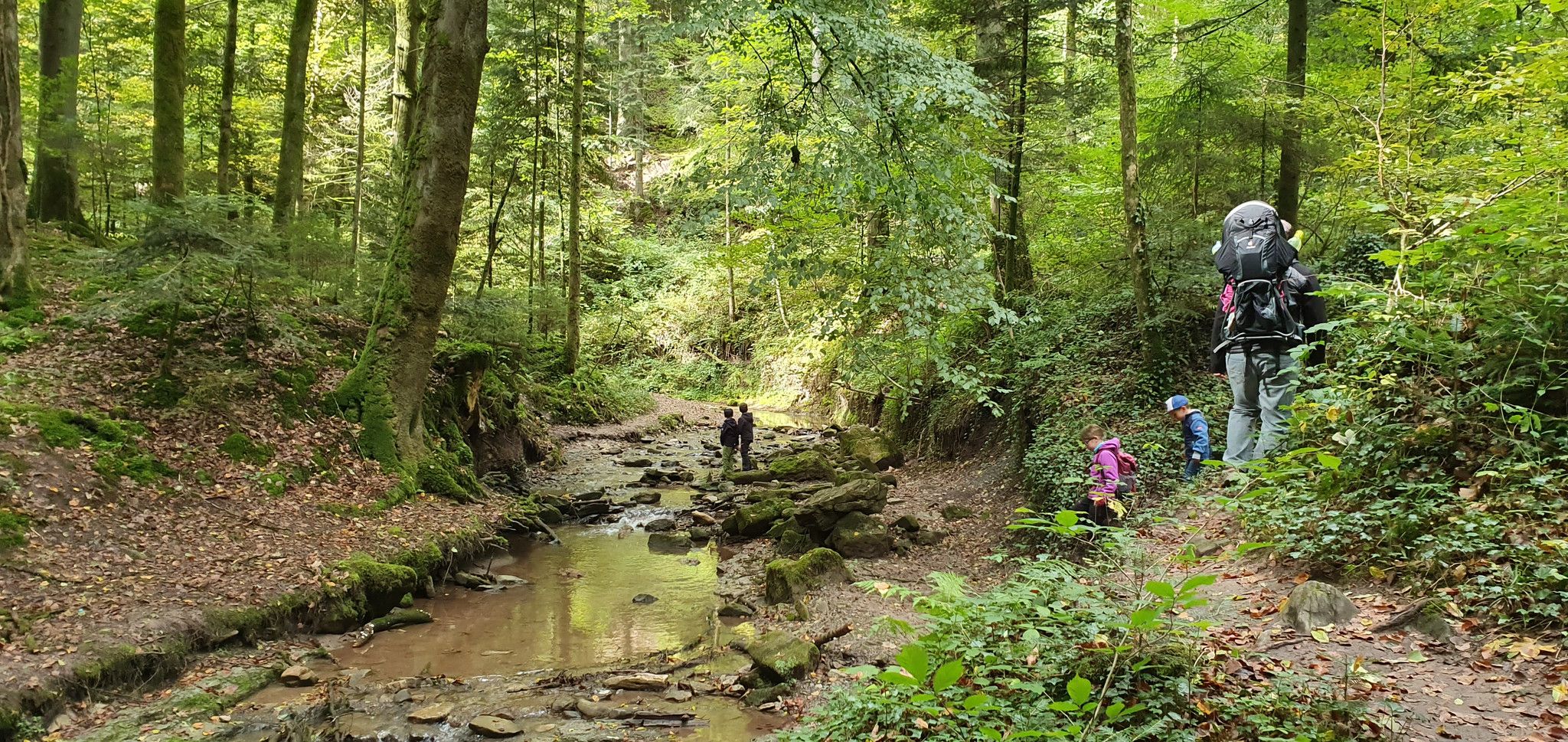
Hot days, cool swims – water walks in the Swabian Forest
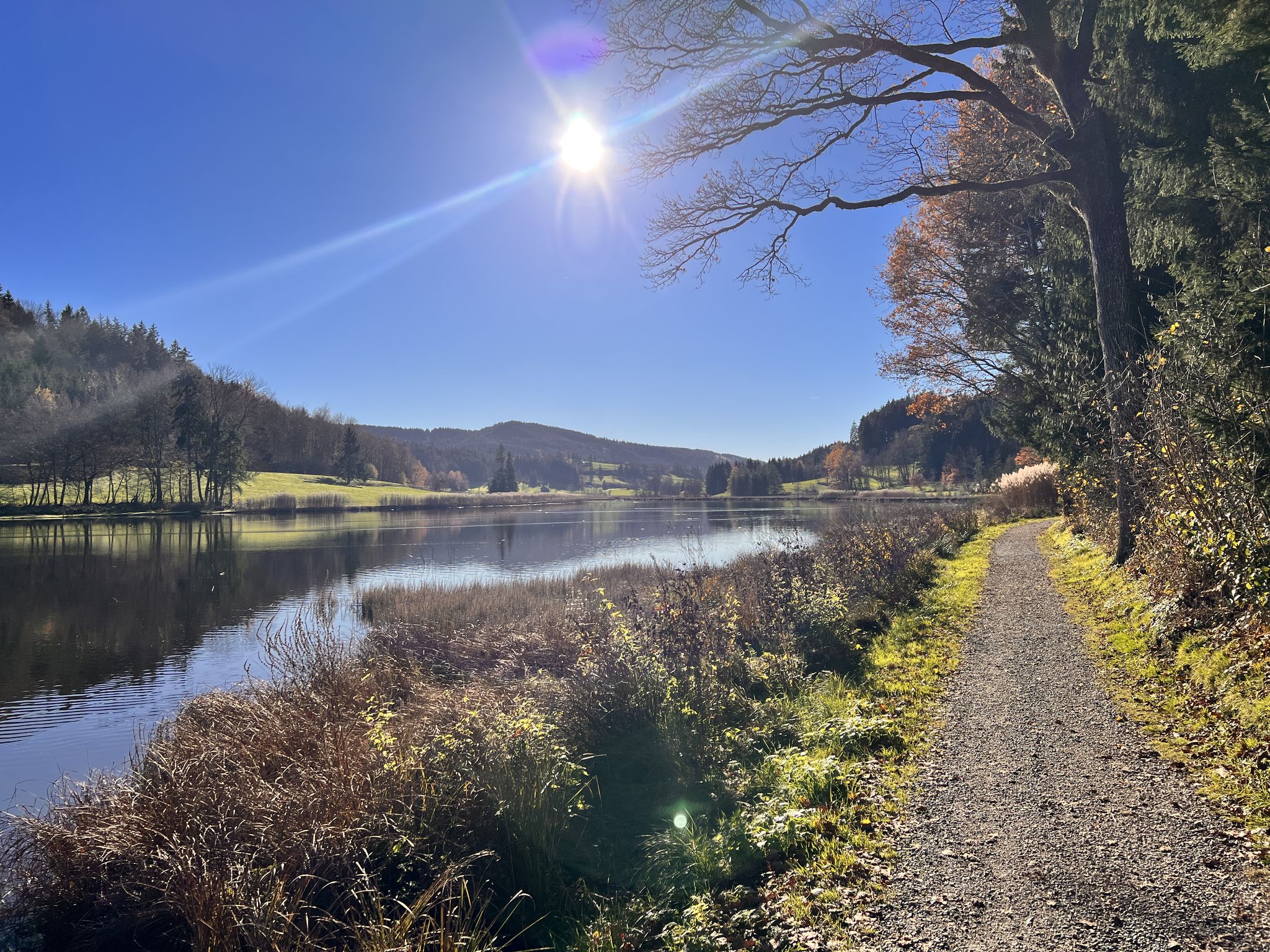
Run Wild – trail running routes throughout Germany
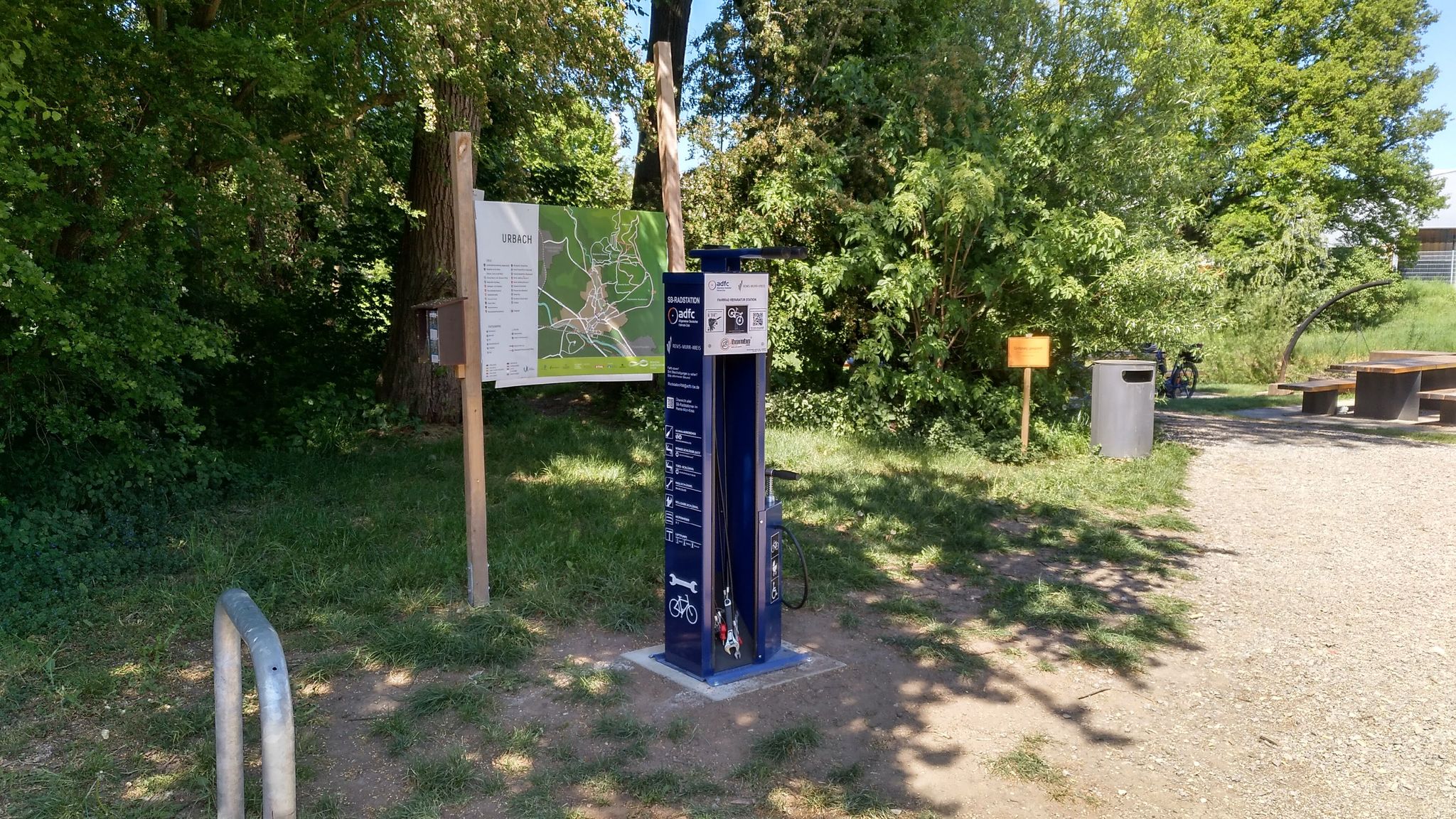
Bicycle service stations in Rems-Murr-Kreis
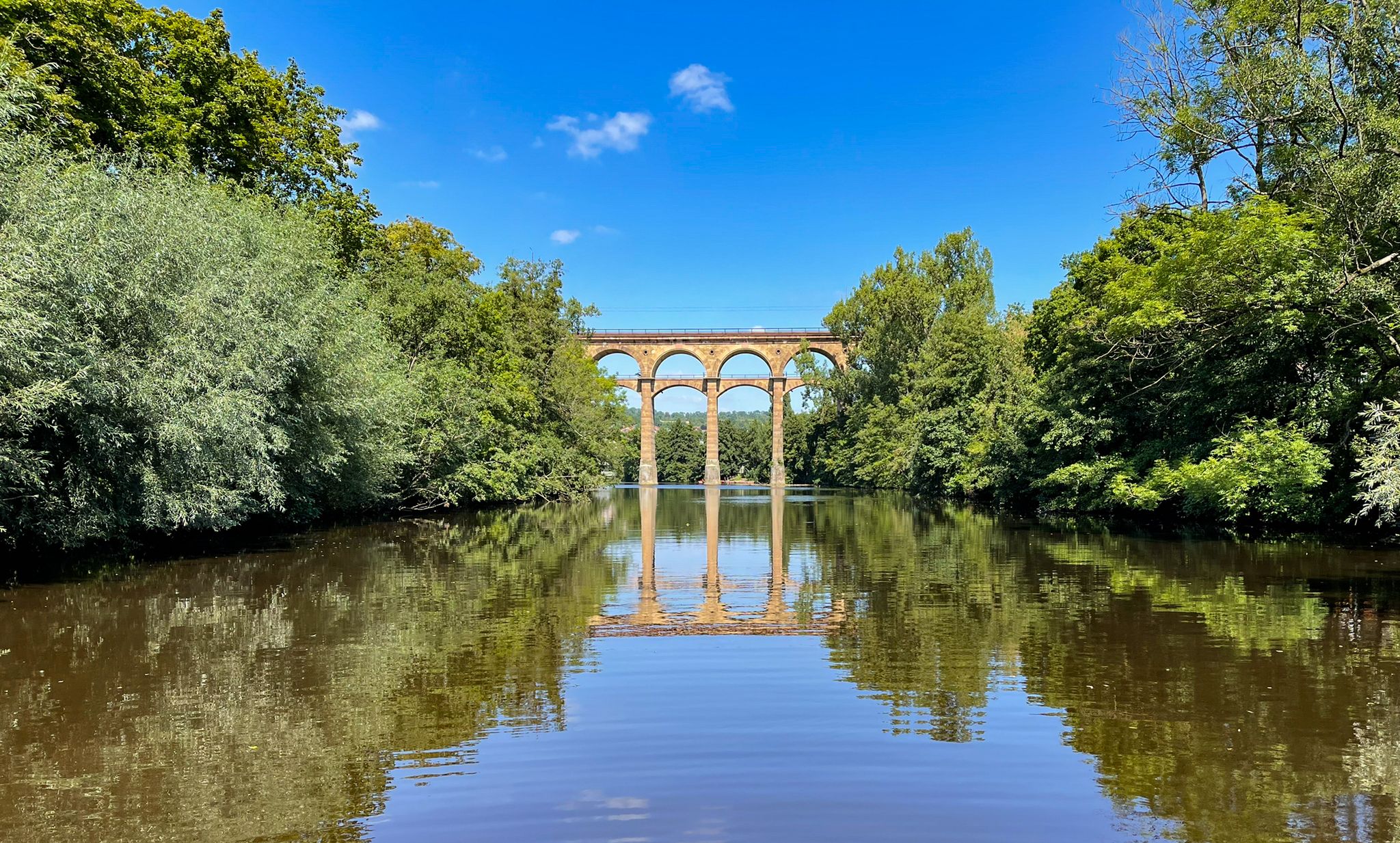
The Stromberg Murrtal Bike Path – 7 stages of nature and culture
Other adventures around Murrhardt


Tips from the Community

The hilltop castle was built between 1230 and 1231 by Margrave Hermann V of Baden, who, like his brother, was a loyal supporter of the Hohenstaufen Emperor Frederick II. It is said to have been closely related to Ebersberg Castle, built at the same time in what is now the Auenwald forest, and the upper castle in Besigheim. The dimensions, furnishings, and existing stonemasonry marks of the three castles are identical. In the Middle Ages, administrative centers were usually located in castles. Reichenberg Castle, for example, was also a so-called ministerial castle. The knights Wolfram and Berthold von Reichenberg are mentioned as early as 1230. Reichenberg was therefore the official seat and thus also the administrative center of the surrounding areas. From 1293 onwards, the Sturmfeder von Oppenweiler family resided in the castle as ministerials. In the 19th century, the castle was the seat of the forestry office of the Kingdom of Württemberg, among others. Karl von Schiller, a son of Friedrich Schiller, worked there as a district forester from 1822 to 1833. In 1888, the castle was leased to the Samaritan Foundation, which operated a social facility there to care for people with disabilities. In 1929, the Samaritan Foundation acquired Grafeneck Castle near Gomadingen and relocated the home there. In 1930, the castle was leased to the Evangelical Society of Stuttgart, which operated a shelter for Stuttgart prostitutes there until the 1950s, as prostitution had increased sharply in Stuttgart due to the general hardship after the First World War. The Evangelical Society of Stuttgart subsequently converted the castle back into a residential home for people with disabilities.
0
0


This effort is rewarded with a wonderful view
0
0

Training center from Forest BW. Very well maintained property.
2
0

The highlight is hidden in the forest and can be reached by driving down from the Kanapee on Hohe Straße in Lautertal (e.g. to the Wetzsteinstollen). In any case, stop and look around. The remains of the former Wart Castle are still there!
2
0

The view from the castle into the valley is great, the people who built it in the 12th century already knew where it was nice, respect, here, in the rural area, you just feel good, here you have to take a deep breath, first when you're back in the big city, you know what you're missing, the fresh air.
1
0
Very interesting castle complex. Unfortunately you cannot visit them. Guided tours for schoolchildren and/or groups of adults can be booked.
1
0

An old town with a castle and half-timbered houses
4
0
Frequently Asked Questions
What types of historical fortifications can I explore around Murrhardt?
Around Murrhardt, you can explore a diverse range of historical fortifications. These include remnants of Roman forts like the Kastell Murrhardt, medieval castle ruins such as the Hunnenburg, and fortified monastic complexes like the Murrhardt Monastery with its 'Hexenturm'. While not all are traditional castles, they offer rich insights into the region's past.
Are there any well-preserved castles or castle-like structures to visit near Murrhardt?
While Murrhardt itself features mostly ruins and historical sites, you can find well-preserved castle-like structures nearby. Oppenweiler Castle is a beautiful, idyllic building set in a park with a lake. Additionally, the impressive Villa Franck, though not a medieval castle, is a 'schlossartiges Gebäude' (castle-like building) with Neobaroque and Art Nouveau elements, offering grandeur and scenic views.
Which castles or ruins offer good viewpoints?
For excellent views, consider visiting View of Reichenberg Castle, which provides a nice perspective of the best-preserved Romanesque castle in the Rems-Murr district. Waldenstein Castle also offers a scenic location dominating the Wieslauf Valley.
Are there family-friendly castles or historical sites in the Murrhardt region?
Yes, several sites are suitable for families. Gaildorf — Old Town and Castle is a charming settlement with a castle and half-timbered buildings, offering good rest stops. Oppenweiler Castle, with its idyllic park and lake, is also family-friendly. The Ruins of Wart Castle and Warthof Forestry Station are hidden in the forest and can be an interesting exploration for families.
What outdoor activities can I combine with visiting castles around Murrhardt?
The Murrhardt region is excellent for combining castle visits with outdoor activities. You can enjoy various hiking trails, including those around the castles. Popular options include the 'Waldklingen in Murrhardt' or the 'Rear Hörschbach Waterfall' loops. For more details and routes, check out the Hiking around Murrhardt guide.
Are there any specific hiking trails that lead to castle ruins?
Yes, many of the castle ruins and historical sites are integrated into hiking routes. For instance, the Ruins of Wart Castle and Warthof Forestry Station are hidden in the forest and can be reached via trails. Exploring the Hunnenburg also involves a walk to its hilltop location. You can find detailed routes in the Hiking around Murrhardt guide.
What is the best time of year to visit the castles and historical sites in Murrhardt?
The Murrhardt region is beautiful year-round. Spring and autumn offer pleasant temperatures for hiking and exploring the outdoor ruins, with vibrant foliage or blooming nature. Summer is ideal for longer days and enjoying the scenic views. Even winter can be charming, especially if you're prepared for cooler weather, as the historical sites take on a different, often serene, atmosphere.
Can I find cafes or restaurants near the castles in Murrhardt?
While specific cafes might not be directly adjacent to every ruin, towns like Gaildorf, home to Gaildorf — Old Town and Castle, offer various rest stops and good restaurants. Murrhardt itself, being a central town, provides dining options. It's advisable to check local listings for specific locations before your visit.
What are some lesser-known or 'hidden gems' among the historical sites?
Beyond the more prominent sites, the Hunnenburg offers a sense of Murrhardt's medieval past with only traces remaining, appealing to those interested in exploring ruins and local legends. The minimal remains of Burg Wolkenstein also hint at a past noble presence, making it a spot for history enthusiasts to ponder.
Are there any castles or historical sites accessible by public transport?
Murrhardt itself is connected by public transport. From there, some sites might be reachable via local buses or a short walk. However, many of the ruins and natural viewpoints are best accessed by car or as part of a longer hike. It's recommended to check local bus schedules and walking distances for specific destinations.
What natural features can I expect to see when visiting castles around Murrhardt?
The castles and historical sites around Murrhardt are nestled within the scenic Murr Valley and the Swabian-Franconian Forest. You can expect to see lush forests, rolling hills, and sometimes lakes, such as near Oppenweiler Castle. The region is also known for its gorges and waterfalls, which can be explored on nearby hiking trails, offering a beautiful natural backdrop to the historical sites.
Most popular routes around Murrhardt
Most popular attractions around Murrhardt

Get inspired with the komoot mobile app


Explore more
Looking for the best castles somewhere else? Discover other guides around Murrhardt:
