The best traffic-free bike rides around Murrhardt
4.4
(758)
3,878
riders
99
rides
No traffic touring cycling routes around Murrhardt are situated within the Swabian Forest and the Swabian-Franconian Forest Nature Park. The region features a landscape of rolling hills, dense forests, and clear lakes, providing varied terrain for cycling. Picturesque valleys, known locally as "Klingen," and rugged gorges characterize the area's natural beauty. A well-developed network of cycle paths supports exploration of these diverse natural features.
Best no traffic touring cycling routes around Murrhardt
- The most popular no traffic touring cycling route…
Last updated: September 30, 2026
4.9
(11)
39
riders
63.1km
04:39
890m
890m
Hard bike ride. Very good fitness required. Mostly paved surfaces. Suitable for all skill levels.
4.8
(27)
62
riders
22.8km
01:29
280m
280m
Moderate bike ride. Good fitness required. Mostly paved surfaces. Suitable for all skill levels.

4.8
(6)
57
riders
26.2km
01:57
350m
350m
Moderate bike ride. Good fitness required. Mostly paved surfaces. Suitable for all skill levels.
4.7
(6)
55
riders
30.9km
02:25
410m
410m
Moderate bike ride. Good fitness required. Mostly paved surfaces. Suitable for all skill levels.
4.3
(11)
39
riders
86.3km
05:27
920m
920m
Hard bike ride. Very good fitness required. Mostly paved surfaces. Suitable for all skill levels.
Get access to more routes and recommendations from other explorers.
Already have an account?
Our route recommendations are based on thousands of hikes, rides, and runs completed by other people on komoot.
Start today with a free account
Your next adventure awaits.
Popular around Murrhardt
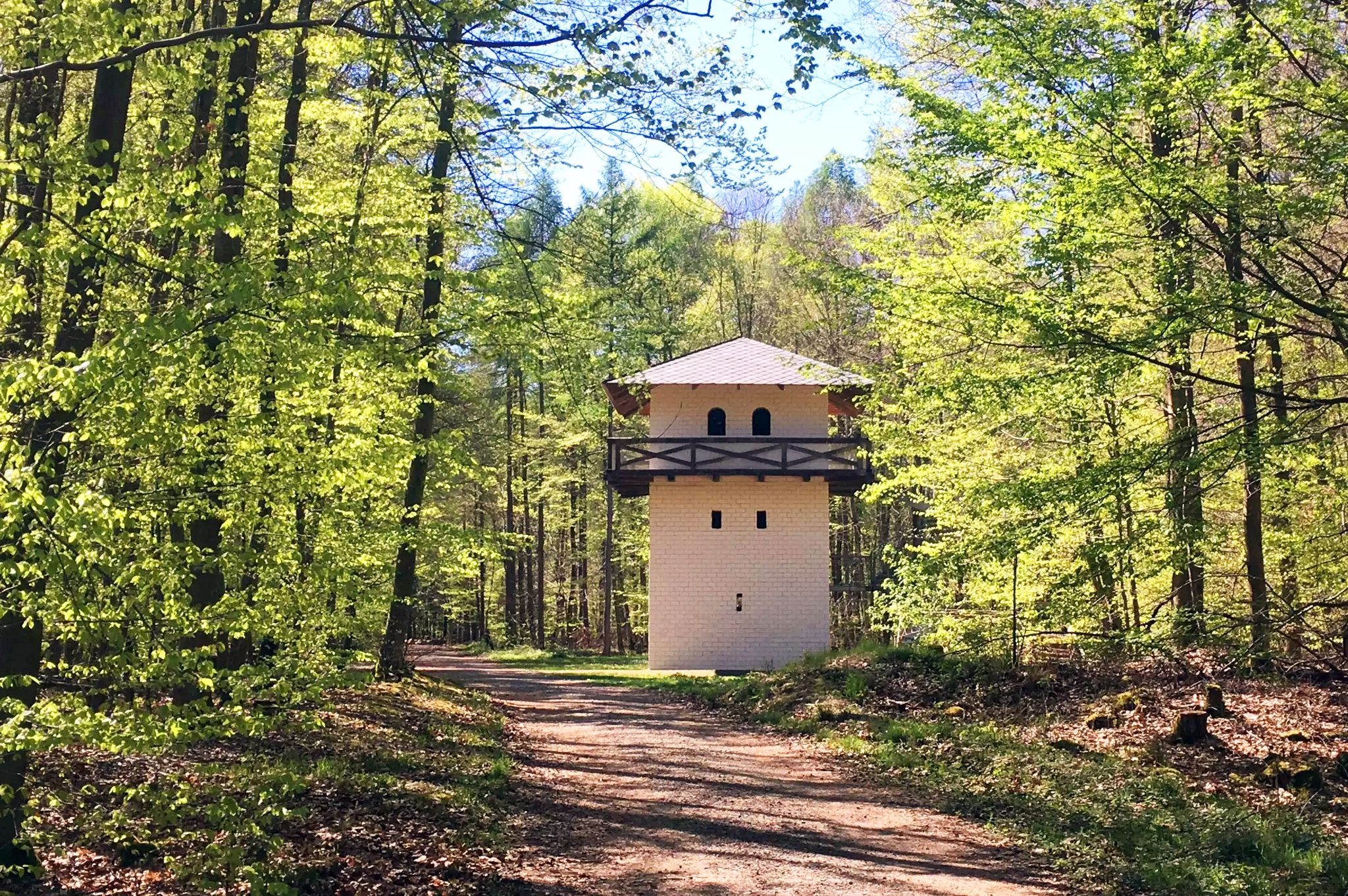
German Limes Cycle Path – Riding from the Rhine to the Danube
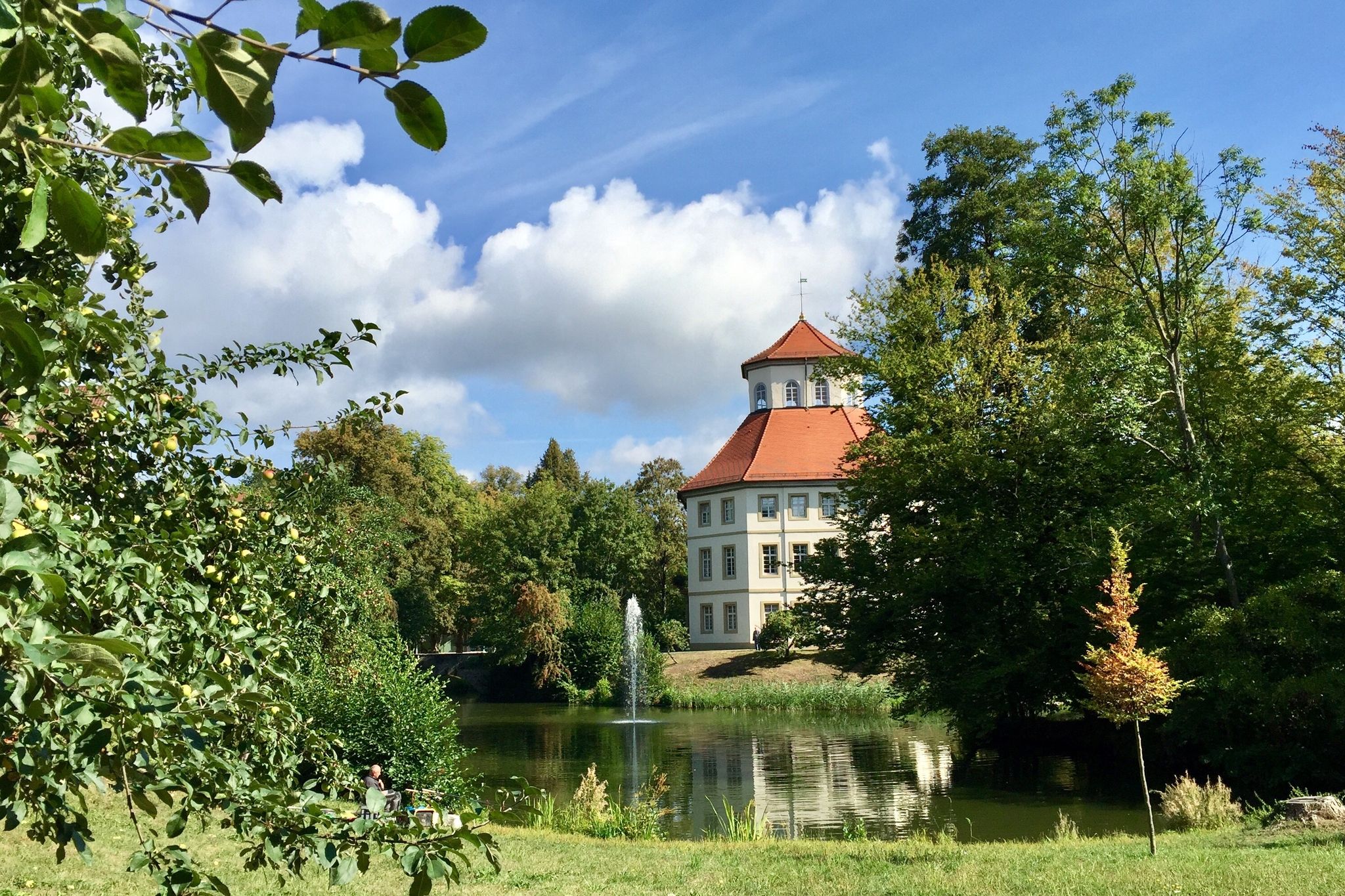
The Stromberg Murrtal Bike Path – 7 stages of nature and culture
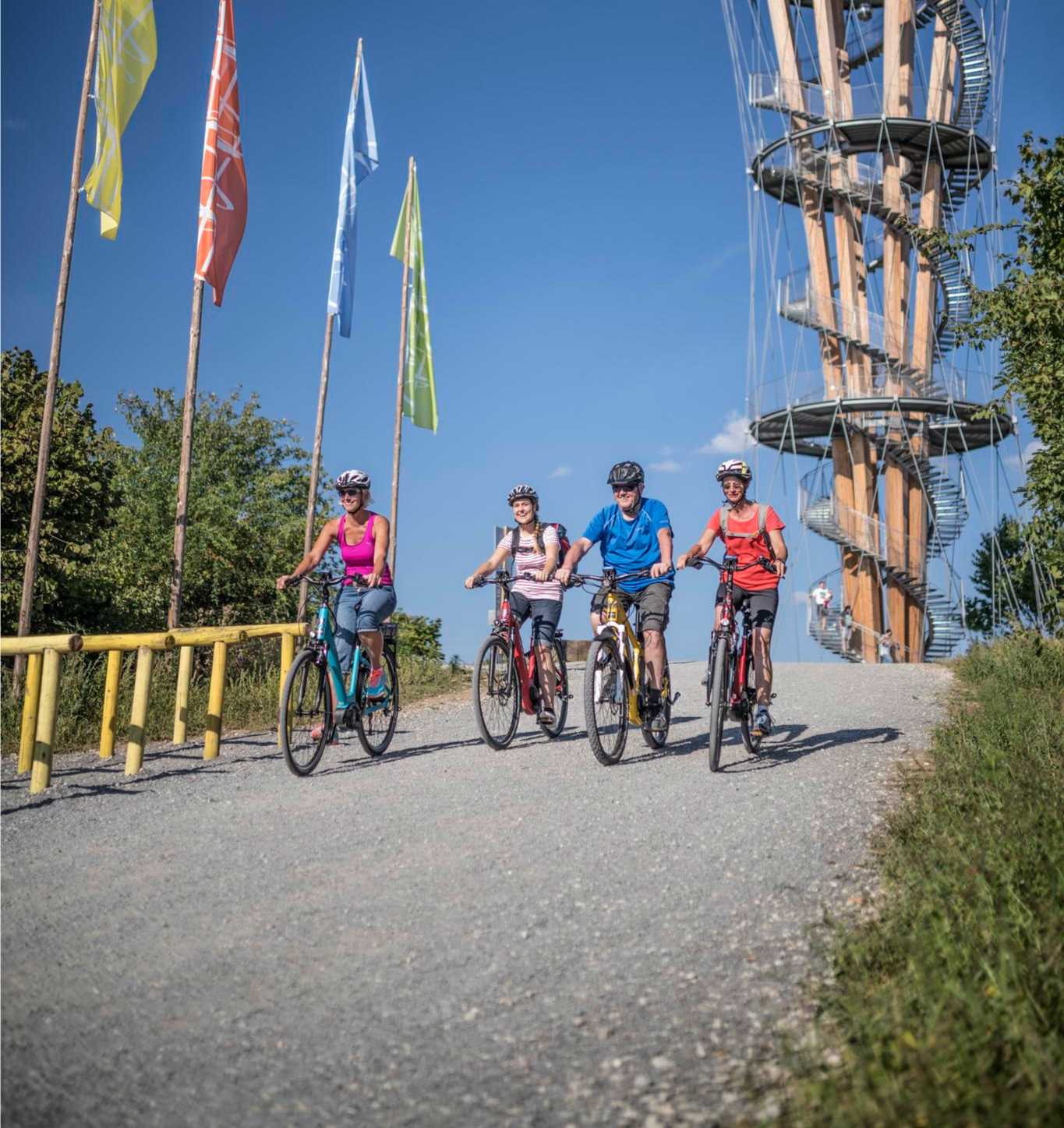
Discover Stuttgart's surroundings – main route of the Stuttgart E-Bike region
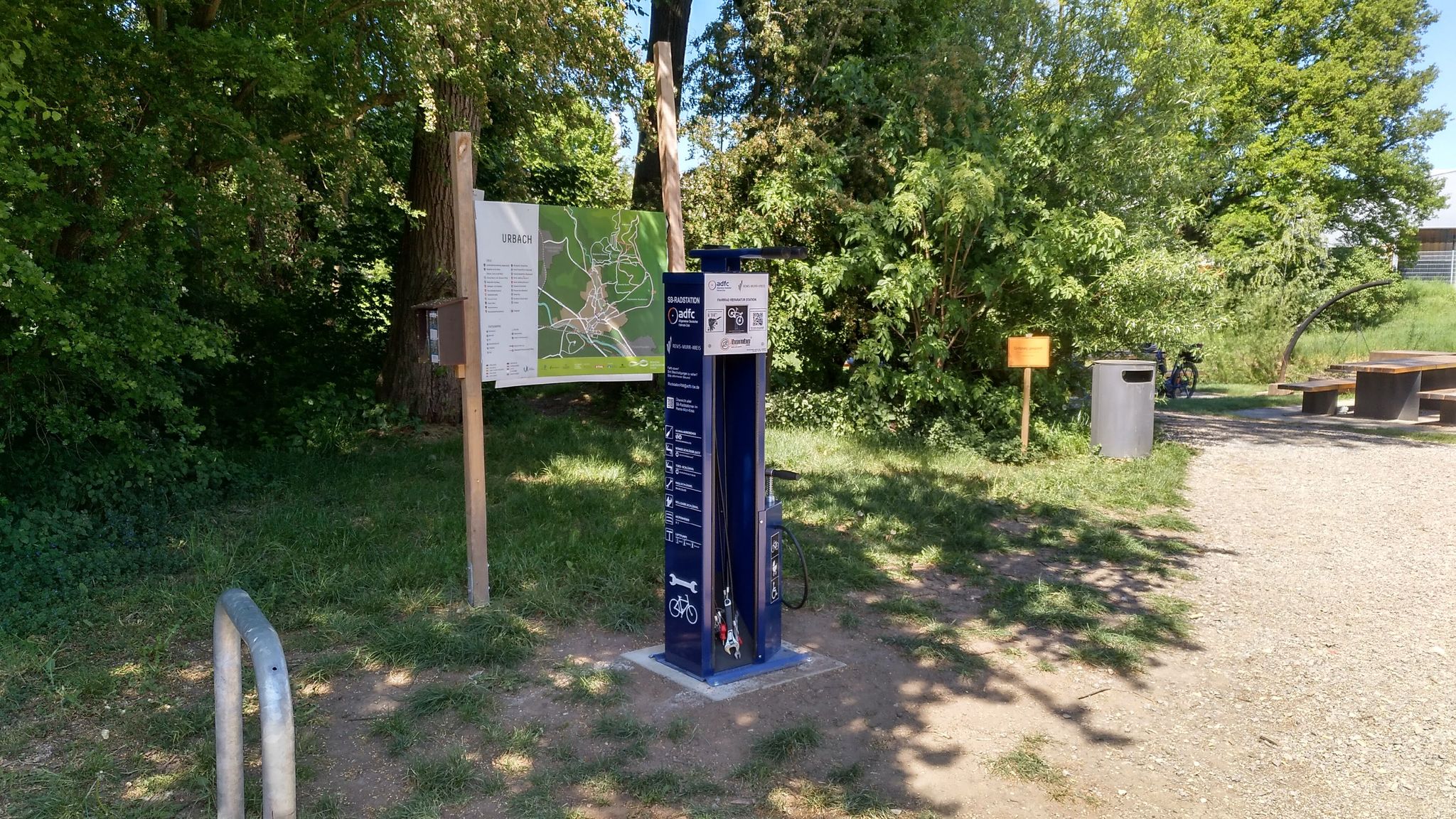
Bicycle service stations in Rems-Murr-Kreis
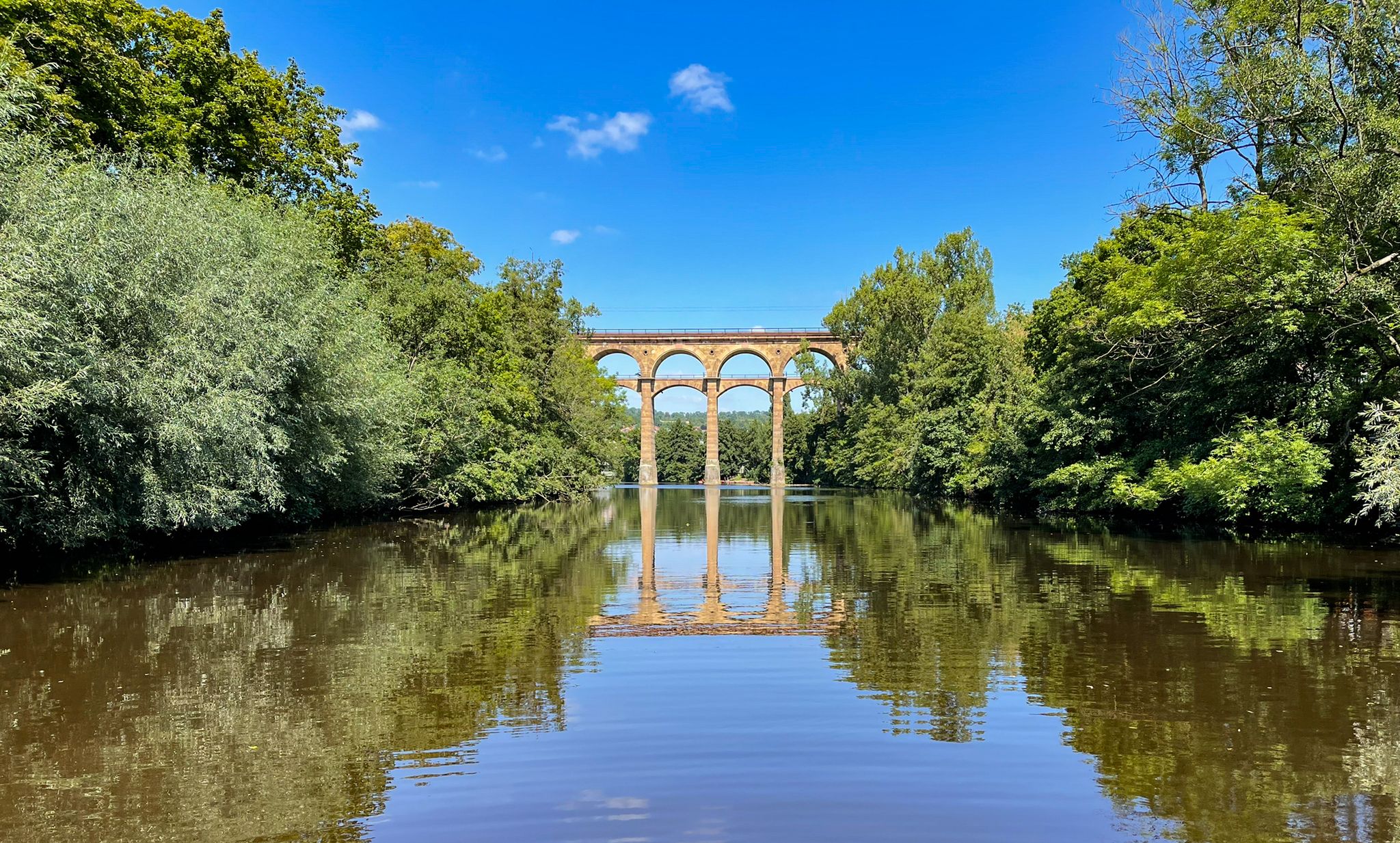
The Stromberg Murrtal Bike Path – 7 stages of nature and culture
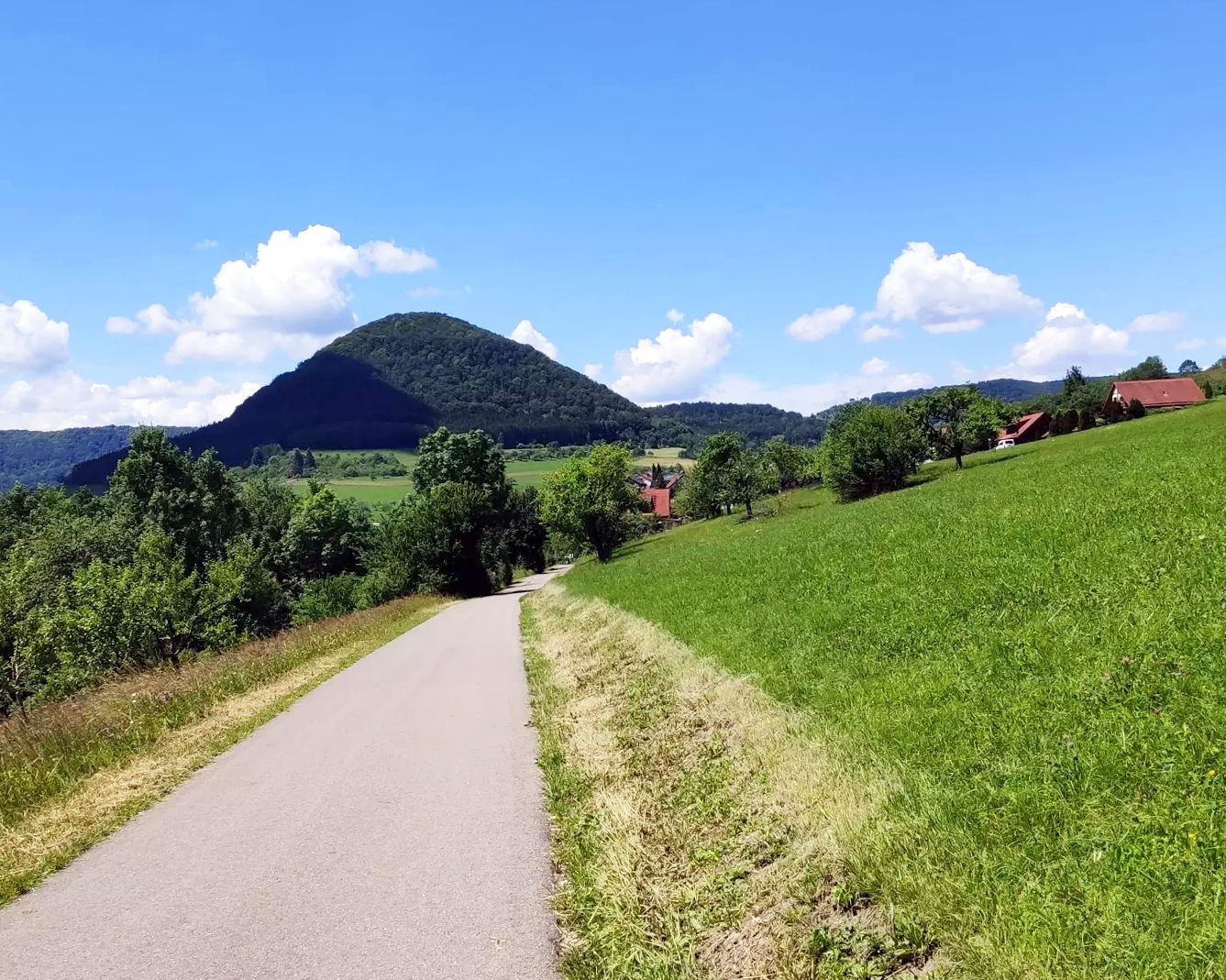
Ride the Stuttgart Region Electric Bike Tour through 5 rural districts
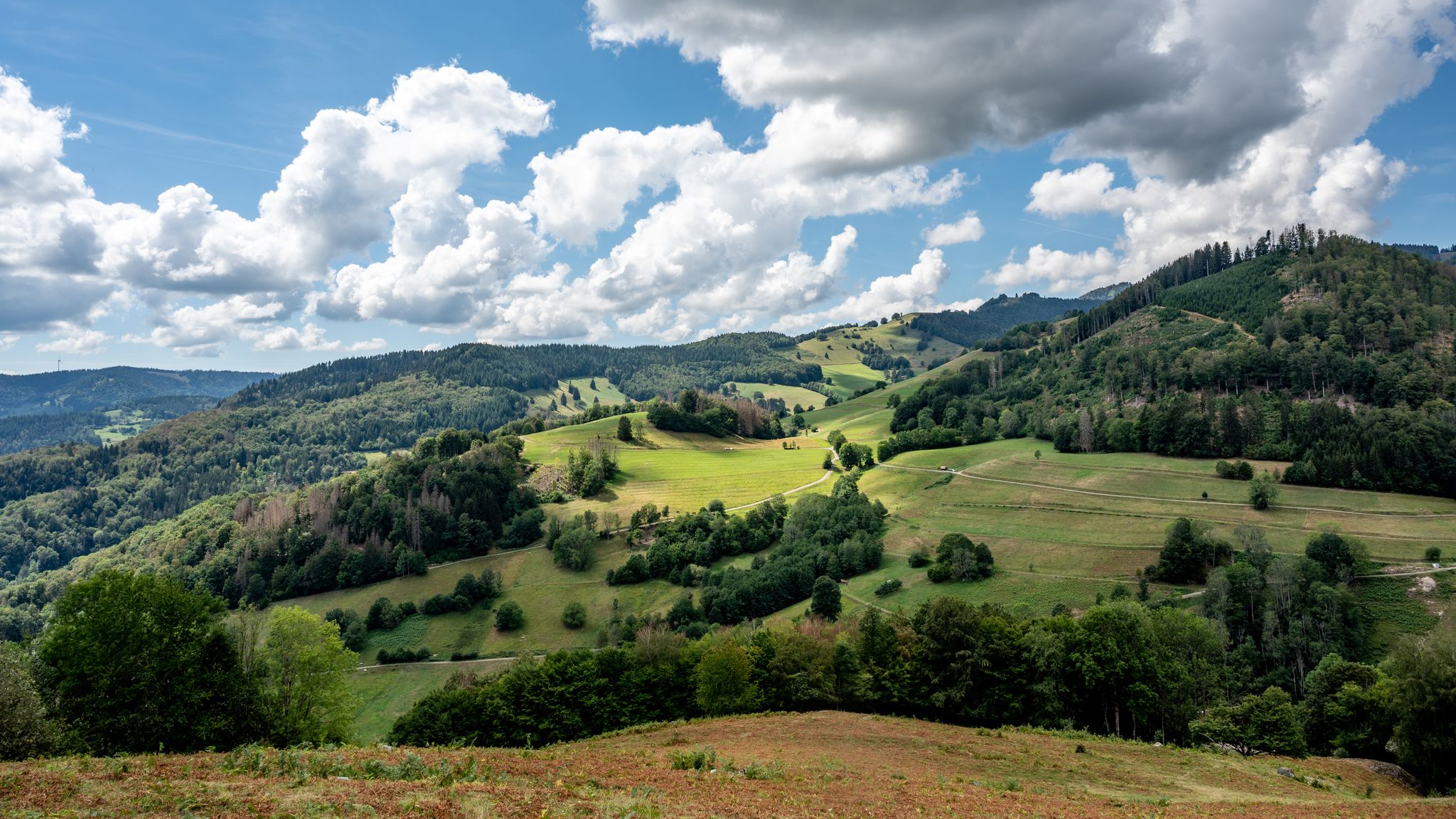
The National Natural Landscapes in Baden-Württemberg
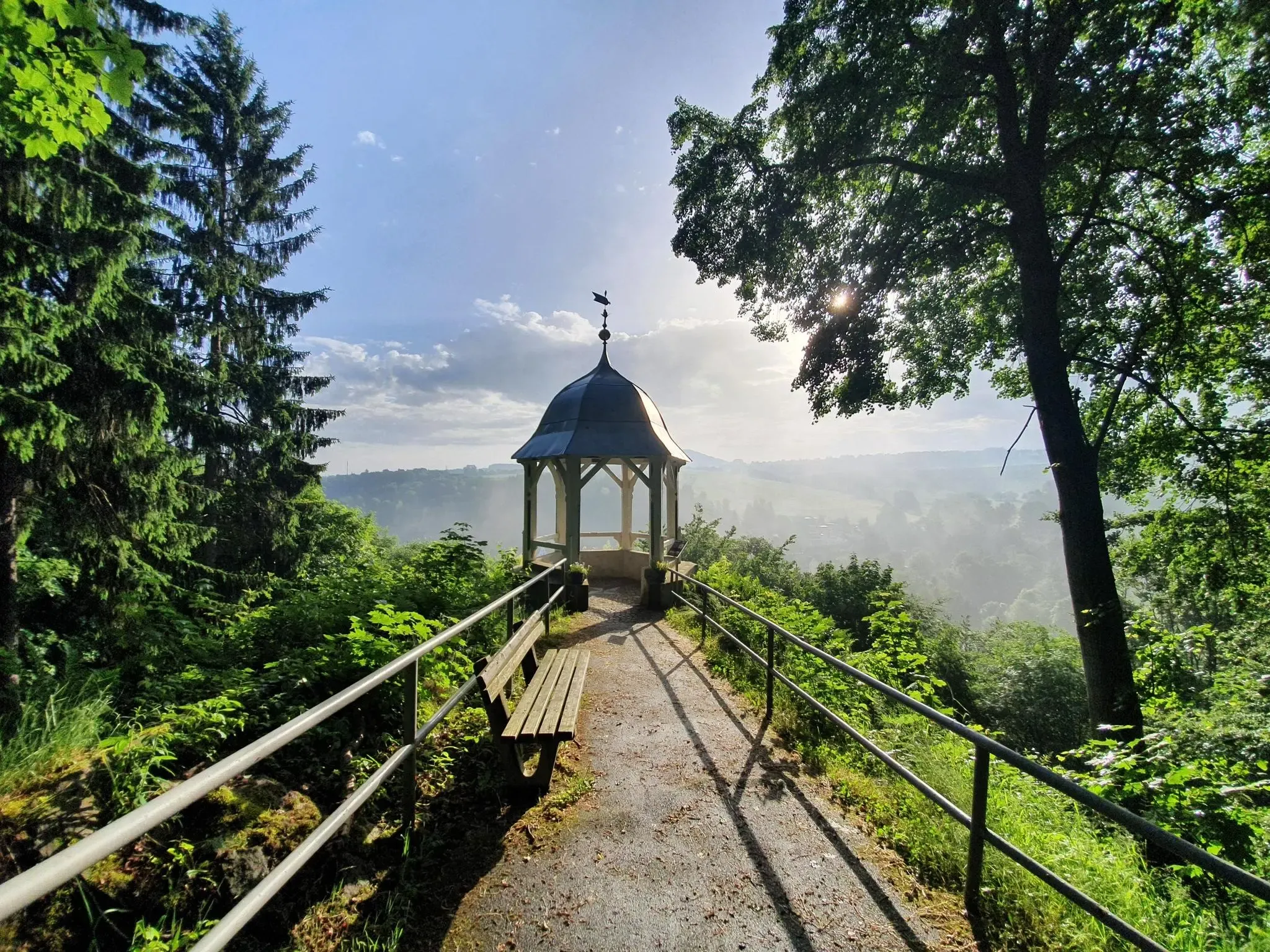
#GoFurther – discover the views of Germany!
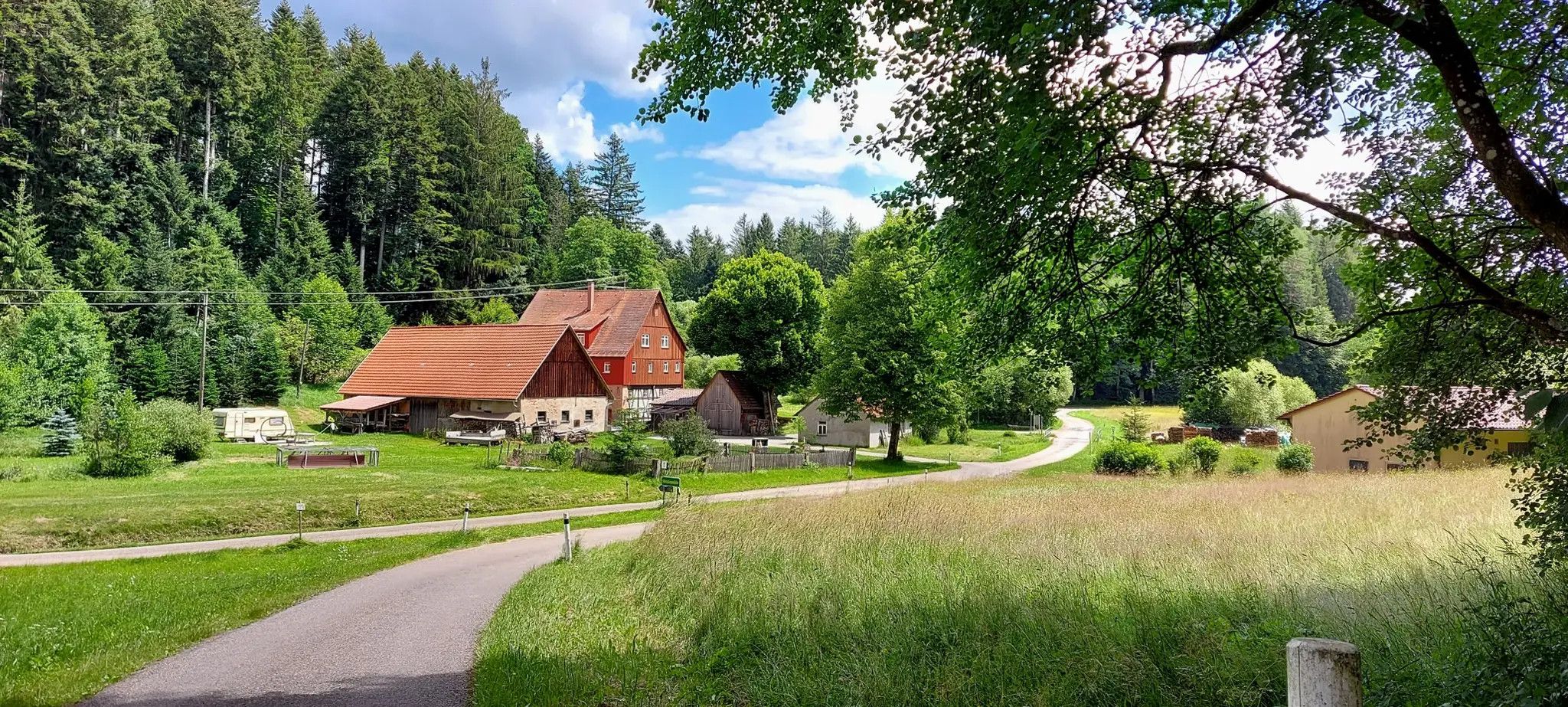
Beautiful mills in the Swabian Forest – Mühlenwanderweg
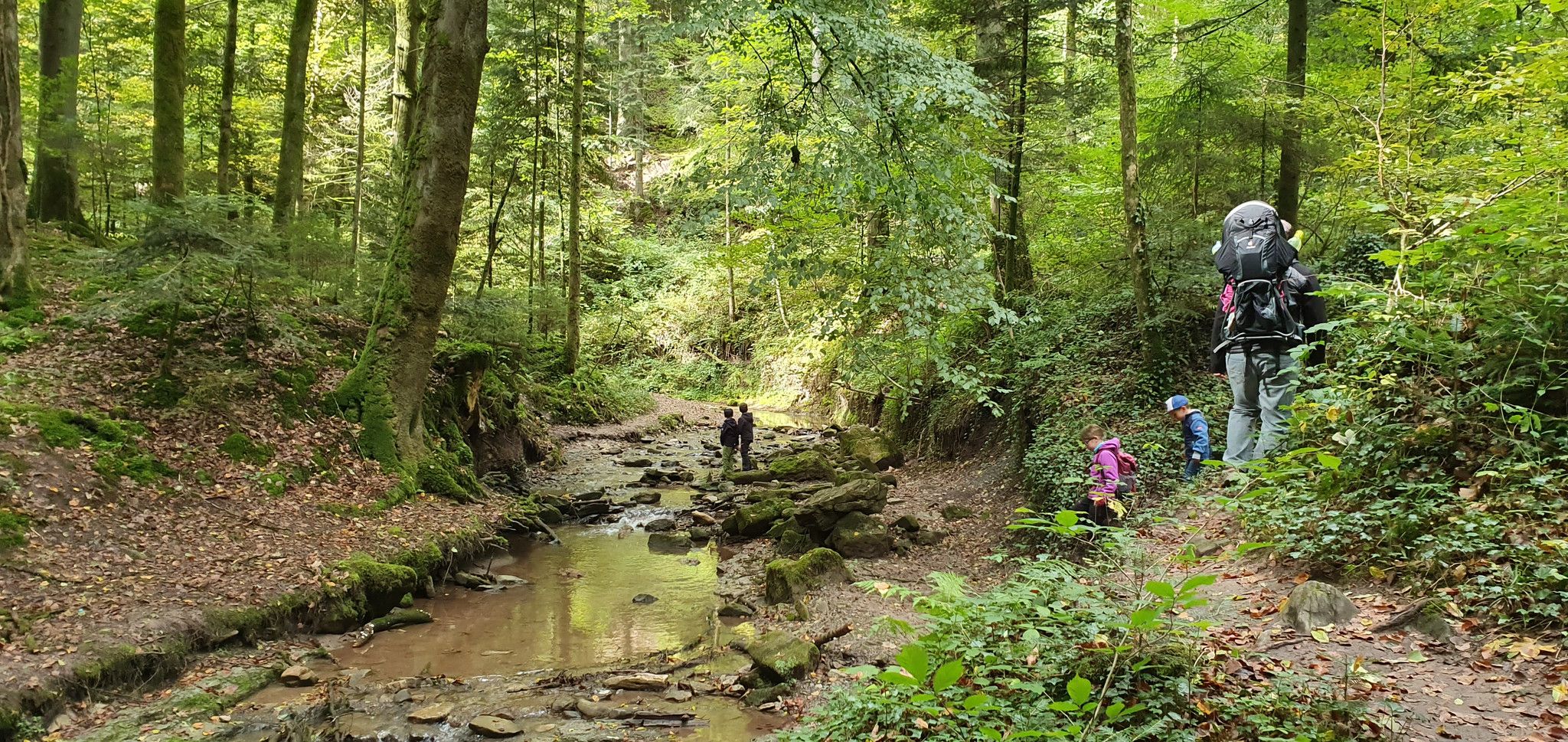
Hot days, cool swims – water walks in the Swabian Forest
Other adventures around Murrhardt


Tips from the Community

Lautereck Castle built in the 16th century by the Princes of Löwenstein
1
0


Beautifully tranquil lake, swimming is possible. Refreshing after a strenuous hike. A hiking trail allows you to walk completely around the lake.
0
0

The former Benedictine monastery of Großcomburg is located in the Steinbach district on an old hill around the Kocher river.
4
0

The hilltop castle was built between 1230 and 1231 by Margrave Hermann V of Baden, who, like his brother, was a loyal supporter of the Hohenstaufen Emperor Frederick II. It is said to have been closely related to Ebersberg Castle, built at the same time in what is now the Auenwald forest, and the upper castle in Besigheim. The dimensions, furnishings, and existing stonemasonry marks of the three castles are identical. In the Middle Ages, administrative centers were usually located in castles. Reichenberg Castle, for example, was also a so-called ministerial castle. The knights Wolfram and Berthold von Reichenberg are mentioned as early as 1230. Reichenberg was therefore the official seat and thus also the administrative center of the surrounding areas. From 1293 onwards, the Sturmfeder von Oppenweiler family resided in the castle as ministerials. In the 19th century, the castle was the seat of the forestry office of the Kingdom of Württemberg, among others. Karl von Schiller, a son of Friedrich Schiller, worked there as a district forester from 1822 to 1833. In 1888, the castle was leased to the Samaritan Foundation, which operated a social facility there to care for people with disabilities. In 1929, the Samaritan Foundation acquired Grafeneck Castle near Gomadingen and relocated the home there. In 1930, the castle was leased to the Evangelical Society of Stuttgart, which operated a shelter for Stuttgart prostitutes there until the 1950s, as prostitution had increased sharply in Stuttgart due to the general hardship after the First World War. The Evangelical Society of Stuttgart subsequently converted the castle back into a residential home for people with disabilities.
0
0
This church on the nearby hill was the parish church of the monastery and the town. It was dedicated to Mary and has borne the name of the monastery's founder since the Reformation. Today, it serves, among other things, as a cemetery church. Walterich was buried in a grave made from Roman spolia. It was the destination of a pilgrimage, and to this day, many Murrhardt residents come during Lent to view the Mount of Olives on the exterior of the church. This is a magnificent 16th-century carving depicting the Passion of Christ.
3
0

Beautiful view towards Fornsbach. From here, the trail descends into the valley.
2
0
Frequently Asked Questions
How many no-traffic touring cycling routes are available in Murrhardt?
There are over 100 dedicated no-traffic touring cycling routes around Murrhardt. These routes cater to various skill levels, with a good selection of moderate and challenging options, and a few easier rides for a more relaxed pace.
Are there any family-friendly no-traffic cycling routes in Murrhardt?
Yes, Murrhardt offers several family-friendly options for no-traffic touring cycling. While the guide features 5 easier routes, the region's well-maintained cycle paths and generally bicycle-friendly infrastructure make many moderate routes also suitable for families looking for a relaxed ride away from traffic. Look for routes with less elevation gain for the most comfortable family experience.
What kind of natural features can I expect to see along these routes?
The no-traffic touring cycling routes in Murrhardt traverse the beautiful Swabian Forest, offering diverse natural features. You can expect rolling hills, dense woodlands, and picturesque valleys known as 'Klingen'. Highlights include several stunning waterfalls like the Front Hörschbach Waterfall and the powerful Rear Hörschbach Waterfall, as well as the scenic Strümpfelbach Valley Nature Reserve with its charming forest valleys and smaller cascades.
Are there any circular no-traffic touring routes around Murrhardt?
Yes, many of the no-traffic touring cycling routes in Murrhardt are designed as circular tours, allowing you to start and end at the same point. An example is the moderate Walterich Church, Murrhardt – View of Fischbachtal loop from Murrhardt, which offers scenic views and a manageable distance.
What do other touring cyclists enjoy most about cycling in Murrhardt?
The komoot community highly rates the touring cycling experience in Murrhardt, with an average score of 4.5 stars from over 690 reviews. Reviewers often praise the region's quiet, traffic-free routes, the beautiful forest landscapes, and the variety of natural attractions like waterfalls and gorges that can be explored along the way.
Can I find routes that offer panoramic views?
Absolutely. The Murrhardt region, with its rolling hills and elevated points, provides excellent opportunities for panoramic views. The Juxkopf Tower and Juxkopf Hut is a notable viewpoint, and routes like the moderate View of Murrhardt – View of Oppenweiler loop from Murrhardt are specifically designed to showcase the area's scenic vistas.
What is the best time of year for no-traffic touring cycling in Murrhardt?
The best time for no-traffic touring cycling in Murrhardt is typically from spring through autumn. During these seasons, the weather is generally pleasant, and the forest landscapes are at their most vibrant. Spring brings blooming flora, while autumn offers stunning fall foliage. Summer is also popular, but be mindful of warmer temperatures. Winter cycling is possible, but some paths might be affected by snow or ice.
Are there any longer, more challenging no-traffic touring routes for experienced cyclists?
Yes, for experienced touring cyclists seeking a challenge, Murrhardt offers a significant number of difficult no-traffic routes. These often feature more substantial elevation gains and longer distances. An example is the demanding Murrhardt Market Square – Hagerwaldsee loop from Murrhardt, covering over 60 km with considerable climbing.
Where can I park my car when starting a no-traffic touring cycle route in Murrhardt?
Murrhardt is well-equipped for cyclists, and you can typically find parking in and around the town center, which serves as a common starting point for many routes. Specific parking information is often available on individual route descriptions on komoot, or you can check local signage upon arrival.
Are there any places to stop for refreshments or rest along the no-traffic routes?
Yes, the Murrhardt region has several huts and lodges that can serve as excellent rest stops or places for refreshments. For instance, the Eschelhof Hiking Lodge and Klara Hut are popular spots. Many routes also pass through smaller villages where cafes or pubs might be available, especially along the well-known long-distance paths that traverse the area.
Can I reach the starting points of these routes by public transport with my bike?
Murrhardt is accessible by public transport, and the region generally supports bike transport on trains and some buses, especially along major routes like the Stromberg-Murrtal Cycle Path. It's advisable to check the specific public transport provider's regulations and schedules regarding bicycle carriage before your trip, as policies can vary.
Are there any Roman historical sites along the no-traffic cycling routes?
Yes, the Murrhardt area is rich in Roman history, being part of the UNESCO World Heritage Limes. You can find reconstructed Roman watchtowers along various trails, offering a glimpse into ancient times. While not explicitly on every cycling route, many paths run parallel or close to these historical landmarks, allowing for interesting detours.
Most popular routes around Murrhardt
Most popular attractions around Murrhardt

Get inspired with the komoot mobile app


Explore more
Browse the best Cycling routes in other regions.
