Attractions and Places To See around Sandia Park - Top 10
Best attractions and places to see around Sandia Park are characterized by the prominent Sandia Mountains, which define the region's landscape. The area offers diverse natural features, including high-elevation viewpoints and extensive forest areas. It provides opportunities to explore historical sites and unique man-made structures within a mountain environment.
Best attractions and places to see around Sandia Park
- The most popular attractions is Sandia Peak Aerial Tramway, an aerial tramway that connects Albuquerque with Sandia Peak. It is the longest aerial tramway in the Americas, providing panoramic views and access to a restaurant at the summit.
- Another must-see spot is Kiwanis Cabin, a historical cabin. The Civilian Conservation Corps built this cabin around 1930, and it remains one of the few accessible sites constructed by the Corps in New Mexico.
- Visitors also love Albert G. Simms Park in Cibola National Forest, a large park within a forest. This 640-acre park features a piñon-juniper landscape and offers views of the Jemez Mountains, along with hiking and biking trails.
- Sandia Park is known for its natural features, historical sites, and viewpoints. The region offers a variety of attractions to explore, from mountain peaks to unique man-made structures.
- The attractions around Sandia Park are appreciated by the komoot community, with 10 upvotes and 7 photos shared.
Last updated: May 13, 2026
Kiwanis Cabin
Highlight • Mountain Hut
The Corps are known to have built countless infrastructures around New Mexico, but this is one of the only remaining site that can be seen and accessed.
Tip by

Sandia Peak Aerial Tramway
Highlight • Structure
Tip by

Sign up now to discover places like this
Get recommendations on the best single tracks, peaks, & plenty of other exciting outdoor places.
Sign up for free
Sandia Crest Overlook
Highlight • Viewpoint
Tip by
Albert G. Simms Park in Cibola National Forest
Highlight • Forest
Tip by

Travertine Falls
Highlight • Waterfall
Tip by

Sign up for free to discover even more attractions around Sandia Park.
Sign up for free
Already have an account?
Start today with a free account
Your next adventure awaits.
Login or Signup

Tips from the Community

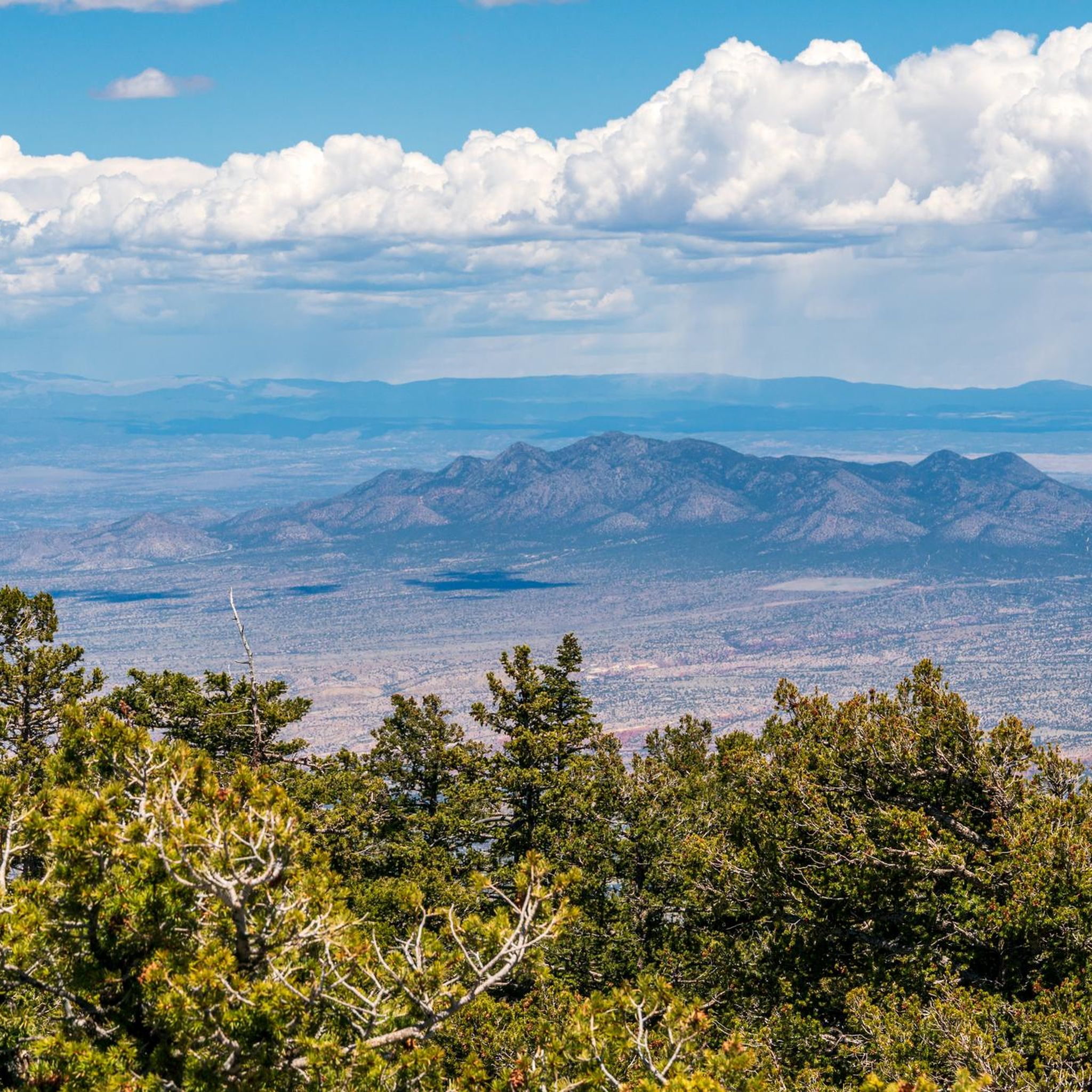
This park spans 640 acres, boasting a stunning piñon-juniper landscape. It has an elevation of 6,500 feet, with fantastic views of the Jemez Mountains to the north, Mt. Taylor to the west and the Tijeras Arroyo to the south. There are plenty of hiking and biking trails to explore, making it an ideal place to spend the day outdoors.
0
0

Two small caves with a waterfall that is more or less visible depending on the season and that you can also climb.
0
0

The Civilian Conservatives Corps built this cabin around 1930 and named it after the group that planned it: the Kiwanis. The Corps are known to have built countless infrastructures around New Mexico, but this is one of the only remaining sites that can be seen and accessed.
0
0

This seasonal waterfall is at its best during spring, when the water flows most abundantly; otherwise, you might catch just a trickle. Nevertheless, it's a splendid sight, and the fact that it's less frequented makes it a tranquil spot to enjoy.
0
0
The Civilian Conservatives Corps built this cabin around 1930 and named it after the group that planned it: the Kiwanis. The Corps are known to have built countless infrastructures around New Mexico, but this is one of the only remaining site that can be seen and accessed.
0
0

The Sandia Peak Tramway is the longest aerial tramway in the Americas, and it used to be the longest one is the world until recently. It connects the city of Albuquerque with the Sandia Peak. At the top of the tramway, there is a restaurant, TEN 3, which offers great ganoramic views.
0
0
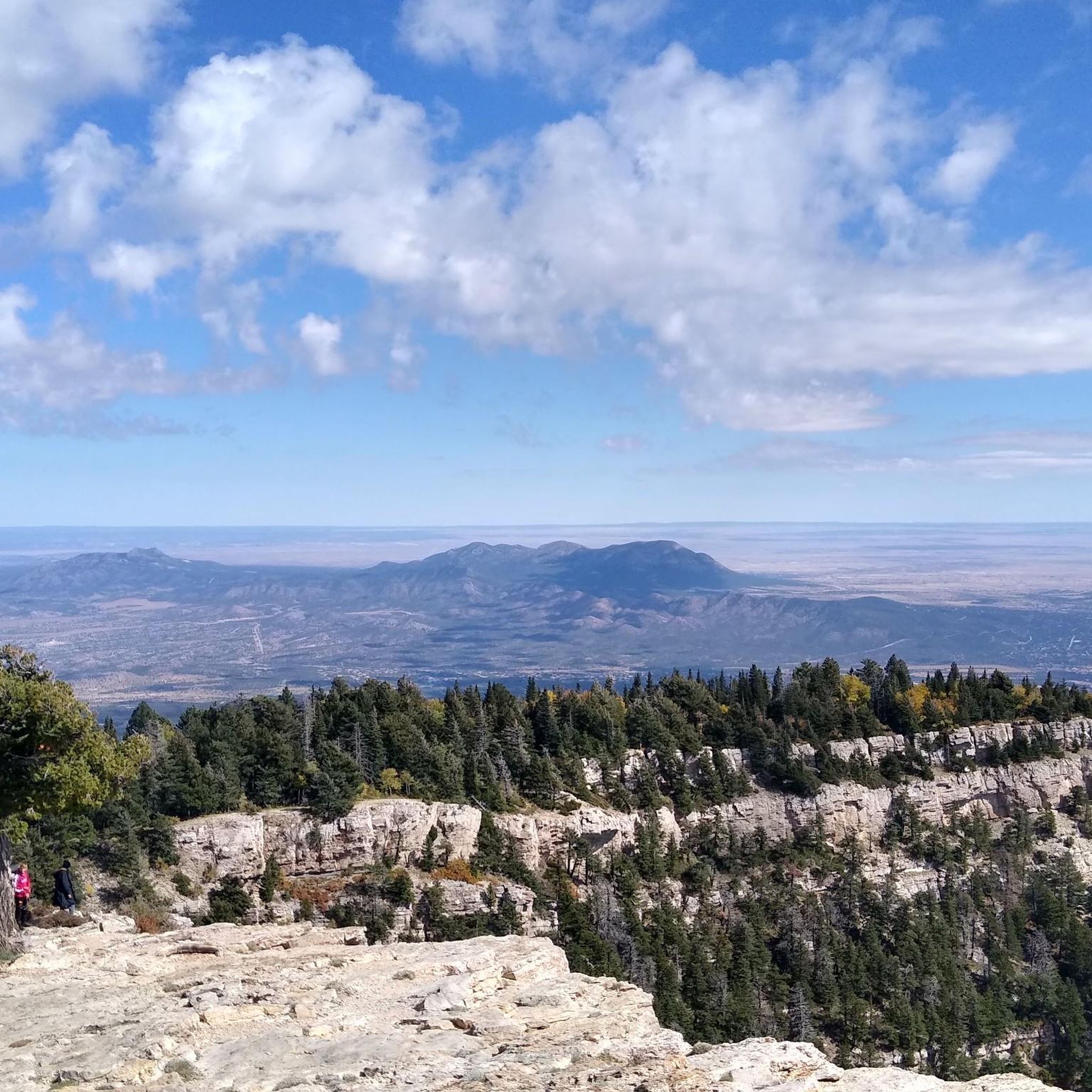
The North Sandia Peak Trail offers great views of the canyons, pine tree forests, and the impressive rock formations of the Sandia Mountains.
0
1
Frequently Asked Questions
What natural features can I explore in Sandia Park?
Sandia Park is dominated by the majestic Sandia Mountains. You can experience breathtaking panoramic views from Sunset View from Sandia Crest, which sits at 10,678 feet. The area also features Albert G. Simms Park in Cibola National Forest, a 640-acre park with a piñon-juniper landscape and views of the Jemez Mountains. For a unique natural sight, visit Travertine Falls, a seasonal waterfall best seen in spring.
Are there any historical sites to visit in the Sandia Park area?
Yes, a notable historical site is Kiwanis Cabin. This cabin was built around 1930 by the Civilian Conservation Corps and is one of the few accessible sites constructed by the Corps remaining in New Mexico. The nearby Tijeras Canyon is also historically significant as a pass traversed by Interstate 40, following the route of historic U.S. Route 66.
What family-friendly activities are available around Sandia Park?
Families can enjoy a ride on the Sandia Peak Aerial Tramway, the longest aerial tramway in the Americas, offering stunning views and a restaurant at the summit. Albert G. Simms Park in Cibola National Forest is also family-friendly, providing hiking and biking trails within a beautiful natural setting. The seasonal Travertine Falls can also be a fun, less frequented spot for families to explore.
When is the best time to visit Sandia Park for outdoor activities?
The Sandia Mountains offer year-round recreational opportunities. Spring is ideal for seeing Travertine Falls at its fullest flow. Summer and fall are excellent for hiking and enjoying the views from Sandia Crest. During winter, the Sandia Peak Ski Area offers skiing and snowboarding. Be aware that higher elevations, like Sandia Crest, can be windy and much colder due to exposure.
Can I find hiking trails near the attractions in Sandia Park?
Yes, the area around Sandia Park is rich with hiking opportunities. Albert G. Simms Park in Cibola National Forest features numerous hiking trails. The Sandia Mountains themselves offer extensive trails, including the challenging La Luz trail. For more detailed hiking routes, you can explore the Running Trails around Sandia Park guide, which includes trails like the South Crest Trail and North Crest Trail.
Are there opportunities for mountain biking or road cycling in the area?
Absolutely. Sandia Park and the surrounding mountains provide excellent terrain for both mountain biking and road cycling. You can find various routes, including challenging loops around the Sandia Peak Aerial Tramway and Kiwanis Cabin. For specific routes and difficulty levels, refer to the MTB Trails around Sandia Park and Road Cycling Routes around Sandia Park guides.
What unique cultural attractions can I find in Sandia Park?
Sandia Park is home to the unique Tinkertown Museum, open seasonally from April to October. This folk art museum showcases intricate carved figurines and displays created by Ross Ward, along with other Americana objects. It's a fascinating roadside attraction. You can also explore local art at The Old Schoolhouse Gallery and the Gallery of the Sandias.
Where can I experience the best views of the Sandia Mountains?
The most iconic views are from Sandia Crest, the highest point at 10,678 feet, offering panoramic vistas that can stretch for 11,000 square miles. You can reach the crest via the scenic Sandia Peak Aerial Tramway or by driving up the Sandia Crest Highway. The mountains are particularly known for their vibrant pink and orange hues at sunset.
Are there any dog-friendly attractions or trails in Sandia Park?
Yes, several areas are dog-friendly. Albert G. Simms Park in Cibola National Forest welcomes dogs on its trails. The seasonal Travertine Falls is also a dog-friendly spot for a tranquil outing. Always ensure your dog is leashed and follow local regulations when exploring.
What is the Sandia Peak Aerial Tramway and what does it offer?
The Sandia Peak Aerial Tramway is the longest aerial tramway in the Americas, connecting the city of Albuquerque with Sandia Peak. It provides a spectacular 15-minute ride with panoramic views of the Rio Grande Valley and the surrounding mountains. At the summit, you'll find the TEN 3 restaurant, offering dining with incredible vistas, and access to hiking trails.
What makes the Sandia Mountains unique?
The Sandia Mountains are unique for their prominent eastern skyline presence, their high elevation (Sandia Crest at 10,678 feet), and their distinctive pink and orange glow at sunset, which inspired their name 'Sandia' (meaning 'watermelon' in Spanish). They are also notable for having a ridge line rather than a single true summit, and for being the southernmost extension of the Rocky Mountains.
Is there a place for picnics or general outdoor relaxation in Sandia Park?
Yes, the Elena Gallegos Picnic Area, located at the foothills of the Sandias, is a 640-acre park offering trails and diverse plant life, making it an ideal spot for picnics and outdoor relaxation. Additionally, Albert G. Simms Park in Cibola National Forest provides a beautiful setting for spending a day outdoors with its trails and scenic views.
Most popular routes around Sandia Park
Most popular attractions around Sandia Park

Get inspired with the komoot mobile app


Explore more
Still not found the Highlight you’re looking for? See guides of the top attractions in other regions:
