The best running trails around Sandia Park
9
runners
8
runs
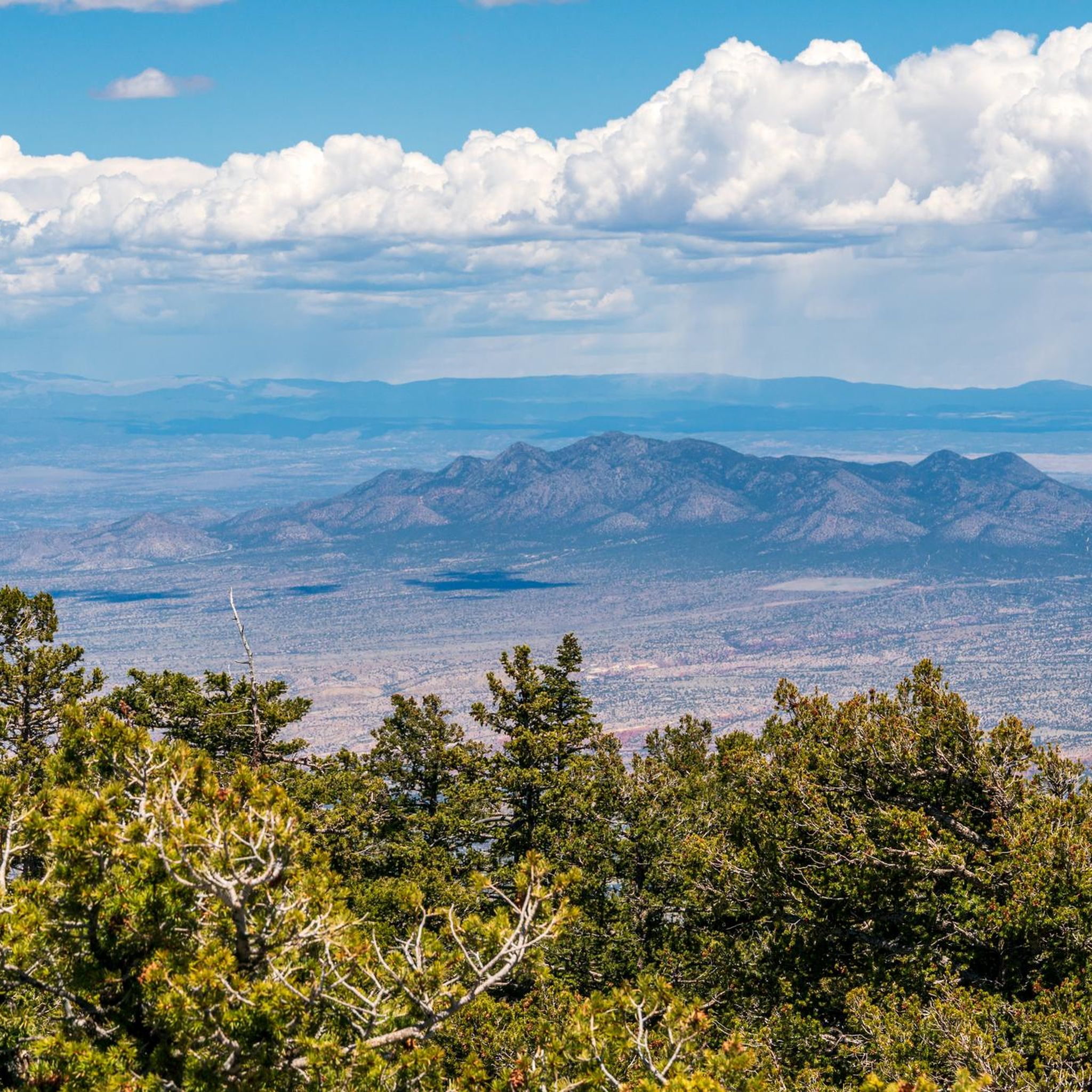
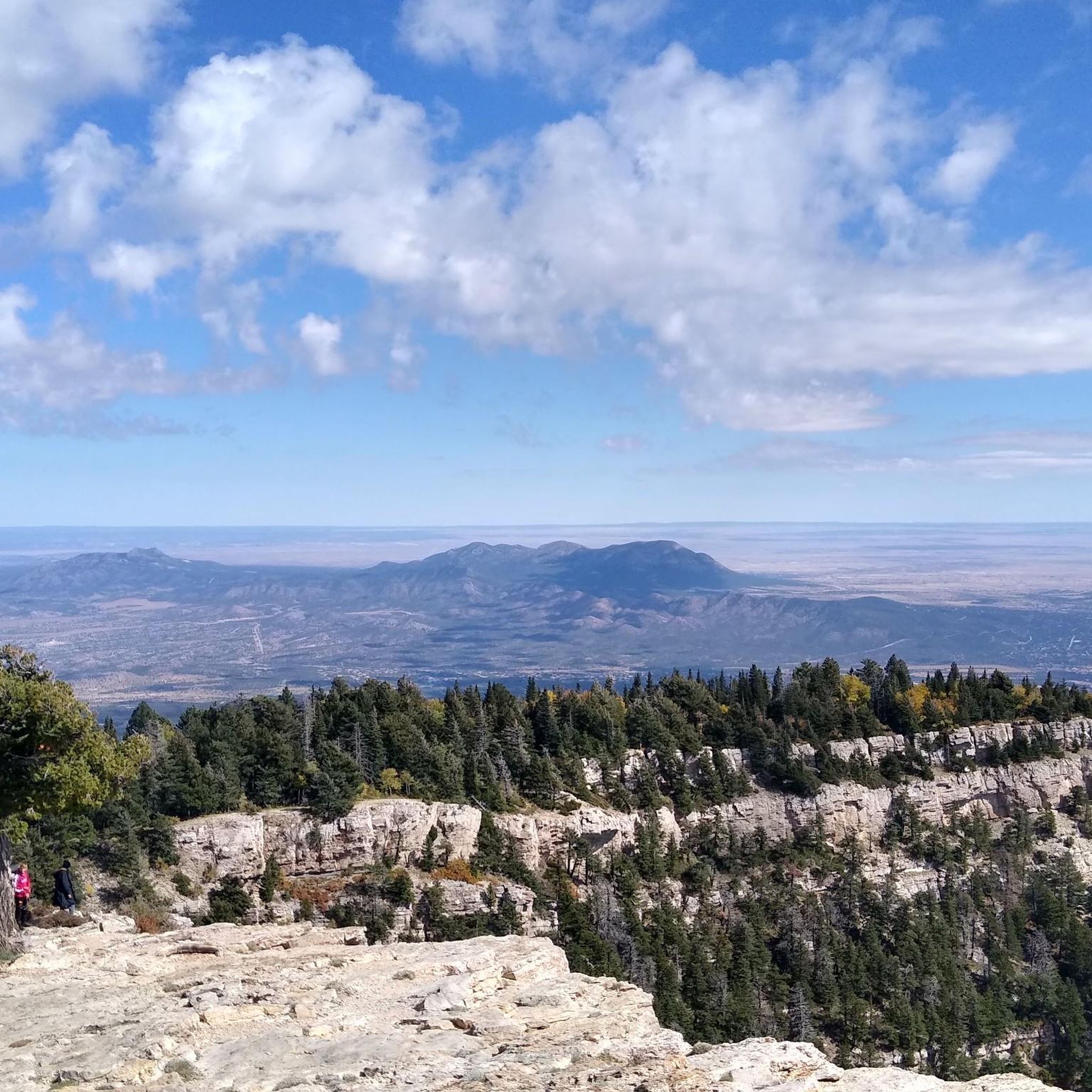
Jogging around Sandia Park provides access to diverse landscapes at the base of the Sandia Mountains. The region features significant elevation changes, ranging from piñon-juniper woodlands at lower elevations to mixed conifer forests higher up. Rugged geologic formations and granite peaks characterize the mountainous terrain, while the foothills offer more accessible paths. This varied environment provides a range of running experiences for different skill levels.
Best jogging routes around Sandia Park
- The most popular jogging route is South Crest Trail…
Last updated: August 15, 2026
1
runners
6.70km
01:01
170m
160m
The North Crest Trail offers a challenging jogging experience through the Sandia Mountain Wilderness. You'll navigate rocky singletrack and dense forests, with aspens, pines, and junipers creating a varied landscape.…
1
runners
4.84km
00:42
190m
190m
The Palomas Peak Trail offers a moderate jogging experience through the diverse landscapes of Cibola National Forest. This route spans 3.0 miles (4.8 km) and challenges you with an elevation…

Sign up for free
17.2km
02:50
960m
960m
The South Crest Trail offers a challenging and rewarding jogging experience, taking you from arid high desert scrub through dense alpine forests. You'll encounter juniper, piñon pines, and even cholla…
1
runners
5.29km
00:42
130m
130m
Jog the difficult 3.3-mile Capulin Peak Trail in Cibola National Forest, gaining 441 feet with stunning mountain views.
3
runners
5.43km
00:43
130m
130m
Hard run. Good fitness required. Sure-footedness, sturdy shoes and alpine experience required.
Get access to more routes and recommendations from other explorers.
Sign up for free
Already have an account?
Our route recommendations are based on thousands of hikes, rides, and runs completed by other people on komoot.
Start today with a free account
Your next adventure awaits.
Login or Signup
Popular around Sandia Park
Tips from the Community


The Capulin Trail leads runners to Capulin Peak, sitting at an elevation of 8934 feet. Continue past the peak to where the Capulin Trail ends, at a viewpoint overlooking the north side of the Cibola National Forest. There is plenty of parking at the Capulin Picnic Ground.
0
0
Palomas Peak stands at an elevation of 8685 feet above sea level and can be reached by the Palomas Peak Trail. The trail is well marked, and the ascent to the peak is gradual. The fall colors up here can be very nice, and there is a natural rock chair halfway through the trail that is great for a break. This mountain is also a popular rock climbing spot.
0
0
Sandia Crest mountains are just south of the end of the Rocky mountains, and in the Sandia-Manzano Mountain range. Sandia Crest Peak reaches a height of 10,678 feet (3,255 m) above sea level. It is known to get windy up here, and it is much colder due to the elevation and exposure. Right here at the top, there is also the Sandia Crest House Gift Shop.
0
0

At an elevation of 10,678 feet, Sandia Crest is the highest in the Sandia Mountains. What sets this mountain range apart is there's no true summit; instead, it features a ridge line. During sunset, the vibrant colors in the sky explain why this area earned its name, which means "watermelon" in Spanish.
0
0
At an elevation of 10,446 feet, this peak marks the northernmost summit in the Sandia Mountain wilderness over 10,000 feet. The views from this vantage point are truly breathtaking, offering a panoramic vista of the Albuquerque area.
1
0
Compared to North Sandia Peak, this peak is less frequented by hikers, but still offers stunning views. From here, you can see most of the peaks in central New Mexico. True to its name, "sandía" meaning watermelon in Spanish, the colors along the way are vibrant when the cacti are in bloom.
1
0

Frequently Asked Questions
How many running routes are available around Sandia Park?
The komoot guide features 9 running routes around Sandia Park, offering a variety of experiences for different skill levels. These routes explore the diverse landscapes from piñon-juniper woodlands to mixed conifer forests.
Are there any easy or beginner-friendly jogging routes in Sandia Park?
While many trails in the Sandia Mountains are challenging, the foothills offer more accessible paths. For a more relaxed run, consider the Cienega Canyon Trail, which provides a scenic, shaded forest experience with options for shorter routes. The Tramway Trail, a dedicated paved path, also offers a flatter surface with great mountain views.
What kind of terrain can I expect on the jogging trails near Sandia Park?
The terrain around Sandia Park is incredibly diverse due to significant elevation changes. You can expect everything from piñon-juniper woodlands at lower elevations to mixed conifer forests higher up. Trails range from mostly paved surfaces in the foothills to rugged geologic formations and granite peaks in the mountains, catering to all preferences.
Are there any long-distance running trails for experienced runners?
Yes, experienced runners will find several challenging long-distance options. The South Crest Trail is a challenging 10.7-mile (17.2 km) route with significant elevation gain and panoramic views. Another option is Trail 365, which skirts and climbs the Sandia Mountains for about 7 miles one-way, offering various access points and some flatter sections.
What are some scenic viewpoints or natural features I can see while running?
The Sandia Mountains themselves offer stunning backdrops, especially at sunset when they glow with pink and orange hues. You can find breathtaking vistas from trails like the Capulin Peak Trail. For specific viewpoints, consider visiting Sunset View from Sandia Crest or South Sandia Peak View. You might also encounter unique flora and wildlife like deer and various bird species, particularly around areas like the Doc Long Picnic Area.
Are there any circular running routes in the area?
Yes, for those who prefer to start and end in the same location, the Running loop from Sandia Park is a great option. This difficult 8.9 km (5.5 miles) route offers a rewarding experience through the mountainous terrain.
What attractions or landmarks are near the jogging routes?
Beyond the natural beauty, you can find several points of interest. The Sandia Peak Aerial Tramway provides access to the top of Sandia Peak, offering incredible views. You might also discover Kiwanis Cabin or the serene Travertine Falls. The Albert G. Simms Park in Cibola National Forest is another notable spot.
Is Sandia Park suitable for trail running with dogs?
Many trails in the Sandia Foothills Open Space and the broader Sandia Mountains are dog-friendly, but it's always best to check specific trail regulations before heading out. Ensure your dog is on a leash and that you carry waste bags. The diverse ecosystems provide varied environments for you and your canine companion to explore.
What is the best time of year to go jogging in Sandia Park?
Sandia Park offers year-round opportunities, but the best time depends on your preference. Spring and fall generally offer milder temperatures, ideal for running. Summer mornings are also pleasant before the heat sets in. In winter, higher elevations may have snow, requiring appropriate gear, while lower trails remain accessible.
Are there any less crowded running routes or hidden gems?
While popular trails can see more traffic, exploring routes slightly off the main access points or visiting during off-peak hours can offer a more secluded experience. The vastness of the Sandia Foothills Open Space means there are always less-traveled paths to discover. For a quieter experience, consider trails that are not directly adjacent to major trailheads.
Where can I find parking for the jogging trails?
Many trailheads provide direct access to the Foothills trails and the Sandia Mountain Wilderness Area. Specific parking information can usually be found on individual route pages or local park websites. Some locations, like the Doc Long Picnic Area, offer amenities including parking.
What makes the running experience in Sandia Park unique?
The unique combination of the majestic Sandia Mountains, diverse ecosystems ranging from piñon-juniper woodlands to mixed conifer forests, and an extensive trail system makes running in Sandia Park exceptional. The significant elevation changes provide varied challenges, and the stunning panoramic views, especially from Sandia Crest, offer an unforgettable backdrop to any run.
Most popular routes around Sandia Park
Most popular attractions around Sandia Park

Get inspired with the komoot mobile app


Explore more
Browse the best Running Trails & Routes in other regions.
