Top 14 Caves around Kirkel
Best caves around Kirkel are primarily natural sandstone formations found along the Kirkeler Felsenpfad, offering unique geological features. These structures, locally known as "Hollerlöcher," showcase impressive natural erosion and geological processes over millions of years. The area is characterized by Buntsandstein rocks, narrow forest paths, and a rich history of local legends. While Kirkel features these unique rock formations, the nearby Schlossberg Caves in Homburg are renowned as Europe's largest Buntsandstein caves.
Best caves around Kirkel
- The most popular caves…
Last updated: June 3, 2026
Eichertsfels Cave
Highlight • Cave
Translated by Google •
Tip by

Schlossberg Caves (Schlossberghöhlen, Homburg)
Highlight • Cave
Translated by Google •
Tip by

Sign up now to discover places like this
Get recommendations on the best single tracks, peaks, & plenty of other exciting outdoor places.
Sign up for free
Lourdes Grotto, Oberwürzbach
Highlight • Religious Site
Translated by Google •
Tip by

Burning Mountain
Highlight • Natural Monument
The surrounding area is very beautiful, however, and it is also worth walking through the small gorge.
Translated by Google •
Tip by
Steep path to Christkönigsbrunnen
Highlight (Segment) • Trail
Translated by Google •
Tip by

Sign up for free to discover even more caves around Kirkel.
Sign up for free
Already have an account?
Start today with a free account
Your next adventure awaits.
Login or Signup
Popular around Kirkel
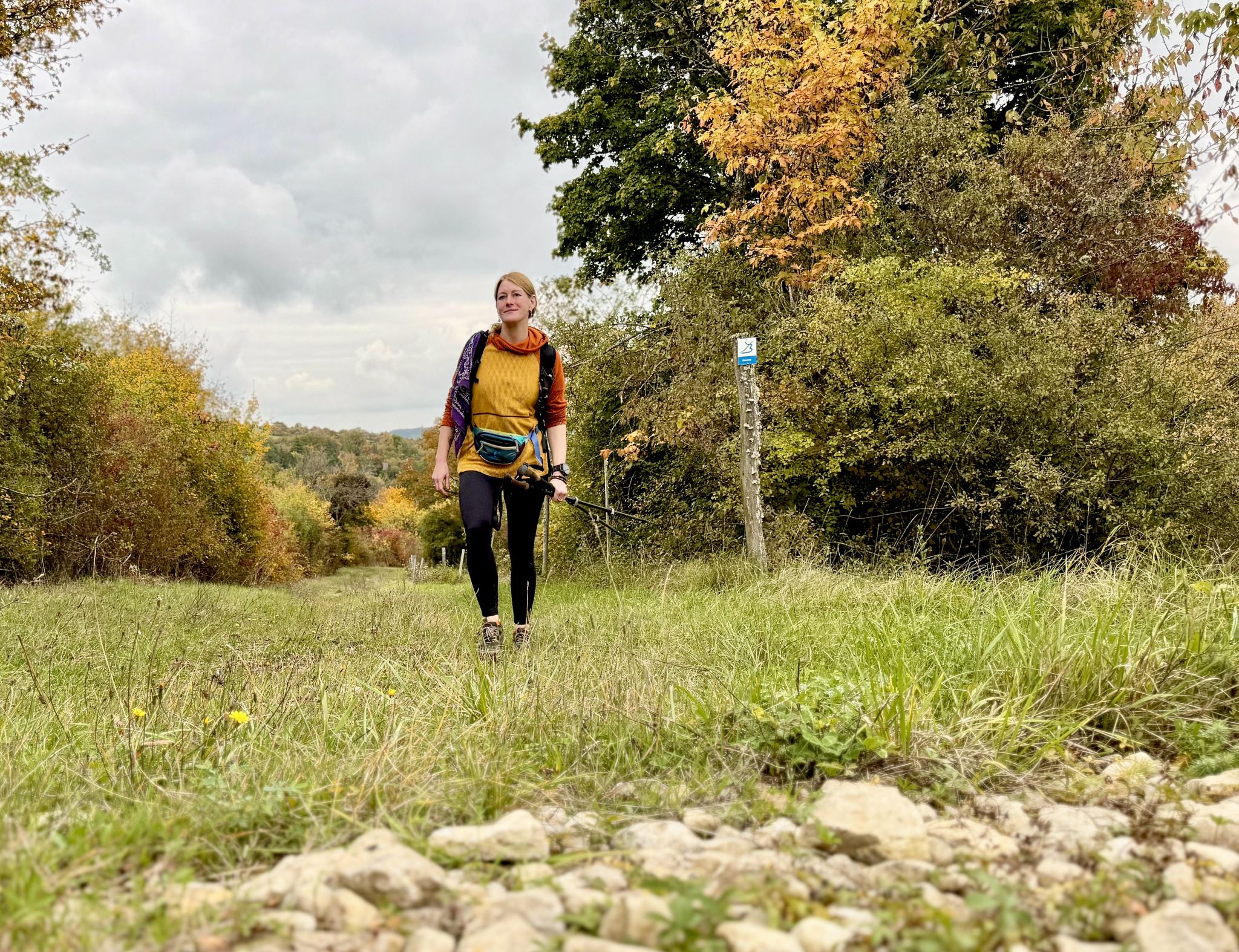
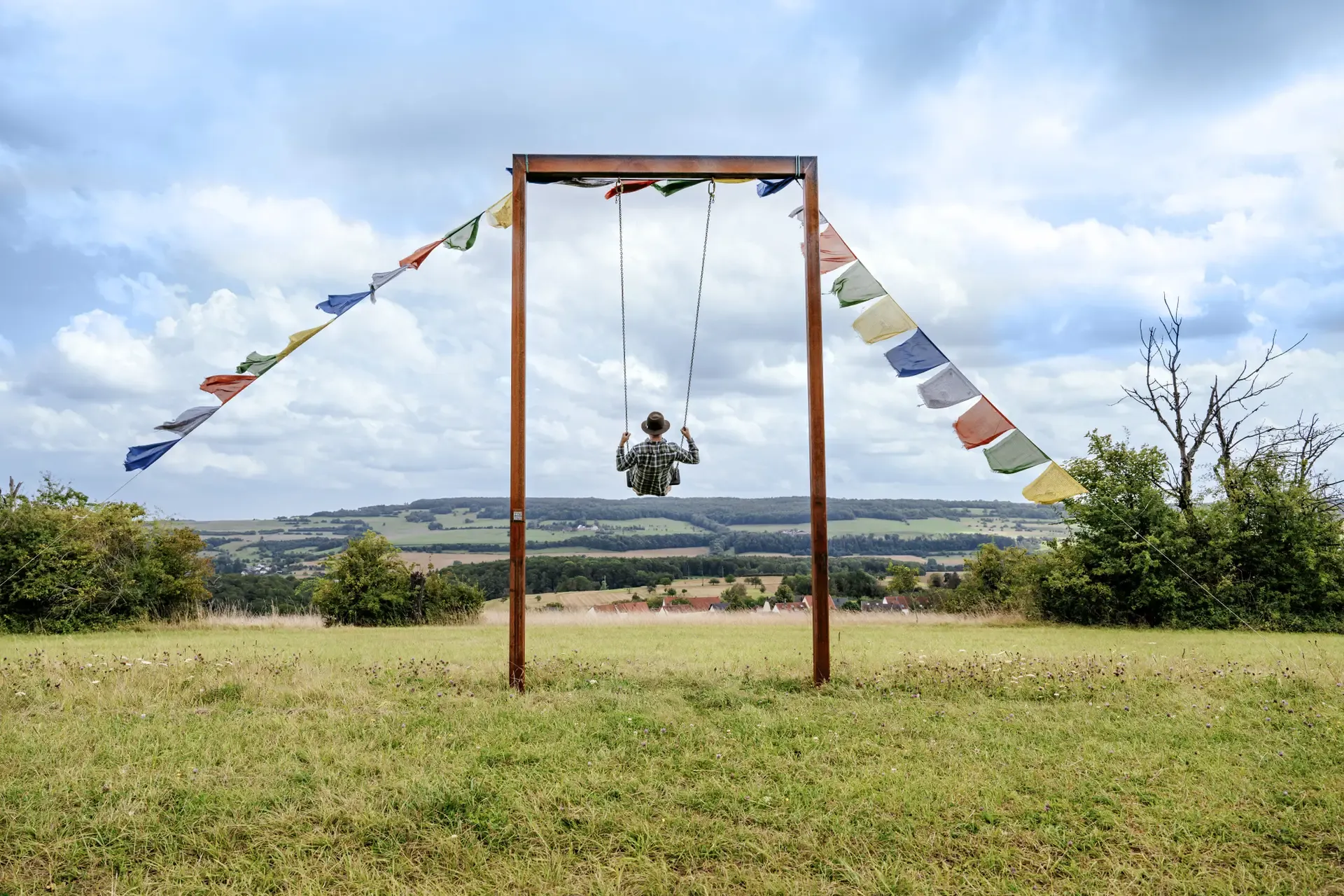
The Bliessteig – Saarland's colorful autumn dream

Satisfy your Wanderlust – premium hiking trails in Saarland
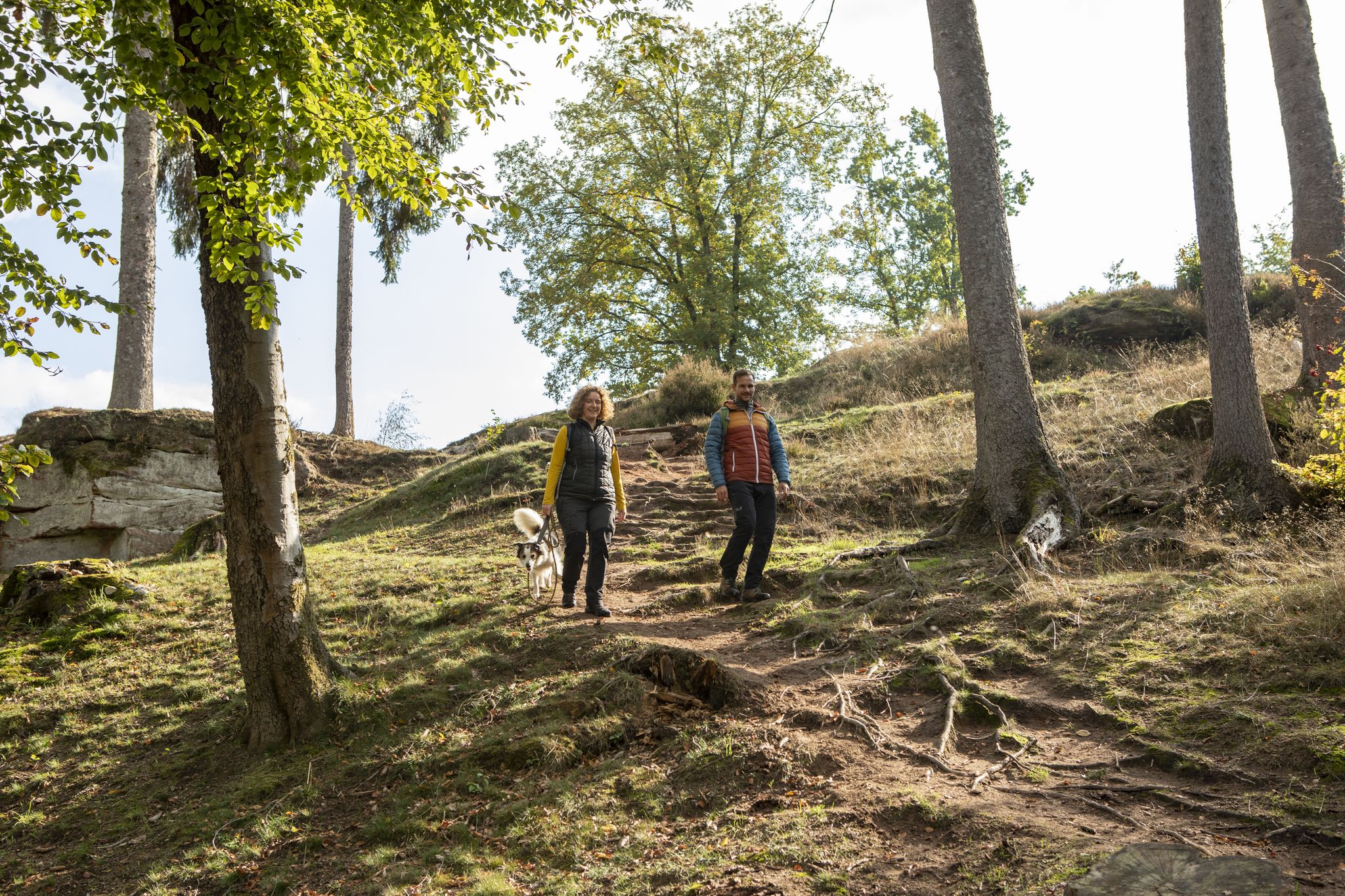
Excellent hiking in the Bliesgau Biosphere - On Premium trails
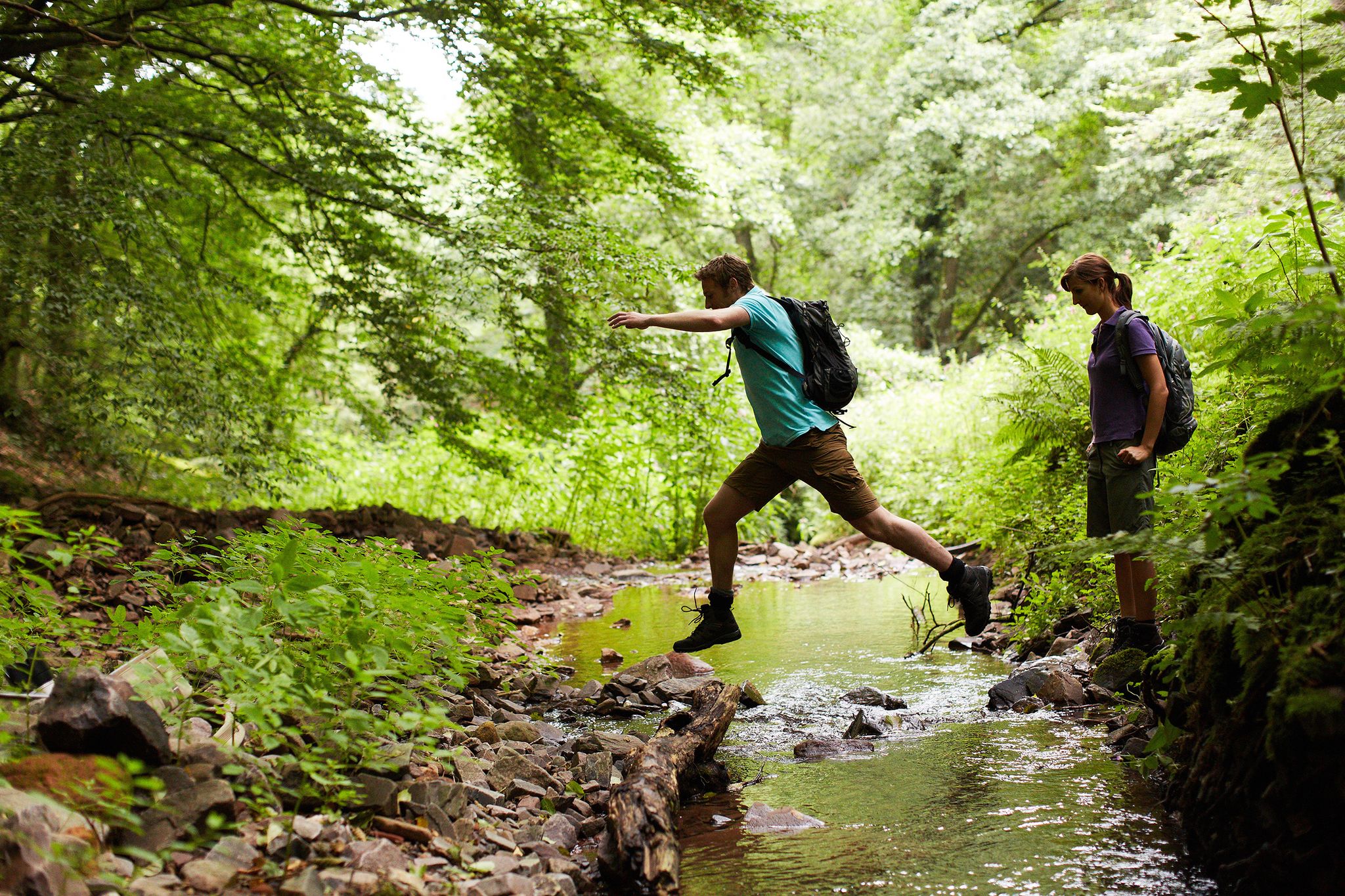
Countless trails, nature & history – hiking in Saarland
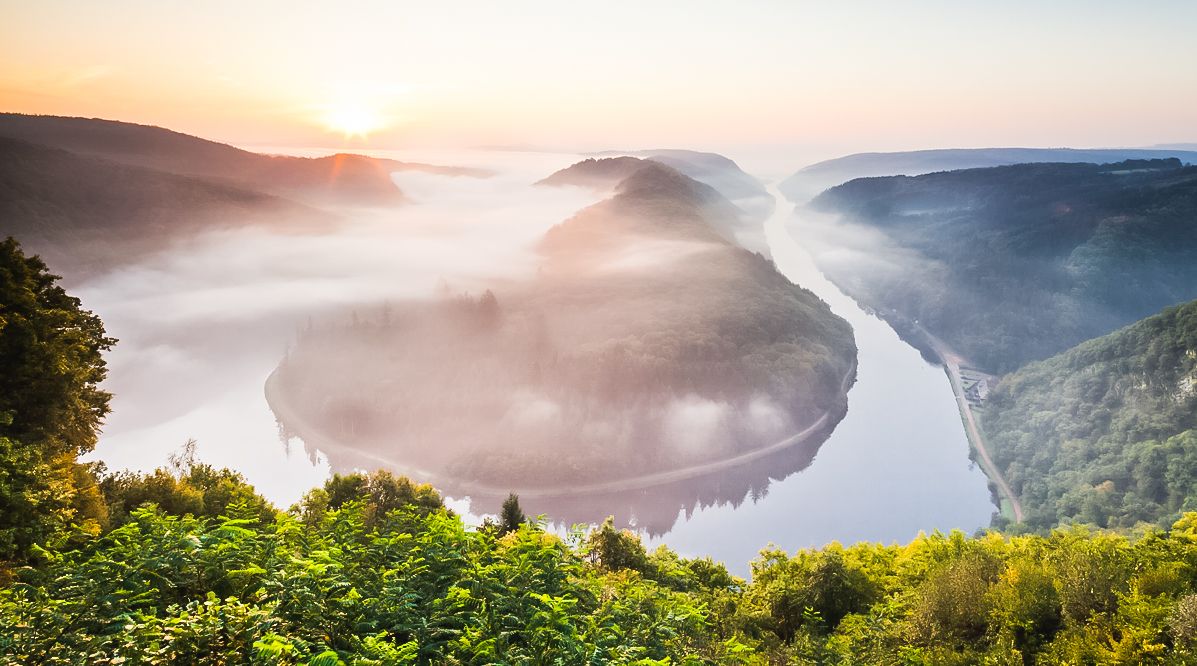
Hiking and feasting in the Saarland
Bliessteig – Duitslands mooiste langeafstandswandeling 2025
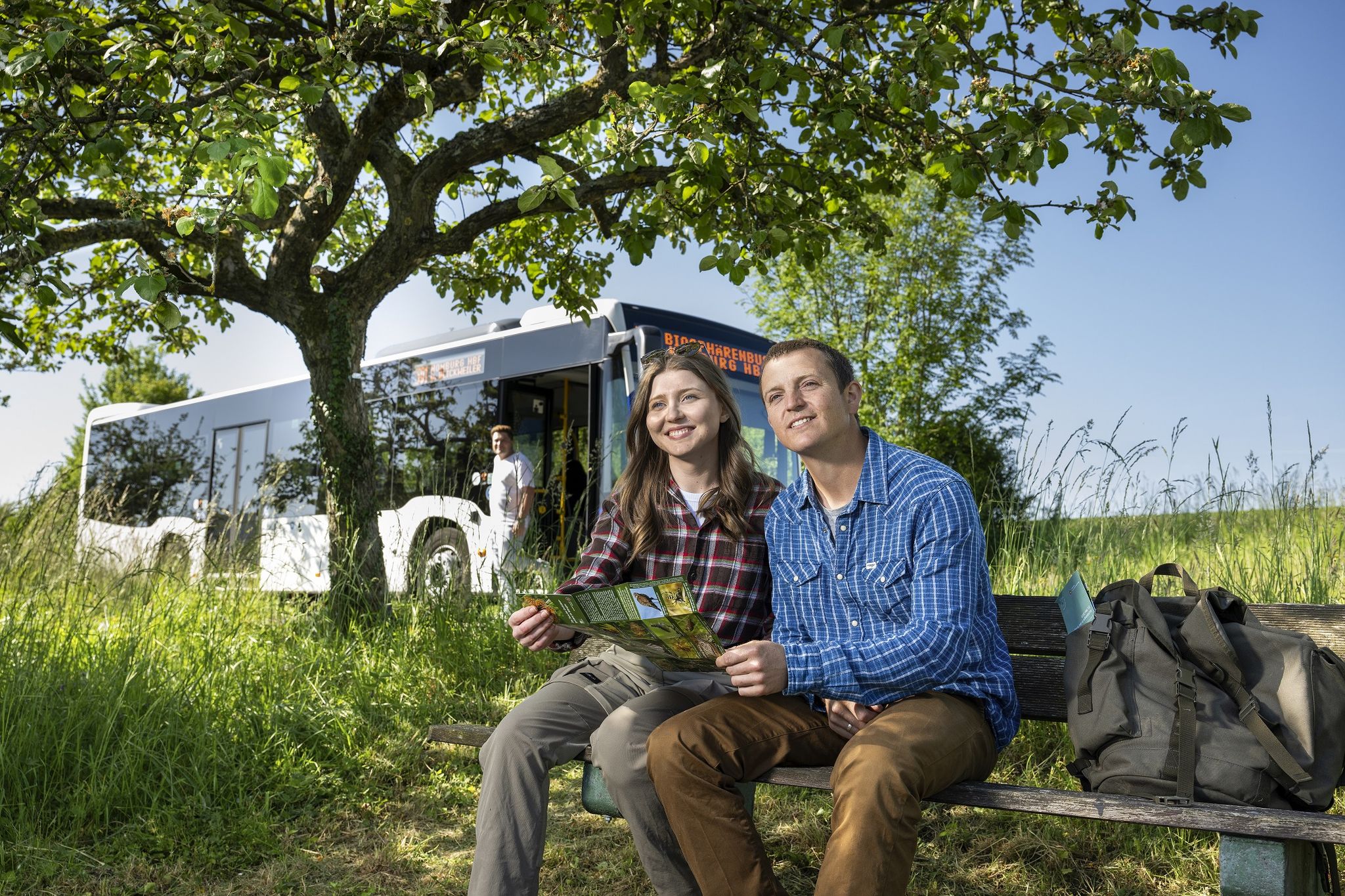
Wandern mit Bus und Bahn – Nachhaltig durch den Bliesgau
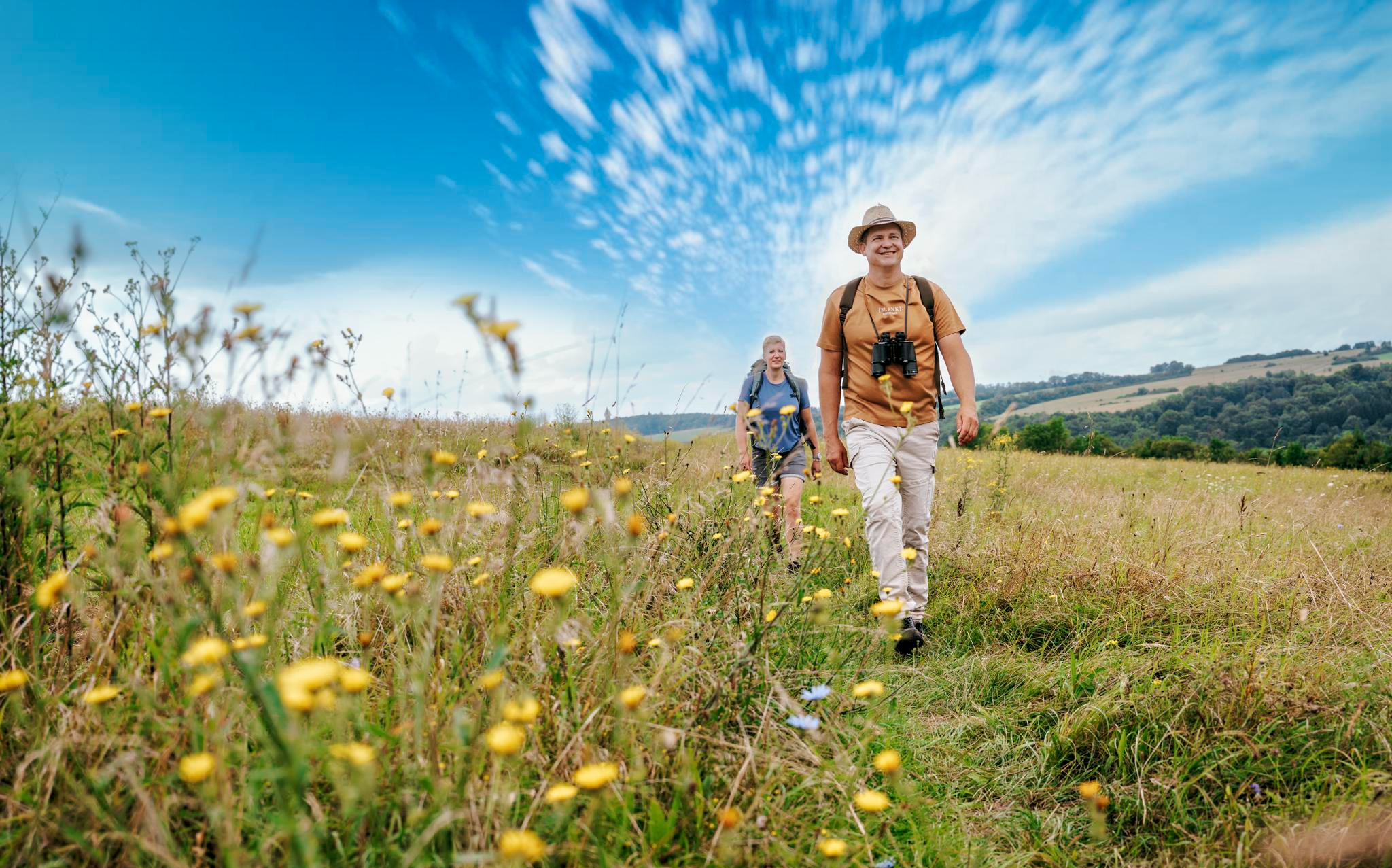
Der Bliessteig: Deutschlands schönster Wanderweg 2025
Hiking around Kirkel
Road Cycling Routes around Kirkel
Other adventures around Kirkel


Tips from the Community

Here you will find the Schlossberg caves, very beautiful
10
0

Short break at the Christkönigsbrunnen
0
0

Beautiful meditation place ✝️
2
0

Exhausting, but worth it 👍
0
0
Very beautiful grotto and very lovingly designed.
2
0

was donated in 2007 for the reopening of the Schlößberg sand caves
7
0
a visit is mandatory, admission 6 euros for adults, but it's worth it
7
0

Very beautiful rock. But be careful, there are also hikers here
1
0
Frequently Asked Questions
What kind of "caves" can I expect to find around Kirkel?
The "caves" around Kirkel are primarily natural sandstone formations, locally known as "Hollerlöcher," found along the scenic Kirkeler Felsenpfad. These are not extensive underground cave systems in the traditional sense, but rather unique geological structures formed by millions of years of natural erosion, showcasing impressive shapes, colors, and textures.
Are there any extensive underground cave systems near Kirkel?
Yes, while Kirkel features natural rock formations, the nearby Schlossberg Caves (Schlossberghöhlen, Homburg) are renowned as Europe's largest Buntsandstein caves. These are man-made, originally created through sand extraction, and offer guided tours through mysterious passages and imposing dome halls.
What are some notable natural rock formations along the Kirkeler Felsenpfad?
The Kirkeler Felsenpfad features several impressive formations. Highlights include the picturesque Hollerlöcher and Hollerkanzel, the legendary Unglücksfelsen, and the captivating Wasserfelsen, where water continuously seeps from the ancient Buntsandstein rock, creating beautiful icicles in winter.
Are the caves and rock formations around Kirkel suitable for families with children?
Yes, many of the rock formations and trails, such as the Kirkeler Felsenpfad, are considered family-friendly. The Eichertsfels Cave, for example, is noted as a beautiful sandstone formation great for children, even with a steep climb from the fish pond. The Schlossberg Caves also welcome families.
What historical or legendary significance do these rock formations hold?
The rock formations are rich in local legends. The Hollerlöcher are believed to be named after the ancient Germanic goddess Hulda. The Unglücksfelsen (Misfortune Rock) is steeped in a legend of a rider who fell to his death. Additionally, the Frauenbrunnen, a mystical spring on the Felsenpfad, is thought to have been a Celtic cult site and traditionally considered the origin place of children.
Can I go hiking near the caves and rock formations in Kirkel?
Absolutely. The Kirkeler Felsenpfad itself is a popular hiking trail that winds through dense mixed deciduous forest, past the imposing sandstone formations. You can find various hiking routes around Kirkel, including the 'Kirkeler Rock Trail – Unglücksfelsen loop from Kirkel' and 'Mossy Wood in Taubental – Water Rocks, Kirkel loop from Kirkel'. More hiking options are available in the Hiking around Kirkel guide.
What other outdoor activities are available around Kirkel besides exploring the caves?
Beyond exploring the rock formations, Kirkel offers diverse outdoor activities. You can find numerous MTB trails, such as the 'Kirkel Castle Ruins – Bliestal Route loop', and cycling routes like the 'Beeder Bruch Nature Reserve loop'. For more details, refer to the MTB Trails around Kirkel and Cycling around Kirkel guides.
What is the best time of year to visit the Kirkel rock formations?
The rock formations can be visited year-round. The Kirkeler Felsenpfad offers a unique natural experience in any season. The Wasserfelsen are particularly striking in winter when seeping water freezes into long, slender icicles, creating a beautiful spectacle. For the Schlossberg Caves, note they maintain a constant temperature of 10°C, making them a cool escape in summer and a warmer option in winter.
Are there any climbing opportunities at the rock formations in Kirkel?
Yes, the Unglücksfelsen, along with "Schräge Platte" and "Sonnendach," are designated climbing areas. These are unique as the only climbable Buntsandstein rocks in Saarland located within a core zone of the Bliesgau Biosphere Reserve, offering opportunities for climbers.
Is public transport available to reach the caves and rock formations?
While specific public transport routes to every rock formation are not detailed, the region is generally accessible. For the Schlossberg Caves in Homburg, you can reach them via a staircase access from the old town.
Are permits required for exploring the rock formations near Kirkel?
Generally, permits are not required for exploring the natural rock formations along public trails like the Kirkeler Felsenpfad. However, for specific activities like climbing at designated spots, or for guided tours at the Schlossberg Caves, it's advisable to check local regulations or book in advance.
What geological features make the Kirkel rock formations unique?
The rock formations are primarily composed of middle Buntsandstein, which has developed over millions of years through impressive natural erosion. The Karlstalstufe, a significant sandstone horizon with high iron ore content, forms the upper layer, contributing to the varied textures and yellow-reddish-brown colorations seen in formations like the Hollerlöcher.
Most popular routes around Kirkel
Most popular attractions around Kirkel

Get inspired with the komoot mobile app


Explore more
Extend your search for the best caves by checking out these guides of the top ones around Kirkel:
