Top 20 Castles around Dülmen
Best castles around Dülmen are situated in the Münsterland region of Germany, an area characterized by its flat landscapes and numerous waterways. This setting provides a backdrop for historical structures, many of which are moated castles. The region's terrain is suitable for cycling and walking, offering access to these landmarks. Dülmen itself is a town within this landscape, serving as a starting point for exploring the surrounding historical sites.
Best castles around Dülmen
- The most popular castles is Vischering Castle…
Last updated: July 19, 2026
Vischering Castle
Highlight • Castle
Translated by Google •
Tip by

Lüdinghausen Castle
Highlight • Castle
Translated by Google •
Tip by

Sign up now to discover places like this
Get recommendations on the best single tracks, peaks, & plenty of other exciting outdoor places.
Sign up for free
Velen Castle
Highlight • Castle
Translated by Google •
Tip by

Sythen Castle
Highlight • Castle
More information: schloss-sythen.nrw
Translated by Google •
Tip by

Varlar Castle
Highlight • Castle
Translated by Google •
Tip by

Sign up for free to discover even more castles around Dülmen.
Sign up for free
Already have an account?
Start today with a free account
Your next adventure awaits.
Login or Signup
Popular around Dülmen
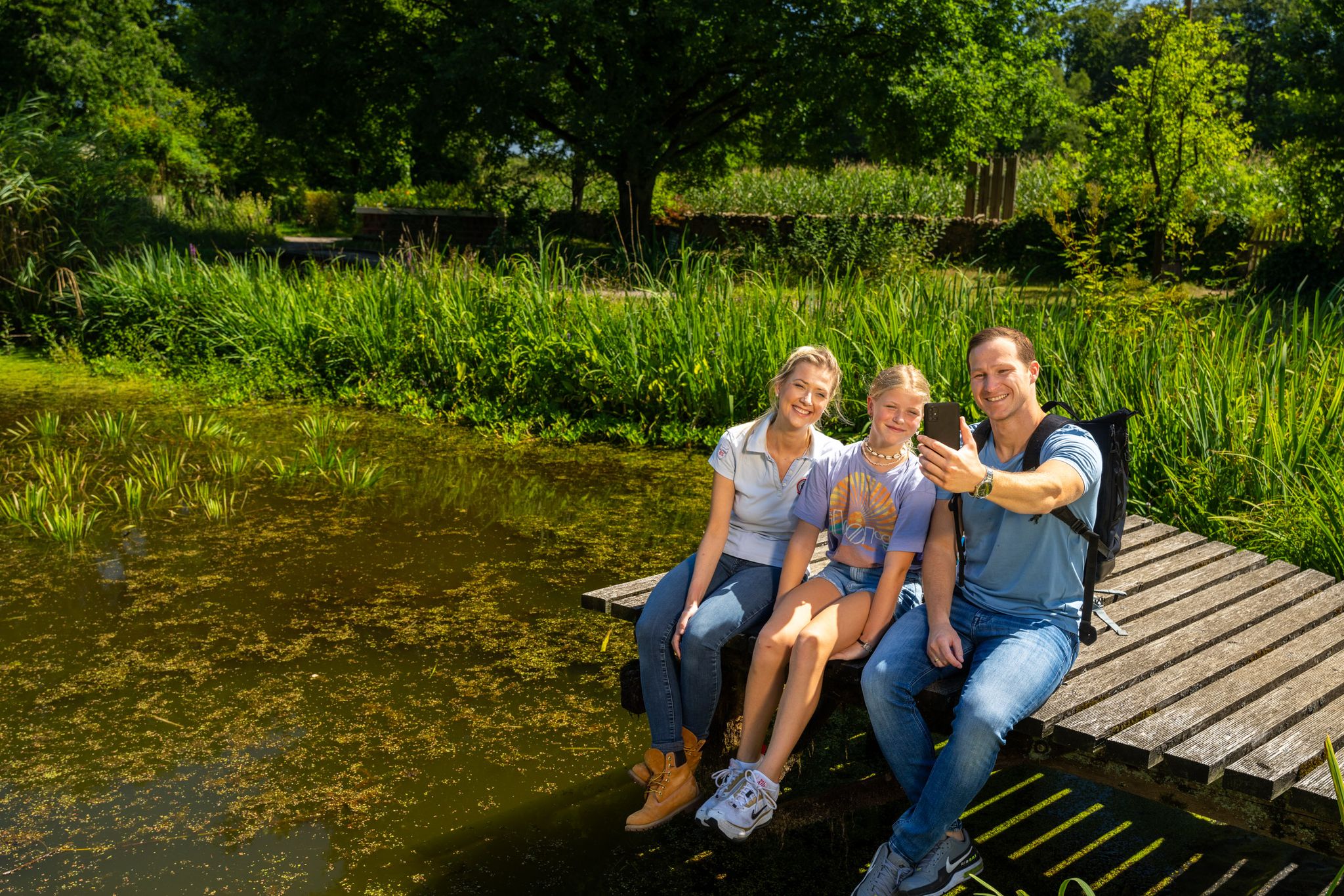
Hiking and discoveries – family walks in the Hohe Mark Nature Park
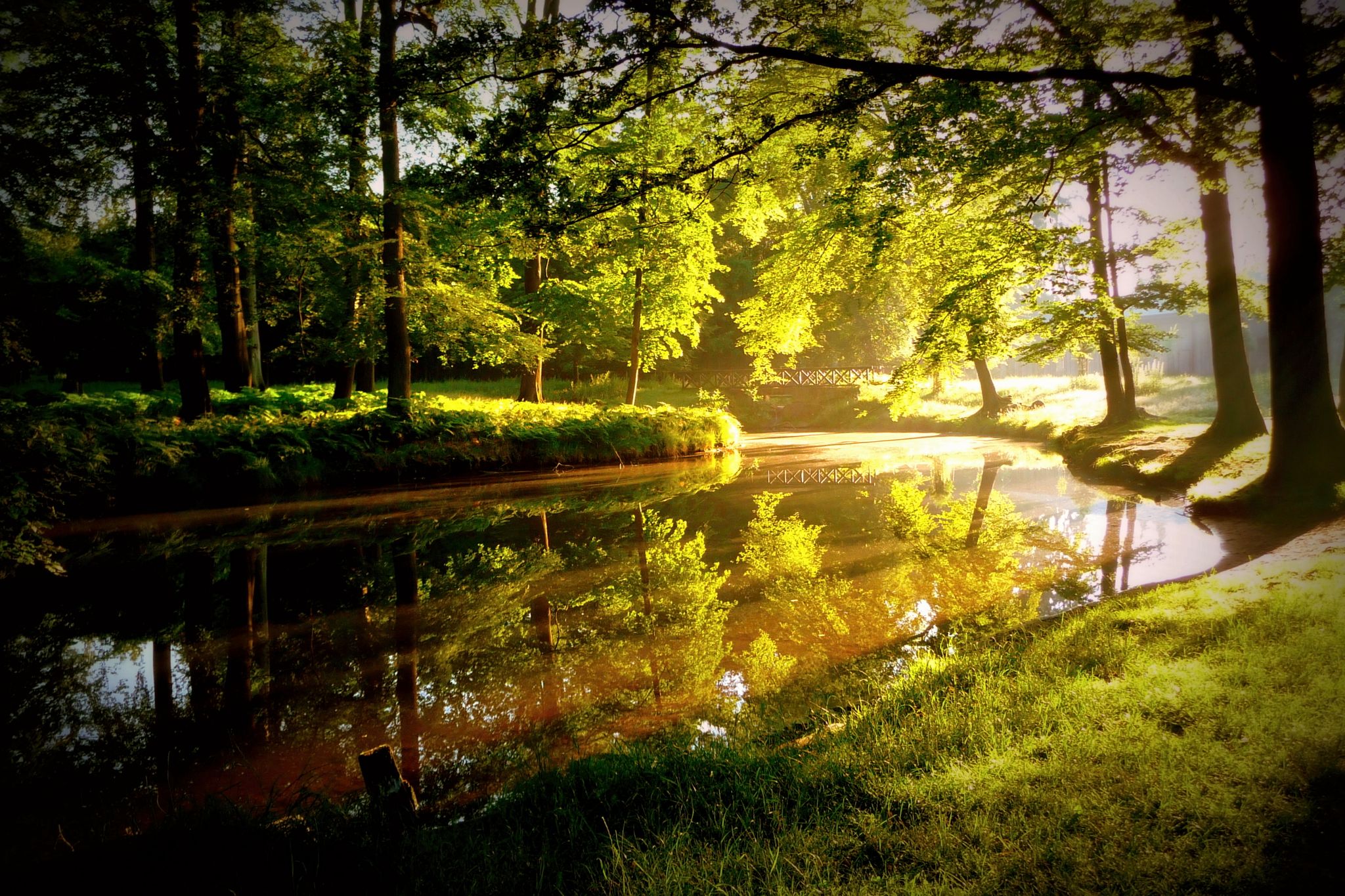
Forests, water & wildlife – cycling Tours in the Hohe Mark Nature Park
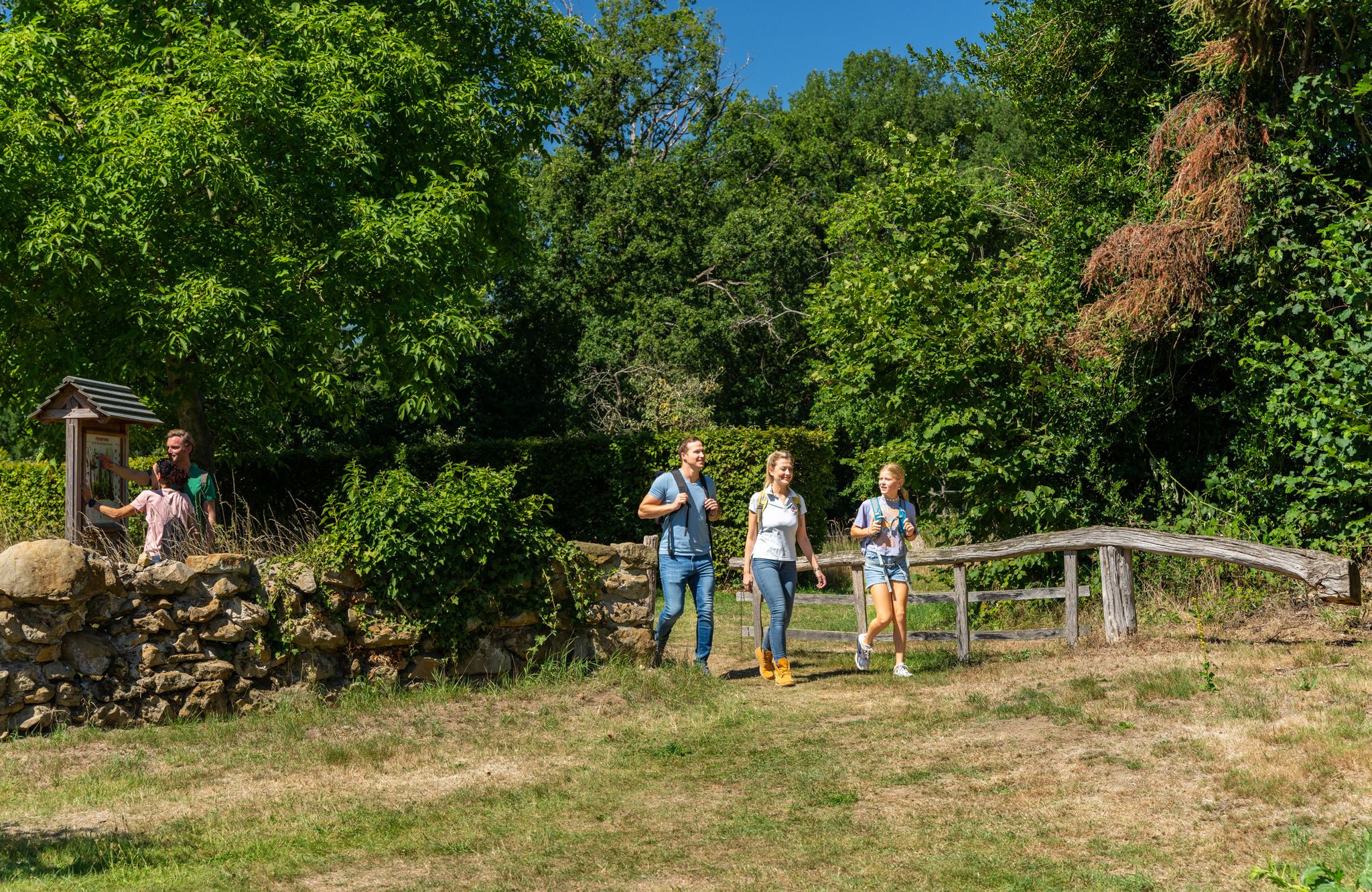
LandStreifer – circular hiking trails to Germany’s Hohe Mark Steig
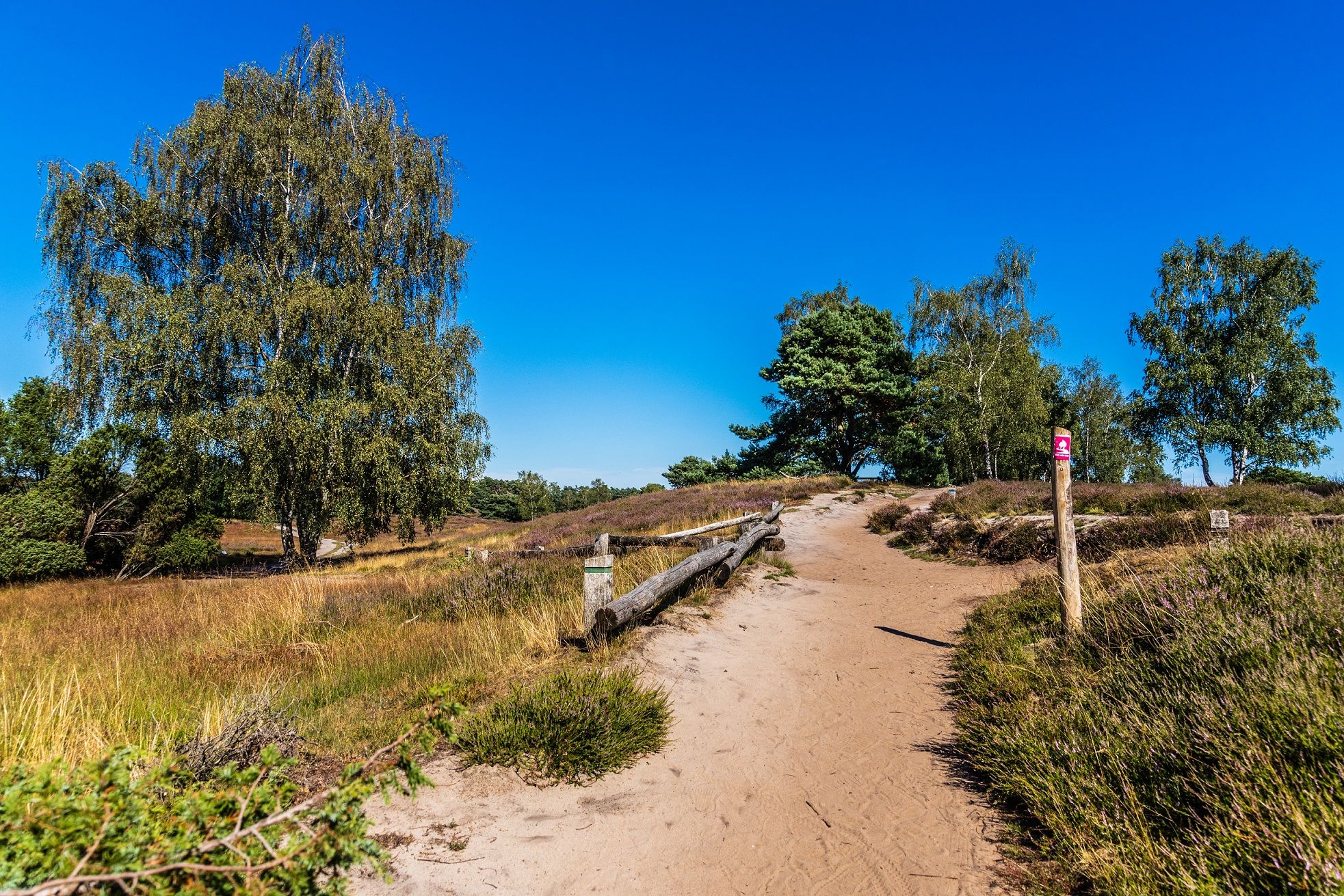
Your bond with nature — Germany’s Hohe Mark Steig
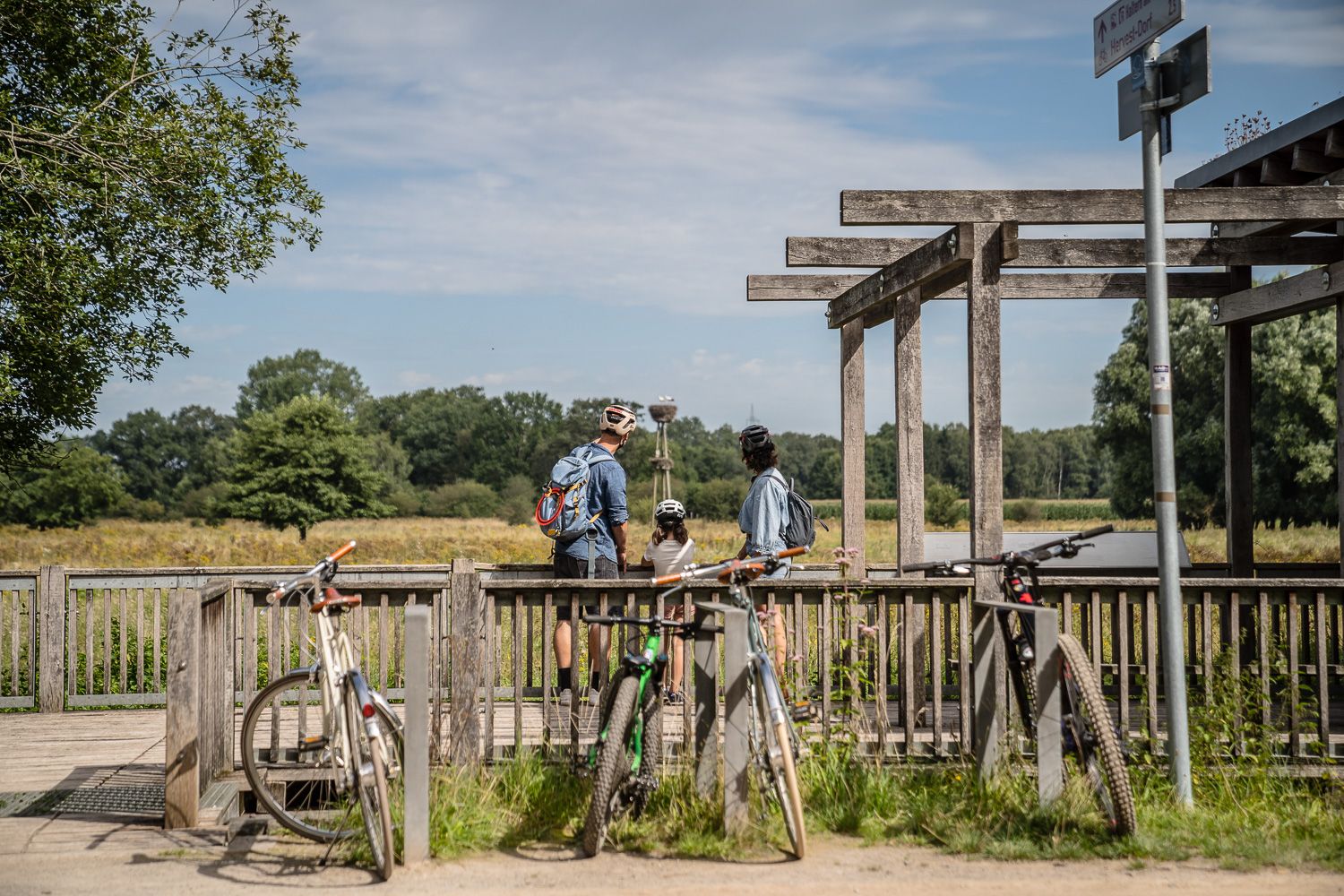
Day Tours on the Hohe Mark cycle route
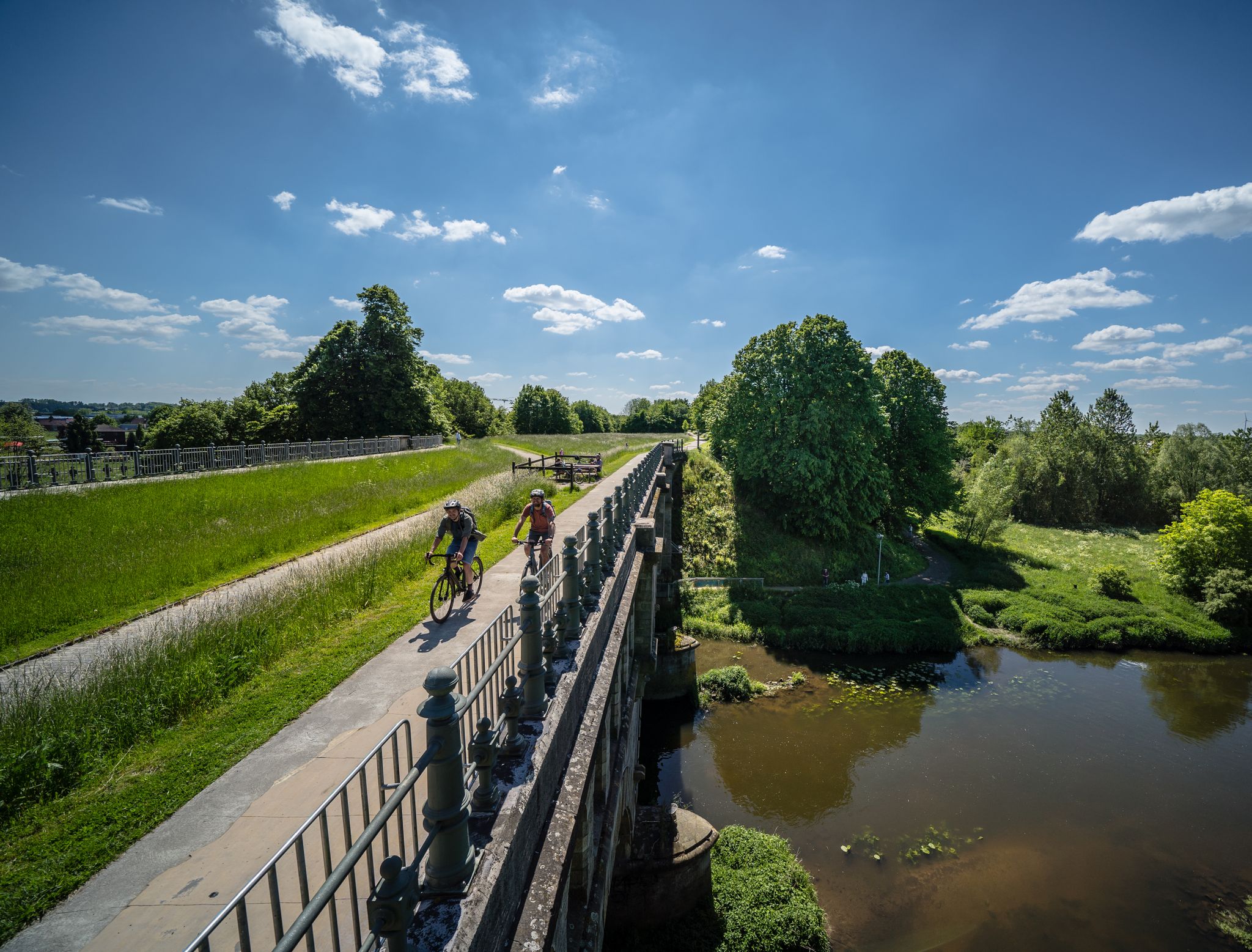
Germany’s Hohe Mark cycle route – escape into nature
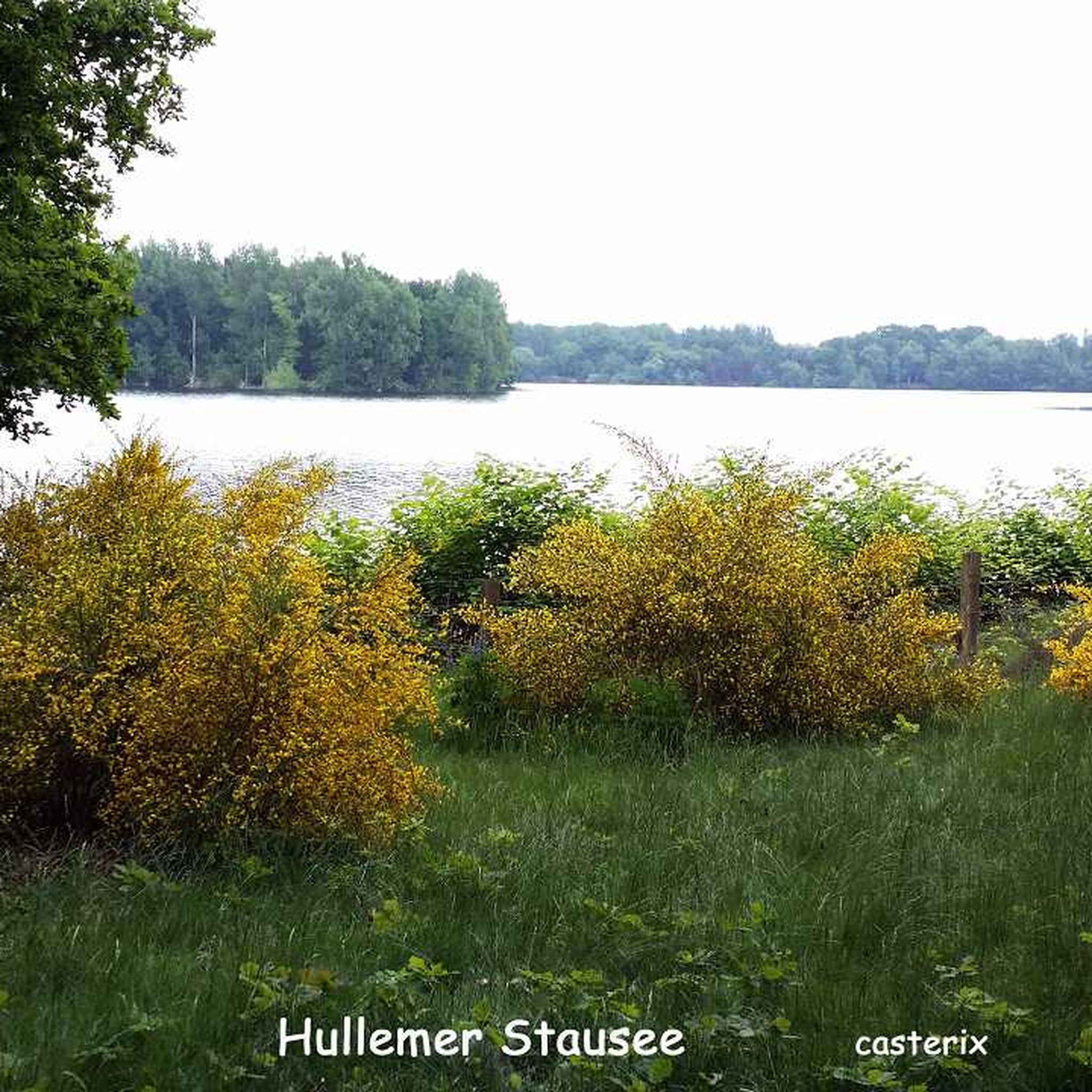
Cycling around Dülmen
Hiking around Dülmen
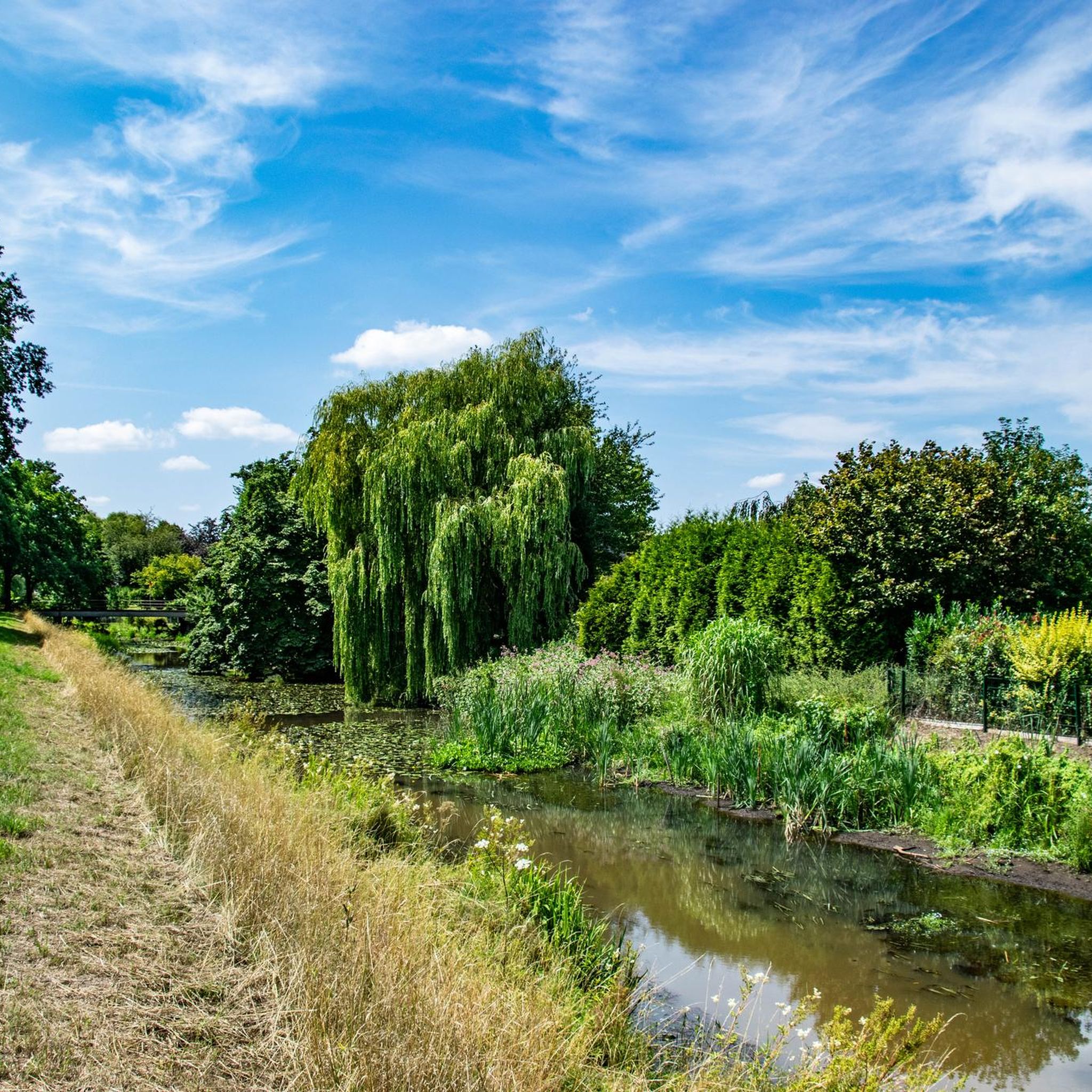
Road Cycling Routes around Dülmen
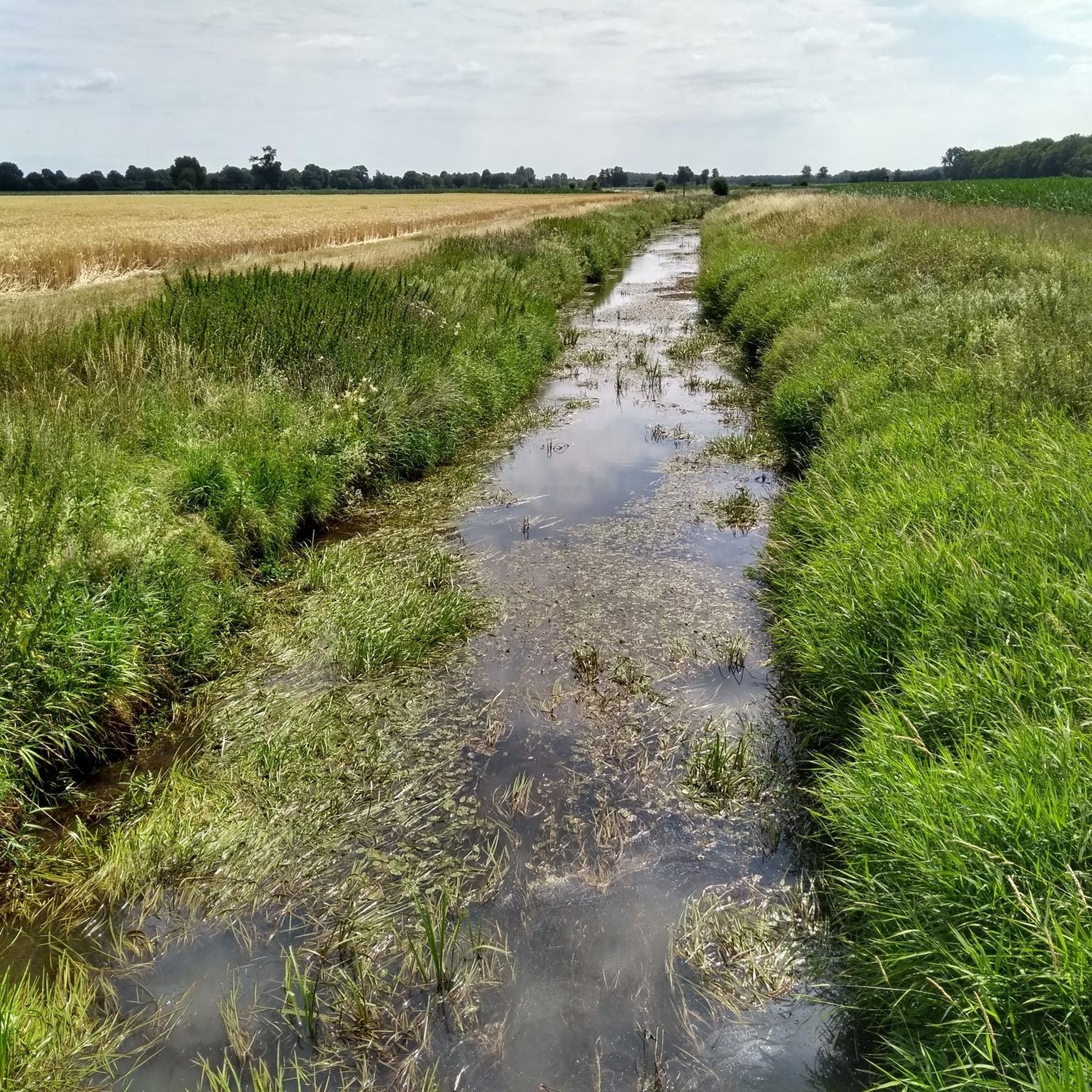
Running Trails around Dülmen
Other adventures around Dülmen


Tips from the Community

In the "city of moated castles" Lüdinghausen, it is considered to be the oldest: Lüdinghausen Castle. Surrounded by a beautiful park, which used to form the fortification system of the castle, it is located in the heart of the city, right next to the town hall, and is now referred to as the "castle of the citizens", especially by the people of Lüdinghausen.
24
0

Sythen Castle is a moated castle near Haltern am See. The castle was mentioned in 758 under King Pippin. Various noble families then lived here on the site. From 1821 to 1965 the castle was owned by the Westerholt and Gysenberg families. In 1946 a children's convalescent home was also set up. After that the castle was left to nature. Today a support association looks after the castle, which was renovated with the active help of volunteers. It can be rented for events such as parties and weddings and concerts are also held there.
9
1

Varlar Abbey, often referred to as a monastery, was a Premonstratensian monastery founded by the Counts of Cappenberg in Münsterland. The monastery, which was converted into Varlar Castle, is part of the Varlar farming community in the Rosendahler district of Osterwick. The community there existed from about 1123/24 until secularization in 1803. After that, the monastery became the property of the Wildgrafen and Rheingrafen zu Salm, who took over a large part of the extensive church property and also became sovereign for a short time.quelle.wikipedia
11
0

Lüdinghausen Castle is a moated castle in Lüdinghausen in the district of Coesfeld. Together with Vischering and Wolfsberg Castles, it is one of three castles in the Lüdinghausen urban area. The Knights of Lüdinghausen, mentioned since the 12th century, were enfeoffed with the castle by Werden Abbey near Essen. At the same time, they were ministerials of the Bishop of Münster. Striving for independence, which culminated in the unauthorized elevation of Lüdinghausen to the status of a town, and the construction of Wolfsberg Castle led to the campaign of the Münster Bishop Gerhard von der Mark against Lüdinghausen in 1271. A tower was mentioned in historical records. After the defeat of the Lords of Lüdinghausen, Lüdinghausen Castle, unlike Wolfsberg Castle, was allowed to remain, but was declared the Bishop's open house. In 1334, a gatehouse, an old and a new stone house, each with a kitchen, and a keep were mentioned. The castle remained in the possession of the Lords of Lüdinghausen until the family died out in 1443, and then passed to the Bishop of Münster. In 1445, a castle chapel connected to the gatehouse was mentioned in the outer bailey. An inventory from 1450/51 also lists a bakery and brewery in the main castle and a building house and a cowhouse in the outer bailey. The castle was acquired in 1499 by the cathedral waiter Dietrich von Heyden, and after his death in 1509 it became the official residence of the cathedral chapter of Münster. In 1538, it was described as dilapidated. After a fire, between 1569 and 1573, the cathedral chapter Gottfried von Raesfeld had the castle rebuilt in the Renaissance style on the old walls. During the Thirty Years' War, the Hessians occupied the castle for three years and expanded it. In 1802, it passed into private hands and was home to an agricultural school from 1869 to 1972. In 1829 the keep was demolished and is now marked in the paving of the castle courtyard. In 1880 the west wing was replaced by a new building for the agricultural school and the outer bailey was renovated. In 1906/07 the gatehouse was modernized and the courtyard facade of the south wing was restored. In 2000 the castle was restored and converted into an events center.
13
0

The Renaissance castle of Lüdinghausen lies on the eastern side of the Vischeringschen Stever in a wide arc of the river. Together with Vischering Castle, 700m to the north, and Wolfsberg Castle, which is only 300m away to the south, it forms a unique landscape of monuments. The first written mention of all three castles dates back to 1271. At that time, the bishop of Münster fought back against the knights of Lüdinghausen, who also owned Wolfshelm Castle at the time, and manned a castle later called Vischering with his Drosten .
17
1

A beautiful castle. Both the castle courtyard and the outside of the castle are beautiful to look at.
13
0

Very nice but unfortunately no admission. Opposite is the Sythen watermill.
7
0

Beautiful water castle from the Renaissance. The historical rooms can be visited free of charge. In addition, friendly staff.
14
0
Frequently Asked Questions
What historical castles can I visit in the Dülmen area?
While Dülmen itself is known for historical sites, the broader region offers several notable castles. You can visit Vischering Castle, which houses a museum and a medieval bakery, or Lüdinghausen Castle, considered the oldest castle in Lüdinghausen. Sythen Castle is also open for visits and events.
Are there any castles in Dülmen that are not open to the public?
Yes, Schloss Buldern in Dülmen is a private educational institution and generally not open for public tours. However, its picturesque moated setting and surrounding park are worth seeing from the outside. Historically, Haus Dülmen was a significant castle, but it exists today only as an archaeological site.
What outdoor activities can I do near the castles around Dülmen?
The flat landscapes of the Münsterland region make it ideal for cycling and hiking. You can find various routes, such as the '100 Castles Route' for cycling. For hiking, consider the 'LandStreifer Dülmen 'The Duke's English Parks'' or routes around Buldener Lake. For more options, explore easy hikes around Dülmen or road cycling routes around Dülmen.
Are there cycling routes that connect the castles in the region?
Yes, the famous '100 Castles Route' is a popular cycling path in the Münsterland region that connects many of its historical castles, including those in the Dülmen area. This route allows you to experience the scenic beauty and historical sites by bike.
Can I go hiking near Schloss Buldern?
While Schloss Buldern itself is private, its surrounding castle park and moats offer beautiful natural areas for walks. You can find nearby hiking routes like those around Buldener Lake, which are easily accessible from the Buldern district. Check out easy hikes around Dülmen for more local options.
Are the castles around Dülmen family-friendly?
Many castles in the region are considered family-friendly. For example, Vischering Castle offers a museum and a medieval bakery, which can be engaging for children. The parks surrounding castles like Lüdinghausen Castle also provide space for families to explore.
Are there dog-friendly options for visiting castles or nearby trails?
While specific castle interiors might have restrictions, the extensive parks and surrounding natural areas of many castles, like Schloss Buldern, are generally dog-friendly for walks. The numerous hiking and cycling trails in the Münsterland region, such as those found in the easy hikes around Dülmen guide, are also suitable for walks with dogs.
What is the best time of year to visit the castles around Dülmen?
The Münsterland region is beautiful throughout the year. Spring and summer offer lush greenery and pleasant weather for cycling and walking, making it ideal for exploring castle parks and outdoor routes. Autumn brings colorful foliage, while winter can offer a unique, serene atmosphere, especially around moated castles.
Are there places to eat or drink near the castles?
Yes, several castles and nearby towns offer dining options. Vischering Castle has a café and a medieval bakery. Velen Castle also has gastronomy options. Additionally, the towns surrounding these castles, like Lüdinghausen, provide various restaurants and cafes.
How can I reach the castles around Dülmen by public transport?
Dülmen has good public transport connections, and from there, local buses can often take you to towns near the castles. For specific castles like Lüdinghausen Castle, which is in the city center, public transport access is convenient. It's advisable to check local bus schedules for routes to specific castle locations.
What is the historical significance of Haus Dülmen?
Haus Dülmen was once a high medieval state castle of the Bishopric of Münster, built in 1115. It played a significant role in regional conflicts and served as an important administrative center. However, it was largely destroyed in 1589 and subsequently demolished, existing today only as an archaeological site rather than a standing castle.
Are there other notable castles in the broader Münsterland region near Dülmen?
Beyond the immediate Dülmen area, the Münsterland is rich with castles. Velen Castle, known as the 'fairytale castle of the Münsterland,' and Varlar Castle, a former monastery, are other significant sites. Burg Botzlar in nearby Selm is another example of a renovated moated castle now serving as a civic center.
Most popular routes around Dülmen
Most popular attractions around Dülmen

Get inspired with the komoot mobile app


Explore more
Looking for the best castles somewhere else? Discover other guides around Dülmen:
