Top 20 Castles around Burglengenfeld
Best castles around Burglengenfeld are situated in a region characterized by its historical significance and varied landscapes, including the Naab valley. The town is home to Burg Burglengenfeld, a well-preserved fortress considered Bavaria's best-preserved Salian-period castle. The area features medieval architecture and offers insights into past eras. Visitors can explore historical sites and enjoy views of the surrounding Bavarian landscapes.
Best castles around Burglengenfeld
- The most popular castles is Stockenfels Castle Ruins, a castle that is hidden in the…
Last updated: July 20, 2026
View of Kallmünz Castle Ruins
Highlight • Viewpoint
Translated by Google •
Tip by

Oberes Schloss Schmidmühlen (Town Hall)
Highlight • Castle
Translated by Google •
Tip by

Sign up now to discover places like this
Get recommendations on the best single tracks, peaks, & plenty of other exciting outdoor places.
Sign up for free
Stockenfels Castle Ruins
Highlight • Castle
Translated by Google •
Tip by

Ramspau Castle
Highlight • Castle
Translated by Google •
Tip by

Wolfsegg Castle
Highlight • Castle
Translated by Google •
Tip by

Sign up for free to discover even more castles around Burglengenfeld.
Sign up for free
Already have an account?
Start today with a free account
Your next adventure awaits.
Login or Signup
Tips from the Community

Upper Castle The Upper Castle was built as a moated castle by the Lords of Schmidmühlen. From the mid-12th century, they are documented here, starting with Ernst von Schmidmühlen (1166–1170). Georg Hausner von Winbuch (1595–1614), administrator in Regenstauf, was the builder of the present castle. The year 1600 is located on one of the magnificent door frames of the Knights' Hall. The Upper Castle is a three-story, plastered, solid building with a gable roof. An octagonal stair tower is attached, and another extension to the west. In this castle, there was also a small chapel on the ground floor, which, however, has long been filled in and walled up. At the top of the tower is a round ceiling, painted with flowers and rosettes, supported by a delicate wooden column. The entire second upper floor belongs, due to its furnishings, to the most interesting holdings of the German Renaissance. The profane wall paintings located there are reminiscent of those in the ducal castle Trausnitz in Landshut. During the Second World War and afterwards, the Upper Castle suffered greatly from billeting by the occupying forces. Thus, a valuable ceramic stove was destroyed on the second floor. In 1937, the castle came into the possession of the market town of Schmidmühlen. Since the post-war period, the castle has served the market town of Schmidmühlen as its town hall. Between 1977 and 1980, a thorough restoration took place, during which the castle and also the castle garden changed their appearance. The renovation was completed in 2003. The local history and association museum of Schmidmühlen is also housed in the castle. In front of the castle, on the well, stands the cast image of a Moriskentänzer, reminiscent of the Schmidmühlen sculptor Erasmus Grasser, who created the famous late Gothic Moriskentänzer for the festival hall in the Old Town Hall of Munich. Source: Wikipedia
4
0

First mentioned in 1367 and still well preserved today https://www.burg-wolfsegg.de
0
0

You can say it out loud, it is a gem on the Naab.
4
0

Wolfsegg Castle is a well-preserved medieval castle, with origins dating back to the late 13th century. Today, the castle houses a museum that offers insights into medieval life, including everyday objects, archaeological finds and military equipment. The Knights' Hall is decorated with wall paintings from the 15th century. The castle is also regularly used for cultural events. According to an old legend, the "White Lady" is said to haunt the castle walls, a mysterious apparition that always gives rise to mysterious stories.
4
0

No matter what the weather or light, it is always beautiful to look at and take photos of. A visit to the castle is also recommended. It is best to check the opening times online beforehand
0
0

In the town of Wolfsegg, the castle of the same name sits on a rock. From the beginning of May to the beginning of October, you can visit the castle on weekends and public holidays. You might even see the "White Lady". You can find more information about the castle, opening times, prices and events at https://www.burg-wolfsegg.de/.
1
0

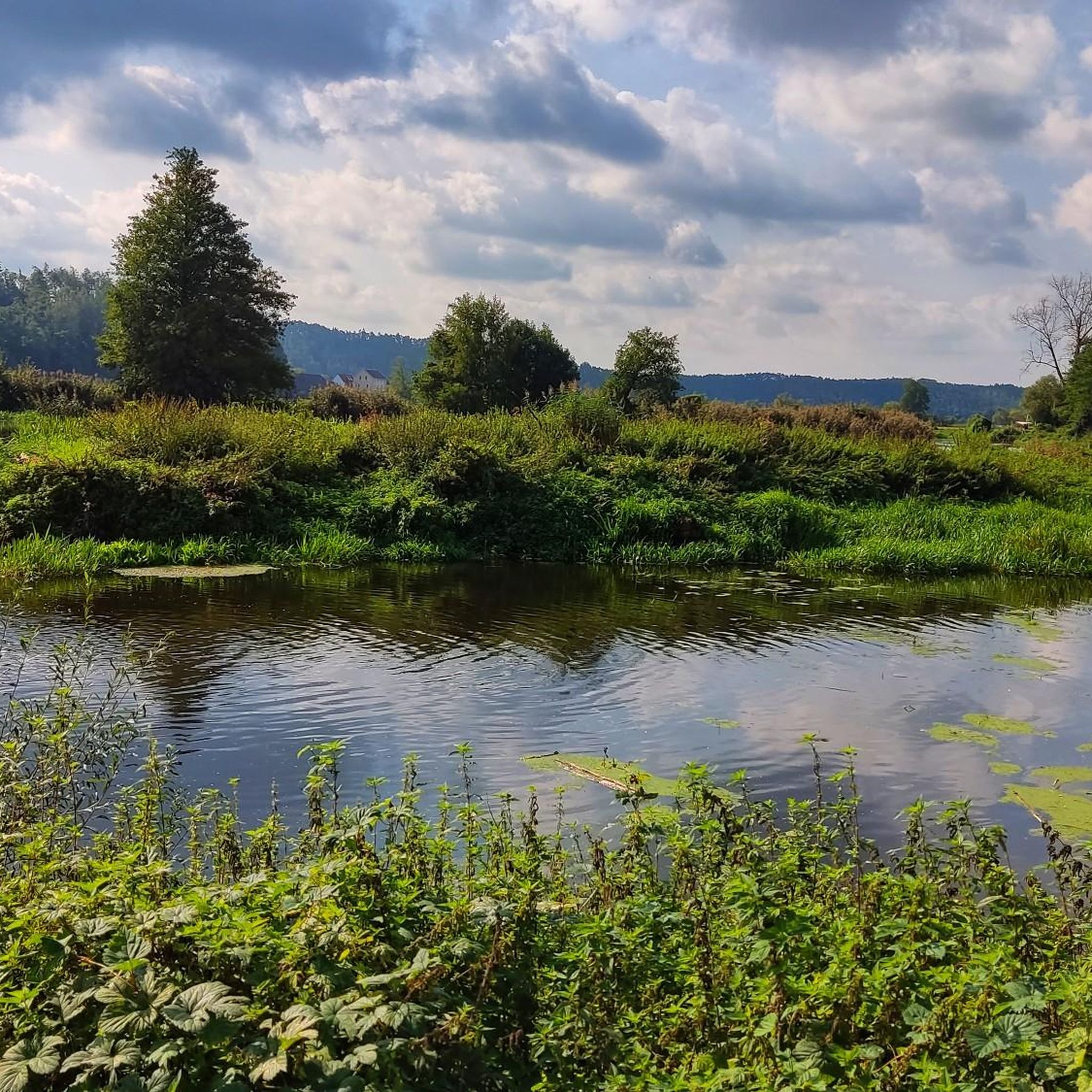
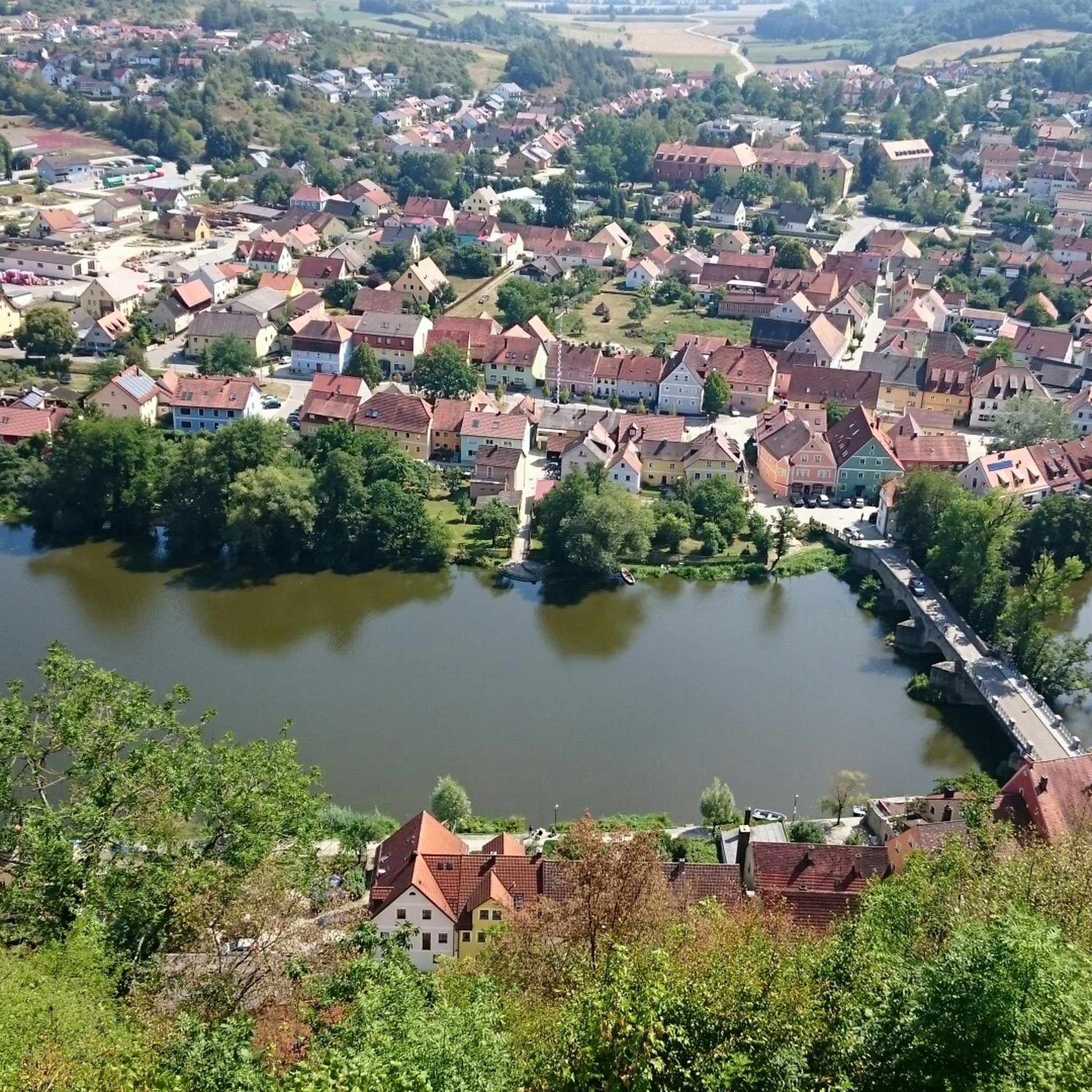
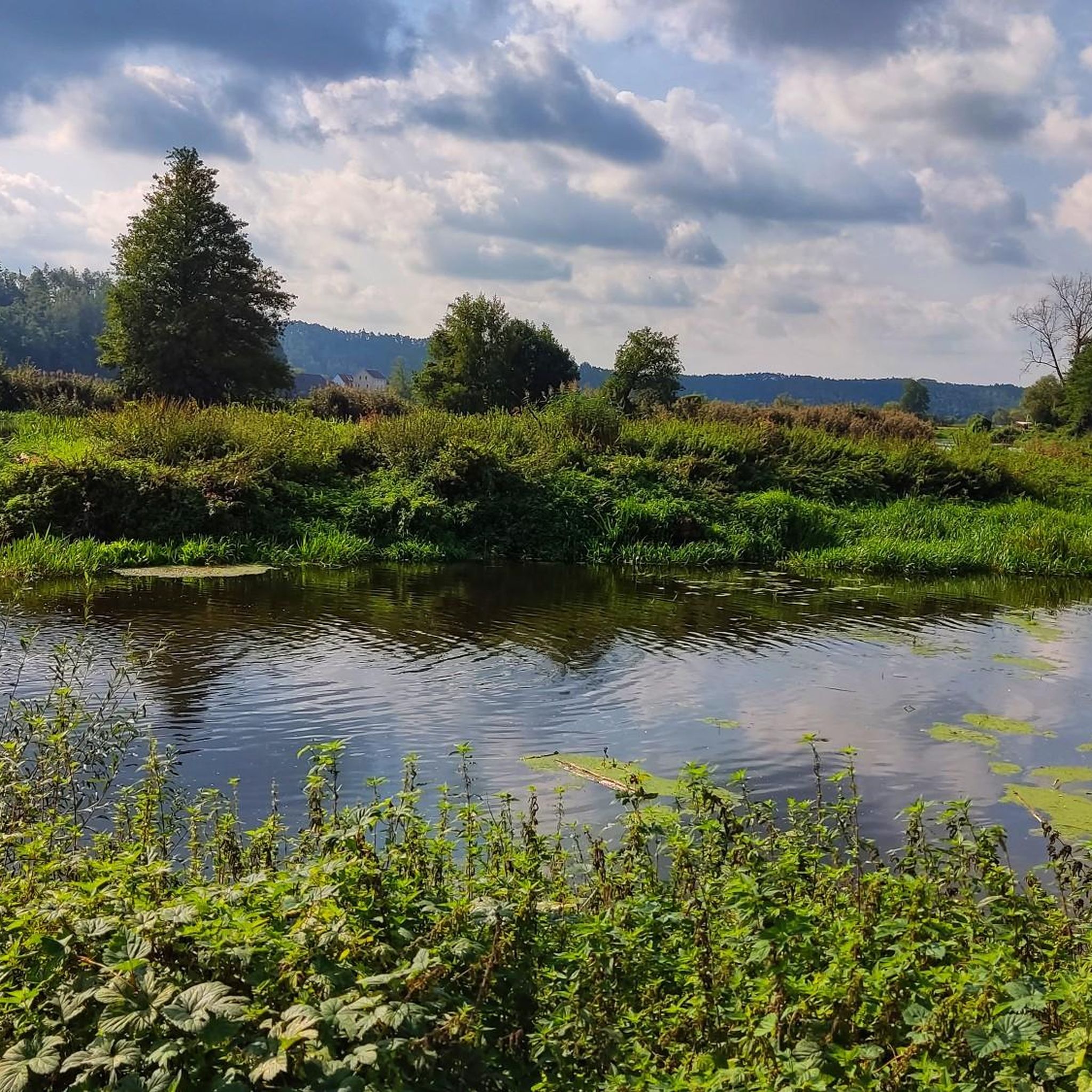
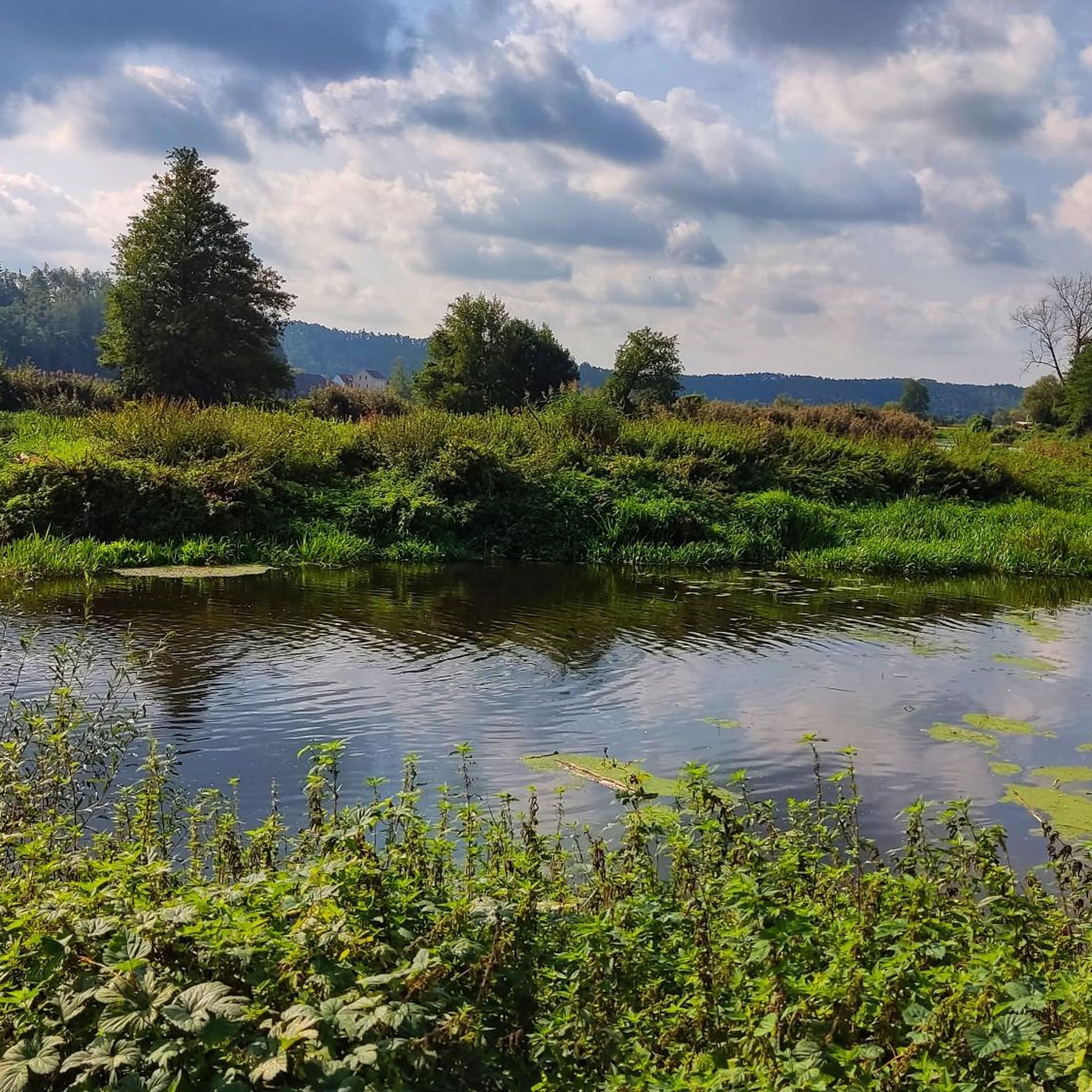
Beautiful view of the Naab and the Kallmünz castle ruins.
4
0

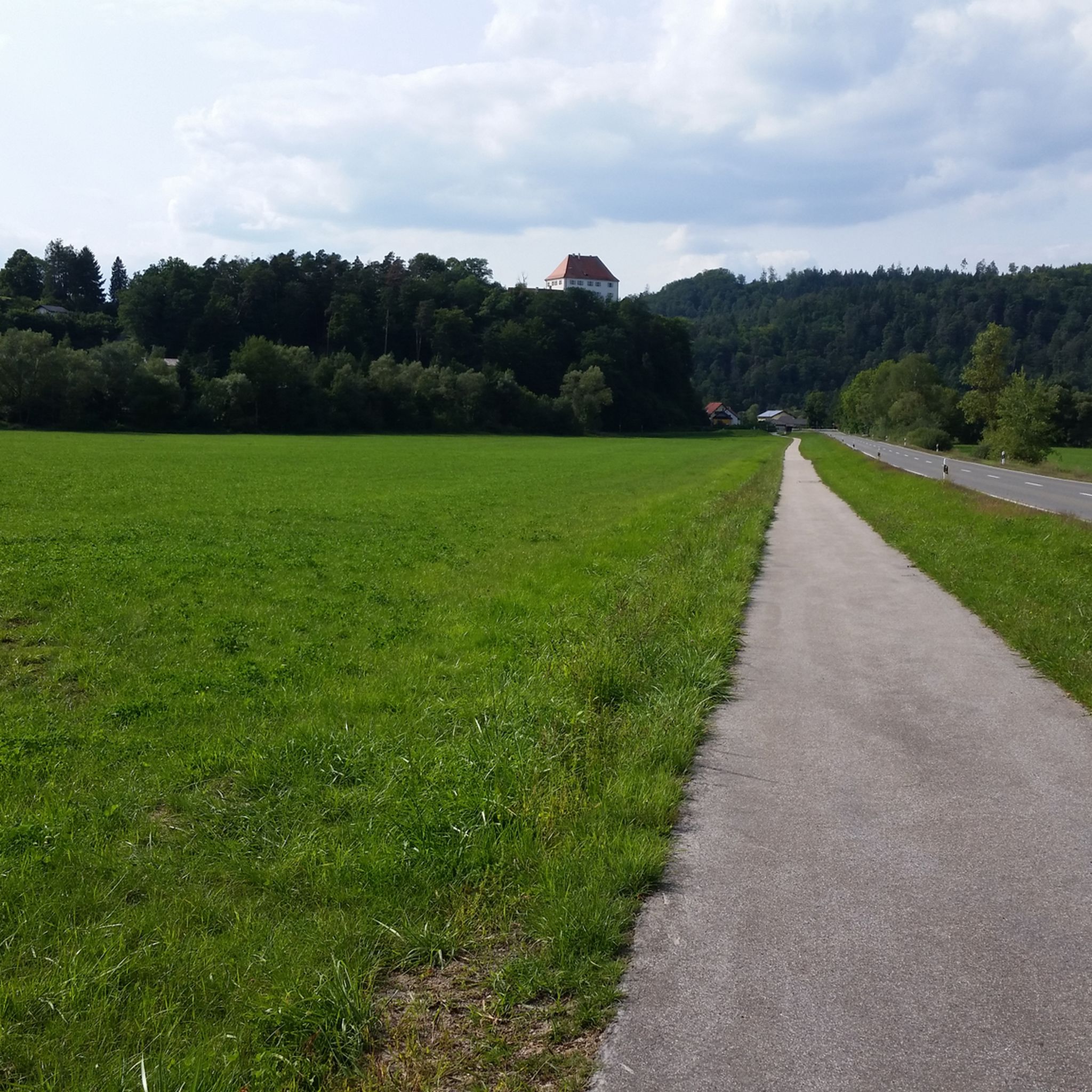
Very beautiful former Hofmarkburg, which was probably built on the walls of a moated castle, essentially from the 13th century. In the 20th century the chateau was used as a warehouse for hops and grain. The market town has belonged to it since 1937 and has since been used as the town hall. There is a charging station for e-bikes.
5
0
Frequently Asked Questions
What are some of the most popular castles to visit around Burglengenfeld?
Among the most popular are Stockenfels Castle Ruins, known for its hidden forest location and trails. Another must-see is Wolfsegg Castle, a well-preserved medieval castle with a museum. Visitors also appreciate Ramspau Castle, a beautiful baroque structure.
What makes Burg Burglengenfeld historically significant?
Burg Burglengenfeld, also known as Burg Lengenfeld, is considered Bavaria's best-preserved castle from the Salian period. Its origins date back to the 9th and 10th centuries, evolving into a formidable stone fortress by the 12th century. It features a central round tower, the Sinzenhofer Tower, and an 800-meter-long ring wall, showcasing significant medieval engineering and a rich history of sieges and battles.
Are there family-friendly castles or activities in the Burglengenfeld area?
Yes, several castles offer family-friendly experiences. Wolfsegg Castle houses a museum with insights into medieval life and is regularly used for cultural events. The Kallmünz marketplace area, near the castle ruins, is also family-friendly with art galleries, beer gardens, and places to relax by the Naab river.
What kind of natural features or viewpoints can I find near the castles?
The region offers scenic views, particularly of the Naab valley. Many castle sites, like Stockenfels Castle Ruins and Wolfsegg Castle, are situated on elevated positions providing panoramic vistas. The Kallmünz marketplace is also a great spot to enjoy the natural beauty of the Naab river.
Are there hiking trails near the castles around Burglengenfeld?
Absolutely. The area is excellent for hiking. For example, you can find trails leading down from Stockenfels Castle Ruins. There are also dedicated hiking routes in the region, such as the "View from Köblitzplatte – Viewpoint loop from Burglengenfeld" or the "Jägerhäusl Hunting Lodge – Cross on the Hutberg near Fischbach loop from Burglengenfeld". You can find more details on these and other routes in the Hiking around Burglengenfeld guide.
What cycling opportunities are available near the castles?
The region around Burglengenfeld offers various cycling routes. You can explore paths like the "Kallmünz and the Vils Valley – House without a Roof (Kallmünz) loop from Burglengenfeld" or the "Burglengenfeld Town Hall – Vils River Near Schmidmühlen loop from Augustenhof". For mountain biking, consider routes like the "Vils River Trail – Weir at Emhof loop from Burglengenfeld". Discover more options in the Cycling around Burglengenfeld guide and the MTB Trails around Burglengenfeld guide.
What do visitors enjoy most about the castles in this region?
Visitors frequently praise the historical atmosphere and the well-preserved structures that offer a glimpse into medieval life. The scenic views from castle perches, the opportunities for hiking and exploring hidden ruins like Stockenfels Castle Ruins, and the cultural events at places like Wolfsegg Castle are highly appreciated. The komoot community has shared over 1000 photos and given more than 1600 upvotes for these sites.
Are there any castles in the area that are wheelchair accessible?
Yes, Oberes Schloss Schmidmühlen (Town Hall) is listed as wheelchair accessible. This former moated castle, now serving as the town hall, offers a chance to experience a historic site with improved accessibility.
Where can I find places to eat or drink near the castles?
The town of Burglengenfeld itself offers a selection of cafes, restaurants, and pubs. In Schmidmühlen, near Oberes Schloss Schmidmühlen, you'll find cozy overnight accommodations and a good selection of inns. The Kallmünz marketplace is also known for its numerous refreshment options, from pizza to cafes and beer gardens.
Is there parking available when visiting the castles?
Yes, parking is generally available. For instance, Oberes Schloss Schmidmühlen (Town Hall) explicitly mentions parking facilities. For other castles, it's often advisable to check local signage or tourist information upon arrival, especially in smaller towns or near ruins.
What is the best time of year to visit the castles around Burglengenfeld?
The castles and surrounding landscapes are beautiful throughout the year. Spring and autumn offer pleasant temperatures for exploring and hiking, with vibrant foliage or blooming nature. Summer allows for longer daylight hours and cultural events, while winter can provide a unique, serene atmosphere, though some facilities or opening hours might be reduced. Always check specific castle opening times before your visit, especially for museums like the one at Wolfsegg Castle.
Are there any lesser-known or 'hidden gem' castles worth exploring?
While Burg Burglengenfeld is the most prominent, the region has many historical sites. Beyond the main highlights, exploring the smaller towns and their historical centers, such as Schmidmühlen with its three castles (Oberes Schloss Schmidmühlen, Hammer Castle, and Brick Castle), can reveal charming and less crowded historical gems.
Most popular routes around Burglengenfeld
Most popular attractions around Burglengenfeld

Get inspired with the komoot mobile app


Explore more
Looking for the best castles somewhere else? Discover other guides around Burglengenfeld:
