Top 20 Natural Monuments around Blaubeuren
Best natural monuments around Blaubeuren are found within the Swabian Jura, a region recognized for its karst landscape and geological formations. The town is situated in the UNESCO Global Geopark Swabian Alb, highlighting the international importance of its natural heritage. This area features significant natural sites such as the Blautopf karst spring and the Hohle Fels cave, known for its archaeological discoveries. These locations offer insights into geological processes and early human history.
Best natural monuments around Blaubeuren
- The most…
Last updated: September 29, 2026
Blautopf
Highlight • Lake
Showing Translation
Tip by

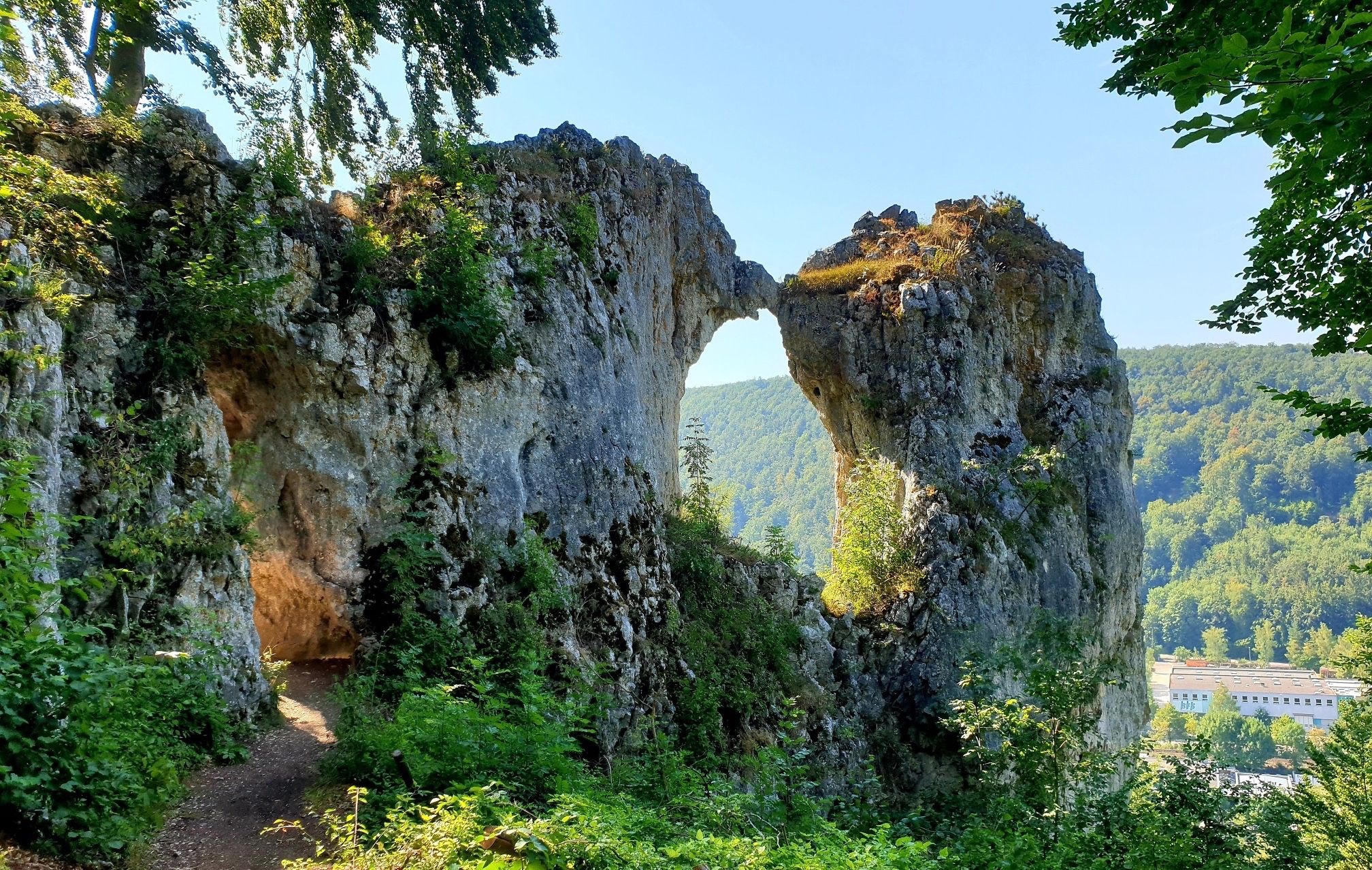
Küssende Sau Rock Formation
Highlight • Natural Monument
Showing Translation
Tip by

Sign up now to discover places like this
Get recommendations on the best single tracks, peaks, & plenty of other exciting outdoor places.
Günzelburg Ruins
Highlight • Castle
Showing Translation
Tip by

View of Blaubeuren from the Rock Outcrop
Highlight • Viewpoint
A little hidden behind …
Translated by Google •
Tip by

View over Blaubeuren from Blaufels
Highlight • Viewpoint
Translated by Google •
Tip by

Sign up for free to discover even more natural monuments around Blaubeuren.
Already have an account?
Start today with a free account
Your next adventure awaits.
Popular around Blaubeuren

Hiking breaks in the South – two-day routes in Baden-Württemberg

Hiking the Süden – between Black Forest, Lake Constance and Swabian Alb
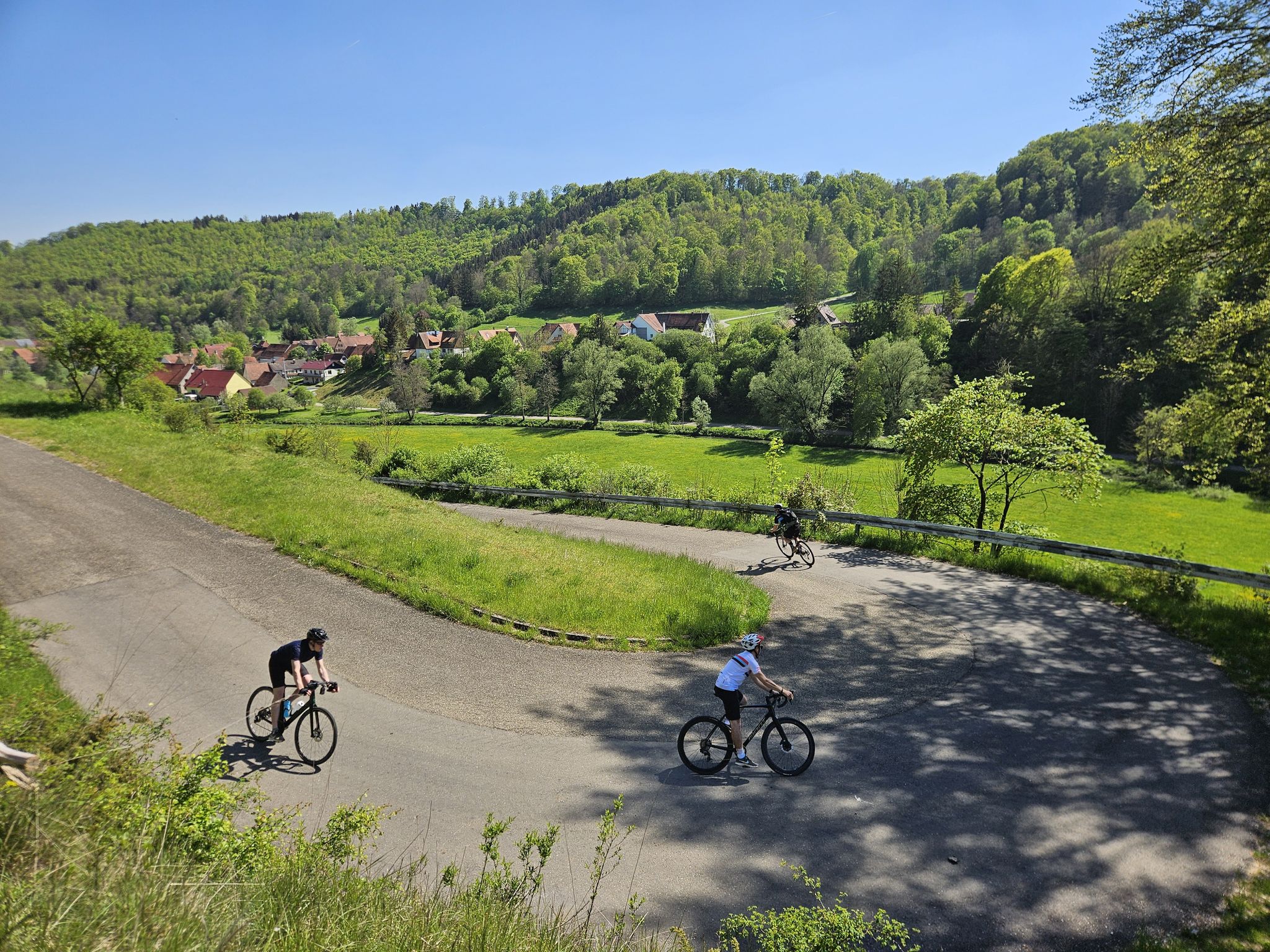
From mountain sprints to winding roads – the Tour de Alb road cycling adventure
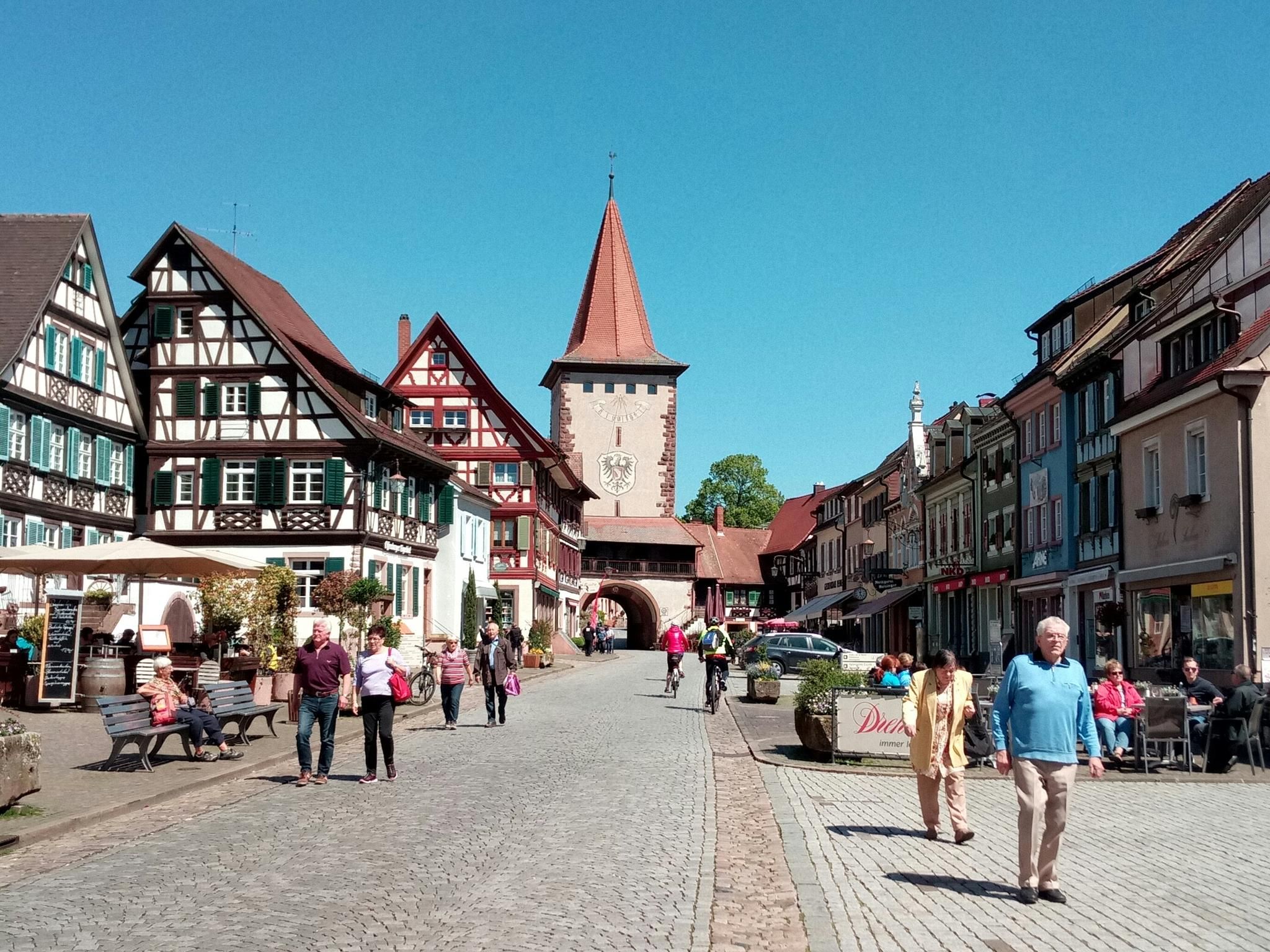
Cycling along the German Half-Timbered House Route
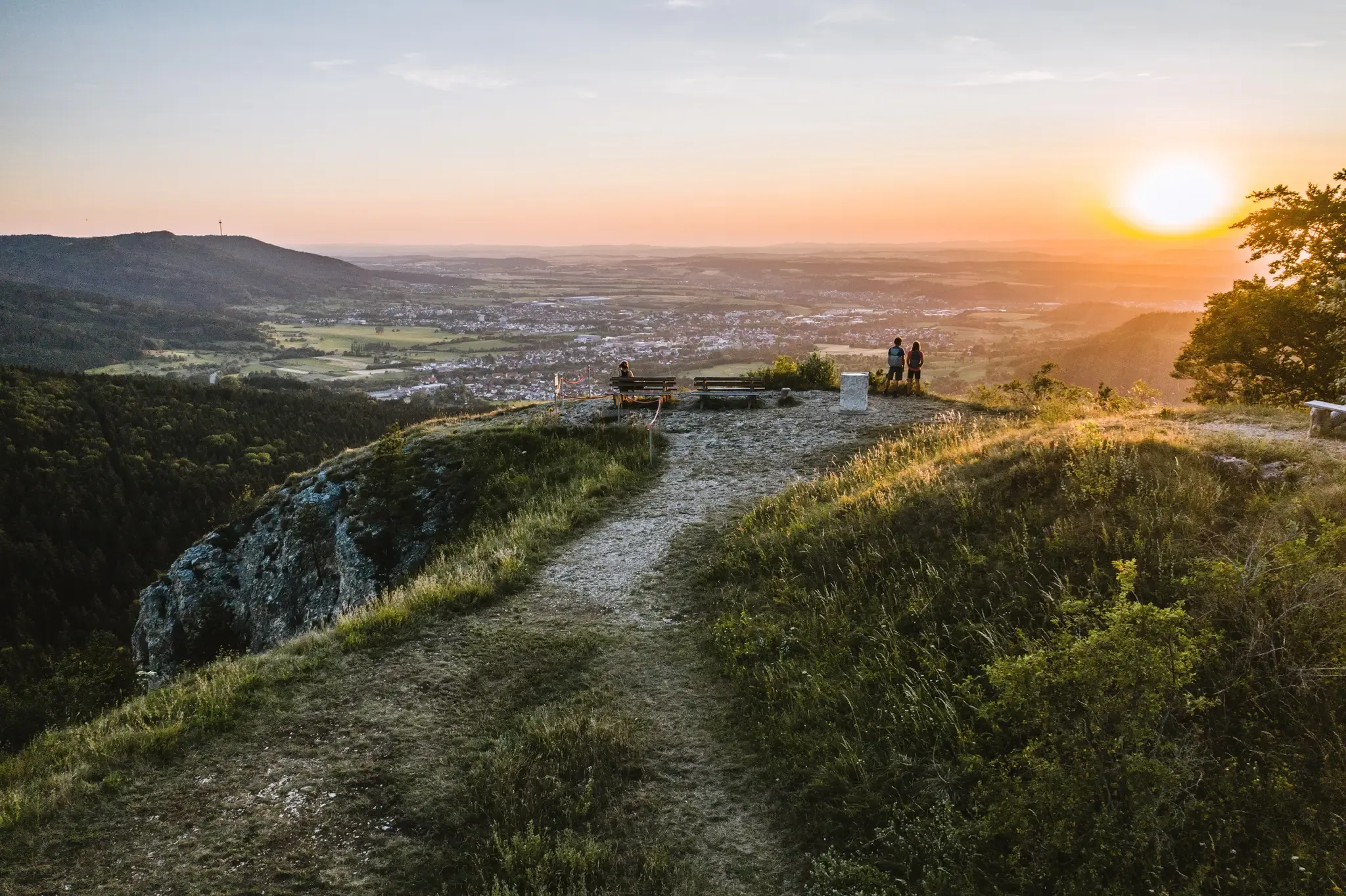
Discover the fascinating rocks and caves of Germany’s Swabian Alb
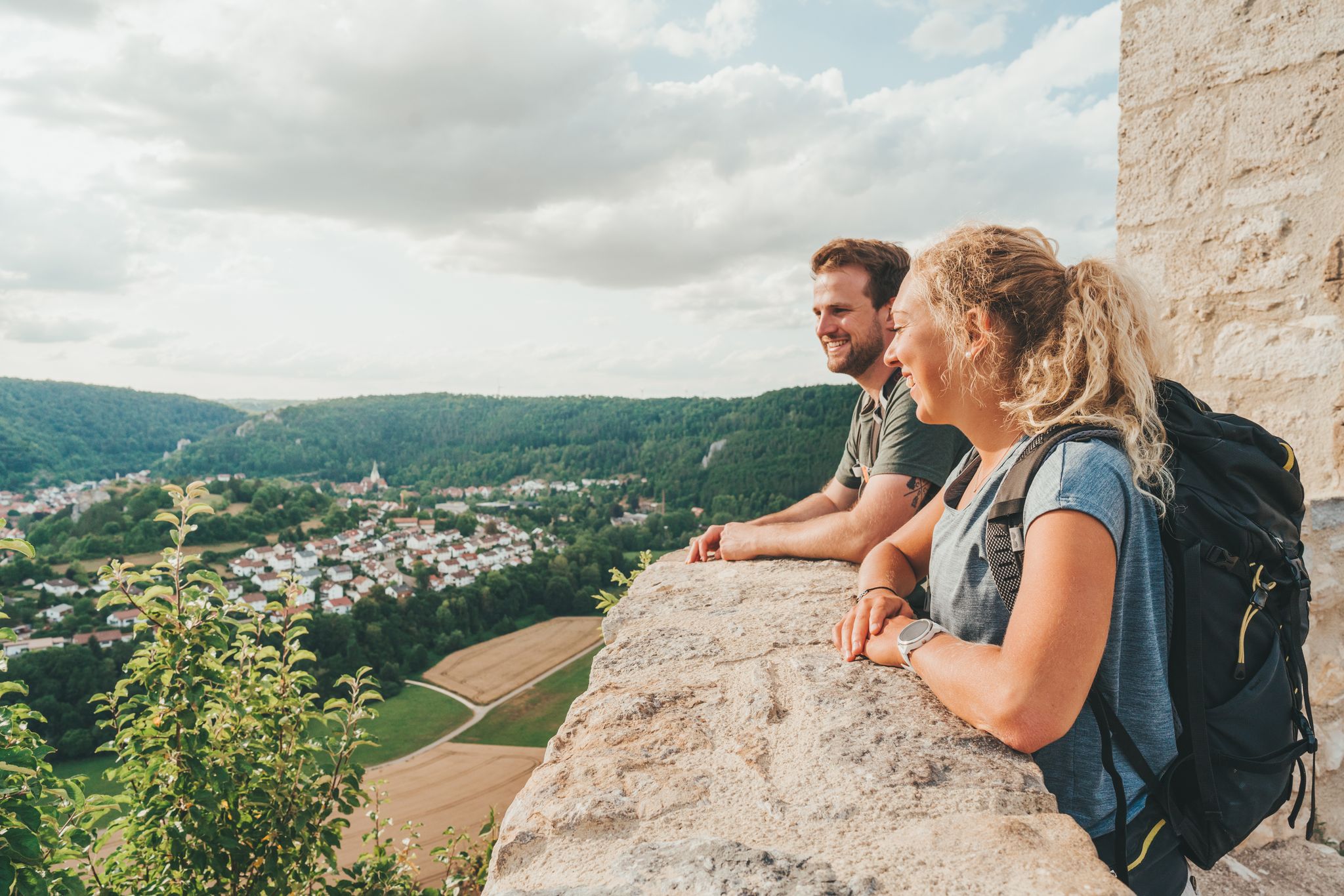
Hike Germany’s Swabian Alb – by bus and train

10 beautiful trails in the Swabian Jura for sporty hikers
Ice Age hunters and the art of brewing – trails through the Swabian Alb
Weekend excursion to the Swabian Alb
On the tracks of Homo Sapiens and ancient cultures
Other adventures around Blaubeuren


Tips from the Community

The remains of Günzelburg are located on a wooded ridge not far from the Lonetal valley. Today, only a few wall fragments bear witness to the former castle, which was probably built in the early Middle Ages. Its location suggests a former protective function. The site is accessible via a footpath and offers a beautiful view of the surrounding area. Information boards on site provide insights into the history of the complex and previous archaeological investigations.
3
2

The Günzelburg ruins, also called Greifenburg, Gryffenburg and Denzelburg, are the ruins of a rock castle on a 685 m above sea level rock tower above the village of Weiler near Seißen, a district of the town of Blaubeuren. The castle was built in the late 13th century by the Grif von Berkach, probably as a successor to a castle on the nearby Wachtfels. The Lords of Berkach were ministerials of the Counts of Berg. The subsequent owners are named as the Lords of Weiler and the Lords of Westernach at the end of the 14th century, Ulrich von Westerstetten in 1460 and after 1460 the Blaubeuren monastery. The name of the castle Denzelburg, probably Tünzelburg, mentioned in 1464, probably goes back to a later owner of the castle. By 1477 the complex was in a state of disrepair, it is said: "The ruins of the walls of Gintzelburg Castle, which protrude over the house (= the Franciscan monastery) on the top of the rock, also caused damage to this house..." Remains of the walls of the former castle complex, which had a hook-shaped shield wall, are still preserved. The core castle had a floor area of about 20 by 21 meters.
6
0

A very nice view
11
1

You have to squeeze past the crevice, turn around once and then you have a great view of the two little pigs
5
0

Highly recommended, I think 🤗 can also be combined with the Blautopf 🤩
4
0

An absolutely stunning place. The circular trail around the Blautopf is highly recommended. The Blautopf (21 meters deep) is a karst spring from which the Blau River rises.
12
1

Magnificent view over Blaubeuren into the Blautal.
4
0
Unfortunately, not much can be seen from the ruins of the castle, but the view after climbing the stairs is fantastic.
5
0
Frequently Asked Questions
What are the most popular natural monuments around Blaubeuren?
Among the most popular natural monuments in Blaubeuren is the Blautopf, a stunning karst spring known for its vibrant blue color. Visitors also frequently enjoy the unique Küssende Sau Rock Formation, which is made of fossilized coral, and the View of Blaubeuren from the Rock Outcrop, offering expansive views of the Blautal.
What makes the Blautopf unique?
The Blautopf is unique for its mesmerizing blue-green hues, which result from Rayleigh scattering of light on nanoscale lime particles in the water. It is the second most powerful karst spring in Germany and the source of the Blau River. This natural wonder is also steeped in local myths and fairy tales, such as 'The Story of the Beautiful Lau,' and is the entry point to an extensive underground cave system.
What is the significance of the Hohle Fels cave?
The Hohle Fels cave is a globally significant archaeological site and a UNESCO World Heritage site. It is renowned for yielding some of the oldest figurative art and musical instruments ever found, including the 'Venus vom Hohle Fels' and flutes made from bird bones and mammoth ivory, dating back over 40,000 years. The cave provides a unique glimpse into early human history and culture.
Are there family-friendly natural monuments in Blaubeuren?
Yes, several natural monuments in Blaubeuren are suitable for families. The Blautopf is a great option, with its captivating colors and nearby historical water-powered hammer mill. The Alb plateau in the Swabian Alb Geopark also offers family-friendly trails through meadows and forests.
What kind of geological features can I expect to see in Blaubeuren?
Blaubeuren is situated within the UNESCO Global Geopark Swabian Alb, a region famous for its fascinating karst landscape. You can expect to see unique geological formations like the Küssende Sau Rock Formation, which consists of fossilized coral, and powerful karst springs such as the Blautopf. The area is rich in caves, highlighting its geological significance.
Are there hiking trails near the natural monuments in Blaubeuren?
Yes, there are numerous hiking opportunities near Blaubeuren's natural monuments. You can find routes like the 'Alb-Donau-Kreis Ice Age path - Blaubeurer rocky path' or the 'Blautopf – Küssende Sau Rock Formation loop.' For more options, explore the Hiking around Blaubeuren guide, which features various trails of different difficulties.
What are some good viewpoints in the Blaubeuren area?
Blaubeuren offers several scenic viewpoints. The View of Blaubeuren from the Rock Outcrop provides a fantastic perspective of the Blautal and the town. Additionally, the Günzelburg Ruins offer beautiful views over the valley from a historic site.
What is the best time of year to visit Blaubeuren's natural monuments?
The natural monuments in Blaubeuren can be visited year-round. The Blautopf's blue color is particularly vibrant on sunny days. Spring and autumn offer pleasant temperatures for hiking and exploring the outdoor sites. Winter can also be beautiful, especially if there's snow, though some trails might require appropriate gear.
What cultural or historical sites are near the natural monuments?
Near the natural monuments, you can explore the historic town of Blaubeuren with its charming half-timbered houses and the Blaubeuren Abbey. Adjacent to the Blautopf, a historical water-powered hammer mill, now a museum, adds to the cultural experience. The Günzelburg Ruins also offer a glimpse into the region's past.
What do visitors enjoy most about the natural monuments in Blaubeuren?
Visitors are often captivated by the stunning natural beauty, particularly the vibrant blue of the Blautopf. Many appreciate the blend of natural spectacles with rich historical context, especially at sites like the Hohle Fels cave. The scenic views from various rock outcrops and the unique geological formations also receive high praise from the komoot community.
Are there cycling routes that pass by natural monuments in Blaubeuren?
Yes, the region offers cycling routes that allow you to experience the natural monuments. For example, the 'Valley tour around Blaubeuren and up to the Alb' or routes like 'View of the Blau River – Upper Lauter Valley loop' offer scenic rides. You can find more cycling options in the Cycling around Blaubeuren guide.
How can I learn more about the Blautopf's unique color and myths?
The Blautopf's striking blue color is a result of Rayleigh scattering due to nanoscale lime particles. Its beauty has inspired numerous myths, including 'The Story of the Beautiful Lau.' For more detailed information, you can visit resources like visit-bw.com or atlasobscura.com.
Most popular routes around Blaubeuren
Most popular attractions around Blaubeuren

Get inspired with the komoot mobile app


Explore more
Extend your search for the best caves by checking out these guides of the top ones around Blaubeuren:
