The best mountain hikes around Blaubeuren
4.5
(3)
11
hikers
3
hikes
Mountaineering routes around Blaubeuren are set within the unique karst landscape of the Swabian Alb, characterized by distinctive limestone formations and densely wooded steep slopes. The region features numerous crags and impressive rock formations, including the Blautopf spring and the Blautal valley. This topography provides varied terrain for mountaineering, from challenging climbs on compact limestone to routes offering panoramic views across the valleys.
Best mountaineering routes around Blaubeuren
- The most popular mountaineering route is Blaubeuren Monastery – Rusenschloss Ruins loop from Blaubeuren, a 4.6 miles (7.4 km) trail that takes 2 hours 12 minutes to complete. This moderate route offers views of historical ruins and the surrounding valley.
- Another top favourite among local mountaineers is Blautopf Spring – Blautopf loop from Blaubeuren, a moderate 3.9 miles (6.3 km) path. This route explores the area around the intensely blue Blautopf karst spring.
- Local mountaineers also love the Küssende Sau Rock Formation – Blaubeuren Monastery loop from Blaubeuren, a 3.8 miles (6.2 km) trail leading through distinctive rock formations and past historical sites, often completed in about 1 hour 51 minutes.
- Mountaineering around Blaubeuren is defined by karst landscapes, limestone crags, and wooded valleys. The network offers options for different ability levels, from moderate trails to more challenging ascents.
- The routes in Blaubeuren are highly rated by the komoot community with an average score of 5.0 stars from a few reviews. More than 10 mountaineers have used komoot to explore Blaubeuren's varied terrain.
Last updated: October 5, 2026
5
hikers
7.25km
02:11
190m
190m
Moderate mountaineering route. Good fitness required. Mostly accessible paths. Sure-footedness required.
5.0
(1)
2
hikers
6.19km
01:55
180m
180m
Moderate mountaineering route. Great for any fitness level. Mostly accessible paths. Sure-footedness required.

4.0
(2)
4
hikers
6.27km
01:53
180m
180m
Moderate mountaineering route. Great for any fitness level. Mostly accessible paths. Sure-footedness required.
Our route recommendations are based on thousands of hikes, rides, and runs completed by other people on komoot.
Start today with a free account
Your next adventure awaits.
Popular around Blaubeuren
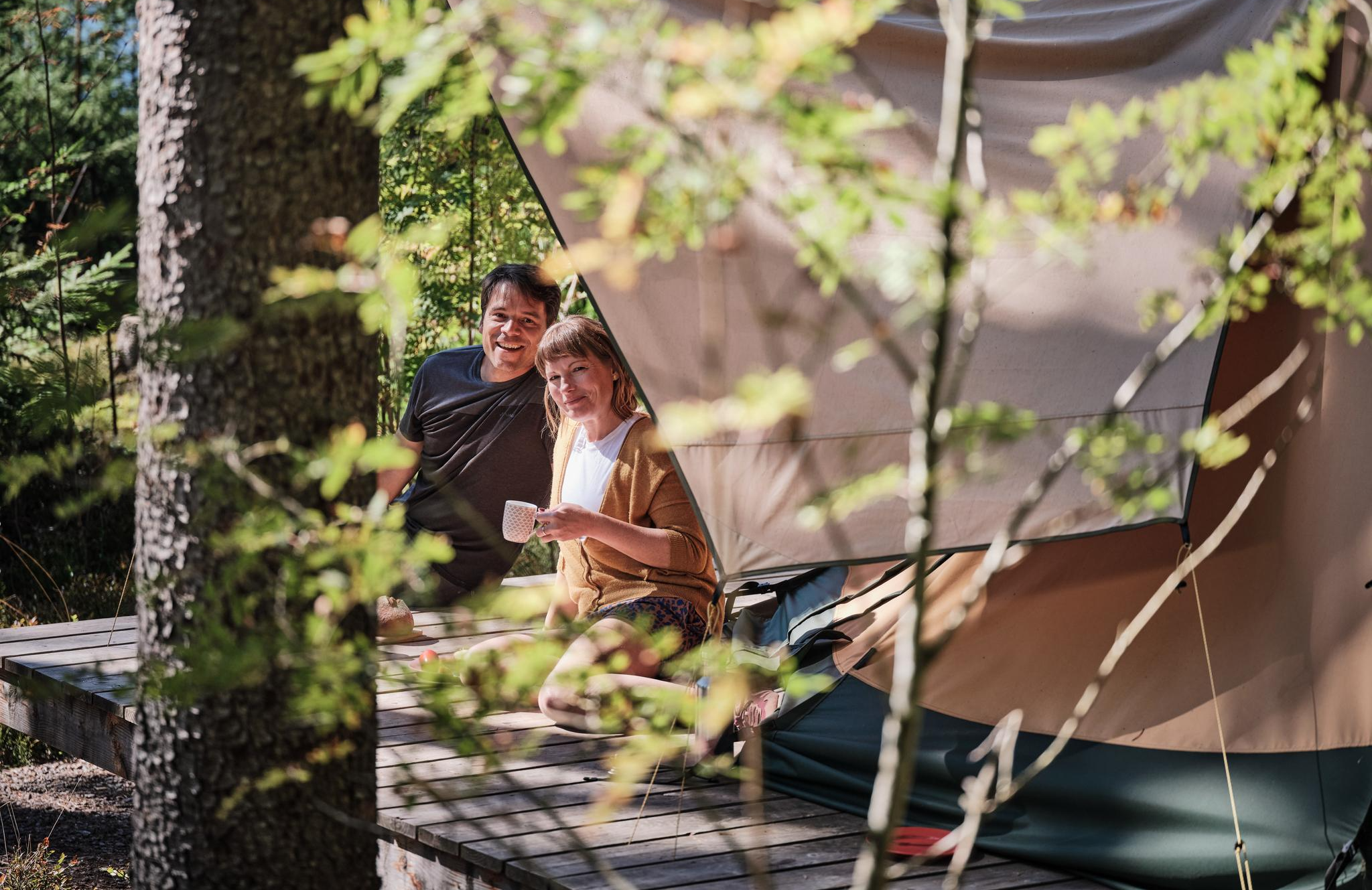
Hiking breaks in the South – two-day routes in Baden-Württemberg
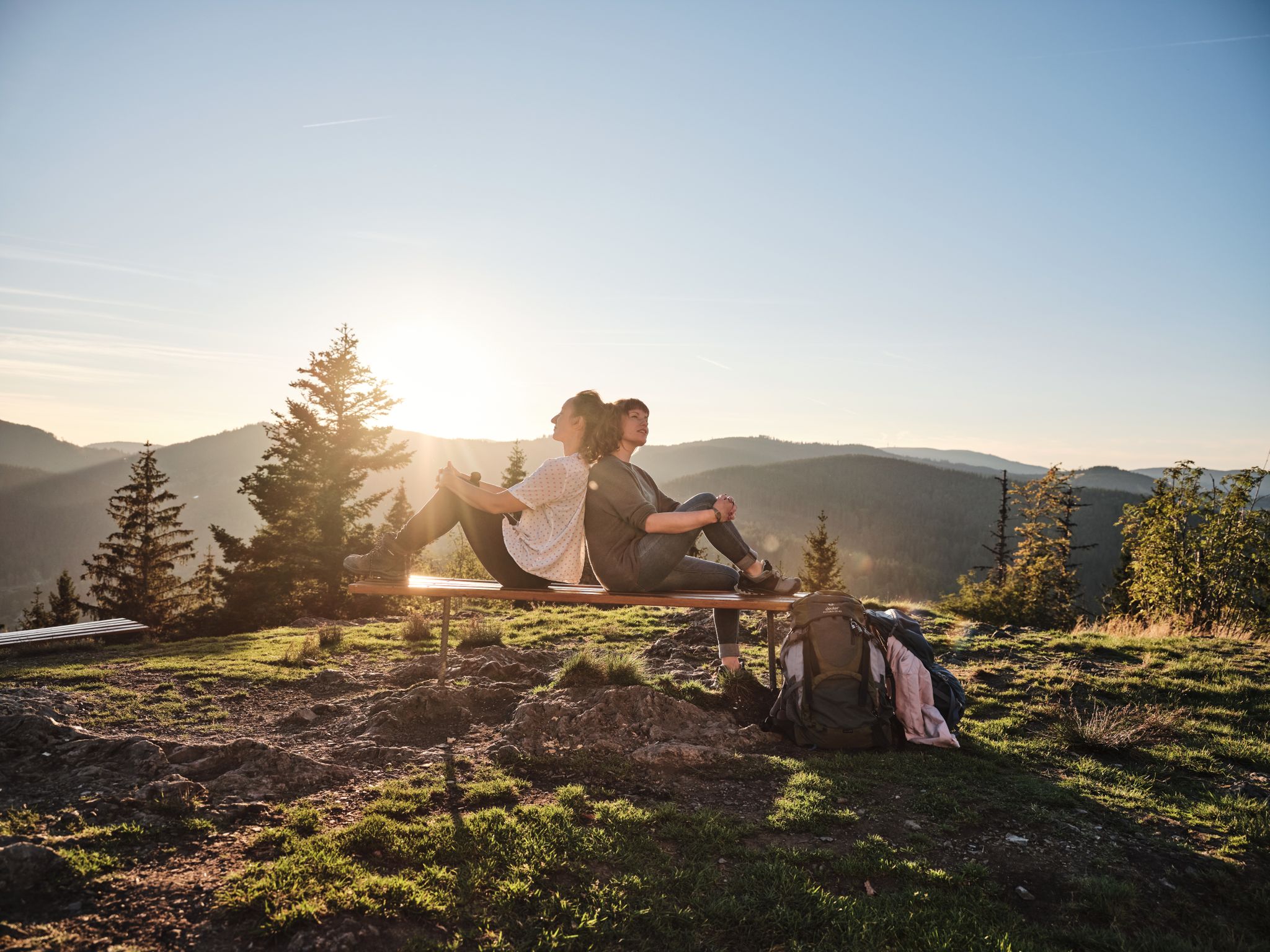
Hiking the Süden – between Black Forest, Lake Constance and Swabian Alb
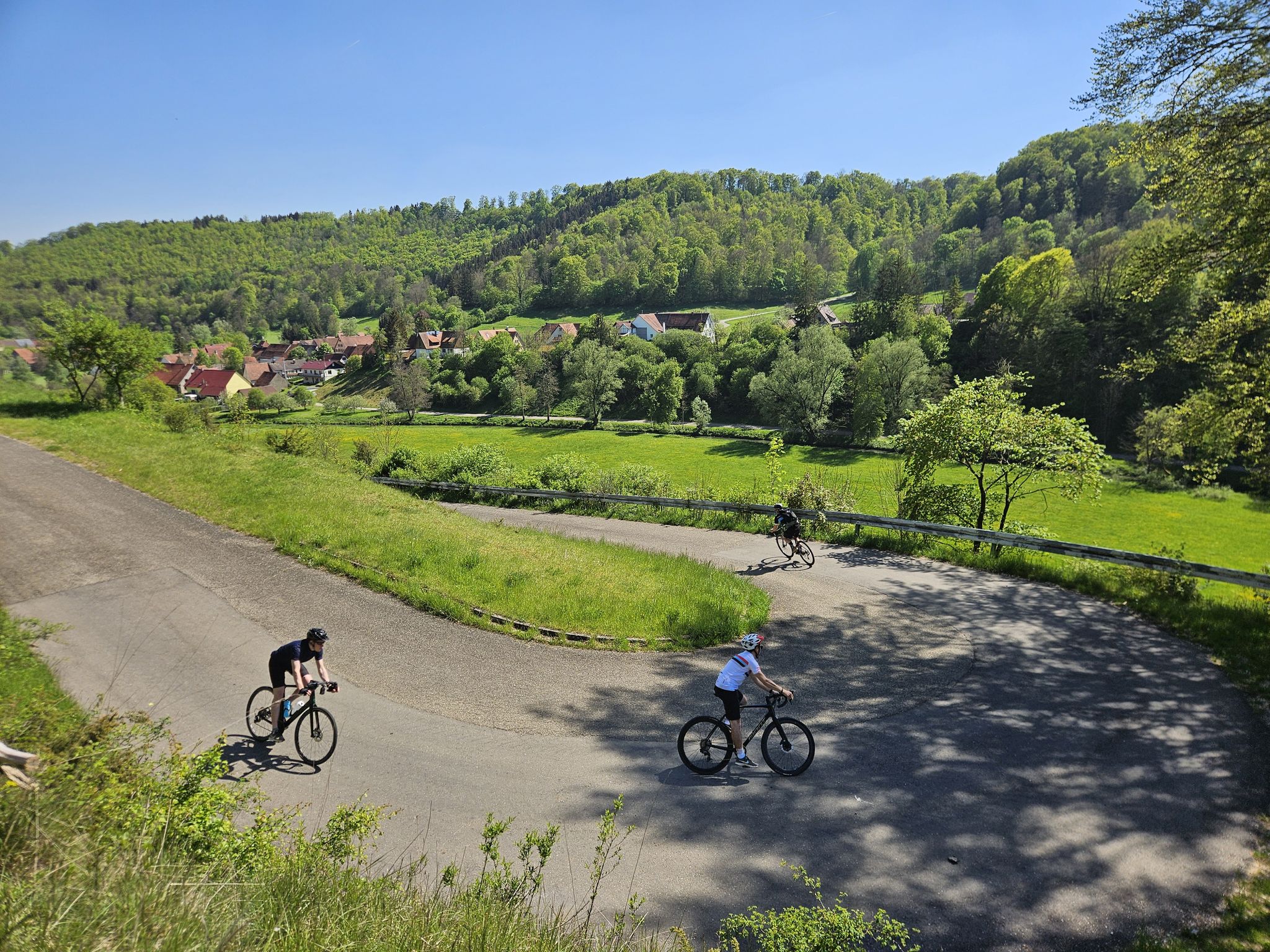
From mountain sprints to winding roads – the Tour de Alb road cycling adventure
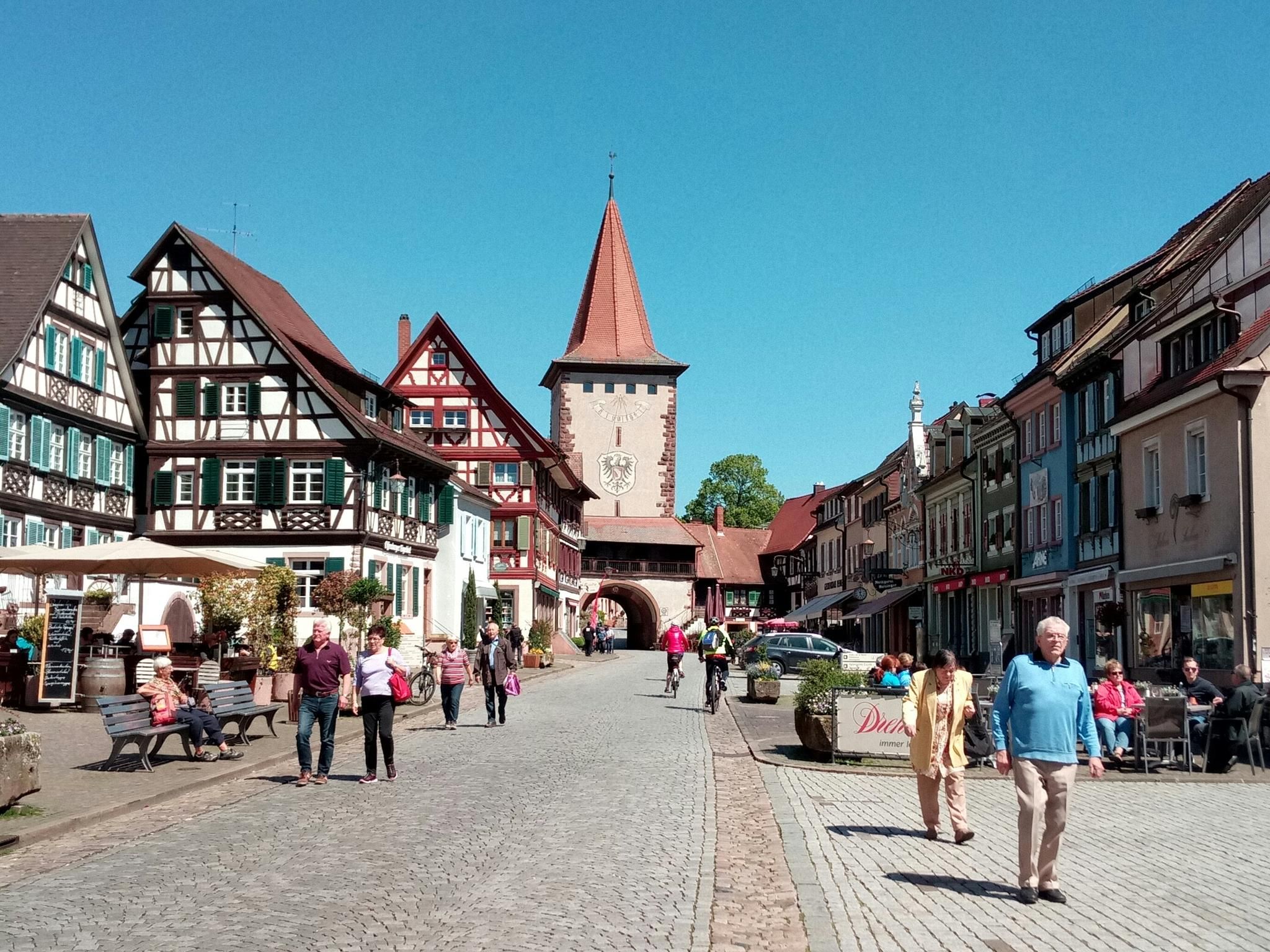
Cycling along the German Half-Timbered House Route
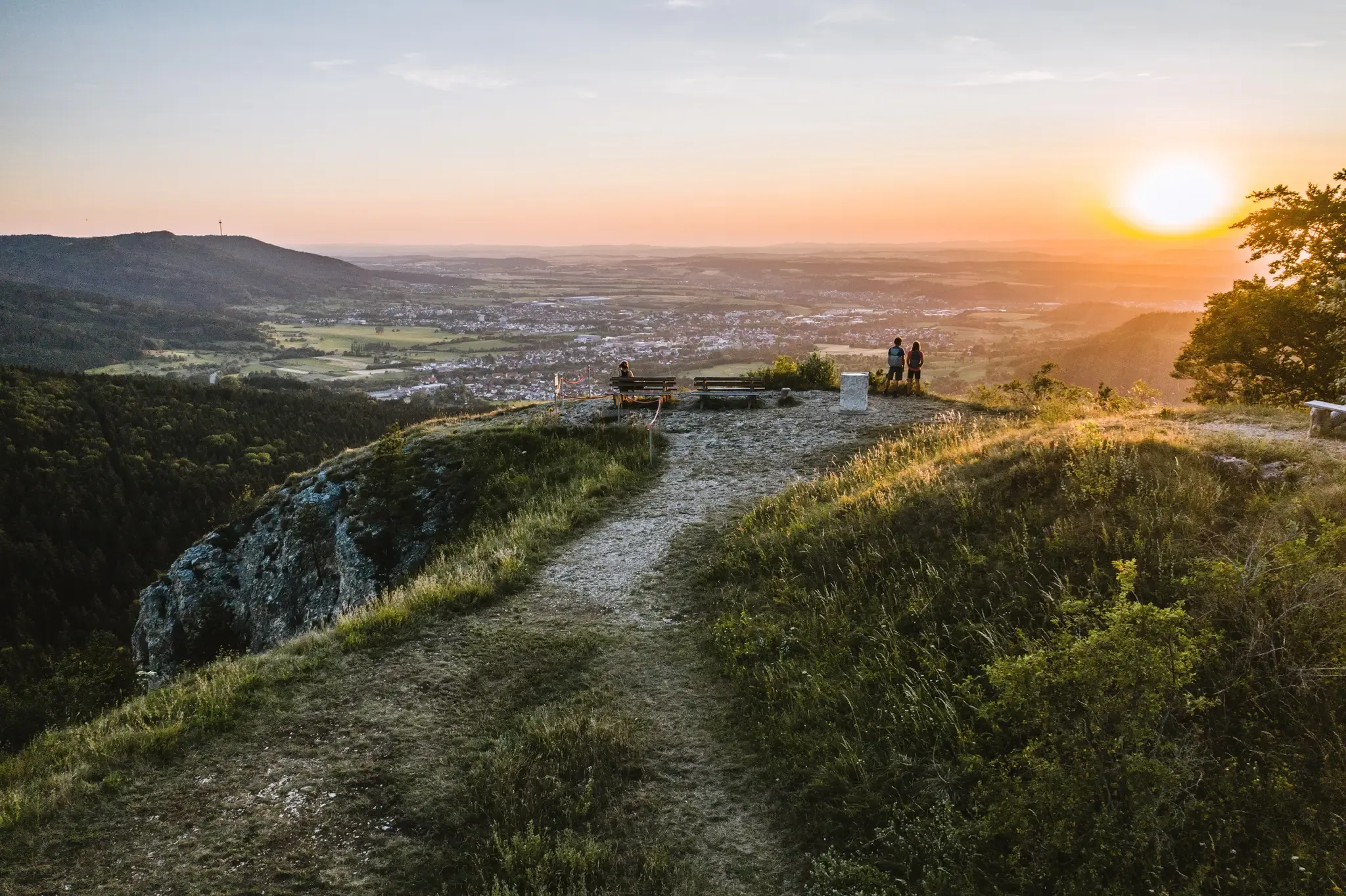
Discover the fascinating rocks and caves of Germany’s Swabian Alb
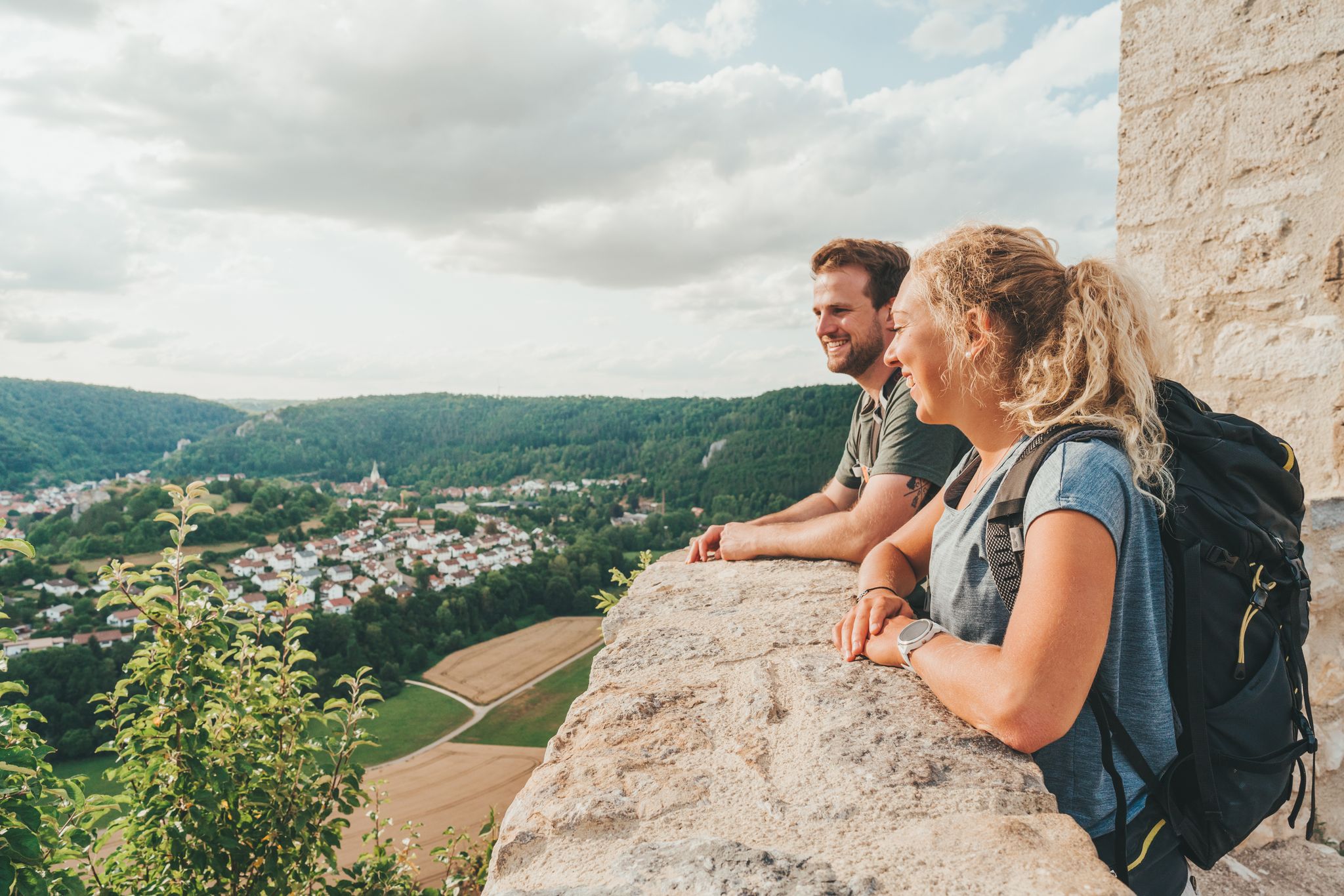
Hike Germany’s Swabian Alb – by bus and train
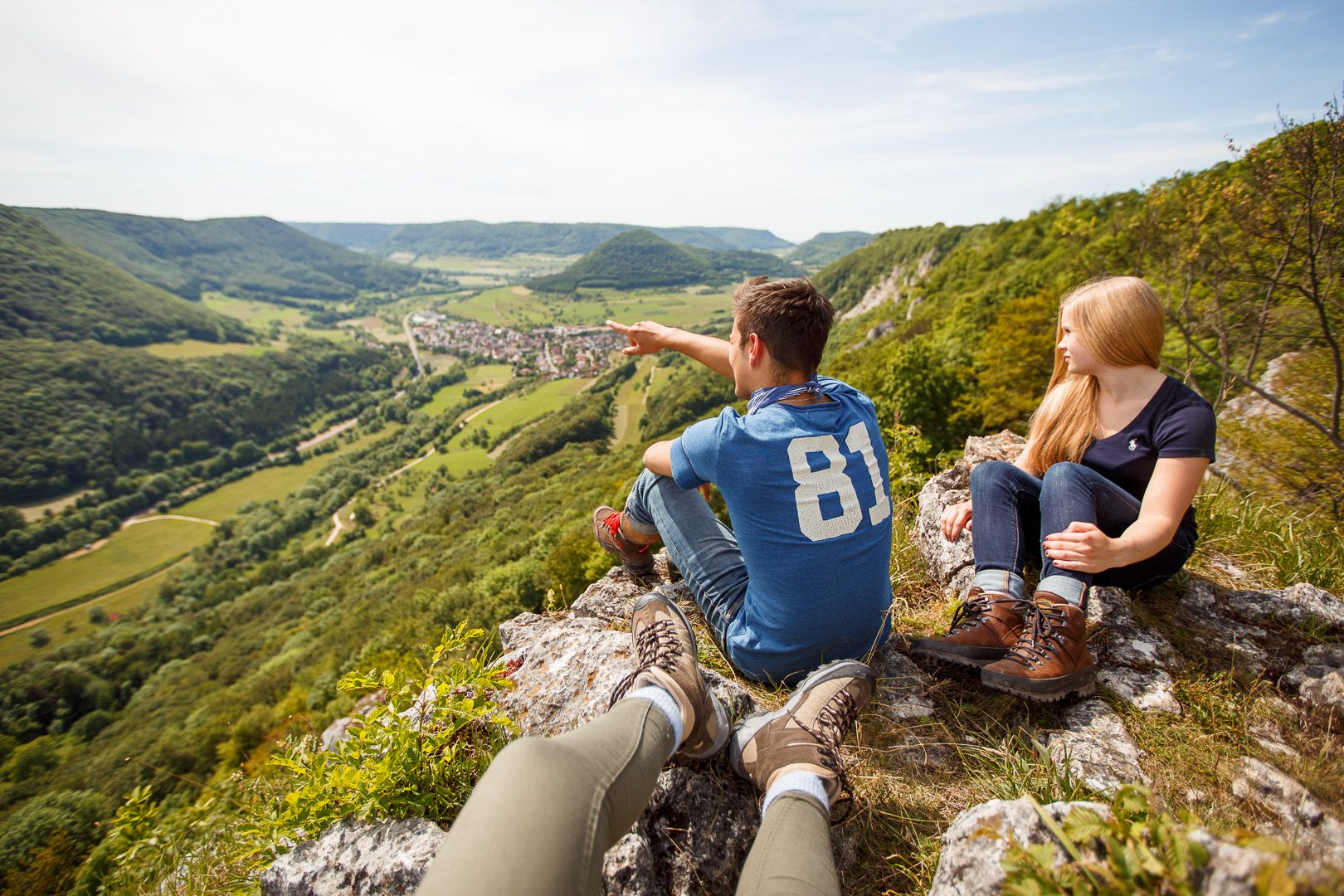
10 beautiful trails in the Swabian Jura for sporty hikers
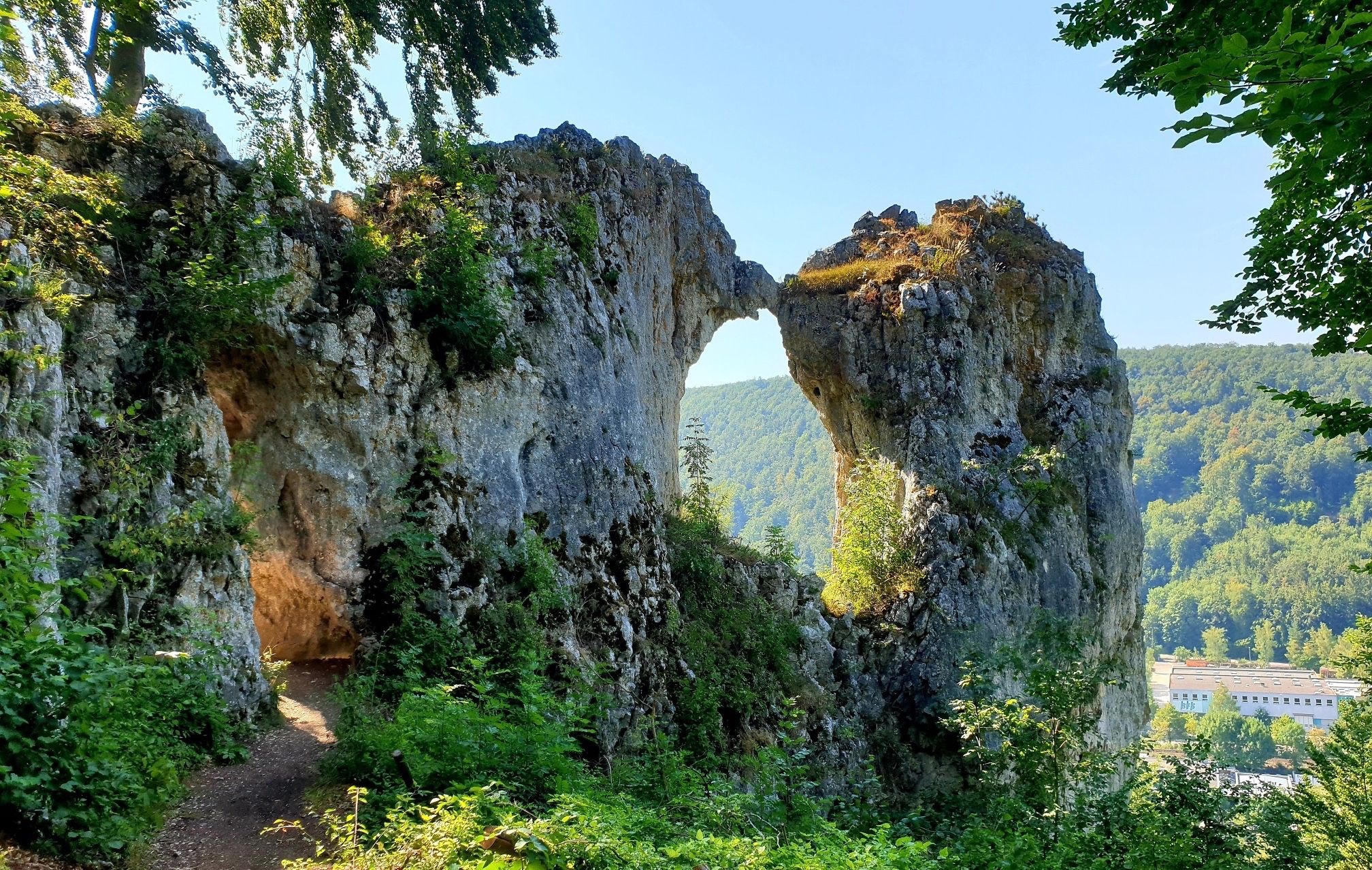
Ice Age hunters and the art of brewing – trails through the Swabian Alb
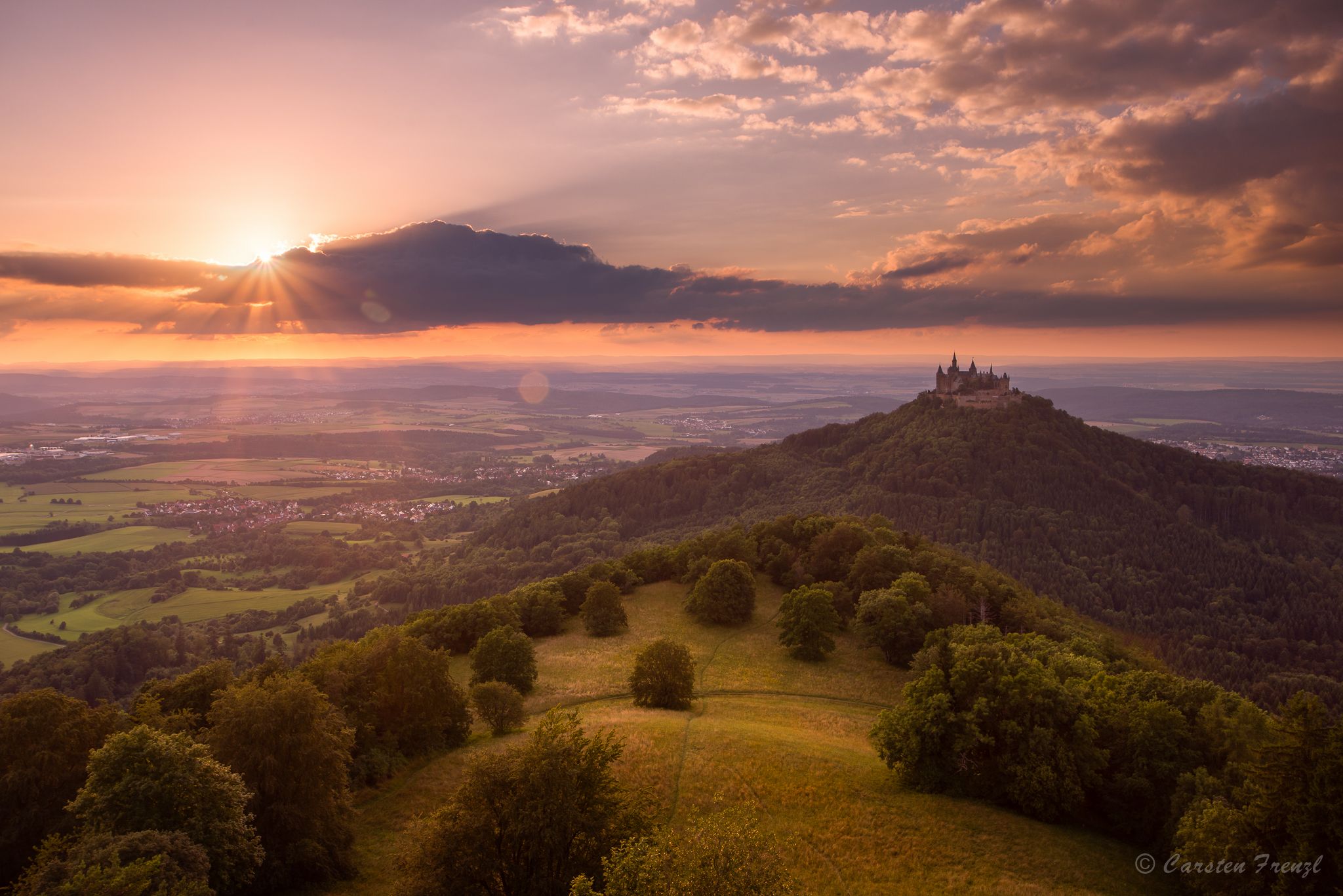
Weekend excursion to the Swabian Alb
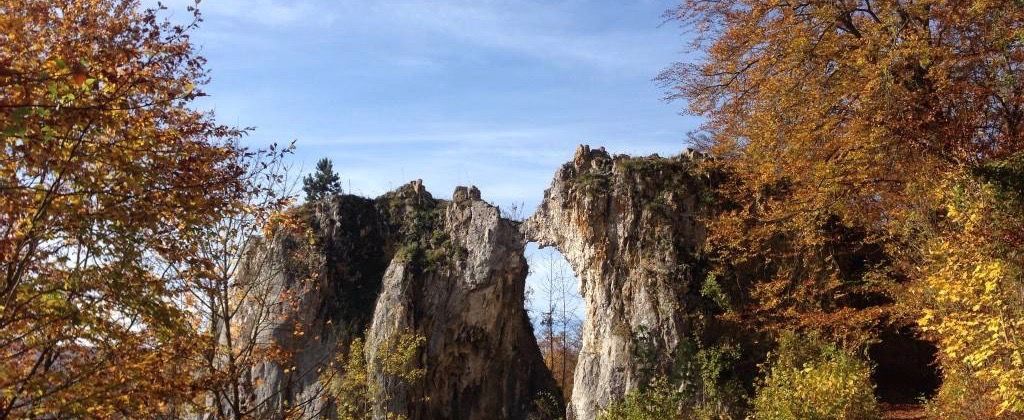
On the tracks of Homo Sapiens and ancient cultures
Other adventures around Blaubeuren


Tips from the Community

Fascinated by the impressions of his journey through Germany, Austria, and Upper Italy, which the American writer Mark TWAIN – known to us readers primarily as the 'literary father' of Tom Sawyer and Hucklebery Finn – had undertaken in 1878, he writes about a hike through the forests: “But the most peculiar effect and the most magical is produced by the softly diffused light of the low-lying afternoon sun; not a single ray can penetrate then, but the soft light takes on color from moss and foliage and fills everything with a delicate green haze, the theatrical lighting of a fairytale land. The mood of mystery and the supernatural, which always hangs over the forest, is made even more intense by this unearthly light.” (Mark Twain: “Bummel durch Europa”)
0
0

Shortly across the street you then go down the stairs towards Blautopf.
3
0

Founded in 1085, the monastery lived according to the rules of the Benedictine order. Between 1466 and 1510, the monastery complex was rebuilt in the late Gothic style and today presents itself with unique evidence of medieval activity. The high altar and the choir stalls are works of art of European rank, created by sculptors and painters of the Ulm School.
1
0

Great hiking trail, but please only ride when there is not much traffic and be particularly considerate of hikers
0
0

Staircase climb from Blaubeuren towards Blaufels with a good view of the monastery.
8
0
The Blau rises from the Blautopf in Blaubeuren, a karst spring with the second highest discharge (2,300 l/s) in Germany. After 300 meters, the Blau flows into the Ach, which also rises from a karst spring.
6
0

A nice place to stay
0
1

Interesting place on the Blau
2
1
Frequently Asked Questions
What kind of terrain can I expect on mountaineering routes in Blaubeuren?
The mountaineering routes around Blaubeuren are set within the unique karst landscape of the Swabian Alb. You'll encounter compact limestone formations, densely wooded steep slopes, and impressive rock features. The Blautal area, in particular, is known for its crags with many pockets, demanding good finger strength and footwork. Expect a mix of slabs, vertical walls, and even large cave roofs.
Are there any family-friendly mountaineering options in Blaubeuren?
While mountaineering often implies more challenging climbs, the routes highlighted in this guide are all rated as moderate, making them suitable for families with some hiking experience. For example, the Blaubeuren Monastery – Rusenschloss Ruins loop from Blaubeuren is a moderate 7.4 km trail that offers historical sights and scenic views without extreme difficulty. The region also offers easier hiking trails that can be enjoyed by families.
Can I bring my dog on the mountaineering trails in Blaubeuren?
Many trails in the Blaubeuren region are dog-friendly, allowing you to enjoy the stunning scenery with your canine companion. However, given the challenging terrain, including narrow rock gates and paths requiring sure-footedness, it's always best to keep your dog on a leash and ensure they are accustomed to such conditions. Always check local regulations for specific routes.
What natural attractions can I see along the mountaineering routes?
Blaubeuren is rich in natural wonders. You can explore the intensely blue Blautopf karst spring, which is a highlight on the Blautopf Spring – Blautopf loop from Blaubeuren. Other notable features include the distinctive Küssende Sau Rock Formation, which you can see on the Küssende Sau Rock Formation – Blaubeuren Monastery loop from Blaubeuren, and various other rock formations, pinnacles, and spires throughout the woodlands.
Are there any historical landmarks or viewpoints along the routes?
Yes, many routes in Blaubeuren blend natural beauty with rich history. The Blaubeuren Monastery – Rusenschloss Ruins loop from Blaubeuren takes you past historical ruins and offers panoramic views of the valley. You can also find the Günzelburg Ruins and enjoy the View of Blaubeuren from the Rock Outcrop. The historic old town with its half-timbered houses and the Blaubeuren Monastery are often integrated into hiking experiences.
What is the best time of year for mountaineering in Blaubeuren?
The Swabian Alb region, including Blaubeuren, is generally enjoyable for outdoor activities from spring through autumn. The mild temperatures and vibrant scenery make these seasons ideal for mountaineering and hiking. While some routes might be accessible in winter, specific conditions like ice or snow could make certain sections more challenging or require specialized equipment. Always check local weather conditions before heading out.
Are there circular mountaineering routes available?
Yes, all the mountaineering routes featured in this guide are circular, offering convenient starting and ending points. For instance, the Blaubeuren Monastery – Rusenschloss Ruins loop from Blaubeuren, the Blautopf Spring – Blautopf loop from Blaubeuren, and the Küssende Sau Rock Formation – Blaubeuren Monastery loop from Blaubeuren are all designed as loops, allowing you to return to your starting point without retracing your steps.
What are the typical distances and elevations for mountaineering routes here?
The routes in this guide vary in length and elevation gain. For example, the Blaubeuren Monastery – Rusenschloss Ruins loop from Blaubeuren is 7.4 km long with an elevation gain of 188 meters. The Blautopf Spring – Blautopf loop from Blaubeuren covers 6.3 km with 186 meters of ascent, and the Küssende Sau Rock Formation – Blaubeuren Monastery loop from Blaubeuren is 6.2 km with 176 meters of ascent. These moderate routes offer a good balance of challenge and scenic reward.
What do other mountaineers enjoy most about the routes in Blaubeuren?
The mountaineering routes in Blaubeuren are highly rated by the komoot community, with an average score of 5.0 stars. Reviewers often praise the unique karst landscapes, the stunning blue waters of the Blautopf, and the blend of natural beauty with historical sites like the Rusenschloss ruins. The diverse terrain and well-maintained paths also contribute to a highly enjoyable experience for outdoor enthusiasts.
Are there any caves to explore near the mountaineering routes?
Yes, the Blaubeuren region is famous for its extensive cave systems due to its karst geology. The Blautopf itself marks the entrance to a large underground cave system. The Bärental Cave is another notable cave in the area. The Hohle Fels cave, a UNESCO World Heritage site, is also nearby and is one of the most important archaeological digging sites globally for Upper Paleolithic art, offering a fascinating glimpse into prehistoric times.
Is public transport available to reach the mountaineering trails?
Blaubeuren is generally accessible by public transport, with bus and train connections to nearby larger towns. Many trails, especially those starting from the town center, are within walking distance of public transport stops. For specific trailheads further afield, it's advisable to check local bus schedules or consider a short taxi ride. Information on public transport options can usually be found on local tourism websites.
Where can I find parking for mountaineering routes in Blaubeuren?
Blaubeuren offers various parking options, especially near popular starting points for hiking and mountaineering routes. You can typically find designated parking areas in or around the town center, close to attractions like the Blautopf or the Blaubeuren Monastery. Some trailheads outside the immediate town area may also have smaller parking lots. It's always a good idea to arrive early, especially on weekends, to secure a spot.
Most popular routes around Blaubeuren
Most popular attractions around Blaubeuren

Get inspired with the komoot mobile app


Explore more
Browse the best Mountain Hikes & Routes in other regions.
