Top 20 Caves in Emilia-Romagna
Best caves in Emilia-Romagna are found within its gypsum karst regions, offering a diverse underground world. The region's "Evaporitic Karst and Caves of Northern Apennines" is a UNESCO World Heritage site, highlighting its geological significance. Emilia-Romagna features over 900 caves, with many showcasing unique formations and historical importance. Several caves are accessible for guided tours, providing opportunities for exploration.
Best caves in Emilia-Romagna
- The most popular caves is Soprasasso Caves, a cave that features peculiar hollows in sandstone rock.…
Last updated: July 21, 2026
Soprasasso Caves
Highlight • Cave
Translated by Google •
Tip by

Spipola Cave
Highlight • Cave
I found it a …
Translated by Google •
Tip by

Sign up now to discover places like this
Get recommendations on the best single tracks, peaks, & plenty of other exciting outdoor places.
Sign up for free
Howling Cave of Premilcuore
Highlight • Cave
Translated by Google •
Tip by

Candle Pit
Highlight • Cave
Translated by Google •
Tip by

Montebello Clay Quarry
Highlight • Structure
Translated by Google •
Tip by

Onferno Caves
Highlight • Cave
Translated by Google •
Tip by
Farneto Cave
Highlight • Cave
It can only be visited with a guided tour ( parks.it/parco.gessi.bolognesi/man.php )
Translated by Google •
Tip by

Monte Mauro Hermitage
Highlight • Religious Site
Translated by Google •
Tip by

Grotta Tanaccia
Highlight • Cave
Translated by Google •
Tip by
Castellaccio di Pietramora
Highlight • Castle
Translated by Google •
Tip by

Sign up for free to discover even more caves in Emilia-Romagna.
Sign up for free
Already have an account?
Start today with a free account
Your next adventure awaits.
Login or Signup
Popular around Emilia-Romagna
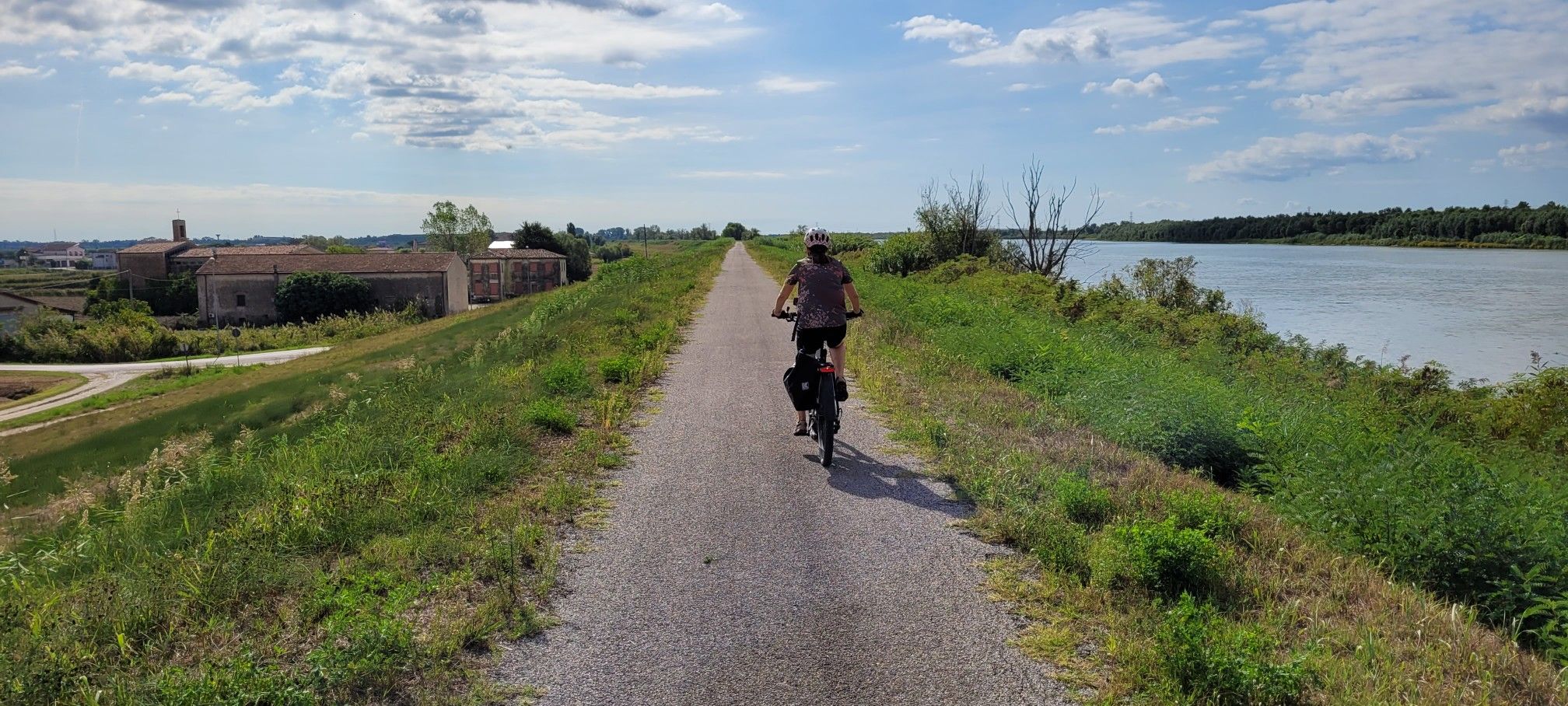
Ciclovie del Po — An all-round experience along Italy's longest river
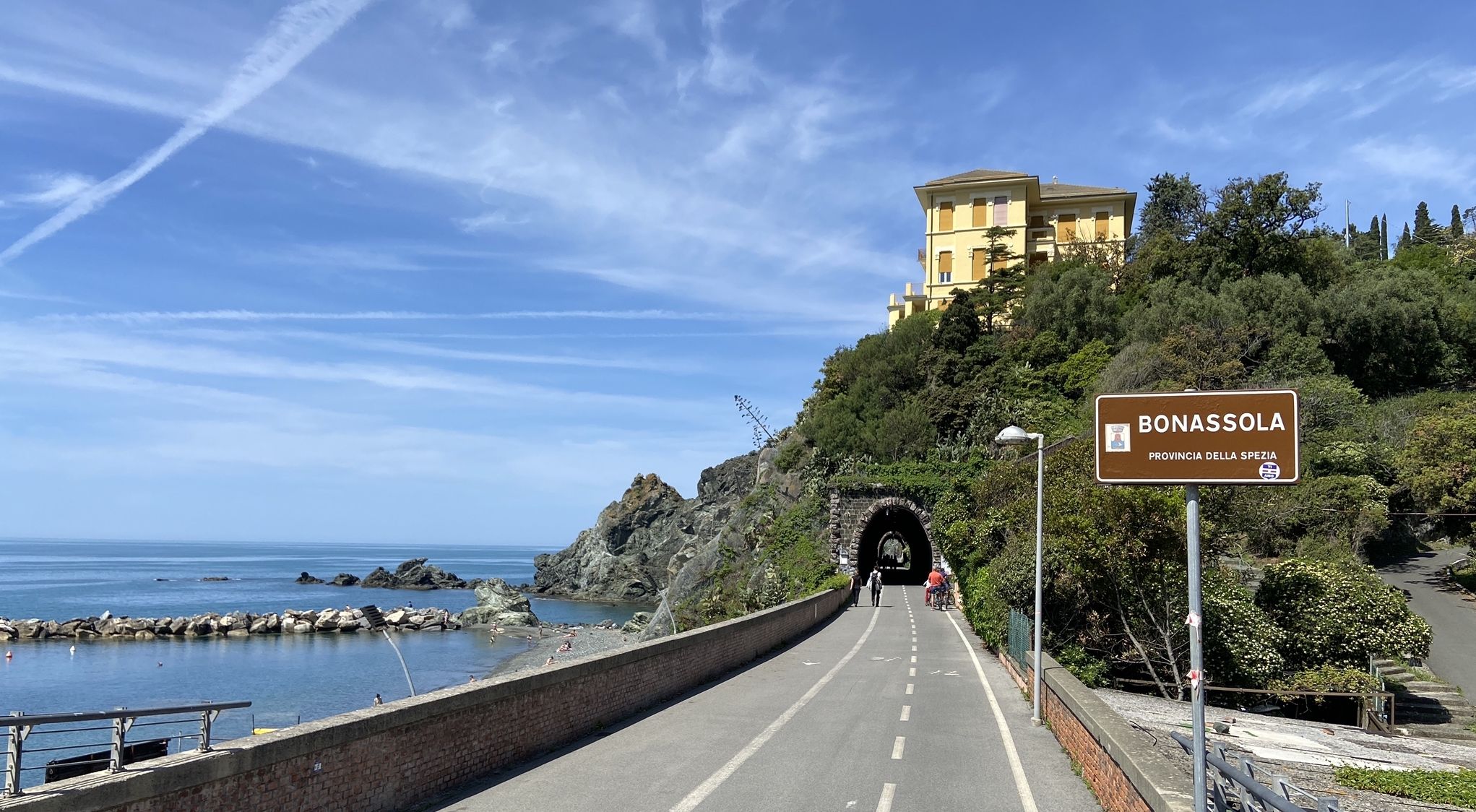
Pedalling to Portofino and the Cinque Terre — sea and mountains
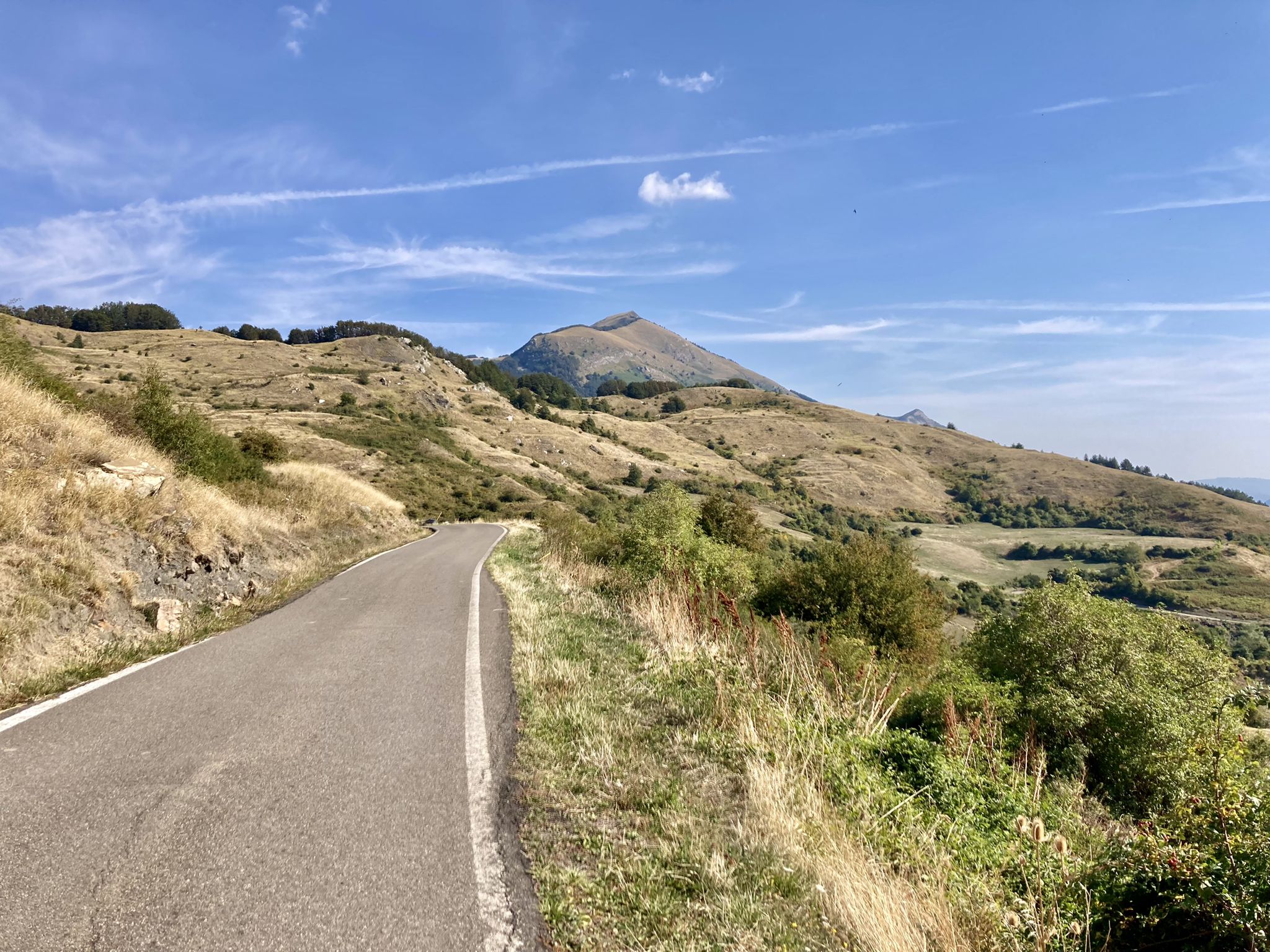
Apperò l'Appennino – five days of Italy's Emilian climbs
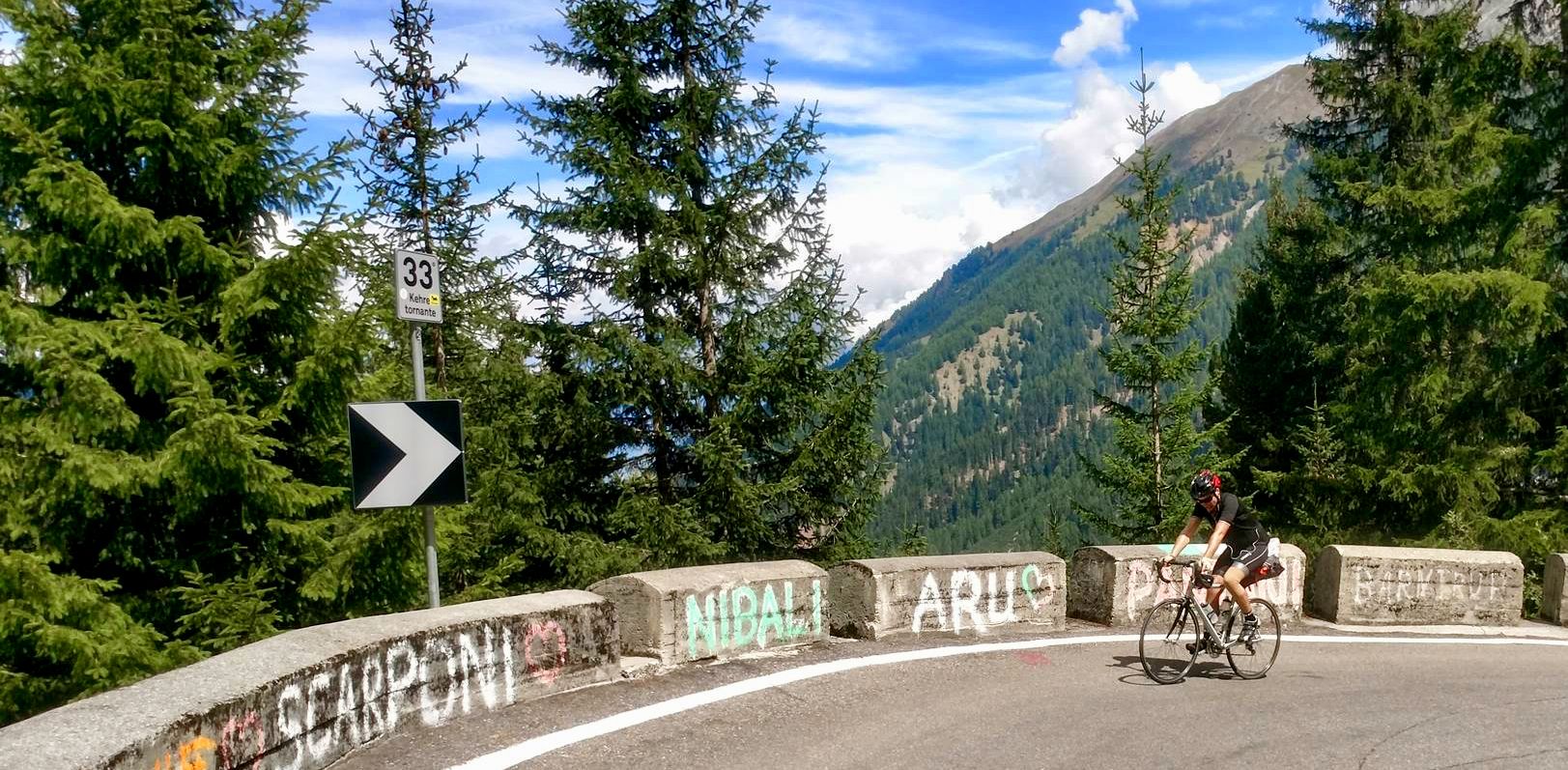
From the mountains to the sea — road cycling in Northern Italy

Road to BAM! 2026 – Condividi la strada
Emilia-Romagna by bike – rides between the plains and the Apennines
Sea, Lagoon and Nature - Discover the Po Delta
Apennine Cycle Route (Part 1) - From Liguria to Umbria
In the footsteps of St. Francis - Cammino di Assisi
All roads lead to Rome – Romea Tiberina Cycleway
Other adventures in Emilia-Romagna


Tips from the Community

Streams, gorges, waterfalls, caves and cool pools to dive into and large, flat, smooth rocks where you can sunbathe while being lulled by the sound of the flowing water, amplified by the natural acoustics, making it sound like a scream.
0
0


the cute cat EremoMonte Mauro
0
0


Area with numerous singletracks and well-rideable trails
0
0

Timeless suggestive place
1
0
Particular "gruyere" caves
0
0

Inside, you can admire stalactites, stalagmites and other limestone formations, as well as fossils of extinct animals. Furthermore, the Soprasasso Caves are an important habitat for several species of bats, some of which are in danger of extinction.
0
0
Frequently Asked Questions
Which caves in Emilia-Romagna are suitable for families with children?
Several caves in Emilia-Romagna offer family-friendly experiences. The Soprasasso Caves, with their unique tafoni formations, are accessible via a path suitable for everyone. The Labante Caves, featuring a waterfall and stalactites, are also considered family-friendly. Additionally, the Grotta della Spipola and Grotta del Farneto (both near San Lazzaro di Savena) offer guided tours suitable for both children and adults, combining natural beauty with historical insights.
What unique geological formations can I expect to see in Emilia-Romagna's caves?
Emilia-Romagna's caves are renowned for their diverse geological features. You can find impressive gypsum crystals and brilliant selenite rocks in caves like the Grotta della Spipola. The Soprasasso Caves are unique for their tafoni, which are spherical cavities carved into sandstone. The Labante Caves are significant for their travertine formations, including a high waterfall and spectacular stalactites. The Grotte di Onferno feature conical gypsum protuberances known as 'mammelloni' in the Sala Quarina.
Are there caves in Emilia-Romagna with historical or archaeological significance?
Yes, many caves in the region hold significant historical and archaeological value. The Grotta del Re Tiberio in the Vena del Gesso Romagnola has archaeological traces dating back to the Copper Age and is linked to a legend of Emperor Tiberius. The Grotta della Tanaccia also reveals significant finds from the Copper Age, indicating prehistoric settlements. The Grotta del Farneto is recognized for important archaeological discoveries from the Bronze Age, offering a glimpse into ancient human presence.
Which caves are part of the UNESCO World Heritage site in Emilia-Romagna?
The 'Evaporitic Karst and Caves of Northern Apennines' in Emilia-Romagna was recognized as a UNESCO World Heritage site in 2023. This designation includes several areas, notably the Vena del Gesso Romagnola and the Bolognese Gypsum Caves. Caves like Grotta del Re Tiberio and Grotta della Tanaccia, both located within the Vena del Gesso Romagnola Regional Park, are part of this globally significant karst area.
What kind of wildlife can be found in the caves of Emilia-Romagna?
The caves of Emilia-Romagna provide important habitats for various animal species. The Grotte di Onferno are particularly notable for hosting the largest colony of bats in Italy, making it a significant ecological site. Other caves, such as the Grotta della Spipola and Grotta del Farneto, also provide refuge for bats and small insects.
Are there guided tours available for exploring the caves?
Yes, several caves in Emilia-Romagna offer guided tours. The Grotta della Spipola provides guided speleological excursions suitable for various skill levels, sometimes involving crawling and muddy slides. Guided tours are also available for Grotta del Re Tiberio, accompanied by speleologists. Visits to Grotta della Tanaccia are by reservation through the Cà Carnè Visitor Center, offering a medium-difficulty caving experience.
What outdoor activities can I do near the caves in Emilia-Romagna?
The areas surrounding Emilia-Romagna's caves offer diverse outdoor activities. You can find numerous routes for gravel biking and road cycling, with options ranging from moderate to difficult. For hikers, there are many waterfall hikes and trails that provide scenic views of the surrounding landscapes, such as the Reno Valley near the Soprasasso Caves.
What is the 'Howling Cave' and where is it located?
The Howling Cave of Premilcuore is a unique natural phenomenon where the Rabbi river flows into a whirlpool and forms a waterfall. The natural acoustics of the cave amplify the sound of the water, making it sound like a scream, hence its name. It's a striking spot where streams, gorges, and waterfalls create a dramatic landscape.
What is the best season to visit the caves in Emilia-Romagna?
The caves in Emilia-Romagna can be visited throughout the year, each season offering a different experience. While the caves maintain a consistent temperature (e.g., Grotta del Re Tiberio averages 12°C), the surrounding natural areas change. Spring brings splendid blooms, summer offers refreshing vegetation, autumn colors the woods, and in winter, waterfalls like those at Labante Caves can be covered with icicles, creating a magical atmosphere.
Are there any caves that are particularly challenging to explore?
Some caves offer more challenging experiences. The Grotta della Tanaccia, for instance, offers a medium-difficulty tour that is not recommended for those with claustrophobia, young children, pregnant women, or individuals with motor impairments. The Grotta della Spipola can also involve crawling and muddy slides during its speleological excursions, appealing to those seeking a more adventurous exploration.
What is the significance of the <a href="https://www.komoot.com/highlight/3792970" target="_blank" rel="noopener">Candle Pit</a>?
The Candle Pit (Buca delle Candele) is named for the distinctive vertical furrows produced by water erosion in the karst rock. Located in the plaster park, these formations resemble 'candles' due to their shape. It's a destination for hikers and offers a unique example of erosion within the region's gypsum landscape.
Can I visit the <a href="https://www.komoot.com/highlight/2955049" target="_blank" rel="noopener">Onferno Caves</a>?
Yes, the Onferno Caves are part of an Oriented Nature Reserve and are open to visitors. This complex system features over 400 meters of tunnels and galleries, known for its mystical atmosphere and unique gypsum formations like the 'mammelloni'. It's also a significant ecological site due to its large bat colony.
Most popular routes in Emilia-Romagna
Most popular attractions in Emilia-Romagna

Get inspired with the komoot mobile app


Didn’t find what you were looking for?
Discover more caves in Emilia-Romagna region by region:
Explore more
Extend your search for the best caves by checking out these guides of the top ones in Emilia-Romagna:
