Attractions and Places To See in Lichtenfels - Top 20
Attractions and places to see in Lichtenfels, known as the "City of Baskets," offer a blend of historical sites, cultural experiences, and natural landscapes in Upper Franconia, Bavaria. The region is characterized by the Main Valley, the prominent Staffelberg mountain, and its proximity to the Franconian Switzerland-Veldenstein Forest Nature Park. Visitors can explore significant Baroque architecture, ancient fortifications, and areas rich in geological formations. Lichtenfels provides a central point for various outdoor activities, including hiking and cycling.
Best attractions and places to see in Lichtenfels
- The most popular attractions is Kemitzenstein, a natural monument that features rock towers inviting climbing and relaxation. This prehistoric rock formation is ideal for climbing and offers places to sit and relax.
- Another must-see spot is Tiefenthal Gorge, a wild romantic gorge with scenic paths. The trail becomes increasingly narrow, leading over rocks with railings for support, and ends near the Hohler Stein rock formation.
- Visitors also love Basilica of the Fourteen Holy Helpers (Basilika Vierzehnheiligen), a prominent pilgrimage church and significant example of Baroque architecture. This basilica is one of the most important Baroque buildings in Bavaria.
- Lichtenfels is known for its historical sites, natural monuments, and religious buildings. The area offers a variety of attractions to see and explore, from ancient Celtic fortifications to unique rock formations and significant architectural works.
- The attractions in Lichtenfels are appreciated by the komoot community, with more than 3200 upvotes and over 3900 photos shared across more than 1100 highlights.
Last updated: September 26, 2026
Staffelberg
Highlight • Viewpoint
Translated by Google •
Tip by

Adelgundis Chapel on the Staffelberg
Highlight • Religious Site
Translated by Google •
Tip by

Sign up now to discover places like this
Get recommendations on the best single tracks, peaks, & plenty of other exciting outdoor places.
Basilica of the Fourteen Holy Helpers (Basilika Vierzehnheiligen)
Highlight • Religious Site
Translated by Google •
Tip by

Lower Gate (Untere Tor), Lichtenfels
Highlight • Monument
Translated by Google •
Tip by

Kemitzenstein
Highlight • Natural Monument
Translated by Google •
Tip by

Hohler Stein rock formation
Highlight • Natural Monument
Translated by Google •
Tip by

Staffelberg Inn
Highlight • Mountain Hut
Translated by Google •
Tip by

Tiefenthal Gorge
Highlight (Segment) • Gorge
Translated by Google •
Tip by

On the high plateau at Staffelberg
Highlight • Viewpoint
Translated by Google •
Tip by
Banz Abbey
Highlight • Religious Site
Translated by Google •
Tip by

Sign up for free to discover even more attractions in Lichtenfels.
Already have an account?
Start today with a free account
Your next adventure awaits.
Popular around Lichtenfels
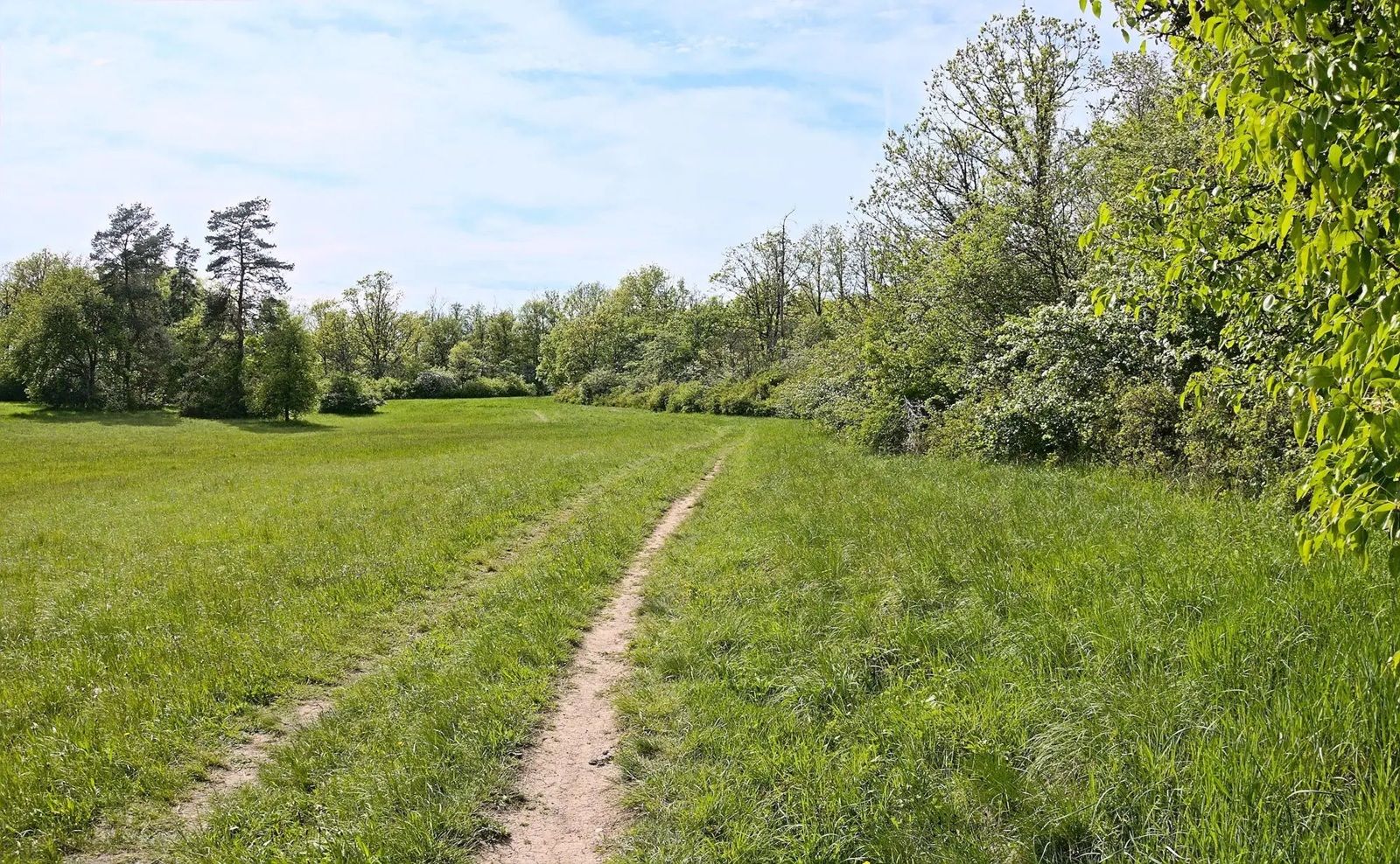
Gravel meets rail – gravel rides in the greater Nuremberg area

Bergmenschen – die 10. Staffel: Freundschaft, Bikes & Berge
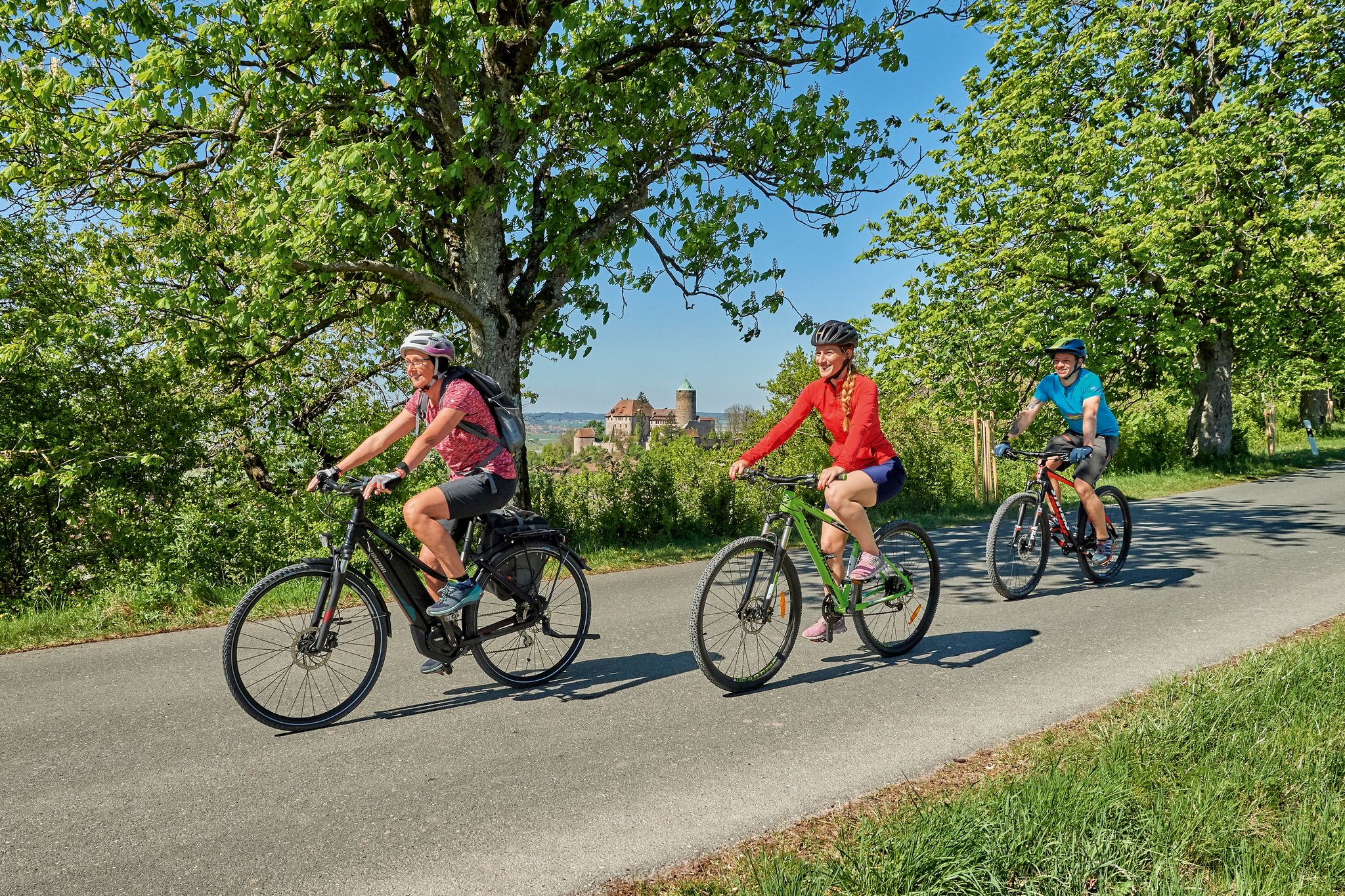
Magnificent cycling holidays — e-bike Tours through Franconia
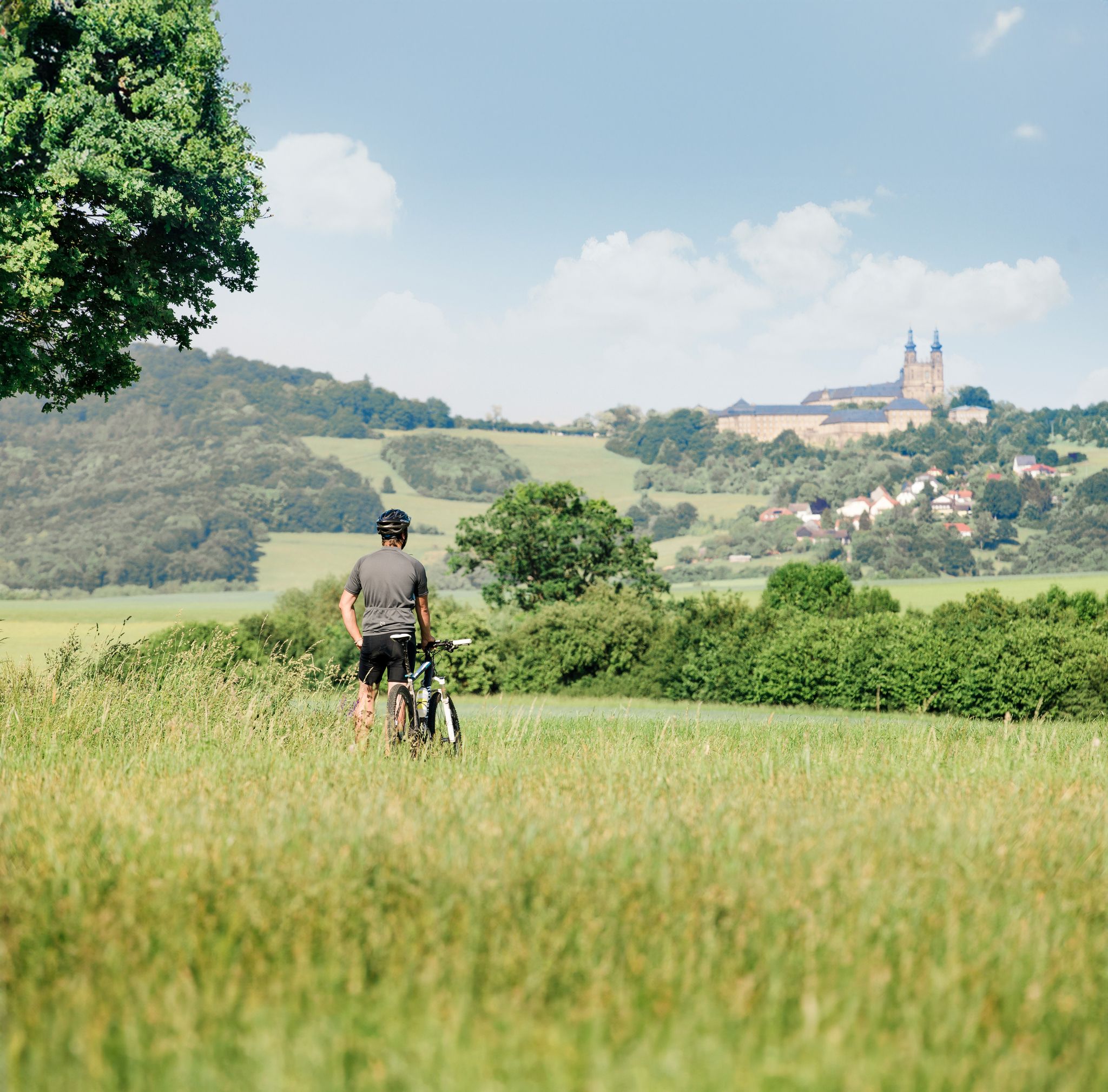
Panoramic cycling in the Obermain.Jura – discovering Franconia by bike
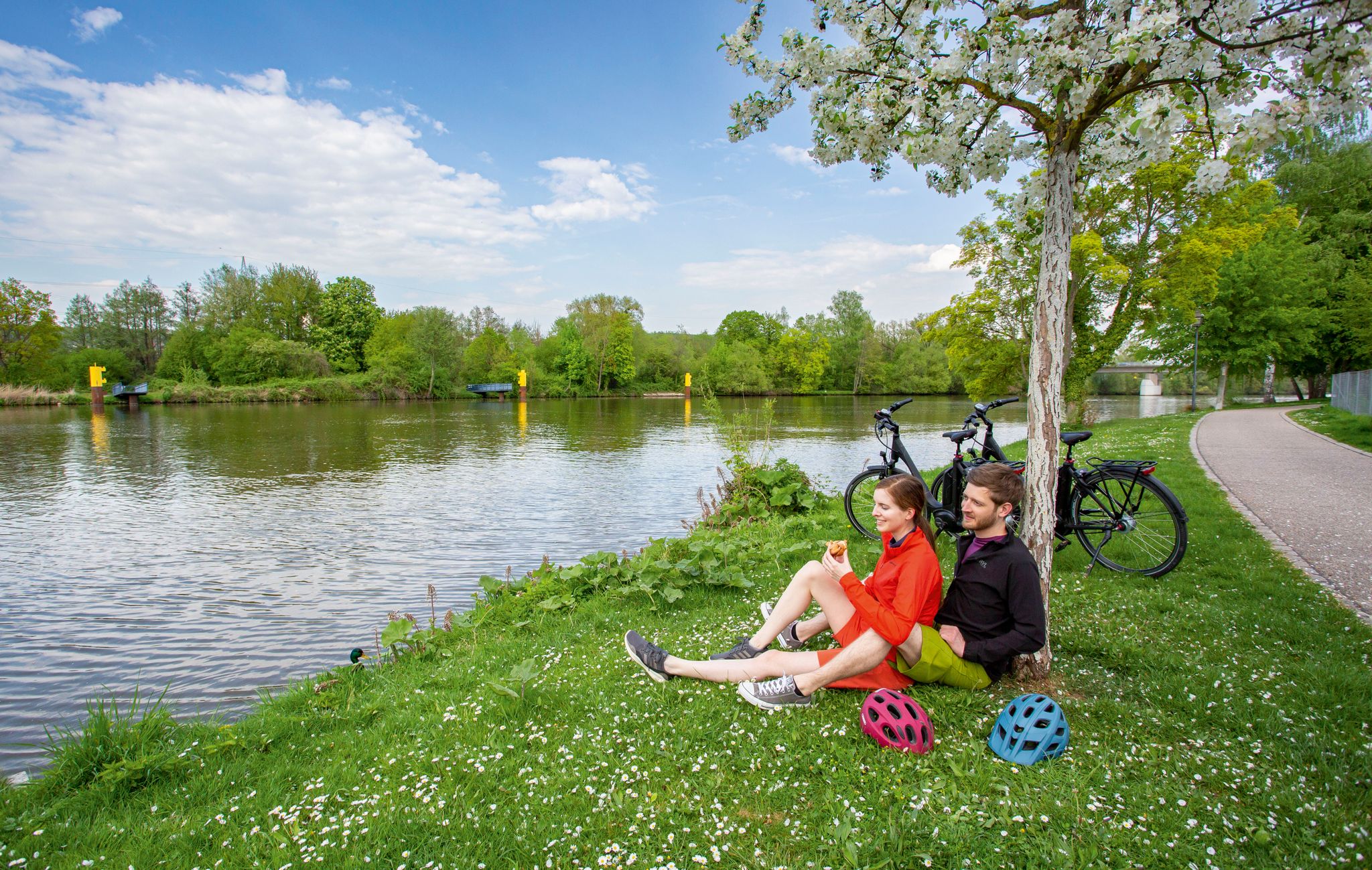
The Main Cycle Route - 12 days of river diversity
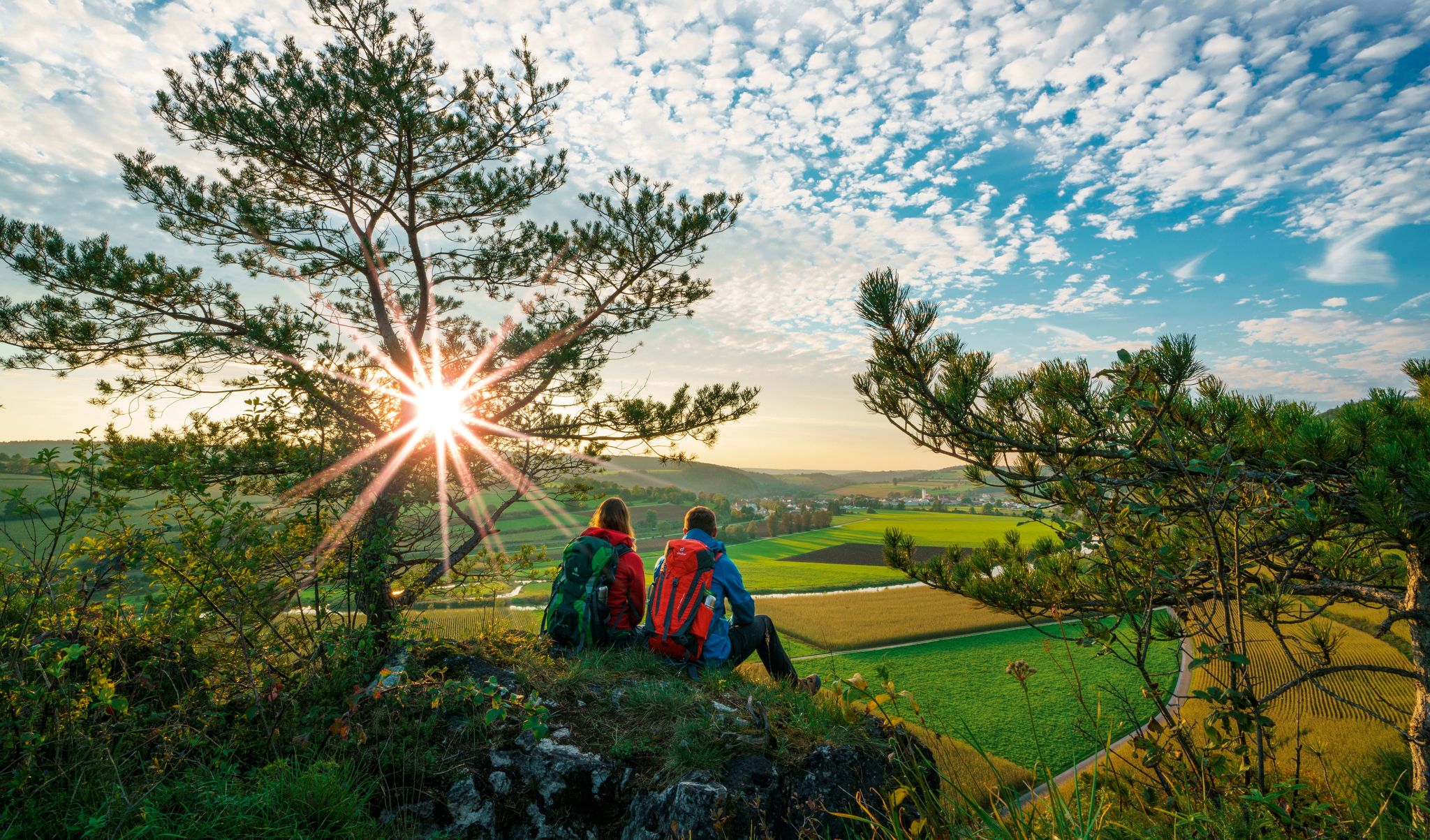
The Franconian Trail – A Diverse Hiking Dream Across 24 Stages

Wine, woods & walking trails — Best of VGN hiking tips
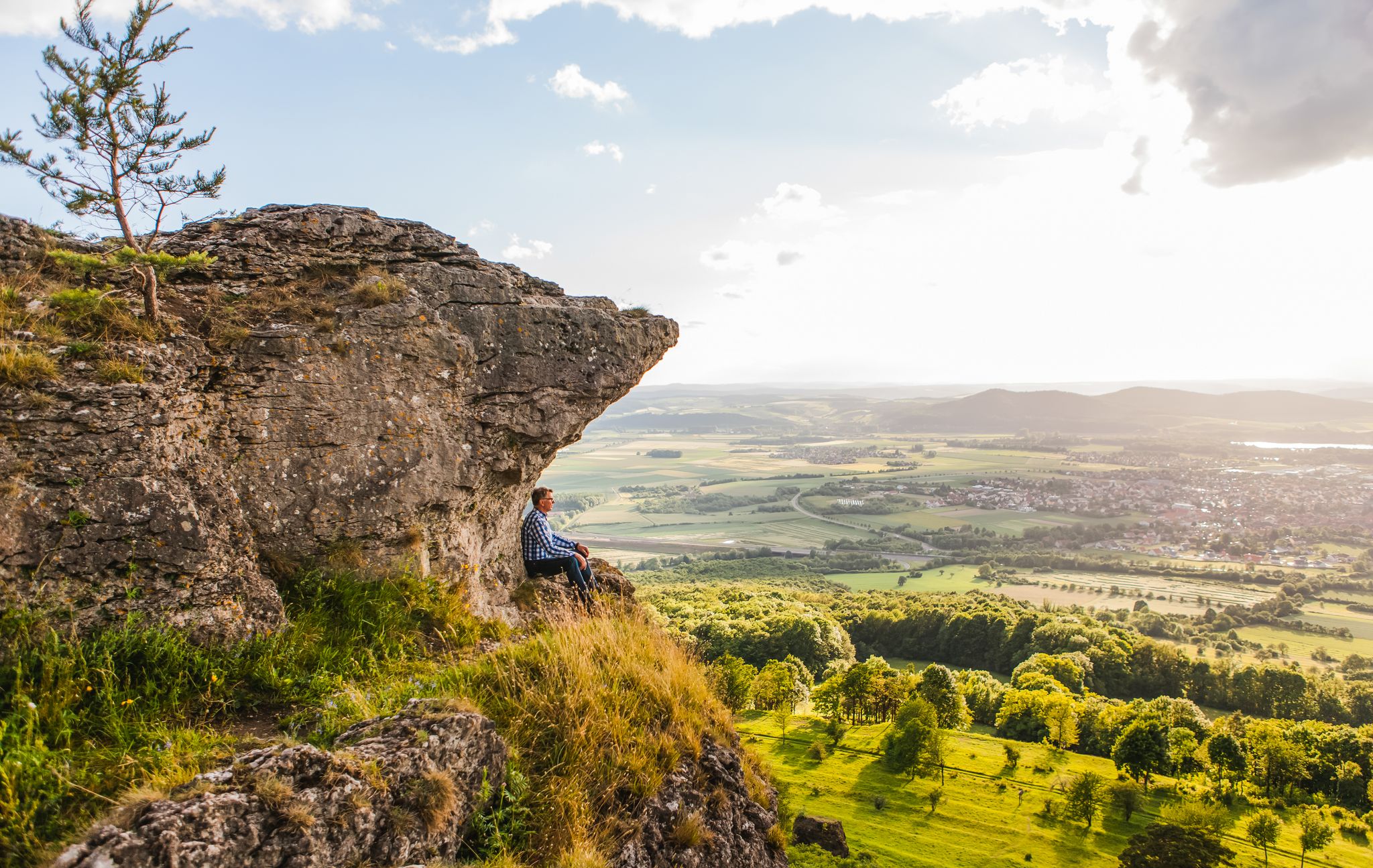
Our 10 favourite Tours through Upper Main’s Garden of Eden
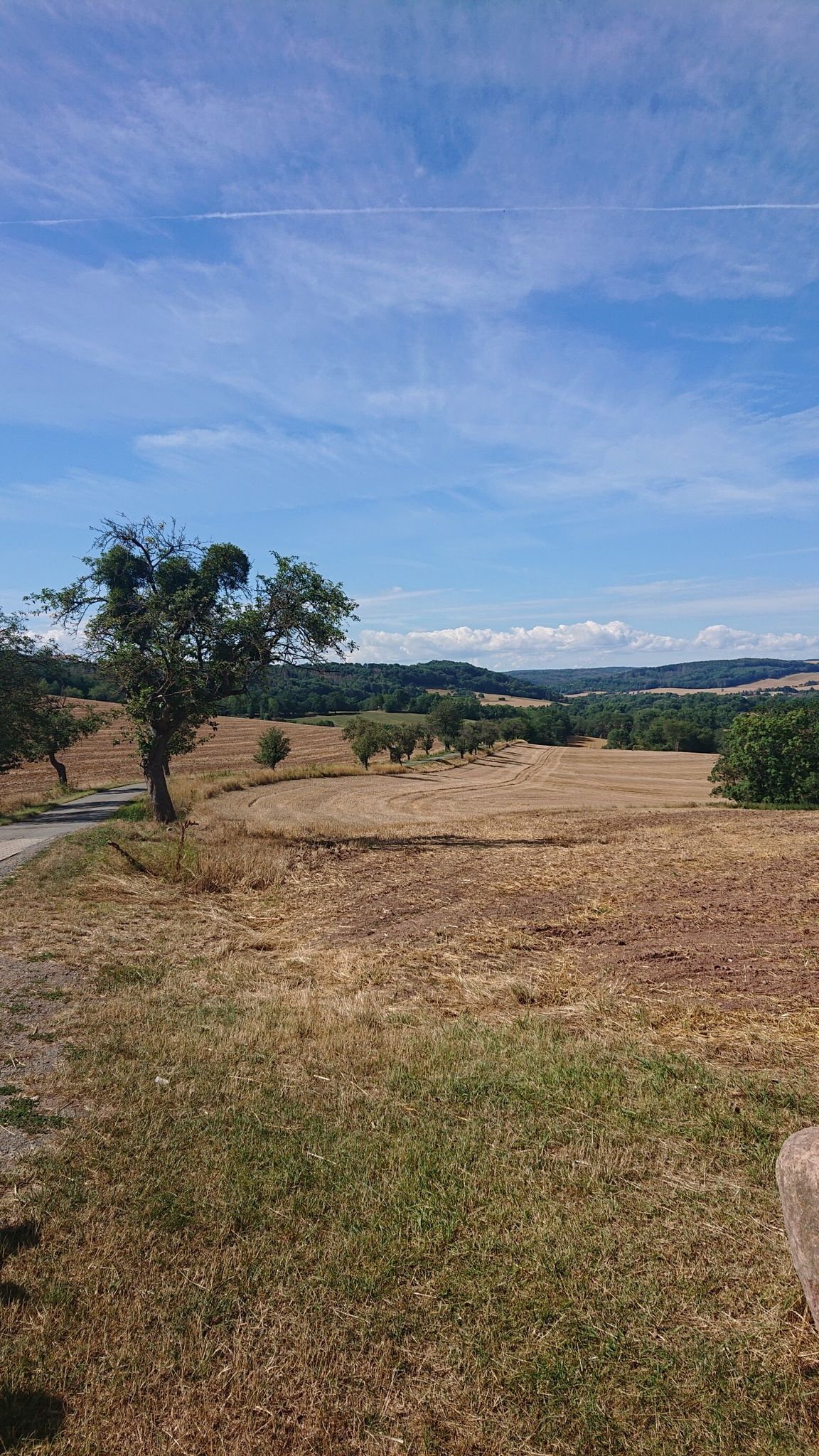
From A(ugsburg) to B(rodowin) – Cycling across Germany

Panoramic cycling in the Upper Main•Jura
Other adventures in Lichtenfels


Tips from the Community

The Staffelberg is one of the best-known viewpoints in Gottesgarten am Obermain – and rightly so. From the high plateau, wide views open up over the Maintal valley and the surrounding Franconian landscape. The view across to the striking elevations of the surrounding area is particularly beautiful. With good visibility, the view extends far beyond the Obermain and quickly makes it clear why the Staffelberg is one of the classic destinations in this region. On the plateau, you will also find the Staffelbergklause, which is well-suited for a stop during your hike. Together with the Basilica of Vierzehnheiligen and Banz Monastery, the Staffelberg forms the well-known trinity of Gottesgarten am Obermain. An absolute highlight of the region – and a viewpoint that is definitely worth the climb.
6
0
High above the Obermain, the impressive Basilica of Vierzehnheiligen towers – one of the most famous buildings of Franconian Baroque and part of the classic trio in the Gottesgarten am Obermain. The Franciscan monastery adjoins the basilica directly. Those looking for a Franconian specialty after their visit can try the well-known Nothelfer Bier at the Trunk brewery, not far from the basilica. Vierzehnheiligen can be easily reached from Lichtenfels on foot and is also well connected by bus. A large car park is also located in the immediate vicinity of the basilica. A highlight that is perfectly suited as a hiking destination as well as a short stopover in the Gottesgarten am Obermain. Opening hours of the basilica: ☀️ May to September: 06:30–19:00 ❄️ October to April: 07:30–17:00 Please note: The opening hours are not automatically equivalent to the visiting hours. During services and liturgical celebrations, the basilica is closed for visits. A church cleaning also takes place on Thursdays from 09:00–16:00. (vierzehnheiligen.de)
6
0

A truly beautiful spot with a wonderful view. The hermitage is a lovely place to linger. Unfortunately, I didn't enjoy the sausages, which I was looking forward to.
13
0

Nicely integrated into the cycle path.
4
0

A beautiful building. Well suited to the new era.
10
0

A very beautiful path through a great, green gorge!
4
1

At the Lower Gate you will find two cafés, a butcher's shop, a small restaurant, a farm shop and a pub with Franconian specialties. So if you're a little hungry, you've come to the right place 😉
5
0

Beautiful little chapel on the Staffelberg
8
1
Frequently Asked Questions
What historical sites can I explore in Lichtenfels?
Lichtenfels offers several significant historical sites. You can visit Banz Abbey, a former Benedictine Abbey known for its impressive architecture and views of the Main Valley. The town's Lower Gate (Untere Tor) is another notable historical structure. Additionally, the Stadtschloss (City Palace) houses municipal collections, including Schneyer porcelain and woven costumes, reflecting the region's rich heritage. The Oberer Torturm (Upper Gate Tower) provides panoramic views and displays Jurassic fossils.
Are there any natural landmarks or scenic viewpoints in the area?
Absolutely. The Staffelberg is a prominent natural landmark, offering great views over the Bad Staffelsteiner and Lichtenfelser areas, complete with ancient Celtic fortifications. You can also find scenic spots like On the high plateau at Staffelberg. The Hohler Stein rock formation is another beautiful and extraordinary natural feature, inviting exploration.
What cultural experiences does Lichtenfels offer, especially regarding its basket-weaving tradition?
Lichtenfels is renowned as the "City of Baskets" due to its rich basket-weaving tradition, which is an intangible cultural heritage in Bavaria. You can explore workshops, see impressive woven artworks throughout the city, and even visit the only vocational school for basket weaving in Germany. The recently opened Archiv der Zukunft on the market square, with its unique architectural design featuring steel willow trees, also celebrates this tradition.
What are some family-friendly attractions in Lichtenfels?
Many attractions in Lichtenfels are suitable for families. The Staffelberg offers hiking and a hospitality hut, making it a great outdoor destination. The Banz Abbey is also considered family-friendly. For those interested in local history, the Städtische Sammlungen (Municipal Collections) in the City Palace provide engaging exhibits.
Are there good hiking opportunities around Lichtenfels?
Yes, Lichtenfels is a central point for numerous hiking tours. The Staffelberg is a popular hiking destination with several paths leading up and down, connecting to surrounding forests. The Franconian Switzerland-Veldenstein Forest Nature Park, accessible from Lichtenfels, also offers extensive trails through rolling hills and limestone cliffs. For more specific routes, you can explore running trails in Lichtenfels, which include options like the 'Banz Abbey – View from the Staffelberg loop'.
What cycling routes are available near Lichtenfels?
Lichtenfels is well-suited for cycling, including being part of the Main Cycle Route. You can find various routes for different skill levels. For touring cyclists, options include the 'Fränkische Jura Route' or the 'Banz-Route'. Road cyclists can explore routes like 'Collecting altitude meters in Jura' or 'View of Banz Abbey – Bad Staffelstein Old Town loop'. More details on these and other routes can be found in the cycling guide for Lichtenfels and the road cycling guide.
What do visitors particularly enjoy about the attractions in Lichtenfels?
Visitors frequently praise the stunning views from locations like the Staffelberg, often noting the hospitality hut and ample seating. The unique rock formations, such as the Hohler Stein, are appreciated for their beauty and opportunities for exploration. The historical significance and architectural grandeur of sites like Banz Abbey also receive high acclaim.
Are there places to eat or relax near the main attractions?
Yes, several attractions offer dining or relaxation options. On the Staffelberg, you'll find the Staffelberg Inn, which serves as a hospitality hut. The tiny town of Vierzehnheiligen, near the Basilica, also has a brewery with local beers and other inns. In Lichtenfels itself, the historic Old Town and market square offer various cafes and pubs.
What is the best time of year to visit Lichtenfels for outdoor activities?
The landscape surrounding the Staffelberg and the Franconian Switzerland-Veldenstein Forest Nature Park offers diverse flora that changes with each season, from flowering meadows to short grasses. Spring and autumn are generally ideal for hiking and cycling, offering pleasant temperatures and beautiful scenery. Summer is also great for outdoor activities, though it can be warmer.
Are there any hidden gems or lesser-known spots worth visiting in Lichtenfels?
Beyond the well-known sites, consider exploring the Oberer Torturm (Upper Gate Tower) for its panoramic views and unique collection of Jurassic fossils. The Hohler Stein rock formation, while mentioned, is a truly unique spot with historical significance and a half-cave that invites climbing. The Kur Park also offers a peaceful green space for leisure away from the main tourist paths.
Most popular routes in Lichtenfels
Most popular attractions in Lichtenfels

Get inspired with the komoot mobile app


Didn’t find what you were looking for?
Are you keen on exploring more awesome places nearby? Browse our guides:
Explore more
Still not found the Highlight you’re looking for? See guides of the top attractions in other regions:
