The best road cycling routes around Duggendorf
4.6
(164)
3,306
riders
194
rides
Road cycling around Duggendorf offers diverse landscapes at the confluence of the Danube and Isar rivers, situated at the foot of the Bavarian Forest. The region features rolling hills, extensive forests, and gentle river valleys, providing varied terrain for cyclists. Routes range from flat paths along the rivers to more challenging ascents into the Bavarian Forest, with some areas presenting significant elevation changes.
Best road cycling routes around Duggendorf
- The most popular road cycling route is Kallmünz Stone Bridge –…
Last updated: July 24, 2026
5.0
(1)
80
riders
Easy road ride. Great for any fitness level. Mostly well-paved surfaces and easy to ride.
5.0
(3)
74
riders
50.0km
02:04
220m
220m
Moderate road ride. Good fitness required. Mostly well-paved surfaces and easy to ride.

Sign up for free
5.0
(2)
45
riders
77.0km
03:16
480m
480m
Moderate road ride. Good fitness required. Mostly well-paved surfaces and easy to ride.
5.0
(1)
25
riders
41.2km
01:45
310m
310m
Moderate road ride. Good fitness required. Mostly well-paved surfaces and easy to ride.
12
riders
45.4km
02:04
430m
430m
Moderate road ride. Good fitness required. Mostly well-paved surfaces and easy to ride.
Get access to more routes and recommendations from other explorers.
Sign up for free
Already have an account?
Our route recommendations are based on thousands of hikes, rides, and runs completed by other people on komoot.
Start today with a free account
Your next adventure awaits.
Login or Signup
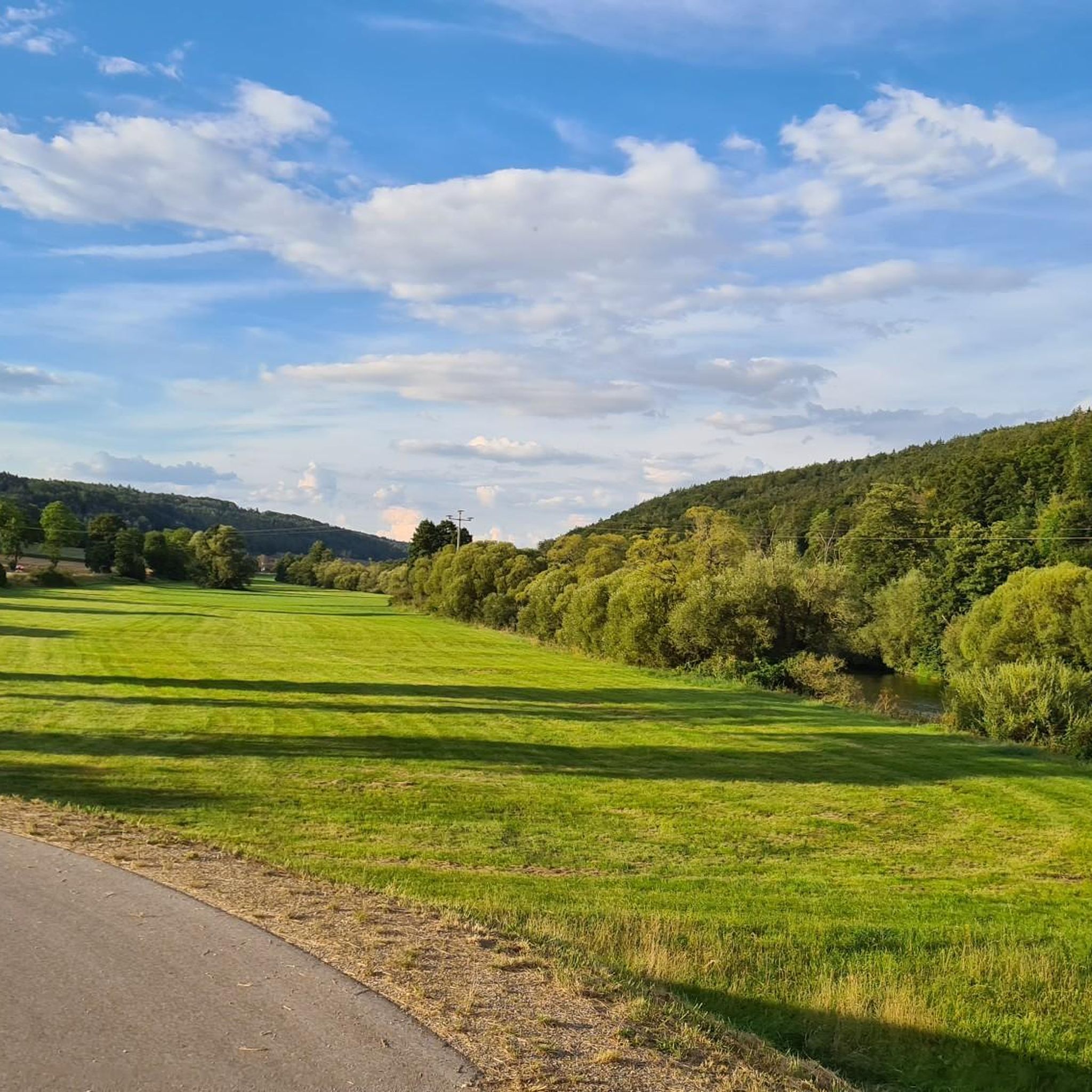
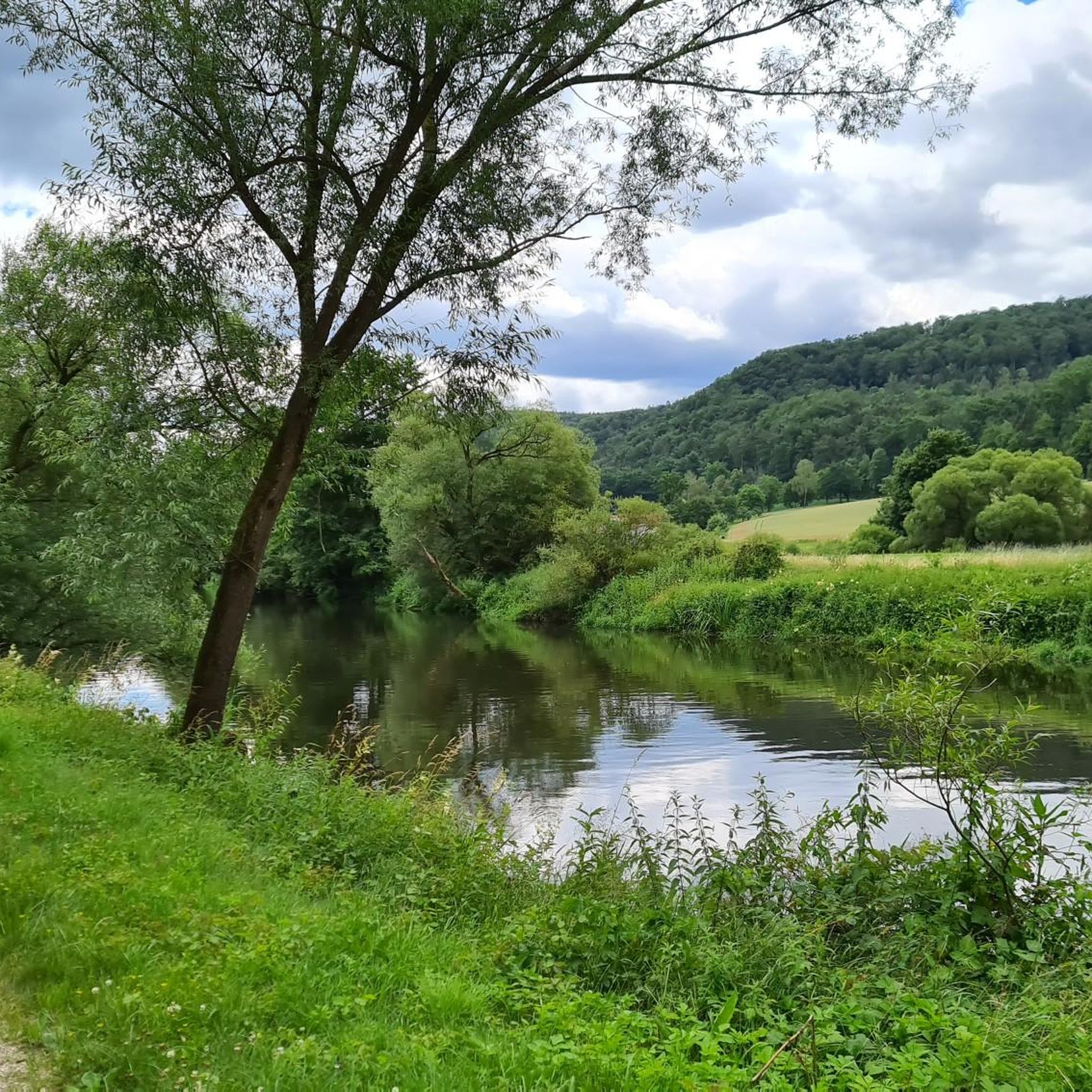
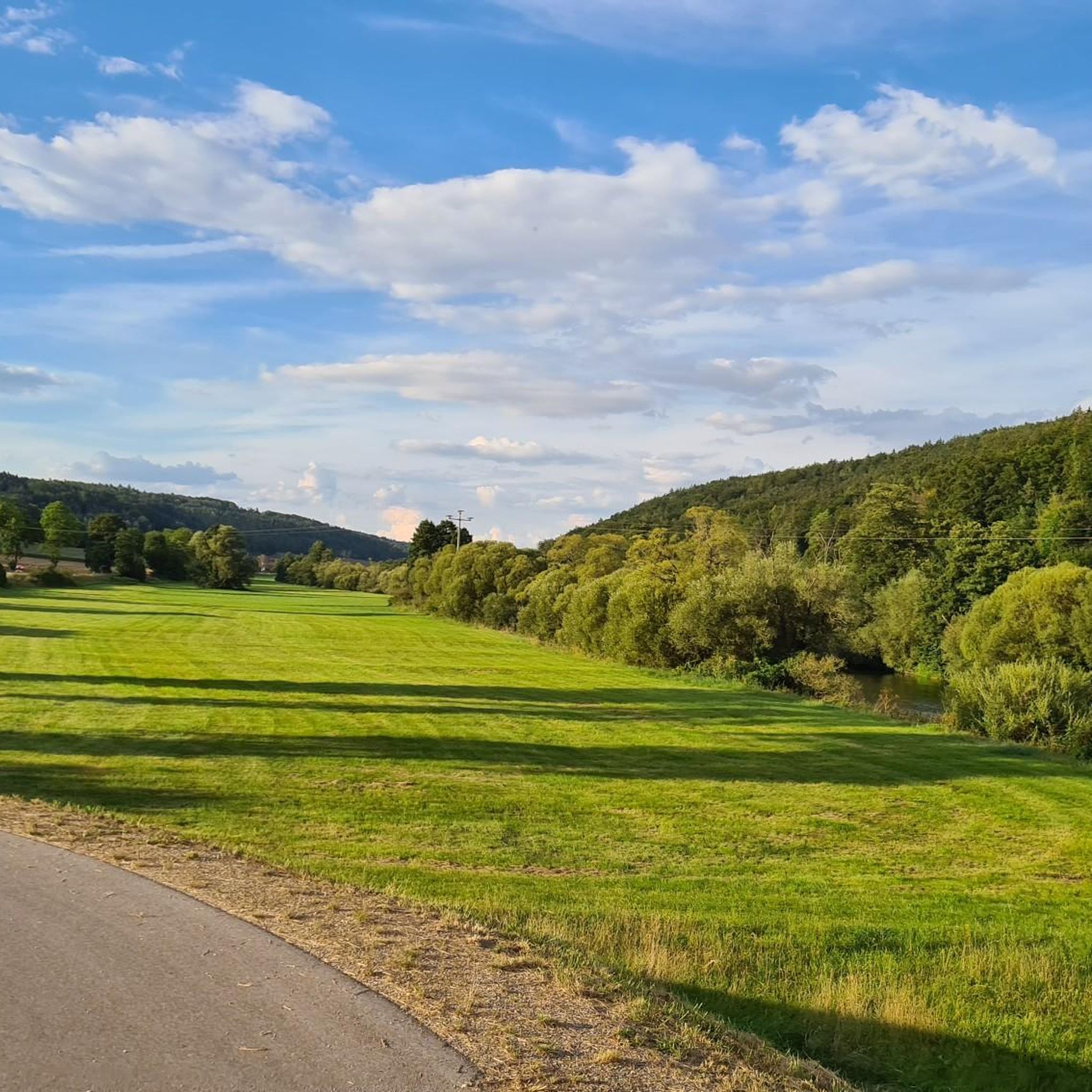
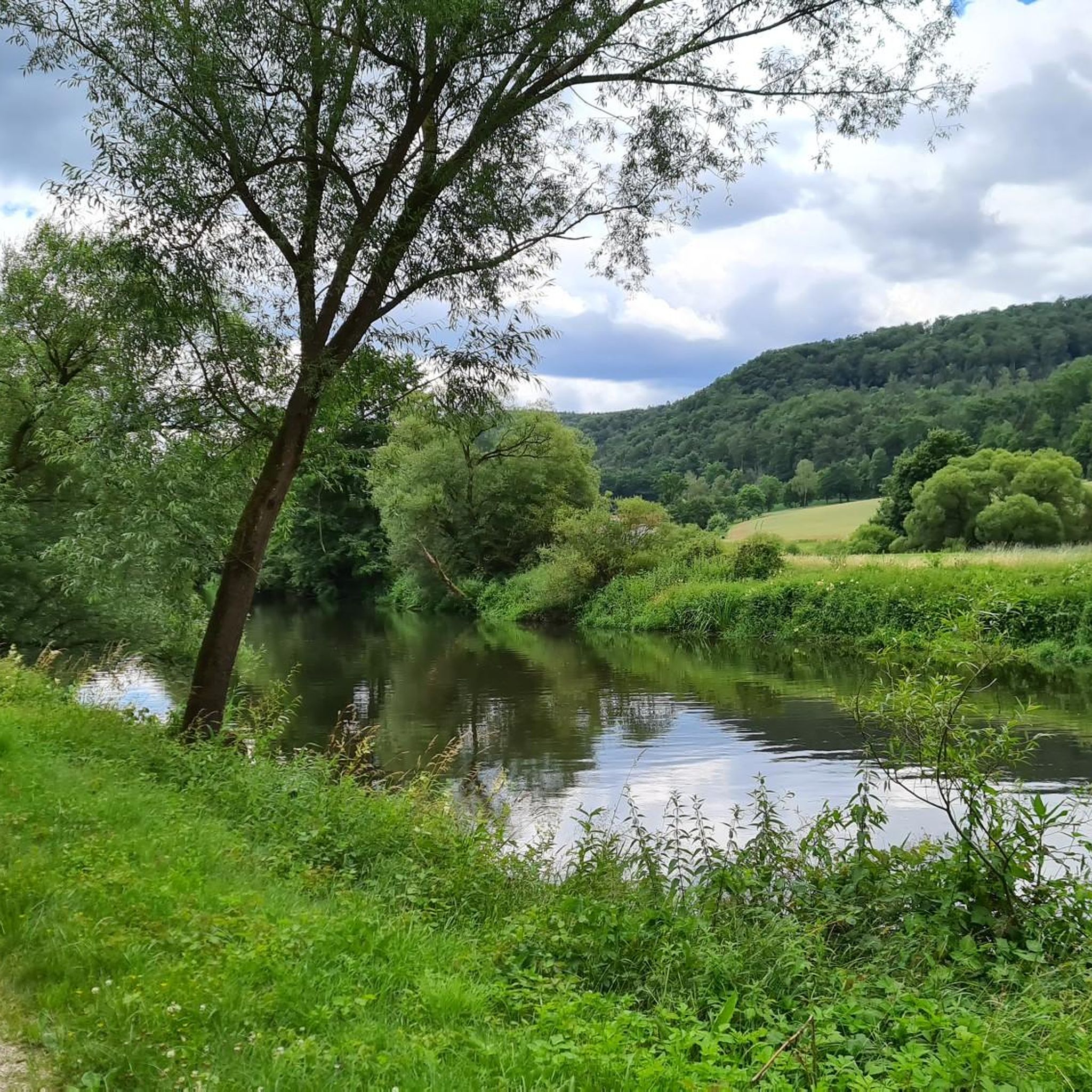
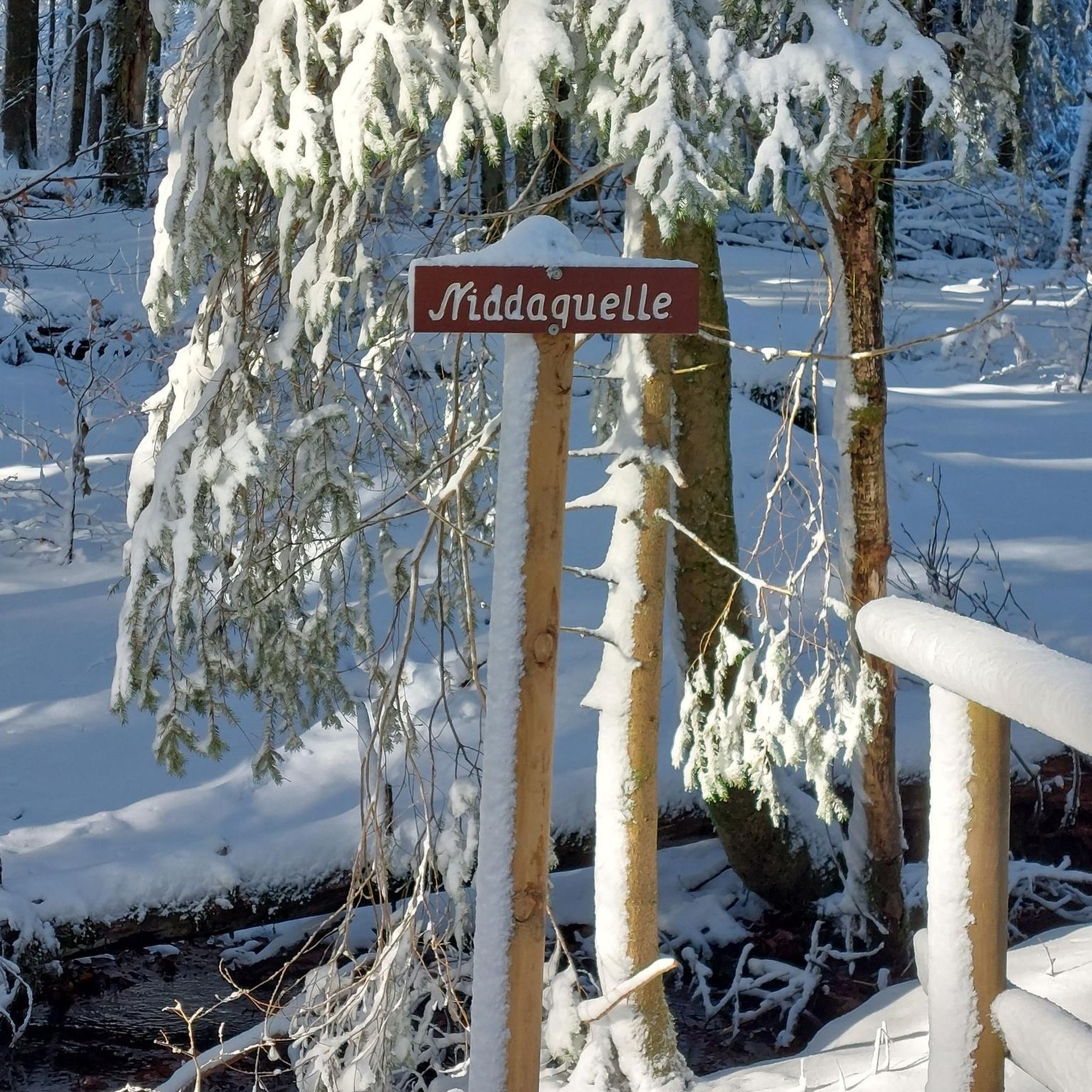
Tips from the Community

On this street, the path leads up to the Kallmünz castle ruins. Also reachable by bike.
0
0

If the battery of the e-bike starts to run low, there is a free charging station opposite the lock, which really impressed me.
0
0

Here you can relax in nature or do something.
0
0

A very impressive hall church with onion dome
2
0

Asphalt section perfect for racing bikes
0
0
Lauterachtal at its best. You have to go.
0
0

Regendorf Castle The Lords of Regendorf, initially referred to as "Lords of Regeldorf", were first mentioned at the beginning of the 13th century. In 1490, Hans Regeldorfer of Regeldorf and Wolfsegg is entered in the Land Register. In 1475, he appears in the entourage of Duke Ludwig IX at the Landshut wedding. Hans Regeldorfer was married twice, he left behind two daughters and no male descendants, and so Regendorf passed into other hands as a male fief after his death. In 1515, the castle was rebuilt for the then owner, the Regensburg Imperial Mint Master Martin Lerch. He had to have a crucifixion group erected for the manslaughter of a mint clerk in 1513. This is now in the apse of the Minorite Church in Regensburg. In 1699, Franziska Adelheid von Braittenburg sold the Regendorf castle and manor to Philipp Anton Leopold Freiherr von Oberndorff, who came from the Upper Palatinate line of the Oberndorff family. They rebuilt the castle around 1840 and added a floor. In 1884, Regendorf Castle was sold to the Imperial Councilor Freiherr von Faber in Stein near Nuremberg and later to the Counts of Faber-Castell. In 1916, it was purchased from them by the royal Bavarian treasurer Eduard von Harnier. As the von Harnier family was known to the National Socialist authorities as anti-National Socialists, they had to vacate the castle in 1936 and sell it to the city of Regensburg. Regendorf Castle is a complex dating back to 1515 and consists of two parallel wings that are connected in the middle by an intermediate building. The main building is a three-story hipped roof building with an H-shaped floor plan. The eastern wing has two four-storey round towers and a garden staircase. The castle chapel at the north end of the east wing dates from 1688. The former stables are a two-storey stable barn with a half-hipped roof from 1830. Remains of the terraced landscape garden with staircase from the 18th century can be found to the west of the castle. The park enclosure, with a fence to the south, otherwise a stone wall with stone pillars, dates from around 1840. Source: Excerpts from www.wikipedia.de
2
0
St. Theresia Chapel The Munich master baker Franz Xaver Gruber had the St. Theresia Chapel built in Edlhausen in 1929/30 according to the plans of the Munich architect Johann Woock, which he dedicated to the memory of all members of his family who had died since 1799. It was consecrated on June 9, 1930. In its austerity and departure from historical architectural styles and Art Nouveau, the Edelhausen Chapel can be attributed to the so-called Heimatstil of the late 1920s. A simple, two-axis gable roof structure with a three-sided end supports an eight-sided roof turret with a bell-shaped hood. Four concrete pillars with large-format stone aggregates support the roof of the forecourt. At the door you notice one of the most original features of the chapel, namely the handles in the shape of two praying angels. The two-winged portal with diamond-shaped glazing has a crescent-shaped glazing whose decorative grille forms the Christian symbols of cross, ship and anchor in addition to the year 1930 and the name of the patron saint, including the image of St. Theresa on the gable triangle. A planked beam ceiling spans the room, which is illuminated by four rectangular windows on the long sides and two high oval bull's eyes on the sloping sides. The four large windows bear depictions of Saints Notburga and Elisabeth, Leonhard and Florian, whose angularity is also typical of works from the late 1920s. The oval windows fill the Marian monogram and the IHS (Jesus Savior Blessed). The center of the room is a wide altar table that fills the entire apse, the three-sided nature of which determines the end of the room. The retable is a rectangular box with a copy of the Würzburg Madonna by Tilmann Riemenschneider. A painted curtain in baroque style forms the frame. The unpainted figures on either side of the altar represent the church's patron saint Theresa and St. George. Source: The churches and chapels of the Regenstauf market
3
0
Frequently Asked Questions
How many road cycling routes are available around Duggendorf?
Duggendorf offers a comprehensive network of nearly 200 road cycling routes. These routes cater to various preferences, ranging from leisurely rides along river valleys to more strenuous journeys into the Bavarian Forest.
What kind of terrain can I expect on road cycling routes around Duggendorf?
The region around Duggendorf features diverse terrain. You'll find flat paths along the Danube and Isar river valleys, as well as rolling hills and more challenging ascents into the Bavarian Forest. Some areas can present significant elevation changes, with up to an 800-meter difference within the city's urban area, offering varied experiences for all fitness levels.
Are there road cycling routes suitable for beginners in Duggendorf?
Yes, Duggendorf has routes perfect for beginners. There are 29 easy road cycling routes, many of which follow the gentle river valleys of the Danube and Isar. These routes often feature minimal elevation gain and mostly paved surfaces, ideal for a relaxed ride.
Where can I find more challenging road cycling routes near Duggendorf?
For more challenging rides, explore the 35 difficult road cycling routes that venture into the rolling hills and ascents of the Bavarian Forest. These routes offer significant elevation gains and can provide a more strenuous workout, often rewarding cyclists with panoramic views.
What are some scenic viewpoints or natural features to look out for while cycling in Duggendorf?
While cycling, you can enjoy panoramic views of the Danube Valley, the Isar River mouth, and the surrounding countryside from many hilltops, including the Dreitannenriegel (1,092 m). The area between Plattling and Deggendorf, where the Isar flows into the Danube, is a nature reserve known for its rare flora and fauna. You might also encounter natural monuments like the Alpiner Steig with its Jura limestone cliffs or the Robber's Cave.
Are there any historical landmarks or attractions along the road cycling routes?
Yes, Duggendorf's routes can lead you past several historical and cultural attractions. You can explore the high medieval old town with its late Gothic town hall tower, or the early Gothic church of St. Peter and Paul. Other notable sights include the 18th-century St. Stephen's Church and the impressive Ehrenfels Castle Ruins. Don't miss the pedestrian and cycle bridge over the Danube, one of Europe's longest, offering excellent views.
What do other road cyclists enjoy most about road cycling in Duggendorf?
The road cycling routes around Duggendorf are highly rated by the komoot community, with an average score of 4.6 stars from over 140 reviews. Cyclists often praise the diverse landscapes, from gentle river valleys to challenging forest ascents, and the well-maintained network of paths that cater to all skill levels.
Are there any loop road cycling routes available in Duggendorf?
Yes, many road cycling routes in Duggendorf are designed as loops, allowing you to start and end at the same point. For example, you could try the moderate Kallmünz Stone Bridge – Eichenberg Cliffs loop from Kallmünz, or the longer View of Burg Kastl – Kastl Town Hall loop from Kallmünz.
What is the best time of year for road biking in Duggendorf?
The region is generally pleasant for road cycling from spring through autumn. The varied terrain means you can find suitable routes in most conditions, but spring and early autumn offer milder temperatures and beautiful scenery, making them ideal for exploring both river valleys and forest paths.
Are there family-friendly road cycling options in Duggendorf?
Absolutely. The flat sections of the Danube Cycle Path and Isar Trail are particularly well-suited for family rides. These routes often feature mostly paved surfaces and gentle gradients, providing a safe and enjoyable experience for cyclists of all ages. The Five Rivers Cycle Route, which passes through the region, also has stages highlighted as child-friendly.
Can I find cafes or pubs along the road cycling routes in Duggendorf?
Yes, many routes pass through or near towns and villages where you can find cafes, pubs, and restaurants. Deggendorf's historic old town itself offers numerous options for refreshments. The region's integration into major cycle paths like the Danube Cycle Path also means amenities are generally accessible along popular stretches.
Are there specific routes that offer a good mix of scenery and historical sights?
Routes that follow the Danube and Isar rivers often provide a great blend of natural beauty and historical points of interest, connecting historic towns and showcasing special river landscapes. For instance, the Leonberg–Ramspau Scenic Road – Kallmünz Stone Bridge loop from Kallmünz offers varied terrain and scenic views that might include glimpses of historical structures.
Most popular routes around Duggendorf
Most popular attractions around Duggendorf

Get inspired with the komoot mobile app


Explore more
Browse the best Road cycling routes in other regions.
