Top 20 Castles in the Palatinate Forest
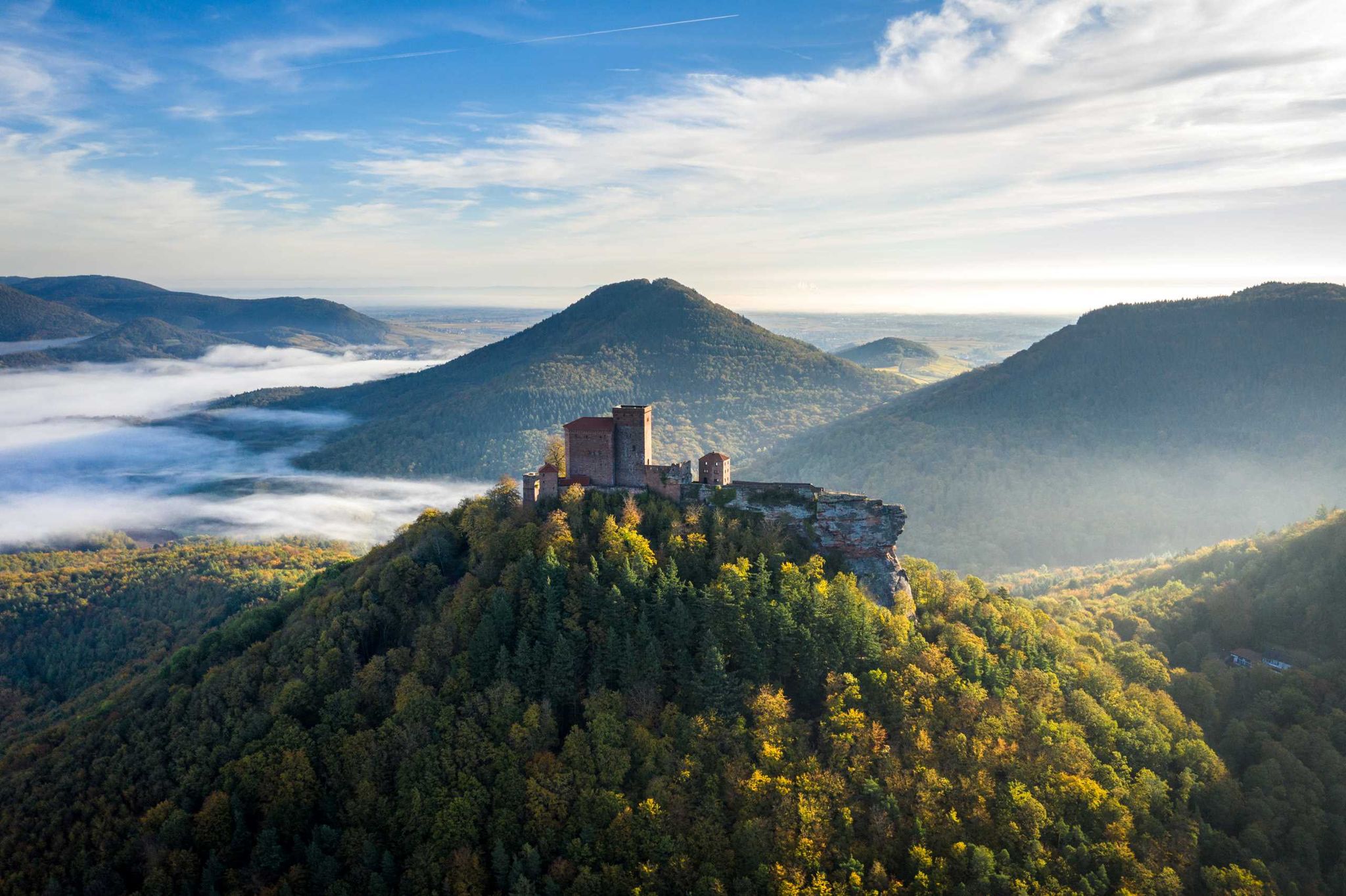
Best castles in the Palatinate Forest, a vast and densely wooded low mountain range in southwestern Germany, offer a journey into the region's rich past. This area is home to numerous historic castles, many of which are in various states of ruin. These medieval strongholds boast unique architectural features and provide insights into centuries of history. The landscape combines natural beauty with significant cultural heritage, making it a notable destination for exploration.
Best castles in the Palatinate Forest
- The most popular castles is Drachenfels Castle Ruins, a castle that is known for its winding rock structure. Exploring this castle is an adventure, differing significantly from typical castle layouts.
- Another must-see spot is Hambach Castle, a historical site with significant democratic importance. Visitors can explore the well-maintained castle, enjoy the museum, and experience the birthplace of German democracy.
- Visitors also love Landeck Castle, an extremely well-preserved castle ruin with a keep offering views over the Rhine plain. This castle hosts concerts and medieval markets, and features a castle tavern.
- Palatinate Forest is known for its rock castles, extensive castle ruins, and restored fortresses. Visitors can explore a variety of structures, from ancient strongholds integrated into cliffs to historically significant complexes.
- The castles in the Palatinate Forest are appreciated by the komoot community, with over 3300 upvotes and more than 2400 photos shared across 146 highlights.
Last updated: October 9, 2026
Wachtenburg Castle Ruins
Highlight • Castle
"Friends of the Wachtenburg Ruins Conservation Association"
looked after and maintained by committed members in their free time.
Tasks and goals:
The most important and outstanding task of the association is the preservation of the Wachtenburg ruins. After partially uncovering the still existing foundation and outer walls of various construction periods, it is necessary to carry out the securing and renovation with suitable materials, based on modern and modern knowledge and techniques, so carefully that the substance is secured for the next generations. In addition, maintaining the surroundings of the castle is an important matter so that the castle walls can be seen from all sides. Order and cleanliness of the castle grounds should give a visually positive picture.
Source: wachtenburg.de
Translated by Google •
Tip by

Trifels Castle
Highlight • Castle
Showing Translation
Tip by

Sign up now to discover places like this
Get recommendations on the best single tracks, peaks, & plenty of other exciting outdoor places.
Rietburg (castle ruins with mountain restaurant)
Highlight • Castle
On a nice weekend you will rarely get a table on the terrace of the restaurant.
Above the restaurant on the ruins but you always have the opportunity to enjoy the view.
Translated by Google •
Tip by

Hambach Castle
Highlight • Castle
Not worth visiting for a hike, one should stay longer and enjoy the place. Up, up to the castle and at the latest on the way home, eating and drinking - just like back then.
Translated by Google •
Tip by

Landeck Castle
Highlight • Castle
Showing Translation
Tip by

Heidenlöcher - 9th-10th century refuge (with knight's stone no. 260)
Highlight • Historical Site
Translated by Google •
Tip by

Ruins of Altdahn Castle
Highlight • Castle
Translated by Google •
Tip by

Andreas Fountain, Deidesheim Market Square
Highlight • Monument
Translated by Google •
Tip by

Neuscharfeneck Castle Ruins
Highlight • Castle
Current information is available at:
neuscharfeneck.de
Showing Translation
Tip by
Drachenfels Castle Ruins
Highlight • Castle
Translated by Google •
Tip by

Sign up for free to discover even more castles in the Palatinate Forest.
Already have an account?
Start today with a free account
Your next adventure awaits.
Popular around Palatinate Forest
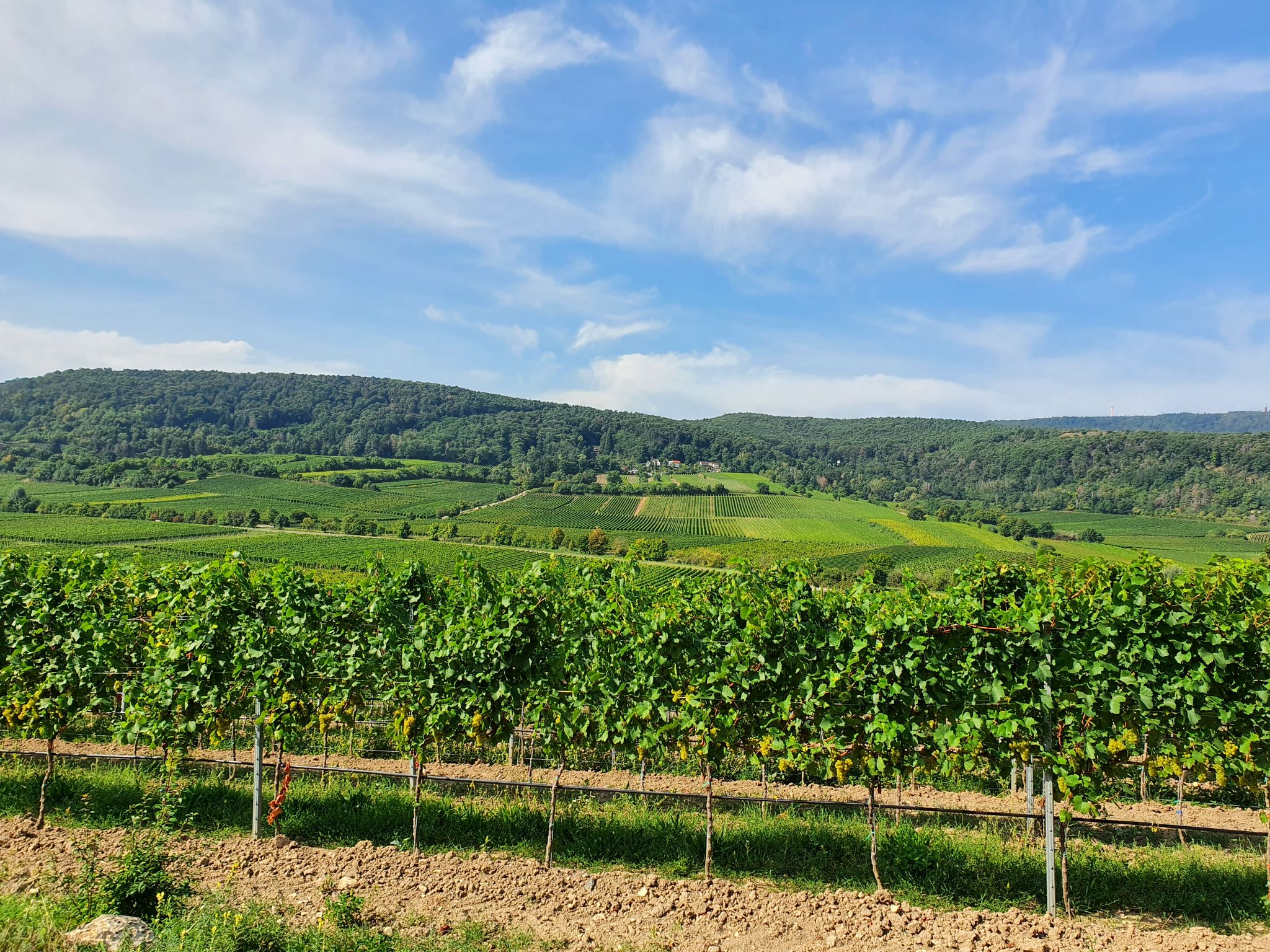
The German Wine Route through the Palatinate — Come here, walk away!
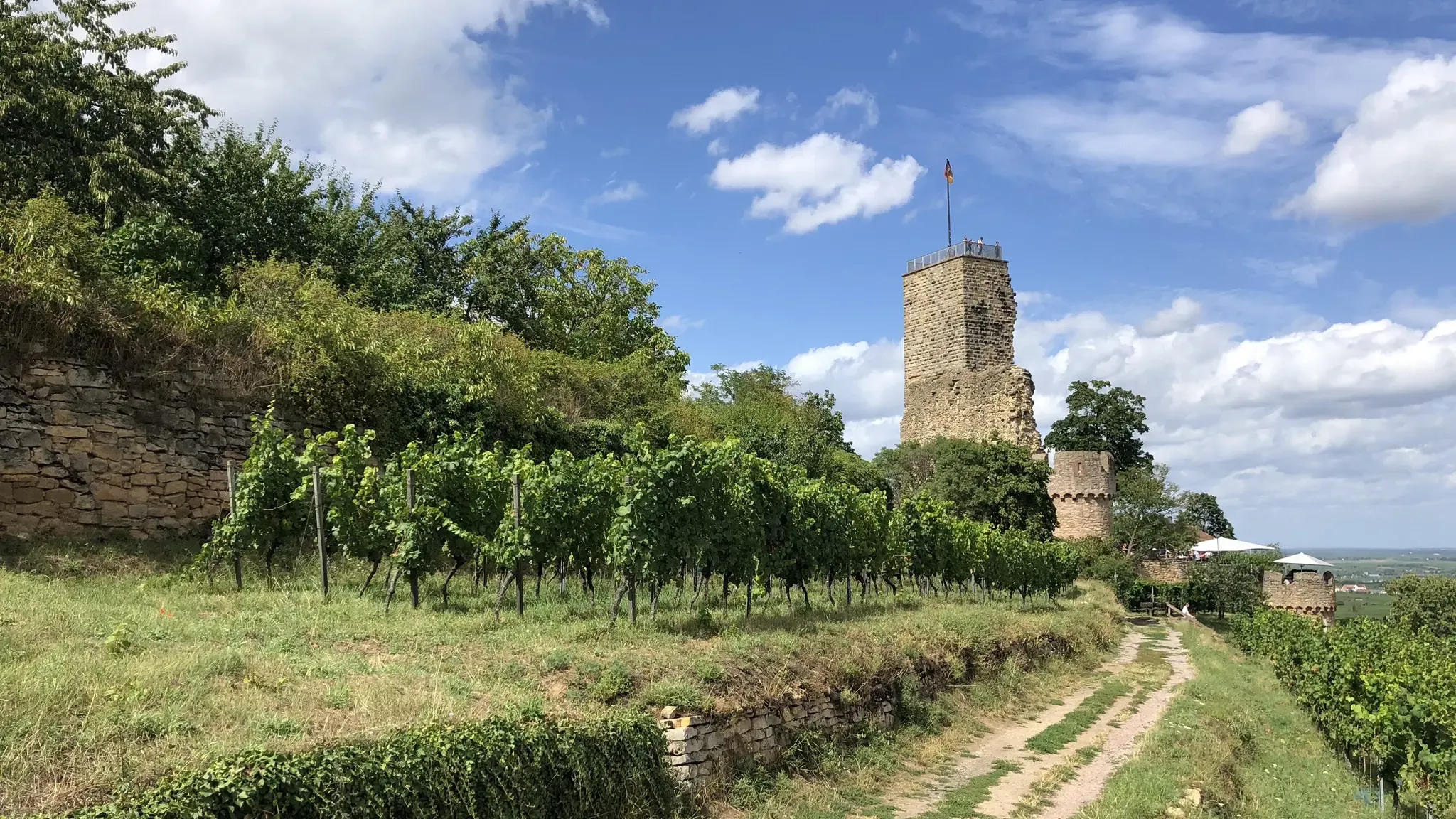
Pfälzer Weinsteig trail – 11 stages along forests and vinyards
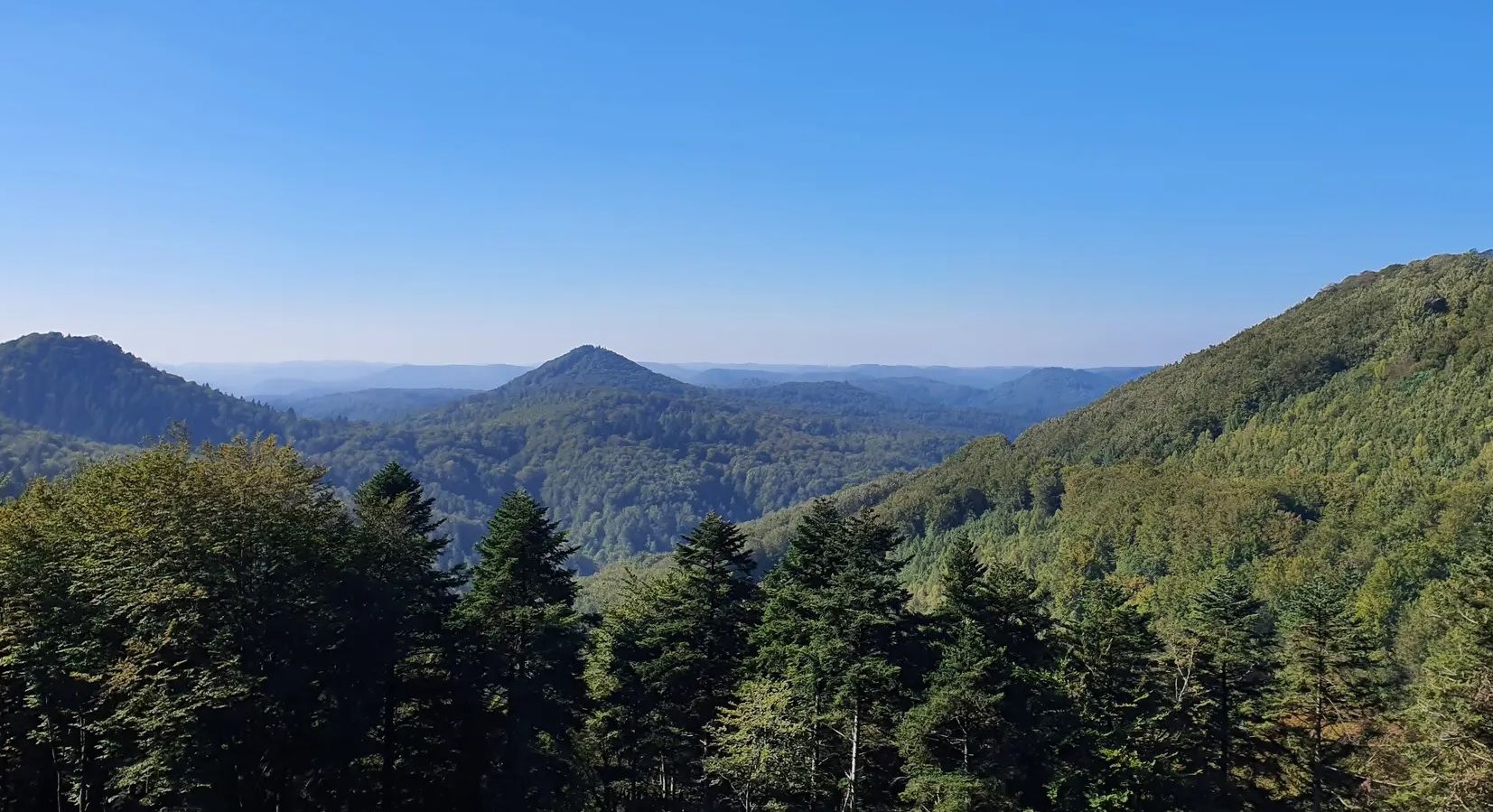
Palatinate Forest Trail – Hike through seemingly unending forest
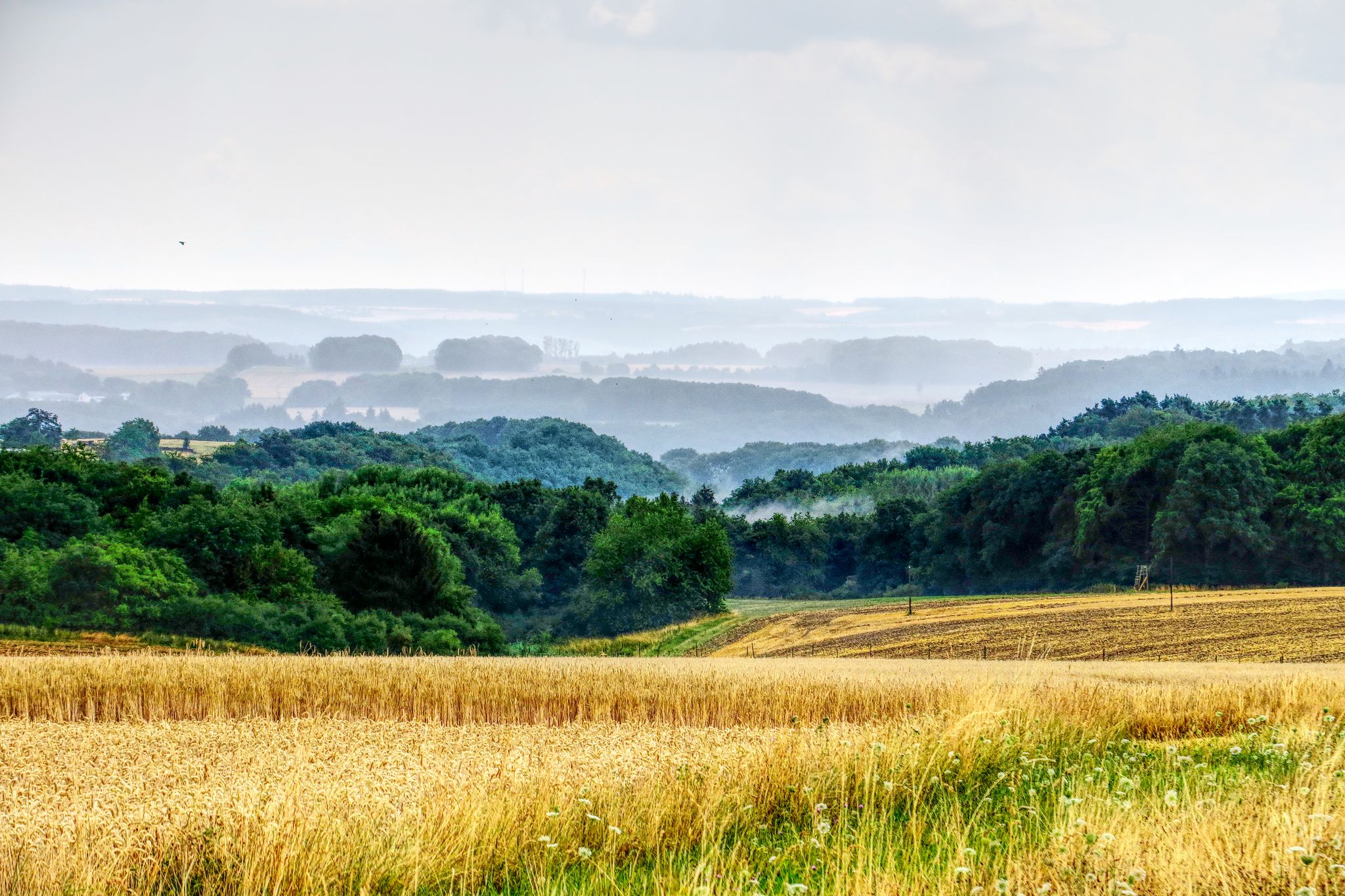
The National Natural Landscapes in Rheinland-Pfalz
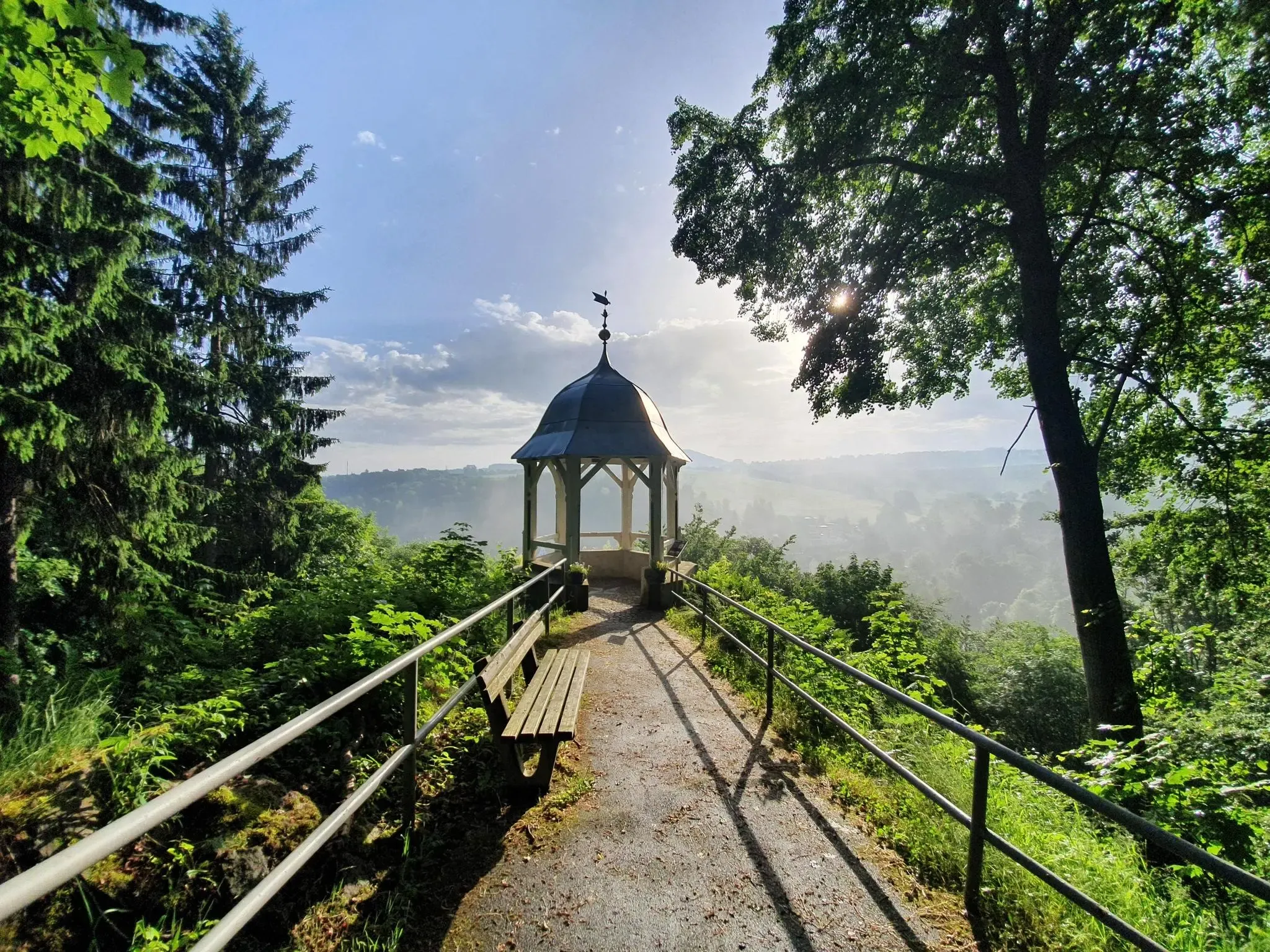
#GoFurther – discover the views of Germany!
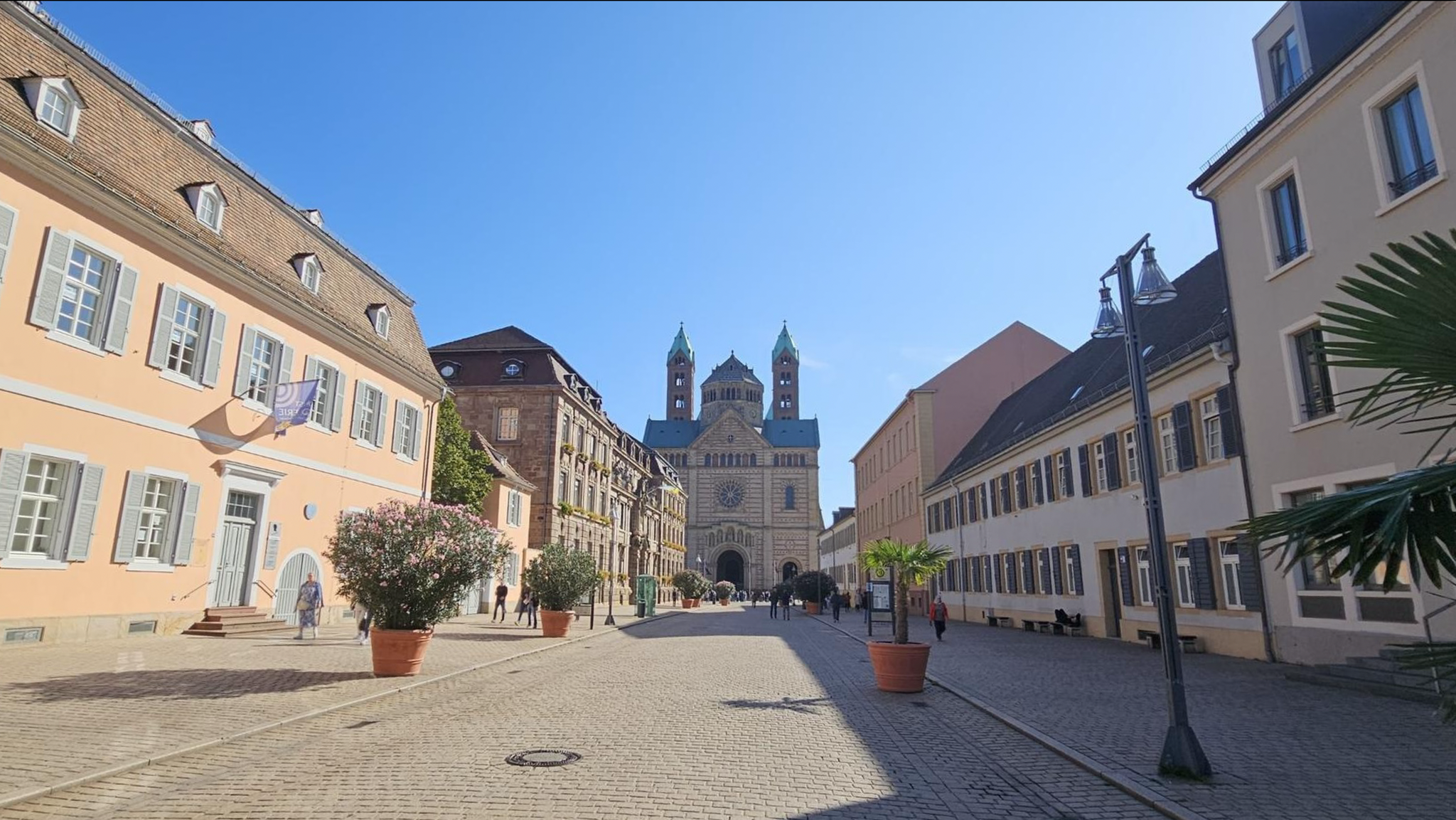
Culture and Nature in the Vorderpfalz - The Salier Cycle Path
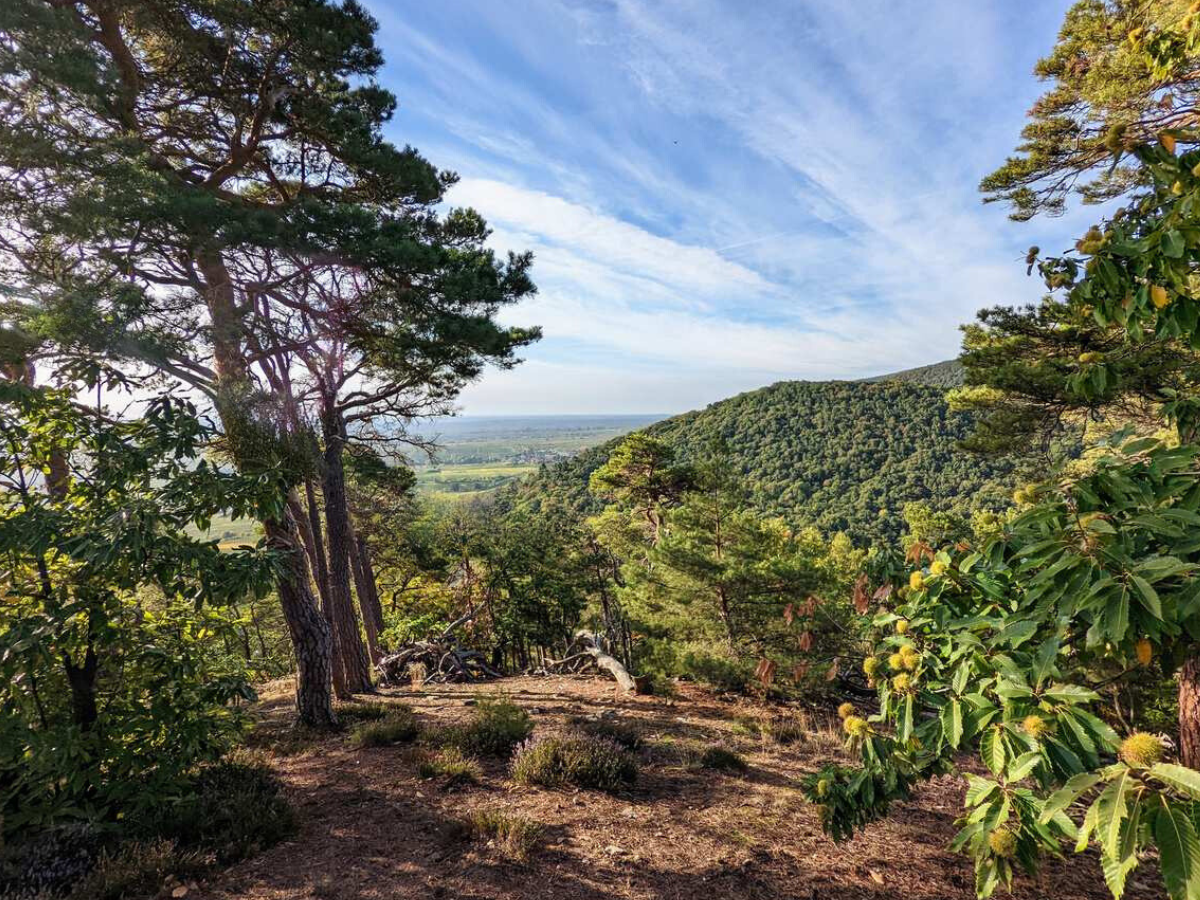
High up in the Palatinate - Around the highest of the Palatinate Forest
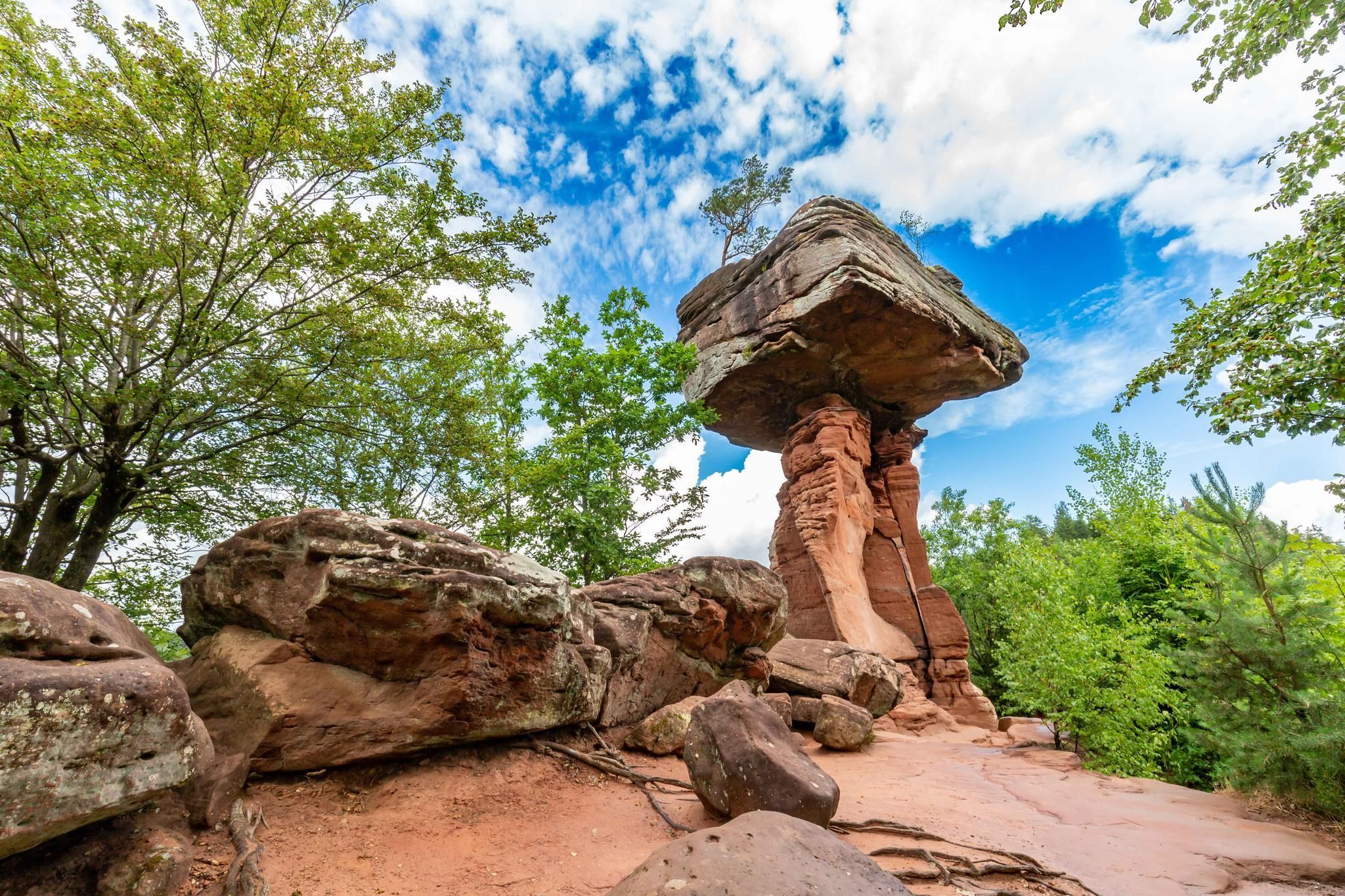
Cycling in Southern Palatinate – Karlsruhe to Zweibrücken
Hiking Menu – luggage free in the beautiful Palatinate

Bergmenschen – die 10. Staffel: Freundschaft, Bikes & Berge
Other adventures in the Palatinate Forest


Tips from the Community

The market square of Deidesheim marks the center of the wine town. In its center is the Andreasbrunnen, donated by the Jordan family in 1851.
8
0

Tanstein Castle stretches across the two westernmost castle rocks in the castle group. Both rocks used to be connected by a bridge. Today there are modern parapet walls on the rocks, which were placed arbitrarily during restoration work and do not convey any impression of the former castle buildings. The west rock was apparently built with tower-like buildings leaning against the rock. Evidence of this is given by beam holes and workings in the rock, as well as a large cistern, in which water was collected from the roofs. From this point you have a great view of the facility.
15
0

In the large castle complex you have several possibilities for a "gate view".
19
1

In the castle museum there are exhibits of life from earlier times. Arrowheads, bullets and other paraphernalia are on display, as well as pottery and stove tiles. Traces of tools on the crockery reveal that the oldest find can be dated back to 1180. The imposing model of the castle is also on display. It shows the castle founded around 1200. The support group for the preservation of the ruins of Wachtenburg has set itself the goal of preserving the Wachtenburg. Many thanks from my side for your commitment.
19
0

Here stands Ritterstein No. 260. It is one of over 300 Rittersteine (memorial stones) erected by the Palatinate Forest Association (PWV) and bears the inscription "Heidenlöcher – Refuge Castle 9th-10th Century." It marks the remains of a refuge castle that served as protection against the warring Normans and Hungarians. Today, the foundations of two gate structures, 65 stone houses, and a 450-meter-long curtain wall are still preserved. The inner of the two adjoining dry-stone walls served as a parapet walk. - Source: Information panels on site A little further to the right of this Ritterstein are the foundations of one of the gate structures. The refuge castle, or rather its remains, can be entered through the two gate structures. The curtain wall can be easily walked along (with minor exceptions): either on top of the wall or along its inner side – and the remains of many stone houses can be seen along the way. Without Komoot, it is easy to get lost here: Therefore, it is best to follow the "Palatinate Wine Trail" hiking signs!
13
0

Very beautiful ruin with a gigantic view ... a visit is definitely worth it
13
0

The entire facility is very exciting. A look into early history.
8
0
An impressive castle ruin on the Palatinate Wine Trail. There is a place to stop for refreshments and you can climb the tower ruins, beautiful view!
22
1
Frequently Asked Questions
What are some historically significant castles in the Palatinate Forest?
The Palatinate Forest is rich in history. Trifels Castle is a medieval rock castle that served as a center of power for the Salian and Staufer dynasties and famously held King Richard the Lionheart captive. Hambach Castle is another key historical site, known as the birthplace of German democracy. Hardenburg Castle, near Bad Dürkheim, evolved from a 13th-century hilltop castle into a fortified Renaissance residence, offering a glimpse into centuries of architectural and political change.
Are there family-friendly castles to visit in the Palatinate Forest?
Yes, several castles are great for families. Trifels Castle offers an engaging ascent with informative panels along the "Trifels-Erlebnis-Weg." Rietburg features a mountain restaurant and is easily accessible. Hambach Castle is well-maintained with a museum, and Landeck Castle hosts medieval markets. The Drachenfels Castle Ruins are also noted as a great place to explore with kids due to their winding rock structure.
Which castles offer the best panoramic views of the Palatinate Forest?
Many castles provide stunning views. From Trifels Castle, you can enjoy breathtaking panoramic views of the Palatinate Forest. Landeck Castle offers a sensational view over the entire Rhine plain from its keep. Hambach Castle also provides a beautiful vista of the Rhine plain. Burg Berwartstein and Frankenstein Castle (Palatinate) are also known for their scenic surroundings and impressive views.
Can I find restaurants or cafes at the castles?
Yes, some castles offer dining options. Rietburg is known for its mountain restaurant. Landeck Castle features a castle tavern with a terrace, inviting visitors to enjoy local dishes. Hambach Castle also has a restaurant inside. Additionally, near the Drachenfels Castle Ruins, you'll find the Drachenfelshütte of the Palatinate Forest Association, serving Palatinate specialties.
What kind of outdoor activities can I do near the castles?
The Palatinate Forest offers a wide range of outdoor activities. Many castles are integrated into hiking trails, providing opportunities for scenic walks. For more structured activities, you can explore various routes: Road Cycling Routes, Easy Hikes, and MTB Trails are available throughout the region, often passing by or near these historic sites.
Are there castles that are particularly unique or well-preserved?
Absolutely. Burg Berwartstein stands out as the only castle complex in the Palatinate that was rebuilt and is still inhabited today, featuring a deep well system and rooms carved into the rock. Landeck Castle is an extremely well-preserved ruin. Hambach Castle is also notably well-maintained. Fleckenstein Castle, though just across the French border, is remarkable for its unique integration into a sandstone cliff, with rooms carved directly into the rock.
What is the best time of year to visit the Palatinate Forest castles?
The Palatinate Forest castles can be visited year-round, but spring and autumn offer particularly pleasant weather for hiking and exploring. Spring brings blooming nature, while autumn showcases vibrant fall foliage, enhancing the scenic beauty of the castle ruins. Summer is also popular, though it can be warmer, and winter visits can be magical, especially if there's snow, though some facilities might have reduced hours.
Are there options for dog-friendly visits to the castles?
While specific rules vary by castle, many outdoor areas and hiking trails around the castles in the Palatinate Forest are dog-friendly. For example, the Heidenlöcher refuge is listed as dog-friendly. It's always advisable to check individual castle regulations regarding dogs, especially for interior access, but the surrounding natural landscapes are generally welcoming to pets on a leash.
What are some challenging or adventurous castle experiences?
For those seeking adventure, exploring the Drachenfels Castle Ruins is described as a real adventure due to its winding rock structure. The ascent to Trifels Castle is a scenic hike, and many castles like Neuscharfeneck Castle Ruins are categorized as intermediate to challenging, often involving forest trails and elevation changes. Burg Berwartstein offers unique guided tours through its extensive interior, including tunnel systems and a deep well.
Are there castles with interesting architectural features?
Yes, the castles in the Palatinate Forest boast diverse architectural styles. Hardenburg Castle showcases a blend of medieval and Renaissance architecture, with mighty sandstone walls and winding corridors. Burg Berwartstein features rooms carved directly into the rock and a 104-meter-deep well. Fleckenstein Castle, integrated into a sandstone cliff, has steps and troglodyte rooms carved into the natural rock formations, making it a unique example of rock castle architecture.
What are the general characteristics of castles in the Palatinate Forest?
The castles in the Palatinate Forest are predominantly medieval strongholds, many of which are in various states of ruin. They often feature unique architectural elements, such as integration into natural rock formations (rock castles), extensive ruins, and some restored fortresses. They are typically situated on elevated positions, offering strategic views and are often surrounded by dense forests, making them popular destinations for history enthusiasts and hikers alike.
Are there specific hiking trails that connect multiple castles?
Yes, the region is known for its castle-to-castle hikes. For instance, the 'Three Castles hike' starts from Landeck Castle, leading to the Schlössel ruin and then to the Ringwall Heidenschuh. Many other trails connect various castle ruins, offering opportunities for longer excursions and a deeper immersion into the historical landscape. You can find more hiking options in the Easy Hikes in the Palatinate Forest guide.
Most popular routes in the Palatinate Forest
Most popular attractions in the Palatinate Forest

Get inspired with the komoot mobile app


Didn’t find what you were looking for?
Explore Palatinate Forest’s best castles region by region:
Explore more
Looking for the best castles somewhere else? Discover other guides in the Palatinate Forest:
