Top 20 Castles in the Ruhr Region
Castles in the Ruhr Region provide a historical contrast to the area's industrial past, showcasing diverse architectural styles and eras. The region features a mix of imposing ruins, meticulously preserved moated castles, and grand industrialist residences. Many are situated amidst scenic landscapes, offering views over rivers and wooded areas. These historical sites are often integrated into local recreation areas, providing opportunities for exploration.
Best castles in the Ruhr Region
- The most popular castles is Hardenstein Castle Ruins, a castle that is located directly on the Ruhr river within the idyllic Muttental. These impressive remains are a notable spot for a break, especially for those cycling the Ruhrtal cycle path.
- Another must-see spot is Hohensyburg castle ruins, a castle offering panoramic views over Hagen and the Hengsteysee. It is a popular location for hikers and provides a historical contrast to the nearby casino.
- Visitors also love Oberwerries Castle, a moated castle in the Lippeauen. This site includes a cafe in its inner courtyard, offering homemade cakes, and is located directly on the Römer-Lippe-Route.
- Ruhr Region is known for medieval ruins, moated castles, and industrialist residences. Visitors can explore sites ranging from 12th-century fortifications to 19th-century mansions, reflecting various historical periods.
- The castles in the Ruhr Region are appreciated by the komoot community. More than 4000 upvotes and nearly 3000 photos have been contributed by users exploring these historical sites.
Last updated: August 16, 2026
Hohensyburg castle ruins
Highlight • Castle
Translated by Google •
Tip by

Landsberg Castle
Highlight • Castle
Translated by Google •
Tip by

Sign up now to discover places like this
Get recommendations on the best single tracks, peaks, & plenty of other exciting outdoor places.
Sign up for free
Bladenhorst Castle
Highlight • Castle
Translated by Google •
Tip by

Steinhausen Castle with sculpture garden
Highlight • Castle
Translated by Google •
Tip by

Heessen Castle
Highlight • Castle
Translated by Google •
Tip by

Isenburg Castle Ruins
Highlight • Castle
Translated by Google •
Tip by
Isenburg castle ruins
Highlight • Castle
The Neue Isenburg ruins are a side view of the BaldeneySteig.
Translated by Google •
Tip by
Oberwerries Castle
Highlight • Castle
Translated by Google •
Tip by

Sythen Castle
Highlight • Castle
More information: schloss-sythen.nrw
Translated by Google •
Tip by

Haus Rodenberg Water Castle
Highlight • Castle
The bell tower tackles the quality time 🔔 🏰⛲️🏞
Translated by Google •
Tip by

Sign up for free to discover even more castles in the Ruhr Region.
Sign up for free
Already have an account?
Start today with a free account
Your next adventure awaits.
Login or Signup
Popular around Ruhr Region
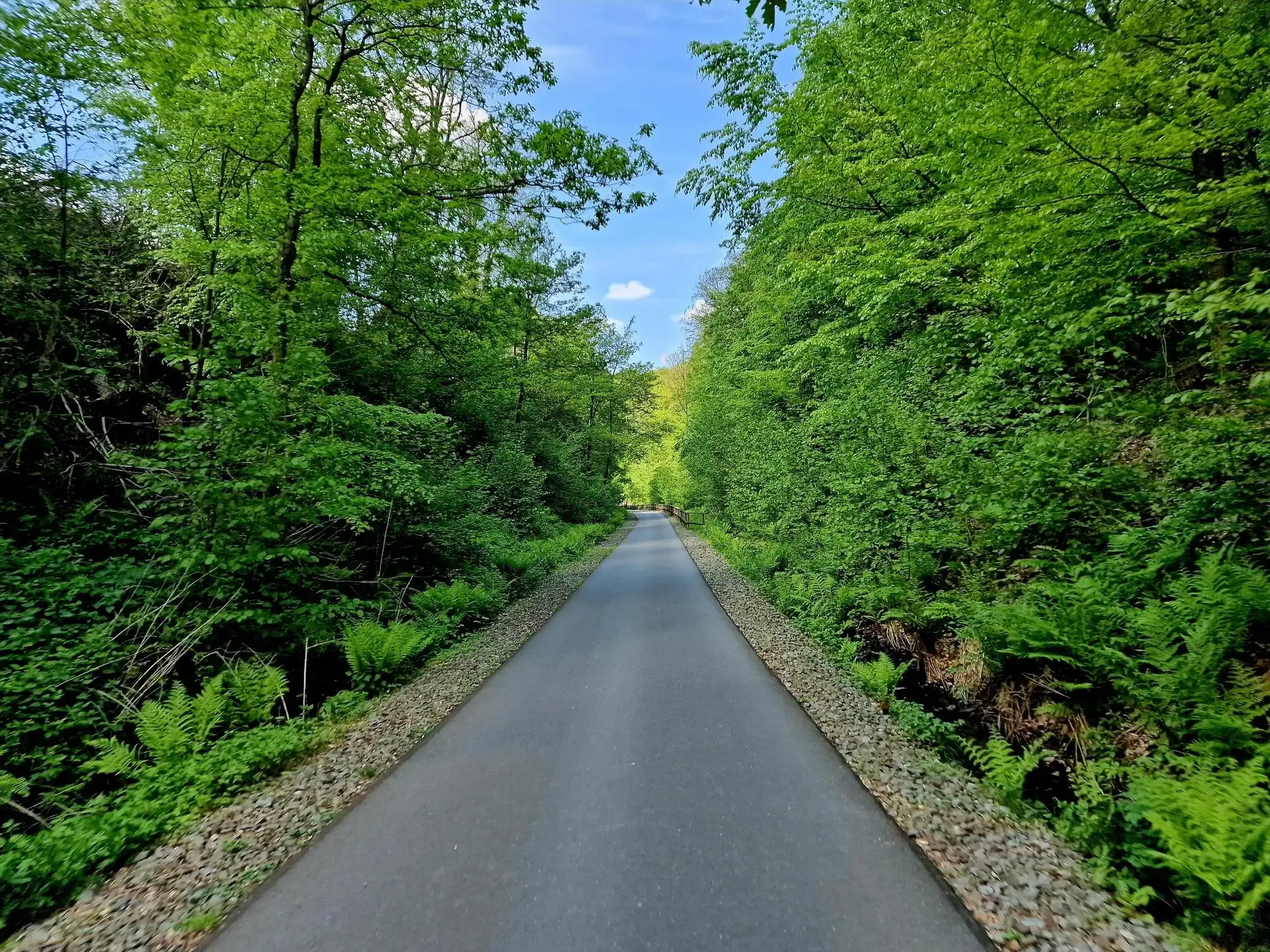
WHEW 100 – An Ultramarathon in three days in the middle of NRW
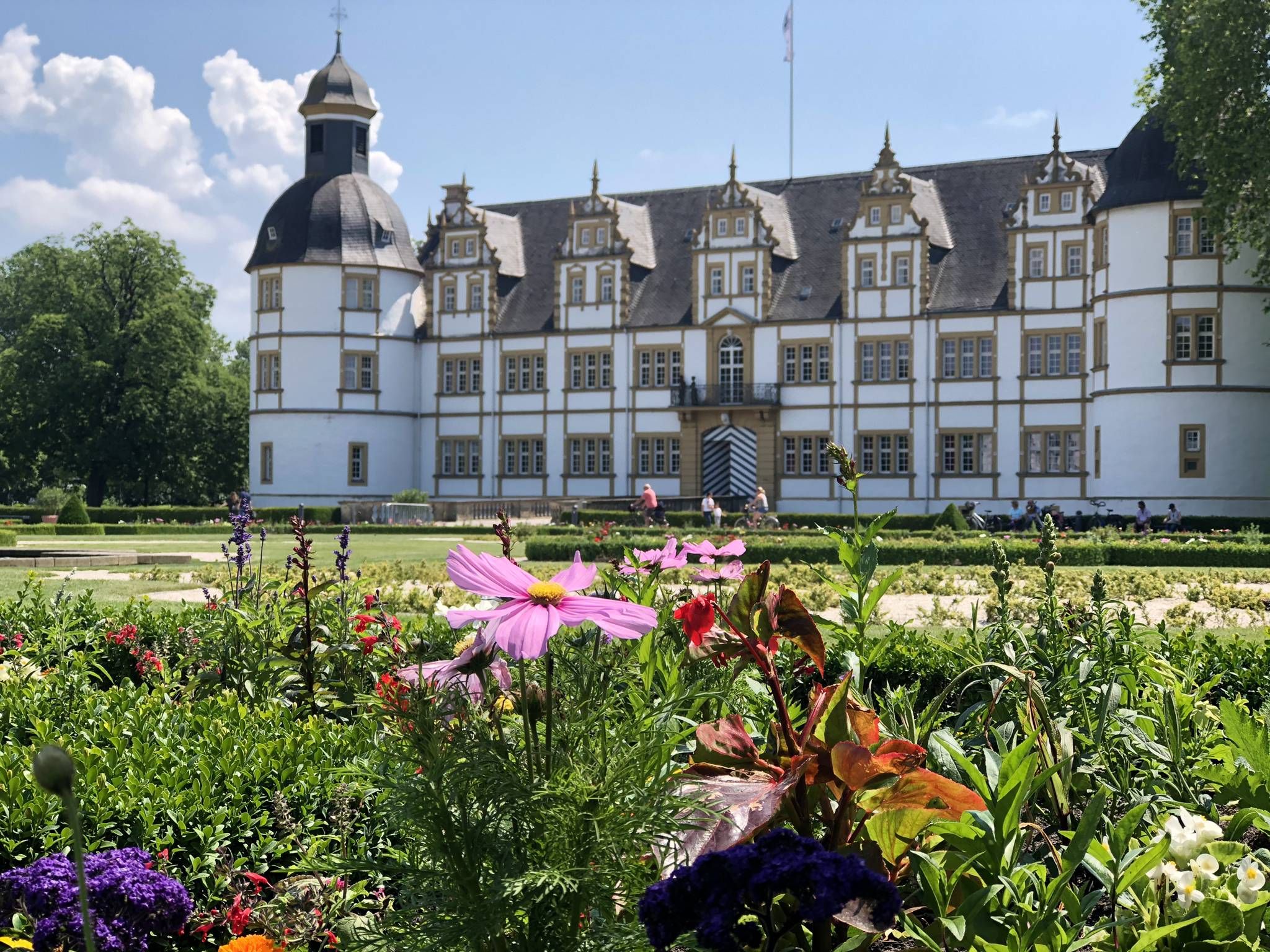
LandesGartenSchau Route – Westphalian Dream Parks
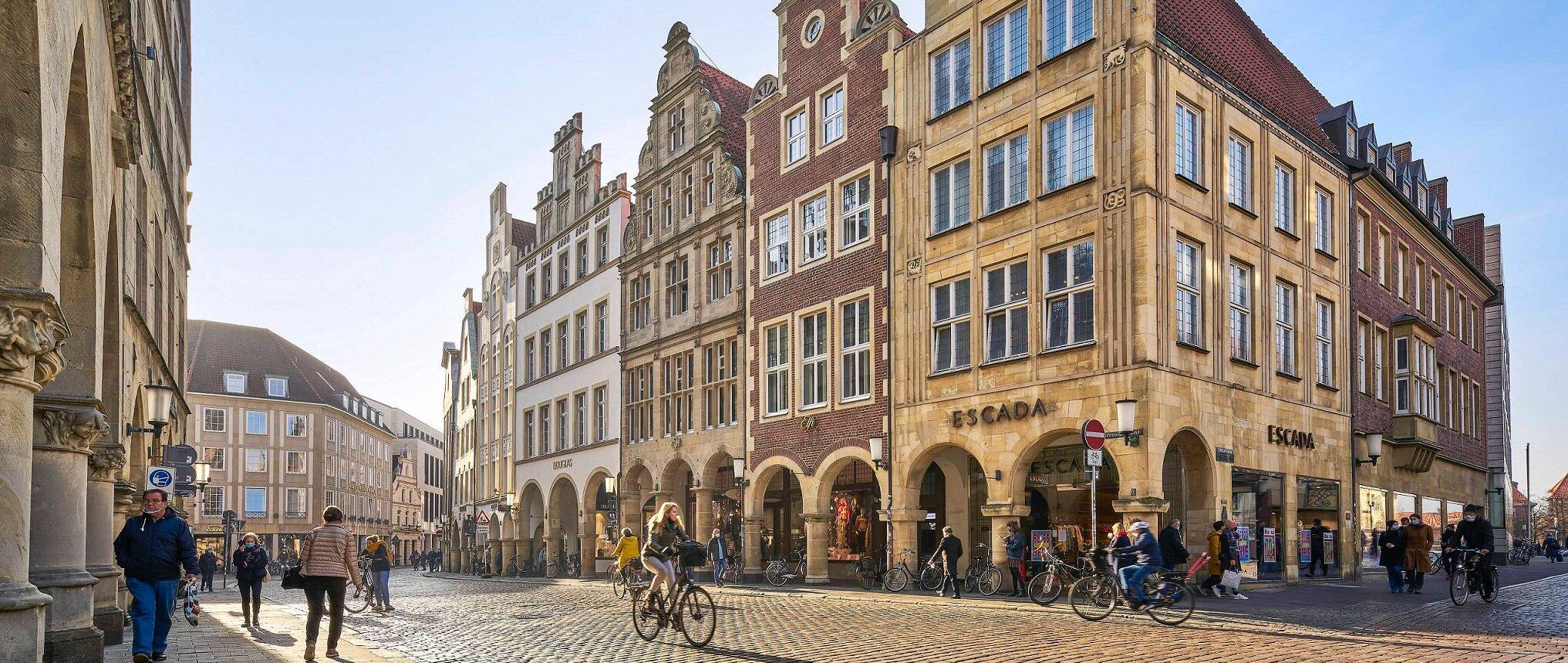
Germany's Westphalian City Tour — linking historic town centres
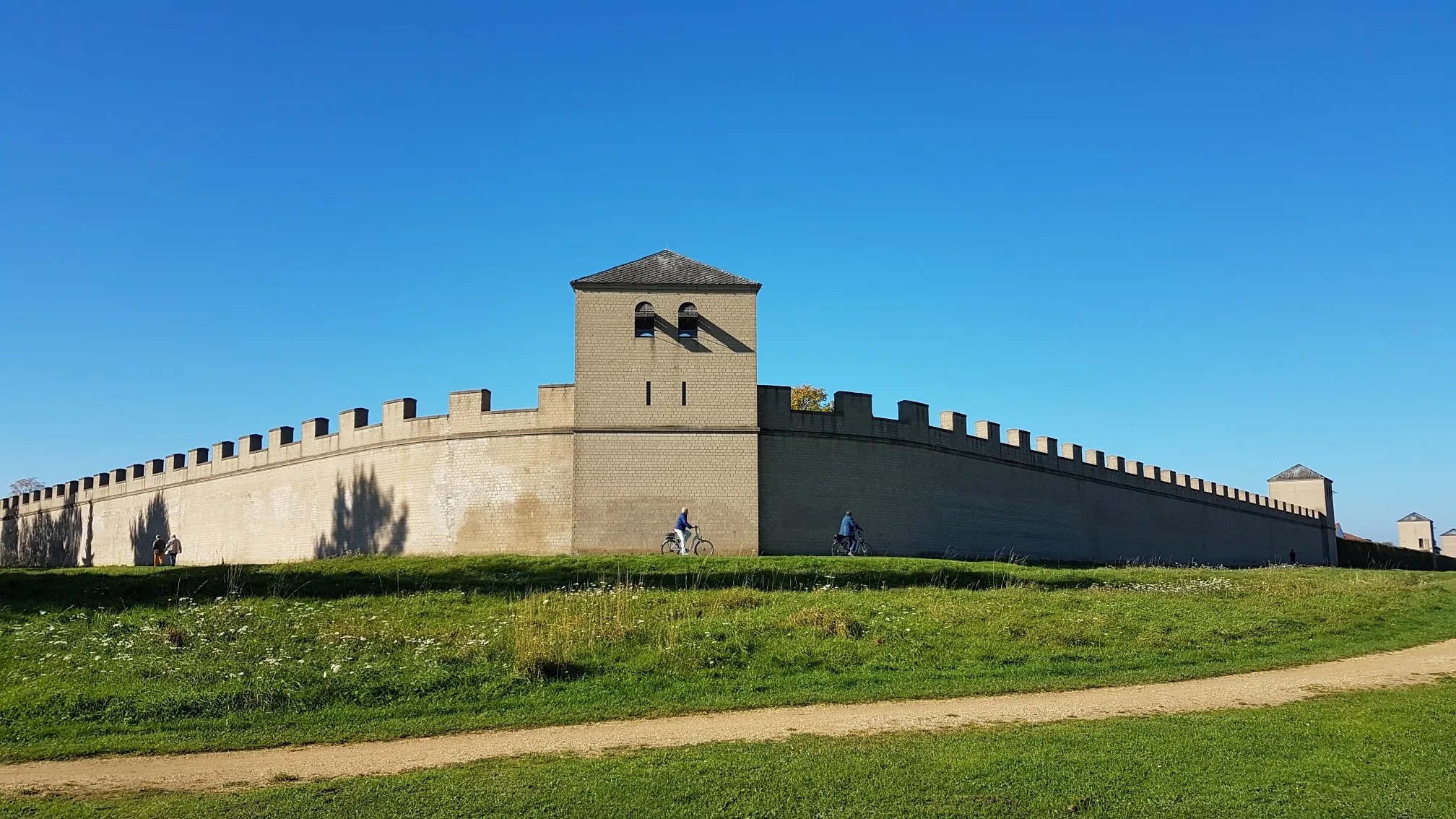
Römer‑Lippe Route – Water and history – 6 days
100 Castles Route – Discover the historical treasures of Münsterland by bike
EuroVelo 3 – A cycling pilgrimage from Norway to France
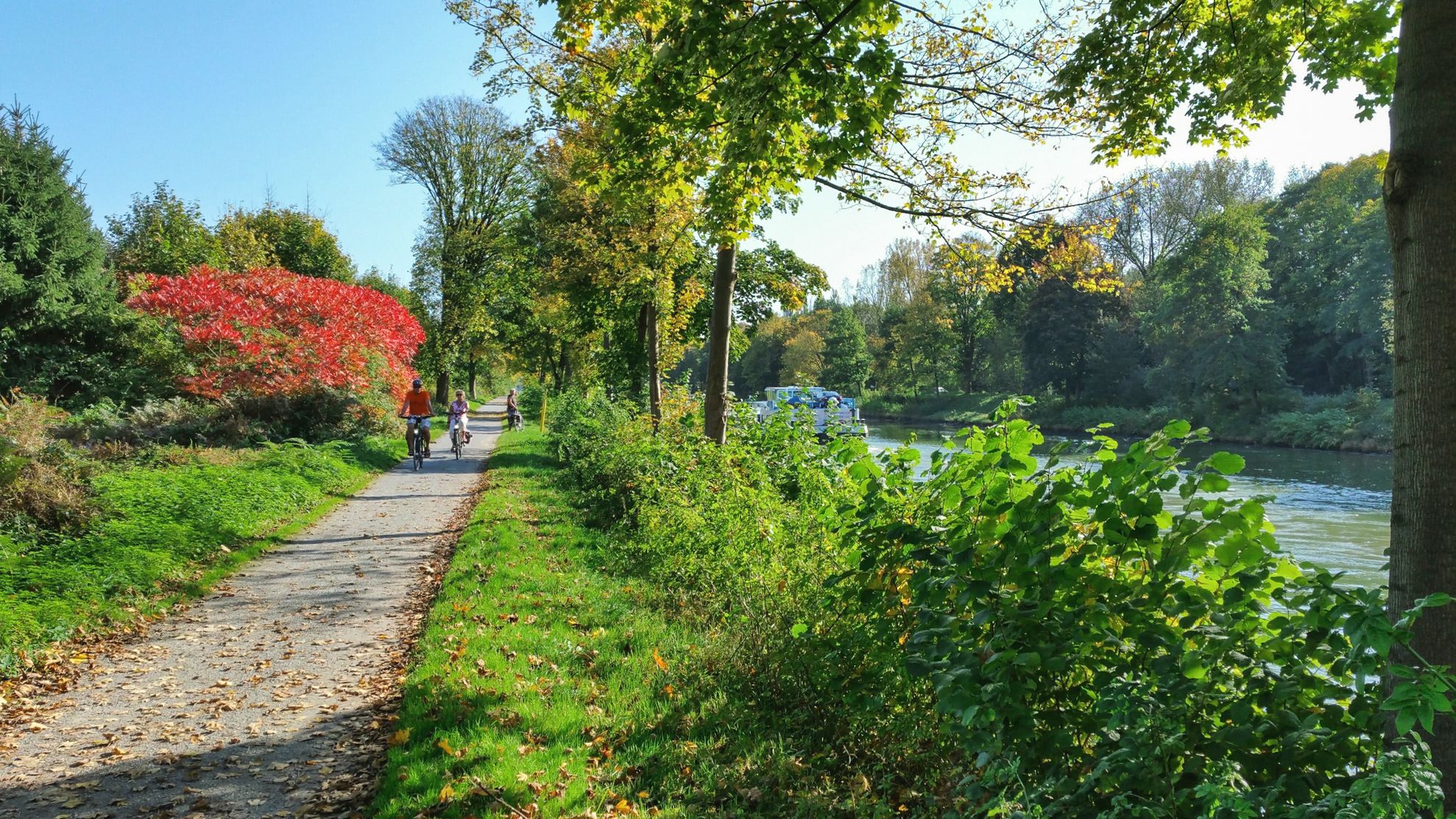
Ruhr Valley Gravel – rediscover the Ruhr Area in Germany
The Emscher-Weg – Between nature and industrial heritage
Römer‑Lippe Route – Water & history, 6 days
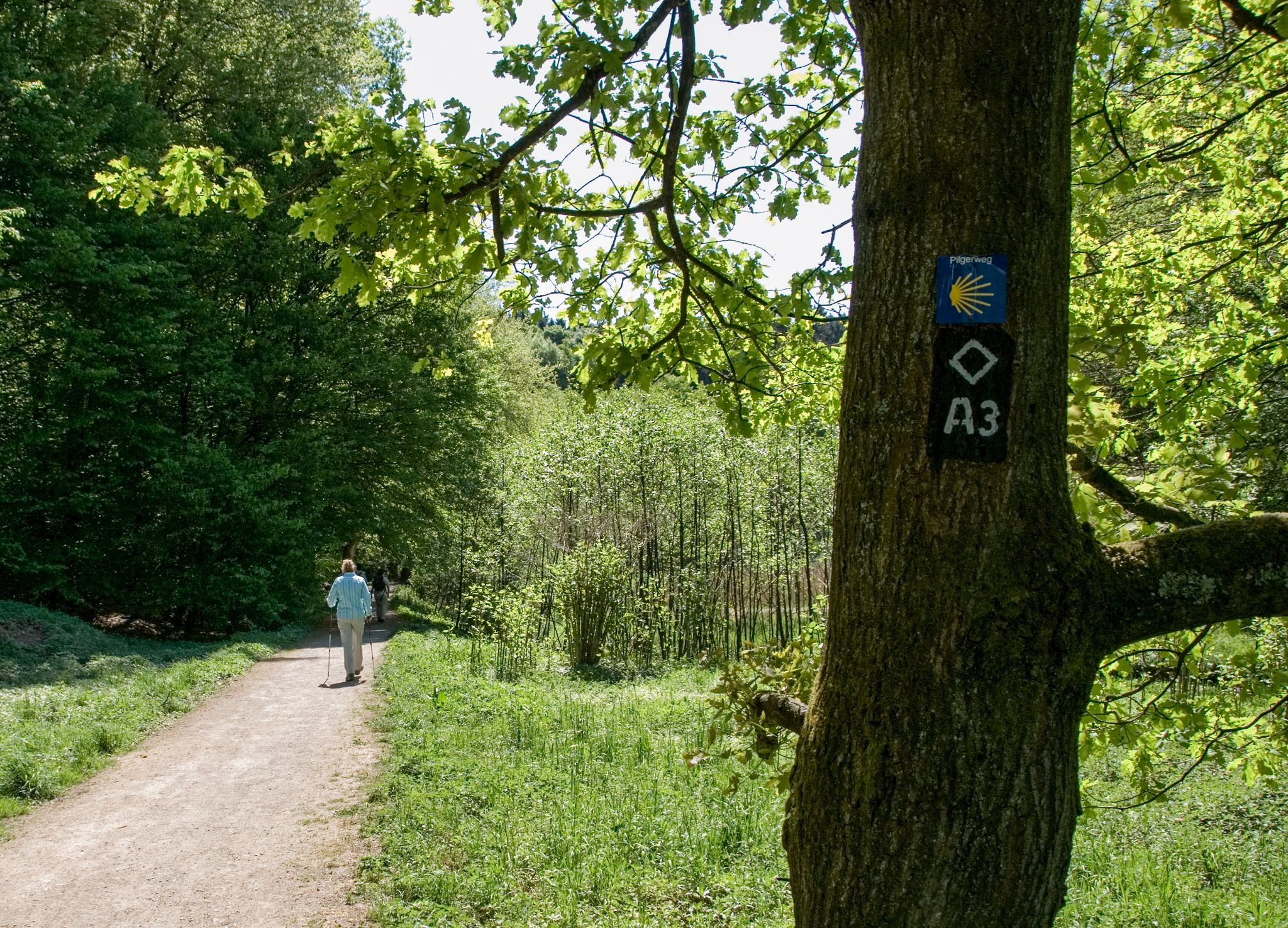
Westphalian Way of St. James – 9 days
Other adventures in the Ruhr Region


Tips from the Community

The castle is situated in a quiet wooded area above August-Thyssen-Straße. It was built in 1276 by Count Adolf V of Berg to fortify the Ruhr crossing. Today, the castle and the adjacent new building belong to the ThyssenKrupp Group and are used as a training center.
6
1
Today only an impressive ruin remains of the former Isenburg, which was built in the 12th century for Count Arnold von Altena on the Isenberg. In the middle of the ruins stands the Custodis House, which was built around 1855 in the classicist style.
6
0
Around 1240, the Neue Isenburg, named after the Isenburg in Hattingen, was built above the Ruhr by Count Dietrich von Altena-Isenberg. Only 48 years later it was destroyed again. Its ruins were only excavated again at the beginning of the last century. The Neue Isenburg ruins are a side view of the BaldeneySteig.
6
0

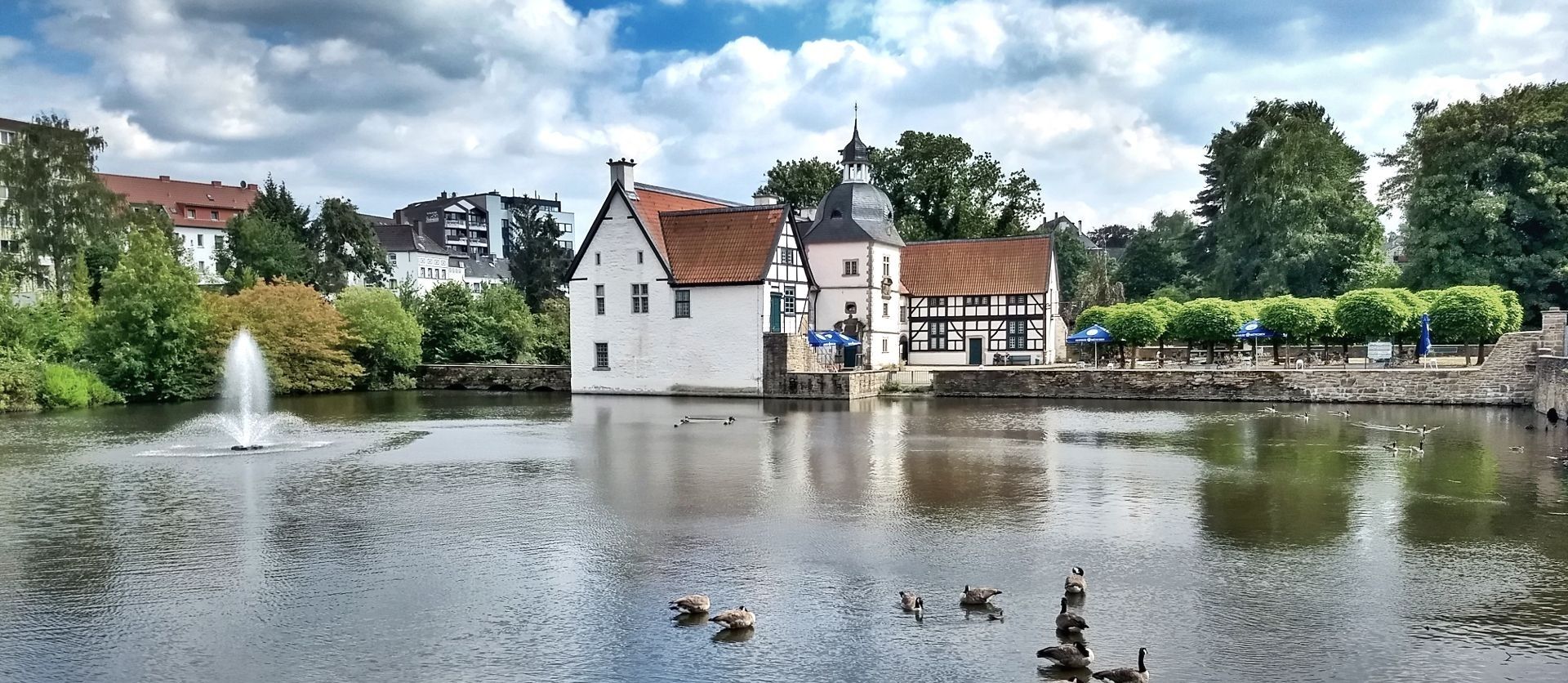
The former aristocratic residence Haus Rodenberg in Dortmund-Aplerbeck originally emerged from a medieval moated castle on the banks of the Emscher and was mentioned in a document as early as 1290. Of the former gardens, only the outer bailey island, the surrounding moats, the house pond and remnants of the wall surrounding the main garden remain. Today the park area is a public green space in the center of the Aplerbeck district.
12
0

Partly quite hilly hiking trail - mostly above the Baldeneysees - with many beautiful vantage points and various rest stops.
7
1

The oldest and most detailed known depiction of House Rodenberg and its lands is a map from 1801 by Wesermann. Like many aristocratic residences in the Dortmund area, Haus Rodenberg was designed as a fortified complex and was thus completely surrounded by water. Still in keeping with the simple design language of the Renaissance, the parts of the garden were laid out as delimited, almost square areas outside the moats and surrounded by quarry stone walls. In the center of the eastern or main garden was a round pool and a pavilion at the edge. To the north was the tree farm with rows of fruit trees. The small square in the south, also almost square, with quarry stone walls and equipped with the same simple wayside cross, was surrounded by a moat and was therefore also called "water parterre".
12
2

Sythen Castle is a moated castle near Haltern am See. The castle was mentioned in 758 under King Pippin. Various noble families then lived here on the site. From 1821 to 1965 the castle was owned by the Westerholt and Gysenberg families. In 1946 a children's convalescent home was also set up. After that the castle was left to nature. Today a support association looks after the castle, which was renovated with the active help of volunteers. It can be rented for events such as parties and weddings and concerts are also held there.
9
1

The Rodenberg House is a moated castle in the Aplerbeck district of Dortmund. The castle fell into disrepair in the 19th and 20th centuries. All that remained of the former moated castle was the outer bailey with the economic section. After the castle was destroyed in the Clevisch-Märkischen succession dispute in 1422, it was rebuilt in the years that followed. Between 1689 and 1698 the castle was rebuilt into a baroque moated castle. The property was sold to the city of Dortmund in 1985, which had the park and Rodenberg house thoroughly restored by 1996 and finally handed it over to the citizens of Dortmund. The castle is listed as a monument, the former castle as a monument in the monument list of the city of Dortmund. Today, Haus Rodenberg is home to the seminar rooms of the adult education center in Dortmund, the fairytale stage (a puppet theater for children and adults) and upscale gastronomy. The premises of Haus Rodenberg can be rented for so-called ambience weddings through the adult education center in Dortmund. The former mill pond and the park with "orchard" are well visited in summer.
8
0
Frequently Asked Questions
What types of castles and historical sites can I expect to find in the Ruhr Region?
The Ruhr Region offers a diverse range of historical sites, from medieval ruins to meticulously preserved moated castles and grand industrialist residences. You'll find imposing ruins like Hohensyburg castle ruins and Hardenstein Castle Ruins, as well as unique structures like the industrialist mansion Villa Hügel and the elegant Cromford Manor House, which is now part of a textile factory museum.
Which castles in the Ruhr Region offer the best scenic views?
For breathtaking panoramic views, Hohensyburg castle ruins are highly recommended, offering vistas over Hagen and the Hengsteysee. Hardenstein Castle Ruins also provide sweeping views of the green Ruhr river valley. Villa Hügel, while not a traditional castle, is situated above Lake Baldeney, offering attractive views and recreational opportunities.
Are there family-friendly castles to visit in the Ruhr Region?
Many castles in the Ruhr Region are suitable for families. Hohensyburg castle ruins and Hardenstein Castle Ruins are popular spots for family outings, often integrated into hiking routes. Oberwerries Castle, a moated castle, includes a cafe in its inner courtyard, which can be a pleasant stop for families.
Can I combine a castle visit with hiking or cycling in the Ruhr Region?
Absolutely! Many castles are situated within scenic landscapes perfect for outdoor activities. Hardenstein Castle Ruins are directly on the Ruhr river, ideal for those cycling the Ruhrtal cycle path. The area around Bladenhorst Castle is great for hiking. You can find numerous routes for hiking and cycling that pass by or lead to these historical sites.
Which castles highlight the Ruhr Region's industrial heritage?
While many castles predate the industrial era, some residences are deeply connected to it. Villa Hügel, built by industrial magnate Alfred Krupp, is a powerful symbol of industrialization and upper-middle-class life. Cromford Manor House, built by industrialist Brügelmann, is now part of the LVR Cromford Textile Factory Industrial Museum, offering insights into the era's extravagant lifestyles.
Are there any castles with cafes or restaurants nearby?
Yes, some castles offer convenient amenities. Oberwerries Castle features a cafe in its inner courtyard, serving homemade cakes. The area around Hohensyburg castle ruins also has options for refreshments.
What is the best time of year to visit castles in the Ruhr Region?
The castles in the Ruhr Region can be enjoyed year-round. Spring and autumn offer pleasant temperatures for hiking and cycling, with beautiful foliage. Summer allows for longer days and outdoor events, while winter can provide a unique, atmospheric experience, especially for ruins like Isenburg Castle Ruins.
Are there any lesser-known or 'hidden gem' castles in the region?
Beyond the most popular sites, you might enjoy exploring Bladenhorst Castle, a 16th-century moated castle harmoniously blended into its landscape, offering peaceful hiking opportunities. Landsberg Castle, located in a quiet wooded area, also provides a serene historical experience.
How accessible are the castles by public transport or car, and is parking available?
Accessibility varies by location. Many castles, especially those integrated into urban or recreational areas, are reachable by public transport. For example, Herten Castle often has parking facilities nearby. It's advisable to check specific transport links and parking options for each castle you plan to visit.
What kind of historical significance do the castles in the Ruhr Region hold?
The castles reflect various historical periods, from medieval fortifications built to control strategic points, like Landsberg Castle, to later residences of noble families and industrial magnates. They offer insights into the region's past, from feudal power struggles to the rise of industrial wealth, providing a rich historical tapestry.
Are there any unique features or activities associated with specific castles?
Yes, some castles offer unique experiences. At Hardenstein Castle Ruins, you can cross the Ruhr river on a unique electric passenger ferry. Steinhausen Castle features a sculpture garden, adding an artistic dimension to your visit. Hugenpoet Castle operates as a luxurious hotel, allowing guests to stay within a historic setting.
What do visitors enjoy most about exploring castles in the Ruhr Region?
Visitors frequently appreciate the blend of history and nature. Many enjoy the impressive views from ruins like Hohensyburg castle ruins, the tranquility of moated castles, and the opportunity to combine cultural exploration with outdoor activities like hiking and cycling. The historical contrast to the region's industrial past is also a significant draw.
Most popular routes in the Ruhr Region
Most popular attractions in the Ruhr Region

Get inspired with the komoot mobile app


Didn’t find what you were looking for?
Explore Ruhr Region’s best castles region by region:
Explore more
Looking for the best castles somewhere else? Discover other guides in the Ruhr Region:
