Top 20 Natural Monuments in the Ruhr Region
Best natural monuments in the Ruhr Region showcase a unique blend of industrial heritage and extensive green spaces. This area, historically shaped by industry, has undergone significant transformation, repurposing former sites into accessible natural attractions. The landscape features a variety of natural and redeveloped areas, offering diverse outdoor experiences. Visitors can explore reservoirs, rivers, and reclaimed industrial land now serving as recreational parks.
Best natural monuments in the Ruhr Region
- The most popular natural monuments is Ruhr weir and towpath…
Last updated: July 23, 2026
Ruhr weir and towpath in Hattingen
Highlight (Segment) • River
Translated by Google •
Tip by

Lake Baldeney
Highlight • Lake
Translated by Google •
Tip by

Sign up now to discover places like this
Get recommendations on the best single tracks, peaks, & plenty of other exciting outdoor places.
Sign up for free
Halterner Reservoir
Highlight • Lake
Translated by Google •
Tip by

Duisburg-North Landscape Park
Highlight • Structure
Showing Translation
Tip by

Pfingstsee
Highlight • Lake
Wheel of Fortune Exercise: Inner Developmental Goals 3 - RELATIONSHIP
Translated by Google •
Tip by

Hohensyburg castle ruins
Highlight • Castle
Translated by Google •
Tip by
Hullerner Reservoir
Highlight • Lake
Translated by Google •
Tip by

Kaiser Wilhelm Monument, Hohensyburg
Highlight • Monument
Translated by Google •
Tip by
Alte Fahrt between Datteln and Olfen
Highlight • River
Translated by Google •
Tip by

View of Halde Hoheward
Highlight • Viewpoint
Translated by Google •
Tip by

Sign up for free to discover even more natural monuments in the Ruhr Region.
Sign up for free
Already have an account?
Start today with a free account
Your next adventure awaits.
Login or Signup
Popular around Ruhr Region
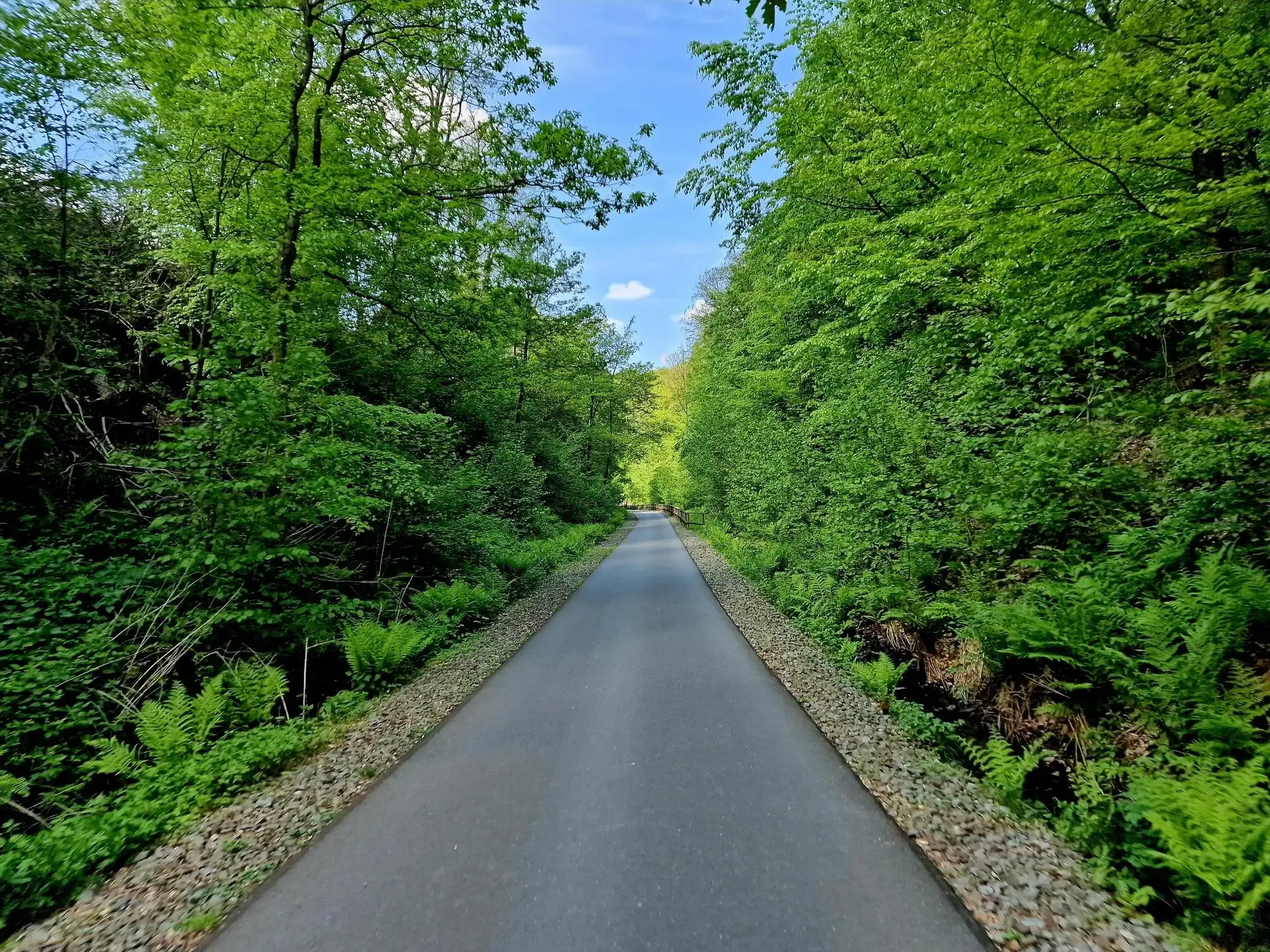
WHEW 100 – An Ultramarathon in three days in the middle of NRW
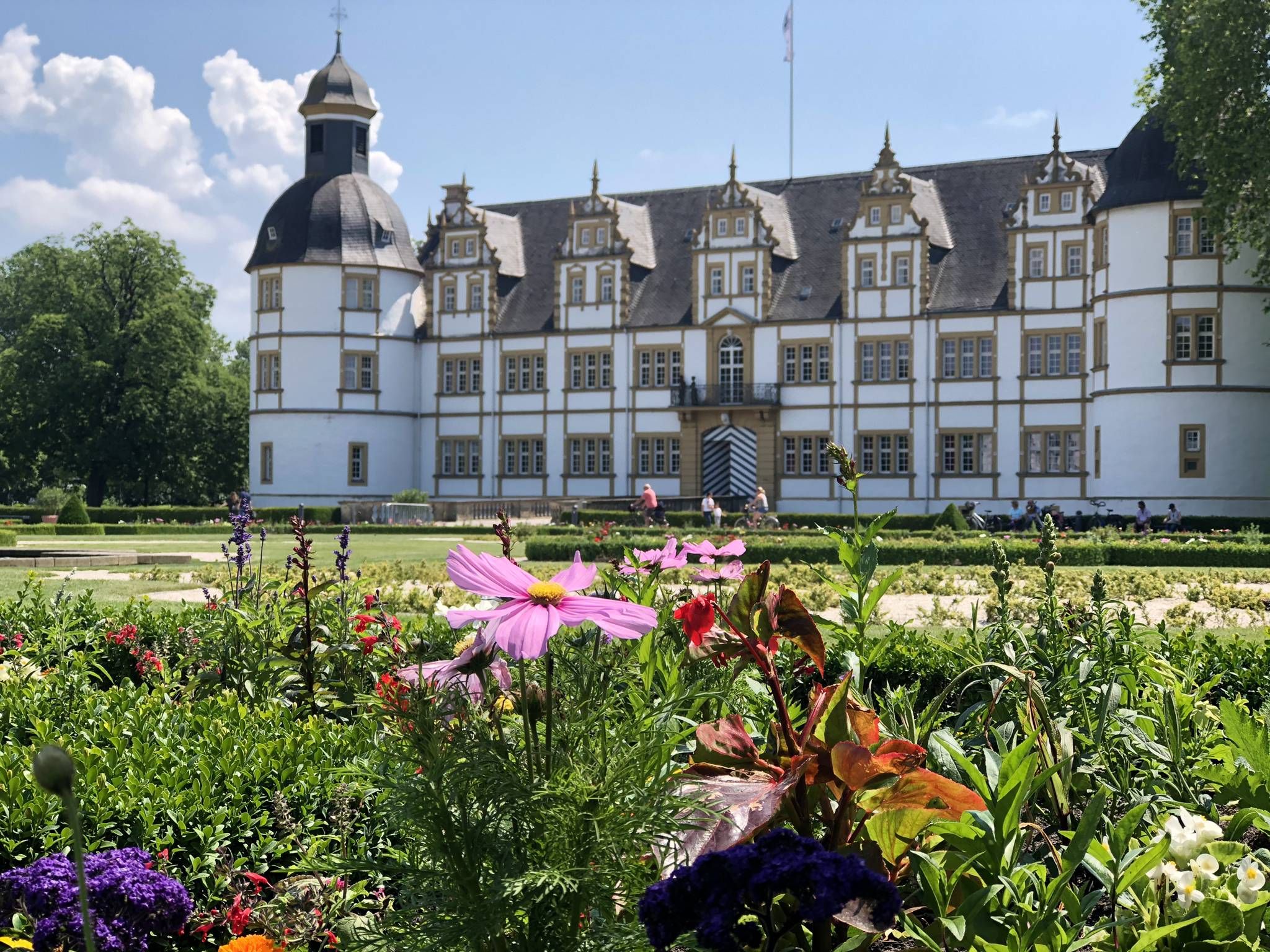
LandesGartenSchau Route – Westphalian Dream Parks
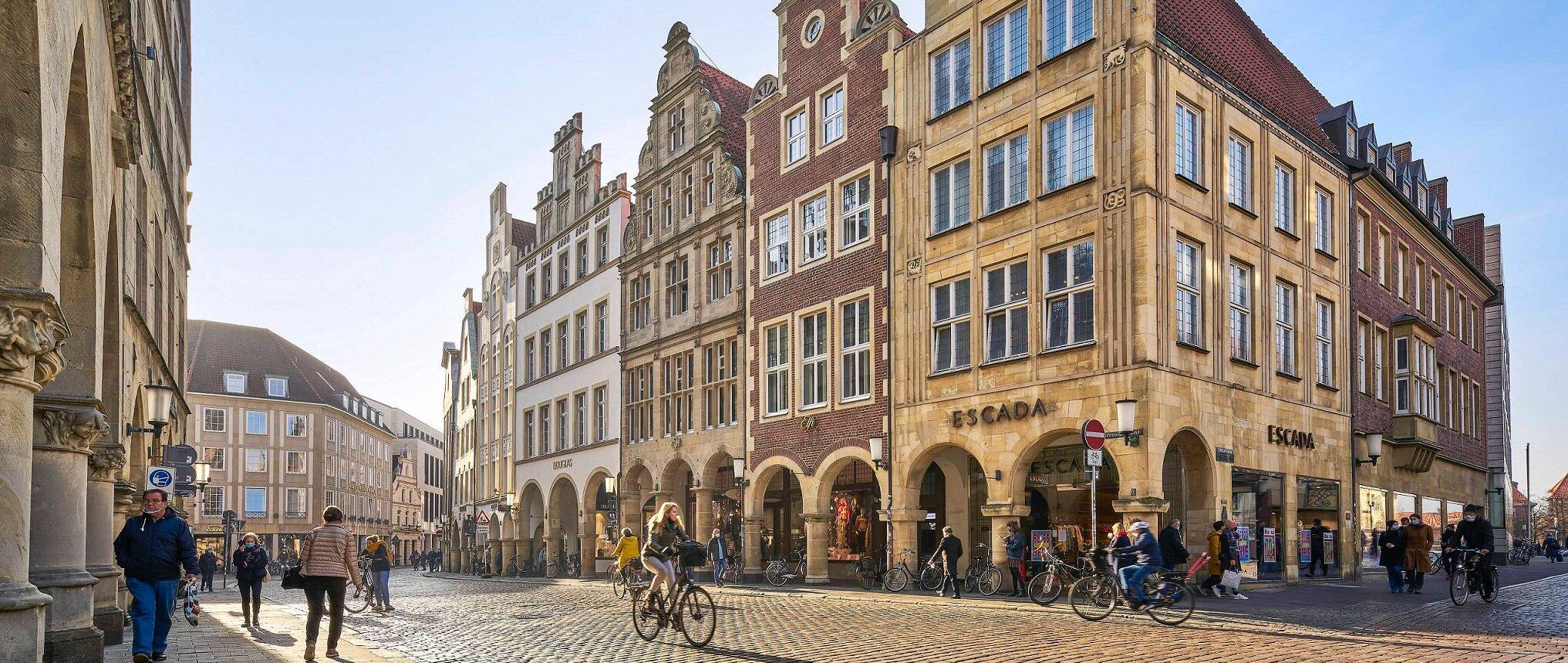
Germany's Westphalian City Tour — linking historic town centres
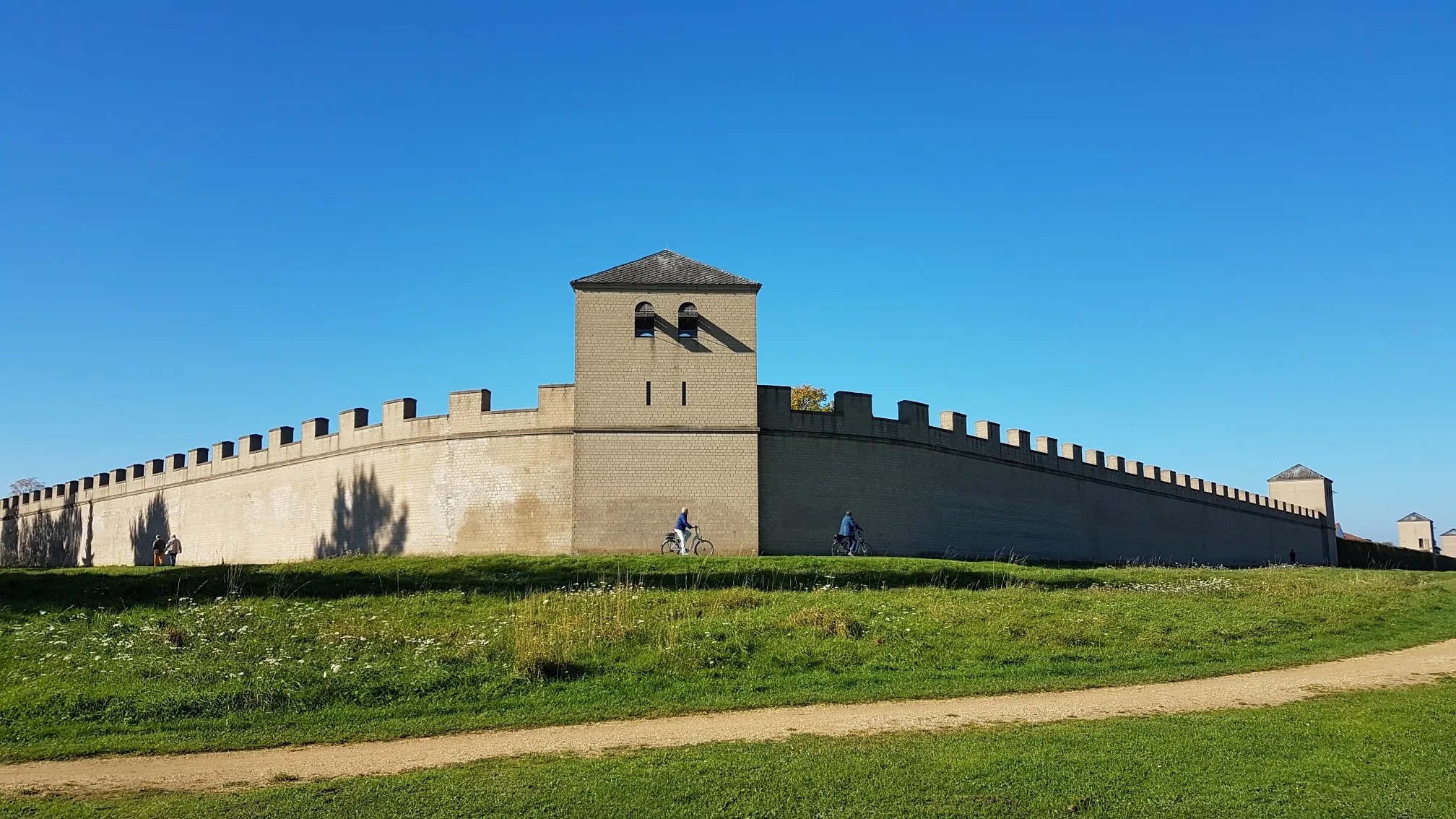
Römer‑Lippe Route – Water and history – 6 days
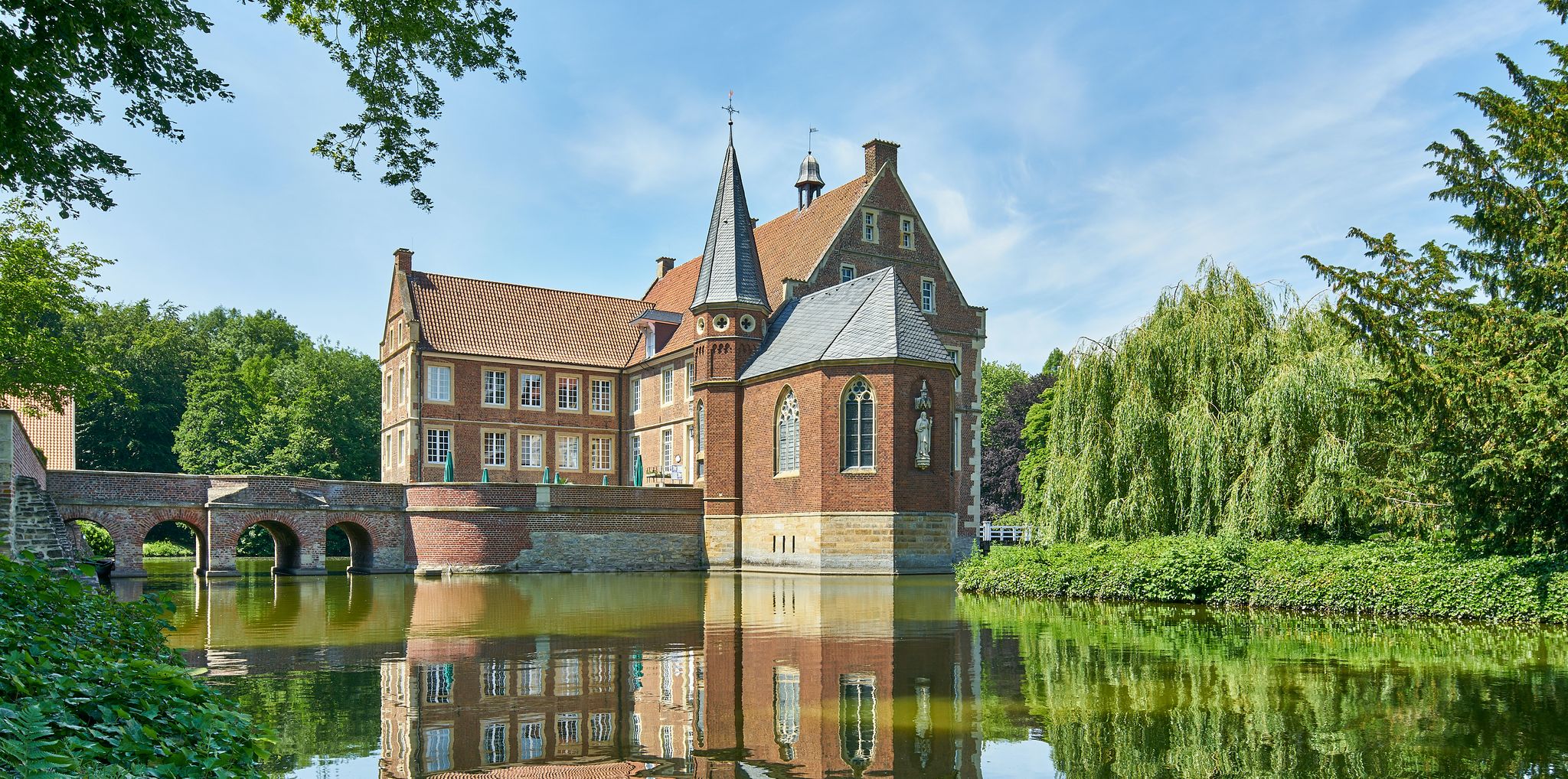
100 Castles Route – Discover the historical treasures of Münsterland by bike
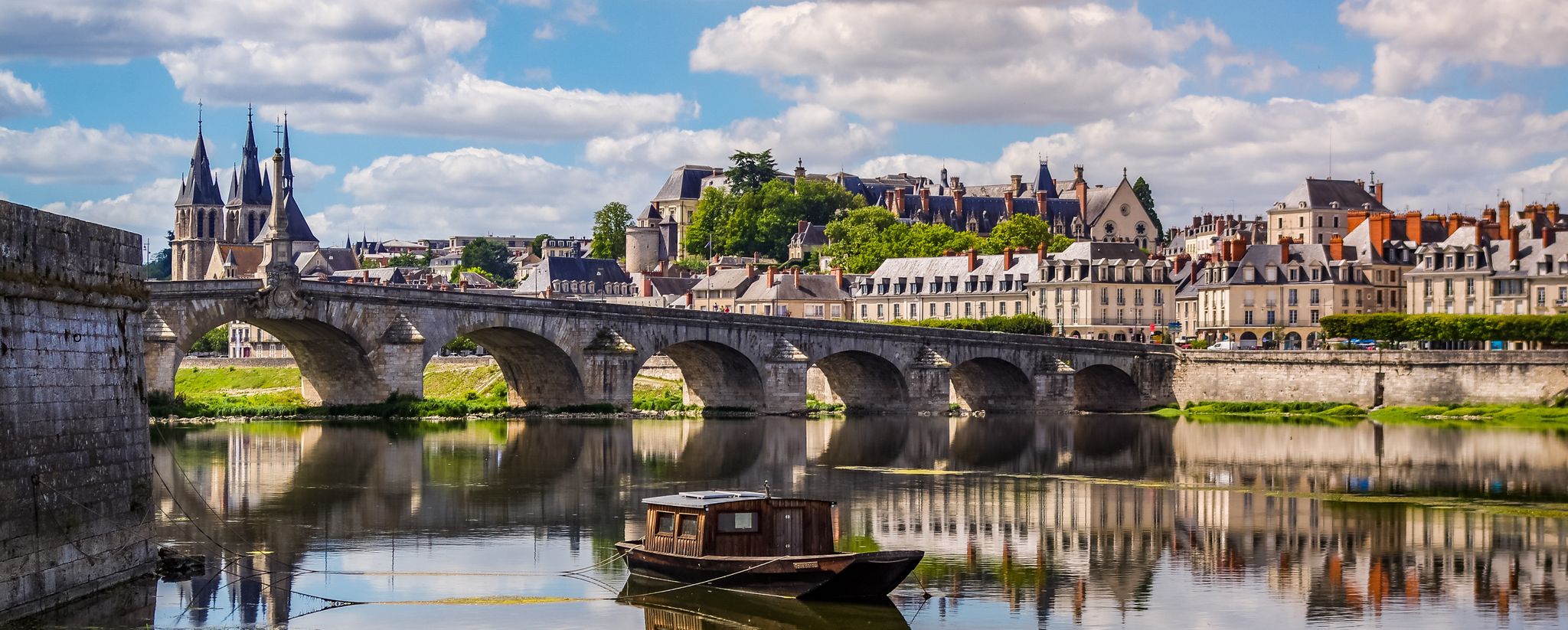
EuroVelo 3 – A cycling pilgrimage from Norway to France
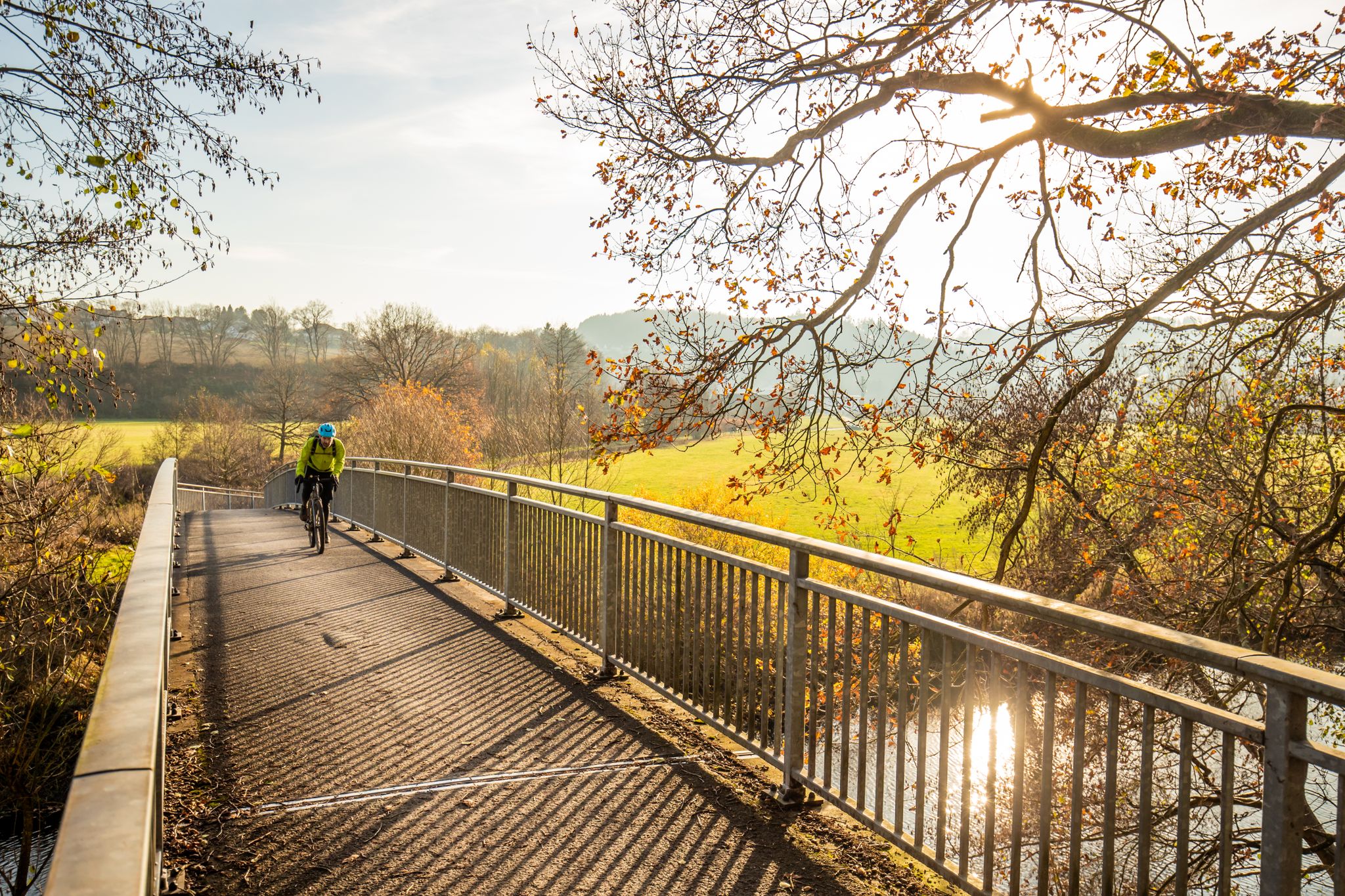
Ruhr Valley Gravel – rediscover the Ruhr Area in Germany
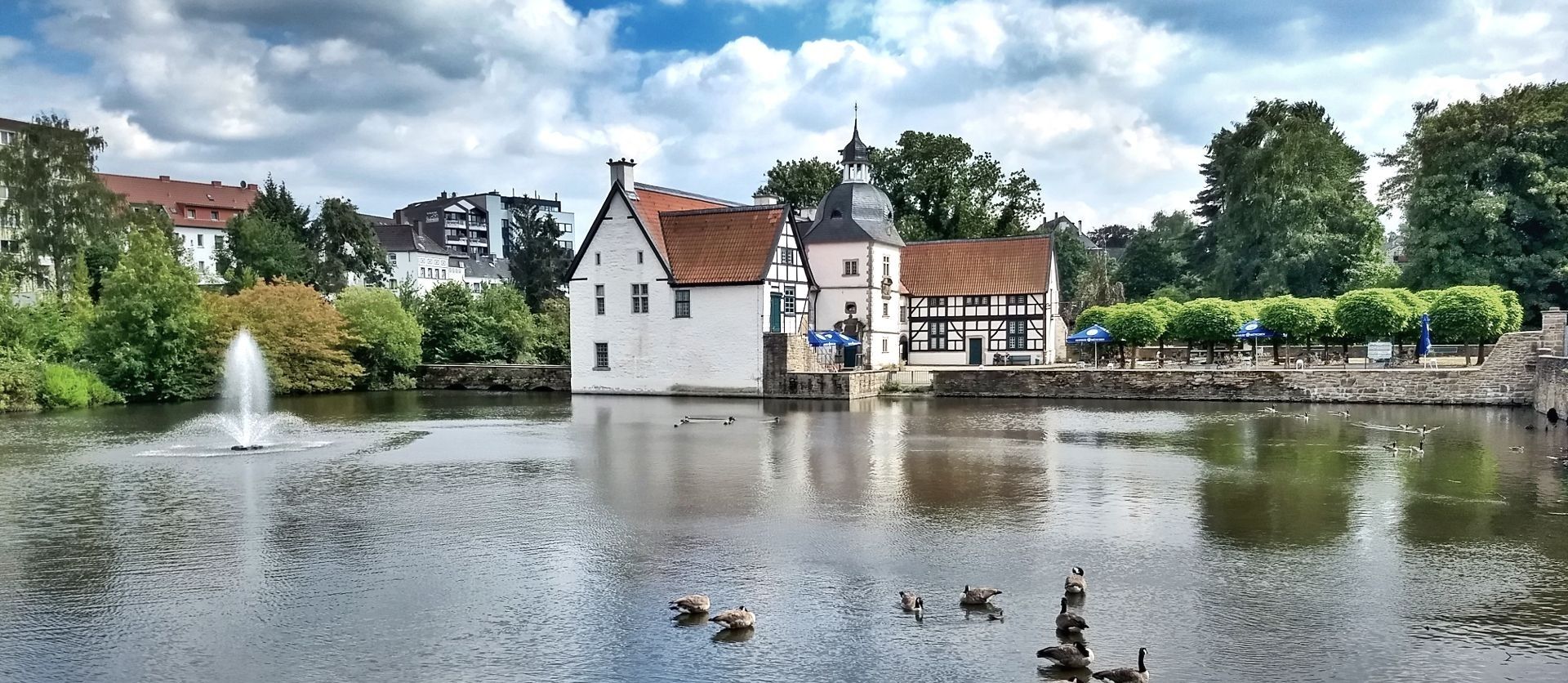
The Emscher-Weg – Between nature and industrial heritage
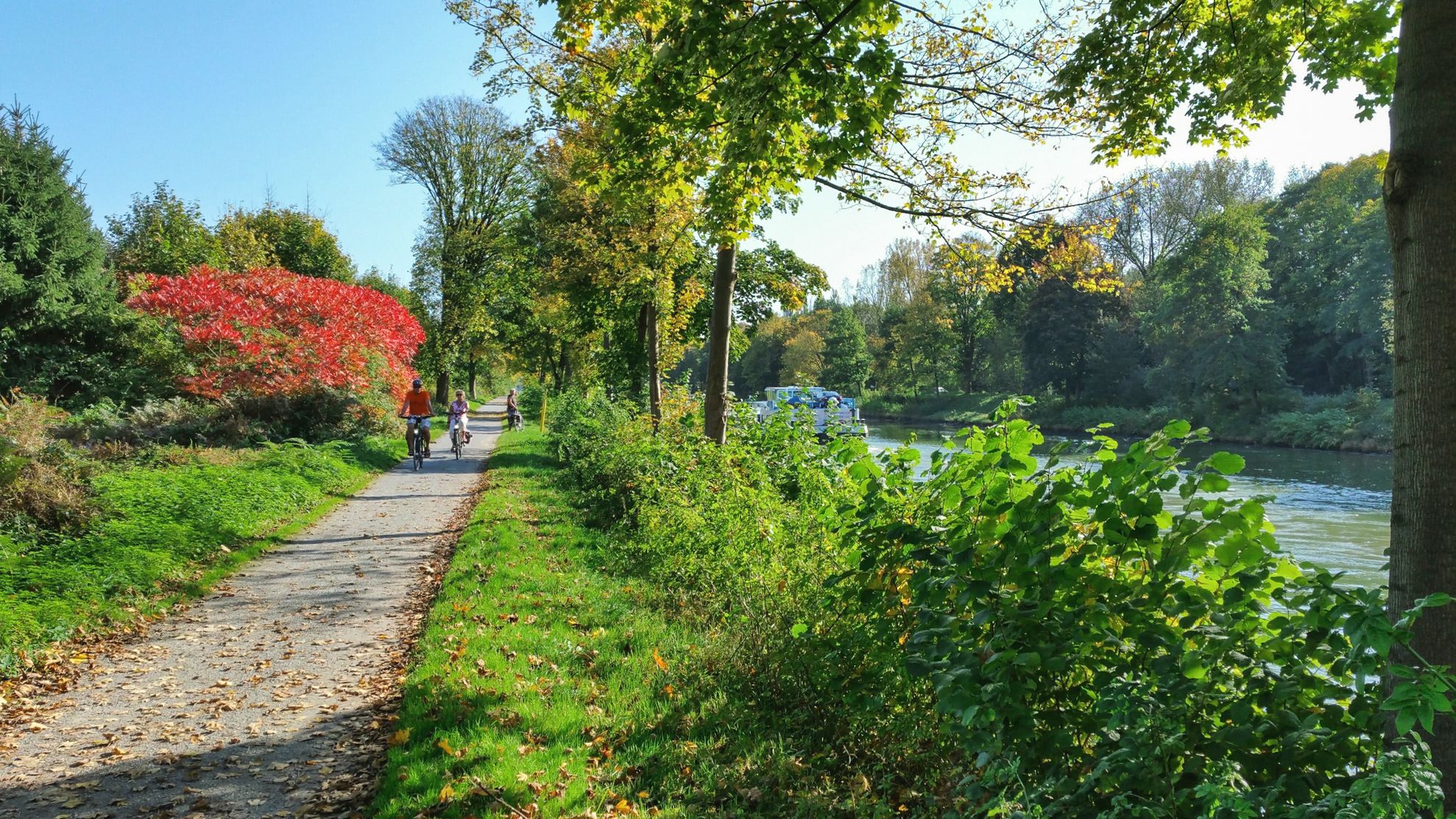
Römer‑Lippe Route – Water & history, 6 days
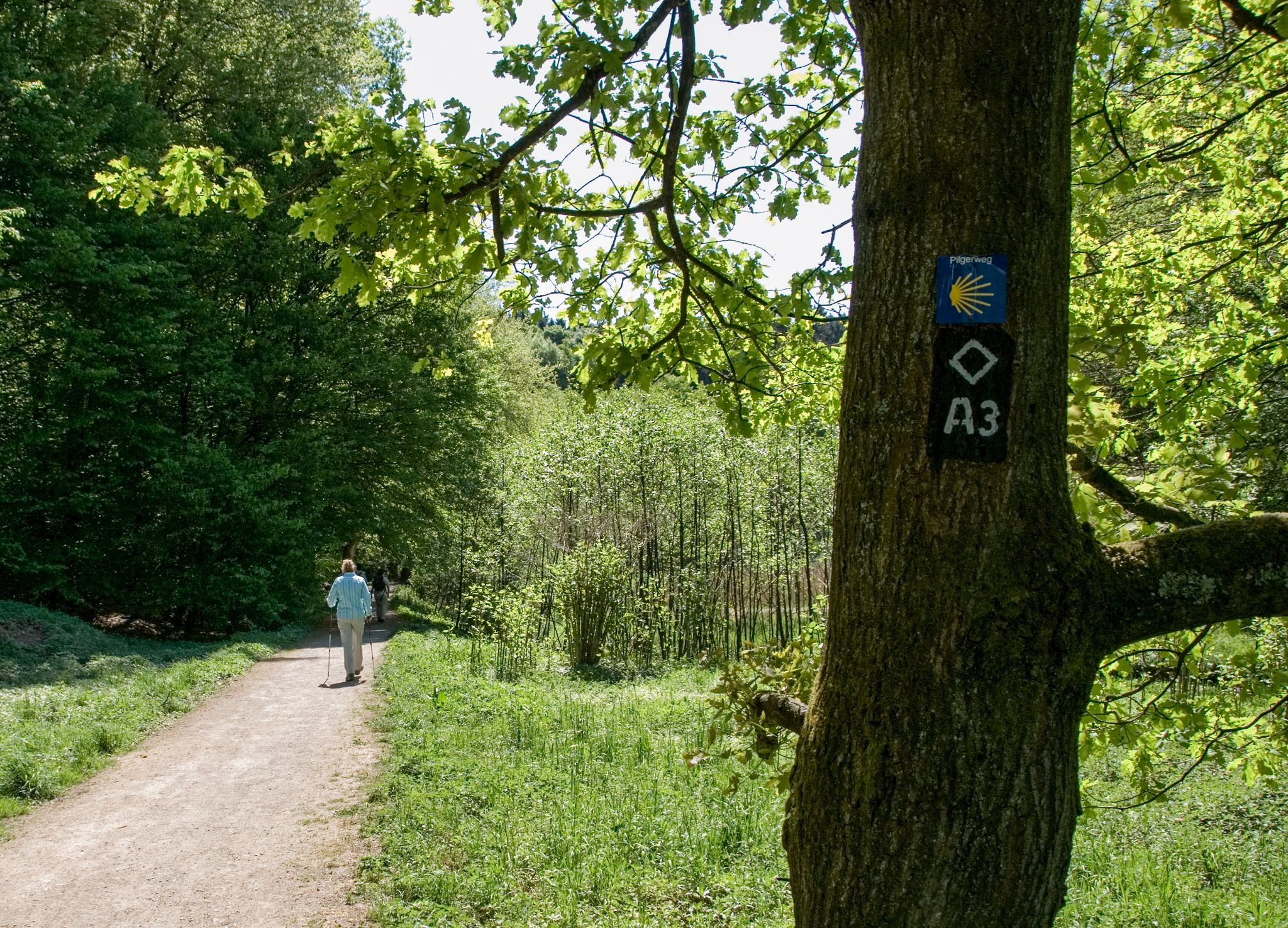
Westphalian Way of St. James – 9 days
Other adventures in the Ruhr Region


Tips from the Community

We feel a special connection to some places. But what does that actually mean? And how does such a relationship differ from one with a person? Wheel of Fortune Exercise: Inner Developmental Goals 3 - RELATIONSHIP As humans, we are born in need of help. Other living beings are capable of survival from birth; we depend on other people to feed us or protect us from cold and heat. And we organize the world so that it benefits and protects us. The fact that we are social, intelligent, and adaptable beings is our recipe for success. Living together is (not) a stroke of luck. Look for examples from your own life where this coexistence works well. And consider how the attitudes and feelings below contribute to this. (1) Appreciation Approach others and the world with a fundamental sense of appreciation, gratitude, and joy. (2) Connectedness A strong sense of being connected to or part of a larger whole, such as a community, humanity, or a global ecosystem. (3) Humility Being able to act in accordance with the needs of the situation without concern for one's own importance. (4) Empathy and Compassion The ability to treat others, oneself, and nature with kindness, empathy, and compassion, and to cope with the associated suffering.
3
1

The Hullern reservoir is the Stever dammed for drinking water production. This lake only has a "sandy beach" during long periods of drought, like here in August 2022. The SteverLandRoute runs along the banks of the Hullern and Halterner reservoirs and offers beautiful views of the lake from the cycle path, which is otherwise inaccessible. The fourth stage of the Steverland route always leads along the shore of the lake. The SteverlandRoute is the family bike path in Münsterland. Take a look at our collection! :)
11
0

Worth a trip, big or small. The approach over the Syburg and the view of Hagen is simply unforgettable.
16
0

An experience to stand there on New Year's Eve👍 or at sunrise or sunset
6
0

With its important past as a Roman base around the birth of Christ, Haltern am See has had town rights since 1289 and is a historical, up-and-coming medium-sized town, located at the northernmost point of the Lippe, embedded in the Hohe Mark, Haard and Borkenberge forest areas. The current urban area of Haltern am See was created as part of the municipal territorial reform in North Rhine-Westphalia in 1975. At that time, the town and the Haltern district, consisting of the communities Kirchspiel-Haltern (Holtwick, Lavesum and Sythen), Hullern and Lippramsdorf, were merged and expanded south of the Lippe to include the communities of Flaesheim (formerly part of the Datteln district) and Hamm-Bossendorf (parts of the Hamm community formerly part of the Marl district). The allocation of districts south of the Lippe to Haltern meant crossing a centuries-old border. A border that was the reason and prerequisite for the granting of town rights to Haltern by the sovereign and Prince-Bishop of Münster, Everhard von Diest, in the 13th century. Since 1908, Haltern am See has had a pumping station to pump drinking water for the northern Ruhr area. Water extraction has been steadily expanded; it helped the city to earn its decorative name "Haltern am See" and reached its provisional end point with the completion of the Hullerner Lake in 1985. A side effect of the area-intensive water management is the increased recreational value of the Haltern landscape, which, free of industry, has become even more attractive to visitors and locals thanks to the creation of the lakes. Today, the Haltern lakes with their boathouses, sailing harbor and seaside resort are the destination of many people seeking relaxation. But Haltern am See has more to offer visitors than just the lake. The attractive and varied landscape is often referred to as the lungs of the Ruhr area. The city is the heart of the Hohe Mark Nature Park. The extensive forests of the Haard and the Hohe Mark, as well as the Westruper Heide, Holtwicker Heide and Sebbelheide nature reserves, are accessible via a dense network of hiking, cycling, horse riding and walking trails. The pedestrian zones of the old town and the modern town centers of Sythen, Flaesheim, Lippramsdorf, Hullern and Lavesum are popular shopping and meeting places for residents and visitors alike.
13
1

Industrial culture,...GREAT...I love the POTT
20
0

The Old Ride is a disused section of the Dortmund-Ems Canal. The 8 1/2 km long section extends from the Datteln canal junction to behind Olfen. A beautiful footpath and cycle path leads directly along the water.
11
0

Steel giants with charm, highly recommended.
21
0
Frequently Asked Questions
What types of natural monuments can I explore in the Ruhr Region?
The Ruhr Region offers a unique blend of natural and redeveloped industrial landscapes. You'll find a variety of natural monuments, including tranquil reservoirs like Lake Baldeney and Halterner Reservoir, scenic river paths such as the Ruhr weir and towpath in Hattingen, and impressive repurposed slag heaps like Hoheward Spoil Heap & Horizon Observatory, which offer panoramic views.
Are there family-friendly natural monuments in the Ruhr Region?
Absolutely! Many natural monuments in the Ruhr Region are ideal for families. Places like Ruhr weir and towpath in Hattingen offer flat, scenic routes perfect for walks and cycling with children. Reservoirs such as Lake Baldeney and Hullerner Reservoir provide ample space for outdoor activities and relaxation. Even historical sites like Hohensyburg castle ruins are considered family-friendly, often featuring easy trails and interesting views.
What outdoor activities can I do near these natural monuments?
The natural monuments in the Ruhr Region are surrounded by opportunities for various outdoor activities. You can enjoy extensive cycling along the Ruhr weir and towpath or around Lake Baldeney. For hiking, explore trails near the Hohensyburg castle ruins or consider longer routes like the Kettwiger Panoramasteig. The region also offers dedicated mountain hikes, MTB trails, and road cycling routes that often pass by these natural attractions.
How does the Ruhr Region's industrial past influence its natural monuments?
The Ruhr Region's industrial heritage has profoundly shaped its natural monuments. Many sites are examples of successful transformation, where former industrial areas have been redeveloped into green spaces. For instance, Duisburg-North Landscape Park integrates old industrial structures with nature, offering a unique blend of culture and ecology. Similarly, Hoheward Spoil Heap & Horizon Observatory is a repurposed mining dump that now provides recreational opportunities and panoramic views, showcasing the region's commitment to ecological restoration.
Are there any natural monuments suitable for dog walking?
Yes, many natural monuments in the Ruhr Region are dog-friendly. Areas around lakes like Pfingstsee and the extensive paths along the Ruhr weir and towpath are popular choices for walks with dogs. Always remember to keep your dog on a leash where required and clean up after them to preserve the natural beauty for everyone.
What are some notable viewpoints among the natural monuments?
For breathtaking views, head to Hoheward Spoil Heap & Horizon Observatory, which offers expansive panoramas across the entire Ruhr area. The Kaiser Wilhelm Monument at Hohensyburg also provides a terrific vantage point over the Ruhr Valley and the Hengsteysee. These elevated spots are perfect for appreciating the region's diverse landscape.
Can I observe wildlife at the natural monuments?
Yes, several natural monuments offer opportunities for wildlife observation. Lake Baldeney, for example, includes a bird sanctuary that is home to species like cormorants and kingfishers. The nature reserve Ruhraue Hattingen Winz, located along the Ruhr weir and towpath, is a significant floodplain area where you can observe various bird species and other local fauna.
What is the best time of year to visit the natural monuments in the Ruhr Region?
The natural monuments in the Ruhr Region can be enjoyed year-round, each season offering a different charm. Spring and autumn are ideal for hiking and cycling due to pleasant temperatures and vibrant foliage. Summer is perfect for water sports on the lakes and enjoying the longer daylight hours. Even winter offers unique experiences, with crisp air and serene landscapes, though some facilities might have reduced hours.
Are there any historical sites connected to the natural monuments?
Many natural monuments in the Ruhr Region are intertwined with historical sites. The Hohensyburg castle ruins and the nearby Kaiser Wilhelm Monument offer glimpses into the region's past, alongside stunning natural views. Additionally, the Duisburg-North Landscape Park is a prime example of how industrial history has been preserved and integrated into a natural recreational area.
What do visitors enjoy most about the natural monuments in the Ruhr Region?
Visitors frequently praise the unique combination of industrial heritage and natural beauty. They appreciate the panoramic views from elevated sites like Hoheward Spoil Heap, the peaceful atmosphere around lakes such as Lake Baldeney, and the well-maintained paths for cycling and walking. The transformation of former industrial sites into accessible green spaces is often highlighted as a remarkable feature of the region.
Are there accessible routes for cycling near the natural monuments?
Yes, the Ruhr Region is well-equipped with accessible cycling routes. The Ruhr weir and towpath in Hattingen offers a scenic and flat route along the Ruhr River, connecting to other prominent lakes like Baldeneysee and Kemnader See. The Emscher Landscape Park also features extensive cycling trails that integrate former industrial sites into recreational areas, providing diverse options for cyclists.
Where can I find more information about visiting Essen's natural attractions?
For more details on natural attractions specifically in Essen, including information about Lake Baldeney and the Kettwiger Panoramasteig, you can visit the official tourism website for Essen: visitessen.de.
Most popular routes in the Ruhr Region
Most popular attractions in the Ruhr Region

Get inspired with the komoot mobile app


Didn’t find what you were looking for?
Find even more amazing natural monuments in the Ruhr Region by checking out the top Highlights region by region:
Explore more
Extend your search for the best caves by checking out these guides of the top ones in the Ruhr Region:
