The best cycling routes around Ober-Olmer Wald
4.5
(12735)
68,094
riders
724
rides
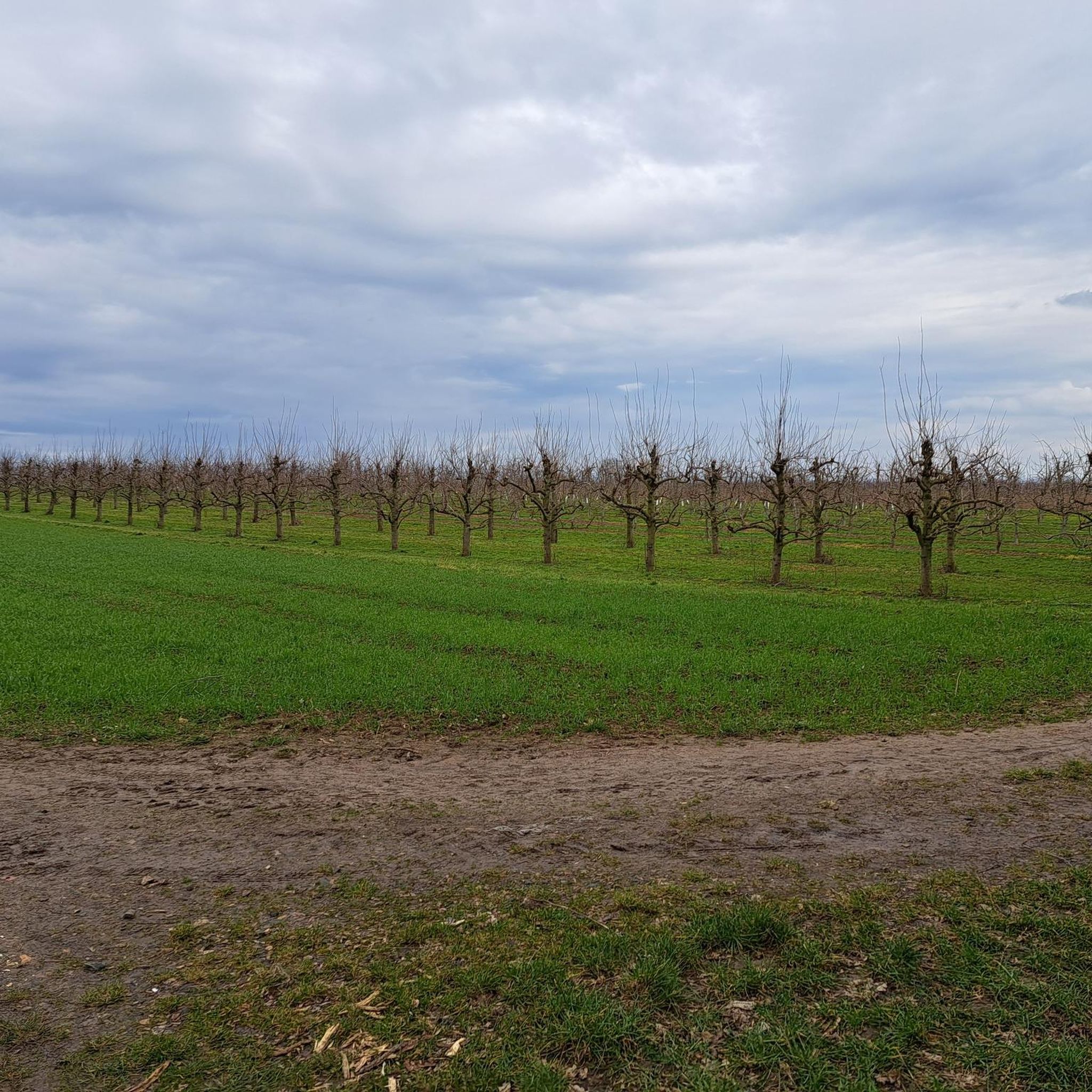
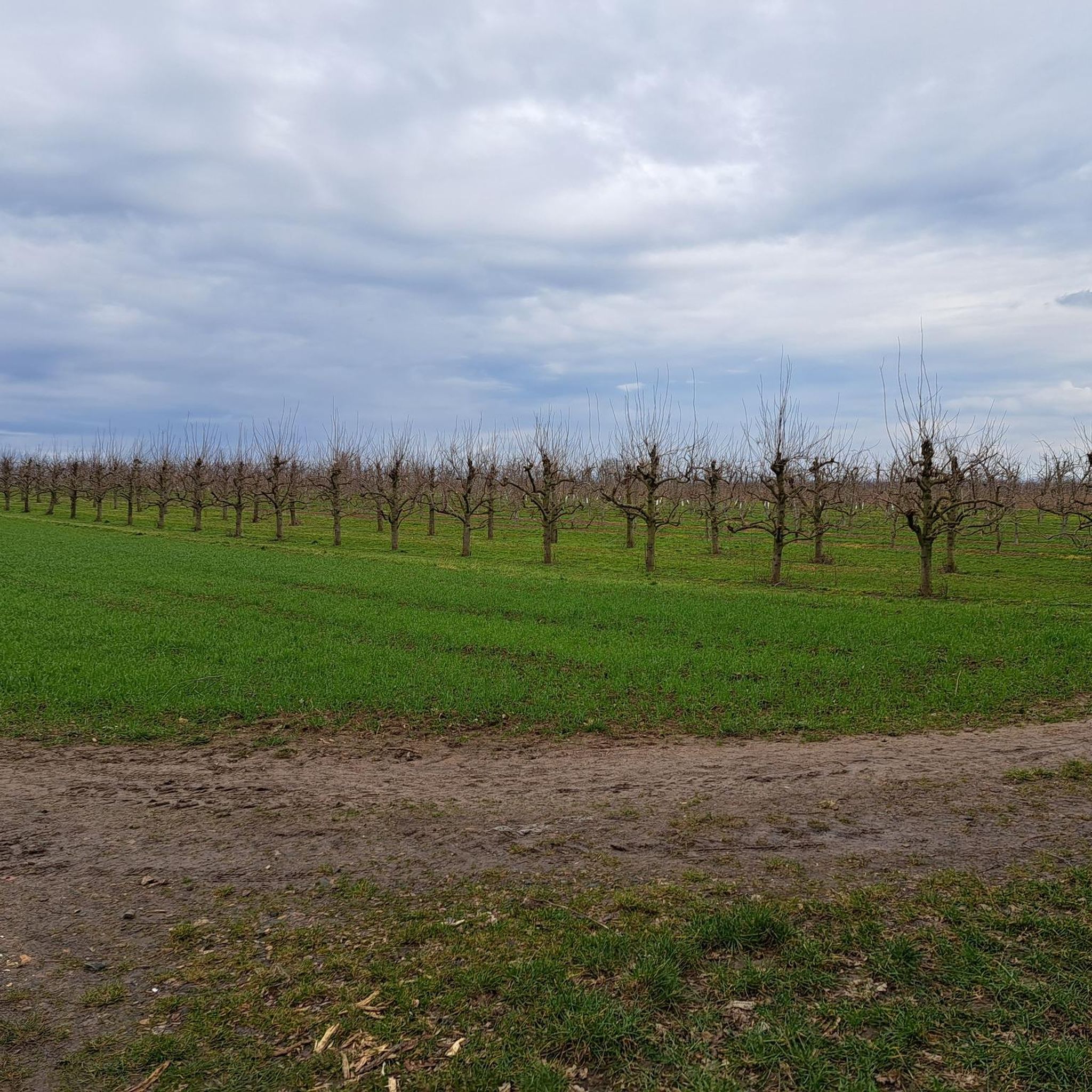
Touring cycling routes around Ober-Olmer Wald traverse the largest contiguous forest and recreational area in northern Rheinhessen. The region features diverse landscapes, including extensive mixed deciduous forests, calcareous grasslands, dry grasslands, and orchards. Cyclists can experience rolling hills and views of vineyards, with the area also serving as a designated nature reserve. This landscape offers varied terrain for touring cyclists, from serene woodlands to open fields.
Best touring cycling routes around Ober-Olmer Wald
- The most popular touring cycling route is…
Last updated: November 22, 2026
4.6
(7)
57
riders
14.1km
00:53
120m
120m
Easy bike ride. Mostly paved surfaces.
4.6
(78)
322
riders
Moderate bike ride. Good fitness required. Mostly paved surfaces.

5.0
(108)
63
riders
18.3km
01:09
140m
140m
Easy bike ride. Mostly paved surfaces.
3.3
(3)
50
riders
12.3km
00:46
90m
90m
Easy bike ride. Mostly paved surfaces.
4.8
(5)
27
riders
27.5km
01:43
200m
200m
Moderate bike ride. Good fitness required. Mostly paved surfaces.
Get access to more routes and recommendations from other explorers.
Already have an account?
Our route recommendations are based on thousands of hikes, rides, and runs completed by other people on komoot.
Start today with a free account
Your next adventure awaits.


Tips from the Community

The traditional theater looks back on a history that dates back to the 19th century and today offers a varied program of opera, drama, dance, concerts, as well as children's and youth theater.
4
0

The Gautor is a historic city gate in Mainz, which today stands as a restored show facade at the intersection between the Altstadt and the Oberstadt (at the upper end of Gaustraße). It is one of the few remaining architectural testimonies of the once mighty Mainz fortress. History and military significance The predecessor of the gate was the medieval, three-gated "Gaupforte", which since the 13th century represented the most important connection from the city to the surrounding area – the so-called "Gau". This gate was the scene of significant historical events: In 1462, troops marched through the gate, which bloodily ended the Mainz Diocesan Feud and led to Mainz losing its city freedom. Later, Swedish troops under King Gustavus Adolphus (1631) and French revolutionary armies marched in here. Around 1670, the old structure was replaced under Elector Johann Philipp von Schönborn in the course of the large-scale expansion of the baroque fortress ring by the current Gautor, which consisted of an inner and an outer gate. From demolition to re-erection Towards the end of the 19th century, the fortifications lost their military purpose and were increasingly perceived as an obstacle to traffic. In 1896, the fortress wall and the gate were demolished. It is only thanks to massive protests from the Mainz population that the magnificent, outer baroque facade made of red sandstone was not completely destroyed. After a long odyssey through various locations in the city – including the courtyard of a grammar school and a green space at Fichteplatz – the restored gate finally returned to the vicinity of its original historical location in 1998, thanks to private donations. Architecture and current appearance The preserved structure shows Roman-baroque stylistic features and is framed by striking gate pillars with Tuscan pilasters. The upper part of the arch is crowned by an elaborate group of figures showing Saint Martin – the patron saint of the city of Mainz – dividing his cloak with two beggars. The figure on the gate is a detailed replica, while the original sandstone figures are kept in the Mainz State Museum for protection against the weather.
15
0


The Gautor in Mainz was originally part of the ring of fortifications, which was built in the 1650s. It was not demolished until 1896. The preserved ornamental facade can be seen here today and was re-erected in 1998.
2
0

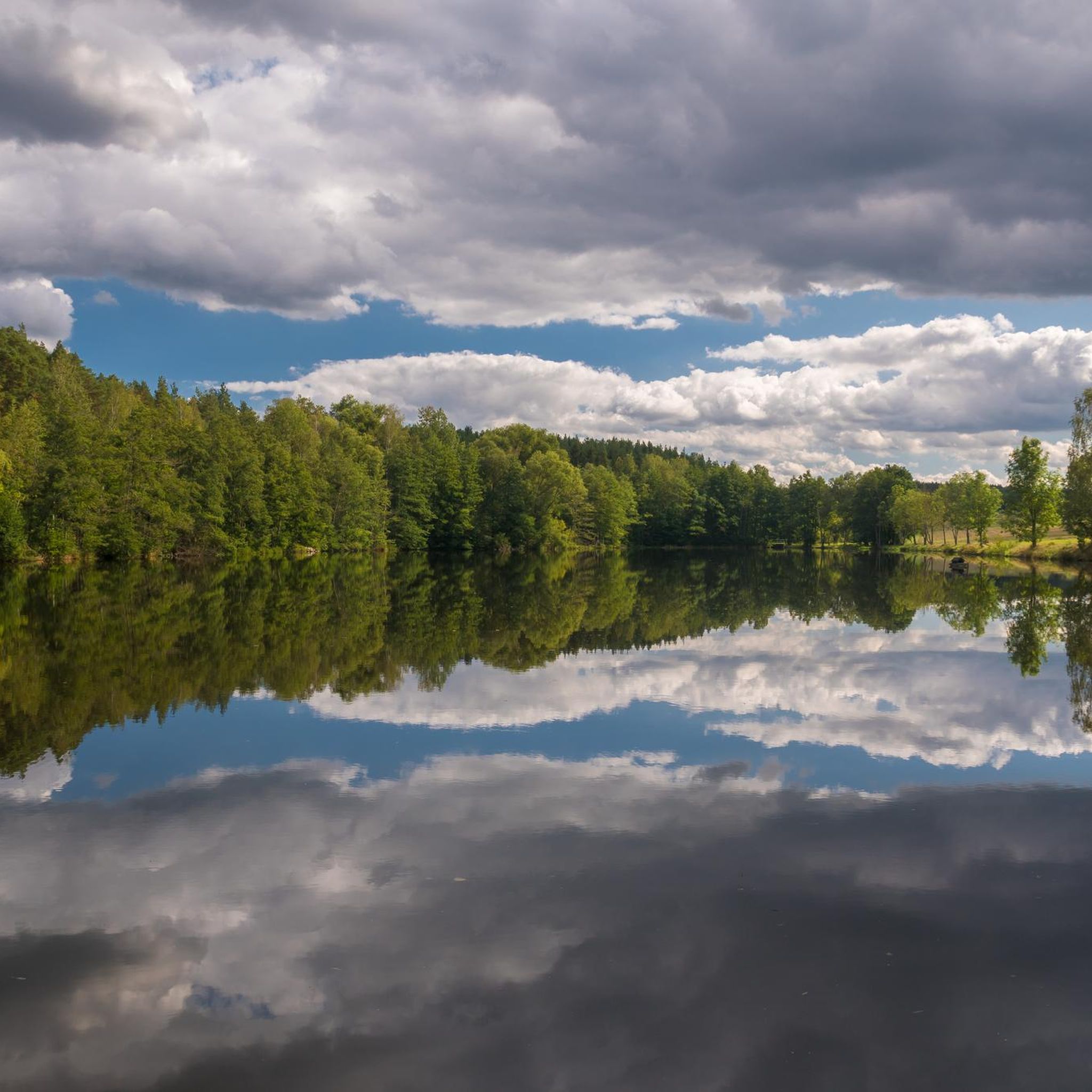
Unfortunately, the pond is fenced all around. However, you can get directly over the water via a lookout point. The whole facility is unexpectedly worthwhile. Definitely go all the way around the pond.
1
0

beautiful cycle path through the romantic Selztal valley
0
0

A beautiful cycle path along the Selz river through the Rhine-Hessian hill country, passing several renaturalized areas of the Selz and many structural features of the "Mainz Basin" that make the Rhine-Hessian hill country unique.
0
0
Frequently Asked Questions
How many touring cycling routes are available in Ober-Olmer Wald?
There are over 700 touring cycling routes in and around Ober-Olmer Wald, offering a wide variety of options for all skill levels.
What kind of terrain can I expect on touring cycling routes in Ober-Olmer Wald?
The region features diverse landscapes, including extensive mixed deciduous forests, calcareous grasslands, dry grasslands, and orchards. You'll experience rolling hills and views of vineyards, with many routes offering mostly paved surfaces ideal for touring cyclists.
Are there family-friendly touring cycling routes in Ober-Olmer Wald?
Yes, Ober-Olmer Wald offers many easy routes suitable for families. For example, the Draisberghof – Gonsenheim Fountain loop from Drais is an easy 7.7-mile (12.3 km) path that provides a pleasant ride through varied scenery.
Can I bring my dog on the touring cycling routes?
Many of the touring cycling routes in Ober-Olmer Wald traverse natural areas and forest paths where dogs are generally welcome, provided they are kept on a leash and under control. Always be mindful of local regulations and other trail users.
Are there circular touring cycling routes in Ober-Olmer Wald?
Yes, many routes in Ober-Olmer Wald are designed as loops, allowing you to start and end at the same point. The Mewa Arena – Mewa Arena loop from Lerchenberg is an easy 8.4-mile (13.5 km) circular path that provides a mix of urban and natural scenery.
Where can I find parking for touring cycling routes in Ober-Olmer Wald?
Parking is generally available at various entry points to the Ober-Olmer Wald. Specific starting points for routes, such as those near Wiesen am Layenhof, often have designated parking areas. The Forsthaus (Forest Lodge) also serves as a central point and may offer parking.
Is public transport available to reach the cycling routes?
Ober-Olmer Wald is accessible by public transport, particularly from nearby Mainz. You can research local bus routes that stop near the forest's edges or specific trailheads to plan your journey.
What natural features can I see along the touring cycling routes?
As a designated nature reserve and Natura 2000 area, Ober-Olmer Wald offers extensive mixed deciduous forests, calcareous grasslands, dry grasslands, and orchards. It's a habitat for various rare species, and you might spot diverse flora and fauna. Some routes also offer picturesque views of the Rhine and Rheinhessen's vineyards.
Are there any historical landmarks or attractions to explore around Ober-Olmer Wald?
Yes, the area has significant historical attractions. You can visit the Hill of Friendship and the Peace Cross at the Former Missile Site, which are poignant reminders of the Cold War era. These sites offer unique viewpoints and historical context.
Are there places to eat or drink along the touring cycling routes?
The Ober-Olm Forest Kiosk (Forester’s Lodge) often features a café, providing a convenient stop for refreshments. Additionally, routes that pass through or near villages may offer other dining options.
What are some easy touring cycling routes for beginners?
Beginners can enjoy many easy routes. The Finthen Market Hall – Mainz Carnival Fountain loop from NSG Höllenberg is an easy 11-mile (17.7 km) route, perfect for a relaxed introduction to touring cycling in the area.
What are the typical lengths of touring cycling routes in the area?
Route lengths vary significantly, from shorter loops of around 8-10 miles (13-16 km) to longer excursions. For instance, the Selzbach – Selztal Cycle Path loop from Wiesen am Layenhof - Ober-Olmer Wald is a moderate 23.4-mile (37.7 km) trail, typically completed in about 2 hours 18 minutes.
What do other touring cyclists enjoy the most about touring cycling in Ober-Olmer Wald?
The area is highly rated by the komoot community, with an average score of 4.5 stars from over 9,900 reviews. Reviewers often praise the diverse landscapes, from serene woodlands to open fields, and the well-maintained network of paths that cater to various fitness levels.
Most popular routes around Ober-Olmer Wald
Most popular attractions around Ober-Olmer Wald

Get inspired with the komoot mobile app


Explore more
Browse the best Cycling routes in other regions.
